How we built this comparison
This page combines traveler discussion patterns, published price ranges, flight schedules, and seasonal data to help you decide between Reykjavik and Edinburgh.
- Reviewed 100+ Reddit threads from r/travel, r/solotravel, r/VisitingIceland, r/Edinburgh, etc.
- Verified costs and logistics against current booking platforms (Booking.com, Skyscanner, local tour operators)
- Cross-referenced seasonal patterns and weather data from multiple meteorological sources
⚡ The TL;DR Verdict
For those seeking raw, otherworldly nature and don't mind a higher price tag, Reykjavik is your go-to, with a daily budget easily hitting $250-400+. If you crave rich history, vibrant city life, and a more budget-friendly (but still not 'cheap') experience, Edinburgh shines, typically around $150-250+ per day.
- Choose Reykjavik: Adventurous souls prioritizing dramatic landscapes, geothermal wonders, and the Northern Lights, willing to splurge for unforgettable experiences in a compact, safe city.
- Choose Edinburgh: History buffs, culture vultures, and those who appreciate walkable cities, lively pubs, and a rich arts scene without breaking the bank quite as much as Iceland.
- Choose Both: If you have 10-14 days and a healthy budget, you can absolutely do both! Fly into one (e.g., KEF), spend 4-5 days, then take a direct flight to the other (e.g., EDI for 4-5 days), and depart from there.
Quick Comparison
| Category | Reykjavik | Edinburgh | Winner |
|---|---|---|---|
| Costs & Value | Significantly more expensive across the board for accommodation, food, drinks, and activities. | More budget-friendly than Reykjavik, offering better value for dining, entertainment, and public transport. | Edinburgh |
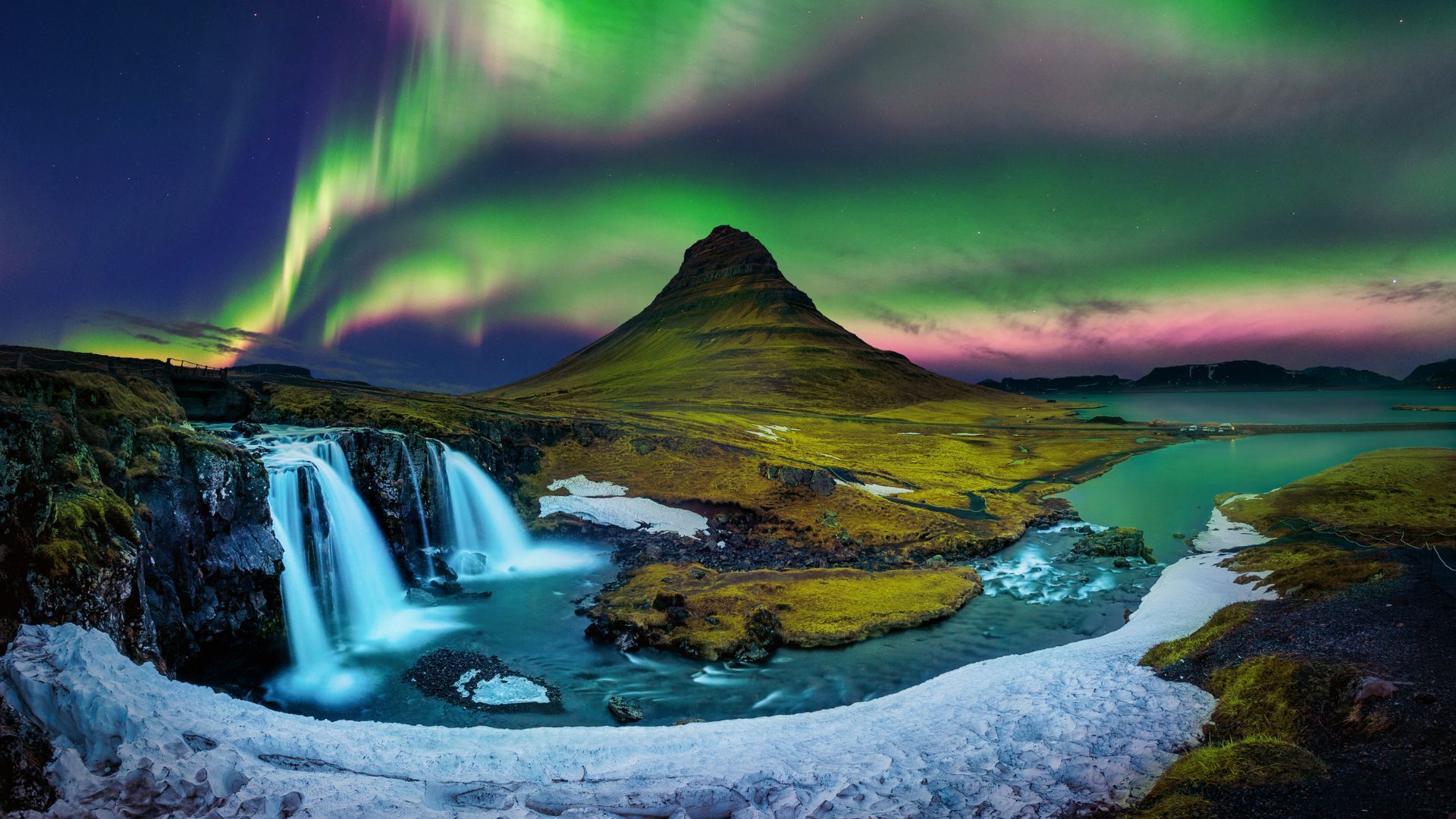
| Nature & Scenery | Unparalleled dramatic volcanic landscapes, geothermal features, glaciers, waterfalls, and the Northern Lights. | Stunning city views from volcanic hills, beautiful coastal walks, and accessible national parks a short drive away. | Reykjavik |
| Culture & History | Viking heritage, unique sagas, vibrant modern arts scene, and a strong connection to nature and geothermal energy. | Thousands of years of Scottish history, medieval castles, literary giants, and world-class museums and festivals. | Edinburgh |
| Food & Drink | Focus on fresh seafood, lamb, and unique traditional dishes like fermented shark; high prices for dining. | Diverse culinary scene from traditional Scottish fare to modern fine dining, thriving pub culture, and excellent craft beer/whisky. | Edinburgh |
| Nightlife & Entertainment | Compact, lively, and expensive weekend party scene, especially on Laugavegur street. | Diverse options from traditional pubs with live music to modern clubs, theaters, and comedy venues. | Edinburgh |
| Accommodation | Limited options and very high prices, especially for hotels and quality guesthouses. | Wider range of hotels, B&Bs, and guesthouses across various price points, though still a popular city. | Edinburgh |
| Getting There & Around | Keflavík (KEF) is well-connected; city center is walkable, tours for outside Reykjavik are essential. | Edinburgh Airport (EDI) has excellent connections; walkable city with efficient public transport (buses, trams). | Tie |
| Weather & Best Seasons | Highly unpredictable, cool summers, long dark winters with strong winds; best for Northern Lights in winter. | Temperate maritime climate, mild summers, cool and wet winters; best for festivals in summer, less extreme than Iceland. | Edinburgh |
| Day Trips & Excursions | World-class natural wonders (Golden Circle, South Coast, Snaefellsnes Peninsula), easily accessible from Reykjavik. | Historic towns (Stirling, St Andrews), Loch Lomond, and the Scottish Borders, offering diverse cultural and scenic outings. | Reykjavik |
| Solo Travel & Safety | Extremely safe, easy to navigate, and friendly locals; great for meeting people on tours. | Very safe, highly walkable, and easy to connect with others in pubs or via tours. | Tie |
💸 Costs & Value
When it comes to your wallet, Edinburgh is undeniably the winner. A pint of local beer in Reykjavik's city center can easily set you back 1,500-2,000 ISK (approx. $11-15 USD), while in Edinburgh, you're looking at £4.50-£6.50 (approx. $5.50-8 USD) at a traditional pub like The Royal Oak. Dining out in Reykjavik, a casual dinner can be 6,000-10,000 ISK ($45-75 USD) per person at places like Hlemmur Mathöll, whereas Edinburgh offers fantastic meals for £25-45 ($30-55 USD) at quality spots like Oink or The Scran & Scallie. Tours in Iceland, such as the Golden Circle, often start from 10,000-15,000 ISK ($75-110 USD), not including entrance fees for some stops, while many of Edinburgh's world-class museums, like the National Museum of Scotland, are free, and Edinburgh Castle entrance is around £20-25 ($25-30 USD). The cost of living in Reykjavik is among the highest globally, impacting everything from groceries to souvenirs. Edinburgh, while not 'cheap' by any stretch for a major European capital, provides a much better bang for your buck, allowing you to enjoy more experiences or extend your stay. "Iceland broke my bank, but my soul was full. Edinburgh was kinder to my wallet and my stomach," as one Reddit user put it.
Winner takeaway
- Winner: Edinburgh
- Why: Edinburgh offers a significantly more affordable travel experience with better value for money across almost all categories.
- Who this matters for: Budget-conscious travelers, those planning longer trips, and anyone prioritizing value for their spending.
🏞️ Nature & Scenery
This is where Reykjavik truly shines and arguably offers one of the most unique natural experiences on the planet. Just a short drive from the city, you can witness the raw power of nature on the Golden Circle tour, featuring the Gullfoss waterfall, the Geysir geothermal area (with Strokkur erupting every few minutes), and Þingvellir National Park, a UNESCO World Heritage site where tectonic plates meet. Further afield, the south coast boasts black sand beaches like Reynisfjara, the majestic Skógafoss and Seljalandsfoss waterfalls, and views of glaciers. In winter, the Northern Lights are a major draw, often visible from just outside Reykjavik's light pollution. Edinburgh offers its own natural beauty, primarily within and immediately surrounding the city. Arthur's Seat, an ancient volcano, provides incredible panoramic views of the city and is a fantastic hike. Holyrood Park offers vast green spaces, and coastal walks like Portobello Beach are charming. However, Scotland's dramatic Highlands, while stunning, require a dedicated day trip or multi-day excursion, often involving a 2-3 hour drive minimum to reach places like Loch Lomond & The Trossachs National Park. Reykjavik's nature is more immediate, more concentrated, and more 'otherworldly' in its volcanic and glacial grandeur. "Iceland's landscapes are like visiting another planet, nothing else really compares," a Reddit traveler commented.
Winner takeaway
- Winner: Reykjavik
- Why: Reykjavik offers a truly unique, dramatic, and easily accessible array of natural wonders unparalleled by most destinations.
- Who this matters for: Adventure seekers, photographers, nature lovers, and anyone dreaming of seeing the Northern Lights or volcanic landscapes.
🏛️ Culture & History
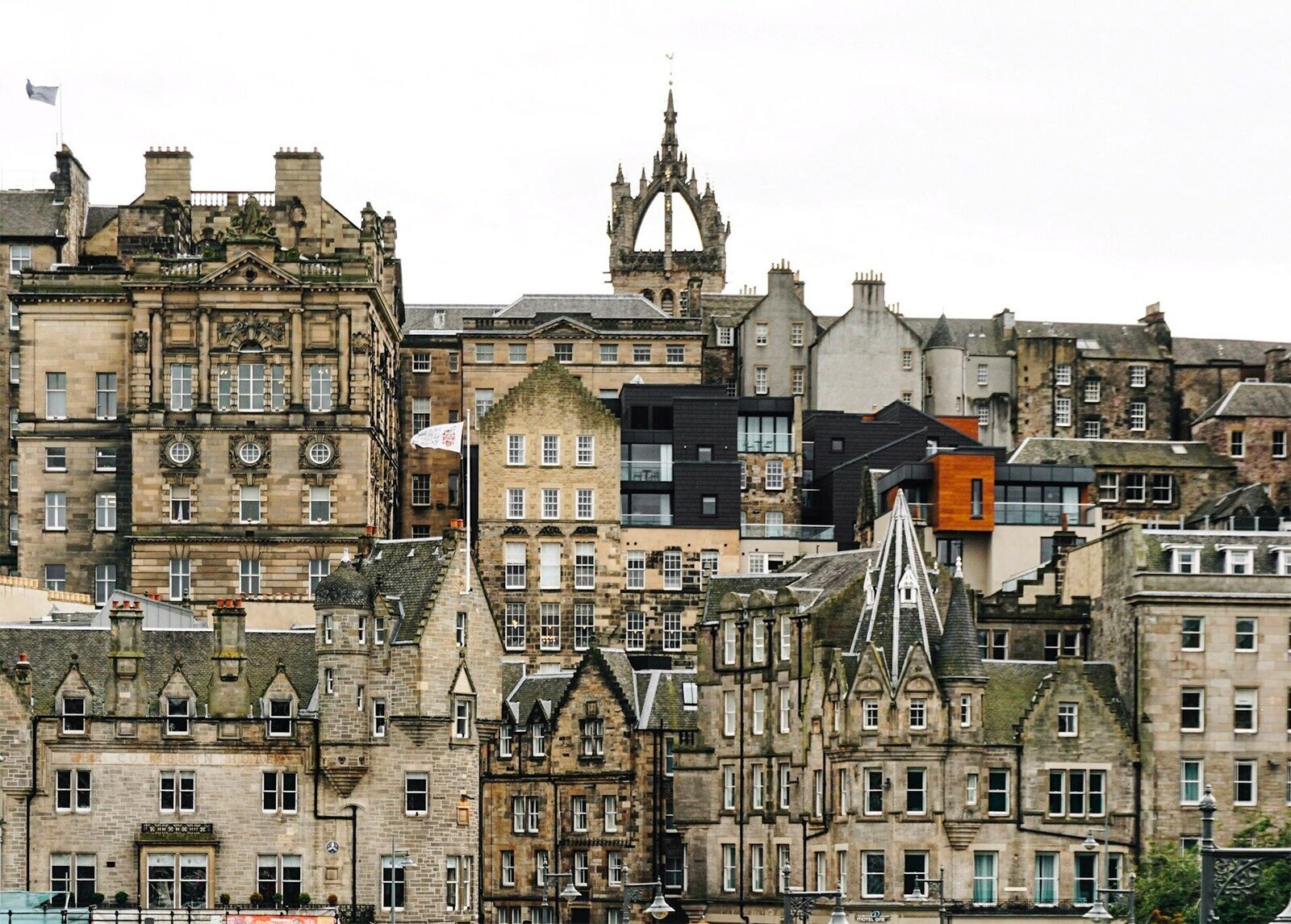
Edinburgh is a city steeped in history and culture, a true treasure trove for anyone fascinated by the past. The Edinburgh Castle, perched atop an extinct volcano, dominates the skyline and offers a deep dive into Scottish royalty and warfare. The Royal Mile, stretching from the castle to Holyrood Palace, is packed with historic closes, traditional pubs, and museums like The Real Mary King's Close, offering a glimpse into underground Edinburgh. The city is a UNESCO World Heritage site, famous for its Old Town and New Town architecture. Literary giants like Robert Burns, Sir Walter Scott, and Robert Louis Stevenson called it home, and J.K. Rowling famously found inspiration here. The National Museum of Scotland is a must-visit, covering everything from dinosaurs to Scottish history, and many museums offer free entry. Reykjavik has a rich, albeit more compact, cultural identity, heavily influenced by its Viking sagas and isolation. The National Museum of Iceland provides insights into its settlement and history, and the Harpa Concert Hall is an architectural marvel hosting diverse performances. The city's street art and vibrant music scene are noteworthy, but they can't quite match the sheer depth and breadth of Edinburgh's historical tapestry. "Edinburgh just breathes history, every cobblestone has a story. Reykjavik's cool, but it's a different vibe, more modern-art-meets-nature," a traveler shared.
Winner takeaway
- Winner: Edinburgh
- Why: Edinburgh boasts a far deeper, more extensive, and more immediately palpable historical and cultural legacy.
- Who this matters for: History buffs, literature enthusiasts, architecture admirers, and those seeking rich cultural immersion.
🍽️ Food & Drink
Edinburgh offers a much more diverse and generally more affordable culinary experience. You can savor traditional Scottish dishes like haggis, neeps, and tatties at a cozy pub like The World's End, or enjoy world-class seafood at The Ship on the Shore in Leith. The city has a burgeoning fine dining scene, including Michelin-starred restaurants, as well as an incredible array of international cuisines. A full Scottish breakfast typically costs £10-15 ($12-18 USD). The pub culture is central to Edinburgh's social life, offering a chance to try local ales and whiskies. Reykjavik's food scene, while evolving, is smaller and significantly pricier. Its strengths lie in fresh seafood (e.g., at Messinn), high-quality lamb, and of course, the iconic Bæjarins Beztu Pylsur hot dogs, which are a must-try budget-friendly staple (around 600-800 ISK / $4.50-6 USD). Traditional Icelandic food can be an acquired taste (think hákarl – fermented shark, or svið – a boiled sheep's head), but modern Icelandic cuisine often uses fresh local ingredients well. However, for sheer variety, quality-to-price ratio, and a vibrant food and drink scene beyond just dining, Edinburgh takes the cake. "Edinburgh's food scene blew me away, so many great options from cheap eats to fancy. In Reykjavik, I mostly ate hot dogs to save money, haha," a Reddit user quipped.
Winner takeaway
- Winner: Edinburgh
- Why: Edinburgh provides greater culinary diversity, better value, and a more established, varied food and drink culture.
- Who this matters for: Foodies, budget travelers, those who enjoy pub culture, and anyone seeking a wide range of dining options.
🌃 Nightlife & Entertainment
Edinburgh offers a more varied and accessible nightlife experience. Its numerous traditional pubs, like Deacon Brodie's Tavern or The Dog House, provide a cozy atmosphere for a pint and often live folk music. The city also boasts a range of cocktail bars, craft beer spots, and nightclubs catering to different tastes, particularly around George Street and Cowgate. Plus, Edinburgh is a major hub for theater, comedy, and live music, with venues like The Playhouse and The Stand Comedy Club. During festivals like the Fringe, the entire city transforms into a massive entertainment venue. Reykjavik's nightlife, centered primarily on Laugavegur and its side streets, is famously vibrant but very expensive. Locals often 'pre-drink' at home before heading out to bars like Kaffibarinn or Prikið, which don't get busy until late (midnight or later) and stay open until the early morning, especially on Fridays and Saturdays. While it can be an unforgettable experience, the price of drinks (e.g., cocktails 2,500-3,500 ISK / $18-26 USD) can quickly add up. The options are also more limited in scope compared to Edinburgh's broader entertainment landscape. "Reykjavik's nightlife is a blast, but you pay for it. Edinburgh has more options and I wasn't constantly checking my bank balance after every round," a traveler noted.
Winner takeaway
- Winner: Edinburgh
- Why: Edinburgh offers a wider array of nightlife options, more affordable drinks, and a broader entertainment scene beyond just bars and clubs.
- Who this matters for: Party-goers seeking variety, those who enjoy live music or theater, and travelers on a moderate budget.
🏨 Accommodation
Accommodation costs are a significant factor where Edinburgh truly outperforms Reykjavik. In Reykjavik, even a mid-range hotel like Hotel Ríó or Centerhotel Midgard can easily cost 25,000-40,000 ISK (approx. $180-300 USD) per night, particularly during peak season (summer or Northern Lights season). Budget options like hostels (e.g., Loft Hostel) might start around 7,000-10,000 ISK ($50-75 USD) for a dorm bed, but private rooms are still very expensive. The supply simply doesn't meet the demand, driving prices up. Edinburgh, while a popular tourist destination, offers a much broader selection of lodging. You can find quality B&Bs and guesthouses for £90-150 ($110-180 USD) per night, and mid-range hotels like Motel One Princes Street or Ten Hill Place Hotel for £120-200 ($145-240 USD). There are also plenty of hostels for backpackers (e.g., The Hostel or CoDE Pod Hostels) with dorm beds starting from £25-40 ($30-50 USD). The variety extends from luxury five-star hotels to charming boutique options and numerous Airbnb rentals, giving travelers more choice and better value for their money. "I was shocked how much a decent hotel cost in Reykjavik, even booking months ahead. Edinburgh felt like I got so much more for my money," a Reddit comment highlighted.
Winner takeaway
- Winner: Edinburgh
- Why: Edinburgh provides a more diverse range of accommodation options and significantly better value for money.
- Who this matters for: All travelers, but especially those on a budget or seeking specific types of lodging (boutique, luxury, etc.).
✈️ Getting There & Around
Both cities offer convenient access and decent internal transportation. Reykjavik is served by Keflavík International Airport (KEF), which has direct flights from many major cities in North America and Europe, often with Icelandair or Play Airlines. The journey from KEF to downtown Reykjavik is typically by Flybus or Airport Direct, costing around 3,500-4,500 ISK ($25-35 USD) and taking 45-60 minutes. Once in Reykjavik, the city center is incredibly walkable. To explore Iceland's natural wonders, renting a car is popular, but many opt for organized tours (e.g., from Gray Line or Reykjavik Excursions) which pick up from hotels. Edinburgh is served by Edinburgh Airport (EDI), with excellent connections across the UK, Europe, and some direct transatlantic flights. The tram or Airlink 100 bus offers efficient transport to the city center for around £5.50-7.50 ($7-9 USD) and takes about 30 minutes. Within Edinburgh, the city is very walkable, especially the Old Town and New Town, and its extensive bus network (Lothian Buses) is highly efficient and affordable for exploring further afield, with a single journey costing £2.00 ($2.50 USD). Day trips to the Scottish Highlands or other cities are easily done by train or bus. Neither city really 'wins' here; they both offer great, albeit different, solutions for arrival and getting around. "Getting to Reykjavik was a breeze, and I just walked everywhere. Same for Edinburgh, though I used the buses a lot more," a traveler recalled.
Winner takeaway
- Winner: Tie
- Why: Both destinations offer efficient international airport access and viable options for exploring their respective regions, catering to different travel styles.
- Who this matters for: Travelers prioritizing easy airport access and diverse local transport options, whether self-driving or tour-based.
☀️ Weather & Best Seasons
Edinburgh generally offers a more predictable and 'kinder' climate for sightseeing. It has a temperate maritime climate, meaning mild summers (avg. 15-20°C / 59-68°F) and cool, often wet winters (avg. 2-7°C / 36-45°F), with occasional snow. The summer months (June-August) are popular for pleasant weather and the famous Edinburgh Fringe Festival. Spring and autumn can be beautiful with fewer crowds. Reykjavik's weather is notoriously unpredictable and often harsh. Summers are cool (avg. 10-15°C / 50-59°F) with long daylight hours (midnight sun), but strong winds and rain are common. Winters are dark, cold (avg. 0-5°C / 32-41°F), and often icy with frequent storms, but this is the prime season for seeing the Northern Lights. The 'best' season for Reykjavik depends entirely on your priority: summer for hiking and milder weather, winter for the Northern Lights and ice caves. However, for general comfort, consistent sightseeing, and less extreme conditions, Edinburgh is the more reliable choice for weather. You can often enjoy walking around Edinburgh without needing full Arctic gear, which isn't always the case in Reykjavik. "I packed for all four seasons in Reykjavik and used everything in one day. Edinburgh's weather is moody, but never that extreme," a Reddit user mentioned.
Winner takeaway
- Winner: Edinburgh
- Why: Edinburgh offers a more moderate and predictable climate, making it generally more comfortable for sightseeing across seasons.
- Who this matters for: Travelers sensitive to extreme weather, those prioritizing comfortable outdoor activities, and those wanting a more predictable travel experience.
🚗 Day Trips & Excursions
Reykjavik serves as an incredible hub for unparalleled natural day trips. The famous Golden Circle (Gullfoss, Geysir, Þingvellir) is just a 1-2 hour drive away, easily done in half a day. The South Coast tour takes you to iconic waterfalls like Seljalandsfoss and Skógafoss, the black sand beach of Reynisfjara, and views of glaciers, making for a spectacular full-day trip. Even the Snaefellsnes Peninsula, often called 'Iceland in Miniature,' is doable in a long day trip, offering diverse landscapes from black sand beaches to basalt columns and charming fishing villages. You can also visit the Blue Lagoon or Sky Lagoon for a relaxing geothermal spa experience. Edinburgh offers fantastic day trips too, but they are more varied in their appeal than the sheer natural grandeur of Iceland. You can visit the historic Stirling Castle, delve into the medieval university town of St Andrews (home of golf), explore the stunning Trossachs National Park and Loch Lomond, or even take a themed tour to Loch Ness. While Scotland's nature is beautiful, it typically requires more driving to reach truly dramatic landscapes, and it doesn't possess the same unique volcanic/geothermal features as Iceland. For concentrated, world-class natural excursions right on the city's doorstep, Reykjavik is unmatched. "Every day trip from Reykjavik felt like an epic adventure; I still dream of the waterfalls. Edinburgh's day trips are cool, but different," one traveler shared.
Winner takeaway
- Winner: Reykjavik
- Why: Reykjavik provides immediate access to a higher concentration of unique, world-class natural wonders for day trips.
- Who this matters for: Nature photographers, adventure seekers, and those prioritizing stunning natural landscapes over historical towns for excursions.
🚶♀️ Solo Travel & Safety
Both Reykjavik and Edinburgh are excellent choices for solo travelers and rank among the safest cities in the world. Reykjavik consistently tops global safety indexes. The city center is compact and easy to navigate on foot, even at night. Crime rates are extremely low, and locals are generally friendly and helpful, often fluent in English. Solo travelers find it easy to join group tours to explore the country's natural wonders, which is a fantastic way to meet other travelers. Many hostels cater well to solo adventurers. Edinburgh is also an incredibly safe city, with a very low crime rate. Its compact, walkable nature, especially in the Old Town and New Town, makes it easy to explore alone. Public transport is reliable, and there are countless pubs and cafes where solo travelers can feel comfortable and potentially strike up conversations. There are also many walking tours and organized day trips from Edinburgh that are great for meeting people. Both cities have well-established tourism infrastructures and a welcoming attitude towards international visitors, making them stress-free for independent explorers. "I felt completely safe walking around Reykjavik alone at 3 AM. Edinburgh was the same, just a really comfortable vibe," a Reddit user mentioned, perfectly encapsulating the safety and ease of both destinations.
Winner takeaway
- Winner: Tie
- Why: Both Reykjavik and Edinburgh offer exceptionally high levels of safety, ease of navigation, and opportunities for social interaction, making them ideal for solo travelers.
- Who this matters for: Solo travelers, first-time international travelers, and anyone prioritizing personal safety and ease of navigation.
❓ Frequently Asked Questions
Which city is better for a long weekend trip?
For a long weekend (3-4 days), Reykjavik is excellent if your primary goal is to experience intense nature and perhaps the Northern Lights. The main sights are easily accessible. Edinburgh works wonderfully too, offering a dense historical core that can be thoroughly enjoyed in 3-4 days, plus plenty of pub hopping and cultural activities.
Can I see the Northern Lights in Edinburgh?
While it's technically possible to see the Northern Lights (Aurora Borealis) in Scotland, particularly in more rural, dark sky areas, it's a rare occurrence in Edinburgh itself due to light pollution and geographical latitude. Reykjavik and Iceland, being much further north, offer significantly higher chances of witnessing the aurora during winter months.
Which city is more walkable?
Both cities are highly walkable in their respective centers. Reykjavik's downtown is quite flat and compact. Edinburgh's Old Town has steep hills and closes, adding to its charm but requiring more effort, while the New Town is flatter. You can easily explore the core attractions of both on foot.
What's the best time of year to visit each city?
For Reykjavik, summer (June-August) offers milder weather and the midnight sun, ideal for hiking and exploring. Winter (October-March) is best for Northern Lights and ice caves. For Edinburgh, summer (June-August) is popular for festivals and warmer weather, but also crowds. Spring and autumn offer pleasant weather with fewer tourists.
Is public transport good in either city?
Reykjavik has a public bus system (Strætó) but most visitors rely on walking in the city center or tours for outside. Edinburgh boasts an excellent and extensive public transport network with buses (Lothian Buses) and trams, making it very easy and affordable to get around the city and to the airport without a car.
Which city is better for families with young children?
Edinburgh might be slightly better for families, offering more child-friendly museums (e.g., National Museum of Scotland), parks, and attractions like Edinburgh Zoo or Dynamic Earth, with more varied dining options. Reykjavik is also family-friendly, especially for outdoorsy families, but its higher costs and focus on natural excursions might be less appealing for very young kids.
What about the language barrier?
In both Reykjavik and Edinburgh, English is widely spoken. In Reykjavik, virtually everyone working in tourism, hospitality, and retail speaks excellent English. In Edinburgh, English is the local language. You will have no issues with communication in either destination.
Which city has more unique souvenirs?
Reykjavik offers unique Icelandic wool products (sweaters, hats), lava rock jewelry, and items related to Vikings or geothermal energy. Edinburgh has a rich array of Scottish souvenirs like tartan, whisky, tweed, shortbread, and items related to its literary heritage. Both offer distinct and memorable keepsakes, depending on your preference for natural vs. historical themes.
Ready to plan your Northern Europe trip?
Get a free custom itinerary for Reykjavik, Edinburgh, or both — built from real traveler insights.
🎟️ Book Tours & Experiences
Hand-picked tours and activities for both destinations — book with free cancellation
Experiences via Viator — free cancellation on most tours