How we built this comparison
This page combines traveler discussion patterns, published price ranges, flight schedules, and seasonal data to help you decide between Reykjavik and Stockholm.
- Reviewed 50+ Reddit threads from r/travel, r/solotravel, r/visitingiceland, and r/sweden for authentic traveler experiences and tips.
- Verified costs and logistics against current booking platforms (e.g., Google Flights, Booking.com, tour operators) and official tourism sites.
- Cross-referenced seasonal patterns, weather data, and cultural event calendars to provide accurate timing recommendations.
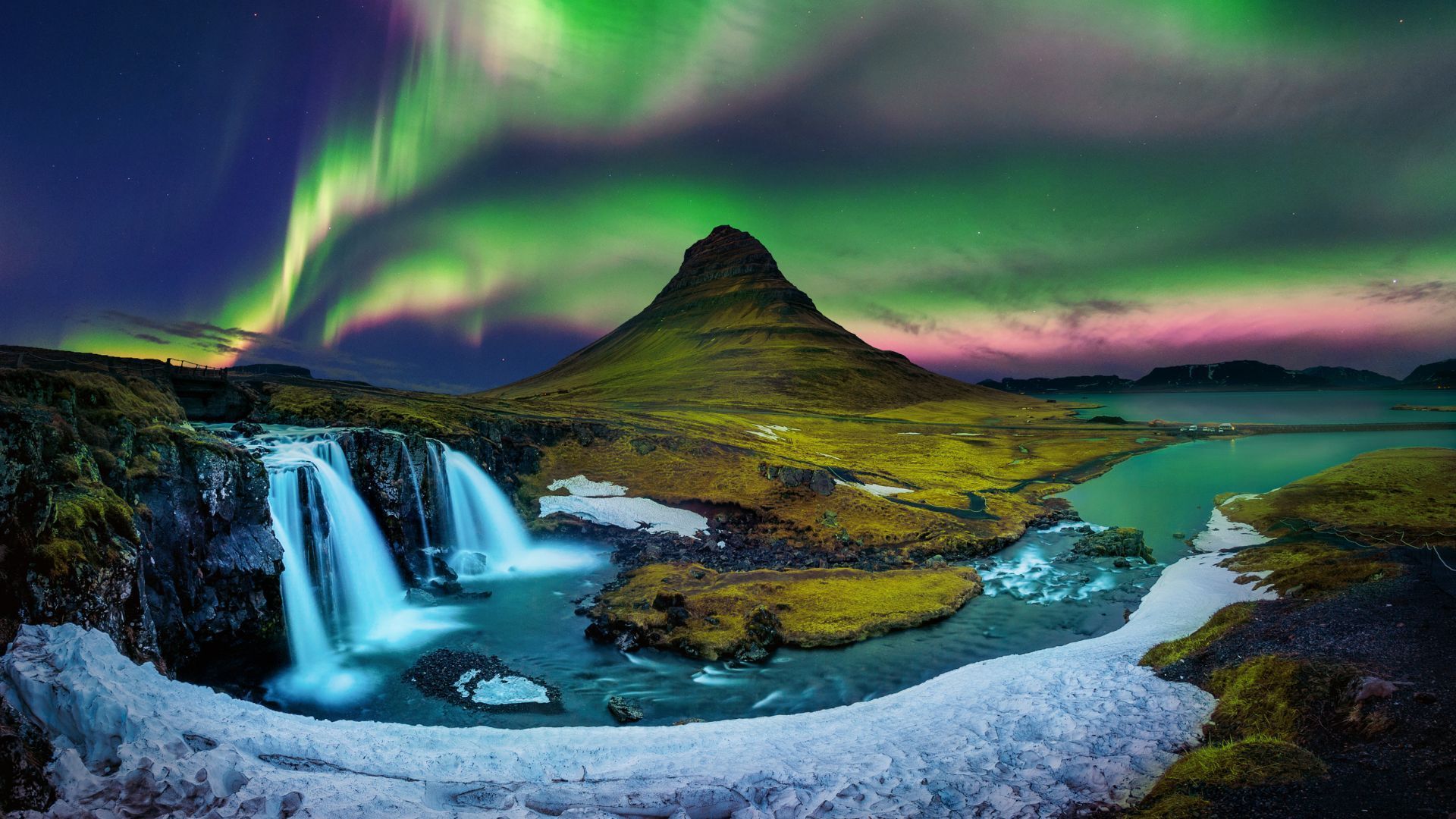
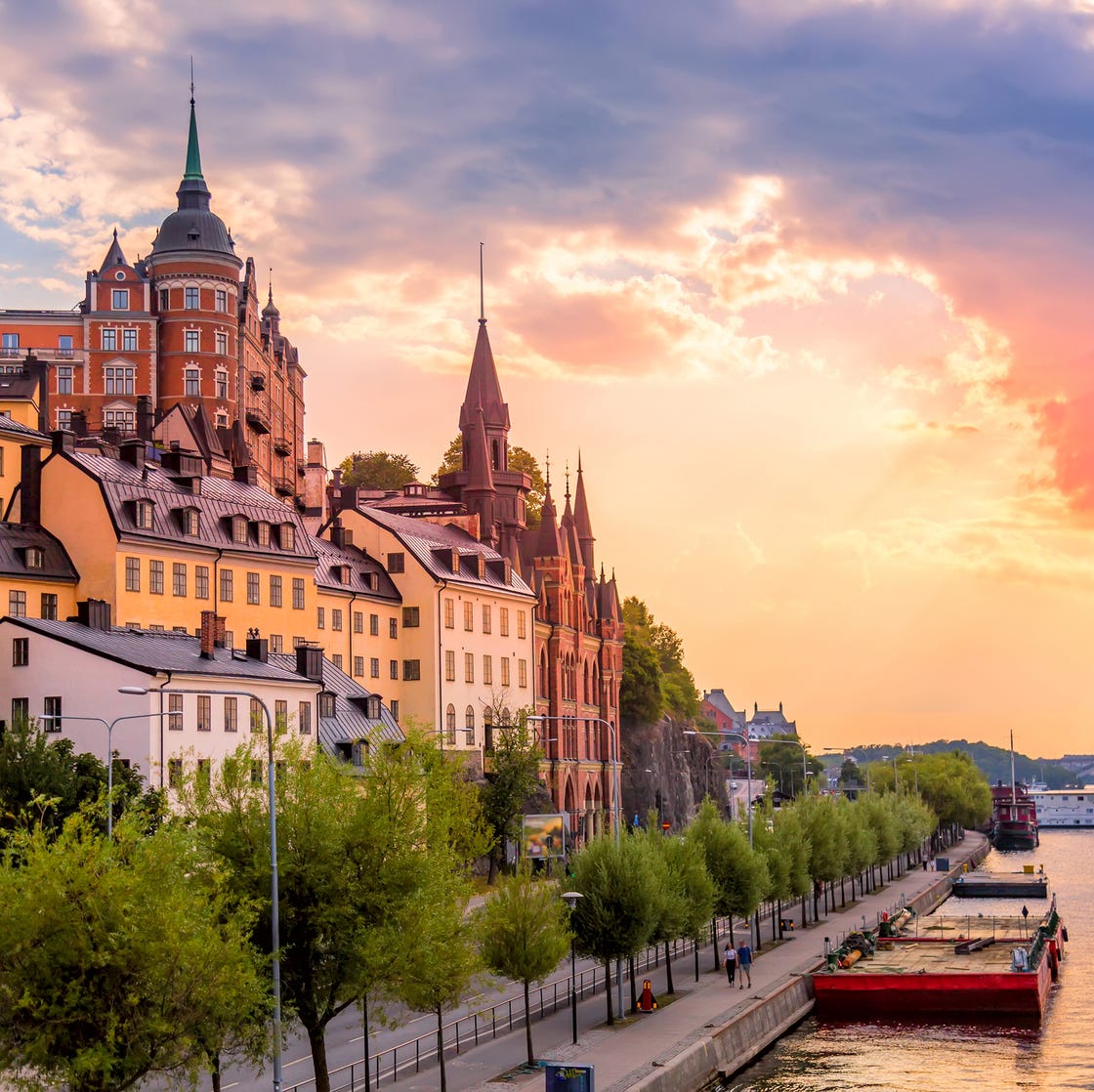
⚡ The TL;DR Verdict
Reykjavik is your pick for an adventure-packed, nature-focused escape, perfect for those with a generous budget ($180-300+ daily excluding flights) who crave epic landscapes. Stockholm offers a sophisticated, culturally rich city break with diverse experiences, better suited for travelers seeking urban exploration and a slightly more manageable, though still high, daily budget ($120-250+).
- Choose Reykjavik: If you dream of geothermal wonders, glacier hikes, chasing the Northern Lights, and don't mind unpredictable weather or higher costs. It's for the adventurous spirit.
- Choose Stockholm: If you prefer historic charm, world-class museums, vibrant food scenes, efficient public transport, and beautiful urban waterways. It's for the culture enthusiast and city explorer.
- Choose Both: If you have 10-14 days and want a taste of both Nordic extremes. Start with Reykjavik (4-5 days for nature), then fly to Stockholm (5-7 days for city exploration). Flight between them is about 3 hours.
Quick Comparison
| Category | Reykjavik | Stockholm | Winner |
|---|---|---|---|
| Costs & Budget | Extremely expensive, especially for food, alcohol, and tours. Daily budget without flights: $180-300+. | Expensive, but offers more mid-range options. Daily budget without flights: $120-250+. | Stockholm |
| Nature & Scenery | Dramatic, otherworldly landscapes: volcanoes, glaciers, geysers, waterfalls, black sand beaches, Northern Lights. | Beautiful urban nature: archipelago, parks, lakes, royal gardens, more subtle greenery. | Reykjavik |
| Culture & History | Viking heritage, sagas, modern art, music scene, compact city culture. Hallgrímskirkja, Harpa. | Rich royal history, world-class museums, Nobel legacy, charming Old Town. Vasa Museum, Gamla Stan, Royal Palace. | Stockholm |
| Food & Drink | Focus on fresh seafood, lamb, unique local delicacies (fermented shark), hot dogs. Craft beer scene. | Diverse international cuisine, 'Fika' culture, meatballs, Michelin stars, vibrant food halls. | Stockholm |
| Nightlife | Compact, lively, and very social weekend scene, especially on Laugavegur. Bars open late. | More diverse, sophisticated nightlife with various districts, clubs, cocktail bars, and pubs. | Stockholm |
| Getting There (Flights) | Keflavik (KEF) is a major transatlantic hub, great for stopovers. Direct flights from North America and Europe. | Arlanda (ARN) is a major European hub with extensive global connections. Direct flights from many continents. | Tie |
| Getting Around (Local Transport) | Reykjavik city center is very walkable. Limited public bus system. Car rental or tours essential for outside city. | Excellent, efficient public transport system (metro, trams, buses, ferries). City center is walkable. | Stockholm |
| Accommodation | Expensive, limited options, book well in advance. Basic hotels $150-250+/night. Hostels are a good option. | Expensive but more diverse options across price points. Hotels $100-200+/night. Luxury and budget hostels available. | Stockholm |
| Day Trips & Excursions | World-class, dramatic excursions: Golden Circle, Blue Lagoon, South Coast, Snaefellsnes Peninsula, glacier hikes, whale watching. | Beautiful and historical trips: Stockholm Archipelago, Drottningholm Palace, Uppsala, Sigtuna. | Reykjavik |
| Weather & Seasons | Unpredictable, windy, cool year-round. Mild summers (10-15°C), cold winters (0-5°C) with long nights. | Distinct four seasons. Warm, bright summers (20-25°C), cold, snowy winters (0 to -5°C). | Stockholm |
💰 Costs & Budget
Reykjavik is notoriously pricey, often surprising even seasoned travelers. A basic meal can easily be 3,000-5,000 ISK ($22-38 USD), a pint of beer 1,200-1,500 ISK ($9-11 USD), and even a simple hot dog at Bæjarins Beztu Pylsur runs about 700 ISK ($5 USD). Organized day tours, like the Golden Circle, start from 10,000-15,000 ISK ($75-110 USD). Accommodation is also a major factor, with mid-range hotels rarely found below $200 USD per night. Stockholm, while also expensive by global standards, feels slightly more manageable. A decent lunch might be 120-180 SEK ($11-17 USD), and a beer 60-90 SEK ($5.50-8.50 USD). Museum entries like the Vasa Museum are about 170 SEK ($16 USD). There's a wider variety of dining and accommodation options, allowing for more budget flexibility if you plan ahead. 'Dude, Iceland's expensive. Seriously. My hot dog was like $6 but I still loved it.'
Winner takeaway
- Winner: Stockholm
- Why: Stockholm, while pricey, offers more variety across price points and has slightly lower costs for everyday essentials compared to Reykjavik's premium pricing.
- Who this matters for: Budget-conscious travelers, families, and those planning longer stays.
🏞️ Nature & Scenery
Reykjavik is the undisputed champion for raw, untamed nature. Within a short drive, you can witness the explosive power of Strokkur geyser, the majestic Gullfoss waterfall, and the tectonic rift at Þingvellir National Park, all part of the iconic Golden Circle. Further afield, the South Coast boasts black sand beaches like Reynisfjara and glaciers perfect for hiking. In winter, the Northern Lights are a major draw. The landscape is truly unique, feeling like another planet. Stockholm's natural beauty is more refined and integrated into its urban fabric. The city is built across 14 islands, with the sprawling Stockholm Archipelago (over 30,000 islands) offering tranquil boat trips to places like Vaxholm. Djurgården island provides lush parks and open spaces right in the city. While stunning, it lacks the dramatic, epic scale of Iceland's geological wonders. 'Nothing beats seeing the Northern Lights for real. Iceland is just built different for nature, totally blew my mind.'
Winner takeaway
- Winner: Reykjavik
- Why: Reykjavik offers unparalleled access to dramatic, unique, and powerful natural phenomena that are truly once-in-a-lifetime experiences.
- Who this matters for: Adventure seekers, photographers, nature lovers, and anyone chasing unique geological wonders.
🏛️ Culture & History
Stockholm is a treasure trove of culture and history, offering a deep dive into Scandinavian heritage and grand European history. Its Gamla Stan (Old Town) is one of Europe's best-preserved medieval centers, with cobblestone streets, colorful buildings, and the Royal Palace, where you can witness the changing of the guard. The city boasts an incredible array of museums, from the unique Vasa Museum (housing a 17th-century warship) to the ABBA Museum and Skansen open-air museum. The Nobel Museum celebrates intellectual achievement, and Fotografiska offers stunning contemporary photography. Reykjavik's cultural scene is vibrant but on a smaller scale. It's rooted in Viking sagas, independent art, and a thriving music scene (think Björk). Key sites include the iconic Hallgrímskirkja church, the Harpa Concert Hall, and the Settlement Exhibition, which provides insight into the city's Viking origins. It's more about contemporary Icelandic identity than centuries of grand imperial history. 'Gamla Stan felt like stepping into a postcard, so much history on every corner and endless museums to explore.'
Winner takeaway
- Winner: Stockholm
- Why: Stockholm offers a far richer, more diverse, and grander historical and cultural experience with an abundance of world-class museums and historical sites.
- Who this matters for: History buffs, museum enthusiasts, families, and those interested in European royal heritage.
🍔 Food & Drink
Stockholm shines with its diverse and sophisticated food scene. Beyond the famous Swedish meatballs, you'll find everything from Michelin-starred restaurants like Frantzén to vibrant food halls like Östermalms Saluhall (currently in a temporary building during renovation) and Hötorgshallen, offering global flavors and local delicacies. The 'Fika' tradition – coffee and pastry breaks – is deeply ingrained, with countless charming cafes. Omnipollos Hatt is famous for craft beer and pizza. Reykjavik's culinary identity is strong but more niche, heavily relying on fresh Icelandic seafood and lamb. Iconic eats include the legendary hot dog from Bæjarins Beztu Pylsur (around 700 ISK / $5), and excellent fish at Sægreifinn (lobster soup around 2,000 ISK / $15). For the adventurous, there's fermented shark. While there's a growing fine dining scene, overall variety is less, and prices are often higher. 'Okay, the Icelandic hot dogs are legendary, but Stockholm's Fika game is next level. So many cute cafes and incredible pastries.'
Winner takeaway
- Winner: Stockholm
- Why: Stockholm offers greater culinary diversity, more accessible price points, and a wider range of dining experiences from casual Fika to fine dining.
- Who this matters for: Foodies, those with dietary restrictions, travelers seeking culinary exploration, and coffee lovers.
🍻 Nightlife
Stockholm offers a more varied and polished nightlife experience. Different districts cater to different moods: Stureplan for chic clubs and upscale bars, Södermalm for a more bohemian and relaxed vibe with pubs and live music, and Gamla Stan for tourist-friendly pubs. Venues like Trädgården (summer club under a bridge) or Berns offer grander experiences. Alcohol prices are high, but pre-drinking (förfest) is common. Reykjavik's nightlife, though concentrated, is legendary for its weekend intensity. Most bars are clustered along Laugavegur and its side streets, making bar-hopping incredibly easy. Locals and tourists mingle freely, and bars often stay open until 4 or 5 AM, especially on weekends. It's a very social and often spontaneous scene, albeit with very high drink prices (e.g., a cocktail can be 2,500-3,500 ISK / $19-27). 'Reykjavik on a Saturday night is wild, everyone's out and it's super easy to meet people if you don't mind spending a fortune on drinks.'
Winner takeaway
- Winner: Stockholm
- Why: Stockholm provides a broader range of nightlife options, from sophisticated clubs to cozy pubs, catering to more diverse tastes and budgets (relatively).
- Who this matters for: Those who prefer variety in their evening entertainment, luxury travelers, and those looking for specific club scenes.
✈️ Getting There (Flights)
Both cities are well-connected by air, making them accessible from around the globe. Reykjavik's Keflavik (KEF) airport is a popular transatlantic stopover point, especially for flights between North America and Europe. Direct flights from major US East Coast cities like New York or Boston can be as short as 5-6 hours, and from London, it's about 3 hours. Icelandair and Play Airlines are key carriers. Stockholm's Arlanda (ARN) airport is Sweden's largest and a major European hub, offering direct flights to a vast array of destinations across Europe, North America (e.g., New York, Chicago ~7.5-8 hours), and Asia. SAS and Norwegian are prominent, along with many international airlines. While Reykjavik's unique stopover appeal is strong, Stockholm's sheer number of global connections gives it an edge for wider accessibility. 'Flying to Iceland from the US East Coast is surprisingly quick, almost like a domestic flight if you catch a red-eye.'
Winner takeaway
- Winner: Tie
- Why: Both destinations excel in air accessibility, offering convenient direct flights from major international hubs, albeit serving slightly different travel patterns.
- Who this matters for: All travelers, as both offer excellent flight connectivity.
🚃 Getting Around (Local Transport)
Stockholm boasts one of the best public transport systems in Europe. The T-bana (metro), buses, trams, and even ferries (connecting islands like Djurgården) are incredibly efficient, clean, and cover the entire city and surrounding areas. The SL Access card offers convenient travel. Many metro stations are also renowned for their art installations, making commuting an experience in itself. While the city center is very walkable, the extensive public transport makes exploring further afield effortless. Reykjavik, by contrast, is a much smaller, highly walkable city center. You can easily explore downtown on foot. However, its public bus system (Strætó) is less comprehensive, mainly serving residents, and not ideal for tourists navigating the city's main attractions or getting to/from the airport. For exploring Iceland's natural wonders outside the city, a car rental or organized tour is virtually mandatory, as public transport to these sites is non-existent. 'Stockholm's metro is amazing, so easy to get everywhere and some stations are like art galleries, totally worth checking out.'
Winner takeaway
- Winner: Stockholm
- Why: Stockholm offers a superior, comprehensive, and efficient public transport network that makes city exploration incredibly easy and enjoyable.
- Who this matters for: Travelers who prefer not to rent a car, solo travelers, and those who want to maximize their time exploring the city itself.
🏨 Accommodation
Finding accommodation in Reykjavik can be a challenge, both in terms of availability and price. Hotels are consistently very expensive, with even basic 3-star options often starting at $150-250 USD per night, especially during peak season or for last-minute bookings. Guesthouses and Airbnb apartments are popular, but also command high prices. Hostels like HI Reykjavík Downtown or Kex Hostel offer more budget-friendly bunk beds (from $50-80 USD). Booking months in advance is strongly recommended. Stockholm, while not cheap, offers a broader spectrum of accommodation. You can find luxurious options like the Grand Hôtel, charming boutique hotels, and a good selection of modern, well-equipped hostels such as Generator Stockholm (bunks from $40-60 USD). Mid-range hotel rooms often start from $100-200 USD if booked in advance, and there are more options for apartment rentals. 'Finding affordable accommodation in Reykjavik felt like a scavenger hunt, everything good was booked months out and still cost a fortune.'
Winner takeaway
- Winner: Stockholm
- Why: Stockholm provides more variety in accommodation styles and price points, offering better value and flexibility for different traveler needs.
- Who this matters for: Budget-conscious travelers, families, and those seeking luxury or specific types of lodging.
🗺️ Day Trips & Excursions
Reykjavik is an unparalleled base for truly epic day trips. The Golden Circle alone packs in geysers, waterfalls, and a national park. The South Coast tour offers black sand beaches (Reynisfjara), stunning waterfalls (Seljalandsfoss, Skógafoss), and glacier views. The Blue Lagoon or Sky Lagoon are relaxing geothermal spa experiences (Blue Lagoon entry from 9,990 ISK / $75). Whale watching tours depart from the harbor (from 11,000 ISK / $85). For the adventurous, glacier hikes and ice cave tours are available. These are unique, bucket-list experiences that make Iceland stand out. Stockholm's day trips are beautiful and culturally rich but less dramatic in terms of natural phenomena. A boat trip through the Stockholm Archipelago to picturesque islands like Vaxholm is a must-do. The UNESCO World Heritage site of Drottningholm Palace, the royal residence, is easily accessible. Historical cities like Uppsala (famous for its university and cathedral) and Sigtuna (Sweden's oldest town) offer charming historical exploration. 'The sheer variety of day trips from Reykjavik is insane. You can see geysers, glaciers, and black sand all in one go, it's mind-blowing.'
Winner takeaway
- Winner: Reykjavik
- Why: Reykjavik offers a breathtaking array of world-class, unique, and dramatically natural day trips that are truly once-in-a-lifetime experiences.
- Who this matters for: Adventure travelers, nature enthusiasts, photographers, and those seeking bucket-list outdoor activities.
☀️ Weather & Seasons
Stockholm experiences distinct four seasons, making planning a bit easier. Summers (June-August) are gloriously warm and bright, with long daylight hours (up to 18-19 hours), temperatures typically ranging from 20-25°C (68-77°F). This is peak season for enjoying outdoor activities and the archipelago. Winters (December-February) are cold, often snowy, with short daylight hours, temperatures usually between 0 to -5°C (32-23°F), creating a charming winter wonderland. Spring and autumn are beautiful with changing foliage. Reykjavik's weather is famously unpredictable and often described as 'four seasons in one day.' Summers (June-August) are mild, rarely getting above 15°C (59°F), but with nearly 24 hours of daylight. Winters (December-February) are cold and dark, with temperatures hovering around 0-5°C (32-41°F) and only 4-5 hours of daylight, though this is prime time for Northern Lights viewing. Wind and rain can occur at any time of year. 'Don't trust the Reykjavik weather forecast, just pack layers and expect anything from sun to hail in an hour.'
Winner takeaway
- Winner: Stockholm
- Why: Stockholm offers more predictable and generally pleasant weather with distinct seasons, especially its warm and sunny summers, making it more comfortable for urban exploration.
- Who this matters for: Travelers sensitive to cold, those seeking warm weather, and anyone who prefers predictable seasonal experiences.
❓ Frequently Asked Questions
Which city is better for seeing the Northern Lights?
Reykjavik is significantly better for Northern Lights viewing. Its northern latitude and vast, dark natural areas outside the city provide prime conditions. You'll need to go on an organized tour or drive out of the city lights, typically between September and April.
Is Stockholm or Reykjavik more family-friendly?
Stockholm generally offers more diverse family-friendly attractions within the city, like Skansen Open-Air Museum, Gröna Lund amusement park, and the Vasa Museum, all easily accessible via public transport. Reykjavik's family appeal leans more towards outdoor adventures like hot springs and Golden Circle tours, which might be more suited for slightly older children.
Which city is better for a solo traveler?
Both are great for solo travelers as they are very safe. Reykjavik's compact nightlife makes it easy to meet people, especially on weekends, and tours are very common for solo adventurers. Stockholm offers more options for independent exploration (museums, cafes) and has excellent public transport for getting around solo.
How much flight time difference is there between the two?
From major US East Coast cities (e.g., NYC), a direct flight to Reykjavik is approximately 5.5-6 hours. To Stockholm, it's about 7.5-8 hours. From London, Reykjavik is about 3 hours, and Stockholm is about 2.5 hours. So, Reykjavik typically has shorter transatlantic flights.
Which city has better shopping?
Stockholm offers a much better and more diverse shopping experience. From high-end fashion boutiques in Östermalm and trendy Swedish brands in Södermalm to large department stores like NK, there's something for every taste. Reykjavik's shopping is more focused on local crafts, outdoor gear, and tourist souvenirs, primarily along Laugavegur.
Can I combine a trip to Reykjavik and Stockholm?
Yes, it's a popular combination! There are direct flights between Keflavik (KEF) and Stockholm Arlanda (ARN), typically taking around 3 hours. Plan for at least 4-5 days in Reykjavik to experience nature, and 5-7 days in Stockholm for a good city exploration.
Which city is more walkable?
Reykjavik's downtown core is extremely walkable and compact, making it easy to explore on foot. Stockholm's city center is also very walkable, especially areas like Gamla Stan, but its spread-out nature across islands means you'll utilize its excellent public transport more to cover greater distances.
What's the best time to visit each city?
For Reykjavik, summer (June-August) offers mild weather and endless daylight for outdoor adventures, while winter (Oct-March) is best for Northern Lights. For Stockholm, summer (June-August) is ideal for warm weather and outdoor activities, but the shoulder seasons (May/Sept) offer pleasant weather with fewer crowds.
Ready to plan your Nordic adventure?
Get a free custom itinerary for Reykjavik, Stockholm, or both — built from real traveler insights.
🎟️ Book Tours & Experiences
Hand-picked tours and activities for both destinations — book with free cancellation
Experiences via Viator — free cancellation on most tours