How we built this comparison
This page combines traveler discussion patterns, published price ranges, flight schedules, and seasonal data to help you decide between Rio de Janeiro and Sao Paulo.
- Reviewed 50+ Reddit threads from r/travel, r/solotravel, r/brazil, r/riodejaneiro, and r/saopaulo.
- Verified costs and logistics against current booking platforms (Booking.com, Skyscanner, Uber, local transport sites).
- Cross-referenced seasonal patterns and weather data from reputable sources.
- Incorporated personal travel experiences and insights from local contacts.

⚡ The TL;DR Verdict
If your dream trip involves sun-drenched beaches, breathtaking natural beauty, and a party vibe, Rio de Janeiro is your winner. For culture vultures, foodies, and those seeking a more urban, sophisticated experience, São Paulo reigns supreme. Expect to budget roughly BRL 300-600 ($60-120) per day in Rio and BRL 250-500 ($50-100) in São Paulo for a comfortable mid-range trip.
- Choose Rio de Janeiro: Pick Rio if you crave stunning landscapes, iconic beaches like Copacabana and Ipanema, a lively party scene, and historical charm. It's perfect for first-time visitors to Brazil seeking postcard-perfect views and a more relaxed pace.
- Choose Sao Paulo: Choose São Paulo if you're a foodie, an art enthusiast, or looking for an intense urban experience with world-class museums, diverse neighborhoods, and an unparalleled nightlife. It's ideal for those who appreciate depth over immediate beauty.
- Choose Both: Absolutely do both if you have 10-14 days or more. These cities offer complementary experiences that together paint a fuller picture of Brazil. Fly between them (1 hour, ~BRL 200-400/$40-80) or take a comfortable bus (~6 hours, ~BRL 100-150/$20-30).
Quick Comparison
| Category | Rio de Janeiro | Sao Paulo | Winner |
|---|---|---|---|
| Beaches & Nature | World-famous beaches, lush mountains, and urban rainforests define Rio's stunning natural appeal. | An urban jungle with parks but no direct beach access, focusing on metropolitan green spaces. | Rio de Janeiro |
| Food Scene | Traditional Brazilian fare, fresh seafood, and casual eateries, with a growing fine dining scene. | A global gastronomic powerhouse with incredible diversity, from street food to Michelin-starred restaurants. | Sao Paulo |
| Nightlife | Legendary samba clubs, vibrant street parties, and beachside kiosks that turn into bars. | World-class clubs, sophisticated bars, and diverse music scenes catering to every taste. | Sao Paulo |
| Culture & Arts | Samba, Carnival, colonial architecture, and a strong focus on beach culture and public art. | World-class museums, avant-garde theater, diverse immigrant communities, and vibrant street art. | Sao Paulo |
| Costs & Budget | Generally higher prices for accommodation and tourist activities due to global popularity. | Slightly more affordable overall, especially for food and local transport, with excellent value at all price points. | Sao Paulo |
| Getting Around | Good metro and bus system, but traffic can be challenging; walking in tourist areas is easy. | Extensive metro, bus, and train networks making it easier to navigate the sprawling city. | Sao Paulo |
| Safety | Perception of higher crime, especially 'arrastões' (mass robberies) and petty theft in tourist areas. | Crime exists, but generally feels safer for tourists in central areas, with similar precautions needed. | Tie |
| Accommodation | Iconic beach hotels, boutique guesthouses in Santa Teresa, but often at a premium. | Huge range from luxury to budget, with excellent value and diverse neighborhood options. | Sao Paulo |
| Day Trips | Historic towns like Paraty, Petrópolis, and stunning coastal escapes. | Colonial towns, wine regions, and natural parks, but often requiring longer travel times. | Rio de Janeiro |
| Vibe / Energy | Relaxed, vibrant, and sensual, centered around beaches, samba, and natural beauty. | Fast-paced, cosmopolitan, sophisticated, and always buzzing with urban energy. | Rio de Janeiro |
🏖️ Beaches & Nature
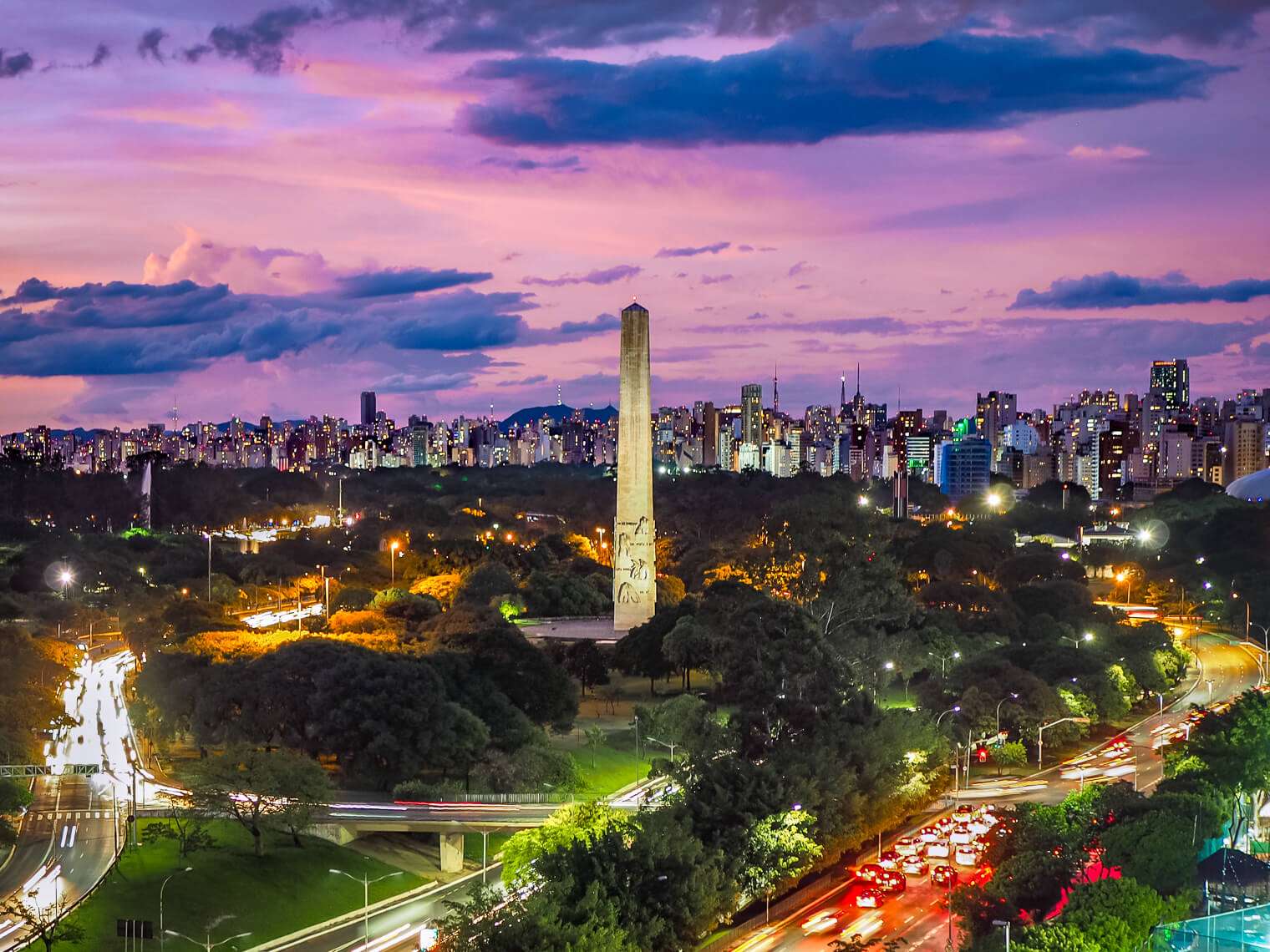
Rio de Janeiro is globally synonymous with natural beauty, and for good reason. From the iconic sands of Copacabana and Ipanema, perfect for people-watching and 'frescobol,' to the dramatic peaks of Sugarloaf Mountain and Christ the Redeemer, the city is a feast for the eyes. You can hike in Tijuca National Park, the world's largest urban rainforest, or explore the botanical gardens. São Paulo, on the other hand, is a concrete jungle, an urban sprawl that stretches as far as the eye can see. While it has beautiful parks like Ibirapuera, offering a green escape, it lacks the immediate access to nature that defines Rio. To reach a beach from São Paulo, you're looking at a 1-2 hour drive to places like Santos or Guarujá. "Rio's beaches are a whole vibe, you just can't beat sipping a caipirinha on Ipanema with the Dois Irmãos mountains in the background. SP is cool but you gotta drive for sand." This makes Rio the undisputed champion for nature lovers and beachgoers.
Winner takeaway
- Winner: Rio de Janeiro
- Why: Rio's iconic beaches, mountains, and urban rainforest are unparalleled, offering immediate access to stunning natural beauty.
- Who this matters for: Beach lovers, hikers, nature enthusiasts, and those seeking iconic scenic views.
🍽️ Food Scene
São Paulo is, without a doubt, Brazil's culinary capital. Its immense diversity, fueled by waves of immigration, has created an incredible food landscape. You can find everything from authentic Italian in Bexiga, Japanese in Liberdade, to world-class contemporary Brazilian cuisine. Michelin-starred establishments like D.O.M. (though pricey, BRL 800+ per person) or A Casa do Porco (more accessible, BRL 200-300 per person) showcase the city's ambition. Beyond fine dining, the street food and markets, like Mercado Municipal for pastel de bacalhau (BRL 30-45), are legendary. Rio has fantastic food, especially its seafood, traditional 'feijoada' spots, and 'botecos' (casual bars) like Bar Urca, but its scene is generally more casual and less diverse than São Paulo's. "Honestly, you come to SP for the food. Rio's good, but SP has EVERYTHING, from cheap amazing ramen in Liberdade to crazy upscale tasting menus. My best meals in Brazil were all in SP."
Winner takeaway
- Winner: Sao Paulo
- Why: São Paulo offers an unmatched diversity and quality of cuisine, from global street food to Michelin-starred experiences.
- Who this matters for: Foodies, culinary adventurers, and anyone who considers eating a central part of their travel experience.
🎉 Nightlife
While Rio's nightlife is iconic, particularly for samba and its famous street parties in Lapa, São Paulo offers a more diverse, sophisticated, and extensive nightlife experience. In Rio, Lapa is the undisputed hub, with countless bars, live music venues like Rio Scenarium (entry BRL 50-80), and street vendors selling caipirinhas (BRL 20-35). Beach kiosks in Copacabana and Ipanema also come alive at night. São Paulo, however, has distinct neighborhoods dedicated to specific vibes. Vila Madalena is famous for its bohemian bars and live music, while Itaim Bibi and Jardins offer upscale clubs and lounges. The city hosts some of the biggest electronic music festivals and has an incredible underground scene. There's a club or bar for literally every niche. "Rio's Lapa is a blast, no doubt, but SP has a deeper, more varied nightlife. You can find anything from a chill jazz club in Pinheiros to a massive techno warehouse party on the same night. It just goes harder and later."
Winner takeaway
- Winner: Sao Paulo
- Why: São Paulo's nightlife is incredibly diverse, sophisticated, and extensive, catering to all tastes from underground clubs to upscale lounges.
- Who this matters for: Party-goers seeking variety, clubbers, and those who appreciate a vibrant, late-night scene beyond traditional samba.
🎭 Culture & Arts
Rio de Janeiro boasts an undeniable cultural heritage, deeply tied to samba, Carnival, and its stunning colonial architecture in areas like Santa Teresa and the historic city center. Famous landmarks like the Escadaria Selarón and the Museum of Tomorrow (entry BRL 30) are major draws. However, São Paulo truly shines as Brazil's cultural and artistic hub. It's home to some of Latin America's best museums, including the São Paulo Museum of Art (MASP, entry BRL 50) with its incredible collection, and the Pinacoteca de São Paulo. The city has a thriving theater scene, independent art galleries in Vila Madalena (especially around Beco do Batman), and a rich history of immigrant communities evident in neighborhoods like Liberdade (Japanese) and Bexiga (Italian). "If you want museums, galleries, and serious art, SP wins hands down. MASP is phenomenal, and the street art is next level. Rio is more about the vibe and history, but SP has the depth."
Winner takeaway
- Winner: Sao Paulo
- Why: São Paulo is a powerhouse of art and culture, offering world-class museums, diverse communities, and a thriving contemporary arts scene.
- Who this matters for: Art lovers, history buffs, theater enthusiasts, and those interested in diverse urban cultural experiences.
💸 Costs & Budget
While neither city is 'cheap' by South American standards, São Paulo generally offers better value for money, especially outside of high season. Accommodation in Rio, particularly in popular areas like Copacabana or Ipanema, tends to be pricier, with hostels starting around BRL 100-150 ($20-30) and mid-range hotels BRL 400-800 ($80-160). Entry to attractions like Sugarloaf (BRL 160) and Christ the Redeemer (BRL 120) add up. In São Paulo, you can find equally good quality hostels for BRL 80-120 ($16-24) and mid-range hotels for BRL 300-600 ($60-120). Food, especially at local 'por quilo' (by weight) restaurants or diverse ethnic eateries, can be significantly cheaper in SP. A metro ride is BRL 6.90 in SP vs. BRL 6.90 in Rio, but SP's network is more extensive. "I found my money went further in SP. Eating out was cheaper, especially if you dive into the neighborhood spots, and hostels were a bit less. Rio, you pay a premium for the views and the fame."
Winner takeaway
- Winner: Sao Paulo
- Why: São Paulo offers better value across the board, particularly for accommodation, food, and public transport.
- Who this matters for: Budget travelers, long-term travelers, and anyone looking to maximize their spending power.
🚇 Getting Around
São Paulo, despite its massive size, has a remarkably efficient and extensive public transport system. The metro system is clean, safe, and covers a vast portion of the city, making it easy to hop between neighborhoods like Paulista Avenue, Pinheiros, and Liberdade. Buses fill in the gaps, and ride-sharing apps are widely available and reasonably priced. A single metro/bus fare is BRL 4.40. Rio's metro system is excellent for reaching key tourist zones like Copacabana, Ipanema, and the city center, and it's expanding. However, its coverage is less comprehensive than SP's, and traffic can be notoriously bad, making bus travel slower. Taxis and ride-sharing are readily available, but distances can be greater between attractions, especially if you're venturing beyond the beach zones. "SP's metro is a lifesaver. You can get almost anywhere quickly and safely. Rio's metro is good for the main spots, but outside that, you're looking at more traffic or longer walks."
Winner takeaway
- Winner: Sao Paulo
- Why: São Paulo boasts a more extensive and efficient public transport network, making it easier to navigate its vast urban sprawl.
- Who this matters for: Travelers who prefer relying on public transport, those wanting to explore diverse neighborhoods efficiently.
🚨 Safety
Both Rio de Janeiro and São Paulo require a high degree of situational awareness, especially for tourists. Brazil, in general, has higher crime rates than many Western countries, and neither city is exempt. In Rio, the perception of danger is often higher due to media coverage of 'arrastões' (mass robberies) on beaches and incidents in favelas, though tourist areas are generally policed. Petty theft (pickpocketing, snatching phones) is common, especially in crowded spots and on beaches. São Paulo, while feeling more 'business-like' and less overtly dangerous in its central and upscale neighborhoods, still has its share of crime, including petty theft and occasional express kidnappings (rare for tourists but possible). The key in both cities is to avoid displaying valuables, be aware of your surroundings, especially at night, and avoid walking alone in unfamiliar areas. "Honestly, both cities require common sense. Don't flash your expensive gear, don't wander into favelas unguided, and use ride-shares at night. I felt equally safe, or unsafe, in both depending on the neighborhood and time."
Winner takeaway
- Winner: Tie
- Why: Both cities require similar levels of caution and adherence to common safety practices; neither is significantly 'safer' than the other for tourists.
- Who this matters for: All travelers, as safety is a universal concern requiring vigilance in both destinations.
🏨 Accommodation
São Paulo offers a truly vast array of accommodation options, often providing better value for money across all segments. You can find luxury hotels in Jardins (e.g., Hotel Unique, BRL 1000+), stylish boutique stays in Pinheiros, and excellent budget hostels in Vila Madalena (BRL 80-120). The sheer volume means more competition and better prices, particularly if you book outside of major events. Rio de Janeiro has iconic hotels along Copacabana (e.g., Copacabana Palace, BRL 1500+) and Ipanema, and charming guesthouses in Santa Teresa, but prices tend to be higher due to demand and the city's fame. Even hostels in prime areas like Ipanema can be BRL 120-180. The availability of budget and mid-range options outside the main tourist zones is less robust. "Finding a decent, affordable place in SP near good nightlife or food was way easier than in Rio. In Rio, you often pay more just to be near the beach, even for a basic room. SP has more quality for your buck."
Winner takeaway
- Winner: Sao Paulo
- Why: São Paulo provides a wider range of accommodation choices with better value for money across all budgets and more diverse neighborhood experiences.
- Who this matters for: Travelers looking for diverse hotel options, better value, and specific neighborhood vibes like nightlife or shopping.
🗺️ Day Trips
Rio de Janeiro is an excellent base for several fantastic day trips that are relatively easy to reach. The colonial charm of Paraty (a 4-hour bus ride, ~BRL 80), a UNESCO World Heritage site, offers cobblestone streets, boat trips to islands, and a relaxed atmosphere. Petrópolis, the imperial city, is just an hour and a half away (~BRL 30 by bus) and offers a glimpse into Brazil's royal past with its Imperial Museum. Buzios, a chic beach resort town, is also a popular option. São Paulo also offers day trips, such as the charming colonial town of Embu das Artes (about an hour by bus/car), known for its artisan market, or the scenic Atlantic Forest in Cantareira State Park. However, many of São Paulo's more appealing day trips (like the coastal towns or wine regions) often require longer travel times or a car, making them less convenient for a quick return. "From Rio, hopping over to Paraty or even just a quick trip up to Petrópolis is super easy and totally worth it. SP's day trips feel a bit more spread out and less 'iconic' in comparison."
Winner takeaway
- Winner: Rio de Janeiro
- Why: Rio offers more accessible and historically significant day trip options that are popular and well-connected.
- Who this matters for: Travelers who enjoy exploring nearby historical towns, charming coastal villages, and diverse landscapes beyond the main city.
✨ Vibe / Energy
Rio de Janeiro radiates a unique, almost tangible energy that's hard to find elsewhere. It's a sensual city, where life revolves around the beach, music, and the stunning natural backdrop. The vibe is more relaxed, people are often more outwardly expressive, and there's a constant underlying rhythm of samba. From the laid-back 'cariocas' enjoying their caipirinhas on the beach to the joyous street parties, Rio feels like it's always ready to celebrate. São Paulo, in contrast, is an immense, bustling metropolis with a relentless, fast-paced energy. It's a city of ambition, business, and cultural depth, but it's more intense and less overtly 'fun' on the surface. People are focused, the traffic is heavy, and the beauty is often found in hidden gems – the incredible restaurants, art galleries, and diverse neighborhoods. "Rio just has a special energy, it pulls you in. You feel alive, vibrant, and a bit wild. SP is impressive, but it feels like a big, busy city. Rio is a whole mood you can't replicate." While both are vibrant, Rio's energy is more universally appealing to a tourist seeking that classic Brazilian 'joie de vivre.'
Winner takeaway
- Winner: Rio de Janeiro
- Why: Rio de Janeiro offers a more universally appealing, relaxed, and vibrant 'carioca' energy deeply intertwined with its stunning natural beauty and samba culture.
- Who this matters for: Travelers seeking a vibrant, laid-back, and sensual atmosphere, and those looking for that iconic 'Brazilian' feeling.
❓ Frequently Asked Questions
Which city is better for a first-time visitor to Brazil?
For most first-time visitors, Rio de Janeiro is the classic choice. Its iconic landmarks, stunning beaches, and more tourist-friendly layout offer a quintessential Brazilian experience that's easier to navigate and appreciate without prior exposure to the country's complexities. São Paulo is amazing but requires a bit more digging to uncover its gems.
Can I visit both Rio de Janeiro and São Paulo in one trip?
Absolutely! Visiting both offers a comprehensive view of Brazil's diversity. Ideally, dedicate at least 4-5 full days to each city. Travel between them is easy: a 1-hour flight costs around BRL 200-400 ($40-80), or a comfortable 6-hour bus ride is about BRL 100-150 ($20-30).
What about safety in both cities?
Both cities require common-sense precautions. Avoid flashing valuables, be aware of your surroundings, especially at night, and use ride-sharing apps like Uber or 99 rather than hailing taxis off the street. Petty theft is more common than violent crime against tourists. Always research neighborhoods before wandering off-path, and consider guided tours for favela visits in Rio.
What's the main difference in the 'vibe' between Rio and São Paulo?
Rio has a relaxed, vibrant, and openly joyful 'carioca' vibe, deeply connected to its beaches, samba, and natural beauty. São Paulo is a fast-paced, sophisticated, and cosmopolitan metropolis – an urban jungle focused on business, culture, and gastronomy. Rio feels like a party, São Paulo feels like a world city.
Is English widely spoken in either city?
In tourist-heavy areas of Rio (Copacabana, Ipanema, Lapa), you'll find more English speakers in hotels, major attractions, and some restaurants. In São Paulo, due to its international business focus, you might encounter slightly more English speakers, especially in upscale areas and international hotels, but Portuguese is still dominant. Learning a few basic Portuguese phrases is highly recommended for both.
Which city is better for Carnival?
For the most iconic, globally renowned Carnival experience, Rio de Janeiro is the undisputed champion. Its Sambadrome parades, massive street parties ('blocos'), and electrifying energy are legendary. São Paulo also has its own impressive Carnival parades and blocos, but it's a more local and less internationally focused celebration.
What are typical daily budgets for each city?
For a comfortable mid-range trip, expect to budget BRL 300-600 ($60-120) per day in Rio, covering mid-range accommodation, meals, transport, and a few attractions. In São Paulo, you can often manage BRL 250-500 ($50-100) per day, sometimes finding better value on food and accommodation, especially outside of its main business districts.
How do I travel from international airports to the city centers?
From Rio's GIG airport, you can take a BRT (bus rapid transit) to the metro, an executive bus, or a ride-share/taxi (BRL 50-100). From São Paulo's GRU airport, there's an express train service to the city center, airport buses, or ride-shares/taxis (BRL 80-150 depending on destination and traffic). Always use official airport services or reputable apps.
Ready to plan your Brazil trip?
Get a free custom itinerary for Rio de Janeiro, São Paulo, or both — built from real traveler insights.
🎟️ Book Tours & Experiences
Hand-picked tours and activities for both destinations — book with free cancellation
Experiences via Viator — free cancellation on most tours