How we built this comparison
This page combines traveler discussion patterns, published price ranges, flight schedules, and seasonal data to help you decide between Rioja and Bordeaux.
- Reviewed 50+ Reddit threads from r/travel, r/SpainTravel, r/FranceTravel, r/solotravel, and r/wine for authentic traveler experiences and advice.
- Verified costs for flights, accommodation, car rentals, and dining against current booking platforms (Skyscanner, Booking.com, Google Flights, local restaurant menus).
- Cross-referenced seasonal patterns, weather data, and major event calendars to determine best times to visit and specific local tips.
- Consulted professional wine tourism resources and local guides for accurate winery information and tasting protocols.
⚡ The TL;DR Verdict
For the budget-conscious traveler seeking an authentic, vibrant food scene alongside world-class wines, Rioja is your clear winner, with a rough daily budget of €100-€180 ($110-$200). If you prioritize grand châteaux, Michelin-starred dining, and a more refined, luxurious experience, Bordeaux awaits, expecting a daily budget of €180-€350+ ($200-$385+).
- Choose Rioja: Choose Rioja if you love fantastic food (especially pintxos!), great value, a more laid-back atmosphere, and enjoy exploring charming medieval villages by car. It's perfect for those who want to immerse themselves in a region rather than just visit a few major châteaux.
- Choose Bordeaux: Pick Bordeaux for a classic, sophisticated wine experience, focusing on prestigious estates, structured tastings, and refined dining. It’s ideal for connoisseurs, those seeking luxury, and travelers who appreciate grand architecture and a more formal approach to wine tourism.
- Choose Both: If you have 10+ days and a healthy budget, doing both is a dream trip. Start in Bordeaux for 4-5 days, then take a high-speed train (TGV/Renfe via Hendaye) to San Sebastián for a few days, and then drive or bus to Logroño for 4-5 days in Rioja. This offers an incredible range of culinary and wine experiences.
Quick Comparison
| Category | Rioja | Bordeaux | Winner |
|---|---|---|---|
| Wine Experience & Tastings | Accessible, often family-run bodegas; focus on Tempranillo; informal, generous tastings. Driving between villages is key. | Prestigious châteaux; structured, appointment-only tastings; diverse appellations (Médoc, St-Émilion, Sauternes). | Tie |
| Food & Gastronomy | Pintxos culture in Logroño is legendary, exceptional value, hearty traditional Spanish cuisine, Michelin stars too. | Refined French cuisine, strong emphasis on seafood and foie gras, abundant Michelin-starred restaurants, fine dining. | Rioja |
| Costs & Budget | Significantly more affordable across the board: food, wine, accommodation, and transportation. | Generally expensive, aligning with premium French travel costs; fine dining and high-end châteaux tours add up. | Rioja |
| Getting There | Fly into Bilbao (BIO) or Madrid (MAD), then train/bus/car to Logroño (approx. 1.5-3 hrs). | Fly directly into Bordeaux-Mérignac (BOD) from major European hubs, or high-speed train from Paris (2 hrs). | Bordeaux |
| Getting Around | Car rental is highly recommended to explore bodegas and charming villages. Public transport is limited. | Wineries often require a car, but Bordeaux city itself is walkable with good tram/bus networks. | Rioja |
| Accommodation | Charming boutique hotels, rural guesthouses, and a few luxury design hotels (e.g., Marqués de Riscal). Great value. | Elegant city hotels, luxury châteaux hotels, and stylish B&Bs. Generally higher prices. | Rioja |
| Culture & History | Medieval villages, Camino de Santiago influence, lively Spanish street culture, historic bodegas. | UNESCO World Heritage city center, grand architecture, Cité du Vin, strong Roman influence in nearby towns. | Bordeaux |
| Day Trips & Beyond Wine | San Sebastián (pintxos, beaches), Bilbao (Guggenheim), Burgos (cathedral). Diverse options within 1-2 hours. | Arcachon (oysters, dunes, beaches), Cognac, Dordogne (prehistoric caves, castles). | Rioja |
| Weather & Best Seasons | Warm, dry summers (can be hot), mild springs/autumns. Harvest in late September/early October is ideal. | Temperate oceanic climate, mild winters, warm summers (can be humid). Harvest usually September. | Tie |
| Solo Travel & Safety | Very safe, friendly locals, easy to meet people, especially at pintxos bars. Car needed for vineyards. | Generally safe, but like any city, be aware of pickpockets. More formal, less spontaneous social interaction. | Rioja |
🍷 Wine Experience & Tastings
Rioja offers a more intimate and often spontaneous wine experience. You can frequently walk into a bodega like Bodegas Muga in Haro or López de Heredia and be greeted warmly for a tour and tasting, sometimes without a prior booking, though it's always recommended. Tastings range from €15-€30 ($16-$33) and often include substantial pours. The focus is primarily on Tempranillo, with variations in Crianza, Reserva, and Gran Reserva. Bordeaux, on the other hand, is about prestige and history. Visiting a First Growth château like Château Margaux or Château Latour is often by invitation only or requires significant advance planning and a hefty fee, easily €60-€150+ ($66-$165+) per person for a tour and tasting. Smaller estates in regions like Saint-Émilion or Graves are more accessible, but still more formal and structured than Rioja. 'Honestly, I loved the grandeur of Bordeaux châteaux, but the laid-back vibe and generosity at a small Rioja bodega felt more like being welcomed into someone's home.' The diversity of Bordeaux's appellations, from the powerful reds of Médoc to the sweet wines of Sauternes, is unmatched.
Winner takeaway
- Winner: Tie
- Why: Both offer world-class wine experiences, but cater to different preferences for style and accessibility.
- Who this matters for: Wine enthusiasts and connoisseurs looking for specific styles or experiences.
🍽️ Food & Gastronomy
Rioja's food scene, particularly in Logroño, is a vibrant, gastronomic delight centered around its famous Calle Laurel. Here, you hop from bar to bar, enjoying a glass of Rioja wine and a single, perfectly crafted pintxo (tapas on a skewer) for just €2-€4 ($2.20-$4.40) each. Favorites like 'Champi' (mushrooms with shrimp) or 'Patatas Bravas' are iconic. Restaurants like Restaurante La Chata offer traditional Riojan stews and grilled meats that are hearty and superb value, with a full meal costing €25-€40 ($28-$44). Bordeaux boasts an undeniable culinary prestige with numerous Michelin-starred restaurants like Le Pressoir d'Argent and refined bistros. The focus is on classic French dishes, often featuring local produce, duck, lamb, and a strong emphasis on oysters and seafood, especially from nearby Arcachon. A typical bistro meal in Bordeaux will set you back €35-€60 ($38-$66), while fine dining can easily exceed €100 ($110) per person. 'The energy and sheer variety of pintxos in Logroño for what you pay is just unbeatable. Bordeaux was elegant, but I missed that casual, bustling food vibe.'
Winner takeaway
- Winner: Rioja
- Why: Rioja wins for its unparalleled pintxos culture, exceptional value, and vibrant, accessible culinary scene.
- Who this matters for: Foodies, budget travelers, and those who love lively, casual dining experiences.
💰 Costs & Budget
This is where Rioja truly shines for the average traveler. A good sit-down meal with wine can be found for €20-€35 ($22-$38) per person, whereas in Bordeaux, a similar experience would be €40-€70 ($44-$77). Wine tastings in Rioja average €15-€30 ($16-$33), while in Bordeaux, they often start at €30 ($33) and can go up to €100+ ($110+) for top châteaux. Accommodation in Rioja, even in charming boutique hotels or paradores, ranges from €80-€150 ($88-$165) per night. In Bordeaux, comparable hotels start from €120-€250 ($132-$275) in the city center or surrounding wine regions. Car rental prices are similar, but fuel and parking can feel slightly higher in France. 'Seriously, my Euro went so much further in Rioja. I could eat and drink like royalty for half of what I’d spend in Bordeaux.' Overall, your daily budget will stretch considerably further in Rioja, allowing for more experiences.
Winner takeaway
- Winner: Rioja
- Why: Rioja is undeniably more budget-friendly, offering exceptional value without compromising on quality.
- Who this matters for: Budget-conscious travelers, those planning longer trips, and anyone wanting to maximize their travel spend.
✈️ Getting There
For Rioja, the most common approach from outside Europe is to fly into Bilbao (BIO), which receives direct flights from major European cities, or fly into Madrid (MAD) and take a high-speed train or bus. From Bilbao, it's about a 1.5-hour drive or bus ride to Logroño. From Madrid, a direct bus takes about 4 hours (€25-€35, or $28-$38), or a train to Logroño can take 3.5-4 hours with a connection. Flights from major US cities to Bilbao typically involve one stop, costing around $700-$1200 return and taking 12-16 hours total. Bordeaux has its own international airport, Bordeaux-Mérignac (BOD), with direct connections to many European capitals. More importantly, its high-speed train (TGV) link from Paris Montparnasse is incredibly efficient, taking just over 2 hours and costing €30-€80 ($33-$88) if booked in advance. This makes it highly accessible for those already in Europe or flying into Paris. 'Getting to Bordeaux felt a lot smoother, especially with that direct TGV from Paris. For Rioja, Bilbao was fine, but it added another leg to the journey.'
Winner takeaway
- Winner: Bordeaux
- Why: Bordeaux's excellent direct flight connections and rapid train links from Paris make it slightly more convenient to reach.
- Who this matters for: Travelers prioritizing ease of access and minimal transit time, especially from major European hubs.
🚗 Getting Around
In Rioja, a rental car is almost essential for a comprehensive experience. The region is spread out, with stunning small towns like Laguardia and Elciego, and countless bodegas, many of which are off the main roads. Navigating by car allows for spontaneity and flexibility, though be mindful of narrow roads in medieval villages. Car rentals typically cost €30-€60 ($33-$66) per day. Public transport between the smaller towns is infrequent, though buses connect larger hubs like Logroño, Haro, and Laguardia. Bordeaux city, by contrast, is very walkable, and its excellent tram system (tickets €1.70, or $1.85 per ride) and bus network make getting around the city a breeze. However, to visit the châteaux in Médoc, Saint-Émilion, or Sauternes, a car is still necessary or you'll rely on organized tours. 'If you want to truly explore Rioja beyond Logroño, you NEED a car. Bordeaux city was easy without one, but you’re stuck for the vineyards unless you book tours.' The sheer necessity and rewarding nature of driving in Rioja tips the scales.
Winner takeaway
- Winner: Rioja
- Why: Rioja's charm is best discovered by car, making the driving experience an integral and rewarding part of the trip.
- Who this matters for: Independent travelers who enjoy road trips and exploring at their own pace.
🏨 Accommodation
Rioja offers a fantastic range of accommodation that often provides excellent value. In Logroño, you'll find modern hotels like Hotel Calle Mayor or boutique options in the old town from €90-€150 ($99-$165) per night. For a truly unique experience, the Frank Gehry-designed Hotel Marqués de Riscal in Elciego offers luxury from €300-€600+ ($330-$660+) but many rural guesthouses and 'casas rurales' in smaller villages like Laguardia offer authentic stays for €70-€120 ($77-$132). Bordeaux, as a larger, more international city, has a broader range but at higher price points. Elegant city hotels like the InterContinental Bordeaux - Le Grand Hôtel can run €300-€700+ ($330-$770+), while boutique hotels and well-located apartments are typically €130-€250 ($143-$275). Staying in a château hotel in the vineyards is a dream, but expect prices upwards of €250 ($275) per night. 'We stayed in a lovely guesthouse outside Logroño for €80 a night and felt like royalty. In Bordeaux, that would barely get you a basic chain hotel room.'
Winner takeaway
- Winner: Rioja
- Why: Rioja provides charming, high-quality accommodation options that offer significantly better value for money.
- Who this matters for: Budget-conscious travelers and those seeking authentic, local stays without luxury price tags.
🏛️ Culture & History
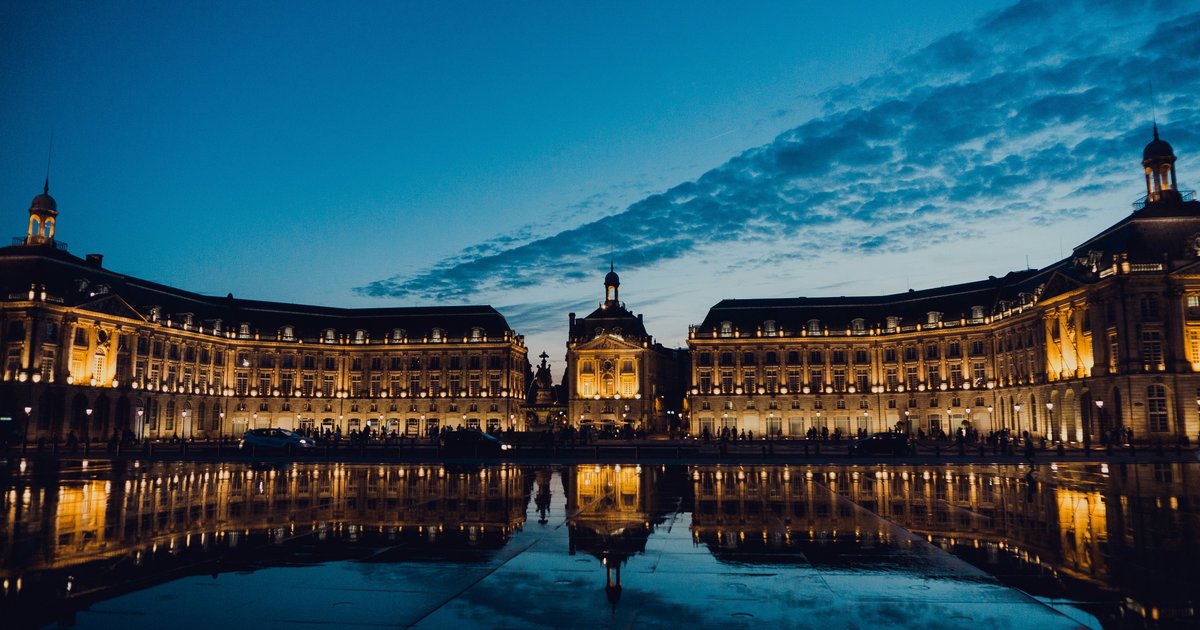
Rioja's cultural tapestry is rich with history, particularly in its well-preserved medieval towns like Laguardia, Briones, and Ezcaray, with their ancient walls and winding streets. The Camino de Santiago passes through the region, imbuing it with a spiritual and pilgrim-centric atmosphere, evident in churches and hostels. Logroño offers a vibrant, typically Spanish street life, especially around Calle Laurel. The history often intertwines with winemaking, with centuries-old bodegas. Bordeaux, however, is a UNESCO World Heritage site in its entirety, boasting stunning 18th-century architecture, wide boulevards, and grand squares like Place de la Bourse with its iconic Miroir d'eau. The Cité du Vin is a world-class, immersive museum dedicated to wine history and culture. Nearby Saint-Émilion is another UNESCO site, famous for its monolithic church and Romanesque architecture. 'Bordeaux just feels grander, like stepping into a historical painting everywhere you look. Rioja's history is charming, but Bordeaux hits different.' Its scale and preservation of a specific historical period are truly impressive.
Winner takeaway
- Winner: Bordeaux
- Why: Bordeaux’s UNESCO-listed city center, grand architecture, and world-class museums offer a more imposing and comprehensive cultural experience.
- Who this matters for: History buffs, architecture lovers, and those who appreciate grand urban landscapes and museums.
🗺️ Day Trips & Beyond Wine
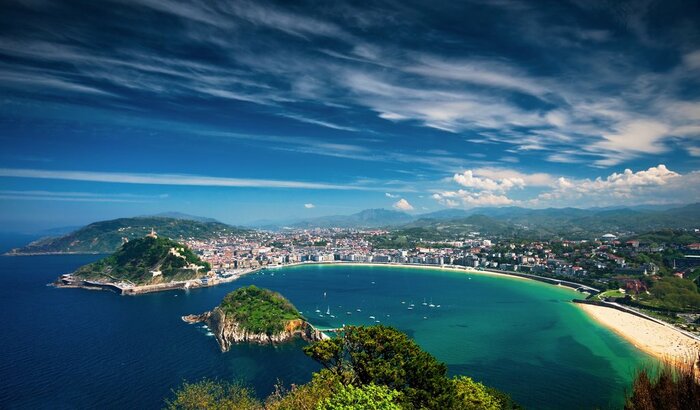
Rioja’s strategic location in northern Spain makes it a fantastic base for diverse day trips. Within a 1.5-hour drive, you can be in San Sebastián, a culinary paradise with stunning urban beaches (La Concha). Bilbao, home to the iconic Guggenheim Museum, is also just 1.5 hours away, offering world-class art and vibrant city life. The magnificent Gothic Cathedral of Burgos is another excellent option within a 1.5-hour drive. This proximity to major cultural and gastronomic hubs provides a compelling contrast to the quiet vineyards. Bordeaux also offers great day trips, such as the picturesque Arcachon Basin (1 hour drive) for fresh oysters and the stunning Dune du Pilat (Europe's largest sand dune). The Cognac region is about 1.5 hours away for brandy tours, and the Dordogne, with its prehistoric caves (Lascaux) and fairytale castles, is reachable in 2-2.5 hours. 'Being able to pop over to San Sebastián for the day for completely different food and beach vibes was a huge plus for Rioja. Bordeaux had good options, but less variety right next door.'
Winner takeaway
- Winner: Rioja
- Why: Rioja offers an incredibly diverse array of world-class day trip destinations, from beaches and major cities to historic sites, all within easy reach.
- Who this matters for: Travelers who want to combine their wine trip with other experiences like city exploration, beaches, or more intense gastronomy.
☀️ Weather & Best Seasons
Rioja experiences a continental climate with Atlantic influences, meaning hot, dry summers (July-August often sees highs of 30-35°C / 86-95°F) and cold winters. Spring (April-May) and autumn (late September-October) are generally considered the best times to visit, with pleasant temperatures (18-25°C / 64-77°F) and beautiful landscapes. The grape harvest season in late September to early October is particularly atmospheric. Bordeaux has a temperate oceanic climate, characterized by mild winters and warm, often humid summers (July-August highs typically 25-30°C / 77-86°F). Spring (May-June) and early autumn (September-early October) are ideal, offering comfortable temperatures for exploring the vineyards and city. Rainfall is distributed throughout the year, but the driest months are typically July and August. 'Both regions are stunning in the fall. I did Rioja for harvest and it was magical, but Bordeaux in early June was also perfect for vineyard strolls without being too hot.' There's no clear winner as both offer distinct charms in their peak seasons, with personal preference for heat or humidity being the main differentiator.
Winner takeaway
- Winner: Tie
- Why: Both regions offer excellent conditions during their peak shoulder seasons, catering to different preferences for heat and humidity.
- Who this matters for: Travelers sensitive to extreme heat, or those specifically looking to experience a grape harvest.
🚶♀️ Solo Travel & Safety
Rioja is an excellent destination for solo travelers. Spain generally has a very low crime rate, and the smaller towns and villages of Rioja are exceptionally safe. The convivial pintxos culture in Logroño makes it incredibly easy to strike up conversations with locals and other travelers at the bar – it's a social hub. While a car is recommended for vineyard exploration, many bodegas are welcoming to solo visitors, and guided group tours are available. English proficiency is decent in tourist areas but knowing some basic Spanish helps immensely. 'As a solo female traveler, I felt completely safe and so welcomed in Rioja. The pintxos bars made it so easy to mingle without feeling awkward.' Bordeaux is also very safe, but as a larger city, standard precautions against pickpockets in crowded tourist areas (like near the Miroir d'eau or the train station) are advised. The atmosphere can feel a bit more formal, and while friendly, it might require more effort to spontaneously connect with locals, especially outside organized tours. English is more widely spoken in Bordeaux.
Winner takeaway
- Winner: Rioja
- Why: Rioja's exceptionally friendly atmosphere, low crime rate, and social pintxos culture make it particularly welcoming and easy for solo travelers to navigate and enjoy.
- Who this matters for: Solo travelers, especially those who enjoy social interaction and a relaxed, secure environment.
❓ Frequently Asked Questions
Do I need to speak Spanish or French in these regions?
In Bordeaux, English is widely spoken in tourist-facing businesses, hotels, and major châteaux. In Rioja, while many in the tourism industry speak English, knowing some basic Spanish phrases will significantly enhance your experience, especially in smaller bodegas and local restaurants. Always a good idea to learn a few greetings and polite phrases!
Can I visit wineries without a car?
In Rioja, visiting multiple wineries without a car is challenging due to limited public transport. Consider organized tours from Logroño or Haro. In Bordeaux, while the city itself is walkable, a car or organized tour is essential to properly explore the diverse vineyards of Médoc, Saint-Émilion, or Sauternes, as they are spread out.
What's the difference between a 'bodega' and a 'château'?
A 'bodega' is the Spanish term for a winery or wine cellar, often implying a more traditional or family-run operation. A 'château' is the French term for a castle or manor house, which often refers to the estate where wine is produced, implying a sense of grandeur and historical significance, especially in Bordeaux.
Is it possible to visit both regions on one trip?
Yes, but it requires at least 10-14 days to do both justice. A popular route is to fly into Bordeaux, spend 4-5 days, then take a high-speed train to San Sebastián (Spain), enjoy a few days there, and then rent a car or take a bus to Logroño for 4-5 days in Rioja. It's a fantastic, albeit busy, itinerary.
Which region is better for a romantic getaway?
Bordeaux often leans into a more traditionally romantic, luxurious experience with its grand châteaux, elegant dining, and beautiful city architecture. Rioja offers a more rustic, charming romance, perhaps more suited for adventurous couples who enjoy exploring quaint villages and sharing intimate pintxos experiences.
What's the tipping culture like in Rioja vs. Bordeaux?
In Spain, tipping is appreciated but not mandatory. Rounding up to the nearest Euro or leaving 5-10% for good service in restaurants is common. In France, service is usually included ('service compris'), so tipping is generally less expected. For exceptional service, leaving a few extra Euros (5-10%) is a kind gesture but not obligatory.
Are these regions suitable for families with children?
Both regions are primarily geared towards adult wine tourism. However, Bordeaux has more non-wine attractions like the Cité du Vin (which has interactive exhibits), parks, and nearby beaches at Arcachon. Rioja's charm is in its quiet villages and food, which might be less engaging for younger children, though older kids might enjoy the history and food tours.
What local wines should I definitely try in each region?
In Rioja, focus on Tempranillo-based reds, especially a 'Reserva' or 'Gran Reserva' for a taste of the region's best. Also try some crisp white Rioja made from Viura. In Bordeaux, explore the diversity: the powerful Cabernet Sauvignon blends from the Left Bank (Médoc), the Merlot-dominant wines from the Right Bank (Saint-Émilion, Pomerol), and the exquisite sweet wines from Sauternes.
Ready to plan your unforgettable wine trip?
Get a free custom itinerary for Rioja, Bordeaux, or both — built from real traveler insights and expert recommendations.
🎟️ Book Tours & Experiences
Hand-picked tours and activities for both destinations — book with free cancellation
Experiences via Viator — free cancellation on most tours