How we built this comparison
This page combines traveler discussion patterns from r/travel, r/solotravel, r/india_tourism, r/SoloTravel_India, r/digitalnomad, r/YogaTeachers, and r/india, published cost data from Numbeo and recent traveler reports, and ground-level research on both destinations.
- 12+ Reddit threads analyzed (2022–2026), including solo travel reports, yoga training discussions, and digital nomad threads
- Cost data from Numbeo, Budget Your Trip, and firsthand Reddit reports (2025–2026)
- Adventure pricing from Jumpin Heights, Shivpuri Rafting operators, and Triund Trek Forest Department
- Transport costs from HRTC, UPSRTC bus services, IndiGo/SpiceJet published fares, and traveler reports
⚡ The TL;DR Verdict
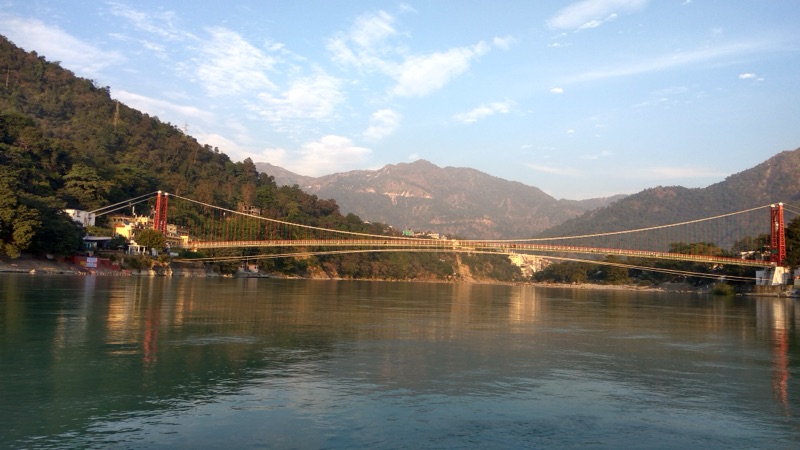
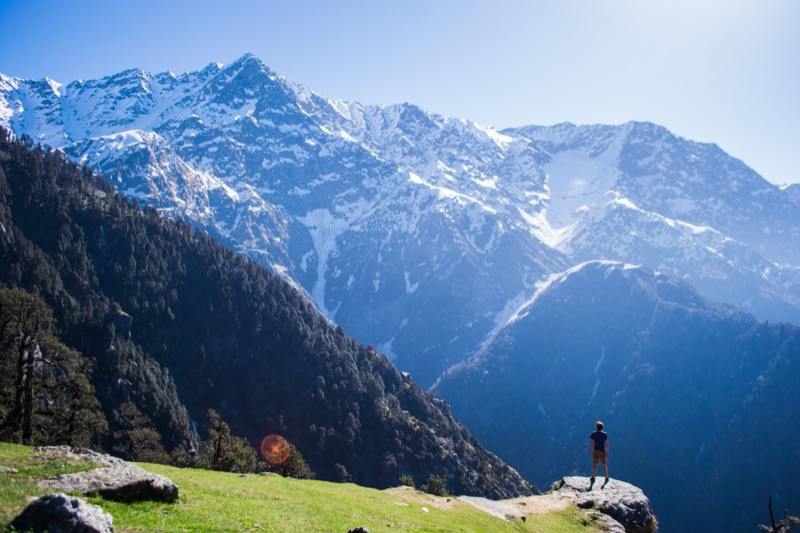
Rishikesh for yoga, adventure, and Ganges spirituality. Dharamsala for Tibetan culture, mountain trekking, and genuine Himalayan peace. Reddit's traveler consensus is unusually clear here: these two destinations don't really compete for the same traveler. Rishikesh is India's adventure-spirituality hub — hundreds of yoga schools, white-water rafting, India's highest bungee jump, and the spectacular Ganga Aarti ceremony at sunset. Dharamsala (McLeod Ganj) is Little Lhasa — the Dalai Lama's home-in-exile, an authentic Tibetan refugee community, the Triund Trek with jaw-dropping Himalayan views, and momos that will ruin all other dumplings for you. If you want adrenaline mixed with ancient Hindu ritual: Rishikesh. If you want to sit at 2,000m altitude watching Buddhist monks pass prayer wheels while eating Tibetan stew: Dharamsala.
Choose Dharamsala if: You want Tibetan culture, McLeod Ganj's Little Lhasa vibe, the Triund Trek, the Dalai Lama's temple, and a quieter mountain town with a strong traveler community.
⛰️ Choose Rishikesh if…
You want India's most famous spiritual-adventure base. Do your 200-hour yoga teacher training at Parmarth Niketan, raft Grade III–IV rapids on the Ganges (₹600–1,500), watch 300 priests perform Ganga Aarti at dusk, and wake up to the sound of temple bells over the river. Everything is within walking distance along the ghats. Budget travelers love it — ₹500/night buys you a clean room with a Ganges view.
🏔️ Choose Dharamsala if…
You want India's most culturally distinctive mountain town. McLeod Ganj is genuinely unlike anywhere else in India — Tibetan prayer wheels, monks in burgundy robes, momos on every corner, and the Dhauladhar mountains rising 4,000m directly behind town. The Triund Trek gives you Himalayan panoramas accessible to any fit traveler. The Dalai Lama's presence (when he's not traveling) adds a spiritual energy that Rishikesh can't replicate.
Quick Comparison
| Category | Rishikesh | Dharamsala | Edge |
|---|---|---|---|
| Yoga & Meditation | World's #1 destination, 300+ yoga schools, all styles, teacher training | Tibetan Buddhist meditation, Vipassana retreats, Tushita Centre | Rishikesh |
| Adventure Sports | Rafting, bungee (83m), zip-line, kayaking, cliff jumping on the Ganges | Trekking, rock climbing, paragliding from Bir Billing (45min away) | Rishikesh |
| Trekking | Neer Garh Waterfall, Kunjapuri Temple trek, longer Himalayan routes | Triund (day trek, stunning views), Indrahar Pass, Kareri Lake | Dharamsala |
| Food Scene | Outstanding vegetarian — Israeli cafes, organic food, thalis, banana lassis | Tibetan momos, thukpa, dal bhat, plus meat options unlike Rishikesh | Tie |
| Cultural Depth | Ancient Hindu ashrams, Ganga Aarti ceremony, Beatles history | Tibetan exile culture, Dalai Lama's residence, Norbulingka Institute | Dharamsala |
| Altitude | 372m — warm, tropical feel in the foothills | 1,457m (McLeod Ganj) — noticeably cooler, mountain air year-round | Dharamsala |
| Budget (per day) | ₹1,000–1,800/day budget; ₹2,500–5,000 mid-range | ₹1,000–1,800/day budget; ₹2,500–5,000 mid-range | Tie |
| Getting There from Delhi | 5–6 hours by bus/car, train via Haridwar — very accessible | 12–14 hours by overnight bus or via Pathankot — harder to reach | Rishikesh |
| Solo Female Safety | Generally safe, busy with tourists, well-lit ghats at night | Very safe, small traveler community, good Tibetan-Indian safety culture | Tie |
| Crowd Level | Busy year-round, packed March–May (yoga festival season) | Smaller scale, busy April–June, much quieter in winter | Dharamsala |
| Internet/Nomad Infrastructure | Decent wifi in cafes, power cuts occasionally, limited co-working | Reliable internet in McLeod Ganj, good café work culture | Dharamsala |
🧘 Yoga, Spirituality & Ashrams
Rishikesh has been called the Yoga Capital of the World since the 1960s when the Beatles famously visited Maharishi Mahesh Yogi's ashram here. Today it's the most concentrated yoga ecosystem on the planet — an estimated 300+ registered yoga schools offering everything from drop-in classes (₹300–800) to 200-hour Registered Yoga Teacher (RYT) certifications (₹25,000–80,000 for 28 days). Every style is represented: Hatha, Ashtanga, Iyengar, Kundalini, Vinyasa, Yin, and more.
Top Rishikesh Ashrams & Schools
- Parmarth Niketan — India's largest ashram, on the banks of the Ganges. Free to visit. Runs the famous Ganga Aarti ceremony every evening with 300+ priests, fire, flowers, and chanting. Accommodation available (₹1,500–3,000/night with meals). Open to drop-in guests.
- Chaurasi Kutia (Beatles Ashram) — Maharishi Mahesh Yogi's abandoned ashram where the Beatles composed most of the White Album in 1968. Now a forest preserve and art installation. Entry ₹600 for foreigners. Hauntingly beautiful decay — crumbling meditation pods, murals, jungle reclaiming everything.
- Sivananda Ashram — Founded by Swami Sivananda in 1936. Traditional setting, free Ganga Aarti, accommodation available. More austere and traditional than Parmarth Niketan.
- Vinyasa Yoga Academy / Rishikesh Yoga Teacher Training — Sample of the many 200-hour TTC operators. Research TripAdvisor and Reddit r/YogaTeachers before booking — quality varies enormously.
"Rishikesh is ideal if you seek a vibrant spiritual hub by the Ganges, while Dharamshala offers peaceful mountain vibes. For yoga teacher training specifically, Rishikesh stands out — the ecosystem there is unmatched globally." — r/YogaTeachers
Dharamsala's spiritual tradition is entirely different — Tibetan Buddhism rather than Hindu yoga. The Namgyal Monastery (the Dalai Lama's personal monastery) is the anchor. Tushita Meditation Centre above McLeod Ganj runs intensive 10-day Introduction to Buddhism courses (₹3,000–5,000, highly competitive booking) and drop-in meditation sessions. Tibetan astrology, Tibetan medicine, and Buddhist philosophy courses are offered through the Library of Tibetan Works and Archives.
"I did a 10-day meditation course at Tushita in Dharamsala and it changed how I see the world. Rishikesh is amazing for yoga but Dharamsala has something more quiet and profound — it's the Tibetan vibe, the monks, the mountains all working together." — r/solotravel
🏄 Adventure Sports
Rishikesh is India's undisputed adventure capital and it's not close. The Ganges River here runs through a gorge where the current picks up dramatically — white-water rafting Grade I through Grade IV is available with dozens of experienced operators. The standard 16km stretch (Brahmpuri to Rishikesh) takes 2–3 hours and costs ₹600–900. The longer 36km stretch (Marine Drive to Rishikesh) costs ₹1,200–1,800 and includes Grade IV rapids at "The Wall" and "Return to Sender." Multi-day camping and rafting trips (2–3 days on the Ganges, sleeping on riverside beaches) cost ₹3,500–6,000 all-inclusive.
Key Rishikesh Adventures
- Bungee Jumping (Jumpin Heights) — 83m platform, India's highest fixed platform bungee jump. ₹3,550. Properly certified, internationally trained staff. Book online — queues are long in season.
- Giant Swing (Jumpin Heights) — 83m giant swing over the Ganges gorge. ₹1,550. Less scary than bungee but more sustained terror.
- Flying Fox (Zip-line) — 1km zip-line across the Ganges. ₹1,550.
- Cliff Jumping at Shivpuri — Natural rock platforms above a Ganges pool. Usually included with rafting packages. Free if you're already rafting nearby.
- Kayaking — Half-day kayak instruction ₹1,500–2,000 including gear.
"Rishikesh for adventure — absolutely. The rafting is legitimately world-class and the bungee at Jumpin Heights is one of the best experiences of my life. Dharamsala is much more about hiking and being in the mountains quietly." — r/SoloTravel_India
Dharamsala's adventure offerings center on mountain activities. Trekking dominates (covered in the next section). Paragliding is available from Bir Billing, 45 minutes east of McLeod Ganj — it's one of Asia's premier paragliding sites with tandem flights (₹2,500–3,500) and cross-country routes. Rock climbing on the Dhauladhar granite cliffs is accessible with guides from McLeod Ganj. Mountain biking trails exist but are less developed than Rishikesh's river scene.
🏔️ Trekking & Hiking
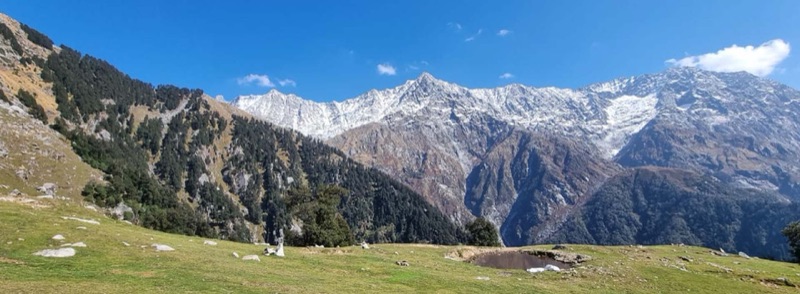
This is where Dharamsala reverses the verdict completely. While Rishikesh has pleasant day hikes (Neer Garh Waterfall, Kunjapuri Temple at dawn for Himalayan sunrise), these are pleasant nature walks rather than serious mountain treks. Dharamsala sits directly below the Dhauladhar range — dramatic 4,000m+ peaks that rise almost vertically from the valley floor — and the trekking here is genuinely spectacular.
Dharamsala Treks
- Triund Trek (★★★★★) — The classic. 9km from McLeod Ganj to a 2,850m ridge with 360° views of the Dhauladhar peaks and the Kangra Valley below. 3–4 hours up. No technical skill needed — just reasonable fitness. Permit ₹50 (foreigners), obtained at the forest checkpost in Dharamkot. Camping available (₹200–400 for tent). The tea stall at the summit is legendary. Do this trek even if you do nothing else in Dharamsala.
- Indrahar Pass (3,900m) — Two-day advanced trek above Triund to a high mountain pass with views of both the Kangra Valley and the Chamba Valley on the other side. Requires a guide and proper gear. Best June–October.
- Kareri Lake (2,934m) — A glacial lake 13km from the trailhead (Kareri village). 2-day return, camping by the lake. Less crowded than Triund but equally beautiful.
- Mun Peak (4,115m) — Advanced multi-day trek. Requires mountaineering equipment and experience. Best done with a guide from McLeod Ganj.
"Dharamshala has a great trek in Triund — one of the best accessible treks in India. Rishikesh is more about rafting and bungee jumping. If hiking is your main reason for going, Dharamsala is the better choice." — r/SoloTravel_India
🍜 Food & Dining
Both cities have genuinely good food scenes, but they're completely different in character. Rishikesh is entirely vegetarian — being a sacred Hindu city on the Ganges, meat and alcohol are banned within city limits. This is actually a positive: the vegetarian cooking here is extraordinary. The Israeli traveler community has fueled dozens of excellent cafes serving shakshuka, falafel, fresh juices, and banana pancakes alongside Indian classics.
Rishikesh Food Highlights
- Chotiwala Restaurant — The most famous restaurant in Rishikesh. Open since 1958, in two competing locations (both claim the original). Traditional North Indian thali with unlimited refills: ₹200–350. The staff wear theatrical makeup and costumes. Touristy but worth it.
- Little Buddha Cafe & Ganga Beach Restaurant — Israeli-run rooftop cafes overlooking the Ganges. Banana lassis (₹120), falafel wraps (₹180), and proper espresso.
- Organic cafe scene (Ram Jhula Road) — The 500m stretch along the Ganges near Ram Jhula has the best cafe concentration. Fresh juices, granola bowls, avocado toast, and organic Indian food with Ganges views.
- Maggi Stalls at Laxman Jhula — The quintessential Rishikesh cheap eat. Instant noodles with fresh vegetables, eaten on a bench above the Ganges for ₹50. Inexplicably delicious after a morning yoga class.
Dharamsala's food scene is anchored by Tibetan cuisine — and it's extraordinary. McLeod Ganj has the most authentic Tibetan food outside Tibet itself, cooked by the actual Tibetan exile community.
Dharamsala Food Highlights
- Tibetan Momos — Steamed or fried dumplings with pork, chicken, vegetables, or cheese filling. ₹60–100 for 8–10 momos. The momo culture here is not touristic — it's the actual Tibetan staple. Try Woeser Tibetan Restaurant near the Namgyal Monastery.
- Thukpa — Tibetan noodle soup with meat or vegetables in a clear or spiced broth. ₹80–130. The best cold-weather food in the Himalayas.
- Tibetan Butter Tea (Po Cha) — Salted, butter-infused yak tea. Divisive: many travelers find it strange, Tibetan locals drink it constantly. Try it at least once at a local Tibetan tea house.
- Nick's Italian Kitchen — McLeod Ganj's beloved Italian restaurant, feeding travelers since 1996. Pasta, pizza, and imported cheese. An incongruous Himalayan institution.
"The momos in McLeod Ganj are the best I've eaten anywhere. Dharamsala's food scene is underrated — you've got Tibetan, Israeli, Indian, and Italian all within 200 meters of each other on the main street." — r/india_tourism
💰 Cost Comparison
Both Rishikesh and Dharamsala are budget-friendly by global standards — significantly cheaper than Goa, Rajasthan's tourist circuit, or South India resorts. The key difference is what you pay for adventure: Rishikesh activities (rafting, bungee) add up quickly, while Dharamsala's main activity (Triund Trek) costs almost nothing.
| Expense | Rishikesh | Dharamsala |
|---|---|---|
| Budget dorm/hostel | ₹350–700/night | ₹400–800/night |
| Budget private room | ₹600–1,200/night | ₹700–1,400/night |
| Mid-range hotel (Ganges/mountain view) | ₹2,000–5,000/night | ₹1,800–4,500/night |
| Budget meal (local restaurant) | ₹100–250 (vegetarian only) | ₹100–250 |
| Mid-range cafe meal | ₹200–400 | ₹180–350 |
| White-water rafting | ₹600–1,800 | N/A |
| Bungee jump | ₹3,550 (Jumpin Heights) | N/A |
| Triund Trek | N/A | ₹50 permit + free hiking |
| Yoga class (drop-in) | ₹300–800 | ₹300–600 (Buddhist/yoga) |
| Auto-rickshaw/taxi around town | ₹50–200 per ride | ₹50–150 per ride |
| Budget daily total (no big activities) | ₹1,000–1,600 | ₹1,000–1,600 |
| Budget daily total (with main activity) | ₹2,500–4,500 (rafting day) | ₹1,100–1,700 (Triund day) |
"Both Rishikesh and Dharamsala are extremely affordable for Western travelers. The big difference is that a day of rafting and bungee in Rishikesh costs ₹4,000–5,000, while a Triund Trek in Dharamsala costs ₹50. Budget it accordingly." — r/digitalnomad
✈️ Getting There & Getting Around
Rishikesh has a massive accessibility advantage over Dharamsala. It sits in Uttarakhand state, directly connected to Delhi by train via Haridwar — India's rail network's major hub for this region. The Haridwar junction (24km from Rishikesh) is served by multiple daily trains from New Delhi station (5–6 hours, Shatabdi Express, ₹600–900 AC, book on IRCTC). From Haridwar, shared jeeps (₹80) and buses run constantly to Rishikesh. By road from Delhi: 5–6 hours by bus (numerous operators from Kashmere Gate ISBT, ₹300–500) or by taxi (₹3,500–4,500 for a full car).
Dharamsala is harder to reach. The nearest large railhead is Pathankot (90km), served from Delhi by overnight train (7–8 hours, ₹400–700 sleeper). From Pathankot, a bus or taxi (₹800–1,200) takes 2.5–3 hours to McLeod Ganj. By bus direct from Delhi: HRTC overnight Volvo buses (₹700–1,200, 12–14 hours from ISBT Kashmere Gate) are the standard budget option. Gaggal Airport (15km from Dharamsala) has direct flights from Delhi (IndiGo/SpiceJet, ₹1,500–4,000, 1 hour) — the fastest option but limited schedule.
"Also, dharamshala and rishikesh are so far off — how do you plan to travel between them? It will take 16–18 hours if you travel by bus. It's not a natural combination trip." — r/india_tourism
Getting around within each city: Rishikesh is compact and highly walkable — most sights, cafes, and ashrams are along a 2km stretch of the Ganges between Ram Jhula and Laxman Jhula bridges. Autos and shared jeeps handle the few longer distances. McLeod Ganj is equally walkable within the upper town (the Tibetan colony, temple, market, and most cafes are within 1 sq km). Buses and shared taxis connect to Lower Dharamsala (5km), Dharamkot (2km), and Bhagsu village (2km).
🌸 Best Time to Visit
Both destinations share similar seasonal patterns — ideal shoulder seasons in spring (March–June) and autumn (September–November), monsoon challenges in summer (July–August), and different winter extremes.
Rishikesh Seasonal Guide
- February–April (★★★★★) — Best overall. Pleasant 18–28°C, rivers at rafting-friendly levels, the International Yoga Festival in March draws teachers and practitioners globally. Flowers blooming in the foothills. Most ashrams at full programming.
- May–June (★★★★) — Hot (30–38°C) but popular. Ganges water levels start rising in June from snowmelt. Pre-monsoon heat means fewer crowds and lower prices.
- July–September (★★) — Monsoon. Heavy rain, flash flooding risk in the Ganges gorge. Rafting operations suspend July–August due to flooding and dangerous current. Many campsites close. Not recommended for adventure travelers.
- October–November (★★★★★) — Second best window. Post-monsoon clarity, cooler temperatures (18–25°C), Ganges levels perfect for rafting again. Least crowded of the main seasons.
- December–January (★★★) — Cold (5–12°C) but manageable. Most ashrams and yoga schools operating. River too cold for most people to raft. The Ganga Aarti is especially atmospheric in winter fog.
Dharamsala Seasonal Guide
- March–June (★★★★★) — Best overall. Clear Dhauladhar views, warm enough for Triund Trek (snow retreating above 2,500m), full café and guesthouse scene. April–May is peak season — book accommodation early.
- July–September (★★) — Monsoon in Dharamsala is serious. Heavy rain, landslides, cloud cover blocking mountain views. Triund Trek closed when landslide risk is high. McLeod Ganj turns muddy and damp. Many travelers avoid this window.
- October–November (★★★★★) — Crystal clear mountain air, autumn color, Triund Trek perfectly accessible. The Dalai Lama often gives public teachings in October–November when he's in residence.
- December–February (★★) — Snow covers McLeod Ganj above 1,500m. Many restaurants and guesthouses close for winter. The Dalai Lama frequently travels abroad. The mountains are spectacular if you're prepared for cold (−5 to +8°C), but the town empties out significantly.
🏨 Where to Stay
Both cities offer a well-developed backpacker hostel scene alongside mid-range guesthouses and genuine splurge options. Rishikesh has the added dimension of ashram accommodation — staying within an ashram complex alongside yoga practitioners gives a completely different experience than a regular hotel.
Rishikesh Accommodation
- Budget Hostels (₹350–700/night) — Zostel Rishikesh and Moustache Rishikesh are the best-reviewed options. Social atmosphere, Ganges views from rooftop areas, organized yoga classes and activities. Book weeks ahead for peak season.
- Ashram Stay (₹1,000–3,000/night with meals) — Parmarth Niketan and Sivananda Ashram offer room and board packages. Meals included (vegetarian sattvic diet), daily yoga/meditation schedule, Ganga Aarti. A profoundly different India experience.
- Mid-range with Ganges View (₹2,000–5,000/night) — Bungalow on the Ganges, Hotel Rajdeep. Rooms with private balconies directly over the river. Book the rooms on the second or third floor — ground floor river rooms flood in monsoon season.
Dharamsala Accommodation
- Budget Guesthouses (₹400–900/night) — McLeod Ganj has dozens of small family-run guesthouses concentrated on Temple Road and Bhagsu Road. Pema Thang Guest House and similar Tibetan family-run places are consistently well-reviewed and offer mountain views from rooftop restaurants.
- Hostels (₹350–700 dorm) — Zostel Dharamsala near McLeod Ganj has the best infrastructure. Social backpacker scene, organized Triund Trek groups, bike rentals.
- Dharamkot Village (₹500–1,500/night) — 2km uphill from McLeod Ganj, at 1,600m. Even quieter than McLeod, surrounded by forest, popular with long-stay spiritual travelers. Several excellent budget guesthouses with mountain views and yoga studios.
"For a first India trip, Rishikesh or Dharamshala are great choices — safe, relaxed, and very traveler-friendly. Hostels in those areas are generally safe and social, especially female dorms." — r/india_tourism
🕉️ Culture & People
Rishikesh's culture is ancient Hindu spirituality — the ghats, the temples, the sages, and the river. The city has been a pilgrimage center since at least the 9th century. Hindu pilgrims heading to the Char Dham yatra (Badrinath, Kedarnath, Gangotri, Yamunotri) pass through Rishikesh as a gateway. The Ganga Aarti ceremony at Triveni Ghat and Parmarth Niketan's Ram Jhula ceremony happen every evening at sunset — an extraordinary spectacle of fire, flowers, chanting, and devotion. This is not a performance for tourists; it's a living daily practice attended by thousands of local devotees.
"Rishikesh is the Yoga Capital of the World, on the banks of the Ganges River. It's an incredible experience — the Ganga Aarti at night, the ashrams, the spiritual energy. Nothing prepares you for actually being there." — r/TravelInIndia
Dharamsala's culture is unlike anything else in India. McLeod Ganj is home to approximately 10,000 Tibetan refugees who fled following China's occupation of Tibet beginning in 1959. The Dalai Lama has lived here since 1960. The culture is authentically Tibetan — Tibetan medicine, Tibetan script on shop signs, monks in burgundy robes, prayer wheels along every path, and a deep sense of community resilience. The Tibetan Museum (₹50, well-designed) and the Library of Tibetan Works and Archives document the history of the exile community and Tibet's cultural preservation. Attending a public teaching by the Dalai Lama (when he's in residence, usually March–April and October–November) is a genuinely moving experience — registration is free through the Dalai Lama's office website.
"Dharamsala is genuinely unlike anywhere I've been in India. The Tibetan culture, the monks, the prayer wheels — it feels more like Nepal or Tibet than India. The Triund Trek was incredible and then coming back to momos and butter tea was perfect." — r/solotravel
🧭 The Decision Framework
Both Rishikesh and Dharamsala are excellent — the right choice depends entirely on what you want from the trip. The decision matrix below is blunt by design.
⛰️ Choose Rishikesh if…
- Yoga is your primary reason for visiting — teacher training or daily classes
- You want white-water rafting on the Ganges (Grade III–IV)
- The bungee jump / zip-line / adventure activities are on your list
- You're traveling from Delhi and want the shorter journey (5–6 hours)
- You want to experience the Ganga Aarti ceremony at sunset
- You're doing the Char Dham yatra or Haridwar pilgrimage circuit
- You want ashram accommodation and sattvic vegetarian food
- You're happy with an entirely vegetarian food city
🏔️ Choose Dharamsala if…
- The Triund Trek and Himalayan views are your main attraction
- Tibetan culture, the Dalai Lama's temple, and Buddhist meditation call you
- You want Tibetan momos, thukpa, and real Himalayan mountain food
- A quieter, smaller-town atmosphere suits you better than Rishikesh's bustle
- You're coming from Amritsar, Chandigarh, or Punjab (natural route)
- You want to attend a Vipassana retreat or Tushita Buddhist meditation course
- Digital nomad infrastructure matters — Dharamsala has better café wifi culture
- You want genuine cultural immersion in an exile community's living tradition
Can't decide? See the Goa vs Kerala comparison for another India showdown, or check the full comparison index to find your perfect India match.
❓ Frequently Asked Questions
Is Rishikesh or Dharamsala better for yoga and meditation?
Rishikesh wins for yoga — unequivocally. It's literally branded the "Yoga Capital of the World" for a reason: hundreds of registered yoga schools, every style from Hatha to Ashtanga to Iyengar, teacher training courses (200hr RYT from ~₹25,000–60,000), and ashrams like Parmarth Niketan that have been teaching since the 1940s. Dharamsala offers meditation and mindfulness through the Tibetan Buddhist tradition — Vipassana retreats, Tibetan Institute of Performing Arts, and Tushita Meditation Centre are world-class. Rishikesh for classical Indian yoga; Dharamsala for Buddhist meditation and mindfulness practice.
Which is better for first-time India travelers — Rishikesh or Dharamsala?
Both are considered among India's most accessible destinations for first-timers, but they suit different travelers. Rishikesh is better if you want a mix of spirituality and adventure — it's on the main Delhi–Haridwar train corridor and easy to reach. Dharamsala (McLeod Ganj) is better if you're drawn to Tibetan culture, mountain trekking, and a smaller, more village-like atmosphere. Reddit consensus: Rishikesh for adventure-seekers and yoga practitioners; Dharamsala for culture vultures and people seeking genuine peace in the mountains. Both have strong traveler infrastructure with affordable hostels and English-speaking locals.
How far apart are Rishikesh and Dharamsala?
Rishikesh and Dharamsala are approximately 500–550 km apart — not a natural pairing for a single trip. The journey takes 14–17 hours by bus (with a change in Chandigarh or Pathankot), or you can fly via Delhi (the indirect flight route adds 5–6 hours total travel). Unlike Jaipur–Udaipur or Goa–Kerala, these two destinations aren't easy to combine in a short trip. Most travelers choose one based on their interests. If you want both, budget at least 12–14 days and accept a long travel day between them.
Is Rishikesh vegetarian only?
Yes — nearly completely. Rishikesh is a holy city on the banks of the Ganges and most restaurants are strict vegetarian (no meat, often no eggs). This is actually a feature for many travelers: the food is extraordinary. Israeli-run cafes, Rajasthani thali restaurants, banana lassi stands, and organic cafes along Ram Jhula Road serve some of India's best vegetarian food. Dharamsala, by contrast, has abundant meat options including Tibetan momos with pork or chicken, thukpa noodle soups, and Indian chicken curries. Vegans and vegetarians do beautifully in both cities, but carnivores will prefer Dharamsala.
What is the Triund Trek and is it worth doing?
Triund is the most popular day trek from Dharamsala — a 9 km hike from McLeod Ganj to a ridge at 2,850m elevation with panoramic views of the Dhauladhar mountain range and the Kangra Valley below. The hike takes 3–4 hours up and 2–3 hours down, passes through oak and rhododendron forest, and ends at a camping spot with tea stalls. No technical skill needed — just reasonable fitness. Permit required (₹50 for foreigners, obtained from forest checkpost). Camping overnight costs ₹200–400 for tent rental. Reddit universally recommends it: "Triund was the highlight of my entire India trip." Do it.
What adventure sports are available in Rishikesh?
Rishikesh is India's adventure capital: white-water rafting on the Ganges (Grade I–IV, 16km to 36km stretches, ₹600–1,500), bungee jumping at Jumpin Heights (83m, India's highest fixed platform bungee, ₹3,550), flying fox/zip-line (₹1,550), giant swing (₹1,150), cliff jumping, kayaking, and multi-day camping trips on the Ganges. The rafting industry here is mature — hundreds of operators, regulated launches, experienced guides. The March–May and September–November seasons are best for Class III–IV rapids. A day of rafting and camping on a Ganges beach costs ₹2,500–4,000 all-in. Dharamsala doesn't compete with Rishikesh on adrenaline activities.
Is Dharamsala worth visiting beyond the Dalai Lama temple?
Absolutely. McLeod Ganj's appeal goes well beyond the Namgyal Monastery: the Tibetan Museum tells a comprehensive story of Tibet's occupation and the exile community; the Tibetan Institute of Performing Arts (TIPA) performs traditional opera; the Norbulingka Institute (15km from McLeod Ganj) is a stunning Tibetan art and culture center. Street food is excellent: Tibetan momos (₹60–100), thukpa (₹80–120), and the Israeli-traveler café scene serves shakshuka and fresh juices. Add a Triund trek and a day trip to Dharamkot village, and McLeod Ganj easily fills 4–5 days.
What is the best time of year to visit Rishikesh vs Dharamsala?
Rishikesh: February–June and September–November are ideal. The International Yoga Festival runs in March. Monsoon (July–August) brings heavy rain, dangerous Ganges flooding, and suspended rafting operations — avoid. Winter (December–January) is cold but manageable (5–12°C). Dharamsala: March–June and September–November are best. Monsoon (July–September) brings heavy rain and landslide risk — trekking is often closed. Winter (December–February) sees heavy snowfall and many businesses close. The sweet spot for both destinations: late September to early November gives you clear mountains in Dharamsala and perfect rafting in Rishikesh.
Ready to Plan Your North India Trip?
Whether you choose Rishikesh's Ganges adventure or Dharamsala's Tibetan mountain calm, tabiji builds your custom itinerary — free, no signup required.
Get Your Free Itinerary →Also planning Rajasthan? See our Jaipur vs Udaipur comparison or explore all India destination comparisons.
🎟️ Book Tours & Experiences
Hand-picked tours and activities for both destinations — book with free cancellation
Experiences via Viator — free cancellation on most tours