How we built this comparison
This page combines traveler discussion patterns, published price ranges, flight schedules, and seasonal data to help you decide between Rome and Athens.
- Reviewed 70+ Reddit threads from r/travel, r/solotravel, r/Rome, r/GreeceTravel, and r/ItalyTravel for real-world opinions and experiences.
- Verified costs for flights, accommodation, attractions, and dining against current booking platforms (Skyscanner, Booking.com, Google Flights, official attraction websites).
- Cross-referenced seasonal patterns and weather data with traveler reports to provide accurate 'best time to visit' insights.
⚡ The TL;DR Verdict
For those craving monumental history, diverse cuisine, and a vibrant, walkable city experience with a slightly higher budget, Rome is your champion, expecting €120-180 ($130-195) daily. If you're after ancient philosophical roots, stunning island day trips, and a more budget-friendly adventure where your euro stretches further, Athens, at €80-140 ($85-150) daily, will capture your heart, especially if you prioritize value and unique culture.
- Choose Rome: Pick Rome if you dream of grand Roman Empire history, world-class art, incredible pasta and pizza, and a city where every corner has a story, even if it means navigating more crowds and spending a bit more.
- Choose Athens: Choose Athens for a deep dive into ancient Greek philosophy, mythological sites, a more relaxed pace, delicious and affordable Mediterranean food, and easy access to stunning island escapes, ideal for budget-conscious history buffs.
- Choose Both: Combine them if you have at least 10-14 days and want to experience both pillars of Western civilization. Fly between them (approx. 1.5-2 hrs, €50-100) and allocate 4-5 days for each city, plus travel time.
Quick Comparison
| Category | Rome | Athens | Winner |
|---|---|---|---|
| Culture & History | Unparalleled Roman Empire sites, Renaissance art, Vatican City, grand architecture. | Birthplace of democracy, philosophy, iconic Acropolis, ancient Greek ruins. | Tie |
| Food & Drink | World-renowned pasta, pizza, gelato, espresso; diverse regional Italian cuisine. | Fresh Mediterranean flavors, souvlaki, moussaka, Greek salads, strong coffee. | Rome |
| Costs | Generally higher for accommodation and dining, though budget options exist. | More budget-friendly across the board, good value for food and accommodation. | Athens |
| Getting There & Around | FCO airport, extensive metro/bus/tram system, walkable city center. | ATH airport, efficient metro/bus/tram system, very walkable historic core. | Tie |
| Accommodation | Wide range from luxury to budget hostels, but generally pricier. | Good value for money across all categories, especially mid-range hotels. | Athens |
| Nightlife | Lively bar scene, traditional pubs, sophisticated cocktail bars, late-night dining. | Vibrant bar scene, live music, relaxed tavernas, rooftop bars with views. | Athens |
| Day Trips | Pompeii, Naples, Florence (longer), Orvieto, Tivoli's Hadrian's Villa. | Hydra, Aegina, Delphi, Cape Sounion; easy access to Saronic Islands. | Athens |
| Weather & Seasons | Hot summers (July-Aug), mild winters, pleasant springs/autumns. | Very hot, dry summers (July-Aug), mild winters, longer pleasant shoulder seasons. | Tie |
| Solo Travel | Easy to navigate, safe, friendly locals, many group tours. | Very safe, welcoming, easy to meet people, great hostel scene. | Athens |
| Shopping | High fashion, designer brands, artisanal goods, unique boutiques. | Local crafts, souvenirs, food products, some international brands. | Rome |
🏛️ Culture & History
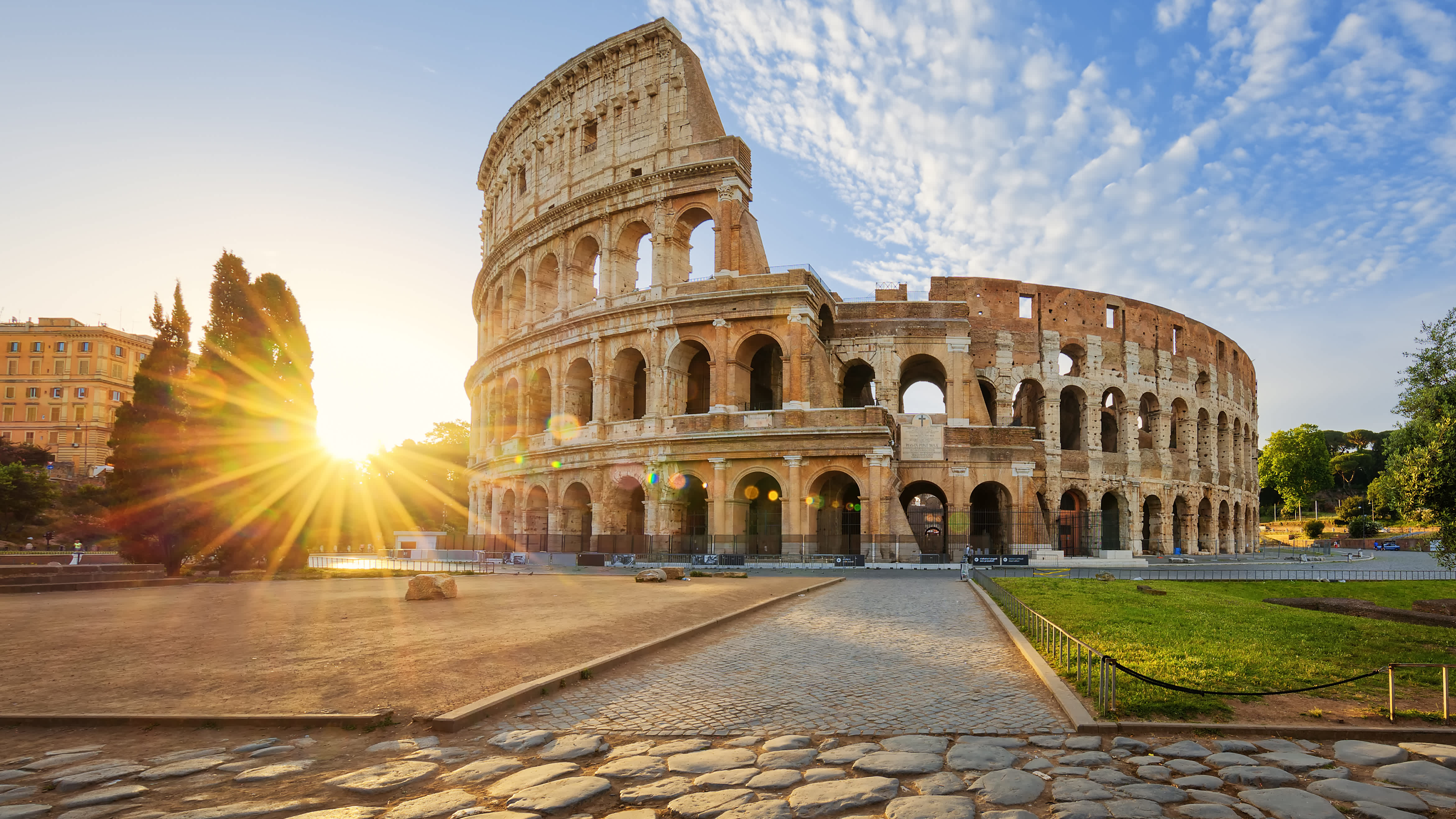
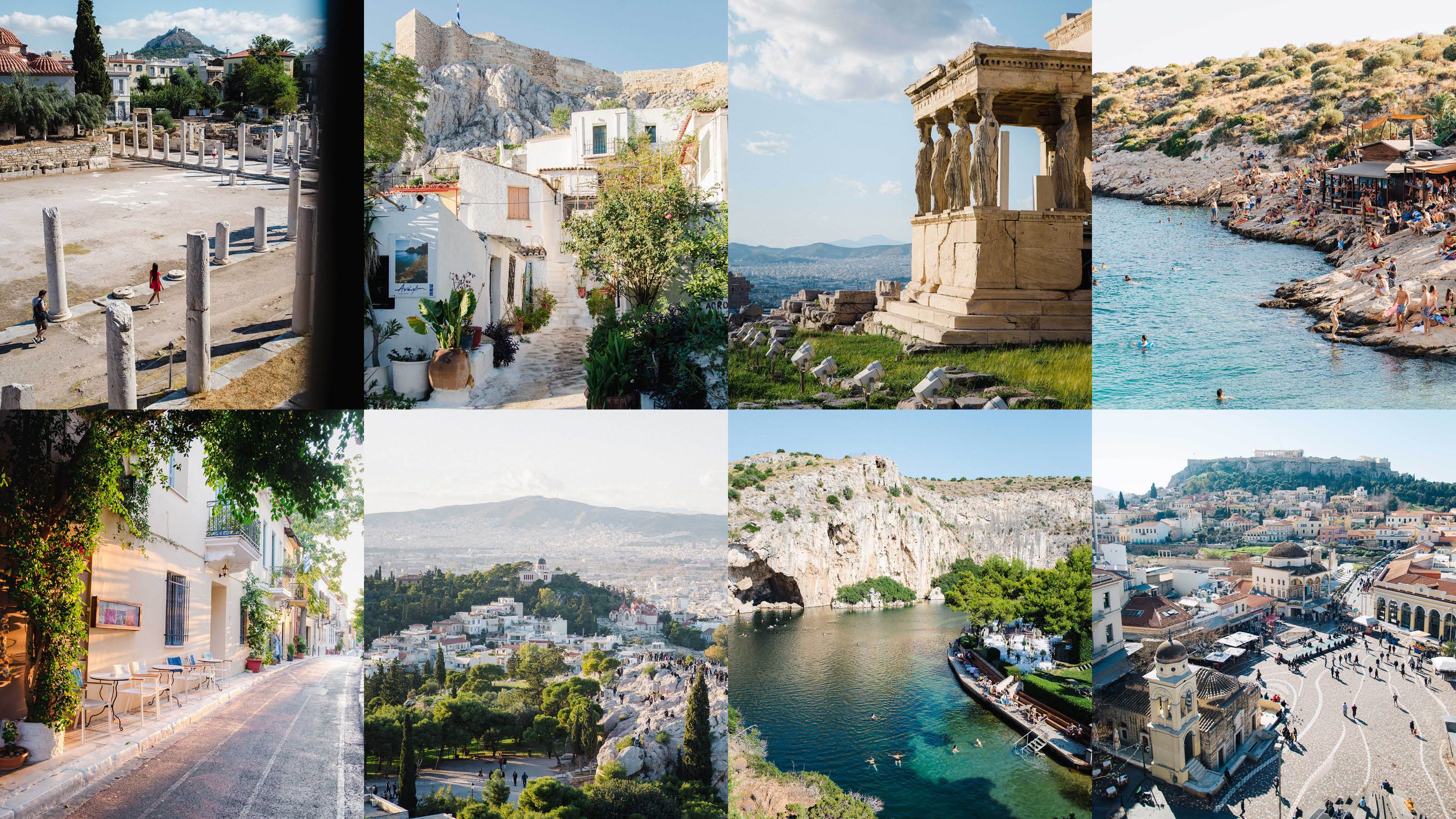
Both cities are titans of history and culture, offering distinct yet equally profound experiences. Rome immerses you in the vastness of the Roman Empire, with the Colosseum, Roman Forum, Pantheon, and Vatican City (St. Peter's Basilica, Vatican Museums including the Sistine Chapel) demanding days to explore. Its layers of history, from ancient ruins to Baroque churches, are literally underfoot. Athens, on the other hand, transports you to the cradle of Western civilization with the awe-inspiring Acropolis (Parthenon, Erechtheion), Ancient Agora, and countless museums like the Acropolis Museum. While Rome offers a more diverse timeline, Athens' focus on classical antiquity is incredibly powerful. You can feel the weight of Socrates' footsteps. A Reddit user put it well: "Rome is about empire and grandeur, Athens is about philosophy and foundations. Both are mind-blowing in their own ways." It really comes down to whether you prefer Roman might or Greek wisdom. Entrance fees are comparable: Colosseum + Forum around €18-22 ($19-24), Vatican Museums €17-25 ($18-27); Acropolis + Parthenon combined ticket €20-30 ($21-32).
Winner takeaway
- Winner: Tie
- Why: It's impossible to pick a single winner when both cities are the epicenters of two foundational civilizations.
- Who this matters for: Serious history buffs, art lovers, and those seeking profound cultural immersion.
🍝 Food & Drink
Rome's food scene is legendary and incredibly diverse, making it a clear winner for most palates. From classic pasta dishes like Cacio e Pepe, Amatriciana, and Carbonara found at trattorias like Da Enzo al 29 (expect €15-20 per main) to crispy Roman-style pizza at places like Bonci Pizzarium, your taste buds will be on an endless adventure. Gelato is an art form here (try Fassi or Giolitti for €3-5). The coffee culture is rich and daily. Athens offers fantastic, fresh Mediterranean cuisine that is often more budget-friendly. Think succulent souvlaki and gyros (from €3-5 at O Kostas), hearty moussaka, fresh seafood, and vibrant Greek salads. While delicious, the variety and global renown of Roman cuisine, paired with its incredible depth, give it the edge. As one traveler noted, "I love Greek food, but nothing beats sitting outside a Roman trattoria with a perfectly made carbonara and a glass of house wine. Pure bliss." Both cities have great local wines, but Italian wines are just more varied and globally celebrated. Expect to spend €20-40 ($21-43) per person for a good dinner in Rome vs. €15-30 ($16-32) in Athens.
Winner takeaway
- Winner: Rome
- Why: Rome's culinary reputation, diverse offerings, and sheer deliciousness of its staple dishes are hard to beat.
- Who this matters for: Foodies, anyone who loves Italian cuisine, and those who prioritize dining experiences.
💰 Costs
Athens is definitely easier on the wallet than Rome. For accommodation, you can find quality hotels in Athens starting around €70-100 ($75-108) per night, while similar comfort in Rome typically begins at €100-150 ($108-162) in popular areas. Eating out is noticeably cheaper in Athens; a full meal in a mid-range taverna might cost €15-25 ($16-27), whereas a trattoria in Rome will likely run you €25-40 ($27-43) per person. Transportation costs are similar with metro tickets around €1.20-1.50 in both. Attraction prices are also slightly lower or comparable in Athens. For instance, the Acropolis combined ticket is €30 ($32), while the Colosseum is €18 ($19). "Athens felt like I could do more without constantly checking my bank account," a budget traveler shared. If you're backpacking or just trying to stretch your euros, Athens provides a much better bang for your buck, allowing for more experiences or a longer stay. Even gelato in Rome is often €1-2 more expensive than a similar treat in Athens.
Winner takeaway
- Winner: Athens
- Why: Athens consistently offers better value for money across accommodation, food, and attractions, making it more accessible for budget travelers.
- Who this matters for: Budget travelers, long-term travelers, and those wanting to maximize their experiences on a tighter budget.
✈️ Getting There & Around
Both Rome (Leonardo da Vinci–Fiumicino Airport, FCO) and Athens (Eleftherios Venizelos International Airport, ATH) are major international hubs, well-connected to Europe and beyond. Flight times from major European cities are typically 2-3 hours. Getting from FCO to central Rome is straightforward via the Leonardo Express train (€14, 32 mins) or regional train/bus. From ATH, the metro (€9, ~40 mins) or X95 express bus (€5.50, ~60 mins) offers easy access to the city center. Once in the city, both boast extensive public transport networks. Rome's metro (ATAC) has two main lines intersecting at Termini and covers major sites, though many attractions in the historical center are best reached on foot. A single metro/bus ticket is €1.50. Athens' metro is clean, modern, and even features archaeological displays in some stations; it's highly efficient for reaching the Acropolis, Plaka, and other areas. A single ticket is €1.20. "Rome's traffic can be insane, but walking everywhere around the Pantheon/Colosseum area is amazing. Athens' metro feels less hectic." Both are highly walkable in their respective historic cores, but Rome is a larger, more sprawling city, requiring more reliance on public transport for distant sites. For convenience and ease, they are equally matched.
Winner takeaway
- Winner: Tie
- Why: Both cities offer excellent international connectivity and efficient public transportation systems for travelers.
- Who this matters for: All travelers, as ease of arrival and internal movement is crucial for any trip.
🏨 Accommodation
Finding good value accommodation in Rome, especially in the historic center or near major attractions, can be a challenge. While options abound, from boutique hotels like Hotel Artemide (€180-300/night) to budget hostels like The Beehive (€40-70/night for a dorm), prices tend to be higher for similar quality compared to Athens. Expect to pay €120-200 ($130-215) for a decent mid-range hotel. Athens truly shines in this category, offering excellent hotels with Acropolis views or stylish boutique stays for significantly less. You can find beautiful hotels like Electra Metropolis or New Hotel for €150-250 ($162-270) a night, or comfortable, well-located mid-range options for €80-130 ($86-140). Hostels like Athens Backpackers offer dorms for €25-45 ($27-48). "We got a hotel in Athens with a rooftop pool and Acropolis views for what we'd pay for a basic room in Rome," a traveler shared. The overall quality-to-price ratio in Athens is simply superior, allowing travelers to upgrade their stay without breaking the bank. Both cities offer a good range of Airbnb options too.
Winner takeaway
- Winner: Athens
- Why: Athens provides significantly better value for money in accommodation, allowing travelers to enjoy higher quality stays for less.
- Who this matters for: Budget-conscious travelers, those who prioritize comfortable stays without exorbitant costs, and anyone seeking value.
🎉 Nightlife
While Rome has its share of lively nightlife, especially in areas like Trastevere or Testaccio with their traditional pubs, wine bars, and late-night trattorias, Athens feels more alive and accessible after dark. Rome's nightlife tends to be a bit more scattered and can feel touristy in some areas. Athens, on the other hand, boasts buzzing neighborhoods like Psirri and Gazi, filled with trendy bars, live bouzouki music venues, and vibrant clubs that stay open until the early hours. The rooftop bars in Athens, offering breathtaking views of the illuminated Acropolis (e.g., A for Athens Cocktail Bar, prices €10-15 per cocktail), are an experience in themselves and are more prevalent and impressive than in Rome. "Athens at night, especially around Monastiraki Square and Gazi, just has this infectious energy you don't always find in Rome," observed a recent visitor. Both cities offer great aperitivo culture, but Athens' late-night energy, combined with its fantastic rooftop bar scene and more localized feel, gives it a slight edge for those seeking a truly vibrant evening. A beer in a Roman pub might cost €6-8, while in Athens, it's typically €4-6.
Winner takeaway
- Winner: Athens
- Why: Athens offers a more concentrated, vibrant, and generally more affordable nightlife, especially with its impressive rooftop bar scene.
- Who this matters for: Younger travelers, party-goers, and anyone who enjoys staying out late and soaking in local evening culture.
🗺️ Day Trips
Both cities offer excellent day trip opportunities, but Athens' proximity to the stunning Saronic Islands gives it a significant advantage for a diverse experience. From Piraeus port, you can easily take a ferry to charming islands like Hydra (no cars, donkey transportation), Aegina (pistachio farms, temples), or Poros, all within 1-2 hours. A round-trip ferry ticket to Aegina is around €20-30 ($21-32). Mainland day trips to the ancient site of Delphi (€12 entrance) or the beautiful sunset at Cape Sounion (Temple of Poseidon) are also very accessible via bus or organized tour. Rome offers fantastic historical day trips to Pompeii and Herculaneum (though a longer journey, typically 2.5-3 hours by train to Naples, then local train, cost around €30-40 total transport), Orvieto (charming hilltop town), or Tivoli's Hadrian's Villa and Villa d'Este. "Being able to hop on a ferry from Athens and be on a beautiful island within an hour or two was a game-changer for me. Rome's day trips are great, but more historical, less 'escape the city' vibe," a seasoned traveler commented. For sheer variety, especially if you crave a dose of island life, Athens wins.
Winner takeaway
- Winner: Athens
- Why: Athens offers a more varied and easily accessible range of day trips, particularly to beautiful islands, enhancing the overall travel experience.
- Who this matters for: Travelers looking to escape the city, beach lovers, and those wanting diverse experiences beyond ancient ruins.
☀️ Weather & Seasons
Both Rome and Athens share a Mediterranean climate, meaning hot, dry summers and mild, wet winters. Summers (July-August) can be scorching in both, often reaching 35°C (95°F) or more, making sightseeing challenging during midday. Rome's humidity can be a bit higher. Athens, being closer to the sea and generally drier, can feel slightly more manageable despite similar temperatures, but the concrete jungle effect is real in both. The shoulder seasons (April-May and September-October) are ideal for visiting both cities, offering pleasant temperatures (20-28°C / 68-82°F) and fewer crowds. Winters (Nov-March) are mild, rarely dipping below freezing, with average temperatures around 10-15°C (50-59°F), but you'll experience more rain and shorter daylight hours. "Visiting Rome in August felt like walking through an oven, but Athens in May was perfect for exploring," said one Reddit user. For pure comfort and maximizing outdoor exploration, aim for the shoulder seasons for either destination. Neither truly 'wins' as their climates are so similar, with slight nuances. The best time to visit them generally overlaps.
Winner takeaway
- Winner: Tie
- Why: Both cities share very similar Mediterranean climates with hot summers and mild winters, making the shoulder seasons ideal for both.
- Who this matters for: Travelers sensitive to heat, those looking for optimal sightseeing weather, and anyone planning an off-season trip.
🚶♀️ Solo Travel
Both Rome and Athens are excellent destinations for solo travelers, offering safety and plenty to do. Rome is generally very safe, though like any big city, petty crime (pickpocketing, especially around major tourist sites like the Colosseum or Termini station) is a concern. It's easy to join walking tours or cooking classes to meet people. Dining alone is common and comfortable. However, Athens often feels slightly more welcoming and has a more pronounced hostel culture which can facilitate meeting other travelers. The smaller, more concentrated city center also makes it feel very manageable. "As a solo female traveler, I felt incredibly safe walking around Athens at night, even in the lesser-known areas around Psirri. The people were so genuinely kind," a solo traveler posted. English is widely spoken in tourist areas of both cities. Public transport is efficient and safe in both. While Rome is fantastic, Athens' slightly lower cost of living, combined with its warm hospitality and vibrant, social hostel scene, gives it a subtle edge for solo adventurers looking to connect with others and stretch their budget further. A typical hostel dorm in Athens might be €25-45 ($27-48), whereas in Rome, it's often €40-70 ($43-75).
Winner takeaway
- Winner: Athens
- Why: Athens offers a slightly more accessible and budget-friendly solo travel experience, with a welcoming atmosphere and strong hostel community.
- Who this matters for: Solo travelers, particularly those on a budget or looking to easily connect with other travelers.
🛍️ Shopping
When it comes to shopping, Rome offers a far more diverse and high-end experience, solidifying its place as a fashion capital. The Via del Corso and surrounding streets (Via dei Condotti, Via del Babuino) boast international luxury brands like Gucci, Prada, and Valentino, along with countless Italian boutiques. You can find exquisite leather goods, artisanal products, and unique souvenirs. The atmosphere is more geared towards serious shoppers. Athens offers a more modest shopping scene focused on local crafts, souvenirs, and food products. Areas like Plaka and Monastiraki are packed with tourist shops selling olive wood products, ceramics, and local delicacies. Ermou Street is the main commercial street for international chain stores like Zara and H&M. "I went to Rome expecting great food, but the shopping was an unexpected bonus – I found some amazing leather shoes! Athens was more about grabbing a few trinkets," a user commented. While Athens provides good value for traditional souvenirs (a ceramic bowl might be €15-30), Rome delivers a more sophisticated and varied retail therapy experience, catering to those looking for quality Italian goods and fashion statements. Expect to pay more, but for higher quality and unique items.
Winner takeaway
- Winner: Rome
- Why: Rome's status as a fashion capital and its wide array of luxury brands, artisanal goods, and high-quality Italian products make it a shopping paradise.
- Who this matters for: Fashion enthusiasts, luxury shoppers, and those looking for high-quality Italian souvenirs and goods.
❓ Frequently Asked Questions
Which city is better for a family trip with young children?
Rome might edge out Athens for families with young children due to its more diverse range of engaging activities like Gladiator School, interactive museums, and parks like Villa Borghese. Both have great food, but Rome's pizza and gelato appeal universally. Athens can be very hot and has fewer shaded areas around major sites, making it tougher for little ones, though the Acropolis is still a must-see.
Is English widely spoken in Rome and Athens?
Yes, in both Rome and Athens, English is widely spoken in tourist-heavy areas, hotels, restaurants, and major attractions. You'll generally have no trouble communicating. However, learning a few basic phrases in Italian or Greek (like 'hello,' 'thank you,' 'excuse me') will always be appreciated by locals and can enhance your experience.
Which city has better public transportation?
Both cities have efficient public transportation, but Athens' metro system is often lauded for being more modern, cleaner, and easier to navigate, with fewer lines and archaeological displays in some stations. Rome's metro is extensive but can be crowded, and its bus network can be confusing. However, both are perfectly adequate for getting around.
Are there any significant safety concerns in either city?
Both Rome and Athens are generally safe for tourists. The primary concern in both is petty theft, especially pickpocketing in crowded tourist areas, on public transport, and around major attractions like the Colosseum or Acropolis. It's advisable to be aware of your surroundings, keep valuables secure, and avoid walking alone in poorly lit areas late at night. Exercise typical big-city caution.
What's the best way to travel between Rome and Athens if I want to visit both?
The most efficient way to travel between Rome and Athens is by flying. Numerous airlines offer direct flights (e.g., Aegean, Ryanair, Wizz Air) between Rome Fiumicino (FCO) and Athens International (ATH), with flight times typically around 1.5-2 hours. Fares can range from €50-150 ($55-165) depending on the season and how far in advance you book.
Which city is better for art lovers?
Rome is a clear winner for art lovers. Beyond its ancient Roman art and architecture, it's home to the Vatican Museums (Sistine Chapel, Raphael Rooms), Borghese Gallery (Bernini, Caravaggio), and countless churches filled with masterpieces by Caravaggio, Bernini, and Michelangelo. While Athens has fantastic archaeological museums, Rome's breadth and depth of art, spanning millennia, are unmatched.
Can I visit both cities on a short trip, like 5-7 days?
While technically possible, visiting both Rome and Athens in 5-7 days is highly ambitious and not recommended. You'd spend too much time traveling between them and rush through the incredible sights. For a truly rewarding experience, allocate at least 4-5 full days for each city, meaning a minimum of 10-12 days for a combined trip, excluding travel days.
Which city offers a better 'local' experience away from tourist traps?
Athens might offer a slightly more accessible 'local' experience. While Rome has local neighborhoods like Testaccio or Garbatella, Athens' smaller size makes it easier to stumble upon authentic tavernas and less touristy areas like Exarcheia or Pangrati within walking distance of the main sites. Its prices also make it easier to frequent local spots.
Ready to plan your Mediterranean adventure?
Get a free custom itinerary for Rome, Athens, or both — built from real traveler insights and tailored to your style.
🎟️ Book Tours & Experiences
Hand-picked tours and activities for both destinations — book with free cancellation
Experiences via Viator — free cancellation on most tours