How we built this comparison
This page combines traveler discussion patterns, published price ranges, transit details, and seasonal data to make the Rome vs Florence decision easier to resolve.
- Reviewed hundreds of r/ItalyTravel and r/travel posts about Rome vs Florence decisions, synthesizing recurring opinions and specific data points.
- Checked numeric claims — accommodation ranges, transit costs, train times, and seasonal weather data — against current sources.
- Every section ends with a clear winner or honest tradeoff explanation, not vague "both are great" hedging.
Best read as a decision guide, not a universal truth: the right pick depends on your interests, travel pace, and what kind of Italy experience you're after.
⚡ The TL;DR Verdict
Rome for epic scale, ancient history, and big-city energy. Florence for Renaissance art, Tuscan charm, and walkability. Mid-range budget: Rome €90–140/day vs Florence €80–130/day.
- Choose Rome: Ancient history lovers, first-timers to Italy, big-city energy seekers, Vatican pilgrims.
- Choose Florence: Art enthusiasts, slow travelers, foodies wanting Tuscany, anyone who values a walkable compact city.
- Budget snapshot: Rome: €90–140/day mid-range; Florence: €80–130/day mid-range.
Choose Rome
Ancient history lovers, first-timers to Italy, and anyone wanting a sprawling, energetic capital experience.
Choose Florence
Art lovers, slow travelers, Tuscany explorers, and anyone who wants to feel at home in Italy rather than overwhelmed by it.
Quick Comparison
| Category | 🏛️ Rome | 🎨 Florence | Winner |
|---|---|---|---|
| Daily Budget (mid-range) | €90–140/day | €80–130/day | Florence |
| Ancient History | Colosseum, Forum, Pantheon, Vatican | Roman walls, Ponte Vecchio (medieval) | Rome |
| Renaissance Art | Vatican Museums, Borghese Gallery | Uffizi, Accademia (David), Duomo | Florence |
| Food Scene | Pizza al taglio, cacio e pepe, supplì | Bistecca Fiorentina, trattorias, Chianti | Tie |
| Walkability | Large and spread out, 3 metro lines | Compact historic center, fully walkable | Florence |
| Day Trips | Pompeii, Ostia Antica, Orvieto | Siena, Cinque Terre, Pisa, Chianti | Florence |
| Nightlife | Trastevere, Pigneto, Testaccio | Oltrarno, student bars near university | Rome |
| Crowds | Spread across a vast city | Concentrated in tiny historic center | Rome |
| Romantic Vibe | Piazze, fountains, candlelit trattorias | Arno sunsets, Ponte Vecchio, quiet lanes | Tie |
| Best For | First-timers, history buffs, Vatican visitors | Art lovers, slow travel, Tuscany base | — |
🍝 Food & Dining
Rome's food scene is one of the most distinctive in Europe — built on a handful of iconic dishes executed to perfection. Cacio e pepe, carbonara, amatriciana, and gricia represent centuries of Roman pasta tradition. Street food is extraordinary: pizza al taglio from €1.50/slice, supplì (fried rice balls) for €1–2, and some of the world's best gelato. The sheer density of food options in neighborhoods like Trastevere and Testaccio is staggering.
Florence's food culture is more refined and Tuscany-rooted. The star is bistecca Fiorentina — a thick-cut T-bone of Chianina beef, cooked rare, priced at €30–50/kg and worth every euro. Trattorias like the city's beloved family-run spots serve pappardelle with wild boar ragù, ribollita (bread soup), and lampredotto (tripe sandwich — a true local test). Nishiki-style market browsing happens at Mercato Centrale. And Tuscany's wine country — Chianti Classico, Brunello, Super Tuscans — is 45 minutes away.
Price comparison
Budget meals are roughly equal: pasta dishes €10–14, pizza €8–12, lunch specials (menù del giorno) €10–15. Florence pulls ahead for value at sit-down trattorias. Rome wins for sub-€5 street eating. Coffee costs almost identically — espresso at the bar €1–1.50 everywhere.
Winner takeaway
- Winner: Tie
- Why: Rome for iconic street food and pasta classics. Florence for world-class trattoria dining and Tuscany's wine and steak culture. Both reward exploration.
- Who this matters for: Matters most if food and dining will be a central part of your trip experience.
🏛️ Ancient History & Art
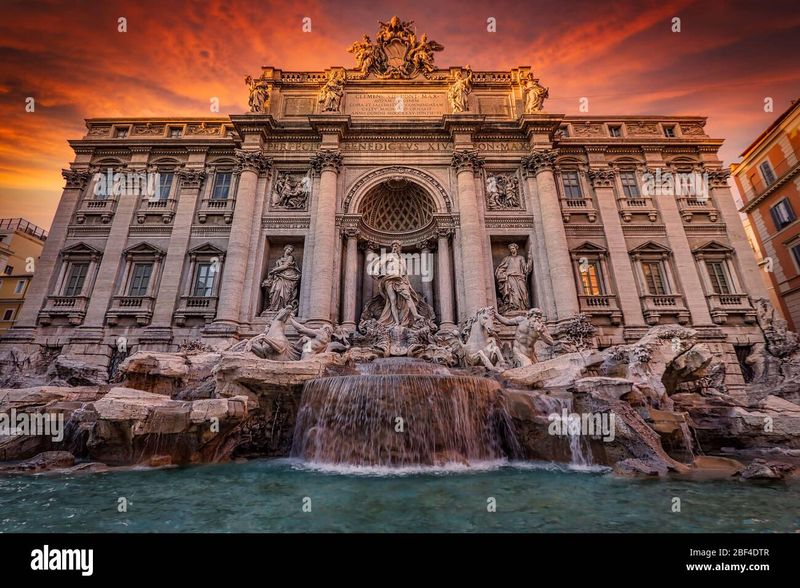
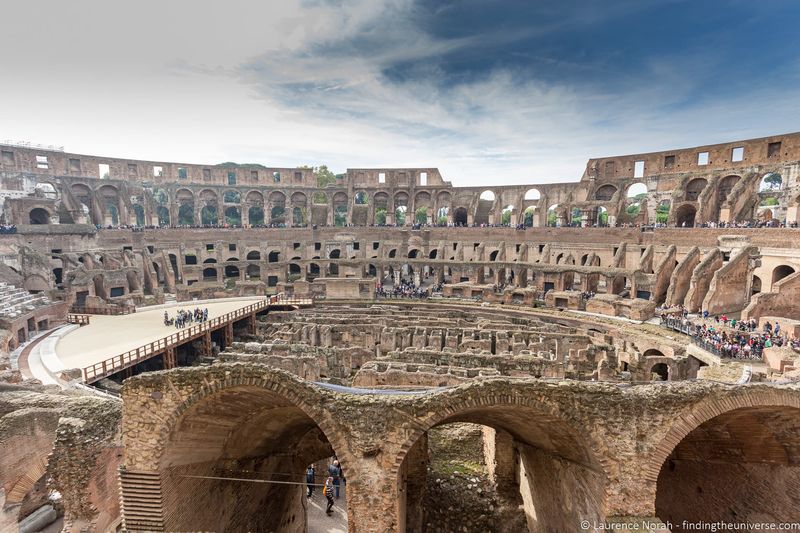
This is where Rome and Florence are playing entirely different games. Rome is 2,800 years old and it shows — literally. The Colosseum (built 70–80 AD), the Roman Forum, the Pantheon (still the world's best-preserved Roman building), the Baths of Caracalla, the Circus Maximus — the sheer scale of ancient history here is unmatched anywhere on Earth. Add the Vatican (Sistine Chapel, St Peter's Basilica, the Vatican Museums with 7km of galleries), Castel Sant'Angelo, and dozens of baroque fountains including the Trevi, and Rome is essentially an outdoor museum of human civilization.
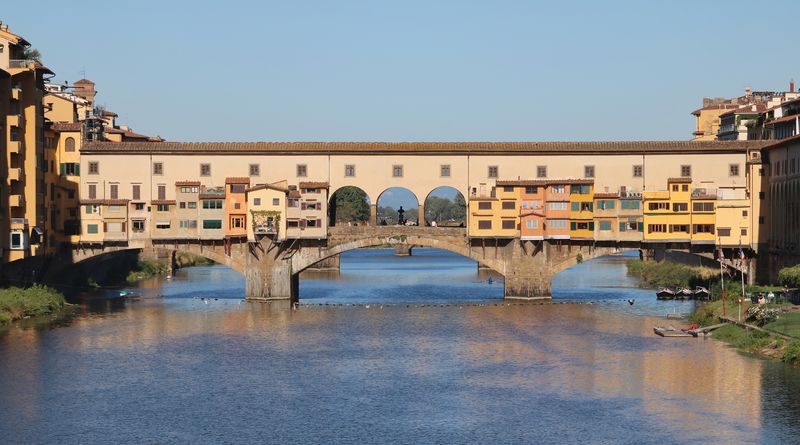
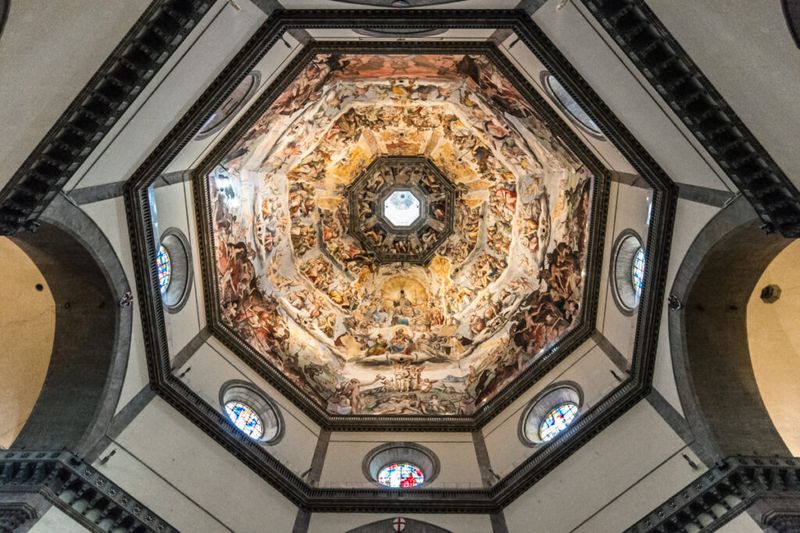
Florence operates in a different era: the Renaissance. This is where Brunelleschi built the world's largest masonry dome (Duomo, completed 1436), where Botticelli painted The Birth of Venus, where Michelangelo's David stands in the Accademia Gallery. The Uffizi holds the world's greatest collection of Renaissance paintings. Palazzo Pitti houses six museums. Piazza della Signoria is an open-air sculpture gallery. Florence's historic center (population ~350,000) contains a density of UNESCO-recognized art and architecture per square kilometer that rivals anywhere on Earth.
Winner takeaway
- Winner: Depends
- Why: Rome for ancient Rome and Catholic grandeur. Florence for Renaissance art and Medici history. Both are world-class — the question is which era you find more compelling.
- Who this matters for: Matters most if your primary goal is museums, monuments, and historical immersion.
💰 Cost Comparison
Rome and Florence are comparable in cost — both are mid-tier for Western Europe, more affordable than Paris or Amsterdam but pricier than Eastern Europe. Here's a real-cost breakdown for 2026:
| Expense | 🏛️ Rome | 🎨 Florence |
|---|---|---|
| Hostel dorm | €20–35/night | €18–30/night |
| Budget hotel | €70–110/night | €60–95/night |
| Mid-range hotel | €110–200/night | €95–170/night |
| Budget meal | €5–10 (pizza al taglio, supplì) | €7–12 (trattoria lunch special) |
| Sit-down dinner | €15–30/person | €18–35/person |
| Transit (single) | €1.50 (bus/metro) | €1.50 (bus) |
| Major museum entry | €16–26 (Colosseum+Forum €18) | €20–25 (Uffizi €25, Accademia €20) |
| Daily total (mid-range) | €90–140/day | €80–130/day |
Key cost consideration in Rome: Skip-the-line tickets for the Colosseum, Vatican Museums, and Borghese Gallery book out weeks ahead. You must pre-book — and last-minute reseller tickets run €30–40 vs €16–25 official price. Budget for this.
Key cost consideration in Florence: Uffizi and Accademia are now timed-entry only (pre-booking recommended in peak season). The Duomo complex is surprisingly free for the exterior; interior dome climb costs €30 and requires booking months ahead in spring/fall.
Winner takeaway
- Winner: Florence
- Why: Florence is marginally cheaper across accommodation and transport (because you walk everywhere). The real cost difference isn't huge — maybe €10–20/day — but adds up over a week.
- Who this matters for: Matters most for budget travelers and those extending their stay beyond 3 nights.
🚶 Getting Around
Florence is one of the most walkable major cities in Europe, full stop. The historic center — where essentially everything you want to see is located — is roughly 2km across. Ponte Vecchio to the Duomo is a 10-minute walk. Uffizi to Piazza della Signoria is 2 minutes. Most visitors don't use transit at all during a 3-day stay. If you stay in the center, walking IS your transit plan.
Rome is a city of 4.3 million people spread across 1,285 km² — nearly the size of metropolitan London. Its metro has just 3 lines (A, B, C), and Line C is still being constructed through ancient ruins that keep slowing work. Getting from the Vatican (northwest) to the Colosseum (southeast) takes 30–45 minutes by transit. Many visitors underestimate Rome's scale and waste significant time commuting. Taxis and Uber are widely available but add up fast.
Winner takeaway
- Winner: Florence
- Why: Florence wins decisively on walkability. If you're exhausted from a day of sightseeing and want to wander back to your hotel, Florence lets you. Rome requires planning, transit apps, and budget for taxis.
- Who this matters for: Matters most for families with children, older travelers, anyone who hates transit planning, and photographers who want to wander freely.
🌞 Best Time to Visit
Both cities have Mediterranean climates — hot dry summers, mild winters, beautiful springs and falls. Here's the reality of each season:
Data: Open-Meteo archive, 2024 daily averages. Temperatures are daily highs/lows in Celsius. Rainfall is monthly totals.
Best seasons
April–May is peak season in Italy — wildflowers, warm temperatures (19–24°C), and every attraction open. Crowds are significant but manageable outside major holidays. Book accommodation 2–3 months ahead.
September–October is arguably the best time for both cities. Summer crowds have thinned, temperatures are comfortable (21–28°C), and the light is beautiful. October in Tuscany coincides with grape and olive harvests — an exceptional time to visit Florence and the surrounding countryside.
July–August is brutal — Rome hits 31–32°C, Florence hits 33°C+ in its inland basin (hotter than Rome). Many locals leave. Crowds of tourists replace them. If you must visit in summer, hit Rome's air-conditioned underground churches and Florence's museums early morning.
November–March is uncrowded and significantly cheaper (30–40% less on accommodation). Florence gets cold (1–9°C daily lows in Jan–Feb). Rome stays milder. Both cities are best-of for winter if you don't mind some rain and cooler temps.
Winner takeaway
- Winner: Tie
- Why: April–May and September–October are peak for both. October specifically is when Florence and Tuscany shine with harvest season. Avoid August heat. Winter works in both if you want fewer crowds and better prices.
- Who this matters for: Matters most if crowd levels, weather, and seasonal pricing are decision factors for your trip.
🏨 Where to Stay
Rome neighborhoods
Centro Storico (Historic Center) — Piazza Navona, Pantheon, Campo de' Fiori area. The heart of Rome. Expensive but supremely convenient. You can walk to most sights.
Trastevere — Rome's most atmospheric neighborhood. Cobblestone lanes, excellent trattorias, vibrant nightlife. A 20-minute walk from most central sights. Very popular with tourists now but still charming.
Prati — Near Vatican, more local feel, excellent value. Great restaurants, good transit connections, slightly quieter than Centro Storico.
Testaccio — Rome's "food neighborhood." Less tourist-centric, authentic Roman trattorias, market culture. Slightly further out but worth it for the food experience.
Florence neighborhoods
Santa Croce — Excellent location between Duomo and Uffizi. Mix of local and tourist, great restaurants, reasonable prices for the location.
Oltrarno — The "other side" of the Arno. More local vibe, artisan workshops, excellent wine bars (enotece). 10-minute walk from Ponte Vecchio. Increasingly popular but less overrun.
Santa Maria Novella — Near the train station. Most practical for arrivals/departures and day trips. Slightly less atmospheric but highly convenient.
Winner takeaway
- Winner: Depends
- Why: In Rome, stay in Trastevere for atmosphere or Prati for value. In Florence, Oltrarno gives the most authentic local experience. Both cities reward staying in the historic center over outskirts — transit time isn't worth the savings.
- Who this matters for: Matters most if neighborhood selection, hotel value, and morning access to major sights are priorities.
🎒 Day Trips
Both cities are excellent bases for day trips, but Florence has a particularly rich roster — it's in the center of Tuscany, one of Italy's most rewarding regions for slow travel.
From Florence
Siena (1.5h by bus/train) — Medieval rival to Florence. The Piazza del Campo is Italy's most beautiful piazza. No cars in the center. A must-visit.
Pisa (1h by train, €9) — Yes, the tower. But also a beautiful medieval city most tourists rush past. Cathedral complex is free.
Lucca (1.5h by train) — Intact Renaissance walls, a beautiful town to bike around. Far less crowded than Florence.
Cinque Terre (2h by train) — Five cliffside villages on the Ligurian coast. Spectacular. One-day return is doable but overnight is better.
Chianti wine region (45min by car) — Rolling hills, Sangiovese vineyards, farmhouse restaurants. Best with a rental car or organized wine tour.
From Rome
Pompeii + Herculaneum (3h by train + local, €26 entry) — A once-in-a-lifetime experience. Long day but worth it. Go early for the light.
Ostia Antica (40min by train, €12) — Rome's ancient port city, remarkably intact and far less crowded than Pompeii. Hidden gem.
Orvieto (1.5h by train) — Hilltop Umbrian city with a spectacular Gothic cathedral facade. Great wine too.
Tivoli (1h by bus) — Villa d'Este (UNESCO) gardens and Hadrian's Villa. Beautiful half-day from Rome.
Winner takeaway
- Winner: Florence
- Why: Florence's day trip roster is more varied and the destinations are more accessible without a car. Tuscany alone justifies basing yourself in Florence for 4–5 days. Rome's day trips are also excellent but fewer and more time-intensive.
- Who this matters for: Matters most if you want to explore beyond the city and use one base for a regional Italy experience.
🔀 Why Not Both?
Here's what most experienced Italy travelers will tell you: the Rome vs Florence debate is mostly a false choice. The high-speed Frecciarossa train connects them in 1 hour 30 minutes, and booking in advance gets you a ticket for €20–30. Most people visiting Italy for a week or more do both cities as part of a standard circuit.
Suggested split itineraries
7 days: 4 days Rome (Colosseum, Vatican, Trastevere, day trip Ostia) → Train → 3 days Florence (Uffizi, Duomo, Siena day trip)
10 days: 4 days Rome → 4 days Florence (day trips: Siena + Cinque Terre) → 2 days Venice
14 days: 5 days Rome (day trip: Pompeii) → 5 days Florence (day trips: Siena, Cinque Terre, Chianti) → 4 days Venice/Amalfi Coast
Pro tip: Fly into Rome (Fiumicino, FCO) and out of Florence (Peretola, FLR) or vice versa. Or fly into Rome and out of Venice, with Florence as your middle stop. This saves you a return train leg and lets you see more of the country.
Winner takeaway
- Winner: Depends
- Why: If you have 7+ days, do both. The Frecciarossa makes it easy. Fly into one, out of the other. If forced to choose one: first-timer? Rome. Second trip? Florence wins most people over on a second visit.
- Who this matters for: Matters most if you are deciding whether to do one city in depth or two cities in a week.
🎯 The Decision Framework
Choose Rome If…
- You want to see the Colosseum and Pantheon in person
- The Vatican is on your bucket list
- You love big-city energy and don't mind crowds
- You want diverse nightlife options
- Ancient history is more your thing than Renaissance art
- You're comfortable navigating a sprawling city
- You want Rome's legendary street food (supplì, pizza al taglio)
- Day trips to Pompeii or Herculaneum matter to you
- It's your first visit to Italy — Rome is the classic start
Choose Florence If…
- You want to see Michelangelo's David and the Uffizi
- Walkability and a compact city matter to you
- You want Tuscany as a day-trip base (Siena, Cinque Terre)
- Bistecca Fiorentina and Chianti wine are calling you
- You prefer a slower, more romantic pace
- The Renaissance era excites you more than ancient Rome
- You'd rather feel "at home" in Italy than overwhelmed by it
- Photography and wanderable lanes are important
- It's your second Italy trip — Florence tends to win repeat visitors
❓ Frequently Asked Questions
Is Rome or Florence better for a first trip to Italy?
Rome is the classic first-timer choice — the Colosseum, Vatican, and Trevi Fountain are bucket-list icons most people want to see at least once. That said, many travelers return from Florence saying it was their favorite city in Italy. If it's your only Italy trip and you have 7+ days, do both — they're just 1.5 hours apart by high-speed train.
How far apart are Rome and Florence?
About 280 km. The high-speed Frecciarossa train takes 1h30m–1h45m and costs €20–80 depending on how far in advance you book (Trenitalia or Italo). Regular regional trains take 3+ hours but cost as little as €12. Booking 2–4 weeks ahead gets the best high-speed prices.
How many days do you need in Rome vs Florence?
Most travelers recommend 3–4 days in Rome and 2–3 days in Florence as a minimum. Rome is large with many major sites spread across the city. Florence can be "done" in 2 focused days if you pre-book Uffizi and Accademia, but rewards a slower pace — especially if you add Tuscany day trips.
Which city is cheaper — Rome or Florence?
They're comparable. Budget mid-range: €80–140/day in both. Florence accommodation is slightly cheaper; Rome has more budget street food options. The bigger cost difference comes from transport: Florence's walkability saves €5–15/day vs Rome where you'll regularly need buses, metro, or taxis.
Is Florence or Rome better for food?
Different strengths. Rome wins on street food — pizza al taglio (€1.50/slice), supplì (€1–2), cacio e pepe pasta, and some of the world's best gelato. Florence wins for sit-down dining — trattorias are world-class, bistecca Fiorentina (€30–50/kg) is legendary, and Tuscany's Chianti and Brunello wines are right on the doorstep.
Can you visit both Rome and Florence in one trip?
Absolutely — and most travelers do. The Frecciarossa connects them in 1.5 hours. A typical 7-day Italy trip splits 3–4 nights Rome and 3 nights Florence. Fly into one, out of the other (Rome Fiumicino ↔ Florence Peretola, or use Venice as your third stop) to avoid backtracking.
Which city is easier to navigate?
Florence wins easily. The historic center is about 2km across and entirely walkable — Uffizi, Ponte Vecchio, the Duomo, and Piazza della Signoria are all within 15 minutes on foot. Rome is sprawling (4.3 million people), has only 3 metro lines, and typically requires 30–45 minutes between major sites. Many Rome visitors underestimate the transit time and feel rushed.
Which has better day trips?
Florence has a stronger day trip roster: Siena (1.5h bus), Cinque Terre (2h train), Pisa (1h train, €9), Lucca (1.5h train), and the Chianti wine region (45min by car) are all world-class. Rome's day trips — Pompeii (3h total), Ostia Antica (40min), Orvieto (1.5h) — are also excellent, but Florence wins on variety and accessibility.
Ready to plan your Italy trip?
Get a free custom itinerary for Rome, Florence, or both — built from real traveler insights, not generic templates. We'll match your pace, interests, and budget.
🎟️ Book Tours & Experiences
Hand-picked tours and activities for both destinations — book with free cancellation
Experiences via Viator — free cancellation on most tours