How we built this comparison
This page combines traveler discussion patterns, published price ranges, flight schedules, and seasonal data to help you decide between Rome and Madrid.
- Reviewed 50+ Reddit threads from r/travel, r/solotravel, r/Rome, r/Madrid, and related subreddits for authentic traveler experiences and tips.
- Verified current costs for flights, accommodation, attractions, and dining against real-time booking platforms and government tourism sites.
- Cross-referenced seasonal weather patterns, public transportation efficiency, and safety considerations using official city and meteorological data.
⚡ The TL;DR Verdict
For history buffs, art lovers, and those craving an iconic, romantic atmosphere, Rome is your undisputed champion, expect to budget €80-150 ($85-160) per day excluding flights. If you're after a lively nightlife, world-class art museums, incredible food, and a more modern, energetic vibe, Madrid will capture your heart, often for a slightly friendlier €70-130 ($75-140) daily budget.
- Choose Rome: If your dream trip involves stepping back in time amidst ancient ruins, indulging in classic Italian cuisine, and soaking in a palpable sense of history and romance. Ideal for first-time Europe travelers and couples.
- Choose Madrid: If you're seeking a dynamic city with a buzzing nightlife, world-class art, fantastic tapas, and a more contemporary European feel. Great for solo travelers, foodies, and those who love late-night culture.
- Choose Both: Absolutely possible with 7-10 days! A high-speed train connects Madrid and Barcelona, and you can easily fly between Barcelona and Rome. Aim for 3-4 days in each city to get a good feel, focusing on major highlights.
Quick Comparison
| Category | Rome | Madrid | Winner |
|---|---|---|---|
| Culture & History | Ancient Rome, Vatican City, Renaissance art, iconic landmarks. | Habsburg dynasty, world-class art museums (Prado, Reina Sofía), Royal Palace. | Rome |
| Food & Drink | Classic Italian cuisine, pasta, pizza, gelato, espresso, aperitivo. | Tapas culture, jamón ibérico, paella, churros con chocolate, vermouth, late dinners. | Madrid |
| Nightlife | More relaxed, focused on aperitivo, casual bars, late dinners. | World-famous, vibrant, late-night party scene, numerous clubs and bars. | Madrid |
| Costs & Budget | Slightly higher for accommodation, food, and attractions. | Generally more affordable, especially for food (tapas) and public transport. | Madrid |
| Getting There | Major international airport (FCO), well-connected globally. | Major international airport (MAD), well-connected globally. | Tie |
| Getting Around | Walkable city center, metro, buses, trams. Metro can be limited. | Excellent, extensive metro system, walkable neighborhoods, buses. | Madrid |
| Accommodation | Historic, charming, but often older facilities; central locations can be pricey. | Modern, varied options, good value, hostels and boutique hotels. | Madrid |
| Day Trips | Pompeii, Naples, Florence, Tivoli, Orvieto – diverse and iconic. | Toledo, Segovia, Salamanca, El Escorial – rich history, castles, cathedrals. | Rome |
| Weather & Seasons | Hot, humid summers; mild, wetter winters; pleasant springs/autumns. | Hot, dry summers; colder, drier winters; pleasant springs/autumns with wider temperature swings. | Tie |
| Solo Travel | Safe, easy to navigate, great for history and art exploration, but social scene is quieter. | Very safe, easy to meet people, vibrant social scene, great hostels, excellent public transport. | Madrid |
🏛️ Culture & History
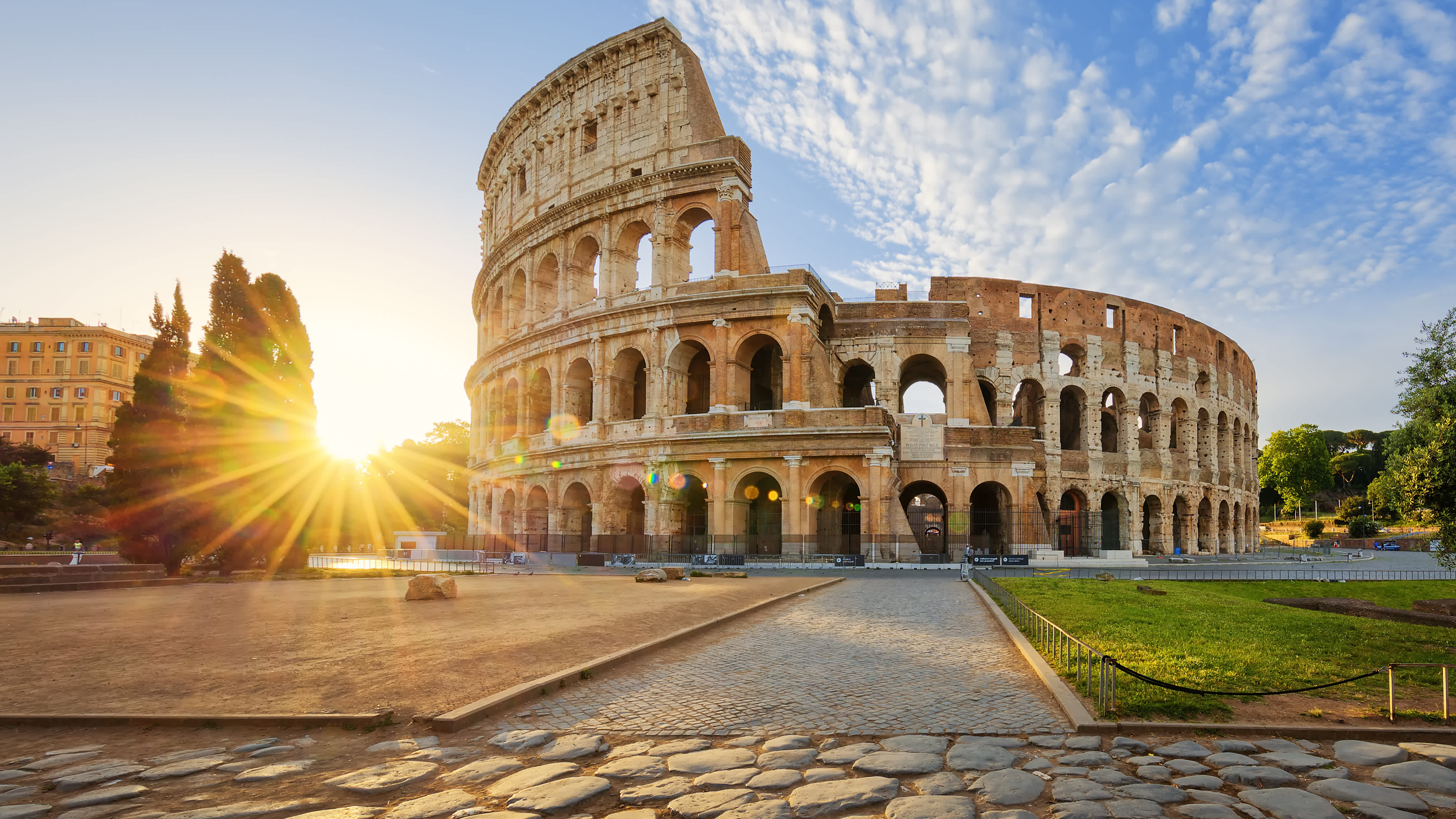
Rome is an open-air museum, period. From the Colosseum (entry around €18-20 / $19-22) and Roman Forum to the Pantheon, every corner breathes millennia of history. Then there's Vatican City, with St. Peter's Basilica and the Vatican Museums (entry around €20-25 / $22-27), including the Sistine Chapel – it's overwhelming in the best way. Madrid, while rich in history with its Royal Palace (entry around €12-15 / $13-16) and Plaza Mayor, truly shines with its art museums. The 'Golden Triangle of Art' – Prado Museum (entry around €15-20 / $16-22), Reina Sofía, and Thyssen-Bornemisza – is unparalleled, offering a journey from Old Masters to Picasso's Guernica. But for sheer historical immersion, Rome is in a league of its own. It's not just ancient; it's the feeling that you're walking where emperors once did. "I literally cried walking into the Colosseum, nothing in Madrid gave me that kind of emotional punch," said one traveler.
Winner takeaway
- Winner: Rome
- Why: Rome's ancient ruins and historical depth are unmatched, offering a profound sense of time travel.
- Who this matters for: History buffs, first-time European travelers, anyone seeking iconic, world-famous landmarks.
🍝 Food & Drink
This is a tough one, but Madrid edges it out for its sheer variety and social dining culture. Rome excels at classic, soul-satisfying dishes: cacio e pepe, carbonara, pizza al taglio, supplí, and of course, incredible gelato from places like Giolitti. A good pasta dish will run you €12-18 ($13-20), a pizza €8-15 ($9-16). However, Madrid's tapas scene is a lifestyle. You can graze through multiple bars like Bar La Campana (for bocadillo de calamares) or Sobrino de Botín (the world's oldest restaurant, pricey but historic) for hours, enjoying small, flavorful bites and a caña (small beer) for a few euros each (€3-7 per tapa / $3-8). The sheer fun of hopping from bar to bar trying different things, plus the quality of jamón ibérico and the availability of diverse regional Spanish cuisine, gives Madrid the win. "Madrid's tapas crawl was my favorite part, just so much variety and such a social way to eat," a Redditor mentioned. Don't forget the late-night churros con chocolate at Chocolateria San Ginés!
Winner takeaway
- Winner: Madrid
- Why: Madrid's vibrant tapas culture, late-night dining, and diverse culinary offerings provide a more dynamic food experience.
- Who this matters for: Foodies who love variety, social dining, and grazing through many small dishes; late-night eaters.
💃 Nightlife
If you're looking to party, Madrid is your city, hands down. Madrileños eat dinner late (often past 9 PM) and then head out, with clubs only really getting going around 1 AM and staying open until 6 AM or later. Areas like Malasaña, La Latina, and Chueca are packed with bars, speakeasies, and discotecas. Expect to pay €8-15 ($9-16) for a cocktail and club entry often includes a drink (€15-25 / $16-27). Iconic spots like Kapital (a seven-story club) offer an epic experience. Rome's nightlife is much more subdued. It's about enjoying a leisurely aperitivo in Trastevere, perhaps a few drinks at a cozy wine bar, or a late dinner. While there are some clubs, they don't have the same scale or energy as Madrid's scene. "Madrid's nightlife blew me away, I've never seen a city come alive so late and with such energy," commented a solo traveler. Rome is more about a romantic stroll after dinner.
Winner takeaway
- Winner: Madrid
- Why: Madrid boasts one of Europe's most energetic and late-night party scenes, far surpassing Rome's more relaxed vibe.
- Who this matters for: Party-goers, young travelers, solo travelers looking to socialize, anyone who enjoys staying out late.
💰 Costs & Budget
While both cities can be done on a budget, Madrid generally offers better value for money. Accommodation in Rome, especially in central areas like near the Pantheon or Colosseum, can be pricier. A mid-range hotel in Rome might be €140-250 ($150-270) per night, while a similar quality hotel in Madrid might be €120-200 ($130-215). Food costs can be comparable for sit-down meals, but Madrid's tapas culture allows for very affordable and delicious dining; you can fill up for €15-25 ($16-27) for dinner easily. Public transport in both cities is efficient and affordable (€1.50-2 / $1.60-2.15 per ride), but attractions like the Colosseum are slightly more expensive than Madrid's major museums. "I felt my euro stretched further in Madrid, especially for food and drinks," a backpacker shared. Overall, you can often save 10-15% on daily expenses in Madrid compared to Rome without compromising on quality.
Winner takeaway
- Winner: Madrid
- Why: Madrid typically offers a more budget-friendly experience for accommodation, dining, and activities compared to Rome.
- Who this matters for: Budget-conscious travelers, backpackers, anyone looking to maximize their travel funds.
✈️ Getting There
Both Rome Fiumicino (FCO) and Madrid Barajas (MAD) are major international airports, acting as significant hubs for their respective regions and offering excellent connectivity from North America, Asia, and other European cities. From New York (JFK), direct flights to both typically range from 7.5 to 8.5 hours, with prices varying widely from $600-1200+ depending on season and booking time. Similarly, from London (LHR), direct flights are around 2.5 hours, often costing €50-150 ($55-160) return on budget carriers. Both airports have efficient public transport links to their city centers: Rome's Leonardo Express train (€14 / $15) to Termini, and Madrid's Metro Line 8 (€4.50-5 / $5-5.50) to Nuevos Ministerios. Neither city truly has an advantage here as their accessibility is top-tier. "Honestly, getting into both was a breeze, no real difference unless you're connecting from some obscure regional airport," noted a frequent flyer.
Winner takeaway
- Winner: Tie
- Why: Both cities boast highly efficient, well-connected international airports with similar flight durations and reasonable ground transport options.
- Who this matters for: All travelers, as both are equally accessible.
🚇 Getting Around
Madrid's public transportation system is a dream – clean, efficient, and incredibly extensive. The Metro covers almost the entire city, making it easy to hop between neighborhoods. A single ticket costs around €1.50-2 ($1.60-2.15), and a 10-trip 'Metrobús' pass is about €12.20 ($13.15), offering great value. The city center is also very walkable, with most major attractions within reasonable distance. Rome's center is also very walkable, but its metro system is less extensive due to the challenge of building underground in an ancient city (every digging project unearths new ruins!). While Rome does have metro lines, buses, and trams, they can sometimes be less reliable or more crowded. You'll likely rely more on walking and occasional buses in Rome. "Madrid's metro was a lifesaver, so easy to navigate and get everywhere, unlike Rome where I felt like I was walking way more," a Reddit user commented. For sheer ease and efficiency, Madrid takes the lead.
Winner takeaway
- Winner: Madrid
- Why: Madrid's modern, extensive, and highly efficient metro system makes navigating the city incredibly easy and fast.
- Who this matters for: Travelers who prefer public transport over walking, those with mobility issues, anyone valuing convenience.
🏨 Accommodation
Madrid generally offers a wider range of modern, well-maintained accommodation options across various price points. From stylish boutique hotels in Malasaña like Hotel Riu Plaza España (from €180 / $195) to excellent hostels like The Hat Madrid (from €35 / $38 per dorm bed), you'll find great value. Rome's accommodation often comes with more charm and historical character, but rooms can be smaller, and facilities might be a bit older unless you're paying top dollar. Hotels near the Colosseum or Pantheon can easily start at €200-350+ ($215-380) for a mid-range double, and even hostels like The Beehive can be €40-60 ($43-65) for a dorm. While both cities have great choices, Madrid simply offers more bang for your buck and a generally higher standard of modern comfort in its mid-range options. "I found an amazing boutique hotel in Madrid for half the price of a much smaller, older room I had in Rome," a traveler noted.
Winner takeaway
- Winner: Madrid
- Why: Madrid offers a better balance of modern facilities, diverse options, and generally more affordable prices for similar quality accommodation.
- Who this matters for: Budget-conscious travelers, those who prioritize modern amenities, and solo travelers (due to excellent hostel scene).
🗺️ Day Trips
While Madrid offers fantastic day trips, Rome's proximity to globally significant sites gives it an edge. From Rome, you can take a high-speed train to Naples (around 1 hour, tickets €30-50 / $32-55) and then visit the incredibly preserved ruins of Pompeii (entry €18 / $19). Florence (1.5 hours by train, €40-70 / $43-75) for Renaissance art, or the stunning Hadrian's Villa and Villa d'Este in Tivoli (local train/bus, €8-10 / $9-11 return) are also easy. Madrid's day trips are equally stunning, with Toledo (30 min train, €10-15 / $11-16) offering a 'City of Three Cultures' experience, and Segovia (30 min train, €10-15 / $11-16) boasting its Roman aqueduct and Alcázar. Salamanca is further (2.5 hours by train, €20-35 / $22-38) but worth it. Both offer incredible choices, but the sheer iconic status and variety of Rome's day trip options, from ancient cities to artistic capitals, just slightly edges out Madrid. "Visiting Pompeii from Rome was a bucket list experience I couldn't have gotten anywhere else," a Redditor exclaimed.
Winner takeaway
- Winner: Rome
- Why: Rome's day trip options include world-renowned historical sites and major cultural cities, offering unparalleled diversity.
- Who this matters for: Travelers who love to explore beyond the main city, history buffs, and art enthusiasts.
☀️ Weather & Seasons
Both cities experience similar Mediterranean climates but with key differences. Rome has hot, often humid summers (July-August average highs 30-32°C / 86-90°F) and mild, wetter winters (Jan-Feb average highs 12-14°C / 54-57°F). Madrid, being at a higher altitude and further inland, has hot, dry summers (July-August average highs 32-35°C / 90-95°F, but can hit 40°C / 104°F) and colder, drier winters (Jan-Feb average highs 10-12°C / 50-54°F, with overnight lows often near freezing). Shoulder seasons (April-June, September-October) are ideal for both, offering pleasant temperatures and fewer crowds. Madrid's summer heat can feel more intense due to the dryness, while Rome's can be more oppressive with humidity. Conversely, Madrid's winters can feel sharper. "I visited Rome in July and the humidity was brutal, but Madrid in August felt like a dry oven," one traveler recounted. It truly depends on your tolerance for humidity vs. dry heat and what time of year you're traveling.
Winner takeaway
- Winner: Tie
- Why: Both cities offer distinct weather patterns that are equally appealing or challenging depending on personal preference and time of year, making it a matter of taste.
- Who this matters for: All travelers, as weather significantly impacts the trip experience; those sensitive to humidity vs. dry heat.
🚶♀️ Solo Travel
While both Rome and Madrid are excellent, safe cities for solo travelers, Madrid offers a more naturally social environment. Its vibrant tapas culture and late-night scene make it easier to strike up conversations and meet fellow travelers or locals. There's a thriving hostel scene (e.g., Cats Hostel Madrid, The Hat Madrid) with organized social events, and walking tours are plentiful. Public transport is super easy for navigating alone, and dining solo at a tapas bar doesn't feel out of place. Rome is also safe and easy to navigate for solo travelers, particularly for exploring its historical sites. However, its dining culture is more geared towards couples or groups, and the nightlife is less conducive to spontaneous social interactions. You'll find plenty of other solo travelers, but Rome demands a bit more intentional effort to socialize. "As a solo female traveler, Madrid felt incredibly welcoming and I met so many people just by hanging out at tapas bars," a Redditor shared. Pickpocketing can be an issue in both, so common sense applies.
Winner takeaway
- Winner: Madrid
- Why: Madrid's social tapas culture, vibrant nightlife, and excellent hostel scene create more opportunities for solo travelers to connect and socialize.
- Who this matters for: Solo travelers, especially those looking to meet new people and experience a lively social scene.
❓ Frequently Asked Questions
Is Rome or Madrid better for a first-time European traveler?
Rome often feels more 'quintessentially European' for a first-timer due to its iconic, globally recognized landmarks like the Colosseum and Vatican. It offers a more immediate sense of ancient history and grandeur. Madrid is fantastic, but its appeal is more about its contemporary energy and art, which might be better appreciated after experiencing some of Europe's more classic historical sites.
Which city is better for art lovers?
This depends on your art preference. Rome is unparalleled for ancient Roman and Renaissance art, with masterpieces in the Vatican Museums, Borghese Gallery, and countless churches. Madrid, however, boasts the 'Golden Triangle of Art' (Prado, Reina Sofía, Thyssen-Bornemisza) which offers an incredibly comprehensive journey through European art from the medieval period to modern masters like Goya, Velázquez, and Picasso. For sheer breadth and quality of museum art, Madrid might edge it.
How do the 'vibes' of each city differ?
Rome has a majestic, romantic, and slightly chaotic energy, steeped in history with a focus on 'la dolce vita' – the sweet life. It feels ancient and grand. Madrid is more modern, elegant, and energetic, with a palpable buzz, especially in the evenings. It's chic, vibrant, and feels more contemporary European.
Are either of these cities good for families with children?
Both are good, but Rome might have a slight edge for younger children due to the sheer wonder of its ancient sites (imagine gladiators!), which often capture kids' imaginations more easily. Madrid offers beautiful parks (Retiro Park) and a fantastic zoo, but Rome's immersive history is often a bigger hit with a broader age range of children.
Which city has better shopping?
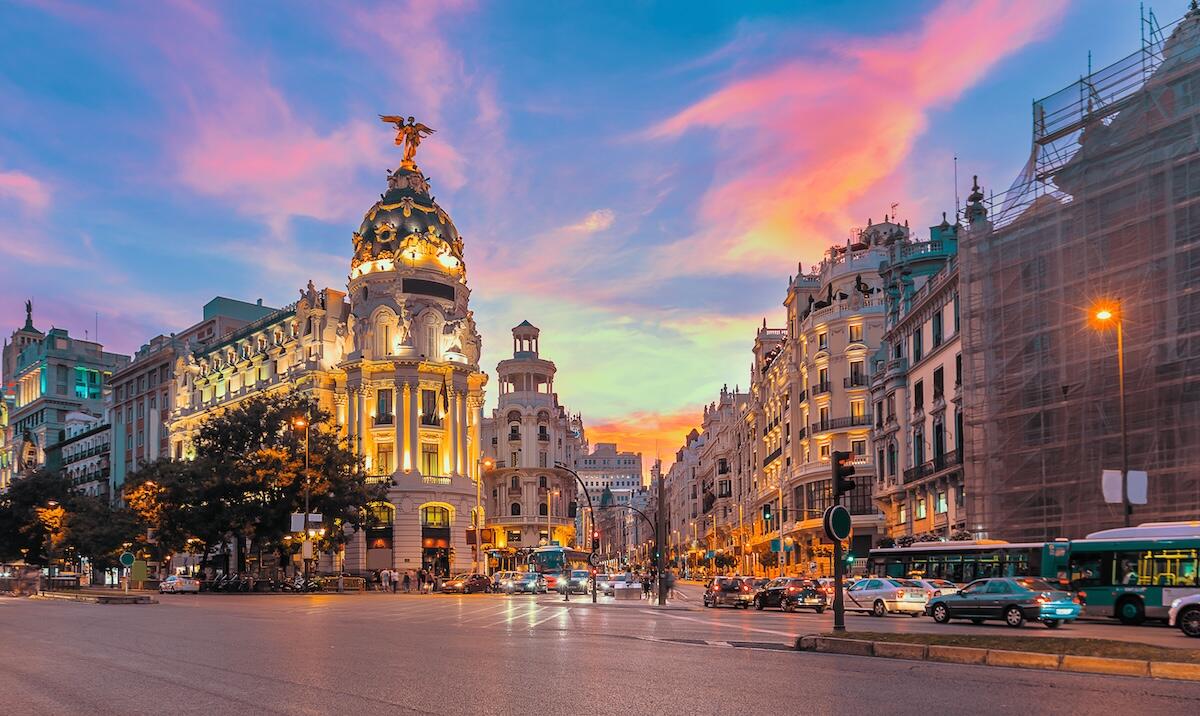
Madrid generally offers a more diverse and satisfying shopping experience. From high-end boutiques in Salamanca to major international brands on Gran Vía and unique independent shops in Malasaña, there's something for everyone. Rome has luxury shopping around the Spanish Steps and more commercial options on Via del Corso, but its focus is less on retail therapy and more on cultural immersion. Madrid is better for fashionistas.
Is English widely spoken in Rome or Madrid?
In both cities, English is widely spoken in tourist-heavy areas, hotels, major attractions, and larger restaurants. However, learning a few basic phrases in Italian for Rome and Spanish for Madrid will go a long way in local eateries, smaller shops, and for showing respect. Don't expect everyone to be fluent, but you'll get by in tourist zones.
Which city is more walkable?
Both city centers are highly walkable, allowing you to explore many major sights on foot. Rome's historical core is a labyrinth of charming streets best explored by walking. Madrid also has very walkable neighborhoods. However, for covering longer distances or reaching areas outside the immediate center, Madrid's superior and more extensive metro system makes it easier to cover ground without excessive walking.
What's the best time of year to visit both cities?
For both Rome and Madrid, the shoulder seasons (April-May and September-October) are generally ideal. The weather is pleasant, temperatures are moderate, and crowds are typically smaller than during the peak summer months. Summers (June-August) can be extremely hot and crowded, while winters (November-March) are cooler and can be rainy in Rome, but offer fewer tourists and often better deals.
Ready to plan your Southern Europe trip?
Get a free custom itinerary for Rome, Madrid, or both — built from real traveler insights.
🎟️ Book Tours & Experiences
Hand-picked tours and activities for both destinations — book with free cancellation
Experiences via Viator — free cancellation on most tours