How we built this comparison
This page combines traveler discussion patterns, published price ranges, flight schedules, and seasonal data to help you decide between Rotorua and Queenstown.
- Reviewed 50+ Reddit threads from r/travel, r/solotravel, r/newzealand, etc.
- Verified costs and logistics against current booking platforms like Bookme, Expedia, and direct operator sites in NZD and USD.
- Cross-referenced seasonal patterns and weather data from MetService NZ and NIWA.
- Incorporated insights from recent travel blogs and forums on traveler experiences and recommendations.
⚡ The TL;DR Verdict
Choose Rotorua for a deep dive into Māori culture, unique geothermal landscapes, and family-friendly activities without breaking the bank. Opt for Queenstown if you crave high-octane adventure, breathtaking alpine scenery, and a vibrant social scene, prepared for a higher daily budget. Expect to spend NZD $120-250 (USD $75-150) daily in Rotorua vs. NZD $250-500+ (USD $150-300+) in Queenstown.
- Choose Rotorua: Perfect for cultural immersion, geothermal wonders, families with young kids, and travelers prioritizing value and unique natural phenomena. It offers a more relaxed pace and genuine local feel.
- Choose Queenstown: The undisputed king of adventure sports, stunning mountain and lake vistas, and a buzzing nightlife. Ideal for adrenaline junkies, solo travelers seeking connections, and those looking for a luxurious or action-packed escape.
- Choose Both: If you have at least 10-14 days in New Zealand, combining both offers an incredible contrast. Start with 2-3 days in Rotorua for culture, then fly south for 3-5 days of adventure in Queenstown, balancing rich experiences with thrill-seeking.
Quick Comparison
| Category | Rotorua | Queenstown | Winner |
|---|---|---|---|
| Nature & Scenery | Geothermal wonders, ancient redwood forests, and serene lakes. Unique and otherworldly. | Dramatic alpine peaks, pristine glacial lakes, and sweeping vistas. Jaw-dropping and majestic. | Queenstown |
| Adventure Activities | Gentler adventure: Ziplining, luge, mountain biking, hot pools. | Adrenaline capital: Bungy jumping, jet boating, skydiving, whitewater rafting. | Queenstown |
| Culture & History | Rich Māori cultural experiences, geothermal connections to tradition. | European settlement history, gold rush tales, but less indigenous focus. | Rotorua |
| Costs & Budget | Generally more affordable for accommodation, food, and some activities. | Significantly higher costs for almost everything, especially accommodation and activities. | Rotorua |
| Food & Dining | Focus on traditional Māori hāngi, casual eateries, and local cafes. | Wide range of international cuisine, upscale dining, and famous burger joints. | Queenstown |
| Nightlife & Social Scene | Quieter evenings, some pubs, cultural shows, and thermal hot pools. | Bustling bars, pubs, live music, and a lively backpacker scene. | Queenstown |
| Getting There & Around | Easily accessible by car from Auckland, small airport, walkable town. | Well-connected airport, but a car is often needed for scenic drives and day trips. | Rotorua |
| Accommodation Options | Good range of motels, holiday parks, and mid-range hotels, generally more affordable. | Extensive options from hostels to luxury lodges, but prices are significantly higher. | Tie |
| Family Friendliness | Safe, educational, and fun activities suitable for all ages. | Many activities are age-restricted or intense, but still plenty for families with older kids. | Rotorua |
| Weather & Seasons | Temperate climate, warm summers, mild winters, good year-round. | Four distinct seasons, hot summers, cold snowy winters ideal for skiing. | Tie |
🏞️ Nature & Scenery
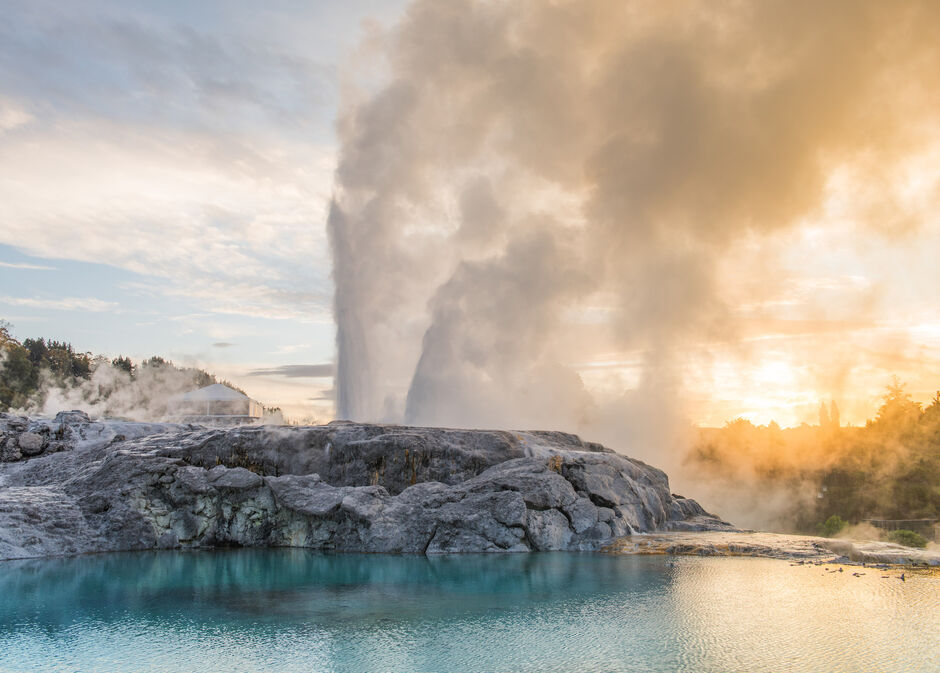
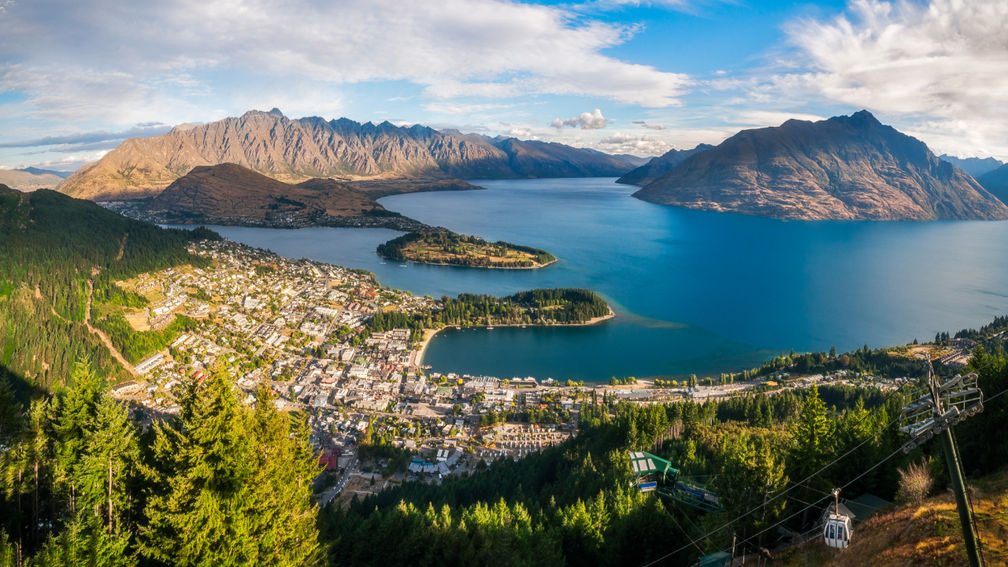
Rotorua offers a truly unique landscape dominated by geothermal activity. Think steaming vents, bubbling mud pools, and vibrant coloured terraces at places like Wai-O-Tapu Thermal Wonderland (NZD $32.50 / USD $20) and Te Puia (NZD $65 / USD $40). The Redwoods Whakarewarewa Forest provides lush, accessible walking and biking trails. However, Queenstown's natural beauty is on another level – it's postcard-perfect at every turn. Lake Wakatipu, framed by the Remarkables mountain range, is simply stunning. Day trips to Milford Sound (NZD $200-350 / USD $125-215 for a tour) reveal towering fjords, waterfalls, and wildlife that feel like stepping into a documentary. While Rotorua's nature is fascinating, Queenstown's scale and grandeur are unmatched. As one Redditor put it, 'Rotorua's cool, but Queenstown's mountains just hit different, especially at sunset over the lake.' You'll find yourself constantly pulling over for photos in Queenstown.
Winner takeaway
- Winner: Queenstown
- Why: Queenstown's dramatic alpine and lake scenery, including easy access to world-famous fjords, offers more breathtaking and varied landscapes.
- Who this matters for: Anyone seeking iconic, grand natural beauty and panoramic views.
蹦 Adventure Activities
Rotorua offers a good range of family-friendly thrills, like the Skyline Luge (NZD $49 / USD $30 for gondola + luge rides), ziplining through the Redwoods with Rotorua Canopy Tours (NZD $149-239 / USD $90-145), and mountain biking at Whakarewarewa. It's exhilarating but generally less extreme. Queenstown, on the other hand, is the global hub for adrenaline. You can bungy jump from the historic Kawarau Bridge (AJ Hackett, NZD $280 / USD $170) or from Nevis (NZD $325 / USD $200), hurtle across the Shotover River on a jet boat (NZD $179 / USD $110), or skydive over incredible landscapes (NZD $300-500 / USD $185-300). There's also whitewater rafting, canyoning, and heli-skiing. The sheer variety and intensity of Queenstown's offerings are unparalleled. 'If you want to jump off something or go stupid fast, Queenstown is your place, full stop.' Queenstown is built around pushing limits.
Winner takeaway
- Winner: Queenstown
- Why: Queenstown offers an unrivaled concentration and variety of world-class, high-adrenaline adventure sports.
- Who this matters for: Thrill-seekers, adrenaline junkies, and those looking to tick off bucket-list extreme activities.
🗿 Culture & History
Rotorua is the beating heart of Māori culture in New Zealand. Experiences like the Tamaki Māori Village (NZD $140-160 / USD $85-100) or Mitai Māori Village offer an immersive evening with traditional welcome ceremonies (pōwhiri), hāngi feasts, and captivating performances. Te Puia provides insight into Māori arts and crafts, alongside geothermal wonders. You can learn about carving, weaving, and the historical significance of the land. Queenstown's history is more recent, rooted in the gold rush era and European settlement, with tales of pioneering spirits. While interesting, it lacks the deep, living indigenous culture that Rotorua proudly showcases. 'Rotorua is where you actually feel the history and culture of Aotearoa, Queenstown is more about the views and activities.' For authentic cultural immersion, Rotorua is the clear winner, offering profound connections to the land and its first people.
Winner takeaway
- Winner: Rotorua
- Why: Rotorua is the epicenter of Māori culture, offering rich, authentic, and immersive indigenous experiences.
- Who this matters for: Culture vultures, history buffs, and anyone keen to understand New Zealand's indigenous heritage.
💰 Costs & Budget
Travelling through New Zealand is not cheap, but Rotorua offers better value. A hostel bed in Rotorua can be found for NZD $30-45 (USD $18-28), and a mid-range hotel for NZD $120-200 (USD $75-125). Casual meals average NZD $20-30 (USD $12-18). While activities like Tamaki Māori Village are an investment, free attractions like Kuirau Park (geothermal) and the Redwood Forest help balance the budget. Queenstown, by contrast, is consistently one of NZ's most expensive destinations. Hostel beds start at NZD $40-60 (USD $25-37) and quality mid-range hotels can easily hit NZD $180-350+ (USD $110-215+). Meals are pricier, with even a Fergburger costing NZD $15-20 (USD $9-12), and dinner easily NZD $40-80+ (USD $25-50+). Activities are also significantly more expensive due to their extreme nature. 'My wallet cried in Queenstown, but Rotorua felt a lot more manageable for a week-long trip.' For budget-conscious travelers, Rotorua is a clear choice.
Winner takeaway
- Winner: Rotorua
- Why: Rotorua offers more affordable accommodation, dining, and activity options, providing better overall value.
- Who this matters for: Budget travelers, families, and anyone looking to stretch their travel funds further.
🍽️ Food & Dining
Rotorua's food scene often revolves around its cultural heritage, with hāngi experiences being a must-try (included in cultural village tours). You'll find good quality cafes like Capers Epicurean and casual dining options, but it's not a culinary hotspot. Expect solid pub fare and local takeaways. Queenstown, despite its size, boasts an incredibly diverse and high-quality food scene. From the legendary Fergburger (expect queues but worth it for NZD $15-20 / USD $9-12) to award-winning fine dining restaurants like Amisfield Bistro (NZD $100+ / USD $60+ per person) or Rātā, serving modern New Zealand cuisine. There's also a vibrant array of international options – Italian, Asian, and more. 'Queenstown seriously delivers on food, it's not just burgers. We had some amazing fine dining and craft beer pubs.' The concentration of quality eateries, catering to various budgets and palates, makes Queenstown a foodie's delight.
Winner takeaway
- Winner: Queenstown
- Why: Queenstown offers a broader, higher-quality, and more diverse culinary landscape, from iconic casual eats to fine dining.
- Who this matters for: Foodies, those who appreciate diverse dining experiences, and anyone looking for a vibrant restaurant scene.
🥂 Nightlife & Social Scene
Rotorua's evenings are generally more subdued. While there are a few pubs and bars, the main evening attractions often revolve around the cultural shows at Tamaki or Mitai Māori Villages, which usually conclude by 9-10 PM. Relaxing in the Polynesian Spa (NZD $35-60 / USD $20-37) is another popular evening activity. It's a place for quiet dinners and early nights. Queenstown, however, is renowned for its vibrant and bustling nightlife. The town centre is packed with bars, pubs, and clubs that cater to a diverse crowd, especially backpackers and young professionals. From cozy pubs like The World Bar with its famous 'teapots' to lively clubs and sophisticated wine bars, there's something for everyone. 'Queenstown never sleeps, there's always a buzz and somewhere to grab a drink or dance until late.' If you're looking to party, socialize, and enjoy a lively evening atmosphere, Queenstown is unequivocally superior.
Winner takeaway
- Winner: Queenstown
- Why: Queenstown boasts a significantly more vibrant and diverse nightlife, with numerous bars, pubs, and a lively social atmosphere.
- Who this matters for: Solo travelers looking to meet people, young adults, and anyone seeking a lively evening scene.
✈️ Getting There & Around
Rotorua is very accessible, especially if you're exploring the North Island. It's about a 2.5-3 hour drive from Auckland, making it a popular road trip destination. Rotorua Airport (ROT) has direct flights from Auckland, Wellington, and Christchurch (e.g., AKL-ROT ~45 min, NZD $80-150 / USD $50-90). Once in Rotorua, the town center and many key attractions are walkable or a short drive/bus ride away. Queenstown Airport (ZQN) is well-connected with direct flights from Auckland, Wellington, Christchurch, and even some Australian cities (e.g., AKL-ZQN ~1 hr 50 min, NZD $100-300 / USD $60-185). The town itself is walkable, but to truly experience the stunning surrounding areas – like Glenorchy, Arrowtown, or even just viewpoints along the lake – a rental car offers much more flexibility. Public transport outside the immediate town is limited. 'Rotorua was so easy, just grabbed a shuttle from the airport and walked everywhere. Queenstown felt like I needed a car for anything beyond the main street.' For ease of getting around without a private vehicle, Rotorua takes the lead.
Winner takeaway
- Winner: Rotorua
- Why: Rotorua's compact nature and proximity to Auckland make it easier to navigate without a car, especially for core attractions.
- Who this matters for: Travelers without a rental car, those on shorter trips, and families preferring less logistical hassle.
🏨 Accommodation Options
Both destinations offer a wide array of accommodation, but at different price points and with slightly different focuses. Rotorua excels in providing excellent value. You'll find numerous well-maintained motels like Silver Fern Rotorua Suites & Spa (NZD $180-250 / USD $110-150), holiday parks with cabins and campsites perfect for families, and comfortable mid-range hotels. There are also budget hostels and a few higher-end options. Queenstown has an incredibly comprehensive range, from bustling backpacker hostels like Nomads Queenstown (NZD $40-60 / USD $25-37 per dorm bed) to boutique hotels, luxury lodges like The Rees (NZD $400-800+ / USD $245-490+), and countless Airbnb apartments. The sheer volume and diversity of choices in Queenstown are impressive, catering to every budget and style, even if the prices are steep. 'You can find literally anything in Queenstown, but you'll pay for it. Rotorua gives you more bang for your buck on a decent motel.' It’s a tie because Rotorua wins on value, while Queenstown wins on sheer variety and luxury options.
Winner takeaway
- Winner: Tie
- Why: Rotorua offers better value for money, while Queenstown provides a wider range of options, especially at the luxury end, making it a tie based on different priorities.
- Who this matters for: Value seekers (Rotorua) vs. those prioritizing choice and luxury (Queenstown).
👨👩👧👦 Family Friendliness
Rotorua is exceptionally family-friendly, catering well to all ages, particularly those with younger children. The geothermal parks like Te Puia and Wai-O-Tapu are fascinating and educational. The Skyline Gondola and Luge offer fun for kids and adults alike, with different luge track difficulties. The Redwood Forest has accessible trails for strollers and bikes. Cultural experiences are often engaging and interactive, and holiday parks provide excellent facilities. Queenstown also has family options, but many signature activities (bungy, jet boat) have age/height/weight restrictions or are simply too intense for younger kids. Older children and teens will love the adventure, but for younger families, options like the TSS Earnslaw cruise (NZD $99 / USD $60 for cruise & farm tour) or the Skyline Gondola are great, but the overall variety of 'all-ages' activities is less. 'Rotorua was perfect for our little ones; so much to see and do without worrying about safety or boring them. Queenstown felt more for teens and adults.' Rotorua provides a more relaxed and broadly appealing family experience.
Winner takeaway
- Winner: Rotorua
- Why: Rotorua offers a wider array of engaging, educational, and safe activities suitable for families with children of all ages.
- Who this matters for: Families with young children, those seeking educational experiences, and multi-generational groups.
☀️ Weather & Seasons
Rotorua experiences a temperate climate, making it a good year-round destination. Summers (Dec-Feb) are warm, averaging 20-25°C (68-77°F), perfect for lake activities and forest walks. Winters (Jun-Aug) are mild, around 8-12°C (46-54°F), with geothermal activity being particularly atmospheric in cooler weather. Rainfall is spread throughout the year. Queenstown, by contrast, has more distinct and dramatic seasons. Summers are sunny and warm (20-30°C / 68-86°F), ideal for hiking and water sports. However, its winters (Jun-Aug) are cold and snowy, transforming it into a premier ski destination with multiple ski fields like Coronet Peak and The Remarkables (lift pass ~NZD $160-190 / USD $98-115). This makes Queenstown highly seasonal for certain activities. 'Rotorua's nice anytime, but Queenstown in winter for skiing is just magical, summer for hiking is also amazing.' It's a tie because Rotorua offers consistent appeal, while Queenstown's seasonal extremes create distinct 'best times' for different types of travelers, excelling in both summer and winter for specific activities.
Winner takeaway
- Winner: Tie
- Why: Both destinations offer excellent experiences depending on the season and traveler preferences; Rotorua is consistently good, while Queenstown excels dramatically in both summer and winter for specific activities.
- Who this matters for: Travelers seeking year-round accessibility (Rotorua) vs. those targeting specific seasonal activities like skiing or summer hiking (Queenstown).
❓ Frequently Asked Questions
Which destination is better for a solo traveler?
Queenstown often edges out Rotorua for solo travelers due to its vibrant backpacker scene, numerous group adventure activities, and lively nightlife, making it easier to meet people. Rotorua is great for a more reflective solo trip focused on culture and nature, but less geared towards spontaneous social connections.
How long should I spend in Rotorua vs. Queenstown?
For Rotorua, 2-3 full days are generally sufficient to experience the main geothermal parks, cultural shows, and a forest activity. For Queenstown, 3-5 days is ideal to fit in a few adventure activities, explore the town, and take a scenic day trip (e.g., Milford Sound or Glenorchy).
Can I travel between Rotorua and Queenstown easily?
Yes, the easiest way to travel between Rotorua and Queenstown is by flying. There are direct flights (often with a short stop in Wellington or Christchurch) that take around 2-3 hours. Driving would take approximately 16-18 hours, making flying the practical choice for most.
Is one better than the other for severe weather conditions?
Rotorua has a more stable, temperate climate, making it less prone to extreme weather disruptions outside of heavy rain. Queenstown, being in the Southern Alps, can experience significant snow and ice in winter, which can affect road access (e.g., to ski fields or Milford Sound) and even flight schedules, requiring more flexibility.
Which destination offers better unique souvenirs?
Rotorua is hands-down better for unique, authentic New Zealand souvenirs, particularly Māori arts and crafts. You'll find exquisite carvings, woven goods, and pounamu (greenstone) jewelry. Queenstown offers more generic adventure-themed merchandise and high-end fashion/souvenirs, but less culturally specific.
Are there good hiking opportunities in both places?
Yes, both offer excellent hiking. Rotorua has the Redwood Whakarewarewa Forest with trails for all abilities, from easy walks to mountain biking. Queenstown offers world-class alpine hiking, from challenging multi-day Great Walks nearby (Routeburn Track) to accessible trails like Ben Lomond or the Queenstown Hill Track, boasting incredible views.
Which city has better access to other famous NZ attractions?
Rotorua is centrally located on the North Island, providing good access to Taupo, Hobbiton (1 hr drive), Waitomo Caves (2 hr drive), and beaches like Mount Maunganui. Queenstown is a gateway to the Fiordland National Park (Milford/Doubtful Sound), Arrowtown, and Wanaka, making it ideal for exploring the lower South Island.
Do I need to book activities in advance for either location?
For Queenstown, absolutely. High-demand activities like bungy jumping, jet boating, Milford Sound tours, and popular restaurants often book out weeks or even months in advance, especially in peak season. In Rotorua, major cultural shows and geothermal parks should be booked ahead, but generally, there's more flexibility for other activities.
Ready to plan your New Zealand trip?
Get a free custom itinerary for Rotorua, Queenstown, or both — built from real traveler insights.
🎟️ Book Tours & Experiences
Hand-picked tours and activities for both destinations — book with free cancellation
Experiences via Viator — free cancellation on most tours