How we built this comparison
This page combines traveler discussion patterns, published price ranges, flight schedules, and seasonal data to help you decide between Rotorua and Taupo.
- Reviewed 50+ Reddit threads from r/travel, r/solotravel, r/newzealand, and r/backpacking.
- Verified costs and logistics against current booking platforms (e.g., Bookme, Expedia, individual attraction sites).
- Cross-referenced seasonal patterns and weather data from official New Zealand meteorological sources.
⚡ The TL;DR Verdict
Rotorua is your go-to if you're chasing unique geothermal landscapes, deep Māori culture, and adrenaline-pumping activities like zorbing, best for those with a mid-range daily budget of NZD $150-300. Taupo, on the other hand, offers stunning lake vistas, skydiving, fishing, and a more relaxed vibe, ideal for similar budgets but with a stronger focus on water-based and extreme adventure. If you have 3+ days, doing both is absolutely worth it for a comprehensive North Island experience.
- Choose Rotorua: For an immersive cultural experience, unique geothermal parks, and a hub for action-packed activities like mountain biking and luging. Perfect for families and culture vultures.
- Choose Taupo: If stunning lake scenery, world-class trout fishing, skydiving, and bungy jumping are top priorities. It feels a bit more spread out and less 'touristy' than Rotorua's central area.
- Choose Both: They're only an hour apart! Spend 2-3 days in Rotorua for geothermal and culture, then 1-2 days in Taupo for lake activities and skydiving. This gives you the best of both worlds.
Quick Comparison
| Category | Rotorua | Taupo | Winner |
|---|---|---|---|
| Nature & Geothermal Wonders | World-renowned geothermal parks, bubbling mud pools, geysers, and vibrant silica terraces. | Stunning caldera lake, Huka Falls, Craters of the Moon geothermal walk (less intense). | Rotorua |
| Adventure Activities | Zorbing, Luge, world-class mountain biking, Canopy Tours ziplining. | Skydiving over the lake, bungy jumping, jet boating (Huka Falls), white-water rafting, fishing. | Taupo |
| Culture & History | Rich Māori heritage, cultural performances, living villages, geothermal connections. | Limited Māori cultural experiences, focus on natural history and European settlement. | Rotorua |
| Food & Drink | Diverse range of eateries, from casual to fine dining, including Hāngi experiences. | Good quality cafes and restaurants, particularly lakeside, with a focus on fresh local produce and trout. | Tie |
| Accommodation | Wide range from budget hostels to luxury hotels, many with geothermal features or lake views. | Good selection of hotels, motels, and holiday homes, often with lake access or views. | Rotorua |
| Costs & Budget | Activities can be costly, but more free natural attractions are available. Accommodation range is broad. | Similar activity costs, fewer free natural attractions. Slightly less competitive accommodation prices. | Tie |
| Getting There & Around | Rotorua Airport (ROT) with direct flights. Good local bus network, but a car is recommended. | Taupo Airport (TUO) with direct flights. Limited public transport, a car is essential. | Rotorua |
| Family Friendliness | Huge range of family activities, from cultural shows to adventure parks and animal encounters. | Lake-based activities, safe swimming, some adventure parks, but fewer dedicated kids' attractions. | Rotorua |
| Nightlife & Evening Entertainment | Māori cultural shows with Hāngi dinners, few casual bars and pubs. | Lively pub scene, lakeside bars, relaxed atmosphere, a few clubs. | Taupo |
| Relaxation & Wellness | World-class spas and geothermal hot pools, numerous massage and wellness centers. | Lake-based relaxation, limited spa options, natural hot springs at Hot Water Beach. | Rotorua |
🌋 Nature & Geothermal Wonders
Rotorua is the undisputed heavyweight champion for geothermal activity. Places like Te Puia (home to the Pohutu Geyser, NZD $60-80 adult) and Wai-O-Tapu Thermal Wonderland (NZD $35-40 adult for the Lady Knox Geyser and colourful pools) offer an otherworldly experience with vibrant colours and the distinct smell of sulphur. Redwoods Whakarewarewa Forest provides incredible walking and mountain biking amidst majestic trees. Taupo's natural beauty revolves around its magnificent lake, Lake Taupo, and the powerful Huka Falls (free, about 10-minute drive north). While Taupo does have the Craters of the Moon geothermal walk (NZD $8 adult), it’s a much more understated experience compared to Rotorua's grand spectacles. For sheer variety and intensity of geothermal sights, Rotorua takes the cake. "Rotorua's thermal parks blew my mind, felt like walking on another planet. Taupo's lake is beautiful, but it's not the same kind of 'wow.'" Taupo's charm is its expansive, serene lake, perfect for boat cruises or kayaking, but it lacks the raw, dramatic geological power of its northern neighbour.
Winner takeaway
- Winner: Rotorua
- Why: Rotorua offers a greater diversity and intensity of accessible geothermal wonders.
- Who this matters for: First-time visitors to New Zealand, geology enthusiasts, and those seeking unique landscapes.
🪂 Adventure Activities
Both towns are adventure hubs, but they specialise differently. Rotorua excels with land-based thrills: Skyline Rotorua offers luging (NZD $60-80 for gondola + 5 rides) and ziplining, while Agroventures (NZD $100-150 for combo deals) is home to Zorbing and the Shweeb. The Whakarewarewa Forest is a mountain biking paradise. Taupo, however, dominates in high-adrenaline, iconic experiences. Skydiving over Lake Taupo is a bucket-list item, with prices typically NZD $279-350 for a tandem jump (plus extras for photos/video, up to $500 USD). Taupo Bungy (NZD $189-200) offers a picturesque jump over the Waikato River. Jet boating at Huka Falls (NZD $85-110) is also incredibly popular. While Rotorua has plenty to get your heart racing, Taupo's specific blend of water-based and aerial adventures feels more iconic and slightly more diverse for the extreme thrill-seeker. "Skydiving over Lake Taupo was probably the most incredible thing I've ever done. Rotorua's luge was fun, but Taupo's adrenaline felt next level." For those chasing big-ticket adventure experiences, Taupo just edges out Rotorua.
Winner takeaway
- Winner: Taupo
- Why: Taupo offers more iconic extreme adventures like skydiving and bungy jumping over stunning backdrops.
- Who this matters for: Adrenaline junkies, skydiving enthusiasts, and those looking for iconic New Zealand thrills.
🗿 Culture & History
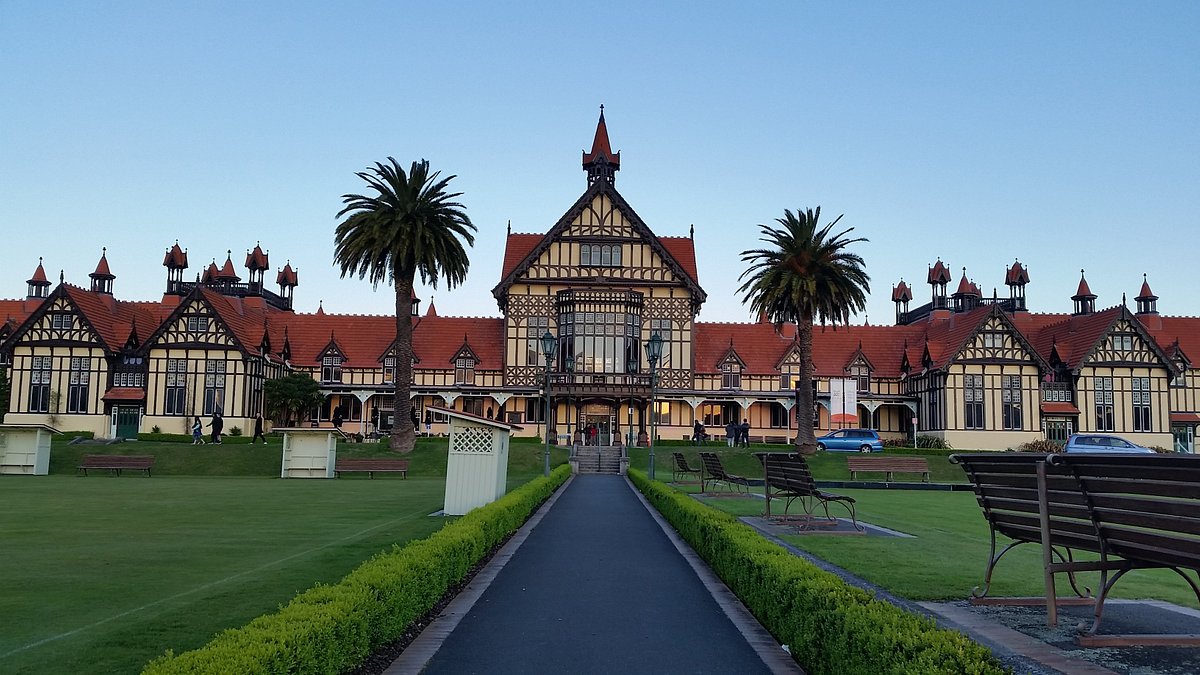
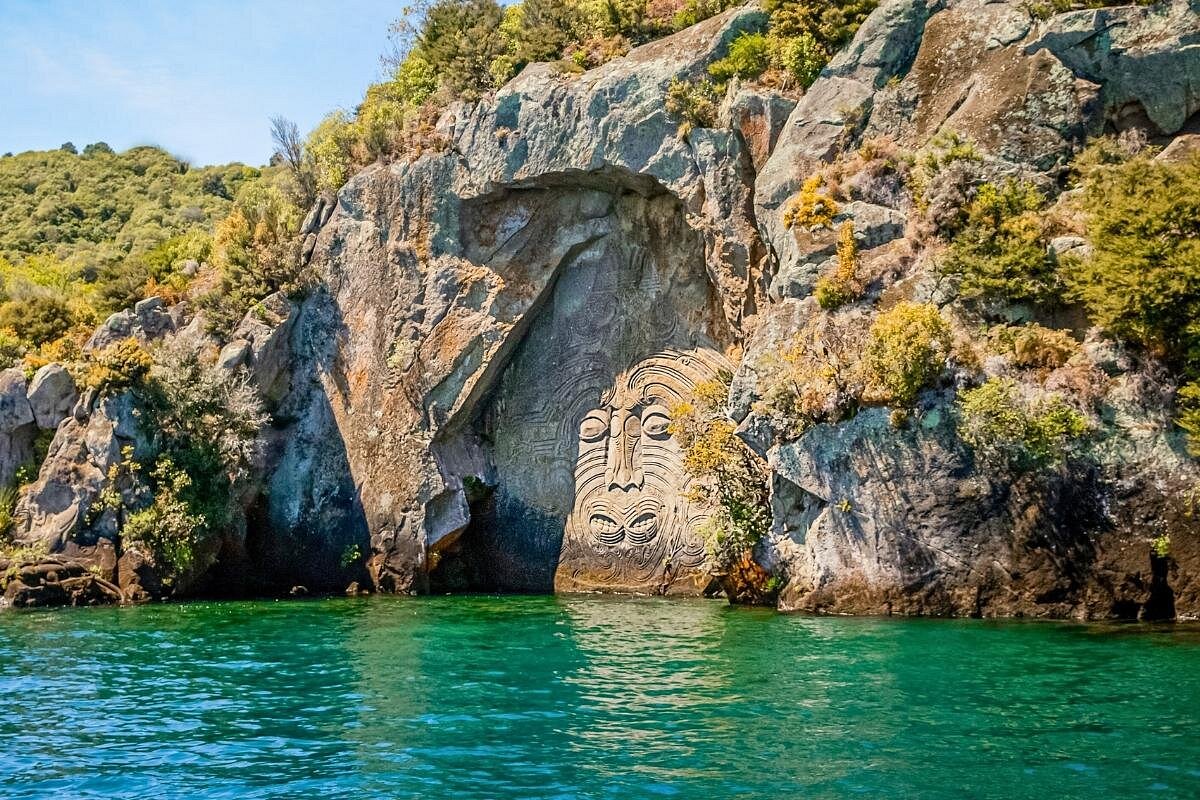
Rotorua is the heartland of Māori culture in New Zealand, making it an essential stop for anyone wanting to delve into the country's indigenous heritage. Te Puia is not only a geothermal park but also a significant Māori cultural centre, offering traditional performances (hāngi dinner and concert combo around NZD $130-150) and a living village experience. Whakarewarewa Living Māori Village (NZD $45-50) provides another authentic look into contemporary Māori life, where locals still cook in geothermal steam. The Rotorua Museum (currently closed for earthquake repairs) also contributes significantly to the historical narrative. Taupo has fewer dedicated Māori cultural attractions. While there are some historical sites and connections, the emphasis is less on direct cultural immersion. Most visitors to Taupo are there for the lake and adventure, not cultural depth. "If you want to understand Māori culture beyond a quick show, Rotorua is where it's at. Taupo felt more like a quick stop for adventures." Rotorua’s deep connection to Māori culture and its efforts to share it authentically are unparalleled in the region.
Winner takeaway
- Winner: Rotorua
- Why: Rotorua offers a far richer, more immersive, and authentic Māori cultural experience.
- Who this matters for: Culture enthusiasts, history buffs, and those keen to learn about indigenous Māori heritage.
🍽️ Food & Drink
Both Rotorua and Taupo offer solid dining options, neither is a global culinary capital, but you won't go hungry. Rotorua has a good selection, from casual cafes like Fat Dog Cafe (known for huge breakfasts) to more upscale options like Atticus Finch or Urbano Bistro (mains NZD $30-45). The Hāngi (traditional Māori feast) experiences at places like Te Puia or Mitai Māori Village are unique dining opportunities. Taupo’s dining scene often benefits from its lakeside location, with many restaurants offering stunning views. Popular spots include Bistro Lago (high-end, mains NZD $40-55) at the Hilton, or the more casual Mole & Chicken gastropub. Taupo also boasts excellent fresh trout dishes, a local specialty. Both towns have reliable chains and local gems. "Honestly, neither is a foodie paradise, but I had a fantastic steak in Taupo and a really interesting Hāngi in Rotorua. Depends what you're after." For a general mix of quality and variety, including unique cultural dining, they are fairly even, catering well to tourists with a good selection of pubs, cafes, and mid-range restaurants.
Winner takeaway
- Winner: Tie
- Why: Both destinations offer a good range of quality eateries, catering to various tastes and budgets without one significantly outshining the other.
- Who this matters for: Most travelers, as both offer sufficient dining choices.
🛌 Accommodation
Rotorua offers a slightly more diverse and unique range of accommodation options. You'll find everything from budget hostels (e.g., YHA Rotorua, NZD $30-50 for a dorm bed) to mid-range motels (NZD $120-200) and higher-end hotels like the Pullman Rotorua (NZD $250-400). What sets Rotorua apart are properties that integrate the geothermal theme, offering private mineral pools or spa facilities, like Polynesian Spa or even some smaller motels. Taupo also has a great selection, particularly along the lakefront, with numerous motels and holiday homes that boast stunning views. Hotels like the Hilton Lake Taupo (NZD $200-350) offer luxury, while many smaller establishments cater to the budget traveler (NZD $100-180 for a double room). However, Rotorua's sheer volume and the unique geothermal-themed stays give it a slight edge for variety and distinctiveness. "Rotorua had some really cool places with private hot tubs right in the room. Taupo was nice, but felt more standard motel stuff." The slightly more unique offerings and broader selection across all price points make Rotorua a marginally better choice.
Winner takeaway
- Winner: Rotorua
- Why: Rotorua offers a wider variety of accommodation types, including unique geothermal-themed stays.
- Who this matters for: Travelers seeking unique lodging experiences or those with very specific budget/luxury requirements.
💰 Costs & Budget
Both Rotorua and Taupo are firmly on the tourist trail, meaning activities and accommodation can add up quickly. A mid-range daily budget for either is typically NZD $150-300 (USD $90-180), excluding flights. Geothermal parks in Rotorua, like Wai-O-Tapu or Te Puia, are NZD $35-80 per entry. Adventure activities like Zorbing (NZD $40-60 per ride) or the Luge (NZD $60-80) are also significant costs. Taupo's skydiving (NZD $279-350) and bungy jumping (NZD $189-200) are also premium experiences. Where Rotorua might save you a little is in its free attractions like the Government Gardens, Kuirau Park (free geothermal park), and the Redwoods Forest (free entry). Taupo has free access to Huka Falls and the lakefront, but its geothermal Craters of the Moon has a small fee. Accommodation is comparable, with hostels from NZD $30-50, motels from NZD $120-200, and hotels from NZD $200+. "I found activity prices pretty similar in both, but Rotorua had more free stuff like the Redwoods if you wanted to save a bit." Overall, both destinations demand a similar budget for an enjoyable experience, making it a tie for general cost-effectiveness.
Winner takeaway
- Winner: Tie
- Why: Both destinations have similar pricing structures for activities and accommodation, with opportunities to save in both if you choose free natural attractions.
- Who this matters for: Budget-conscious travelers and those looking for good value on activities.
🚗 Getting There & Around
Both towns are accessible by air and road, but Rotorua has a slight edge in public transport. Rotorua Airport (ROT) has direct flights from Auckland (approx. 40-50 min flight time, NZD $80-150 one way) and Wellington. Taupo Airport (TUO) also has direct flights from Auckland (approx. 45-55 min flight time, NZD $90-160 one way). Driving is the most popular way to reach both from Auckland (Rotorua ~2.5-3 hours, Taupo ~3.5-4 hours). Once in Rotorua, the local Cityride bus network is decent for getting around the central area and to some major attractions. There are also tour buses and shuttles. In Taupo, public transport is very limited, essentially non-existent for tourists, making a rental car almost essential to explore beyond the immediate town centre and lakefront, especially to places like Huka Falls or the Craters of the Moon. "Rotorua felt a bit easier without a car, especially with the bus to the Redwoods. In Taupo, I wished I had one more often." For those without a rental car, Rotorua offers slightly more flexibility.
Winner takeaway
- Winner: Rotorua
- Why: Rotorua offers better public transport options within the town and to key attractions, reducing reliance on a car.
- Who this matters for: Travelers without a rental car, solo travelers, and those preferring public transport or tours.
👨👩👧👦 Family Friendliness
Rotorua is arguably one of New Zealand's most family-friendly destinations, offering a vast array of activities suitable for all ages. Kids will love the playful mud pools and geysers at Te Puia, the sheep and farm show at Agrodome (NZD $40 adult, $20 child), and the thrill of the Luge at Skyline Rotorua (NZD $60-80 for combo). Rainbow Springs Nature Park (NZD $40 adult, $20 child) offers kiwi conservation and a water ride. The Redwoods Treewalk (NZD $35 adult, $25 child) is also a hit. Taupo has its family appeal, particularly around the lake for swimming, paddleboarding, and boat cruises. The Huka Prawn Park (NZD $29 adult, $15 child) is a fun, interactive experience, and the Craters of the Moon walk is manageable for most kids. However, Rotorua simply has more dedicated, varied, and easily accessible family attractions that cater to a wider age range and interests. "Rotorua was amazing for our kids, so much to do every day from the luge to the kiwi park. Taupo was nice, but the kids got bored quicker after the lake." For families, Rotorua's sheer volume of diverse entertainment makes it a clear winner.
Winner takeaway
- Winner: Rotorua
- Why: Rotorua provides a significantly broader and more diverse range of activities specifically geared towards families and children.
- Who this matters for: Families with children of all ages, seeking varied entertainment options.
🌃 Nightlife & Evening Entertainment
When the sun goes down, Rotorua's primary evening entertainment revolves around its cultural Hāngi dinners and performances at places like Te Puia or Mitai Māori Village (NZD $130-150). While these are fantastic cultural experiences, they aren't 'nightlife' in the traditional sense. Rotorua has a few casual pubs and bars, like Mac's or Ponsonby Road Bar, but it's generally quiet after 9-10 PM. Taupo, surprisingly, has a more vibrant and consolidated nightlife, especially along its main street and lakeside. There are several popular pubs like Finn MacCuhal's Irish Pub or the Two Mile Bay Sailing Club, offering live music and a lively atmosphere. You'll also find a couple of small clubs. The vibe is generally more relaxed and social, attracting both locals and backpackers. "Taupo definitely felt more like a place to grab a few drinks and chat, while Rotorua was mostly about the cultural shows after dark." If you're looking for a casual drink, some live music, or just a more social evening vibe beyond a specific cultural show, Taupo has the edge.
Winner takeaway
- Winner: Taupo
- Why: Taupo offers a more traditional and lively pub and bar scene, with more options for casual evening entertainment.
- Who this matters for: Younger travelers, backpackers, and those looking for a social evening with drinks and music.
♨️ Relaxation & Wellness
Rotorua, with its abundant geothermal activity, is a natural haven for relaxation and wellness. The Polynesian Spa (NZD $30-60 depending on pools) is internationally renowned, offering a variety of mineral hot pools with therapeutic properties and stunning lake views. Many hotels and motels also offer their own private or shared hot pools. There are numerous massage and beauty therapy centers throughout the city, capitalising on the natural resources. Taupo offers relaxation primarily through its beautiful lake environment – tranquil walks, boat cruises, or simply enjoying the views. It does have some natural hot springs, notably at Wairakei Terraces & Thermal Health Spa (NZD $25 adult) and the free natural 'Hot Water Beach' at Lake Taupo (just dig your own spa!). However, the sheer quantity and quality of dedicated spa facilities and the direct integration of geothermal healing into the town's identity make Rotorua a superior choice for a wellness-focused trip. "After hiking, the Polynesian Spa in Rotorua was pure bliss. Taupo's hot water beach was cool, but not the same luxurious experience." For a truly pampering and restorative experience, Rotorua is unmatched in the region.
Winner takeaway
- Winner: Rotorua
- Why: Rotorua's extensive geothermal resources translate into world-class spas and a greater focus on therapeutic hot pools and wellness.
- Who this matters for: Spa lovers, those seeking natural healing, and travelers prioritising relaxation and rejuvenation.
❓ Frequently Asked Questions
How far apart are Rotorua and Taupo?
Rotorua and Taupo are approximately 80 kilometers (50 miles) apart. The drive between the two towns usually takes about 1 hour to 1 hour and 15 minutes, making it very easy to visit both on the same trip.
Which airport should I fly into for Rotorua or Taupo?
For Rotorua, fly into Rotorua Airport (ROT). For Taupo, fly into Taupo Airport (TUO). Both airports primarily serve domestic flights from Auckland and Wellington. If flying internationally, you'll likely land in Auckland (AKL) and then either take a connecting domestic flight or rent a car for the scenic drive.
How many days should I spend in Rotorua vs Taupo?
For Rotorua, 2-3 full days are ideal to experience the geothermal parks, cultural shows, and adventure activities. For Taupo, 1-2 full days are sufficient for lake activities, Huka Falls, and major adventures like skydiving. If doing both, allocate 3-5 days in total for a comfortable pace.
Is it better to visit Rotorua or Taupo with kids?
Rotorua is generally more family-friendly due to its wider variety of kid-focused attractions like Rainbow Springs, Agrodome, Skyline Luge, and interactive cultural experiences. While Taupo has the lake and some activities like Huka Prawn Park, Rotorua offers more diverse entertainment for children of all ages.
Can I do a day trip from Rotorua to Taupo (or vice versa)?
Yes, absolutely! Given they are only an hour's drive apart, a day trip is very feasible. You could easily drive from Rotorua to Taupo to experience Huka Falls, a lake cruise, or even skydiving, and be back in Rotorua for dinner. The reverse is also true, allowing Taupo visitors to explore Rotorua's geothermal parks.
What's the weather like in Rotorua and Taupo?
Both locations experience a temperate climate. Summers (Dec-Feb) are warm and pleasant (20-25°C / 68-77°F), ideal for outdoor activities. Winters (Jun-Aug) are cool and can be frosty, with occasional snow on higher peaks (5-12°C / 41-54°F). Spring and Autumn offer mild temperatures and beautiful scenery.
Which destination is better for solo travelers?
Both are great for solo travelers, but for different reasons. Rotorua offers more structured group tours (cultural shows, geothermal parks) and hostels are abundant for meeting people. Taupo has a slightly more active backpacker scene focused on adventure sports (skydiving, bungy) which often creates social opportunities. Rotorua might edge it for sheer ease of finding organised activities.
Are there any free activities in Rotorua or Taupo?
Yes! In Rotorua, you can visit Kuirau Park (a free geothermal park), stroll through the Government Gardens, or hike in the Redwoods Whakarewarewa Forest. In Taupo, you can marvel at Huka Falls, relax on the lakefront, or dig your own hot pool at the free 'Hot Water Beach' on Lake Taupo's shores.
Ready to plan your North Island trip?
Get a free custom itinerary for Rotorua, Taupo, or both — built from real traveler insights.
🎟️ Book Tours & Experiences
Hand-picked tours and activities for both destinations — book with free cancellation
Experiences via Viator — free cancellation on most tours