How we built this comparison
This page combines traveler discussion patterns, published price ranges, flight schedules, and seasonal data to help you decide between Rwanda and Kenya.
- Reviewed 50+ Reddit threads from r/travel, r/solotravel, r/Rwanda, r/Kenya, r/AfricaTravel for firsthand experiences and opinions.
- Verified costs for gorilla permits, park fees, flights, and typical accommodation against current booking platforms and official government sites.
- Cross-referenced seasonal patterns and weather data from meteorological sources to provide accurate best times to visit.
- Utilized recent travel advisories and local news for up-to-date safety and stability information.
- Consulted established travel guides and blogs specializing in East African travel for comprehensive insights.
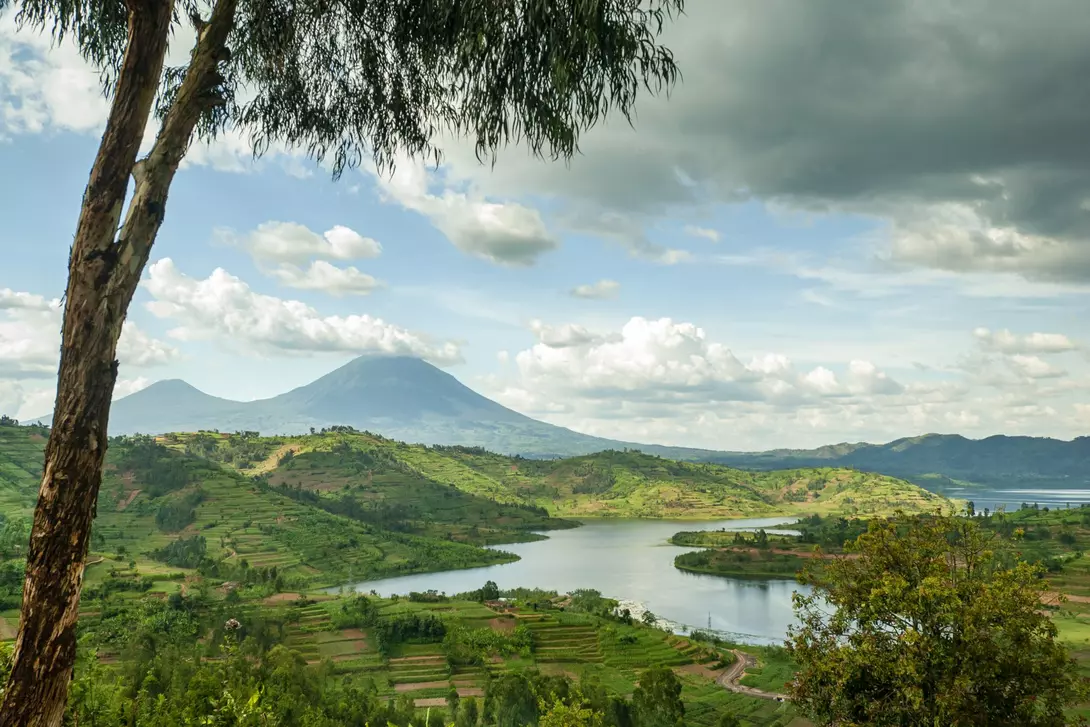
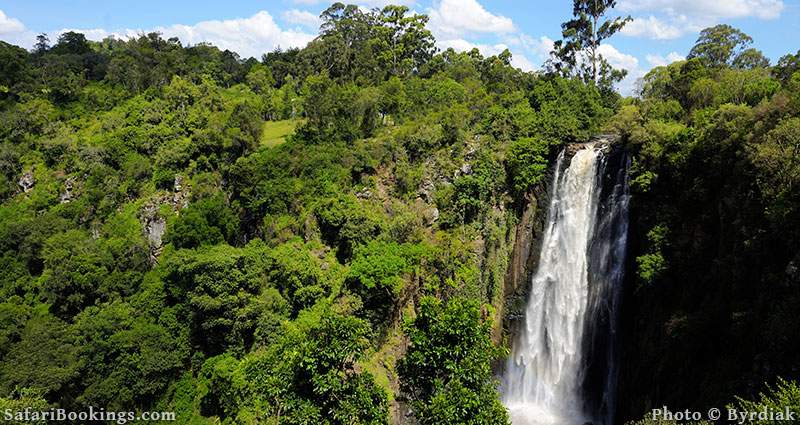
⚡ The TL;DR Verdict
For those dreaming of intimate, once-in-a-lifetime wildlife encounters and a highly organized, safe experience, Rwanda is your pick (daily budget $150-2000+). If you crave diverse landscapes, classic big-game safaris, vibrant city life, and stunning beaches, Kenya offers incredible value and variety (daily budget $100-800+).
- Choose Rwanda: Choose Rwanda if gorilla trekking is your absolute priority, you appreciate pristine nature, excellent safety, and a more intimate, less crowded experience. Ideal for travelers who don't mind a higher upfront cost for a truly unique encounter.
- Choose Kenya: Opt for Kenya if you want the classic 'African safari' with the Great Migration, Big Five, diverse national parks, stunning beaches, and a bustling urban scene. It offers more variety and can be more budget-friendly overall, catering to a broader range of interests.
- Choose Both: If time and budget allow (plan 2-3 weeks and a significant budget), combining both offers the ultimate East African experience: gorilla trekking in Rwanda followed by a classic safari and beach relaxation in Kenya. Direct flights between Kigali and Nairobi make this highly feasible.
Quick Comparison
| Category | Rwanda | Kenya | Winner |
|---|---|---|---|
| Wildlife & Nature | Premier gorilla trekking; chimpanzee tracking; diverse birdlife; lush, mountainous landscapes. | Classic savannah safaris; Great Migration; Big Five; diverse ecosystems from desert to coast. | Kenya |
| Costs & Budget | Higher entry-level cost due to gorilla permits; good value for mid-range stays outside trekking. | Wider range from budget backpacking to ultra-luxury safaris; more affordable overall. | Kenya |
| Safety & Stability | One of Africa's safest countries; extremely low crime rates, well-organized tourism. | Generally safe, especially in tourist areas and safaris; higher urban crime in Nairobi. | Rwanda |
| Culture & History | Profound focus on remembrance and resilience; vibrant arts scene; community-based tourism. | Rich tribal diversity (Maasai, Samburu); colonial history; vibrant urban arts and music scene. | Tie |
| Getting Around | Compact size; good road network; easy to navigate by private car or public bus. | Vast distances; domestic flights essential for efficient safaris; extensive public transport network. | Rwanda |
| Accommodation | Limited budget options, strong mid-range and luxury (especially around Volcanoes NP). | Extensive range from budget hostels to world-class luxury safari lodges and beach resorts. | Kenya |
| Food & Drink | Simple, fresh local cuisine; growing international scene in Kigali. | Diverse culinary landscape; Indian, coastal Swahili, and international influences; vibrant street food. | Kenya |
| Beaches & Coast | Landlocked; beautiful lake shores (Lake Kivu) for relaxation, but no ocean beaches. | Stunning Indian Ocean coastline; white sand beaches, coral reefs, vibrant marine life. | Kenya |
| Solo Travel Friendliness | Extremely safe, easy to navigate, locals are welcoming; higher costs for solo gorilla permits. | Vibrant and diverse, but requires more caution in cities; easy to join group safaris. | Rwanda |
| Nightlife & Entertainment | Understated but growing; quiet bars and restaurants in Kigali; local music scene. | Vibrant and diverse nightlife, especially in Nairobi; live music, clubs, casinos, and bars. | Kenya |
🦍 Wildlife & Nature
Rwanda undeniably offers the world's best mountain gorilla trekking in Volcanoes National Park, an almost spiritual experience costing USD 1500 per permit. You also have fantastic chimpanzee trekking in Nyungwe Forest National Park (permit ~USD 100), and a decent big-game safari in Akagera National Park (entry $50/day). However, Kenya is the quintessential safari destination. The sheer scale and diversity of its wildlife, especially in Maasai Mara National Reserve with the Great Migration, Amboseli National Park with its elephant herds against Kilimanjaro, and Tsavo's vast plains, are unmatched. You'll see the Big Five often in a single day across multiple parks. A 3-day Maasai Mara safari can range from USD 600-2000 depending on luxury, including park fees (approx. USD 80/day) and accommodation. While Rwanda offers an incredibly focused, high-impact wildlife experience, Kenya's breadth and iconic safari moments give it the edge for overall wildlife immersion. "Honestly, nothing beats seeing thousands of wildebeest crossing the Mara River. It's just insane, like something out of a documentary." - r/AfricaTravel user.
Winner takeaway
- Winner: Kenya
- Why: Kenya wins for the sheer scale, diversity, and iconic 'Big Five' safari experience, including the Great Migration.
- Who this matters for: Travelers prioritizing classic African safari experiences, variety of animals, and wide-open landscapes.
💰 Costs & Budget
Rwanda's perceived high cost is largely driven by its USD 1500 gorilla trekking permit. Without it, daily expenses can be reasonable. A mid-range hotel in Kigali might be USD 80-150, a local meal USD 5-15. Transport within Kigali via moto-taxi is cheap (RWF 500-1500 / $0.50-$1.50). For a full week including gorillas, expect to spend upwards of USD 3000-5000+. Kenya, while offering luxury safaris that can run into thousands per day, also provides much more budget flexibility. Park fees are generally lower (Maasai Mara ~$80/day), and you can find hostels in Nairobi for USD 20-40, local meals for KES 300-800 ($2-6). A decent 5-day safari can be had for USD 1000-2000, and a beach holiday in Diani is very affordable. The sheer variety of options in Kenya, from local matatus (buses) to guesthouses, makes it more accessible for different budgets. "My 7-day Kenya trip, including a mid-range safari, came out to less than my 3-day gorilla trek in Rwanda. Totally different experiences, but Kenya's just more bang for your buck on average." - r/solotravel user.
Winner takeaway
- Winner: Kenya
- Why: Kenya offers a significantly wider range of budget options, making it more accessible for diverse travelers.
- Who this matters for: Budget-conscious travelers or those looking for more value and variety for their money.
✅ Safety & Stability
Rwanda is renowned for its exceptional safety and stability. The country has made incredible strides since the genocide, fostering a strong sense of national unity and order. Crime rates are remarkably low, even in urban centers like Kigali, making it a very comfortable destination for solo travelers, especially women. Tourists report feeling incredibly secure, and the tourism infrastructure is highly organized and regulated. Kenya is generally safe for tourists, particularly within the national parks and established safari lodges where security is paramount. However, Nairobi, like many large cities, has higher rates of petty crime (pickpocketing, bag snatching) and occasional muggings, especially after dark in certain areas. While tourist areas are patrolled, visitors need to exercise more caution and awareness in Kenyan cities compared to Rwanda. "I walked around Kigali at night totally alone and felt safer than in some European cities. Rwanda's security is next level." - r/RwandaTravel user.
Winner takeaway
- Winner: Rwanda
- Why: Rwanda consistently ranks as one of Africa's safest countries, offering unparalleled peace of mind for travelers.
- Who this matters for: Solo travelers, families, and anyone prioritizing a worry-free, highly secure travel experience.
🏛️ Culture & History
Rwanda's recent history is profoundly shaped by the 1994 genocide, and sites like the Kigali Genocide Memorial are powerful, essential visits. The country has embraced a path of remembrance and unity, which is deeply woven into its cultural fabric. Traditional dance, craft cooperatives, and community tourism initiatives provide insight into Rwandan resilience and hospitality. Umuganda, the monthly community service day, is a unique cultural experience if you're there at the right time. Kenya boasts an incredibly diverse array of ethnic groups, each with distinct traditions. The Maasai culture, with their iconic red shukas and rich traditions, is a major draw, often experienced through village visits during safaris. Nairobi offers museums like the National Museum of Kenya and the Karen Blixen Museum, reflecting both indigenous history and colonial legacy. The capital also has a vibrant contemporary arts, music, and food scene. Both countries offer rich, distinct cultural experiences, making it hard to pick an outright winner as it depends on what historical or cultural narrative resonates most with you. "The Kigali Memorial honestly changed my perspective on humanity. It's heavy, but so important." vs. "Visiting a Maasai village near Mara was fascinating, seeing their way of life firsthand was something else." - r/travel users.
Winner takeaway
- Winner: Tie
- Why: Both countries offer deep, distinct, and highly impactful cultural and historical experiences, appealing to different interests.
- Who this matters for: Travelers interested in either profound historical remembrance and resilience (Rwanda) or rich tribal diversity and colonial history (Kenya).
🚗 Getting Around
Rwanda is a small, compact country with an excellent, well-maintained road network. Distances between major attractions like Kigali, Volcanoes National Park, and Nyungwe Forest are manageable, often just 2-4 hours by car. Private car hire with a driver (approx. USD 80-120/day) is common and efficient. Public buses are reliable and cheap, connecting most towns. Within Kigali, moto-taxis (RWF 500-1500) are the fastest way to get around. Kenya, by contrast, is vast. Traveling between Nairobi, Maasai Mara, Amboseli, and the coast by road can involve very long, sometimes bumpy journeys. For safaris, domestic flights (e.g., Nairobi to Maasai Mara, approx. USD 150-300 one-way) are almost essential for saving time, though more expensive. Public transport like matatus (minibuses) and long-distance buses are extensive but can be less comfortable or timely than Rwandan equivalents. Its smaller size and superior road infrastructure for its scale make Rwanda significantly easier to navigate for tourists. "We hired a driver for our whole Rwanda trip and it was seamless. Everything felt so close." - r/RwandaTravel user.
Winner takeaway
- Winner: Rwanda
- Why: Rwanda's smaller size and excellent road infrastructure make internal travel much simpler and quicker.
- Who this matters for: Travelers who prefer less transit time, don't want to fly internally, or are on a tighter schedule.
🏨 Accommodation
Rwanda offers a good selection of mid-range hotels in Kigali (e.g., Hotel des Mille Collines, approx. USD 150-250/night) and a strong luxury segment, particularly around Volcanoes National Park with lodges like Bisate Lodge or Singita Kwitonda Lodge (USD 1500-3000+ per night, often including gorilla permit). Budget options are present but fewer and generally less developed than in Kenya. Kenya's accommodation scene is incredibly diverse. In Nairobi, you can find backpacker hostels for USD 20-40, mid-range hotels for USD 80-150, and luxury options like Giraffe Manor (USD 1000+). Safari lodges range from rustic tented camps (USD 200-400/night) to opulent, all-inclusive experiences (USD 800-2000+ per night). The coastal areas like Diani Beach boast everything from budget guesthouses (USD 50-100) to sprawling resorts. This sheer variety and competitive pricing across all segments give Kenya the edge, catering to every conceivable budget and preference. "For my budget, Kenya had so many more cool places to stay, from hostels in Nairobi to awesome glamping on safari." - r/solotravel user.
Winner takeaway
- Winner: Kenya
- Why: Kenya provides a much broader and more competitive range of accommodation options across all budget levels.
- Who this matters for: Travelers seeking diverse lodging choices, from budget to ultra-luxury, or specific types like beach resorts.
🍽️ Food & Drink
Rwandan cuisine is generally simple, fresh, and wholesome, featuring staples like 'ugali' (cornmeal porridge), 'isombe' (cassava leaves), grilled meats ('brochettes'), and plantains. Kigali has a growing number of international restaurants and cafes catering to expats and tourists, but the variety isn't as extensive as in larger regional hubs. Expect to pay RWF 5,000-10,000 ($5-10) for a local meal and RWF 15,000-30,000 ($15-30) for an international one. Kenya, on the other hand, boasts a much more vibrant and diverse food scene, heavily influenced by its Indian Ocean trade history and large Indian population. Nairobi is a culinary melting pot, with fantastic Indian restaurants, vibrant street food markets, and high-end international dining. Coastal Swahili cuisine, with its fresh seafood and coconut-infused dishes, is a highlight in Mombasa and Diani. Iconic experiences include eating 'nyama choma' (roasted meat) at local joints or the famous Carnivore Restaurant in Nairobi. The variety, spices, and sheer availability of different culinary experiences put Kenya ahead. "The food in Nairobi was surprisingly good, especially the Indian places! And the street food in Mombasa was amazing." - r/KenyaTravel user.
Winner takeaway
- Winner: Kenya
- Why: Kenya offers a more diverse, vibrant, and flavorful culinary scene, influenced by various cultures.
- Who this matters for: Foodies and travelers who prioritize culinary exploration and a wide range of dining options.
🏖️ Beaches & Coast
Rwanda is a landlocked country, so traditional ocean beaches are out. However, it does have Lake Kivu, a beautiful freshwater lake with sandy shores in towns like Gisenyi and Kibuye. You can enjoy boat trips, swimming, kayaking, and relaxing by the lake, but it's not the same as a vast ocean coastline. Kenya boasts a spectacular Indian Ocean coastline, famous for its pristine white sand beaches and warm, clear waters. Diani Beach, south of Mombasa, is consistently ranked among the best beaches in Africa, offering watersports, dive sites, and luxurious resorts. Other popular spots include Malindi and Watamu, known for their marine parks and Italian influence. The Swahili coast offers a unique cultural blend alongside stunning natural beauty. For anyone dreaming of a beach holiday after a safari, Kenya is the unequivocal winner. "After days of dusty safari, hitting Diani Beach was pure bliss. Crystal clear water, fresh seafood, total relaxation." - r/travel user.
Winner takeaway
- Winner: Kenya
- Why: Kenya's Indian Ocean coastline offers world-class white sand beaches and vibrant marine life, which Rwanda, being landlocked, cannot match.
- Who this matters for: Travelers looking for a beach holiday, water sports, or a post-safari relaxation by the ocean.
🚶♀️ Solo Travel Friendliness
Rwanda is an exceptional destination for solo travelers due to its high level of safety and ease of navigation. The small size means less travel time between destinations, and the organized tourism infrastructure makes planning straightforward. Locals are generally very welcoming and friendly, and English is widely spoken. The main drawback for solo travelers is the fixed, high cost of the gorilla permit, which isn't reduced for single trekkers. However, for overall peace of mind and hassle-free exploration, it's fantastic. Kenya offers a lot for solo travelers, particularly the ability to join group safaris, which cuts down on costs and provides companionship. Cities like Nairobi have a thriving expat and hostel scene, making it easy to meet other travelers. However, the need for increased vigilance regarding petty crime in urban areas and the vast distances requiring more complex travel planning can be a slight hurdle for some solo adventurers. "As a solo female traveler, I felt incredibly safe everywhere in Rwanda. It was such a relief not constantly worrying." - r/solotravel user.
Winner takeaway
- Winner: Rwanda
- Why: Rwanda's exceptional safety, ease of navigation, and welcoming atmosphere make it highly appealing for solo travelers.
- Who this matters for: Solo travelers, especially women, who prioritize safety, ease of planning, and a relaxed travel pace.
🌃 Nightlife & Entertainment
Rwanda's nightlife is more understated and focused primarily in Kigali. You'll find a good selection of relaxed bars and restaurants, some with live music, particularly around the Kimihurura and Kiyovu neighborhoods. Places like Repub Lounge or The White Horse Inn offer pleasant evenings with a mix of locals and expats. However, it's not a destination known for its pulsating club scene or late-night parties. Kenya, particularly Nairobi, has a significantly more vibrant and diverse nightlife. The city boasts numerous clubs (e.g., K1 Klub House, Muze Club), casinos, live music venues, and rooftop bars that cater to all tastes and often stay open late. Areas like Westlands and Kilimani are hubs for entertainment. Outside of Nairobi, coastal towns like Diani and Mombasa also offer lively beach bars and clubs, especially during peak season. For those seeking late-night entertainment, dancing, and a bustling social scene, Kenya is the clear winner. "Nairobi's nightlife surprised me! We found this amazing reggae club in Westlands that was packed and had great vibes until like 4 AM." - r/travel user.
Winner takeaway
- Winner: Kenya
- Why: Kenya, especially Nairobi, offers a much more vibrant and diverse nightlife with numerous clubs, bars, and live music venues.
- Who this matters for: Travelers who enjoy a lively social scene, late-night entertainment, and a variety of nightlife options.
❓ Frequently Asked Questions
Is gorilla trekking worth the high cost in Rwanda?
Absolutely. While the USD 1500 permit is steep, the hour spent observing mountain gorillas in their natural habitat is consistently described as a profound, life-changing experience. The funds also heavily contribute to conservation efforts and local communities, ensuring the survival of these magnificent creatures.
Can I combine a gorilla trek in Rwanda with a safari in Kenya?
Yes, this is a popular and highly recommended itinerary for those with sufficient time and budget. There are direct flights between Kigali (KGL) and Nairobi (NBO) that take approximately 1.5 hours, making the transition seamless for a combined East African adventure.
What's the best time of year to visit Rwanda vs Kenya?
For Rwanda's gorilla trekking, the dry seasons (June-September and December-February) are best as trails are less muddy. For Kenya, the dry seasons (June-October and December-March) are ideal for safaris, especially June-October for the Great Migration in Maasai Mara. Avoid the long rains (March-May) if possible.
Do I need a visa for Rwanda or Kenya?
Most nationalities require visas for both countries. You can often obtain an e-visa online before travel. For Kenya, an e-visa is mandatory. For Rwanda, you can also get a visa on arrival for many nationalities, but always check the latest requirements specific to your passport well in advance.
How much does a typical safari cost in Kenya?
A budget 3-day Maasai Mara safari can start from around USD 600-800 per person (group tour, basic camping). A mid-range 5-day safari to multiple parks could be USD 1500-2500, while a luxury, all-inclusive safari easily runs USD 800-2000+ per person per night. Costs vary widely by duration, number of parks, and lodge quality.
Is it easy to get around Rwanda and Kenya without a private driver?
In Rwanda, yes, it's quite easy. Public buses are reliable and affordable for inter-city travel, and moto-taxis are ubiquitous in Kigali. In Kenya, while public transport (matatus, buses) exists, distances are vast. For safaris, organized tours or domestic flights are almost essential for efficiency; relying solely on public transport for parks is challenging.
What's the main difference in the 'safari experience' between the two?
Rwanda's 'safari' (Akagera) is more intimate, less crowded, and focuses on conservation success with rhinos and lions. Kenya offers the classic, vast savannah safari, teeming with massive herds, the Great Migration, and a high chance of seeing the Big Five on an epic scale across multiple iconic parks.
What vaccinations are recommended for visiting East Africa?
Consult your doctor, but typically Yellow Fever (often mandatory), Tetanus, Diphtheria, Polio, Hepatitis A & B, Typhoid, and Rabies are recommended. Malaria prophylaxis is also usually advised for both countries, especially in rural and lower-lying areas. Always check official health advisories.
Ready to plan your East Africa trip?
Get a free custom itinerary for Rwanda, Kenya, or both — built from real traveler insights.
🎟️ Book Tours & Experiences
Hand-picked tours and activities for both destinations — book with free cancellation
Experiences via Viator — free cancellation on most tours