How we built this comparison
This page combines traveler discussion patterns, published price ranges, flight schedules, and seasonal data to help you decide between Sahara and Atacama.
- Reviewed 50+ Reddit threads from r/travel, r/solotravel, r/Morocco, r/Chile for firsthand accounts.
- Verified costs and logistics against current booking platforms (e.g., Skyscanner, Hostelworld, local tour operators).
- Cross-referenced seasonal patterns and weather data from NOAA and local meteorological services.
⚡ The TL;DR Verdict
If you're after deep cultural immersion, iconic sand dunes, and a budget-friendly adventure, the Sahara (Morocco) is your pick, expecting $50-90 USD/day. For unique high-altitude landscapes, stargazing, and adventure activities with a higher but well-worth-it budget ($100-180 USD/day), Atacama calls your name.
- Choose Sahara: Choose the Sahara if you're seeking a more traditional, culturally rich desert experience with Berber hospitality, stunning sand dunes, and a significantly lower travel cost, perfect for backpackers and those on a budget.
- Choose Atacama: Opt for the Atacama if your priority is surreal, high-altitude landscapes, geysers, salt flats, and world-class stargazing, coupled with more developed adventure tourism and a willingness to spend more for the experience.
- Choose Both: Consider both if you have ample time (3+ weeks) and budget, as they offer distinct desert experiences that complement each other, but typically require separate long-haul trips due to geographical distance.
Quick Comparison
| Category | Sahara | Atacama | Winner |
|---|---|---|---|
| Costs & Budget | Significantly more affordable, especially for tours and local goods. Expect $50-90 USD/day. | Considerably more expensive, particularly for tours and accommodation. Budget $100-180 USD/day. | Sahara |
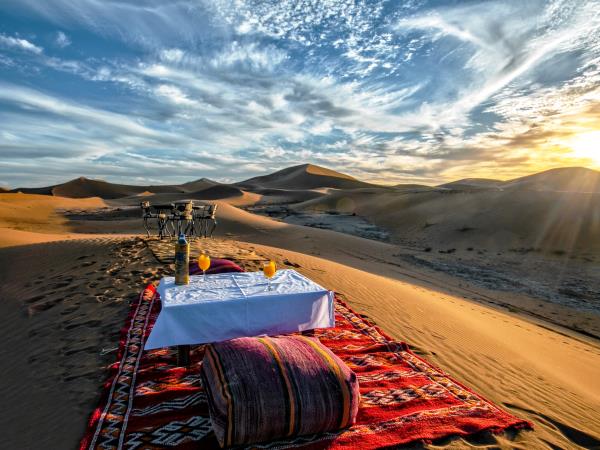
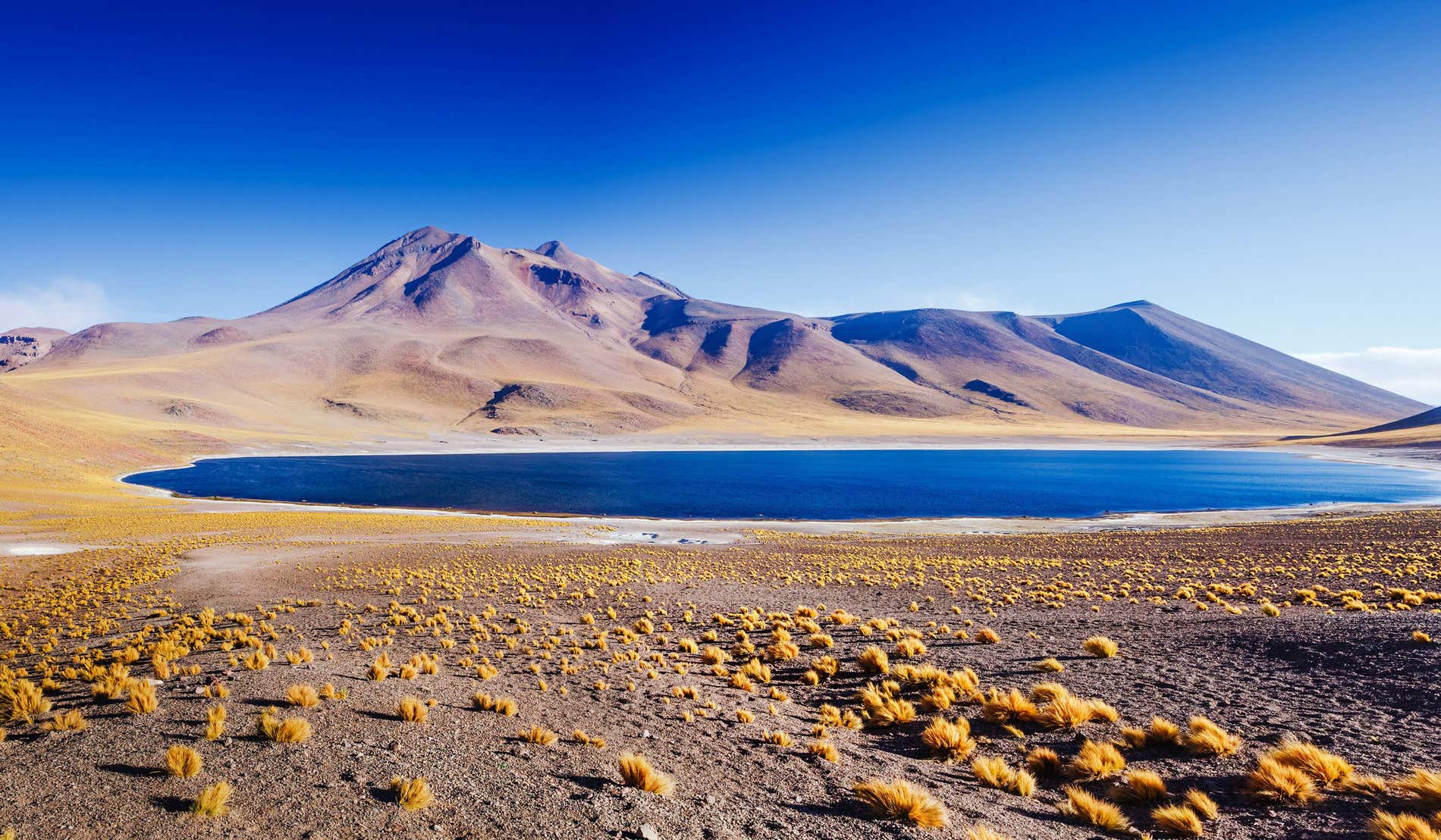
| Nature & Scenery | Iconic, vast golden sand dunes (Erg Chebbi, Erg Chigaga), stunning sunrises/sunsets, stark beauty. | Unparalleled diversity: geysers, salt flats, high-altitude lagoons, volcanoes, moon-like valleys, stargazing. | Atacama |
| Cultural Immersion | Deep engagement with Berber culture, nomadic traditions, local hospitality, traditional music, and cuisine. | Less emphasis on distinct local culture; more focused on natural beauty and adventure tourism. | Sahara |
| Getting There & Around | Long, winding road trips from major cities (Marrakech/Fes), primarily via organized tours or rental cars. | Flights to Calama (CJC) then shuttle to San Pedro. Tours are the primary way to explore the region. | Atacama |
| Accommodation | Traditional riads, budget hostels, and diverse desert camps from basic to luxury glamping. | Quaint adobe-style hotels, hostels, and guesthouses in San Pedro, with generally higher prices. | Sahara |
| Activities & Adventure | Camel treks, sandboarding, quad biking, stargazing, visiting traditional villages, enjoying Berber music. | Stargazing tours, geyser visits, high-altitude lagoon excursions, mountain biking, sandboarding, hiking, hot springs, rock climbing. | Atacama |
| Safety & Health | Generally safe for tourists, but petty crime in cities, pushy vendors, and long drives are considerations. | Very safe for tourists in San Pedro, but altitude sickness is a significant concern for many travelers. | Tie |
| Food & Drink | Rich, flavorful Moroccan cuisine: tagines, couscous, mint tea. Fresh and often very affordable. | Chilean staples, fresh ingredients, but generally less distinct 'desert' cuisine; more international options. | Sahara |
| Best Season & Weather | October to April (cooler days, cold nights); avoid summer (June-August) due to extreme heat. | Year-round (dry, sunny); May to November for clearer skies, less wind; summer (Dec-Feb) is hot but manageable. | Atacama |
| Stargazing | Excellent dark skies, great for viewing constellations and the Milky Way; often part of camp experience. | Among the best on Earth, world-class observatories, dedicated tours with powerful telescopes. | Atacama |
💸 Costs & Budget
When it comes to your wallet, the Sahara (accessed via Morocco) is a clear winner. A typical 3-day, 2-night desert tour from Marrakech to Erg Chebbi, including transport, meals, and overnight camp, can range from 800 MAD to 1,500 MAD (approx. $80-150 USD) for standard options, or up to 3,000-5,000 MAD ($300-500 USD) for luxury camps. Daily expenses in cities like Marrakech are reasonable, with a nice meal costing 80-150 MAD ($8-15 USD) and budget accommodation around 100-200 MAD ($10-20 USD). In contrast, San Pedro de Atacama is far pricier. A single full-day tour to attractions like El Tatio Geysers or Altiplanic Lagoons costs typically 50,000-80,000 CLP (approx. $55-90 USD) *each*, plus separate park entry fees (5,000-15,000 CLP / $5-16 USD per site). Accommodation starts around 20,000-35,000 CLP ($22-40 USD) for hostels and 50,000-100,000 CLP ($55-110 USD) for basic hotels. Meals are also more expensive, often 10,000-20,000 CLP ($11-22 USD). "Seriously, I blew through my budget so fast in San Pedro. Everything is priced for tourists, especially the tours. Wish I'd packed more snacks." - r/traveler. Your money simply goes much further in the Sahara.
Winner takeaway
- Winner: Sahara
- Why: The Sahara offers a much more budget-friendly adventure, making it accessible to a wider range of travelers.
- Who this matters for: Budget travelers, backpackers, and those looking for great value for money.
⛰️ Nature & Scenery
While the Sahara's towering, endless golden dunes (like those in Erg Chebbi or Erg Chigaga) are undeniably breathtaking and quintessential desert scenery, the Atacama Desert offers a sheer diversity of landscapes that is truly unparalleled and otherworldly. Imagine standing amidst the steaming vents of El Tatio Geysers at dawn, reflecting the sunrise over the Andes, then later exploring the surreal, sculpted landscapes of Valle de la Luna and Valle de la Muerte, which genuinely feel like another planet. You'll witness the vibrant hues of the Altiplanic Lagoons (Miscanti and Miñiques) with their resident flamingos, surrounded by snow-capped volcanoes, or walk across the vast, crystalline Salar de Atacama. "Valle de la Luna at sunset felt like another planet. Just rent a bike and go, skip the tour if you're feeling adventurous and save some cash." - r/chiletravel. The sheer variety and unique geological formations, coupled with the incredible clarity for stargazing, give Atacama the edge for dramatic natural beauty that changes every few hours.
Winner takeaway
- Winner: Atacama
- Why: Atacama offers an extraordinary range of diverse, unique, and otherworldly landscapes beyond just sand dunes.
- Who this matters for: Photographers, geology enthusiasts, adventure seekers, and anyone looking for truly unique natural wonders.
🕌 Cultural Immersion
For an authentic cultural experience, the Sahara, particularly through Morocco's desert regions, stands out. Your journey often begins in ancient cities like Marrakech or Fes, filled with bustling souks, historic medinas, and a vibrant local life. As you venture into the desert, you're immersed in Berber culture – staying in traditional desert camps, sharing mint tea with nomadic families, learning about their history and music around a campfire under the stars. The connection with local guides, often Berbers themselves, provides invaluable insights into their way of life and the desert ecosystem. "Honestly, the tagine and mint tea in Merzouga after a long camel ride? Unbeatable. The family running our camp was so welcoming, it felt like visiting relatives." - r/solotravel. In contrast, while San Pedro de Atacama has a charming, rustic feel, its cultural offerings are less pronounced. The focus is predominantly on the natural attractions and adventure tourism, with fewer opportunities for deep interaction with distinct local traditions beyond basic commercial exchanges.
Winner takeaway
- Winner: Sahara
- Why: The Sahara offers a profound, immersive cultural experience with local Berber communities and ancient traditions.
- Who this matters for: Culture vultures, slow travelers, and those seeking authentic local interactions beyond just sightseeing.
✈️ Getting There & Around
Getting to the heart of the Sahara from Morocco typically involves flying into a major city like Marrakech (RAK) or Fes (FEZ) from Europe or North America, then embarking on a long, often multi-day, road trip (6-10+ hours of driving per day) to reach the desert camps near Merzouga (Erg Chebbi) or M'hamid (Erg Chigaga). This usually means an organized tour with a driver, or renting a 4x4. The roads can be winding, and it's a significant time commitment. In contrast, reaching the Atacama is more streamlined for international travelers. You'd fly into Santiago, Chile (SCL), then take a domestic flight (approx. 2 hours) to Calama (CJC). From Calama airport, numerous shuttle services (e.g., Transvip, Licancabur) offer direct transfers to San Pedro de Atacama (approx. 1.5 hours) for around 12,000-15,000 CLP ($13-17 USD). Once in San Pedro, the town is walkable, and nearly all exploration of the surrounding attractions is done via organized day tours. "The flights to Calama and then the shuttle were super easy. Felt way less of a logistical headache than trying to coordinate a multi-day drive through Morocco." - r/travel. While both require internal travel, Atacama's air-to-shuttle connection feels more efficient and less arduous.
Winner takeaway
- Winner: Atacama
- Why: Atacama's travel logistics are more straightforward and less time-consuming for reaching the main desert hub.
- Who this matters for: Travelers with limited time, those who prefer flying over long road trips, and those who prioritize ease of access.
🛌 Accommodation
The Sahara, particularly in Morocco, offers a charming array of accommodation choices that cater to all budgets. In cities like Marrakech or Fes, you can stay in beautifully restored traditional riads (starting from 300 MAD / $30 USD), bustling hostels (from 70 MAD / $7 USD), or modern hotels. Once in the desert, the experience of sleeping under the stars is paramount, and options range from very basic shared tents in Erg Chebbi to elaborate luxury glamping camps with private en-suite tents, hot showers, and gourmet meals (400-1500 MAD / $40-150 USD per person for the desert camp portion of a tour). These camps often blend traditional Berber design with modern comforts, offering an authentic yet comfortable experience. "Our luxury camp in Erg Chebbi had actual flushing toilets and a proper bed, I was shocked! Best sleep I've had in ages under those stars." - r/moroccotravel. San Pedro de Atacama, while picturesque, has a more limited and generally pricier selection. You'll find charming adobe-style boutique hotels (starting 60,000 CLP / $65 USD), hostels (20,000-35,000 CLP / $22-40 USD), and guesthouses, but the unique 'desert camp' experience is less prevalent, with most visitors returning to San Pedro each night after day tours.
Winner takeaway
- Winner: Sahara
- Why: The Sahara offers a wider variety of unique, authentic, and budget-friendly accommodations, especially the iconic desert camps.
- Who this matters for: Travelers seeking unique stays, glamping experiences, and more affordable options, including traditional riads.
🏜️ Activities & Adventure
While both deserts offer a range of activities, the Atacama's sheer variety and extreme landscapes make it an adventure hub. Beyond the mandatory stargazing tours (often including telescopes and expert guides, around 25,000-35,000 CLP / $28-40 USD), you can visit the breathtaking El Tatio Geysers at dawn, explore the surreal Valle de la Luna by bike (rental around 5,000-8,000 CLP / $5-9 USD for half-day), or trek to the high-altitude lagoons (Miscanti, Miñiques) and salt flats. Mountain biking, sandboarding down massive dunes, hot springs, and even climbing volcanoes like Lascar or Licancabur for experienced mountaineers are all on offer. "The diversity of tours in San Pedro was insane. One day geysers, the next flamingos, then stargazing. Never a dull moment if you're willing to pay." - r/chile. The Sahara primarily focuses on traditional camel treks, exhilarating sandboarding down the dunes, quad biking, and enjoying the cultural elements like Berber music and storytelling. While deeply rewarding, the sheer breadth of active, nature-focused adventures is greater in the Atacama.
Winner takeaway
- Winner: Atacama
- Why: Atacama offers a broader, more diverse range of adventure activities and unique natural attractions.
- Who this matters for: Adventure seekers, outdoor enthusiasts, and those looking for active exploration of diverse landscapes.
⚠️ Safety & Health
Both destinations are generally safe for tourists, but each presents its own unique set of considerations. In the Sahara (Morocco), the main concerns are petty theft in crowded city souks (like Marrakech), pushy vendors, and occasionally uncomfortable long-distance drives on winding roads. It's crucial to be aware of your surroundings, politely but firmly decline unwanted services, and choose reputable tour operators. Scams, while not dangerous, can be annoying. Health-wise, stomach upsets are common due to different food and water. For Atacama, the primary health concern is altitude sickness (Soroche), as San Pedro de Atacama sits at around 2,400m (8,000 ft) and many tours go significantly higher (up to 4,800m / 16,000 ft at El Tatio). Symptoms like headache, nausea, and dizziness can severely impact your trip. It's vital to acclimatize slowly, stay hydrated, and avoid alcohol on arrival. "I got slammed with altitude sickness on day one in San Pedro, ruined my first couple of days. Definitely take it easy and drink tons of water!" - r/travel. Crime in San Pedro itself is very low, making it feel very secure. While the Sahara has more 'hassle factor,' Atacama's altitude can pose a real physical challenge for some, making it a tie as both require specific precautions.
Winner takeaway
- Winner: Tie
- Why: Both destinations have different, but equally important, safety and health considerations that travelers must address.
- Who this matters for: All travelers, especially those sensitive to altitude or those who prefer to avoid navigating assertive vendor cultures.
🍲 Food & Drink
The culinary experience in the Sahara region (Morocco) is a major highlight. Moroccan cuisine is renowned for its aromatic spices, slow-cooked tagines (stews with meat or vegetables), fluffy couscous, and delightful pastilla. Fresh mint tea is a cultural staple, offered everywhere as a symbol of hospitality. In desert camps, you'll often enjoy hearty, freshly prepared meals under the stars, adding to the authenticity. Street food in cities like Marrakech (e.g., Djemaa el-Fna square) is delicious and incredibly affordable, with a full meal costing as little as 30-50 MAD ($3-5 USD). "The tagine and fresh orange juice after a long day in the heat? Perfection. And so cheap!" - r/moroccotravel. San Pedro de Atacama, while offering good quality food, has a less distinct 'desert' culinary tradition. You'll find Chilean staples like empanadas, grilled meats, and fresh seafood (flown in), alongside a good selection of international restaurants catering to tourists. Prices, however, are significantly higher, with a main dish often costing 10,000-18,000 CLP ($11-20 USD). While you can find excellent meals, the unique, flavorful, and budget-friendly cultural immersion through food is stronger in the Sahara.
Winner takeaway
- Winner: Sahara
- Why: The Sahara offers a richer, more unique, and significantly more affordable culinary journey deeply intertwined with local culture.
- Who this matters for: Foodies, budget travelers, and those seeking authentic local flavors and culinary experiences.
☀️ Best Season & Weather
Understanding the best time to visit is crucial for a comfortable desert experience. For the Sahara (Morocco), the sweet spot is generally October to April. During these months, daytime temperatures are pleasant (20-30°C / 68-86°F), making camel treks and outdoor activities enjoyable. However, nights can get surprisingly cold, dropping to near freezing, so packing layers is essential. The peak summer months (June-August) are brutally hot, with temperatures regularly exceeding 45°C (113°F), making travel challenging and uncomfortable. "Went in July once, never again. The heat was oppressive, couldn't even enjoy the dunes during the day." - r/travel. The Atacama, on the other hand, boasts a more consistent climate and is generally considered a year-round destination, though specific months are slightly better. Its high altitude means dry, sunny days and cool nights almost always. The 'shoulder seasons' of May to November offer ideal conditions: less wind, clearer skies for stargazing, and comfortable daytime temperatures (15-25°C / 59-77°F). Even during the Southern Hemisphere summer (December-February), while warmer, the dry heat is more tolerable than the Sahara's intense summer, and sporadic 'Altiplanic winter' rains (Jan-Feb) can bring unique beauty. The constant dry weather and fewer extreme temperature swings make Atacama more forgiving.
Winner takeaway
- Winner: Atacama
- Why: Atacama offers a more consistently pleasant climate year-round with fewer extreme seasonal variations.
- Who this matters for: Travelers with less flexible schedules, those sensitive to extreme heat, and stargazing enthusiasts.
🌌 Stargazing
Both deserts offer incredible opportunities for stargazing due to their remote locations and lack of light pollution. Lying in a Saharan desert camp, watching the Milky Way arc across the sky, is an unforgettable experience and a highlight of any tour. The vast, clear skies make for phenomenal naked-eye viewing. However, the Atacama Desert is in a league of its own when it comes to astrotourism. Its extreme altitude, low humidity, and almost perpetual clear skies create some of the best viewing conditions on Earth, attracting numerous international observatories (like ALMA). In San Pedro de Atacama, dedicated stargazing tours (often 25,000-35,000 CLP / $28-40 USD) are a major draw. These tours typically include transport to a dark-sky site, powerful telescopes (often 10-14 inch Dobsonian), and expert guides who provide detailed explanations of constellations, nebulae, and galaxies. "The stargazing tour in Atacama blew my mind. I saw Jupiter's moons and Saturn's rings through a telescope for the first time! Totally worth the extra cost." - r/astronomytravel. The scientific infrastructure and specialized tours elevate Atacama's stargazing experience from wonderful to truly world-class, offering a deeper and more magnified view of the cosmos.
Winner takeaway
- Winner: Atacama
- Why: Atacama provides world-class stargazing opportunities with superior clarity, dedicated tours, and access to powerful telescopes.
- Who this matters for: Astrology enthusiasts, photographers, and anyone seeking an unparalleled celestial experience.
❓ Frequently Asked Questions
Which desert is better for a family trip with young children?
For families, the Sahara (Morocco) might be slightly more accessible. Camel treks are memorable, and the cultural interaction can be enriching. Just be mindful of long travel days; Atacama's altitude can be challenging for very young children.
Is solo female travel safe in both deserts?
Both are generally safe for solo female travelers, but with different considerations. In Morocco, expect more cultural differences and assertive vendors; dressing modestly helps. In Atacama, San Pedro is very safe, but altitude sickness is the main concern. Always use reputable tour operators.
Do I need a 4x4 for both desert trips?
For the Sahara, a 4x4 is essential for deep desert exploration, but most travelers join organized tours that provide transport. In Atacama, you won't need your own 4x4 as nearly all excursions are done via tour operators in their own vehicles from San Pedro.
What's the best way to book tours for each desert?
For the Sahara, booking a multi-day tour from Marrakech or Fes in advance or upon arrival is common. For Atacama, it's best to book day tours from San Pedro de Atacama, either a day or two in advance or on arrival; many agencies operate there.
Are there opportunities for hiking in both deserts?
Yes, but different types. In the Sahara, you can hike small dunes or participate in walks around villages. Atacama offers extensive hiking, from volcanic ascents to trails around lagoons and through valleys, often part of organized tours.
What should I pack for a desert trip to either location?
Essentials include layers (for hot days, cold nights), sun protection (hat, sunglasses, high SPF sunscreen), comfortable walking shoes, a reusable water bottle, and a first-aid kit. For Atacama, add altitude sickness medication if advised by your doctor.
Which desert has better photography opportunities?
Both are incredible, but for different reasons. Sahara excels with classic dune photography, cultural portraits, and sunrise/sunset colors. Atacama offers a wider range of distinct landscapes—geysers, lagoons, salt flats—making it a haven for diverse landscape photography and astrophotography.
Can I visit these deserts independently, or are tours necessary?
While independent travel is possible in parts of Morocco to reach desert towns, joining an organized tour for the actual desert camp experience is highly recommended and safer. For Atacama, almost all major attractions require a guided tour or a rental car suitable for rough roads, making tours practical and common.
Ready to plan your desert adventure?
Get a free custom itinerary for Sahara, Atacama, or both — built from real traveler insights.
🎟️ Book Tours & Experiences
Hand-picked tours and activities for both destinations — book with free cancellation
Experiences via Viator — free cancellation on most tours