How we built this comparison
This page combines traveler discussion patterns, published price ranges, flight schedules, and seasonal data to help you decide between Sahara and Gobi.
- Reviewed 50+ Reddit threads from r/travel, r/solotravel, r/Morocco, r/Mongolia, and r/AsiaTravel for real-world experiences and costs.
- Verified costs and logistics against current booking platforms (e.g., Skyscanner, Booking.com, reputable tour operator sites for 2023-2024 pricing).
- Cross-referenced seasonal patterns and weather data from meteorological sources to provide accurate best-time-to-visit recommendations.
⚡ The TL;DR Verdict
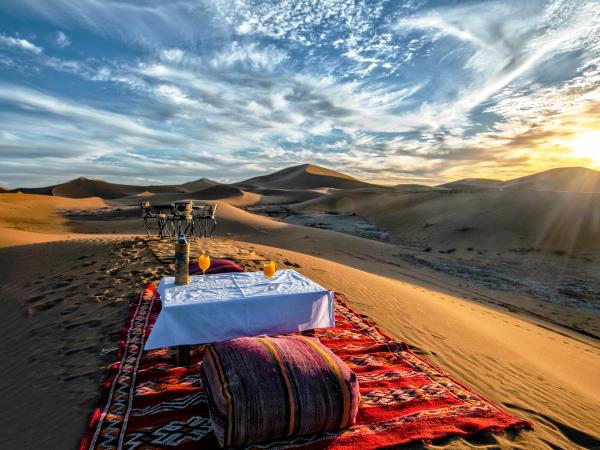
For those seeking the classic, accessible dune experience with Berber culture and a dash of exotic luxury, the Sahara is your pick, typically costing $80-150/day. If rugged, remote wilderness, authentic nomadic culture, and challenging yet rewarding overland adventures are calling, the Gobi awaits, budget $120-250/day.
- Choose Sahara: Choose the Sahara for its iconic rolling sand dunes, easier accessibility from Europe, more established tourism infrastructure (think luxury camps), and vibrant Berber cultural interactions. It's ideal for those wanting a quintessential desert experience without extreme ruggedness.
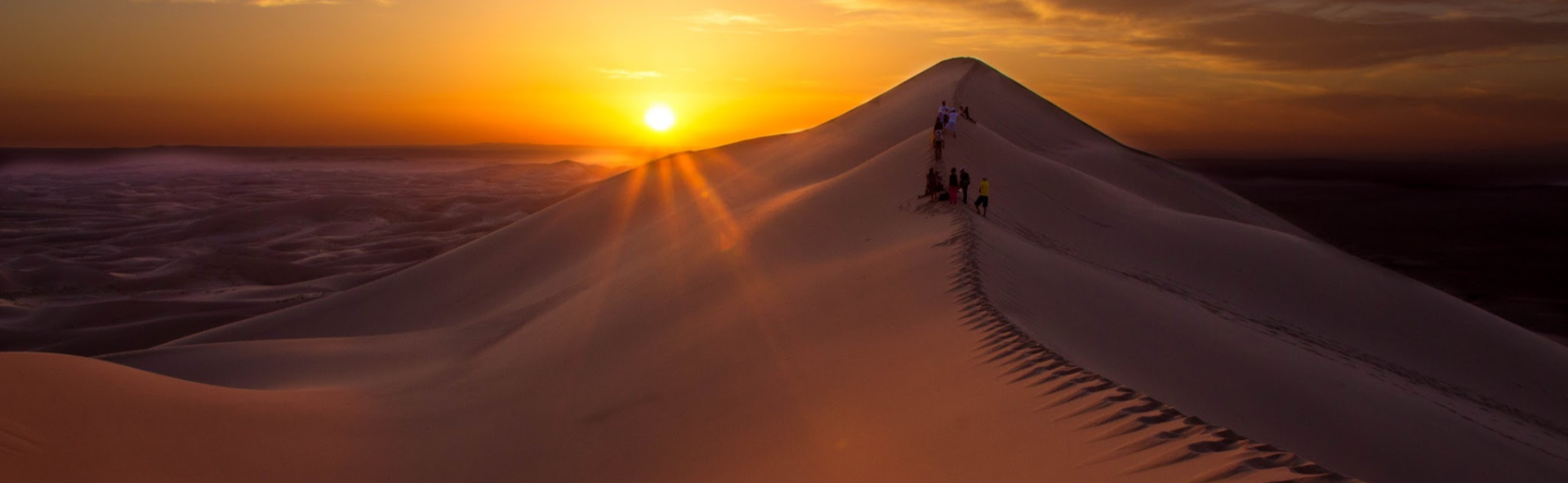
- Choose Gobi: Opt for the Gobi if you crave truly remote, untamed landscapes, a deeper immersion into nomadic Mongolian life (staying in gers), and a more adventurous, less polished journey. It's perfect for independent, intrepid travelers ready for longer, often challenging overland trips.
- Choose Both: Doing both deserts offers a comprehensive look at global desert diversity. If you have 3-4 weeks and a healthy budget, start with the Sahara for a week (Morocco) for its classic charm, then brave the Gobi for 10-14 days to experience its stark, unique beauty and nomadic culture. It's a true desert lover's grand tour.
Quick Comparison
| Category | Sahara | Gobi | Winner |
|---|---|---|---|
| Accessibility & Getting There | Relatively easy with flights to Marrakech/Fes, then organized tours. Shorter travel times. | Requires flying to Ulaanbaatar, then long overland drives. More remote and time-consuming. | Sahara |
| Landscape & Scenery | Classic, towering golden sand dunes, dramatic sunrises/sets. Iconic desert vistas. | Diverse terrain including sand dunes, ice-filled canyons, mountains, rocky steppes, unique flora/fauna. | Gobi |
| Cultural Immersion | Engage with Berber culture, music, tea ceremonies, vibrant markets. | Deep dive into traditional Mongolian nomadic life, staying in gers, horse riding, eagle hunting (seasonal). | Gobi |
| Activities & Adventure | Camel treks, stargazing, sandboarding, quad biking, Berber music nights. | Horse riding, hiking, fossil hunting, exploring canyons, meeting eagle hunters, off-road jeep expeditions. | Tie |
| Costs & Budget | Generally more affordable, especially for organized tours. Accommodation/food options for all budgets. | More expensive due to remoteness, need for private transport/guides, and fewer budget options. | Sahara |
| Accommodation | Wide range from basic shared tents to luxurious private camps with amenities. | Primarily traditional gers (yurts), varying from basic nomadic stays to modern tourist ger camps. | Sahara |
| Weather & Seasons | Hot summers (avoid), pleasant winters, best in spring/fall. Less extreme temperature swings. | Extreme continental climate: scorching summers, bitterly cold winters. Best in late spring/early fall. | Sahara |
| Safety & Logistics | Generally safe, well-established tourism, reliable tour operators. Petty crime in cities. | Very remote, requires careful planning and experienced guides. Risks related to isolation, weather. | Sahara |
| Food & Drink | Flavorful Moroccan cuisine, mint tea, readily available. Some desert camp limitations. | Hearty nomadic cuisine (meat-heavy), fermented mare's milk, limited variety in remote areas. | Sahara |
| Solo Travel Suitability | Very suitable. Many group tours, hostels, easy to meet others. Safe for women. | Possible but more challenging. Requires booking private/small group tours. Less social interaction. | Sahara |
✈️ Accessibility & Getting There
Getting to the Sahara (specifically the Moroccan Erg Chebbi or Erg Chigaga dunes) is significantly easier. You can fly into Marrakech (RAK) or Fes (FEZ) from major European hubs like London, Paris, or Madrid, often for €100-200 ($110-220) return. From there, 3-day/2-night desert tours are plentiful, ranging from basic €90-150 ($100-160) to luxury €300+ ($330+), including transport, meals, and accommodation. The drive from Marrakech to Merzouga is about 9-10 hours, often broken up. In contrast, reaching the Gobi requires flying into Ulaanbaatar (ULN), Mongolia. Flights from North America or Europe typically involve layovers in Seoul, Beijing, or Istanbul, costing $1200-1800 and taking 20+ hours. Once in Ulaanbaatar, your Gobi adventure truly begins, with drives of 2-5 days just to reach the main Gobi attractions like Khongor Sand Dunes (Dunes of Singing Sands). "Getting to Merzouga was a breeze compared to the 12-hour overland slog to the Gobi's Yolyn Am. Sahara definitely wins for ease of access if you're time-constrained." The sheer time and effort involved in reaching the core Gobi regions make it a more formidable journey.
Winner takeaway
- Winner: Sahara
- Why: The Sahara is far more accessible with shorter flight times and well-established tour routes from major Moroccan cities.
- Who this matters for: Time-sensitive travelers, first-time desert explorers, and those looking for a more straightforward logistical experience.
🏜️ Landscape & Scenery
While the Sahara (specifically Erg Chebbi in Morocco) offers those postcard-perfect, immense golden sand dunes that define 'desert' for many, the Gobi's landscape is incredibly diverse and surprisingly varied. Beyond its own impressive sand dunes like Khongor Sand Dunes, you'll encounter the dramatic Flaming Cliffs (Bayanzag), famous for dinosaur fossils, the stunning ice canyon of Yolyn Am (Eagle Valley) where ice persists well into summer, and vast, rocky steppes punctuated by mountains. It's not just sand; it's a mosaic of geological wonders. "I expected just sand in the Gobi, but seeing the Flaming Cliffs turn fiery red at sunset and then hiking through an actual ice canyon was mind-blowing. Sahara's dunes are beautiful, but the Gobi's variety is just next level." This geological and ecological diversity, from arid steppes to unique desert-dwelling animals like Bactrian camels and Gobi bears (though rarely seen), gives the Gobi a distinct edge for those seeking more than just sand.
Winner takeaway
- Winner: Gobi
- Why: The Gobi offers a more diverse range of geological features and ecosystems beyond just sand dunes, providing a richer visual experience.
- Who this matters for: Nature photographers, geology enthusiasts, and travelers who appreciate varied landscapes over a single iconic vista.
🧕 Cultural Immersion
Both deserts offer rich cultural experiences, but the Gobi provides a more profound, less commercialized immersion into nomadic life. In the Sahara, particularly on organized tours from Morocco, you'll encounter Berber culture through music, food, and interactions at desert camps. While authentic, these experiences can sometimes feel curated for tourists. However, wandering through the souks in Marrakech or Fes before your desert trip offers a genuine glimpse into Moroccan life. In the Gobi, cultural immersion is the very fabric of the journey. Staying in traditional ger (yurt) camps, often with nomadic families, sharing meals of buuz (steamed dumplings) or khuushuur (fried meat pastry), participating in daily chores like milking animals, and experiencing traditional horse riding or even eagle hunting (in specific regions/seasons) offers an unparalleled, hands-on insight into a resilient, ancient way of life. "Staying with a nomadic family in their ger in the middle of nowhere, helping with their livestock, and just sharing silence under the stars felt so real. The Sahara camps were fun, but this was *living* it." The direct, unfiltered access to nomadic traditions gives the Gobi the edge.
Winner takeaway
- Winner: Gobi
- Why: The Gobi offers a deeper, more authentic immersion into traditional nomadic Mongolian culture, often involving homestays and direct participation.
- Who this matters for: Culture vultures, anthropologists, and experiential travelers seeking genuine, unfiltered local interactions.
🐪 Activities & Adventure
Both deserts are adventure playgrounds, just of different sorts. The Sahara excels in classic desert activities: iconic camel treks at sunrise/sunset, thrilling sandboarding down towering dunes, quad biking across the open sands, and evenings filled with traditional Berber music around a campfire. Think photogenic, accessible, and fun. Specific spots like Erg Chebbi near Merzouga are hubs for these activities. The Gobi, on the other hand, offers a more rugged, explorative adventure. Horse riding across vast steppes is a quintessential Mongolian experience, as is hiking through dramatic landscapes like Yolyn Am. Fossil hunting at the Flaming Cliffs is a unique draw, while multi-day jeep expeditions covering immense distances are the norm. "Camel riding in the Sahara was exactly what I pictured, but the multi-day jeep trip through the Gobi, stopping to hike hidden canyons and search for fossils, felt like a real expedition." For those seeking a blend of classic desert fun and accessible thrills, Sahara wins. For the truly intrepid, desiring a more physical, explorative, and less-beaten-path type of adventure, the Gobi is superior. It's a tie because they cater to different adventure profiles.
Winner takeaway
- Winner: Tie
- Why: Both destinations offer distinct and equally compelling types of adventure, catering to different traveler preferences.
- Who this matters for: Anyone seeking adventure; the choice depends on whether they prefer classic desert activities or rugged exploration.
💰 Costs & Budget
The Sahara, particularly via Morocco, is generally more budget-friendly. A typical 3-day/2-night desert tour from Marrakech or Fes to Erg Chebbi can cost as little as €90-150 ($100-160) for a basic camp with shared facilities, or €250-400+ ($270-430+) for a mid-range to luxury experience, including transport, meals, and activities. Daily costs outside tours (in cities) can be as low as $50-70 for budget travelers. Food is cheap: a tagine is 50-80 MAD ($5-8). The Gobi, by contrast, is a more significant investment. Due to its vastness and lack of public transport, almost all Gobi trips are organized tours with a driver and often a guide. A 7-10 day Gobi tour from Ulaanbaatar can range from $700-1500 per person for a small group (3-4 people), or $2000-3500+ for a private tour, not including international flights. This often covers accommodation in gers, all meals, and transport. "I managed a week in Morocco including a desert tour for what a 3-day Gobi trip would've cost me. Mongolia's fantastic, but prepare your wallet." Even basic accommodation in Ulaanbaatar is $30-50, while gers in the Gobi are usually included in tour costs. The logistics of the Gobi inherently drive up the price.
Winner takeaway
- Winner: Sahara
- Why: The Sahara offers significantly more budget-friendly options for tours, accommodation, and daily expenses.
- Who this matters for: Budget-conscious travelers, backpackers, and those looking to maximize their travel time without breaking the bank.
🏕️ Accommodation
Accommodation in the Sahara (Morocco) offers a broader spectrum of comfort and luxury. You can find very basic shared tents in desert camps for budget travelers, often included in multi-day tours. On the other end, there are incredibly luxurious desert camps like Camp Adounia or Kam Kam Dunes in Erg Chebbi, offering private en-suite tents with hot showers, gourmet meals, and plush bedding, costing upwards of $200-500+ per night. These provide a 'glamping' experience in the heart of the desert. The Gobi's accommodation is almost exclusively in gers (yurts). These traditional round felt tents are fundamental to Mongolian nomadic life. While some tourist ger camps offer modern amenities like communal showers and western toilets (though often rudimentary), the more authentic experience involves staying in gers with nomadic families, which means very basic facilities. "My Sahara luxury tent had a proper shower and a king-size bed, felt like a hotel. In the Gobi, my ger had a stove for heat and a bucket for washing – totally different vibe, but both cool in their own way." The Gobi's gers offer unparalleled cultural authenticity, but the Sahara provides more options for comfort and luxury.
Winner takeaway
- Winner: Sahara
- Why: The Sahara provides a wider variety of accommodation options, from basic to high-end luxury desert camps, catering to diverse preferences.
- Who this matters for: Travelers seeking comfort, luxury, or a wider range of price points for their desert stay.
☀️ Weather & Seasons
The Sahara (Morocco) generally has more predictable and comfortable travel seasons. The best times to visit are spring (March-May) and autumn (September-November), when daytime temperatures are a pleasant 20-30°C (68-86°F) and nights are cool. Winters (December-February) are mild during the day, around 15-20°C (59-68°F), but nights can drop to near freezing. Summers (June-August) are intensely hot, often exceeding 40°C (104°F), making desert travel challenging. The Gobi experiences an extreme continental climate. Summers (July-August) can be scorching, reaching 35-40°C (95-104°F) during the day, but nights can still be cool due to low humidity. Winters (November-March) are brutally cold, often -20°C (-4°F) to -40°C (-40°F), making extended travel impossible for most. The shoulder seasons, late May-June and September, are ideal, but even then, weather can be unpredictable with strong winds. "I went to the Sahara in April and it was perfect, warm days, cool nights. My friend did the Gobi in July and said it was scorching, then freezing at night. Definitely plan Gobi trips for a tighter window." The Sahara offers a longer, more comfortable window for enjoyable desert travel.
Winner takeaway
- Winner: Sahara
- Why: The Sahara provides a more extended and generally more pleasant travel window with less extreme temperature variations.
- Who this matters for: Travelers sensitive to extreme temperatures, those with flexible travel dates, and families.
🛡️ Safety & Logistics
In terms of safety and logistical ease for independent travelers, the Sahara (Morocco) takes the lead. Morocco has a well-developed tourism infrastructure, and while petty crime can occur in major cities like Marrakech, the desert regions are generally very safe for tourists. Reputable tour operators are abundant, and routes are well-traveled. Emergency services are more accessible. "I felt super safe on my Sahara tour, guides were professional, and everyone was friendly. Just gotta watch your wallet in the souks." The Gobi, by contrast, is incredibly remote and requires meticulous planning. The vast distances, lack of roads (often just tracks), and sparse population mean that independent travel without an experienced guide and driver is strongly discouraged. Risks include vehicle breakdowns in isolated areas, getting lost, and unpredictable weather conditions. While violent crime is low, the dangers are primarily environmental and logistical. Tours from Ulaanbaatar are essential, and vetting your tour company carefully is crucial for a safe journey. Having a satellite phone or emergency beacon is advised for deeper expeditions.
Winner takeaway
- Winner: Sahara
- Why: The Sahara benefits from more established tourism infrastructure, easier access to support, and less inherent risk of extreme isolation.
- Who this matters for: Solo travelers, less experienced adventurers, and those prioritizing ease of planning and minimal risk.
🍲 Food & Drink
Moroccan cuisine associated with the Sahara experience is generally more diverse, flavorful, and accessible. In cities like Marrakech or Fes, you'll find incredible tagines (slow-cooked stews), couscous, pastillas, and fresh salads, with prices like 50-100 MAD ($5-10) for a good meal. In desert camps, meals are typically simplified versions of Moroccan fare, still delicious, often including various meats, vegetables, and bread. Mint tea is ubiquitous. "The food on my Sahara trip was surprisingly good, especially the fresh bread baked in the sand. And the mint tea? Unbeatable!" Gobi cuisine is an entirely different beast – it's hearty, meat-heavy, and designed for survival in a harsh environment. Dishes like buuz (steamed meat dumplings), khuushuur (fried meat pastry), and shul (meat soup) are staples. Vegetables and fresh produce are scarce, especially in remote areas. A traditional drink is airag (fermented mare's milk), an acquired taste. While authentic and culturally significant, the variety and palatability for a broader palate are limited compared to Moroccan food. Expect to eat a lot of mutton. Those with dietary restrictions might find the Gobi challenging.
Winner takeaway
- Winner: Sahara
- Why: The Sahara (and surrounding Moroccan cities) offers a wider, more varied, and generally more palatable culinary experience for most travelers.
- Who this matters for: Foodies, travelers with dietary preferences, and those who appreciate diverse and flavorful cuisine.
👤 Solo Travel Suitability
The Sahara, particularly via Morocco, is an excellent destination for solo travelers. Marrakech and Fes have a thriving hostel scene, making it easy to meet fellow travelers to split costs or join tours. The abundance of organized desert tours means solo travelers can easily join a group, ensuring safety and social interaction without needing to arrange complex logistics alone. Many tours cater specifically to solo travelers. "As a solo female traveler, I felt incredibly safe on my Sahara tour from Marrakech. Met awesome people, and the guides were super professional. Totally recommend!" The Gobi, while not impossible for solo travel, presents more challenges. As most trips require a dedicated driver and often a guide, solo travelers will either pay a premium for a private tour or join a small, pre-arranged group (which can be harder to find last-minute). The remote nature means fewer opportunities for spontaneous social interaction with other travelers outside your tour group. While crime is low, the isolation can be a concern for some. It requires a higher level of independence and comfort with solitude.
Winner takeaway
- Winner: Sahara
- Why: The Sahara offers a more established infrastructure for solo travelers, with abundant group tours and social opportunities.
- Who this matters for: Solo travelers, especially first-timers or those seeking social interaction and ease of planning.
❓ Frequently Asked Questions
Is it safe to travel to the Sahara or Gobi as a solo female traveler?
Yes, both can be safe, but with different considerations. The Moroccan Sahara is very popular with solo female travelers; reputable tour companies ensure safety, and you'll often be with a group. In the Gobi, solo female travel is safe regarding crime, but the extreme remoteness means you should always travel with a trusted guide/driver, and communicate your itinerary.
What's the best time of year to visit each desert?
For the Sahara (Morocco), spring (March-May) and autumn (September-November) offer pleasant temperatures. Avoid scorching summers (June-August). For the Gobi, late spring (May-June) and early autumn (September) are best, avoiding the brutal cold of winter and the intense heat of mid-summer, while also minimizing dust storms.
Do I need special gear for either desert?
For both, layers are key due to temperature swings. Sun protection (hat, sunglasses, sunscreen) is essential. For the Sahara, comfortable walking shoes and light clothing are fine. For the Gobi, warmer clothing, sturdy hiking boots, and possibly thermal layers are crucial, even in summer, due to potentially cold nights and strong winds.
Can I visit these deserts independently, or do I need a tour?
You can visit parts of the Sahara (e.g., Merzouga) independently and arrange camel treks on arrival, though a multi-day tour from Marrakech/Fes is common. For the Gobi, due to extreme remoteness, lack of public transport, and challenging terrain, an organized tour with a driver and often a guide is virtually essential for safety and logistics.
What's the wildlife like in each desert?
The Sahara has limited visible wildlife, primarily desert foxes, fennec foxes, scorpions, and various reptiles, though sightings are rare. The Gobi, with its diverse habitats, is home to unique species like the Gobi bear, wild Bactrian camels, Mongolian wild ass, gazelles, and various birds of prey, though many are elusive.
Are there opportunities for stargazing in both deserts?
Absolutely! Both deserts offer phenomenal stargazing opportunities due to minimal light pollution. The clear, dark skies above both the Sahara and Gobi are among the best places on Earth to witness the Milky Way and countless stars, making it a highlight of any desert trip.
What are the essential items to pack for a desert trip?
Regardless of the desert, pack light layers, a wide-brimmed hat, sunglasses, high-SPF sunscreen, a reusable water bottle, sturdy shoes, a small backpack for day trips, and a power bank. For the Gobi, add warmer clothes and possibly a sleeping bag liner for ger stays.
How long should I allocate for a meaningful visit to each desert?
For the Sahara, a 3-day/2-night tour from a major Moroccan city provides a good introduction. For a deeper dive into the Gobi, a 7-10 day overland tour from Ulaanbaatar is recommended to cover significant distances and key attractions, allowing for genuine immersion without feeling rushed.
Ready to plan your desert adventure?
Get a free custom itinerary for Sahara, Gobi, or both — built from real traveler insights.
🎟️ Book Tours & Experiences
Hand-picked tours and activities for both destinations — book with free cancellation
Experiences via Viator — free cancellation on most tours