How we built this comparison
This page combines traveler discussion patterns, published price ranges, flight schedules, and seasonal data to help you decide between Salvador and Recife.
- Reviewed 100+ Reddit threads from r/travel, r/solotravel, r/Brazil, r/SouthAmericaTravel, and local city subreddits.
- Verified costs and logistics against current booking platforms (booking.com, Skyscanner, Uber, local tour operators).
- Cross-referenced seasonal patterns, weather data, and major festival dates (Carnival) for optimal timing advice.

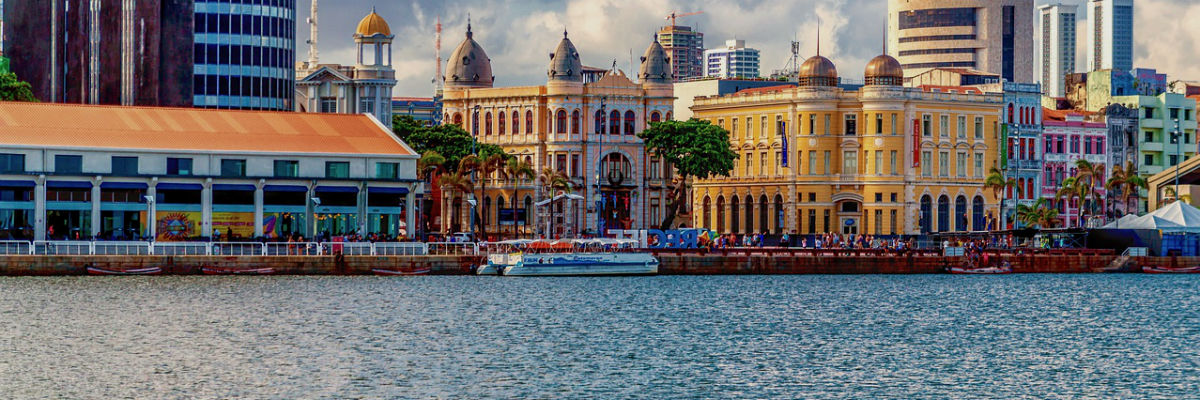
⚡ The TL;DR Verdict
Choosing between Salvador and Recife means picking your flavor of Brazilian magic. Salvador beckons those craving deep cultural immersion, vibrant street life, and a strong connection to Afro-Brazilian heritage, ideal for adventurers on a mid-range budget (R$350-700 / $70-140 USD daily). Recife offers a more urban, organized experience with stunning beaches, historic Olinda a stone's throw away, and a bustling arts scene, perfect for travelers seeking comfort and variety, with a similar daily budget range.
- Choose Salvador: For the history buff, the culture seeker, and anyone wanting to feel the raw, rhythmic pulse of Brazil's African roots. If you love street art, live music, spiritual traditions like Candomblé, and don't mind a bit of grit with your glamour, Salvador is your spot. Budget travelers and those seeking an 'unfiltered' experience will thrive here.
- Choose Recife: If you prefer a more modern urban setting with easy access to a stunning colonial gem (Olinda) and beautiful city beaches (Boa Viagem, shark warnings notwithstanding). Recife is great for foodies, art lovers, and those who appreciate a well-organized city infrastructure, but still want authentic Brazilian charm. It's also a good base for exploring the Pernambucan coast.
- Choose Both: Absolutely! If you have 10-14 days or more, combining both offers an incredible spectrum of Northeast Brazil. Fly between them (approx. 1.5 hrs, R$300-600 / $60-120 USD one-way). Start with Salvador for 4-5 days to soak in its unique culture, then fly to Recife for another 4-5 days to explore its urban delights and Olinda, perhaps adding a day trip to Porto de Galinhas.
Quick Comparison
| Category | Salvador | Recife | Winner |
|---|---|---|---|
| Culture & History | Unrivaled Afro-Brazilian heritage, Pelourinho's colonial splendor, vibrant Candomblé traditions. | Historic Olinda (UNESCO site), Dutch colonial influence, Marco Zero & Rua do Bom Jesus in Recife Antigo. | Salvador |
| Beaches | City beaches like Porto da Barra are charming but small; stunning natural beaches require day trips. | Boa Viagem beach is famous (and infamous for sharks); cleaner city beaches, easy access to coastal gems. | Recife |
| Food Scene | Unique Bahian cuisine: Acarajé, Moqueca, Abará. Strong African and Portuguese influences. | Pernambucan specialties like Bolo de Rolo, Tapioca, seafood. Diverse dining options. | Salvador |
| Nightlife | Spontaneous street parties, live samba, Pelourinho's vibrant bars, traditional forró nights. | Lively bars and clubs in Boa Viagem, sophisticated options in Recife Antigo, strong music scene. | Salvador |
| Costs & Budget | Generally slightly cheaper for local food and transport, good value for money hostels/pousadas. | Similar overall costs, but potentially higher for upscale dining/accommodation in Boa Viagem. | Salvador |
| Safety & Vibe | Can feel intense, requires vigilance, but offers an authentic, raw Brazilian experience. | More organized feel, but still requires caution, especially at night; generally perceived as slightly 'safer' in tourist zones. | Tie |
| Getting There | Salvador (SSA) has a major international airport with good domestic connections. | Recife (REC) also boasts a large international airport, excellent hub for Northeast Brazil. | Tie |
| Getting Around | Hilly terrain in Pelourinho, ride-sharing common, limited metro/bus for tourists. | Flatter, more organized grid, good bus network, easy ride-sharing, metro connects some areas. | Recife |
| Accommodation | Charming pousadas in historic Pelourinho, hostels, and modern hotels outside the center. | Wide range from luxury hotels on Boa Viagem to boutique stays in Recife Antigo and hostels. | Salvador |
| Day Trips | Praia do Forte, Morro de São Paulo, Cachoeira, stunning nature and beaches. | Olinda (UNESCO site), Porto de Galinhas, Maragogi, diverse coastal and historical options. | Recife |
📜 Culture & History
Salvador is the undeniable heart of Afro-Brazilian culture. Its Pelourinho district, a UNESCO World Heritage site, is a kaleidoscope of colorful colonial buildings, Baroque churches like the dazzling São Francisco Church (entry R$10-20 / $2-4), and the rhythmic sounds of Olodum drummers echoing through cobblestone streets. You can literally feel the history of slavery and resistance here, especially at the Casa do Benin or the Museu Afro-Brasileiro. Recife's historical draw is primarily the nearby city of Olinda, another UNESCO site, famous for its picturesque hills, art studios, and beautiful churches such as the Igreja da Sé. Recife Antigo also has its charm with Marco Zero and Rua do Bom Jesus. While Olinda is breathtakingly beautiful and offers a different perspective on colonial Brazil, Salvador's cultural depth, its everyday living history, and the pervasive influence of African traditions on its food, music, and religion are simply more profound and immersive. As one Redditor put it, "Salvador isn't just history, it *is* history still breathing on every street corner. Olinda is gorgeous but feels more like a museum." Salvador's cultural impact is transformative; Recife's is more picturesque.
Winner takeaway
- Winner: Salvador
- Why: Salvador's pervasive Afro-Brazilian culture and the living history of Pelourinho offer a deeper, more immersive cultural experience.
- Who this matters for: History buffs, cultural explorers, those interested in African diaspora and religious traditions.
🏖️ Beaches
When it comes to accessible city beaches, Recife takes the lead, even with its infamous shark warnings. Boa Viagem beach is expansive, clean, and lined with natural reef pools at low tide, perfect for a refreshing dip (always heed local warnings and stay within the reefs!). There are plenty of kiosks, restaurants, and a lively promenade. In Salvador, the city beaches like Porto da Barra are beautiful and popular for sunset views and casual swims, but they are smaller and can get very crowded. For truly pristine, expansive beaches in Salvador, you'll need to venture out to destinations like Praia do Forte (about 1.5 hrs, bus R$20-30 / $4-6) or Morro de São Paulo (ferry R$150-200 / $30-40). Recife, however, also serves as a fantastic gateway to world-class beaches like Porto de Galinhas (1 hr, van R$15-25 / $3-5), known for its natural pools and crystal-clear waters, which are arguably superior to Salvador's immediate offerings. "Boa Viagem is surprisingly good if you stick to the low tide pools, and Olinda is just 20 mins away. Best of both worlds," noted a traveler on Reddit, highlighting Recife's convenience for beach lovers and sightseers alike.
Winner takeaway
- Winner: Recife
- Why: Recife offers more extensive and easily accessible city beaches, plus proximity to world-renowned coastal day trips.
- Who this matters for: Beach lovers, families with kids (sticking to reef pools), those who prioritize convenient beach access.
🍲 Food Scene
Salvador's food scene is a gastronomic adventure, deeply intertwined with its African heritage. Bahian cuisine is distinct, flavorful, and often incorporates dendê oil, coconut milk, and fresh seafood. You absolutely must try acarajé from a 'baiana' street vendor (R$10-15 / $2-3 each), a deep-fried black-eyed pea fritter stuffed with vatapá, caruru, and shrimp. Moqueca, a rich seafood stew, is another staple; try it at establishments like Restaurante do Senac (buffet R$80-120 / $16-24). Recife offers its own delights, such as Bolo de Rolo, a delicate guava roll cake (pieces R$15-30 / $3-6), and an abundance of fresh seafood. The dining scene in Recife, especially in areas like Boa Viagem, feels more international and diverse with a wider array of modern restaurants. However, for a truly unique and regionally specific culinary journey, Salvador wins. "The smell of acarajé on the streets of Salvador is something else. Never tasted anything quite like it anywhere else in Brazil," a user commented on r/travel, capturing the essence of Salvador's singular food experience. While Recife has great food, Salvador's is an essential part of its cultural identity.
Winner takeaway
- Winner: Salvador
- Why: Salvador offers a more unique, distinctive, and culturally integrated culinary experience with its iconic Bahian cuisine.
- Who this matters for: Foodies, culinary adventurers, those seeking regional specialties and street food experiences.
🎉 Nightlife
Salvador's nightlife is as electrifying and spontaneous as its daytime vibe. Pelourinho comes alive after dark with live music spilling from bars, impromptu samba circles forming in squares, and traditional forró dance halls inviting everyone to join. Rio Vermelho is another hot spot, known for its bohemian atmosphere, popular bars like Boteco do França, and street food. The energy is raw, authentic, and often less structured, leading to unforgettable nights. Recife offers a more diverse and often more organized nightlife. Boa Viagem is packed with modern clubs and bars, while Recife Antigo has charming pubs and a growing number of sophisticated venues. The city also has a strong music scene, particularly for frevo and maracatu, especially during Carnival. However, for sheer cultural immersion and the thrill of unexpected street festivities, Salvador takes the crown. As one Reddit user put it, "You just walk around Pelourinho at night and something amazing happens. It's not always a huge club, but the energy is infectious." Salvador offers a more visceral, interactive, and distinctly Brazilian party experience.
Winner takeaway
- Winner: Salvador
- Why: Salvador's nightlife offers a more authentic, spontaneous, and culturally rich experience with street parties and live music.
- Who this matters for: Party-goers, music lovers, those seeking spontaneous social interactions and traditional Brazilian rhythms.
💰 Costs & Budget
Both Salvador and Recife offer excellent value compared to major international destinations, but Salvador often provides a slightly more budget-friendly experience, especially for travelers willing to embrace local options. Street food in Salvador, like a filling acarajé or an açaí bowl, can be as little as R$10-20 / $2-4. Local buses are around R$5-7 / $1-1.40. Mid-range meals at a typical 'kilo' restaurant (pay by weight) cost R$30-50 / $6-10. Hostels average R$60-100 / $12-20 per night, and charming pousadas in Pelourinho can be R$150-300 / $30-60. Recife is comparable, but its more modern infrastructure and a higher concentration of upscale establishments in areas like Boa Viagem can nudge prices up slightly for dining and accommodation. Transportation, like ride-sharing services (Uber/99), is similarly priced in both cities, with a typical 15-20 minute ride costing R$20-40 / $4-8. "My Salvador budget felt like it went further than in Recife, mostly because I ate a lot more street food and local spots without compromising on quality," remarked a solo traveler, highlighting Salvador's edge for budget-conscious explorers.
Winner takeaway
- Winner: Salvador
- Why: Salvador often provides slightly better value for budget travelers, particularly for authentic local food and experiences.
- Who this matters for: Budget-conscious travelers, backpackers, those seeking maximum value for their money.
⚠️ Safety & Vibe
Both Salvador and Recife, like many large Brazilian cities, unfortunately grapple with safety concerns, and vigilance is paramount in both. In Salvador, especially in Pelourinho and other tourist areas, you'll encounter a strong police presence, but petty crime like pickpocketing is common, particularly after dark. The vibe can feel more intense and chaotic, with a raw, unfiltered energy that some find exhilarating and others find overwhelming. Recife generally feels a bit more organized and structured. Tourist zones like Boa Viagem are well-lit and have security, but areas of Recife Antigo can feel empty and less safe at night. Shark attacks are a rare but well-publicized concern at some Recife beaches, necessitating strict adherence to warnings. "Honestly, both felt about the same in terms of needing to be aware of your surroundings. Don't flash valuables, stick to busy areas, and use ride-sharing at night. Common sense stuff," a Reddit user advised, encapsulating the need for universal caution. Neither city is a 'walk anywhere anytime' kind of place, and both offer a vibrant, yet demanding, experience.
Winner takeaway
- Winner: Tie
- Why: Both cities require similar levels of vigilance and caution from travelers, with unique challenges and comforts.
- Who this matters for: All travelers, emphasizing the need for personal awareness and common-sense safety practices in both destinations.
✈️ Getting There
Both Salvador (Deputado Luís Eduardo Magalhães International Airport - SSA) and Recife (Guararapes-Gilberto Freyre International Airport - REC) serve as major gateways to Northeast Brazil, making them equally convenient to reach. Both airports handle numerous domestic flights from major Brazilian cities like São Paulo (GRU/CGH), Rio de Janeiro (GIG/SDU), and Brasília (BSB), with flight times typically ranging from 2 to 3 hours and prices from R$300-800 / $60-160 USD one-way, depending on booking in advance and airline. They also have international connections, though usually fewer direct options than São Paulo or Rio. From the airports, ride-sharing apps (Uber, 99) are readily available and cost around R$40-70 / $8-14 to reach central areas. Public transport options exist but are generally less convenient with luggage. "Getting into both cities from the airport was a breeze with Uber, no real difference there," a traveler mentioned, underscoring the similar ease of access. Neither city holds a distinct advantage in terms of initial arrival convenience for most travelers.
Winner takeaway
- Winner: Tie
- Why: Both cities have equally accessible major international airports with excellent domestic connections.
- Who this matters for: All travelers, as both are equally convenient for arrival and departure within Brazil.
🚕 Getting Around
Recife generally offers a slightly more straightforward experience for getting around. The city's flatter terrain and more organized grid make walking easier in many areas, particularly along Boa Viagem. It also has a reasonably extensive bus network, though navigating it as a tourist can be challenging. Ride-sharing apps like Uber and 99 are prevalent, reliable, and affordable for most distances within the city (average R$15-35 / $3-7). Salvador, while manageable, presents a few more challenges. The historic Pelourinho district is very hilly, making walking tiring, and the Elevador Lacerda (R$0.15 / $0.03 for a ride!) connects the upper and lower cities. The bus system is extensive but complex, and while ride-sharing is equally popular and essential for reaching different neighborhoods, traffic can be intense. "Recife felt easier to navigate without constant uphill battles. Salvador's hills are charming but tiring," a traveler commented on Reddit, pointing to the practical differences. For sheer ease and less physical exertion, Recife has a slight edge.
Winner takeaway
- Winner: Recife
- Why: Recife's flatter terrain and slightly more organized transport network make getting around marginally easier for tourists.
- Who this matters for: Travelers with mobility concerns, those who prefer less walking, or desire more predictable transport options.
🏨 Accommodation
Both cities offer a broad spectrum of accommodation, but Salvador wins for its unique character. Staying in a 'pousada' within Pelourinho offers an incredibly atmospheric and historic experience. Imagine waking up in a colonial building with colorful facades, often with inner courtyards and delicious breakfasts – Hotel Casa do Amarelindo (R$600-1200 / $120-240) or Pousada Solar dos Deuses (R$300-600 / $60-120) are prime examples. There are also numerous excellent hostels for budget travelers, like Hostel Galeria 13. Outside the historic center, areas like Barra offer modern hotels. Recife provides more choices for modern, high-rise hotels, particularly along Boa Viagem, catering to business travelers and those wanting beach access (e.g., Grand Mercure Recife Boa Viagem, R$400-800 / $80-160). There are also charming boutique hotels and hostels in Recife Antigo. However, the sheer charm and historical immersion of Salvador's Pelourinho pousadas provide a more memorable and authentic stay that's hard to beat. "Staying right in Pelourinho was like living in a postcard. Waking up to the sounds of the city was just magical," a traveler shared, highlighting Salvador's distinctive appeal.
Winner takeaway
- Winner: Salvador
- Why: Salvador offers more unique and historically immersive accommodation options within its iconic Pelourinho district.
- Who this matters for: Those seeking atmospheric, historic stays; travelers who value unique lodging experiences over modern amenities.
🗺️ Day Trips
Both Salvador and Recife are excellent bases for day trips, but Recife edges out Salvador due to the incredible proximity and ease of accessing Olinda, a UNESCO World Heritage site, and world-class beaches like Porto de Galinhas. Olinda is just a 20-30 minute bus ride (R$5-7 / $1-1.40) or taxi/Uber (R$25-40 / $5-8) away from Recife city center, making it an incredibly convenient and picturesque escape. Porto de Galinhas, with its natural pools and vibrant town, is only about an hour's drive (tours R$100-200 / $20-40, vans R$20-30 / $4-6). Further afield is Maragogi, famous for its 'galés' (natural pools). Salvador offers fantastic day trips too, such as Praia do Forte (known for sea turtle conservation, 1.5 hrs, bus R$20-30 / $4-6) and the beautiful island of Morro de São Paulo (a bit more involved to reach, 2.5-3 hrs by ferry/catamaran, R$150-200 / $30-40). While Morro de São Paulo is arguably one of Brazil's best islands, the sheer convenience and diversity of options from Recife, with Olinda as an immediate, world-class highlight, give it the win. "Being able to pop over to Olinda for a few hours and then hit the beach in Porto de Galinhas all in one weekend from Recife was amazing," a traveler recounted, showing Recife's superior convenience.
Winner takeaway
- Winner: Recife
- Why: Recife offers easier and quicker access to a UNESCO World Heritage site (Olinda) and multiple world-class beaches.
- Who this matters for: Travelers who prioritize convenient, diverse day trip options, especially those interested in both history and beaches.
❓ Frequently Asked Questions
Are the shark warnings at Boa Viagem beach in Recife serious?
Yes, absolutely. The warnings are real and should be taken seriously. Shark attacks, though rare, have occurred, particularly outside the natural reef formations. Always swim only during low tide when natural pools are formed by the reefs, and never venture beyond these protected areas, especially at high tide. Heed all local signage and lifeguard advice.
What's the best time of year to visit Salvador or Recife?
The best time for both cities is generally during the dry season, from September to March. This avoids the heavier rains of April to July. Temperatures are warm year-round (25-30°C / 77-86°F). If you want to experience Carnival, both cities host huge celebrations in February/March, but accommodation prices surge dramatically, and crowds are immense.
Is Salvador safe for solo female travelers?
Salvador, like many large cities, requires vigilance. Solo female travelers should exercise common sense: avoid walking alone at night, use ride-sharing apps, don't flash valuables, and be aware of your surroundings. Pelourinho is generally well-policed during the day but can feel less safe at night. Stay in reputable accommodations and trust your gut.
Can I visit both Salvador and Recife on a single trip?
Yes, and it's highly recommended if you have at least 10-14 days! A domestic flight between Salvador (SSA) and Recife (REC) takes about 1.5 hours and typically costs R$300-600 / $60-120 USD. This allows you to experience the distinct flavors of both cities without excessive travel time, offering a more comprehensive Northeast Brazil experience.
How do Carnival celebrations compare in Salvador and Recife?
Carnival in Salvador is famous for its massive street parties with 'blocos' (parade groups) and 'trios elétricos' (sound trucks) drawing millions. It's a high-energy, participatory experience. Recife and Olinda's Carnival is more traditional, focusing on local rhythms like frevo and maracatu, with parades of giant puppets and cultural groups. Both are incredible, but offer very different vibes.
Which city is better for art and music?
Both cities have rich artistic and musical traditions. Salvador, with its strong African roots, excels in live music, dance (capoeira), and traditional arts, particularly in Pelourinho. Recife, especially with Olinda nearby, has a vibrant contemporary art scene with numerous galleries and studios, alongside its unique musical genres like frevo. It's a tie, depending on your preferred style of art and music.
What's the public transportation like in each city?
Both cities rely heavily on bus networks, which can be extensive but complex for tourists. Ride-sharing apps (Uber, 99) are widely available, affordable, and the recommended method for most travelers. Salvador also has the iconic Elevador Lacerda connecting its upper and lower cities. Recife has a small metro system, but it doesn't cover all tourist areas effectively. Overall, ride-sharing is king in both.
Are English speakers common in Salvador and Recife?
While major hotels and tour operators in both cities will likely have English-speaking staff, outside of these, English proficiency is not widespread. Knowing some basic Portuguese phrases will greatly enhance your experience and interactions with locals. Google Translate and other translation apps are highly recommended for navigating everyday situations.
Ready to plan your Northeast Brazil trip?
Get a free custom itinerary for Salvador, Recife, or both — built from real traveler insights.
🎟️ Book Tours & Experiences
Hand-picked tours and activities for both destinations — book with free cancellation
Experiences via Viator — free cancellation on most tours