How we built this comparison
This page combines traveler discussion patterns, published price ranges, flight schedules, and seasonal data to help you decide between Salzburg and Munich.
- Reviewed 100+ Reddit threads from r/travel, r/solotravel, r/Austria, r/Germany, r/Munich, r/Salzburg.
- Verified costs and logistics against current booking platforms (e.g., booking.com, Deutsche Bahn, local attraction websites).
- Cross-referenced seasonal patterns, weather data, and major event calendars to provide optimal timing advice.
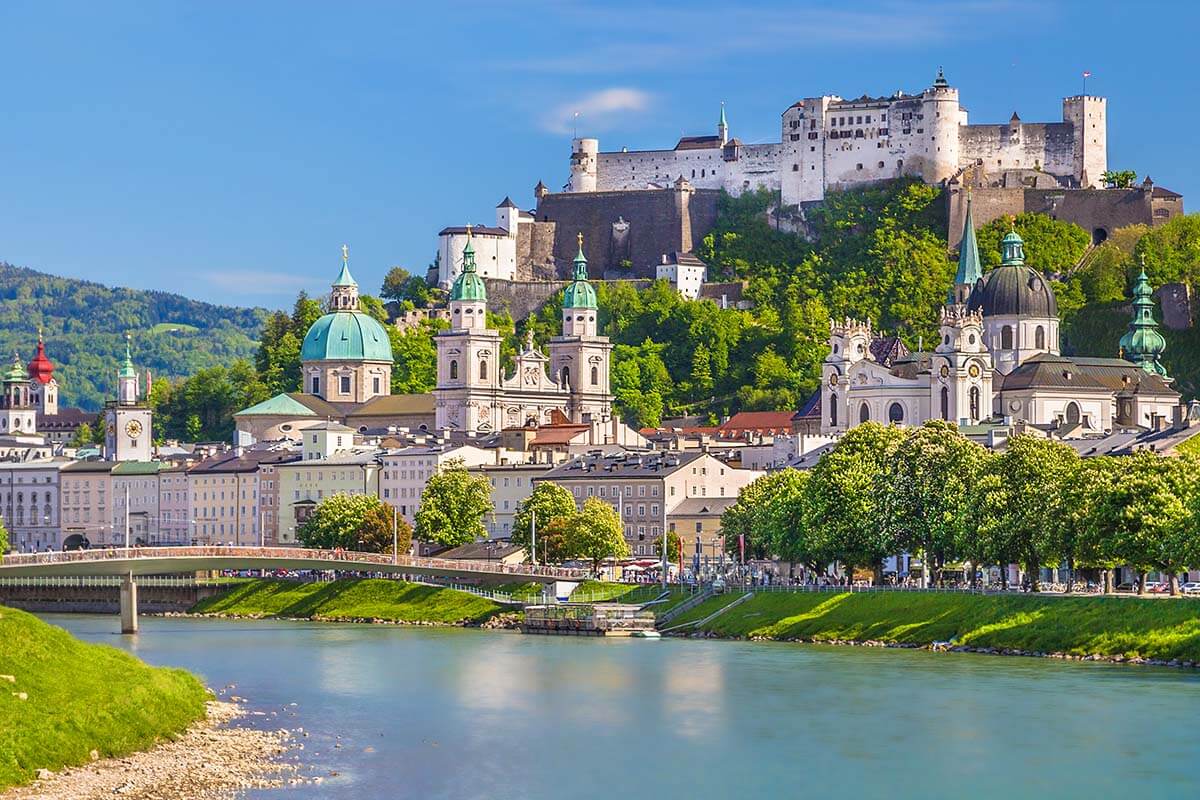
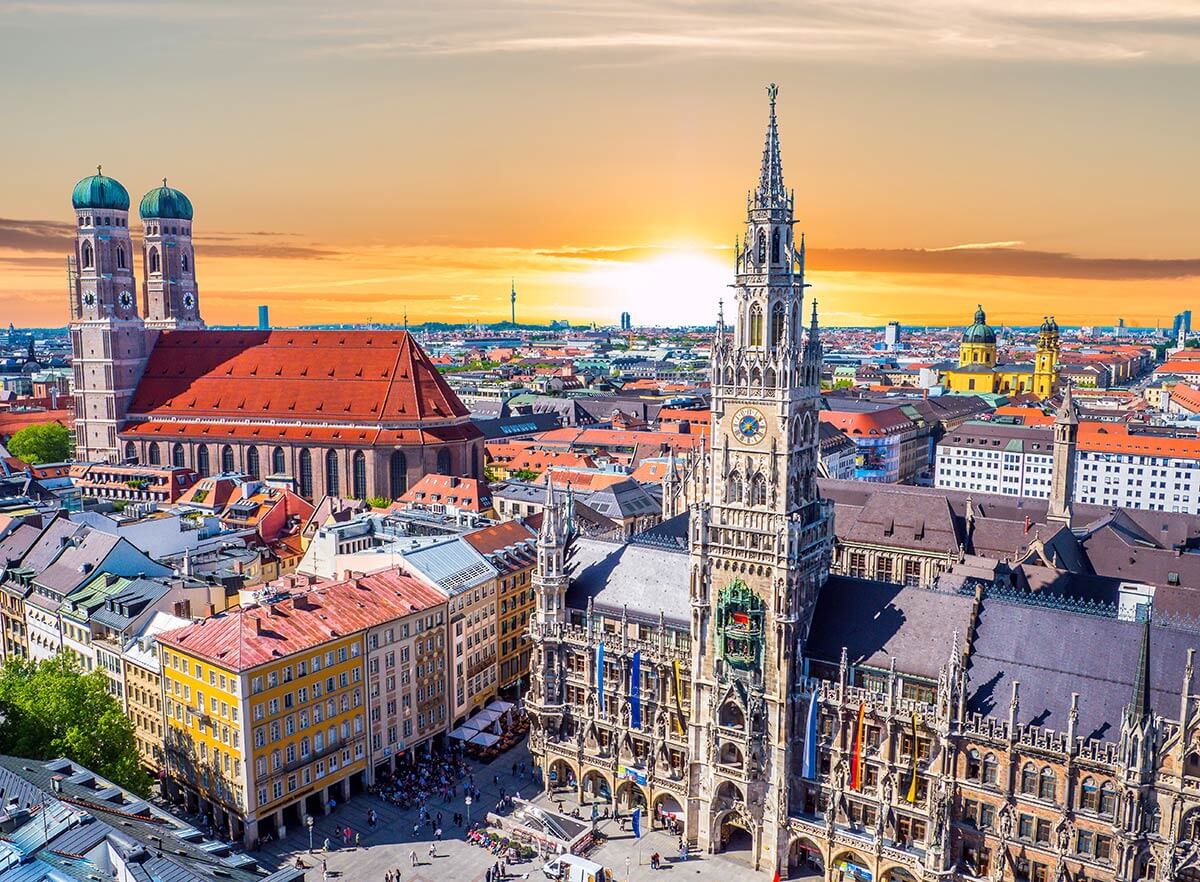
⚡ The TL;DR Verdict
For those seeking quaint charm, concentrated history, and breathtaking Alpine scenery on a slightly more relaxed budget, Salzburg is your winner, with a rough daily budget of €70-€120 ($75-$130). If you crave a vibrant big-city atmosphere, world-class museums, legendary beer halls, and easy access to grand castles, Munich should be your pick, budgeting €90-€150 ($97-$162) per day.
- Choose Salzburg: Pick Salzburg if you're drawn to Mozart, 'Sound of Music' nostalgia, walkable historic centers, and stunning mountain backdrops without the big-city hustle.
- Choose Munich: Opt for Munich if you prefer a larger, more cosmopolitan city experience, iconic beer culture, extensive museums, and a livelier nightlife scene.
- Choose Both: If you have 5-7 days, combining both is highly recommended. They are only about 1.5-2 hours apart by train, offering a perfect blend of Austrian elegance and Bavarian might.
Quick Comparison
| Category | Salzburg | Munich | Winner |
|---|---|---|---|
| Culture & History | Concentrated Baroque beauty, Mozart's birthplace, 'Sound of Music' fame, medieval fortress. | Rich Bavarian heritage, royal palaces, WWII history, world-class museums. | Salzburg |
| Food & Drink | Traditional Austrian fare, local beer halls, Mozartkugel, Nockerl. | Hearty Bavarian cuisine, world-famous beer halls, Viktualienmarkt, diverse international options. | Munich |
| Nightlife | Relaxed pubs, traditional beer gardens, classical concerts, cozy wine bars. | Vibrant bar scene, world-famous beer halls, nightclubs, live music venues. | Munich |
| Costs & Budget | Generally slightly more affordable for accommodation and dining, especially outside peak festival times. | Higher average costs, especially for accommodation and transport, but more budget options exist. | Salzburg |
| Getting There & Around | Small airport, well-connected by train, very walkable city center. | Major international airport, extensive public transport, larger city to navigate. | Munich |
| Accommodation | Charming boutique hotels, guesthouses in historic buildings, slightly better value. | Wide range from luxury to hostels, more chain hotels, can be pricey during events. | Salzburg |
| Day Trips | Alpine lakes, ice caves, 'Sound of Music' locations, picturesque villages. | Fairytale castles, poignant historical sites, scenic Bavarian Alps towns. | Tie |
| Nature & Scenery | Nestled in the Alps, stunning river views, immediate access to mountains and lakes. | Large urban parks, Isar River, but mountains require a day trip. | Salzburg |
| Shopping | Charming boutiques, local crafts, Mozartkugel, traditional attire. | High-end luxury brands, department stores, diverse international and local shops. | Munich |
| Family Friendliness | Walkable, 'Sound of Music' appeal, interactive fortress, gentle pace. | Large parks, Deutsches Museum, Nymphenburg Palace, more kid-friendly activities. | Munich |
🏛️ Culture & History
Salzburg truly shines for its concentrated historical and cultural depth within a small, easily walkable area. You can explore Mozart's Birthplace and Residence (entry ~€13-€15), stroll through the enchanting Mirabell Gardens, and ascend to the imposing Hohensalzburg Fortress (funicular + entry ~€16-€19) all within a day or two. The city is a Baroque masterpiece, feeling like an open-air museum. Munich, while historically significant with royal residences like the Residenz (entry ~€9) and poignant WWII sites, spreads its cultural gems more widely. Its history often feels grander, more regal, but less intimately woven into the city fabric than Salzburg's. For focused, picturesque history, Salzburg has an undeniable edge. "Salzburg felt like stepping into a postcard, every corner was just dripping with history and beauty. Munich was cool, but a different vibe, more big-city history." The 'Sound of Music' tours (starting ~€45) are a huge draw for many, a cultural experience uniquely Salzburg's.
Winner takeaway
- Winner: Salzburg
- Why: Salzburg's history is more densely packed and visually stunning, offering an immersive, walkable cultural experience.
- Who this matters for: First-time European travelers, history buffs, and those who appreciate architectural beauty.
🍻 Food & Drink
Munich absolutely takes the cake for food and drink, largely due to its legendary beer culture and culinary diversity. You can't beat the experience of a massive beer hall like the Hofbräuhaus or Augustiner-Keller, where a liter of beer (Maß) costs around €10-€12 and a giant pretzel is €4-€5. Traditional Bavarian dishes like Schweinshaxe (pork knuckle), Weisswurst, and Käsespätzle are ubiquitous and delicious. The Viktualienmarkt offers an incredible array of fresh produce, cheeses, and international street food. Salzburg offers fantastic Austrian cuisine, with Wiener Schnitzel (expect €20-€30), Tafelspitz, and the iconic Salzburger Nockerl dessert. The Stiegl-Keller and Augustiner Bräu Mülln are excellent beer gardens, but they don't quite match the sheer scale and variety of Munich's beer scene. "Munich's food scene felt more vibrant, especially with all the different beer gardens and the market. Salzburg was good, but more traditional and less choice." For both traditional hearty fare and broader international options, Munich is the clear winner.
Winner takeaway
- Winner: Munich
- Why: Munich offers a more diverse culinary scene, iconic beer hall experiences, and a wider range of dining options.
- Who this matters for: Foodies, beer enthusiasts, and travelers who enjoy exploring local markets.
🎉 Nightlife
If you're looking for a lively evening, Munich is undoubtedly the better choice. Its nightlife ranges from the boisterous, communal atmosphere of its historic beer halls like Hofbräuhaus, which often features live Oompah bands until late, to trendy bars in the Glockenbachviertel and numerous nightclubs around the Ostbahnhof area. You can find everything from sophisticated cocktail lounges to underground techno clubs. Salzburg's nightlife is significantly more subdued. It revolves more around traditional Austrian pubs, cozier wine bars in the Old Town, and classical music performances, especially during the festival season. While you can find a few lively spots, it's not a city for dancing until dawn. "Salzburg pretty much shuts down by 10 or 11, unless you're at a specific pub. Munich has so much more going on, felt way younger and more active after dark." For a true party atmosphere and diverse evening entertainment, Munich wins hands down, offering options for every taste and energy level.
Winner takeaway
- Winner: Munich
- Why: Munich boasts a much larger and more varied nightlife, from iconic beer halls to diverse clubs and bars.
- Who this matters for: Younger travelers, party-goers, and anyone seeking late-night entertainment.
💰 Costs & Budget
Overall, Salzburg tends to be marginally more budget-friendly than Munich, especially for accommodation and basic meals. A decent budget hotel in Salzburg might run you €80-€120 ($86-$130) per night, while a comparable room in Munich could be €100-€150 ($108-$162). Public transport in Salzburg is efficient with single tickets around €2.10 and a 24-hour pass at €8.30. In Munich, a single ticket is €3.70, and a day ticket is €8.80. Food costs are also slightly lower in Salzburg, with a typical main course at a casual restaurant costing €15-€25 compared to €18-€30 in Munich. Entrance fees for major attractions are comparable, but Salzburg's walkable nature means less spent on transport. "I found Salzburg a bit easier on the wallet, especially for food and accommodation. Munich felt like everything was just a few euros more expensive across the board." While both are Western European cities, Salzburg's smaller size and less intense demand often translate to better value for money, particularly if you're mindful of your choices.
Winner takeaway
- Winner: Salzburg
- Why: Salzburg generally offers better value for money in accommodation, dining, and local transport.
- Who this matters for: Budget-conscious travelers, backpackers, and those looking to stretch their euros further.
✈️ Getting There & Around
Munich boasts a significant advantage in accessibility due to its major international airport (MUC), one of Europe's busiest hubs, offering direct flights from countless global destinations. From MUC, you can reach the city center via S-Bahn (train) in about 45 minutes for €11.60. The city's public transport system (U-Bahn, S-Bahn, trams, buses) is extensive and incredibly efficient, making it easy to navigate its sprawling size. Salzburg has a smaller airport (SZG) with fewer direct international connections, often requiring a layover. However, it's well-connected by train from Munich (1.5-2 hours, tickets from €20-€40) and Vienna. Once in Salzburg, the historic center is remarkably compact and best explored on foot, and its local bus system is excellent. "Munich's airport and train connections are just way better for starting a trip in the region. Salzburg is charming, but getting there can be more of a hassle from overseas." While Salzburg is easier to walk around, Munich's superior international connectivity and robust internal transit system make it a more convenient hub for arrival and broader exploration.
Winner takeaway
- Winner: Munich
- Why: Munich offers superior international airport connectivity and a more extensive public transportation network for broader travel.
- Who this matters for: International travelers, those planning multi-city trips, and anyone prioritizing ease of access.
🏨 Accommodation
Salzburg offers a more charming and often better-value accommodation experience, especially if you're seeking a unique stay. You'll find many delightful boutique hotels and guesthouses housed in historic buildings within or very close to the Old Town, such as Hotel Sacher Salzburg (luxury, from €400) or Hotel Goldener Hirsch (mid-range, from €200). Even mid-range options like the Star Inn Hotel Premium Gablerbräu (from €120) offer excellent locations. In Munich, while there's a vast array of choices from budget hostels (e.g., Wombat's City Hostel, beds from €30) to high-end luxury hotels like the Hotel Bayerischer Hof (from €500), prices can skyrocket during major events like Oktoberfest. Finding a centrally located, charming hotel at a reasonable price is often harder in Munich. "I loved my little guesthouse in Salzburg, felt so authentic and was right near everything. Munich felt more generic unless you splurged a lot." Salzburg's smaller size means you're almost always within walking distance of key attractions, and its accommodation often feels more integrated with the city's character.
Winner takeaway
- Winner: Salzburg
- Why: Salzburg provides more charming, centrally located, and often better-value accommodation options.
- Who this matters for: Travelers seeking characterful stays, those who prefer walkable locations, and mid-range budget travelers.
⛰️ Day Trips
This category is a tough one, as both cities offer incredible day trip opportunities, appealing to different tastes. From Salzburg, you're perfectly positioned to explore the stunning Salzkammergut Lake District, including Hallstatt (easily reached by bus/train combo, ~€15-€25 each way, or tour for ~€60), the Werfen Ice Caves, or the picturesque village of St. Wolfgang. The 'Sound of Music' locations are also popular day trips. Munich's crown jewel for day trips is undoubtedly Neuschwanstein Castle (train to Füssen and bus, ~€30-€40 return with Bayern Ticket, entry €18), a fairytale icon. Other popular options include the somber Dachau Concentration Camp Memorial (S-Bahn and bus, local ticket ~€8.80) and the beautiful Alpine town of Garmisch-Partenkirchen for Zugspitze access. "Both have amazing day trips, honestly. If you love castles, Munich wins. If you love quaint towns and lakes, Salzburg is it." The choice here truly depends on your personal interests, making it a tie for overall quality and diversity of offerings.
Winner takeaway
- Winner: Tie
- Why: Both cities offer distinct and equally compelling day trip options catering to different interests, from castles to Alpine lakes.
- Who this matters for: All travelers; your choice depends entirely on whether you prefer castles/history or natural beauty/lakes.
🏞️ Nature & Scenery
Salzburg is nestled in a postcard-perfect setting, quite literally surrounded by rolling hills and the dramatic peaks of the Alps. The Mönchsberg and Kapuzinerberg mountains offer immediate hiking trails and breathtaking panoramic views right from the city center. The Salzach River flowing through the city adds to its charm, and the Salzkammergut Lake District is just a short drive or bus ride away, offering pristine lakes and charming villages. Munich, while having the expansive English Garden (larger than NYC's Central Park!) and the lovely Isar River flowing through it, is fundamentally a much larger urban sprawl. To experience significant natural beauty or the Alps, you need to take a day trip. "Salzburg is just *in* the mountains, you feel it everywhere. Munich's English Garden is great, but it's not the same as having real mountains right there." For immediate, immersive access to stunning Alpine scenery and natural landscapes, Salzburg is the undisputed champion, effortlessly blending urban charm with natural grandeur.
Winner takeaway
- Winner: Salzburg
- Why: Salzburg's immediate proximity to the Alps and picturesque lakes offers unparalleled natural beauty and outdoor access.
- Who this matters for: Nature lovers, hikers, photographers, and those seeking scenic views right from their hotel window.
🛍️ Shopping
Munich is a shopper's paradise compared to Salzburg. It boasts major shopping streets like Maximilianstraße for luxury brands (think Gucci, Prada), Kaufingerstraße for mainstream fashion and department stores like Oberpollinger, and Sendlinger Straße for a mix of trendy boutiques and larger chains. The Viktualienmarkt also offers unique culinary gifts and local specialties. You can find everything from high fashion to unique Bavarian souvenirs. Salzburg's shopping scene is more niche and charming, centered around the Getreidegasse with its historic guild signs. Here you'll find traditional Austrian dirndls and lederhosen, local crafts, and, of course, countless shops selling Mozartkugel chocolates. "If you want serious shopping, Munich is the place. Salzburg is more for unique souvenirs and local stuff, which is lovely, but not extensive." For sheer variety, big-name brands, and a broader retail experience, Munich is the clear winner, offering options for every budget and taste.
Winner takeaway
- Winner: Munich
- Why: Munich offers a much wider range of shopping experiences, from luxury brands to large department stores and diverse boutiques.
- Who this matters for: Fashionistas, souvenir hunters, and travelers who enjoy a diverse retail therapy experience.
👨👩👧👦 Family Friendliness
Munich edges out Salzburg for family-friendliness due to its sheer scale and variety of activities catering to all ages. The Deutsches Museum (entry ~€15 adults, €7 kids), one of the world's oldest and largest science and technology museums, is a massive hit with kids. The English Garden offers vast spaces for running around, playgrounds, and even surfing on the Eisbach wave. Nymphenburg Palace has beautiful grounds for exploring, and the Hellabrunn Zoo (entry ~€21 adults, €15 kids) is a full-day adventure. Salzburg is also very family-friendly, particularly with the 'Sound of Music' tours, the Hohensalzburg Fortress (kids love the funicular and castle explore), and its pedestrian-friendly Old Town. The Haus der Natur (Nature Museum) is also a good option. "My kids loved the Deutsches Museum in Munich, we spent a whole day there. Salzburg was pretty, but Munich just had more to keep them busy." However, Munich simply offers more diverse attractions and space for active children to explore beyond historical sites, making it a slightly better bet for families with varied interests.
Winner takeaway
- Winner: Munich
- Why: Munich provides a wider array of kid-friendly attractions, from large museums and parks to zoos, catering to diverse family interests.
- Who this matters for: Families with children of all ages, especially those seeking interactive and varied activities.
❓ Frequently Asked Questions
How long should I spend in Salzburg vs. Munich?
For Salzburg, 2-3 full days are usually enough to see the main sights and soak in the atmosphere. For Munich, you'll want at least 3-4 full days to explore its museums, parks, and distinct neighborhoods without feeling rushed.
Can I do a day trip from Salzburg to Munich, or vice versa?
Yes, absolutely! It's a very popular day trip. The train journey between Salzburg and Munich takes about 1.5 to 2 hours, making it perfectly feasible. You can purchase tickets in advance or use a Bayern Ticket for flexible travel.
Which city is better for Christmas markets?
Both cities have wonderful Christmas markets! Munich has several large, bustling markets, including the iconic one at Marienplatz and the medieval market at Wittelsbacherplatz. Salzburg's Christkindlmarkt is smaller but incredibly charming, set against the backdrop of the fortress. It depends on whether you prefer grand scale or intimate charm.
Is English widely spoken in both Salzburg and Munich?
Yes, English is widely spoken in both cities, especially in tourist areas, hotels, restaurants, and shops. You'll have no trouble communicating. Learning a few basic German phrases like 'hello' (Guten Tag) and 'thank you' (Danke schön) is always appreciated, though.
What's the best time of year to visit?
Late spring (May-June) and early autumn (September-October) are ideal for both, offering pleasant weather and fewer crowds than peak summer. Winter (December) is magical for Christmas markets, but be prepared for cold weather and potential snow.
Are there any specific passes that save money in either city?
In Salzburg, the Salzburg Card is highly recommended for 24, 48, or 72 hours, offering free admission to attractions and public transport. In Munich, a CityTourCard or München Card provides unlimited public transport and discounts on attractions, which can be worthwhile depending on your itinerary.
Which city is more walkable?
Salzburg is significantly more walkable. Its historic Old Town is compact and pedestrian-friendly, allowing you to reach most major attractions on foot. Munich, being a much larger city, requires more reliance on its excellent public transport system to get between different districts and sights.
How do the 'Sound of Music' attractions compare in each city?
The 'Sound of Music' story is almost entirely centered in and around Salzburg, where the film was shot. You'll find numerous tours visiting filming locations. Munich has no direct connection to 'The Sound of Music' beyond being a potential nearby city from which to visit Salzburg.
Ready to plan your Alpine adventure?
Get a free custom itinerary for Salzburg, Munich, or both — built from real traveler insights, tailored just for you.
🎟️ Book Tours & Experiences
Hand-picked tours and activities for both destinations — book with free cancellation
Experiences via Viator — free cancellation on most tours