How we built this comparison
This page combines traveler discussion patterns, published price ranges, flight schedules, and seasonal data to help you decide between Samarkand and Bukhara.
- Reviewed 50+ Reddit threads from r/travel, r/solotravel, r/uzbekistan, and r/backpacking for authentic traveler insights and tips.
- Verified costs and logistics against current booking platforms (e.g., Booking.com, Uzbekistan Railways, local tour operators) and recent traveler reports.
- Cross-referenced seasonal patterns, weather data, and major festival dates to provide optimal timing recommendations.
⚡ The TL;DR Verdict
If you're chasing monumental grandeur and iconic photos, Samarkand is your pick for a shorter, impactful visit. For a more immersive, relaxed dive into Silk Road charm, Bukhara is unbeatable. Budget-wise, expect to spend roughly $40-70 USD per day for a comfortable solo traveler experience in either city.
- Choose Samarkand: Choose Samarkand if you have limited time (2-3 days) and prioritize breathtaking, monumental architecture like the Registan Square. It's more about grand statements and iconic sights, perfect for a powerful first impression.
- Choose Bukhara: Opt for Bukhara if you have 3-4+ days and crave a more intimate, walkable, and atmospheric experience. Its old city is a living museum, perfect for aimless wandering, soaking in the ambiance, and finding hidden gems.
- Choose Both: If you have 5-7 days or more, absolutely visit both. The efficient Afrosiyob fast train connects them, making it easy to experience Samarkand's epic scale and Bukhara's cozy charm without feeling rushed. Start in Samarkand for the 'wow' factor, then unwind in Bukhara.
Quick Comparison
| Category | Samarkand | Bukhara | Winner |
|---|---|---|---|
| Culture & History | Grand, monumental, iconic Silk Road landmarks, a showcase of Tamerlane's empire. | Intimate, preserved old city, a living museum with spiritual depth and ancient madrasahs. | Samarkand |
| Ambiance & Walkability | Sprawling, modern city with historical sites spread out; requires more transport. | Compact, perfectly preserved old city; easily walkable, charming, and immersive. | Bukhara |
| Food & Drink | Home to the famous Plov Center, diverse restaurants, and local bazaars. | Excellent traditional Uzbek cuisine concentrated around Lyab-i Hauz, great tea houses. | Tie |
| Accommodation | Good range from budget hostels to larger hotels, some boutique options near Registan. | Abundant charming guesthouses and boutique hotels within the old city. | Bukhara |
| Costs & Budget | Slightly higher entry fees for some major sites, generally on par with Bukhara. | Generally very affordable, with slightly lower costs for some services and smaller entrance fees. | Tie |
| Getting There & Around | Major transport hub with a large airport and excellent fast train connections. | Well-connected by fast train, but smaller airport, old city is highly walkable. | Samarkand |
| Shopping | Vibrant Siyob Bazaar, excellent for food, spices, and some crafts. | Historic Trading Domes with concentrated artisan shops and traditional goods. | Bukhara |
| Day Trips | Easy access to Shakhrisabz (Tamerlane's birthplace) and Urgut Market. | Options include Gijduvan (ceramics), Chor Minor, or exploring nearby villages. | Samarkand |
| Nightlife | Limited, mostly restaurant-based dining; some evening light shows at Registan. | Limited, but charming evening strolls around Lyab-i Hauz and tea houses. | Tie |
| Solo Travel & Safety | Very safe, easy to navigate, friendly locals, good infrastructure for tourists. | Extremely safe, especially within the walkable old city, very welcoming to solo travelers. | Bukhara |
🏛️ Culture & History
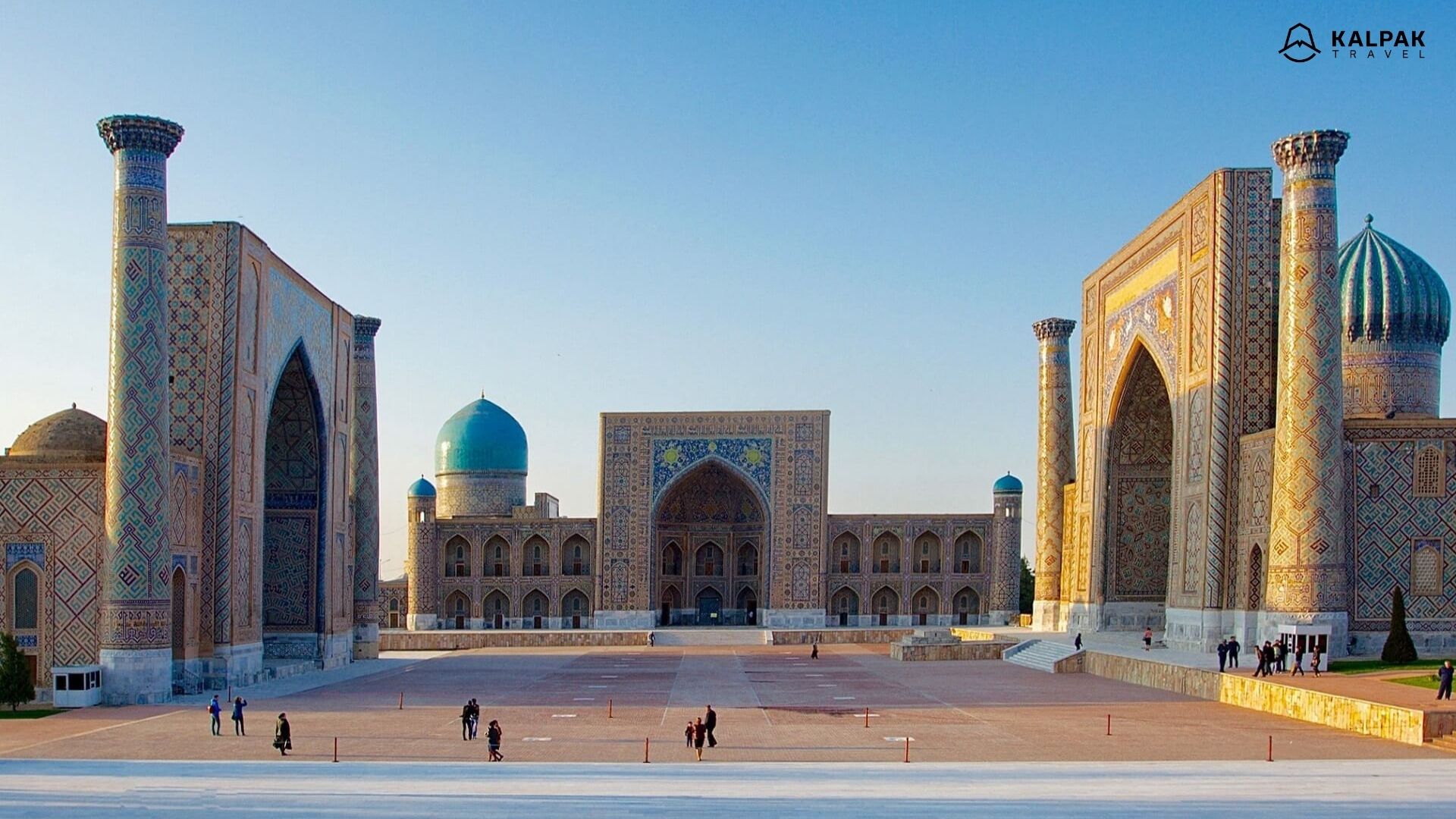
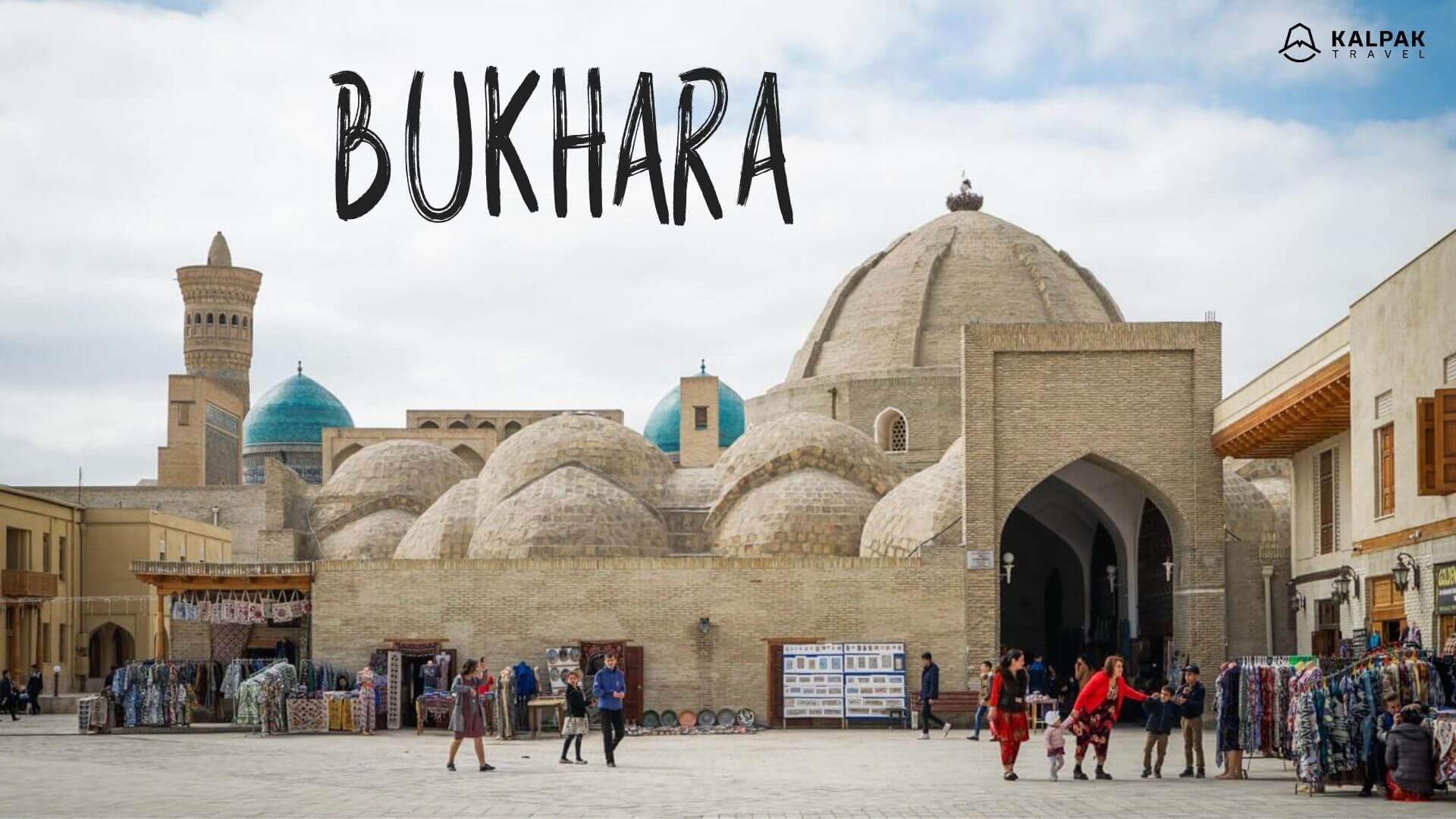
Samarkand is undoubtedly the heavyweight champion for sheer scale and monumental grandeur. The Registan Square, with its three magnificent madrasahs – Ulugbek, Tilya-Kori, and Sher-Dor – is a sight that genuinely takes your breath away and demands multiple visits at different times of day to appreciate its changing light. Bibi-Khanym Mosque and Shah-i-Zinda necropolis are equally stunning. It's a city built to impress, showcasing the might and artistic ambition of Tamerlane's empire. Bukhara, however, offers a different kind of historical immersion. Its old city, a UNESCO World Heritage site, feels like stepping back in time. The Poi Kalyan Complex, including the Kalyan Minaret and Mosque, is the centerpiece, but the magic lies in wandering the narrow alleys, discovering ancient caravanserai, and hidden mosques. It's less about individual 'wow' moments and more about a pervasive historical atmosphere. As one Reddit user put it, "Samarkand is for Instagram, Bukhara is for your soul." While Bukhara's preserved charm is potent, Samarkand's iconic, larger-than-life landmarks give it the edge for immediate historical impact.
Winner takeaway
- Winner: Samarkand
- Why: Samarkand wins for its unparalleled monumental architecture and instantly recognizable, awe-inspiring landmarks.
- Who this matters for: Travelers seeking grand photo opportunities, iconic historical sites, and a powerful sense of empire.
🚶 Ambiance & Walkability
Bukhara's old city is a pedestrian's dream. The core historical area is compact, almost entirely car-free in its inner parts, allowing you to wander for hours through narrow, atmospheric alleys connecting madrasahs, mosques, and trading domes. The area around Lyab-i Hauz is particularly charming, with tea houses and restaurants spilling onto the square. You can truly get lost in its ancient charm without worrying about traffic. Samarkand, by contrast, is a much larger, more modern city. While its main attractions like the Registan, Bibi-Khanym, and Shah-i-Zinda are relatively close to each other, getting between them often requires a taxi (around 10,000-20,000 UZS / $0.80-$1.60) or a longer walk through less picturesque modern streets. It lacks the cohesive, time-warp feel that Bukhara delivers effortlessly. "Bukhara just *feels* more ancient and lived-in, like you could imagine Silk Road traders still haggling in the bazaars," noted a traveler online. This walkability and consistent historical ambiance make Bukhara a clear winner for those who value immersion and a relaxed pace.
Winner takeaway
- Winner: Bukhara
- Why: Bukhara's perfectly preserved and compact old city offers an unparalleled immersive, walkable experience.
- Who this matters for: Travelers who love to explore on foot, soak in atmospheric streets, and prefer a relaxed, less rushed pace.
🍽️ Food & Drink
Both Samarkand and Bukhara offer fantastic opportunities to dive into Uzbek cuisine, each with its own highlights. Samarkand is legendary for its Plov Center (Osh Markazi), where you can witness enormous cauldrons of the national dish being prepared and enjoy a hearty portion for around 30,000-40,000 UZS ($2.50-$3.50). The city also boasts a wider variety of restaurants, from traditional to slightly more upscale, and the Siyob Bazaar offers incredible fresh produce, dried fruits, and street food. In Bukhara, the food scene is more concentrated around the Lyab-i Hauz area and the trading domes, with many charming restaurants like Old Bukhara or Chaykhana Lyab-i Hauz offering delicious lagman, shashlik, and manti for similar prices (30,000-50,000 UZS / $2.50-$4). Bukhara also excels in its tea houses, providing a perfect spot to relax with local sweets. "Honestly, you can't go wrong with food in either. Samarkand has the Plov Center, but Bukhara's little courtyard restaurants felt more intimate and cozy," a user mentioned on Reddit. For specific experiences, Samarkand's Plov is a must, but Bukhara's overall dining atmosphere is hard to beat, making it a tie for quality and experience.
Winner takeaway
- Winner: Tie
- Why: Both cities offer exceptional, authentic Uzbek cuisine with unique dining experiences.
- Who this matters for: Foodies and cultural explorers who want to taste traditional dishes in authentic settings.
🏨 Accommodation
Bukhara shines in its accommodation offerings, particularly for those seeking character and immersion. The old city is dotted with beautifully restored traditional guesthouses and boutique hotels, often converted madrasahs or merchant houses, providing an authentic stay with lovely courtyards. Hotels like 'Amelia Boutique Hotel' or 'Kukaldosh Hotel' offer rooms for $40-80 USD per night, including breakfast, right in the heart of the action. This means you can step out your door directly into the historic streets. Samarkand, while having a good selection, leans more towards larger, modern hotels and some good hostels (e.g., 'Amir Hostel' at $10-15 USD for a dorm). There are also charming guesthouses like 'B&B Emir' closer to the Registan, but the density of atmospheric, heritage-style accommodations within the direct historical core is higher in Bukhara. "Staying in a traditional guesthouse in Bukhara felt like part of the experience itself. Samarkand felt more like a normal city stay," a traveler shared. The overall charm and seamless integration with the historical experience give Bukhara the edge.
Winner takeaway
- Winner: Bukhara
- Why: Bukhara offers a higher concentration of unique, charming, and historically integrated guesthouses within its old city.
- Who this matters for: Travelers who prioritize atmospheric, authentic, and characterful accommodations that enhance their cultural immersion.
💰 Costs & Budget
Both Samarkand and Bukhara are incredibly budget-friendly destinations, especially compared to Western Europe. You can comfortably travel on $40-70 USD per day, including accommodation, food, and entrance fees. Accommodation in a mid-range guesthouse typically costs $20-40 USD, while meals are often $3-8 USD. Entrance fees to major sites like the Registan (Samarkand) are around 50,000 UZS ($4), while individual madrasahs in Bukhara might be slightly less or included in a complex ticket (e.g., Poi Kalyan for 30,000 UZS / $2.50). Taxis are cheap, around 10,000-20,000 UZS ($0.80-$1.60) for short rides in either city. The Afrosiyob fast train between cities is the most significant cost, around 120,000-180,000 UZS ($10-15) for economy class. "Uzbekistan is a steal, especially if you stick to local restaurants. I spent less than $50 a day easily," a Reddit user commented. While some individual sites in Samarkand might have slightly higher fees due to their grandeur, the overall daily cost difference between the two cities is negligible, making it a solid tie for budget travelers.
Winner takeaway
- Winner: Tie
- Why: Both cities offer exceptional value for money, allowing travelers to experience rich culture without breaking the bank.
- Who this matters for: Budget-conscious travelers and those looking for an affordable yet rich cultural experience.
🚄 Getting There & Around
Samarkand holds a slight advantage here primarily due to its status as a larger transport hub. It has a larger international airport (SKD) with more connections compared to Bukhara's smaller airport (BHK), though direct flights from Tashkent are frequent to both. The real winner for both cities is the Afrosiyob high-speed train, connecting Tashkent to Samarkand (2.5 hours) and then on to Bukhara (another 1.5 hours). Tickets should be booked well in advance, especially for peak season, and cost around 120,000-180,000 UZS ($10-15) for economy class. Within Samarkand, taxis are essential due to the spread-out nature of the main sites, with rides costing 10,000-20,000 UZS ($0.80-$1.60) or using local ride-sharing apps like Yandex Go. Bukhara's old city, as mentioned, is incredibly walkable, reducing the need for taxis once you're settled. Getting from Bukhara's train station to the old city center typically costs 20,000-30,000 UZS ($1.60-$2.50) by taxi. "The Afrosiyob train is fantastic, made getting between cities a breeze. Samarkand felt a bit easier to arrive in overall," a traveler noted. Samarkand's more central location and larger airport infrastructure give it the win for initial access.
Winner takeaway
- Winner: Samarkand
- Why: Samarkand is a larger transport hub with a bigger airport and more central location on the high-speed train route.
- Who this matters for: Travelers prioritizing easy, direct international access and efficient inter-city connections.
🛍️ Shopping
Bukhara offers a more concentrated and atmospheric shopping experience, especially for traditional crafts and souvenirs. Its historic trading domes – Taqi Sarrafon, Taqi Telpak Furushon, and Taqi Zargaron – are still bustling with artisan workshops selling carpets, ceramics, miniature paintings, textiles, and spices. You can haggle respectfully and find unique, high-quality items. The experience of shopping within these ancient structures is itself a highlight. Samarkand's Siyob Bazaar, located next to the Bibi-Khanym Mosque, is fantastic for local food, fresh produce, dried fruits, and spices, offering a vibrant local experience. It also has sections for crafts, but they are less integrated and atmospheric than Bukhara's trading domes. "Bukhara's domes were perfect for souvenir hunting, everything was right there and felt so authentic," a Redditor shared. While Samarkand's bazaar is great for local life and food, Bukhara's dedicated, historical shopping areas provide a superior experience for craft hunters.
Winner takeaway
- Winner: Bukhara
- Why: Bukhara's historic trading domes offer a uniquely atmospheric and concentrated shopping experience for traditional crafts.
- Who this matters for: Travelers who love souvenir hunting, unique local crafts, and shopping in historical settings.
🚗 Day Trips
Samarkand offers a more compelling major day trip destination in Shakhrisabz, the birthplace of Amir Timur (Tamerlane). It's a UNESCO World Heritage site about a 1.5-2 hour drive away (a shared taxi typically costs around 50,000-80,000 UZS / $4-7 per person one way). Here you can see the ruins of Ak-Sarai Palace, the Dorut Tilovat Complex, and the Crypt of Timur, offering a deep dive into Timurid history. Another popular half-day trip is to the bustling Urgut Market, known for its traditional goods and vibrant local atmosphere. Bukhara's day trip options are slightly less grand but still interesting. Gijduvan is famous for its ceramics workshop, a great cultural experience about an hour's drive away. You can also visit the Chor Minor madrasah just outside the main old city or explore the summer palace of the last emir, Sitorai Mohi-Khosa. "Shakhrisabz from Samarkand was an epic addition to my trip, truly felt like I was stepping into history," a traveler commented. The historical significance and impressive scale of Shakhrisabz give Samarkand the edge for day trip appeal.
Winner takeaway
- Winner: Samarkand
- Why: Samarkand provides access to the highly significant and visually impressive UNESCO site of Shakhrisabz.
- Who this matters for: History buffs and those who enjoy exploring significant historical sites beyond the main city.
🌃 Nightlife
Neither Samarkand nor Bukhara are known for a vibrant nightlife in the Western sense, and it's important to set expectations accordingly. Evening activities mostly revolve around dinner at a traditional restaurant, enjoying a local tea house, or simply strolling through the illuminated historical sites. In Samarkand, the highlight is often the evening light and sound show at the Registan Square (check schedules, often seasonal and not daily), which is truly magical and not to be missed. Many restaurants, especially near the Registan, offer pleasant evening dining. Bukhara offers a more intimate evening ambiance, particularly around Lyab-i Hauz, where tea houses and restaurants stay open, allowing for a relaxed evening of people-watching and local sweets. Some guesthouses might arrange cultural performances or cooking classes. "Don't expect clubs, but watching the Registan light up at night was incredible. Bukhara's evenings felt more cozy, just for chilling with tea," a traveler shared. Since neither city excels in conventional nightlife, and both offer charming, albeit subdued, evening experiences, it's a tie.
Winner takeaway
- Winner: Tie
- Why: Both cities offer pleasant, culturally-focused evening experiences rather than a bustling nightlife scene.
- Who this matters for: Travelers who prefer relaxed evenings, cultural performances, and illuminated historical sights over bars or clubs.
🛡️ Solo Travel & Safety
Both Samarkand and Bukhara are incredibly safe destinations for solo travelers, and Uzbekistan generally has a very low crime rate. Locals are friendly, curious, and often eager to help, especially in tourist areas. You can feel comfortable walking alone at night in both cities. However, Bukhara edges out Samarkand for solo travelers due to its compact and highly walkable old city. It's much easier to navigate on foot without constantly needing taxis, fostering a greater sense of independence and ease. The concentration of guesthouses, restaurants, and attractions means you're rarely far from assistance or other travelers. Samarkand, being more spread out, requires more reliance on taxis, which, while cheap and safe, can sometimes lead to minor communication barriers or slight overcharging if you don't confirm the price beforehand. "As a solo female traveler, I felt incredibly safe in both, but Bukhara just felt a bit more 'free' because I could walk everywhere without thinking twice," a Redditor posted. The peace of mind and effortless navigation of Bukhara's old city make it slightly superior for solo adventurers.
Winner takeaway
- Winner: Bukhara
- Why: Bukhara's highly walkable, compact old city makes it exceptionally easy and comfortable for solo travelers to navigate independently.
- Who this matters for: Solo travelers, especially women, who prioritize ease of navigation, a strong sense of safety, and a compact environment.
❓ Frequently Asked Questions
Which city is better for a first-time visitor to Uzbekistan?
For a first-time visitor, it often depends on your priorities. Samarkand offers an immediate 'wow' factor with its grand monuments, while Bukhara provides a more immersive, ancient city experience. Many travelers choose to visit Samarkand first for the iconic sights, then head to Bukhara to relax and soak in the atmosphere.
How many days should I allocate for each city?
For Samarkand, 2 full days are usually sufficient to cover the main historical sites like the Registan, Bibi-Khanym, and Shah-i-Zinda. For Bukhara, 3 full days allow for a more relaxed exploration of its old city, including the Poi Kalyan complex, Lyab-i Hauz, and the various trading domes and madrasahs, with time for wandering and soaking it all in.
Is it easy to travel between Samarkand and Bukhara?
Yes, incredibly easy! The Afrosiyob high-speed train connects Tashkent, Samarkand, and Bukhara efficiently. The journey between Samarkand and Bukhara takes approximately 1.5 hours. It's recommended to book tickets in advance, especially during peak season, on the official Uzbekistan Railways website or via a local agent.
What is the best time of year to visit Samarkand and Bukhara?
The best times to visit are spring (April-May) and autumn (September-October). The weather is pleasant, with comfortable temperatures for sightseeing. Summers (June-August) can be extremely hot, often exceeding 40°C (104°F), while winters (November-March) can be cold and snowy, though fewer crowds.
Do I need a tour guide, or can I explore independently?
You can absolutely explore both cities independently. Most major sites have information in English, and navigation is straightforward. However, a local guide can significantly enrich your experience by providing deeper historical context, cultural insights, and storytelling that you might miss on your own. Consider hiring a guide for a half-day at key sites.
What kind of clothing should I wear?
Uzbekistan is a predominantly Muslim country, so modest dress is appreciated, especially when visiting religious sites. For women, this means covering shoulders and knees; a headscarf is advisable for mosques and madrasahs (often available to borrow). For men, long trousers are generally appropriate. Comfortable walking shoes are a must.
Are there good options for vegetarian/vegan food?
While traditional Uzbek cuisine is meat-heavy, vegetarian options are increasingly available, especially in tourist-focused restaurants. Look for salads, bread (non), vegetable soups (like chaykhana), potato dishes, and some non-meat plov variations. Vegan options are more challenging but possible with careful communication; specify 'gosht yo'q' (no meat) and 'sut yo'q' (no dairy).
What's the internet and connectivity like?
Wi-Fi is generally available and reliable in most hotels, guesthouses, and many cafes in both cities. For mobile data, purchasing a local SIM card (e.g., Ucell, Beeline, UzMobile) upon arrival at the airport or in major cities is easy and affordable, offering good 4G coverage throughout the tourist routes.
Ready to plan your Uzbekistan trip?
Get a free custom itinerary for Samarkand, Bukhara, or both — built from real traveler insights.
🎟️ Book Tours & Experiences
Hand-picked tours and activities for both destinations — book with free cancellation
Experiences via Viator — free cancellation on most tours