How we built this comparison
This page combines traveler discussion patterns, published price ranges, flight schedules, and seasonal data to help you decide between San Francisco and Los Angeles.
- Reviewed 100+ Reddit threads from r/travel, r/solotravel, r/SanFrancisco, r/LosAngeles, and r/CaliforniaTravel for authentic traveler experiences and tips.
- Verified costs and logistics against current booking platforms, public transit official sites, and major attraction websites (e.g., Alcatraz Cruises, Disneyland, Universal Studios).
- Cross-referenced seasonal patterns, weather data, and local event calendars for optimal visit timings and expected conditions.
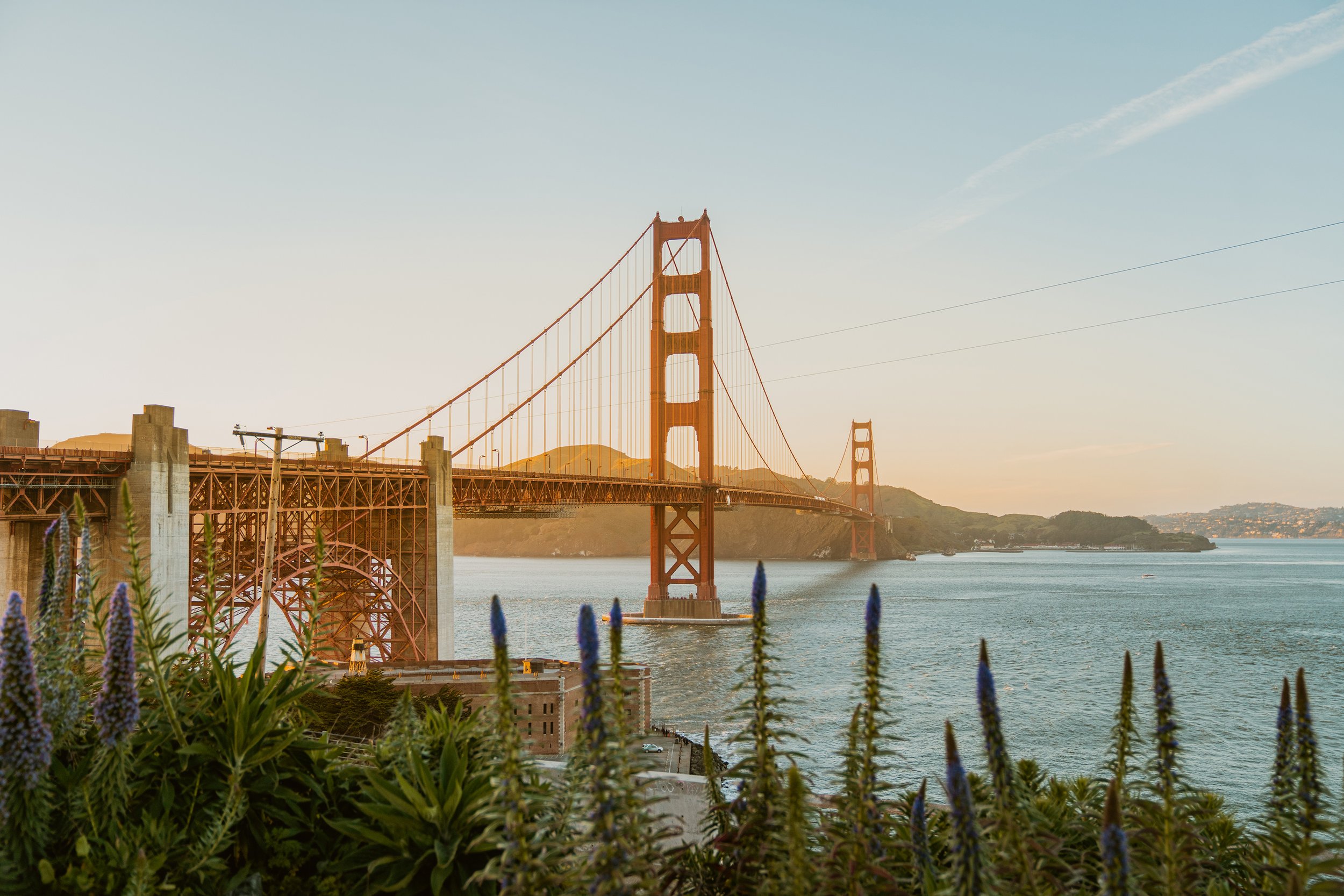
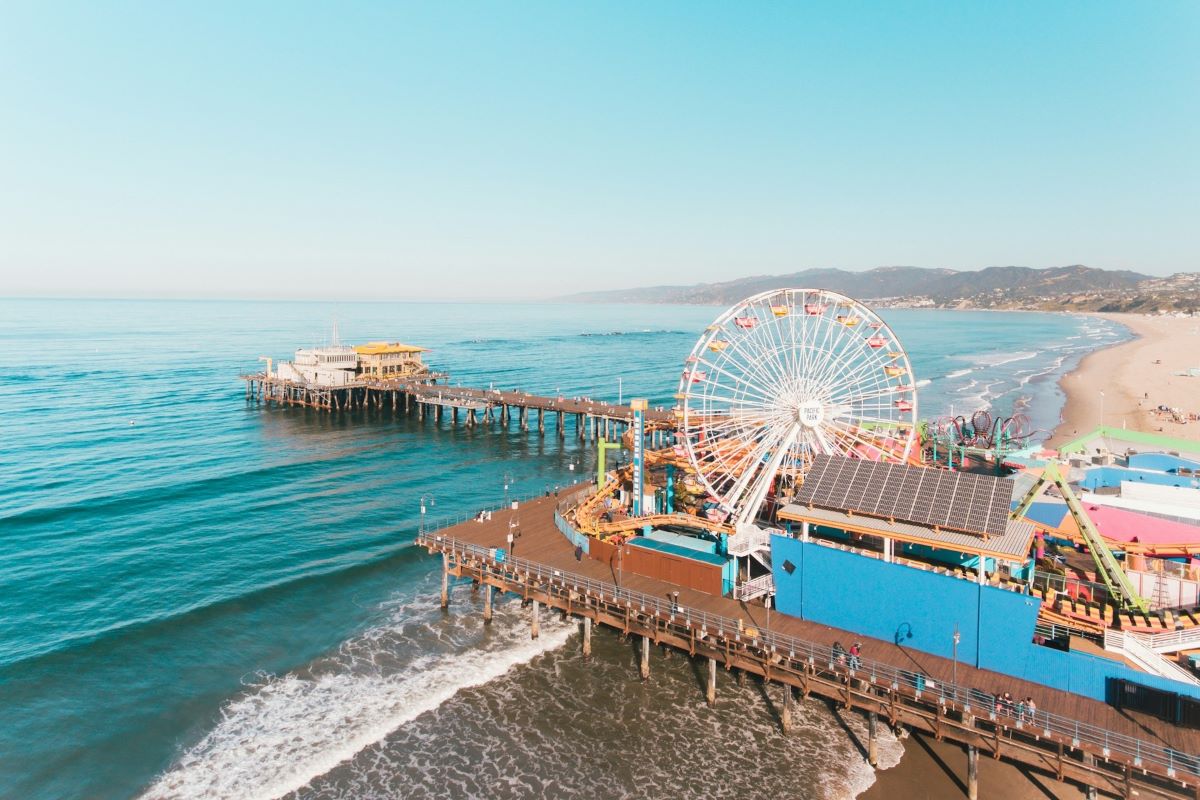
⚡ The TL;DR Verdict
For those craving a compact, culture-rich, walkable city with unique charm and cool breezes, San Francisco is your pick (daily budget $180-350+ USD). If endless sunshine, diverse neighborhoods, entertainment, and sprawling beaches are your jam, Los Angeles beckons (daily budget $150-300+ USD).
- Choose San Francisco: Ideal for history buffs, foodies who love fine dining and specific ethnic cuisines, walkers, and those who appreciate iconic landmarks within a compact urban setting. Best for travelers who prefer public transport over driving and don't mind cooler, foggier weather.
- Choose Los Angeles: Perfect for beach lovers, entertainment seekers, families looking for theme parks, food explorers wanting global street food, and anyone who enjoys a more spread-out, car-friendly experience with consistent sunshine. Great for those who value variety and Hollywood glamour.
- Choose Both: If you have 7-10 days and want the full California experience, doing both is highly recommended. Fly into one (e.g., SFO) and out of the other (e.g., LAX), or take a scenic drive (approx. 6-7 hours without stops) along the coast or I-5. Allocate 3-4 full days for each city.
Quick Comparison
| Category | San Francisco | Los Angeles | Winner |
|---|---|---|---|
| Costs & Budget | Generally more expensive across the board for accommodation, dining, and activities. Expect high prices. | Can be expensive in prime areas, but offers more variety for budget-conscious travelers with diverse dining and lodging options. | Los Angeles |
| Getting Around | Highly walkable with excellent public transit (Muni, BART, cable cars). A car is often a liability. | Extremely car-dependent. Public transit exists but is less comprehensive; ride-shares and taxis add up quickly. | San Francisco |
| Culture & History | Rich in Gold Rush history, counter-culture movements, iconic landmarks, and a distinct European-American vibe. | Known for Hollywood history, diverse ethnic enclaves, art museums, and a more modern, entertainment-driven cultural landscape. | Tie |
| Food Scene | Renowned for fine dining, farm-to-table movements, specific ethnic enclaves (Chinatown, Mission burritos), and fresh seafood. | Incredibly diverse, from high-end celebrity chef restaurants to global street food, vast ethnic neighborhoods, and innovative casual dining. | Tie |
| Beaches & Nature | Rugged, often chilly beaches; famous parks like Golden Gate Park; close proximity to redwood forests. | Iconic, sunny beaches (Santa Monica, Venice, Malibu); vast urban parks like Griffith Park; accessible hiking in the Hollywood Hills. | Los Angeles |
| Nightlife | Known for historic bars, craft cocktail lounges, live music venues, and a more low-key, intimate atmosphere. | Diverse and energetic, with rooftop bars, celebrity hotspots, world-class clubs, and themed bars catering to all tastes. | Los Angeles |
| Weather & Seasons | Mild year-round, but famously foggy and cool, especially in summer (June-August); distinct microclimates. | Mediterranean climate, generally sunny and warm; hot summers (August-October), mild winters, less rain. | Los Angeles |
| Accommodation | Expensive and compact, with many boutique and historic hotels. Limited budget options, especially centrally. | More varied and spread out, from luxury resorts to budget motels and hostels, offering more choice at different price points. | Los Angeles |
| Day Trips | Excellent options including Wine Country (Napa/Sonoma), Muir Woods, charming coastal towns like Sausalito and Monterey. | Fantastic choices including theme parks (Disneyland, Universal Studios), picturesque coastal towns (Malibu, Santa Barbara), and desert escapes. | Tie |
| Families | Educational museums, iconic landmarks, and unique public transport rides appeal to a variety of ages. | World-class theme parks, numerous sunny beaches, and interactive museums offer a broad appeal for kids of all ages. | Los Angeles |
💰 Costs & Budget
San Francisco is notoriously pricey. A decent hotel in a central area like Union Square or Fisherman's Wharf will easily run you $250-500+ USD per night, though hostels like HI SF City Center can be found for $60-90 USD. Dining out, even casually, can quickly add up, with a sit-down meal averaging $30-60 USD per person. Public transport is efficient but not cheap, with a single Muni ride at $3.00 USD. Los Angeles, while not 'cheap,' offers more flexibility. You can find good quality hotels in areas like Hollywood or Santa Monica for $180-400 USD, and hostels like Freehand LA for $50-80 USD. The sprawling nature means diverse food options; gourmet food trucks often serve filling meals for $10-18 USD, and a nice dinner can be $25-50 USD. Car rental is almost a necessity, adding $40-80 USD/day plus parking. "SF just drains your wallet faster, even for basics. LA you can at least find a decent taco truck for under $10 and feel full." - u/BudgetBackpacker
Winner takeaway
- Winner: Los Angeles
- Why: Los Angeles provides more options for travelers to manage their budget, from cheaper dining to more varied accommodation outside prime tourist zones.
- Who this matters for: Budget-conscious travelers, solo backpackers, and families looking to stretch their dollar further.
🚶 Getting Around
San Francisco is a dream for walkers. Most major attractions in areas like North Beach, Chinatown, Union Square, and Fisherman's Wharf are easily accessible on foot, or by the extensive Muni bus/light rail system ($3.00/ride, or a 1-day pass for $13.00 via MuniMobile). The iconic cable cars are an experience but also a functional transit option ($8.00/ride). BART connects the city to Oakland, Berkeley, and SFO. Parking is scarce and incredibly expensive, often $30-60 USD for a few hours. Los Angeles is the quintessential car city. While the Metro rail has expanded, it doesn't cover all areas efficiently, making a car almost essential for exploring diverse neighborhoods like Santa Monica, Hollywood, and Griffith Park within a reasonable timeframe. Ride-shares like Uber/Lyft are ubiquitous but can be costly, with a 30-minute ride easily hitting $30-50 USD during peak times. Traffic is legendary. "Tried to do LA without a car for a week. Never again. My feet hate me and Uber bills were insane." - u/LA_Explorer
Winner takeaway
- Winner: San Francisco
- Why: San Francisco's compact nature and robust public transit make it vastly superior for ease of movement without a personal vehicle.
- Who this matters for: Walkers, public transit users, eco-conscious travelers, and those who prefer not to drive on vacation.
🏛️ Culture & History
San Francisco oozes history and unique culture. From the haunting past of Alcatraz Island ($40-50 USD for ferry and tour), the vibrant Victorian Painted Ladies, to the Beat Generation legacy in North Beach and the Summer of Love in Haight-Ashbury. The city’s identity is deeply tied to its hills, fog, and progressive spirit. Museums like the California Academy of Sciences ($30-40 USD) and the de Young Museum ($15 USD) offer a deep dive into art and natural history. Los Angeles offers a different kind of cultural tapestry. It's the global entertainment capital, with iconic Hollywood landmarks like the Walk of Fame (free) and Universal Studios ($100-150 USD). Beyond the glitz, you'll find world-class art at the Getty Center (free entry, $20 USD parking) and LACMA ($25 USD), historic Olvera Street, and incredibly diverse neighborhoods like Koreatown, Little Ethiopia, and Boyle Heights, each with distinct cultural footprints. "SF feels like walking through a living history book, LA is more like a curated cultural mosaic." - u/HistoryBuffette
Winner takeaway
- Winner: Tie
- Why: Both cities offer distinct and rich cultural experiences; San Francisco excels in iconic American history, while Los Angeles shines in modern cultural diversity and entertainment heritage.
- Who this matters for: History buffs and those seeking iconic urban charm (SF) vs. entertainment enthusiasts and those interested in diverse modern cultures (LA).
🍽️ Food Scene
San Francisco boasts a legendary food scene, particularly known for its Michelin-starred restaurants, innovative Californian cuisine, and fresh Pacific seafood. The Ferry Building Marketplace is a must-visit for gourmet treats (e.g., Hog Island Oyster Co., oysters $3-5 USD each). The Mission District is famous for its 'Mission Burrito' ($10-15 USD) and vibrant Latin American eateries. Chinatown offers authentic dim sum and regional Chinese dishes. Los Angeles, however, might just edge it out for sheer variety and accessibility. From incredible Korean BBQ in Koreatown ($30-60 USD/person) to authentic Mexican street tacos ($3-5 USD each) in Boyle Heights, Vietnamese in Little Saigon, and some of the best sushi outside of Japan. Grand Central Market offers a fantastic array of vendors (e.g., Eggslut $12-18 USD). The fine dining scene is also thriving, from Beverly Hills to Downtown. "SF has amazing high-end stuff, but LA's street food game is unmatched. You can eat like a king for cheap." - u/FoodieNomad
Winner takeaway
- Winner: Tie
- Why: Both cities are culinary powerhouses; San Francisco excels in established fine dining and specific ethnic specialties, while Los Angeles offers unparalleled global diversity and an incredible casual and street food scene.
- Who this matters for: Gourmands seeking elevated dining and specific cuisine experiences (SF) vs. adventurous eaters and those who love diverse, accessible, and often more casual global flavors (LA).
🏖️ Beaches & Nature
San Francisco's beaches, like Ocean Beach, are beautiful but often cool, foggy, and not ideal for swimming due to strong currents and cold water (average summer temps 55-60°F / 13-16°C). The city's primary 'nature' draw is Golden Gate Park (larger than NYC's Central Park), offering museums, gardens (Japanese Tea Garden $10-12 USD), and open spaces. Just north, Muir Woods National Monument ($15 USD entrance) provides stunning ancient redwood groves. Los Angeles truly shines for its beaches. Santa Monica, Venice, and Malibu offer miles of sandy shores, warmer waters (average summer temps 65-70°F / 18-21°C), and consistent sunshine perfect for swimming, surfing, or simply relaxing. Griffith Park, a massive urban park, offers hiking trails with iconic views of the Hollywood Sign and city skyline (free entry to park). "LA's beaches are actual beach vacation beaches. SF's are more for dramatic walks and getting chilly." - u/BeachBumCA
Winner takeaway
- Winner: Los Angeles
- Why: Los Angeles offers more expansive, warmer, and consistently sunny beaches, alongside vast natural parks and hiking trails within the city.
- Who this matters for: Beachgoers, sun worshippers, surfers, and hikers looking for easily accessible outdoor recreation.
nightlife Nightlife
San Francisco's nightlife is excellent but tends to be more concentrated and less flashy than LA's. The Mission District is a hotspot for trendy bars and lively eateries (e.g., Trick Dog, cocktails $15-18 USD). North Beach offers historic pubs and live music venues, while SoMa has some larger clubs. It's a scene for intimate conversations, craft cocktails, and good music, often wrapping up earlier than LA. Los Angeles, on the other hand, is a nightlife behemoth. From the glamorous rooftop bars in Downtown LA and West Hollywood (e.g., EP & LP, cocktails $18-25 USD) to the exclusive clubs on Sunset Strip (cover charges $20-50 USD, bottle service much higher), there's a party for every preference. Dive bars, speakeasies, live music venues, and beachside bars in Santa Monica cater to a broader range. "LA just has more *options* for nightlife, especially if you want to dress up and go big. SF is more chill, which is fine too." - u/PartyAnimalLA
Winner takeaway
- Winner: Los Angeles
- Why: Los Angeles offers a wider variety of nightlife experiences, from glamorous clubs and rooftop bars to diverse neighborhood spots, catering to a broader audience and often extending later into the night.
- Who this matters for: Party-goers, those seeking glamour and celebrity sightings, and travelers who enjoy a diverse, high-energy late-night scene.
☀️ Weather & Seasons
San Francisco's weather is unique and often misunderstood. While temperatures are mild year-round (average high 60-70°F / 16-21°C), the famous summer fog ('Karl the Fog') can roll in daily from June through August, making these months surprisingly cool and overcast. Layers are essential, even in summer. The sunniest and warmest months are typically September and October. Its microclimates mean one neighborhood can be sunny while another is shrouded in mist. Los Angeles enjoys a classic Mediterranean climate, meaning lots of sunshine and generally warmer temperatures. Summers (August-October) can be hot, with inland areas often hitting 90-100°F (32-38°C), while coastal areas like Santa Monica remain cooler (70-80°F / 21-27°C). Winters are mild (average high 65-70°F / 18-21°C) with occasional rain. "Don't go to SF in July expecting summer. I learned that the hard way. LA is where the sun actually is." - u/SunnySeeker
Winner takeaway
- Winner: Los Angeles
- Why: Los Angeles offers more consistent sunshine, warmer temperatures, and a more reliably pleasant climate for outdoor activities throughout the year, especially during traditional summer months.
- Who this matters for: Sun worshippers, those seeking warm weather for beach activities, and travelers who prefer predictable, pleasant outdoor conditions.
🏨 Accommodation
Accommodation in San Francisco is among the most expensive in the US. Space is at a premium, leading to smaller rooms and higher prices. Boutique hotels in Union Square (e.g., Hotel Zeppelin $250-400+ USD/night) or Fisherman's Wharf are common. Budget travelers might find hostels in the Tenderloin or Downtown (e.g., HI SF City Center, $60-80 USD/dorm bed), but choices are limited and can be in less desirable areas. Booking well in advance is crucial. Los Angeles, due to its sheer size, offers a broader range of accommodation types and price points. You can find luxury hotels in Beverly Hills, trendy boutique spots in West Hollywood (e.g., The Standard DTLA $200-350 USD/night), mid-range chains near Universal Studios, and plenty of budget-friendly motels and hostels (e.g., Freehand LA, $50-70 USD/dorm bed) further from the core tourist hubs or in less central neighborhoods. "SF hotels felt like I was paying double for half the space compared to what I could get in LA." - u/TravelerOnABudget
Winner takeaway
- Winner: Los Angeles
- Why: Los Angeles provides a greater diversity of accommodation types and price ranges, making it easier for travelers with varying budgets to find suitable lodging.
- Who this matters for: Budget travelers, those seeking value, and travelers who prioritize a wider selection of lodging options.
🗺️ Day Trips
San Francisco is a gateway to some incredible Northern California day trips. The world-renowned Napa and Sonoma Wine Country is just an hour north, offering tastings ($30-60 USD/winery) and scenic drives. Muir Woods National Monument ($15 USD entrance, shuttle reservation often required) is a must for redwood lovers. Charming Sausalito (easily reached by ferry for ~$15 USD roundtrip) and the rugged beauty of the Marin Headlands are close by. Further south, Monterey and Carmel-by-the-Sea offer stunning coastal scenery and the famous aquarium. Los Angeles also boasts a stellar array of day trip possibilities. Southern California's iconic theme parks, Disneyland and Universal Studios Hollywood (tickets $100-180 USD/day), are major draws. The beautiful beaches of Malibu, the upscale charm of Santa Barbara, and the unique desert oasis of Palm Springs are all within a 1.5-3 hour drive. "Both cities have killer day trip options, it really just depends if you're into wine/redwoods or theme parks/desert vibes." - u/RoadTripper_CA
Winner takeaway
- Winner: Tie
- Why: Both cities offer distinct and high-quality day trip experiences; San Francisco excels in natural beauty and wine, while Los Angeles shines with world-class theme parks and diverse landscapes.
- Who this matters for: Wine enthusiasts, nature lovers, and those seeking charming coastal towns (SF) vs. families, thrill-seekers, and those wanting a mix of coast and desert (LA).
👨👩👧👦 Families
San Francisco offers plenty for families, especially those with older children interested in learning and exploring. The California Academy of Sciences ($30-40 USD/adult, $20-30 USD/child) and the Exploratorium ($30-35 USD/adult, $20-25 USD/child) are fantastic interactive museums. A ride on a cable car ($8 USD/ride) or a ferry to Alcatraz ($40-50 USD) are memorable experiences. Golden Gate Park provides ample space for play and exploration. However, the often-cool weather and hilly terrain can be challenging for very young children. Los Angeles is arguably more family-friendly, particularly for those seeking classic vacation fun. Disneyland and Universal Studios are massive draws, offering entertainment for all ages. The sunny beaches of Santa Monica and Venice are perfect for building sandcastles and splashing around. The California Science Center (free entry to permanent exhibits, $20-30 USD for IMAX/special exhibits) and the La Brea Tar Pits provide engaging educational experiences. "LA just has more 'wow' factor for kids with all the theme parks and sunny beaches. SF is cool but can be a bit more adult-oriented." - u/FamilyVacayMom
Winner takeaway
- Winner: Los Angeles
- Why: Los Angeles offers a wider array of universally appealing family attractions, particularly world-renowned theme parks and consistently pleasant beach weather.
- Who this matters for: Families with young children, theme park enthusiasts, and those prioritizing sunny beach days.
❓ Frequently Asked Questions
Which city is better for a first-time California visitor?
For a comprehensive, iconic California experience, Los Angeles often wins for first-timers due to its diverse attractions, theme parks, and consistent sunny weather. However, if you prefer a compact, charming city with dramatic scenery and rich history, San Francisco offers a distinctly different, equally memorable introduction to the state.
How many days do I need to visit San Francisco and Los Angeles?
For San Francisco, 3-4 full days allow you to see major sights like Alcatraz, the Golden Gate Bridge, and explore neighborhoods. For Los Angeles, due to its sprawl, 4-5 full days are recommended to cover Hollywood, beaches like Santa Monica, and a theme park or two. If visiting both, allocate 7-10 days total.
Is it easy to travel between San Francisco and Los Angeles?
Yes, it's relatively easy. The quickest way is a 1-hour 20-minute flight between SFO/OAK and LAX/BUR, costing around $50-150 USD. Driving takes 6-7 hours via I-5, or longer and more scenic along US-101/PCH. Amtrak also offers a scenic but slower train option (Coast Starlight).
Which city has better weather for tourists?
Los Angeles generally has 'better' tourist weather, offering more consistent sunshine and warmer temperatures, especially for beach activities. San Francisco's weather is famously mild but can be foggy and cool, particularly during summer months (June-August). For sunshine, LA is the clear winner.
Which city is better for solo travelers?
Both are excellent, but San Francisco might slightly edge out Los Angeles for solo travelers due to its walkability and excellent public transport, making it easier to explore independently without a car. LA's sprawl can make solo navigation more challenging and expensive with ride-shares.
What's the best time of year to visit SF or LA?
For San Francisco, September and October offer the warmest, sunniest weather with less fog. For Los Angeles, spring (April-May) and fall (September-November) provide pleasant temperatures without extreme heat or crowds. Both cities are generally good year-round, but these periods are optimal.
Do I need a car in both cities?
You absolutely do NOT need a car in San Francisco; it's often a hindrance due to hills, parking costs, and traffic. In Los Angeles, a car is highly recommended, if not essential, for truly exploring the city's diverse and spread-out attractions efficiently. Public transport in LA is improving but not as comprehensive.
Which city offers more iconic landmarks?
This is subjective, but San Francisco arguably has more universally recognized, postcard-perfect landmarks within a concentrated area: the Golden Gate Bridge, Alcatraz, cable cars, and the Painted Ladies. Los Angeles's icons, like the Hollywood Sign and Walk of Fame, are famous but more dispersed.
Ready to plan your California trip?
Get a free custom itinerary for San Francisco, Los Angeles, or both — built from real traveler insights.
🎟️ Book Tours & Experiences
Hand-picked tours and activities for both destinations — book with free cancellation
Experiences via Viator — free cancellation on most tours