How we built this comparison
This page combines traveler discussion patterns, published price ranges, flight schedules, and seasonal data to help you decide between San Francisco and New York.
- Reviewed 50+ Reddit threads from r/travel, r/solotravel, r/sanfrancisco, r/nyc, r/asknyc, r/visitingnyc for authentic traveler insights and common pain points.
- Verified costs and logistics against current booking platforms (e.g., Google Flights, Booking.com, MTA, Muni) for realistic price ranges and travel times.
- Cross-referenced seasonal patterns and weather data from NOAA and local tourism boards to provide accurate climate expectations for each city.
⚡ The TL;DR Verdict
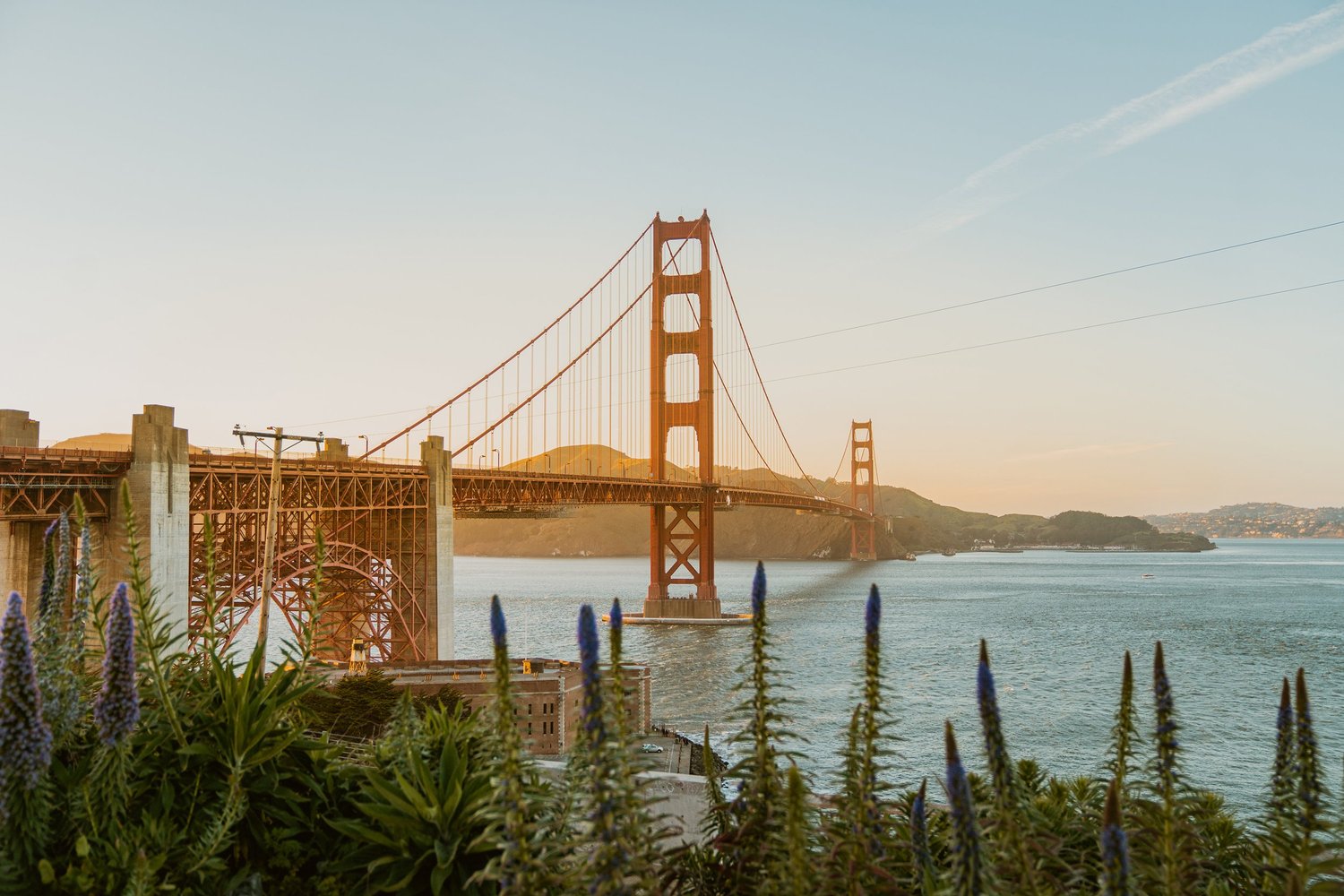
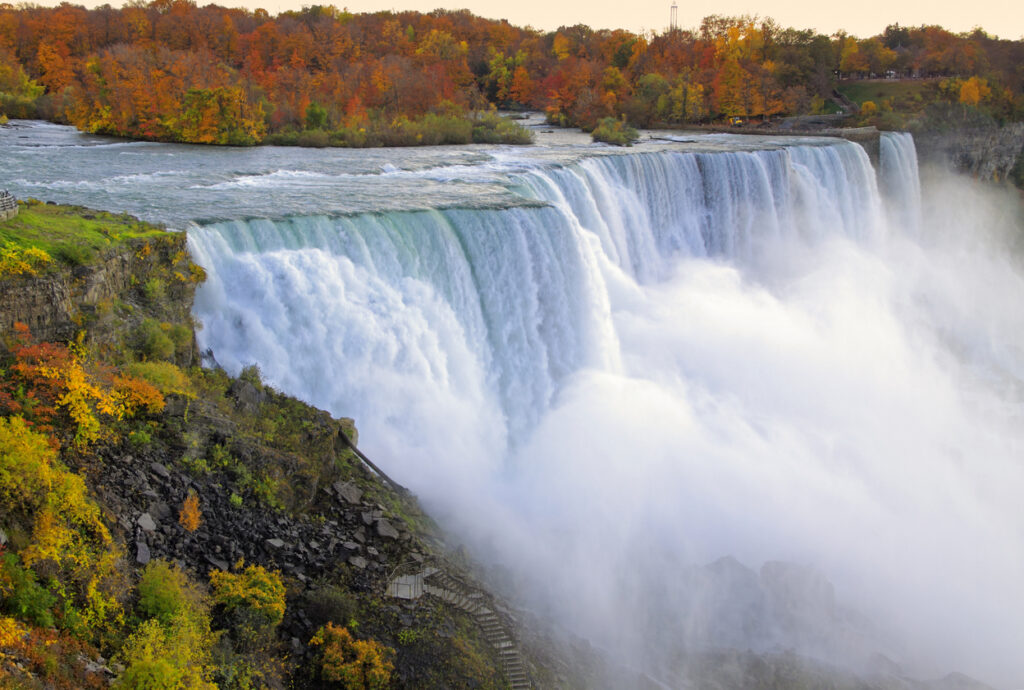
For the urban explorer seeking endless dynamism, world-class entertainment, and public transit supremacy, New York is your unrivaled champion (budget $150-300+/day). If stunning natural beauty, a slightly slower pace, and unique West Coast charm are higher priorities, San Francisco offers a compelling, albeit still pricey, alternative (budget $120-250+/day).
- Choose San Francisco: Choose SF if you value iconic landmarks, breathtaking nature (Redwoods, Pacific Coast) just a short drive away, a more relaxed city vibe, and unique food experiences over sheer scale and relentless hustle. Ideal for sightseers who appreciate views and easy access to outdoor adventures.
- Choose New York: Opt for NYC if you thrive on high-energy urban environments, unparalleled diversity in food, arts, shopping, and nightlife, and the convenience of a 24/7 public transit system. Perfect for those who want to feel at the center of the world and explore endless neighborhoods.
- Choose Both: If you have 10-14 days and a flexible budget, combining both offers a fantastic cross-country experience. Dedicate 4-5 days to SF (including a day trip) and 5-7 days to NYC to fully immerse yourself in each city's distinct character. A cross-country flight will add ~6-7 hours travel time and $200-400+ to your budget.
Quick Comparison
| Category | San Francisco | New York | Winner |
|---|---|---|---|
| Overall Costs & Budget | Accommodation is notoriously high, but some food and transport can be slightly cheaper. Experiences like parks and views are free. | Expensive across the board – accommodation, food, entertainment, and transport add up quickly. More free activities exist but require travel. | San Francisco |
| Getting Around & Transport | Walkable in certain areas, but very hilly. Public transport (Muni, BART, Cable Cars) is decent but less comprehensive than NYC. Rideshares are common. | Unparalleled subway system covering nearly every corner. Highly walkable within neighborhoods. Taxis and rideshares are abundant but add up. | New York |
| Accommodation & Stays | Expensive, with fewer budget options. Boutique hotels and unique B&Bs are common. Fewer massive hotel chains in prime tourist spots. | Massive variety from luxury to budget hostels, but prices remain high, especially in Manhattan. Plenty of iconic hotels and neighborhood options. | Tie |
| Food & Dining | Known for farm-to-table, sourdough, seafood, and diverse ethnic cuisine, especially Asian. Michelin stars are abundant. | A global culinary capital with unparalleled diversity, from street food to fine dining. Every cuisine imaginable is available 24/7. | New York |
| Nightlife & Entertainment | More relaxed, focused on craft cocktails, speakeasies, live music, and unique neighborhood bars. Early closing times compared to NYC. | World-class nightlife: Broadway shows, jazz clubs, mega-clubs, dive bars, rooftop lounges, and live music venues open late into the night. | New York |
| Attractions & Culture | Iconic landmarks (Golden Gate Bridge, Alcatraz), unique neighborhoods, world-class museums, and a rich counter-culture history. | A global cultural hub with renowned museums, historic landmarks, Broadway, diverse ethnic neighborhoods, and an endless stream of events. | New York |
| Nature & Day Trips | Unbeatable access to stunning natural beauty: Muir Woods, Sausalito, Napa/Sonoma, Pacific Coast Highway, Yosemite (further). | Central Park is a green oasis. Day trips to Hudson Valley, beaches on Long Island, or upstate parks require more effort and time. | San Francisco |
| Weather & Seasons | Mild year-round, often foggy in summer (June-August). Springs and autumns are pleasant. Rarely extreme heat or cold. | Distinct four seasons: hot, humid summers; cold, snowy winters; pleasant springs and autumns. Can experience extreme temperatures. | San Francisco |
| Safety & Vibe | Generally safe in tourist areas, but visible homelessness and property crime (car break-ins) are issues. Relaxed, liberal vibe. | Vastly improved safety over decades. Generally safe in tourist areas, but vigilance is key, especially late at night. Fast-paced, diverse, 'anything goes' vibe. | Tie |
| Getting There & Accessibility | Served by SFO, a major international airport. Direct flights from most major US cities. BART connects to downtown. | Served by three major international airports (JFK, LGA, EWR). Global hub with extensive flight options. Varied public transit connections. | New York |
💰 Overall Costs & Budget
Let's be real, neither city is budget-friendly. However, San Francisco often edges out New York for *marginally* lower baseline costs outside of peak luxury. A decent mid-range hotel in SF might run you $200-350 USD per night, while a comparable spot in Manhattan often starts at $250-450 USD. Food-wise, you can find a solid dinner in SF for $30-50 per person at a good bistro, compared to NYC where that's often the starting point. Transport in SF (Muni, Cable Cars) can be pricier for individual rides ($2.50-$8), but you might walk more. NYC's subway is a flat $2.90 per ride, making it more predictable. Groceries in both are high, but farmer's markets in SF can offer value. Many of SF's best attractions – Golden Gate Bridge, Golden Gate Park, Lombard Street – are free to experience. NYC has Central Park and walking tours, but world-class museums usually have entry fees ($20-30+). "Honestly, I spent like $80 on a casual dinner in SF the other night, with just one drink, it's insane but I find NY can hit those numbers even quicker for less quality sometimes." Bottom line: Both are pricey, but SF offers slightly more 'free' iconic experiences and potentially a few dollars less on daily expenses if you're smart.
Winner takeaway
- Winner: San Francisco
- Why: While both are expensive, San Francisco offers more iconic free attractions and slightly lower average costs for mid-range dining and specific transport options.
- Who this matters for: Budget-conscious travelers who want to maximize free sightseeing and don't mind walking.
🚇 Getting Around & Transport
This isn't even a contest. New York City's MTA subway system is a marvel of urban planning, running 24/7 and connecting all five boroughs with incredible efficiency. A single ride is $2.90 USD, and a 7-day unlimited pass for $34 USD is often the best value. You can get almost anywhere quickly and relatively cheaply. San Francisco's public transit, while charming with its iconic Cable Cars and extensive Muni bus/streetcar lines, is not as comprehensive or as easy to navigate for first-timers, especially with the city's notorious hills. BART connects the city to the East Bay and the airport, but within the city, you'll rely on Muni or rideshares. Rideshare prices in SF can surge dramatically, especially during peak hours or events. Walking is great in specific flat neighborhoods like North Beach or the Marina, but prepare for serious inclines elsewhere. "NYC subway is a lifesaver, even at 3 AM. SF's Muni is okay but it doesn't get you everywhere as fast, and those hills are no joke after a few blocks." For sheer convenience, coverage, and cost-effectiveness, New York takes the prize.
Winner takeaway
- Winner: New York
- Why: New York's 24/7, extensive, and affordable subway system makes getting around incredibly easy and efficient.
- Who this matters for: Anyone who relies on public transport, prefers not to rent a car, or wants to explore extensively without high rideshare costs.
🏨 Accommodation & Stays
Both cities are infamous for high accommodation costs. In San Francisco, you'll find a mix of charming boutique hotels, historic inns, and a few high-rises around Union Square or the Embarcadero. Expect to pay $200-400 USD per night for a mid-range hotel. Popular areas like Fisherman's Wharf can be touristy but convenient, while Nob Hill offers luxury. Budget options are scarce, often meaning staying further out or in less desirable areas. New York offers a wider *range* of options, from sprawling luxury hotels in Midtown to quirky boutique spots in Brooklyn, and numerous hostels. While the average price in Manhattan can be higher ($250-500+ USD), the sheer volume and competition mean you might find better deals or more diverse choices, especially if you're willing to stay in outer boroughs like Long Island City or parts of Brooklyn that are still well-connected by subway. "Finding a decent hotel in SF under $200 feels like a miracle. In NY, you can sometimes snag a deal if you book way out or look outside Manhattan, which is clutch." It’s a tie because while NY might be pricier on average, its vast inventory offers more chances for different budgets and preferences, whereas SF's limited stock keeps prices high across the board.
Winner takeaway
- Winner: Tie
- Why: Both cities present significant accommodation costs, and while NYC offers more variety, SF's charming, albeit limited, options hold their own unique appeal.
- Who this matters for: Travelers with varying budgets; those prioritizing unique stays versus sheer volume of options.
🍜 Food & Dining
San Francisco has an incredible food scene, often lauded for its pioneering farm-to-table movement, fresh seafood, sourdough, and particularly strong Asian influences, especially Chinese and Vietnamese. You can find fantastic dim sum in Chinatown, burritos in the Mission, and upscale dining in Hayes Valley. However, New York's food scene is simply on another level of scale, diversity, and accessibility. From iconic dollar slices of pizza (though prices are creeping up to $2-3) and street cart hot dogs to Michelin-starred establishments and ethnic enclaves offering authentic dishes from every corner of the globe (Flushing for Chinese, Jackson Heights for Indian/Latin American, Arthur Avenue for Italian), NYC is a foodie's paradise. You can literally eat something different every meal for weeks. "Just walked past a huge line for a bagel shop in Williamsburg, that's peak NY. The sheer choice here is overwhelming in the best way. SF has great food, but NY has *everything*." While SF offers quality and specific regional strengths, NYC's sheer volume, variety, and 24/7 availability make it the undisputed champion for dining experiences.
Winner takeaway
- Winner: New York
- Why: New York offers an unmatched breadth of global culinary experiences, from street food to fine dining, with incredible diversity and accessibility.
- Who this matters for: Serious foodies, those with specific dietary needs, and anyone who loves exploring diverse cuisines.
🎉 Nightlife & Entertainment
New York City is truly the city that never sleeps, and its nightlife reflects that. Broadway shows offer unparalleled theater, while jazz clubs in Greenwich Village, comedy clubs across Manhattan, and a dizzying array of bars (from historic dives to swanky rooftop lounges) and mega-clubs mean there's something for every taste, often open until 4 AM. Areas like Lower East Side, Williamsburg, and Hell's Kitchen are buzzing well into the morning. San Francisco offers a more laid-back, yet still vibrant, scene. You'll find excellent craft cocktail bars, quirky speakeasies, live music venues in the Mission or Hayes Valley, and a strong LGBTQ+ scene in the Castro. However, many bars and clubs close earlier (around 2 AM) compared to NYC, and the energy is generally less frenetic. "You can literally find any vibe you want in NYC at any hour, from a chill jazz bar to a rave. SF is cool for a few drinks, but it definitely winds down earlier." While SF has its charm, New York's scale, variety, and late-night culture make it the superior destination for entertainment and nightlife.
Winner takeaway
- Winner: New York
- Why: New York offers an unparalleled, diverse, and 24/7 nightlife and entertainment scene, from iconic Broadway shows to an endless array of bars and clubs.
- Who this matters for: Party-goers, theater lovers, live music fans, and anyone looking for entertainment options late into the night.
🏛️ Attractions & Culture
San Francisco boasts truly iconic, instantly recognizable landmarks like the Golden Gate Bridge, Alcatraz Island, Lombard Street, and its charming Cable Cars. Its unique neighborhoods, from the historic Chinatown to the vibrant Castro and the artistic Mission District, offer distinct cultural experiences. World-class museums like the de Young and Legion of Honor, and the California Academy of Sciences, are significant draws. However, New York City simply overwhelms with its sheer volume and diversity of cultural attractions. From the Metropolitan Museum of Art and the Museum of Modern Art (MoMA) to the American Museum of Natural History, the city is a treasure trove of art and science. Broadway, the Statue of Liberty, Empire State Building, Central Park, Times Square, and countless historic neighborhoods like Harlem, Little Italy, and the Lower East Side offer endless exploration. "I mean, SF has Alcatraz and the Bridge, which are amazing, but in NY, you have literally dozens of world-class museums and landmarks you could spend weeks exploring and still not see it all. It's a different league." While SF's attractions are unique and beautiful, NYC's cultural offerings are far more extensive and globally significant.
Winner takeaway
- Winner: New York
- Why: New York offers an overwhelming array of world-class museums, iconic landmarks, and diverse cultural experiences that are globally significant and endlessly explorable.
- Who this matters for: History buffs, art lovers, theater enthusiasts, and those who want to experience globally renowned cultural institutions.
🏞️ Nature & Day Trips
San Francisco is truly blessed with its proximity to breathtaking natural beauty. Within a short drive, you can be among ancient redwood trees in Muir Woods National Monument (approx. 45 min drive), exploring charming coastal towns like Sausalito or Half Moon Bay, or sipping world-class wines in Napa Valley or Sonoma County (1-1.5 hour drive). The dramatic cliffs and beaches of the Pacific Coast Highway are right there. Even within the city, Golden Gate Park offers vast green spaces, lakes, and gardens. New York City's Central Park is an incredible urban oasis, and there are other smaller parks like Prospect Park in Brooklyn. However, venturing into 'nature' outside the city requires more dedicated effort. Day trips to the scenic Hudson Valley (1.5-2 hours by train/car), beaches on Long Island or New Jersey (1-2 hours), or even further upstate parks are options, but they don't quite compare to the scale and accessibility of the natural wonders near SF. "If you love hiking, redwoods, and wine country, SF wins hands down. We rented a car for a day and hit Muir Woods and Sausalito, totally worth it. NY's parks are great, but it's not the same." For easily accessible, diverse, and world-class natural excursions, San Francisco is the clear winner.
Winner takeaway
- Winner: San Francisco
- Why: San Francisco offers unparalleled and easily accessible day trips to iconic natural wonders like Muir Woods, the Pacific Coast, and world-renowned wine regions.
- Who this matters for: Nature lovers, hikers, wine enthusiasts, and those who enjoy combining urban exploration with stunning outdoor adventures.
☀️ Weather & Seasons
San Francisco famously boasts a Mediterranean climate, meaning mild temperatures year-round. It rarely gets extremely hot or cold. The catch? Summer (June-August) is often foggy and cool, earning it the nickname 'Fogust.' Locals know that September and October usually bring the warmest, clearest weather. Spring and autumn are generally pleasant with comfortable temperatures. You can expect averages of 10-20°C (50-70°F) most of the year. New York, on the other hand, experiences four very distinct seasons. Summers can be hot and oppressively humid, often reaching 30-35°C (85-95°F) with sticky air. Winters are cold and often snowy, with temperatures regularly dropping below freezing and strong winds. Spring and autumn are generally delightful, with crisp air and beautiful foliage. "I love the distinct seasons in NYC, especially fall, but after a week of 90-degree humidity in July, I was praying for SF's fog. It's just more consistently pleasant there." While New York offers the classic 'four seasons' experience, San Francisco's consistent, mild weather makes it more comfortable for sightseeing throughout most of the year.
Winner takeaway
- Winner: San Francisco
- Why: San Francisco offers a consistently mild, temperate climate year-round, making it more comfortable for sightseeing without extreme heat or cold, though summer fog is a factor.
- Who this matters for: Travelers who prefer mild weather, dislike extreme heat or cold, and want consistent conditions for outdoor activities.
🚨 Safety & Vibe
Both San Francisco and New York are major metropolitan areas, and as such, require street smarts. New York City has seen a dramatic improvement in safety over the last few decades and is generally considered very safe for tourists in well-trafficked areas like Midtown, parts of Brooklyn, and Manhattan. However, petty crime and the occasional isolated incident can occur, especially late at night in less crowded areas. The vibe is famously fast-paced, diverse, and energetic. San Francisco also has a generally safe feel in its main tourist zones like Fisherman's Wharf, Union Square, and the Marina. However, the city has highly visible issues with homelessness, particularly in areas like the Tenderloin (which borders Union Square) and parts of the Mission. Property crime, especially car break-ins, is a significant concern for visitors. The city's vibe is more relaxed and liberal, but some areas can feel gritty. "I felt perfectly safe on the subway in NYC at midnight, way safer than walking through some parts of SF after dark, especially near Market Street. Just be smart in both places, don't flash valuables." It's a tie because while NYC might feel more secure in its public transit and broad tourist zones, SF's issues are more concentrated and often more visible to tourists, especially concerning property crime, creating different safety considerations for each city.
Winner takeaway
- Winner: Tie
- Why: Both cities require general street smarts, offering distinct safety considerations and overall vibes that cater to different traveler preferences and levels of awareness.
- Who this matters for: Travelers seeking a specific urban atmosphere; those sensitive to visible societal issues or concerned about property crime.
✈️ Getting There & Accessibility
San Francisco is well-served by San Francisco International Airport (SFO), a major international hub with direct flights from most large US cities and many international destinations. It's easily accessible from downtown via BART (Bay Area Rapid Transit), taking about 30 minutes and costing around $10 USD. Oakland International Airport (OAK) across the bay also serves the area, often with cheaper domestic flights. New York, however, is a global gateway, served by three major international airports: John F. Kennedy (JFK), LaGuardia (LGA), and Newark Liberty International (EWR). This means an incredibly vast array of flight options, often more competitive pricing due to volume, and connections to virtually anywhere in the world. JFK offers AirTrain to subway/LIRR connections, LGA has improved bus connections, and EWR is connected by AirTrain to NJ Transit/Amtrak. "Flying into JFK or EWR just feels like you can get here from anywhere, and with so many flights, you can usually snag a decent deal if you're flexible. SF is good, but NY's just got more options." The sheer volume of flights, destinations, and competitive pricing offered by New York's multiple airports gives it an edge in accessibility for most travelers.
Winner takeaway
- Winner: New York
- Why: New York's three major international airports offer a significantly greater volume and variety of flight options, making it a more accessible global hub.
- Who this matters for: International travelers, those seeking the widest range of flight choices, or budget-conscious flyers looking for competitive deals.
❓ Frequently Asked Questions
Which city is better for a solo traveler?
Both cities are excellent for solo travelers, but for different reasons. New York offers endless activities and a dense public transit network making it easy to navigate alone. San Francisco has a slightly more relaxed pace, stunning views for introspection, and friendly communities, but requires more planning for transport.
Which city is better for families with young children?
San Francisco might have a slight edge for families with young children due to its numerous parks (Golden Gate Park, Presidio), the Exploratorium, California Academy of Sciences, and iconic activities like cable car rides or visiting Pier 39, which often feel more manageable than NYC's vastness. New York, however, offers world-class museums with dedicated children's sections and countless family-friendly shows.
What's the best time of year to visit each city?
For San Francisco, September and October offer the warmest, clearest weather, avoiding the infamous summer fog. For New York, spring (April-May) and autumn (September-October) provide pleasant temperatures and beautiful scenery, avoiding the extreme heat/humidity of summer or the biting cold of winter.
Is one city more walkable than the other?
New York is more consistently walkable within its grid-based neighborhoods, especially Manhattan, without significant inclines (except bridges). San Francisco is highly walkable in specific, flatter areas, but its intense hills make extensive walking a serious workout. NYC's extensive public transit also reduces the need for constant walking in between destinations.
Which city has better shopping?
New York City offers an unparalleled shopping experience, from high-fashion boutiques on Fifth Avenue to quirky independent shops in SoHo and massive department stores. San Francisco has strong shopping districts around Union Square and unique local boutiques, but it doesn't match the sheer volume, diversity, and global influence of NYC's retail scene.
How many days should I plan for each city?
For San Francisco, aim for 3-4 full days to see the main attractions and soak in the vibe, adding an extra day for a trip to Muir Woods or Napa. For New York, a minimum of 5-7 days is recommended to scratch the surface, allowing time for different boroughs, museums, and shows without feeling rushed.
Can I expect to use cash in either city, or is it mostly card?
Both cities are largely cashless, with credit/debit cards, Apple Pay, and Google Pay widely accepted in most establishments. It's wise to carry a small amount of cash for small street vendors or unexpected situations, but you won't need much. Even subway payments are often contactless or via refillable cards.
Which city offers better opportunities for unique 'off-the-beaten-path' experiences?
New York's immense size and diverse neighborhoods mean there are endless 'off-the-beaten-path' gems to discover, from hidden speakeasies to niche cultural events and community gardens. San Francisco also offers unique local experiences in its distinct neighborhoods, but the overall volume of such discoveries is arguably greater in NYC.
Ready to plan your USA city escape?
Get a free custom itinerary for San Francisco, New York, or both — built from real traveler insights.
🎟️ Book Tours & Experiences
Hand-picked tours and activities for both destinations — book with free cancellation
Experiences via Viator — free cancellation on most tours