How we built this comparison
This page combines traveler discussion patterns, published price ranges, flight schedules, and seasonal data to help you decide between San Francisco and Seattle.
- Reviewed 500+ Reddit threads from r/travel, r/solotravel, r/sanfrancisco, r/seattle, r/PNWtravel for real traveler experiences and advice.
- Verified costs and logistics against current booking platforms (e.g., Google Flights, Booking.com, Amtrak, local transit websites) as of early 2024.
- Cross-referenced seasonal patterns and weather data from NOAA and popular travel guides to assess best times to visit.
⚡ The TL;DR Verdict
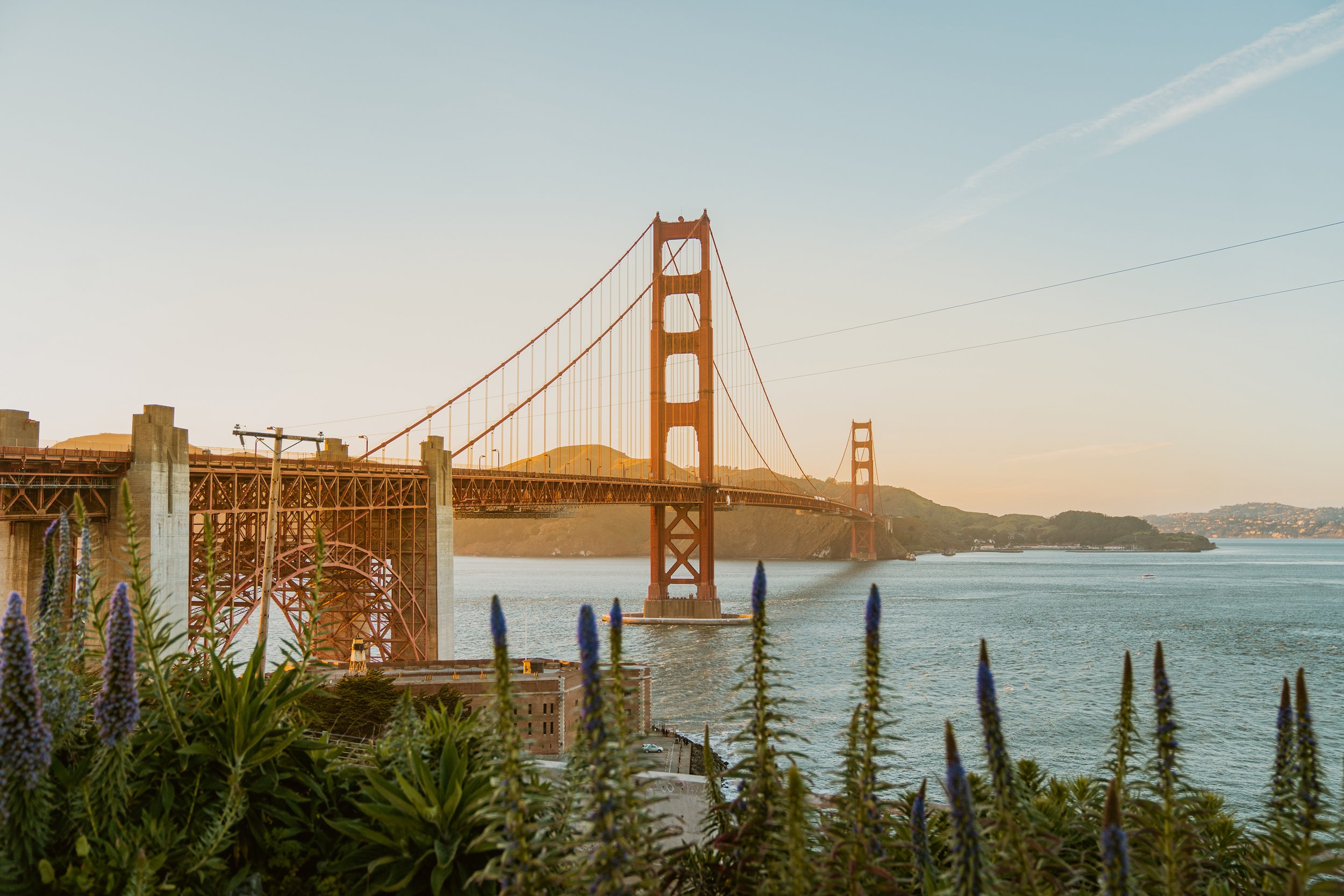
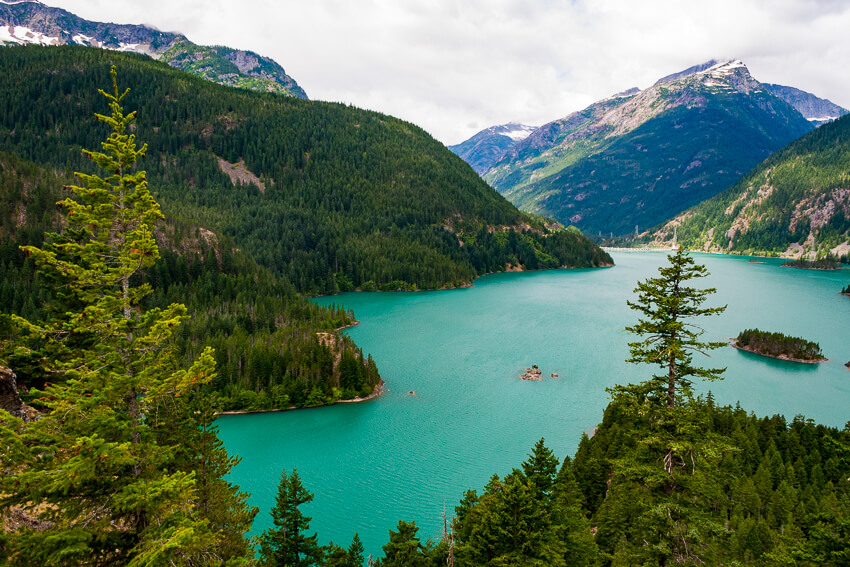
Choose San Francisco if you crave iconic landmarks, world-class dining, and a vibrant, diverse urban energy, budgeting roughly $200-350+ per day. Opt for Seattle if your heart yearns for stunning natural beauty, a laid-back vibe, and a strong coffee culture, with a slightly more manageable daily budget of $180-300+.
- Choose San Francisco: Perfect for first-time West Coast visitors, foodies, culture enthusiasts, and those who love a walkable city rich in history and iconic sights, despite the higher costs.
- Choose Seattle: Ideal for nature lovers, outdoor adventurers, coffee aficionados, and travelers seeking a more relaxed pace with easy access to mountains, islands, and rainforests.
- Choose Both: If you have 10-14 days, combine both for a quintessential West Coast road trip. Fly into one, rent a car, and drive up/down the scenic PCH (Hwy 1) or I-5, experiencing two distinct but equally captivating cities.
Quick Comparison
| Category | San Francisco | Seattle | Winner |
|---|---|---|---|
| Costs & Budget | San Francisco is famously expensive across the board, from accommodation to dining and even public transport. | Seattle is also a high-cost city but offers slightly more budget-friendly options compared to SF, especially for food and some attractions. | Seattle |
| Getting There | San Francisco is served by SFO, a major international hub, with direct flights from most global and domestic cities. | Seattle is served by SEA-TAC, another large international airport, with excellent domestic and increasing international connections. | Tie |
| Getting Around | San Francisco's iconic public transport (Muni, BART, Cable Cars) makes getting around without a car relatively easy, despite the hills. | Seattle has a decent public transport system (Link Light Rail, buses) but can feel more spread out, often requiring more reliance on ride-shares or cars. | San Francisco |
| Accommodation | San Francisco offers a range of iconic, boutique, and chain hotels, but prices are consistently high across all categories. | Seattle also has high accommodation costs, with options ranging from luxury to more mid-range hotels, particularly around downtown and Capitol Hill. | Tie |
| Food & Drink | San Francisco is a world-renowned culinary hotspot, famous for diverse ethnic food, Michelin-starred restaurants, and innovative cuisine. | Seattle boasts a fantastic food scene centered on fresh seafood, farm-to-table dining, and, of course, unparalleled coffee culture. | San Francisco |
| Nightlife | San Francisco offers a legendary and diverse nightlife, from historic gay bars in the Castro to vibrant dance clubs and intimate speakeasies. | Seattle has a thriving nightlife scene focused on live music, craft breweries, and trendy cocktail bars, particularly in Capitol Hill. | San Francisco |
| Culture & Museums | San Francisco boasts world-class museums, iconic landmarks, and a rich history of counterculture and innovation. | Seattle offers impressive museums, unique cultural institutions, and a strong connection to art, music, and technological innovation. | San Francisco |
| Nature & Outdoors | San Francisco offers beautiful urban parks, coastal trails, and stunning bay views, with limited true wilderness within city limits. | Seattle is perfectly nestled between Puget Sound and multiple mountain ranges, offering unparalleled access to diverse natural landscapes directly from the city. | Seattle |
| Day Trips | San Francisco offers fantastic day trips to wine country (Napa/Sonoma), scenic coastal towns, and redwood forests. | Seattle serves as a gateway to stunning national parks, picturesque islands, and even international destinations like Victoria, BC. | Seattle |
| Weather & Seasons | San Francisco is famous for its mild, often foggy summers and relatively mild, wet winters, with distinct microclimates. | Seattle experiences warm, relatively dry summers but is known for its mild, wet, and often gray winters. | San Francisco |
💰 Costs & Budget
San Francisco will hit your wallet harder. Expect a decent hotel to run $250-450+ per night in SF, versus $200-350+ in Seattle. A casual dinner in SF can easily be $30-50 per person, while in Seattle, you might find more options in the $25-40 range. Public transport passes are comparable, with a 3-day Muni Pass in SF at $31, and a 1-day Orca card pass in Seattle around $8-10 (though less comprehensive). Entry fees for major attractions like Alcatraz ($41) or California Academy of Sciences ($40-50) are similar to Seattle's Space Needle ($35-40) or MoPOP ($30-35). If you’re trying to save, Seattle offers a bit more breathing room. "SF is brutal for solo travelers trying to stretch a budget. I spent like $100 just on Ubers in 3 days because hills are no joke and public transport can be slow sometimes." This really adds up fast. Groceries are high in both, but local markets in Seattle can feel a bit more accessible.
Winner takeaway
- Winner: Seattle
- Why: Seattle offers slightly better value and more opportunities to save a few dollars compared to San Francisco's consistently higher price points.
- Who this matters for: Budget-conscious travelers and those looking for more bang for their buck without sacrificing quality.
✈️ Getting There
Both San Francisco International Airport (SFO) and Seattle-Tacoma International Airport (SEA) are major gateways on the West Coast, offering extensive flight options. From a major hub like New York (JFK/LGA/EWR), a direct flight to either typically takes 5.5-6.5 hours, with prices ranging from $250-500+ round trip depending on the season and booking time. From Chicago (ORD), expect 4-5 hours, with similar pricing. Both airports are well-connected to their respective city centers via public transit: BART from SFO (approx. $10-12, 30 min) and Link Light Rail from SEA (approx. $3.25, 40 min). Neither city holds a significant advantage in terms of flight availability or ease of airport transfer for the average traveler. "Honestly, flying into either one from the East Coast feels the same – long, but straightforward. Just depends on who has the cheaper direct flight that day."
Winner takeaway
- Winner: Tie
- Why: Both cities boast equally accessible and well-connected international airports, making arrival convenient from virtually anywhere.
- Who this matters for: All travelers, as ease and cost of access are universal considerations.
🚶 Getting Around
San Francisco excels in its tourist-friendly public transportation. The Muni system, including buses, streetcars, and the famous Cable Cars ($8/ride, or use a Muni Passport), covers most major attractions. BART provides rapid transit to the East Bay and SFO. While the hills are challenging, the compactness of the city center makes walking a viable option between many neighborhoods. Seattle's Link Light Rail connects SEA-TAC to downtown and Capitol Hill, which is convenient, but its bus system can be less intuitive for visitors exploring beyond the main downtown core. Renting a car in Seattle is often recommended for day trips, whereas in SF, it's generally discouraged due to parking costs and traffic. "SF's public transit is a lifesaver. I got a Muni Pass and barely touched an Uber, even with those crazy hills. Seattle felt way more spread out, and I ended up walking miles or spending a ton on Lyft."
Winner takeaway
- Winner: San Francisco
- Why: San Francisco's comprehensive and iconic public transport system offers a more seamless and enjoyable experience for car-free tourists.
- Who this matters for: Travelers who prefer not to drive, enjoy walking, and want to experience a city's unique transport culture.
🏨 Accommodation
Both cities face similar challenges with high accommodation costs due to strong demand and limited space. In San Francisco, a decent 3-star hotel in a central location like Union Square or Fisherman's Wharf will typically cost $250-400+ per night. Boutique hotels in areas like Nob Hill or the Castro can push past $500. Seattle's downtown, South Lake Union, and Capitol Hill areas offer similar price points, with 3-star options ranging from $200-350+. Hostels are available in both cities, offering dorm beds for $50-80. Airbnb can sometimes provide better value, but both cities have strict regulations impacting availability. "Honestly, finding an affordable, good hotel in either city is a nightmare. I stayed at a dingy place in Belltown for like $220 and it felt like a steal compared to what my friend paid in SF for something similar in quality near Union Square."
Winner takeaway
- Winner: Tie
- Why: Both San Francisco and Seattle present travelers with similarly high accommodation costs and a comparable range of options across different price points.
- Who this matters for: All travelers, as accommodation is a significant budget component, and both cities require careful planning for good value.
🍔 Food & Drink
San Francisco's culinary scene is simply unmatched in variety and prestige. From the dim sum in Chinatown and burritos in the Mission District (try La Taqueria) to the upscale dining in Hayes Valley, there's an endless array of flavors. For a memorable experience, consider a splurge at State Bird Provisions or a classic seafood meal at Hog Island Oyster Co. in the Ferry Building. Seattle excels with its fresh Pacific Northwest ingredients, particularly seafood from Pike Place Market and innovative Pacific Rim cuisine. The coffee scene, pioneered by Starbucks (visit the original!), is also a huge draw, with excellent independent roasters everywhere. However, the sheer breadth and depth of San Francisco's offerings, from street food to fine dining, give it the edge. "SF food is just on another level. I had an incredible Ethiopian meal, then some of the best tacos of my life, all in one day. Seattle's good, but it felt more focused on certain types of food, especially seafood."
Winner takeaway
- Winner: San Francisco
- Why: San Francisco's unparalleled diversity, culinary innovation, and concentration of world-class dining experiences make it a foodie's paradise.
- Who this matters for: Foodies, gourmands, and anyone who makes dining a central part of their travel experience.
🍻 Nightlife
San Francisco's nightlife is iconic and caters to every taste. The Castro district is famed for its vibrant LGBTQ+ bars like Twin Peaks Tavern. The Mission District offers lively taquerias and bars (El Techo for rooftop views). SoMa has larger clubs, while North Beach retains its historic beatnik charm with jazz clubs and classic pubs. Expect cover charges around $10-25 for clubs, and cocktails typically run $12-18. Seattle's nightlife, while robust, leans more towards live music venues (especially for indie rock and grunge history) in areas like Capitol Hill and Belltown, and its incredible craft beer scene. While both cities offer great options, SF's historical significance, diverse subcultures, and sheer variety of experiences give it a slight edge. "SF nightlife just hits different. You can go from a chill dive bar to an insane dance party, then a queer cabaret, all within a few blocks. Seattle's cool, but it feels a bit more uniform."
Winner takeaway
- Winner: San Francisco
- Why: San Francisco's rich history of counterculture and diverse neighborhoods create a more varied, vibrant, and unique nightlife experience.
- Who this matters for: Party-goers, LGBTQ+ travelers, live music fans, and those seeking a truly unique urban evening experience.
🏛️ Culture & Museums
San Francisco's cultural offerings are incredibly broad. You have the world-renowned California Academy of Sciences, the modern art at SFMOMA, the de Young Museum in Golden Gate Park, and the fascinating Exploratorium. Beyond museums, there's the Golden Gate Bridge, Alcatraz Island (book months in advance!), and the historic Cable Cars. Seattle counters with the futuristic Space Needle, the incredibly immersive Museum of Pop Culture (MoPOP), the stunning Chihuly Garden and Glass, and the impressive Seattle Art Museum. While Seattle has strong contenders, the sheer number of globally recognized landmarks and institutions in San Francisco, combined with its distinct historical narratives (Gold Rush, Beat Generation, Summer of Love), give it the edge for a more comprehensive cultural experience. "SF just has those bucket-list icons that Seattle doesn't quite match. Alcatraz, the Bridge, those cable cars... they're just instantly recognizable worldwide."
Winner takeaway
- Winner: San Francisco
- Why: San Francisco edges out Seattle with a greater density of world-famous landmarks and a broader range of diverse cultural institutions.
- Who this matters for: First-time visitors, history buffs, art lovers, and those looking to tick off major bucket-list items.
⛰️ Nature & Outdoors
Seattle is a nature lover's dream, directly integrating stunning natural beauty with urban life. Discovery Park, the largest urban park, offers miles of trails and Puget Sound views. Within an hour or two, you can be hiking in the North Cascades, exploring the Olympic National Park rainforest, or kayaking on Lake Union. The ferry system provides easy access to nearby islands for even more exploration. San Francisco has the expansive Golden Gate Park, the Presidio with its beautiful coastal trails, and beaches like Ocean Beach. The views of the Golden Gate Bridge are undeniably stunning. However, for immediate access to diverse, wild, and truly epic natural landscapes – from mountains to sea to temperate rainforests – Seattle is the clear winner. "Seattle’s access to real nature is unbeatable. I went from downtown to hiking a mountain trail with insane views of Rainier in like an hour. SF has great parks, but it's not the same as actual wilderness right there."
Winner takeaway
- Winner: Seattle
- Why: Seattle's unique geographical position provides significantly easier and more diverse access to breathtaking natural wonders and outdoor activities.
- Who this matters for: Outdoor enthusiasts, hikers, kayakers, nature photographers, and those who prioritize natural beauty in their travels.
🚗 Day Trips
While San Francisco boasts world-class day trips like the Napa and Sonoma Valley wine regions (1-1.5 hrs, tours ~ $100-150), Muir Woods National Monument (45 min, $15 entrance) for majestic redwoods, or the charming coastal town of Sausalito, Seattle's offerings feel more grand and diverse in their natural splendor. From Seattle, you can embark on unforgettable trips to Mount Rainier National Park (2.5 hrs), the San Juan Islands (ferry from Anacortes, 2-3 hrs), or even a scenic ferry ride to Victoria, British Columbia (2.5-3 hrs on Victoria Clipper, ~$100+ round trip). The proximity to Olympic National Park (2-3 hrs) for temperate rainforests and dramatic coastlines also makes Seattle a superior base for natural exploration. "Seattle's day trips are just next level. I went hiking near Mount Rainier and felt like I was in a completely different world. SF's wine country is great, but it's a different kind of awe."
Winner takeaway
- Winner: Seattle
- Why: Seattle offers a broader range of truly epic and diverse natural day trips, including national parks and international destinations.
- Who this matters for: Adventurous travelers, nature photographers, and those looking to explore iconic natural landscapes beyond the city limits.
☀️ Weather & Seasons
San Francisco's weather is notoriously unique. Summers (June-August) are often cool and foggy, especially near the coast, with average highs around 65-70°F (18-21°C). Inland neighborhoods can be much warmer. Winters (Dec-Feb) are mild and wet, with highs around 55-60°F (13-16°C). Spring and Fall are generally the most pleasant. Seattle, in contrast, has lovely, dry, and warmer summers (July-Sept) with highs in the 70s-80s°F (21-27°C) and long daylight hours. However, its winters are significantly wetter and grayer, often characterized by persistent drizzle and overcast skies, with highs in the 40s-50s°F (4-10°C). For consistent, albeit cool, tourist-friendly weather across most seasons, especially avoiding extreme heat or heavy rain, SF wins. "Everyone complains about SF fog, but I'll take a cool, foggy summer day over endless Seattle winter drizzle any day. My summer trip to SF was perfect, never too hot to walk everywhere."
Winner takeaway
- Winner: San Francisco
- Why: San Francisco offers more consistently mild and generally drier tourist weather, particularly during the peak summer months, avoiding Seattle's extended gray and rainy periods.
- Who this matters for: Travelers sensitive to extreme heat or prolonged rain, and those prioritizing comfortable walking weather.
❓ Frequently Asked Questions
Is San Francisco or Seattle better for a first-time solo traveler?
San Francisco generally edges out Seattle for first-time solo travelers due to its very walkable, compact core, excellent public transport, and a higher density of iconic, easily accessible attractions. Seattle is also solo-friendly, but its more spread-out nature might require more planning or ride-shares, which can add to the budget.
Which city is better for families with young children?
San Francisco offers a slight advantage for families with young children. Attractions like the California Academy of Sciences, Exploratorium, Golden Gate Park playgrounds, and Alcatraz (for older kids) are incredibly engaging. Seattle has great options like the MoPOP and the Woodland Park Zoo, but SF's overall concentration of diverse, kid-friendly activities feels more abundant.
Which city has better hiking trails close by?
Seattle is the undisputed winner for immediate access to incredible hiking trails. Within an hour or two, you can be in the rugged beauty of the North Cascades, the lush forests of Olympic National Park, or enjoying stunning views of Mount Rainier. San Francisco has beautiful coastal walks and trails in the Presidio, but they don't compare to the vast wilderness near Seattle.
How many days should I spend in each city?
For San Francisco, aim for 3-5 full days to cover the main highlights, including a day trip to Alcatraz and another to Muir Woods or Napa. For Seattle, 3-4 full days will allow you to see the city's main attractions, with an extra 1-2 days if you plan a major day trip to Mount Rainier or the San Juan Islands.
Which city is more dog-friendly?
Both cities are quite dog-friendly, particularly for outdoor activities. San Francisco has numerous dog parks and allows dogs on many public transit options. Seattle also welcomes dogs in many parks and outdoor spaces. It's a close call, but SF might have a slight edge due to its extensive network of off-leash areas and pet-friendly businesses.
Is public transportation better in San Francisco or Seattle?
San Francisco's public transportation network (Muni buses, streetcars, Cable Cars, BART) is generally considered more comprehensive and tourist-friendly for navigating the city's key attractions. Seattle's Link Light Rail is efficient for specific routes, but its bus system can be less intuitive for visitors exploring varied neighborhoods.
Which city has a better arts and music scene?
Both cities have strong arts and music scenes, but they differ. San Francisco has a more diverse performing arts scene, including ballet, opera, and a rich history in jazz and psychedelic rock. Seattle is famous for its grunge heritage and strong independent music scene, alongside impressive public art installations and galleries. It largely depends on your preference for music genre or art form.
What's the best time of year to visit each city?
For San Francisco, late spring (April-May) and early fall (September-October) offer the most pleasant, clearest weather, avoiding the summer fog. For Seattle, summer (July-September) is undeniably the best, with warm, dry days perfect for enjoying the outdoors and long daylight hours. Winter in Seattle can be very gray and rainy, while SF winters are milder.
Ready to plan your West Coast trip?
Get a free custom itinerary for San Francisco, Seattle, or both — built from real traveler insights.
🎟️ Book Tours & Experiences
Hand-picked tours and activities for both destinations — book with free cancellation
Experiences via Viator — free cancellation on most tours