How we built this comparison
This page combines traveler discussion patterns, published price ranges, flight schedules, and seasonal data to help you decide between San Jose and Managua.
- Reviewed 100+ Reddit threads from r/travel, r/solotravel, r/costarica, r/nicaragua, and r/backpacking for firsthand traveler experiences and opinions.
- Verified costs and logistics against current booking platforms (Booking.com, Skyscanner, Uber, local tour operators) and official government tourism sites for accuracy.
- Cross-referenced seasonal patterns, weather data, and safety advisories from government travel warnings and expat forums to provide balanced, timely advice.

⚡ The TL;DR Verdict
For those prioritizing safety, developed tourism infrastructure, and unparalleled natural beauty without a strict budget, San Jose and its surrounding Costa Rica is the clear winner. Budget travelers seeking an authentic, less-traveled path with rich history and incredible value will find Managua (and more importantly, the rest of Nicaragua) immensely rewarding. Plan on $80-150+/day for Costa Rica, versus $40-70+/day for Nicaragua.
- Choose San Jose: Choose San Jose if your focus is eco-tourism, adventure activities like zip-lining and volcano hikes, pristine beaches, and a generally safer, more comfortable travel experience. It's ideal for first-time Central American travelers or those looking for a relaxing, nature-focused escape.
- Choose Managua: Opt for Managua if you're a seasoned backpacker, budget-conscious traveler, or someone looking for a more 'raw' and authentic Central American experience. While Managua itself is often a transit point, Nicaragua offers incredible colonial cities, active volcanoes, and beautiful lakes at a fraction of Costa Rica's cost.
- Choose Both: Consider a longer, multi-country trip (2-3 weeks minimum) to experience both. Fly into San Jose, explore Costa Rica's highlights, then take a bus or short flight up to Nicaragua to enjoy its unique blend of culture and adventure. This offers a fantastic contrast between two distinct Central American experiences.
Quick Comparison
| Category | San Jose | Managua | Winner |
|---|---|---|---|
| Costs & Budget | Significantly more expensive, from accommodation to activities. Expect to pay premium for convenience and infrastructure. | Remarkably affordable, offering excellent value for accommodation, food, and transport. | Managua |
| Safety & Security | Generally safer with a more developed tourist police presence; still requires standard precautions. | Higher crime rates, particularly in Managua. Requires increased vigilance and awareness of surroundings. | San Jose |
| Nature & Outdoors | World-renowned for biodiversity, rainforests, volcanoes, and well-maintained national parks. | Offers impressive volcanoes, lakes, and some Caribbean beaches, but less diverse and developed eco-tourism. | San Jose |
| Food & Drink | Hearty traditional fare, excellent coffee, and a growing international food scene. | Authentic, flavorful Nicaraguan cuisine, incredibly cheap, with fewer international options. | Tie |
| Nightlife & Entertainment | Vibrant and diverse, with options ranging from lively bars to clubs and cultural performances. | More local and understated, focused on traditional music and bars, fewer large clubs. | San Jose |
| Culture & History | Some interesting museums and theaters, but San Jose isn't a primary cultural draw; focuses more on nature. | Rich colonial history, vibrant local markets, and strong revolutionary heritage, especially in nearby cities. | Managua |
| Getting There & Flights | Major international airport (SJO) with many direct flights from North America and Europe. | Smaller international airport (MGA) with fewer direct routes, often requiring connections. | San Jose |
| Getting Around Locally | Good public bus system, readily available taxis/Uber, and well-established car rental options. | Less reliable public transport, shared taxis, and car rental is less common for tourists. | San Jose |
| Accommodation | Wide range of options from luxury eco-lodges to budget hostels, but generally higher prices. | Excellent value for money across all types, from basic hostels to boutique hotels. | Managua |
| Day Trips & Excursions | Unbeatable access to volcanoes, cloud forests, coffee plantations, and wildlife parks. | Access to colonial cities, volcanoes, and lagoons, offering cultural and natural beauty. | San Jose |
💰 Costs & Budget
When comparing daily expenses, Managua (and Nicaragua overall) is an undeniable budget champion. A decent hotel room in Managua can be found for $30-50 (1,100-1,800 NIO), whereas a comparable stay in San Jose will run you $70-120+ (36,000-62,000 CRC). Meals in Nicaragua are incredibly cheap; a filling local 'comida corriente' (typical meal) costs around $3-5 (110-180 NIO), while in Costa Rica, a similar 'casado' is $8-15 (4,000-7,700 CRC). Transportation, tours, and even basic groceries follow a similar pattern. For example, a local bus ride in San Jose is about $0.75 (380 CRC), while in Managua it's less than $0.25 (9 NIO). This difference accumulates quickly, making Nicaragua far more accessible for long-term or budget-conscious travelers. "Nicaragua is like Costa Rica 20 years ago, but in a good way for your wallet. My $50 a day budget went way further there." The cost difference is the single biggest factor for many travelers.
Winner takeaway
- Winner: Managua
- Why: Managua and Nicaragua offer significantly better value for money across all travel expenses.
- Who this matters for: Budget travelers, backpackers, and those planning longer trips.
🛡️ Safety & Security
San Jose, and Costa Rica as a whole, is widely considered one of the safest countries in Central America for tourists. While petty crime like pickpocketing is common in crowded areas (like the Mercado Central or downtown San Jose), violent crime against tourists is relatively rare. The tourism police (Politur) are visible and helpful. Managua, unfortunately, has a higher reputation for crime, including armed robberies and carjackings, especially in less-trafficked areas or at night. While tourist areas in Granada and León are generally safer, Managua itself requires a heightened level of caution. It's often advised to avoid walking alone at night, use trusted taxis (e.g., UBER or pre-booked services from hotels), and be mindful of your belongings. "In San Jose, I felt comfortable walking around during the day. In Managua, I was always a bit on edge, especially after dark, and took taxis everywhere." This isn't to say Nicaragua is inherently dangerous, but Managua demands more situational awareness than San Jose.
Winner takeaway
- Winner: San Jose
- Why: San Jose offers a comparatively safer environment and a more relaxed travel experience regarding personal security.
- Who this matters for: Solo travelers, families, first-time international travelers, and those who prioritize peace of mind.
🌳 Nature & Outdoors
While Managua is centrally located near Lake Nicaragua and several volcanoes like Momotombo, the sheer diversity and accessibility of natural attractions from San Jose are unparalleled. Within a few hours drive from San Jose, you can be hiking active volcanoes like Poás or Irazú, exploring the cloud forests of Monteverde, surfing at Jacó, or observing wildlife in Manuel Antonio National Park. Costa Rica's commitment to eco-tourism means well-maintained trails, abundant professional guides, and a focus on conservation. Nicaragua has its gems, like the stunning Apoyo Lagoon or the colonial charm of Ometepe Island (in Lake Nicaragua), but the tourism infrastructure for accessing and experiencing these natural wonders is less developed. You'll find fewer organized tours and more independent exploration. "Costa Rica's nature is next-level, it's why everyone goes there. Seeing sloths and monkeys in Manuel Antonio felt like stepping into a documentary." If wildlife, pristine rainforests, and diverse landscapes are your priority, San Jose is the gateway to a richer experience.
Winner takeaway
- Winner: San Jose
- Why: San Jose provides access to a more diverse, developed, and accessible array of world-class natural attractions and eco-tourism experiences.
- Who this matters for: Nature lovers, adventure seekers, wildlife enthusiasts, and eco-tourists.
🍽️ Food & Drink
This category is a tie because it depends heavily on your preference. San Jose offers a more varied culinary landscape, with traditional 'casados' (rice, beans, meat, plantains) and 'gallo pinto' (rice and beans) widely available for around $8-15 (4,000-7,700 CRC) in 'sodas' (local diners), alongside a burgeoning scene of international restaurants in areas like Barrio Escalante, where a nice dinner can be $25-50+ (13,000-26,000 CRC). The coffee is, of course, exceptional. Managua's food scene is less diverse but offers incredibly authentic and flavorful Nicaraguan dishes at unbeatable prices. Try 'nacatamales' (pork and vegetable tamales), 'vigorón' (boiled yuca, chicharrón, and cabbage salad), or 'indio viejo' (corn and beef stew) for $3-7 (110-250 NIO) at local 'comedores' or street stalls. "For authentic, cheap, and hearty food, Nicaragua wins hands down. But if you want a fancy sushi dinner or craft beer, San Jose has more options." Both offer a unique and delicious gastronomic journey, just different styles and price points.
Winner takeaway
- Winner: Tie
- Why: Both destinations offer unique and delicious culinary experiences, catering to different tastes and budgets, making it a matter of preference.
- Who this matters for: Foodies, budget eaters (Managua), those seeking variety (San Jose).
🍻 Nightlife & Entertainment
San Jose boasts a more developed and varied nightlife scene. Neighborhoods like Barrio Escalante and San Pedro are packed with trendy bars, craft breweries, and restaurants that turn into lively spots after dark. You'll find live music venues, salsa clubs, and discos playing a mix of Latin and international hits. A beer costs around $4-7 (2,000-3,600 CRC), and cocktails are $8-12 (4,000-6,200 CRC). Managua's nightlife is more localized and generally less geared towards tourists. While there are casinos and some discotecas, the scene often revolves around local bars with live marimba music or reggaeton, especially in areas like Galerías Santo Domingo. Be cautious with your belongings and consider using pre-booked taxis, as some areas can be sketchy at night. A beer in Managua might cost $2-4 (70-140 NIO), making it cheaper but often less diverse in terms of options. "San Jose definitely has more happening at night, especially if you're looking for different vibes. Managua felt more like local spots or casinos." For a more tourist-friendly and diverse evening out, San Jose has the edge.
Winner takeaway
- Winner: San Jose
- Why: San Jose offers a more diverse, accessible, and tourist-friendly nightlife with a wider range of options.
- Who this matters for: Party-goers, social travelers, and those looking for varied evening entertainment.
🏛️ Culture & History
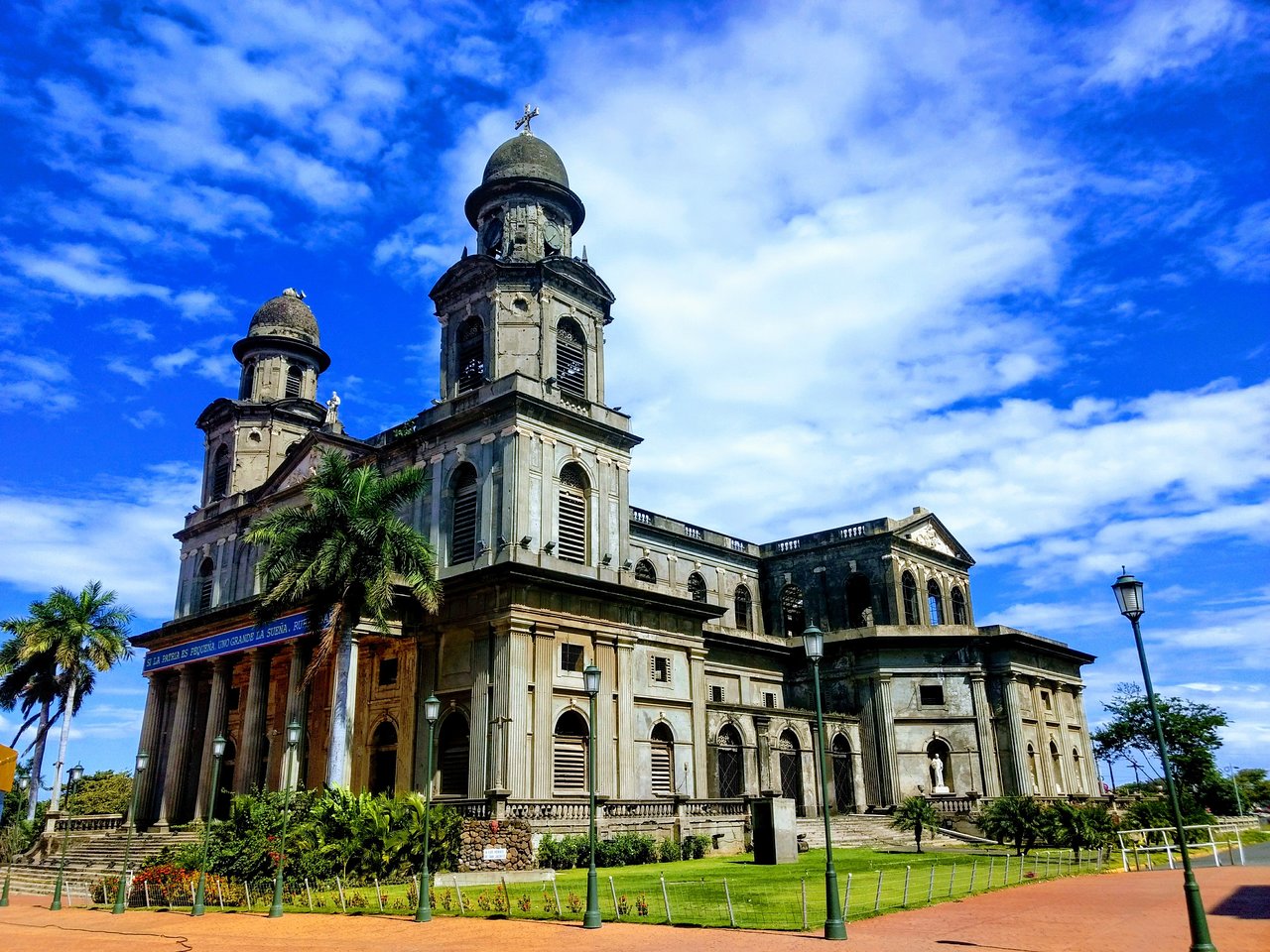
While San Jose has some notable cultural institutions like the Gold Museum (Museo del Oro Precolombino, entrance ~ $15 or 7,700 CRC) and the National Theater (Teatro Nacional, tours ~ $10 or 5,200 CRC), the city itself often serves as a gateway rather than a cultural destination. Most travelers quickly move on to the natural wonders. Managua, on the other hand, while still recovering from earthquakes and civil strife, is deeply steeped in history. Though the city itself is sprawling and lacks a central colonial core, it's the gateway to Nicaragua's true cultural gems like Granada and León. Granada (easily accessible from Managua) boasts stunning colonial architecture, vibrant markets, and a more tangible sense of history. León is known for its revolutionary past and impressive cathedral. The cultural experience in Nicaragua feels more raw and authentic, less polished for tourism. "If you want pretty colonial buildings and a strong sense of history, head to Granada or León from Managua. San Jose is fine, but it's not a historical city in the same way." From Managua, you can visit the Old Cathedral ruins or the Palacio Nacional de la Cultura for a glimpse into its past.
Winner takeaway
- Winner: Managua
- Why: Managua acts as a gateway to Nicaragua's richer and more accessible colonial history and vibrant local culture in nearby cities like Granada and León.
- Who this matters for: History buffs, culture enthusiasts, and travelers seeking authentic local experiences.
✈️ Getting There & Flights
Juan Santamaría International Airport (SJO) in San Jose is Central America's second busiest airport, offering numerous direct flights from major hubs across the United States (e.g., Miami, Houston, Atlanta, LA), Canada, and Europe. This makes travel to Costa Rica relatively straightforward and often cheaper in terms of airfare, with round-trip flights from the US typically ranging from $350-700. For example, a direct flight from Houston to SJO might take 4-5 hours. Managua's Augusto C. Sandino International Airport (MGA) is smaller and has fewer direct routes. Most flights from North America will involve a connection, often through San Salvador (SAL), Panama City (PTY), or Miami (MIA). Flight times will be longer, for instance, a flight from Houston to MGA via SAL could take 6-8 hours with the layover. Airfares tend to be comparable or slightly higher due to fewer direct options. "Getting to San Jose was a breeze, direct flight and I was there. Managua always seemed to require a layover, adding hours to the journey." The ease and availability of direct flights give San Jose a significant advantage.
Winner takeaway
- Winner: San Jose
- Why: San Jose offers more direct flight options from international hubs, making it easier and often quicker to access.
- Who this matters for: International travelers, those with limited vacation time, and anyone prioritizing convenience.
🚗 Getting Around Locally
In San Jose, getting around is relatively simple. The city has an extensive public bus network (fares around $0.75 or 380 CRC), and taxis are metered and widely available. Ride-sharing apps like Uber are also active and generally reliable, offering a convenient and safe option. Renting a car is popular for exploring Costa Rica beyond the city, with major international agencies present (daily rates typically $30-60+). Road conditions are generally better, though traffic in San Jose can be intense. Managua's public transport is less tourist-friendly; it relies heavily on crowded 'chicken buses' and shared taxis, which are very cheap (bus fare ~ $0.25 or 9 NIO) but can be confusing. Taxis are abundant but often unmetered, requiring negotiation, and are crucial for getting around Managua safely, especially at night. Car rental is less common for tourists, and road conditions outside major routes can be challenging. "In San Jose, I just used Uber or walked. In Managua, I felt like I needed to know the taxi drivers or have a local with me to feel safe and not get ripped off." For ease of navigation and tourist-friendly options, San Jose is superior.
Winner takeaway
- Winner: San Jose
- Why: San Jose offers more reliable and safer public transport options, including ride-sharing, and a more straightforward car rental experience.
- Who this matters for: Independent travelers, those uncomfortable negotiating fares, and anyone valuing convenience.
🏨 Accommodation
While both cities offer a range of accommodation, Managua delivers significantly better value. In San Jose, a budget hostel dorm bed can start at $20-30 (10,000-15,000 CRC), a mid-range hotel room at $70-120 (36,000-62,000 CRC), and luxury options climb well over $200 (100,000 CRC). You're paying for the developed infrastructure and higher demand. Notable options include Hotel Grano de Oro for boutique luxury or Hostel Pangea for budget travelers. In Managua, you can find a comfortable hostel dorm for $10-15 (360-550 NIO), a clean, mid-range hotel room for $30-60 (1,100-2,200 NIO), and even boutique hotels or guesthouses for under $100 (3,650 NIO). This means you can often stay in a much nicer place for the same price as a budget option in San Jose. "I stayed in a really charming guesthouse in Managua for like $40 a night, with breakfast! In San Jose, that would have been a basic motel." Places like Hotel Contempo or Real InterContinental Metrocentro offer more upscale options in Managua at competitive prices. The value proposition for accommodation is a clear win for Managua.
Winner takeaway
- Winner: Managua
- Why: Managua offers significantly more affordable accommodation options across all categories, providing better value for money.
- Who this matters for: Budget travelers, those seeking longer stays, and anyone wanting more luxury for less.
🗺️ Day Trips & Excursions
San Jose serves as an incredible base for day trips, truly showcasing Costa Rica's 'Pura Vida'. Within a 1-2 hour drive, you can visit Poás Volcano National Park (entrance ~$15 or 7,700 CRC), explore a Doka Estate coffee plantation (tours ~$25-30 or 13,000-15,000 CRC), or go white-water rafting on the Pacuare River. Cloud forests of Monteverde or the beaches of Jacó are also accessible for longer day trips. The infrastructure for organized tours is robust, making these excursions easy to plan. Managua also offers compelling day trips, most notably to the colonial cities of Granada (about 1-hour drive, bus $1.50 or 55 NIO) and León (about 1.5-hour drive, bus $2 or 70 NIO). From these cities, you can hike or sandboard down the Cerro Negro volcano (tour ~$30-50 or 1,100-1,800 NIO) or relax at Apoyo Lagoon. While culturally rich, Managua's direct day trip options from the city center are less diverse and less nature-focused than San Jose's. "Costa Rica's day trips are what you come for. You can see a volcano, a waterfall, and a coffee farm all in one day easily from San Jose." The sheer variety and quality of nature-based excursions from San Jose give it the edge.
Winner takeaway
- Winner: San Jose
- Why: San Jose offers a greater variety of world-class, easily accessible nature and adventure day trips.
- Who this matters for: Adventure travelers, nature enthusiasts, and those wanting diverse experiences from a central hub.
❓ Frequently Asked Questions
Is San Jose or Managua better for solo female travelers?
San Jose is generally considered safer for solo female travelers due to its more developed tourism infrastructure and lower crime rates. While precautions are always necessary, you'll likely feel more comfortable and find more organized tour options. Managua requires a higher level of vigilance, especially at night.
Which city has better internet and digital nomad infrastructure?
San Jose has significantly better internet connectivity and more developed infrastructure for digital nomads. You'll find more co-working spaces, cafes with reliable Wi-Fi, and a larger expat community. Managua's internet can be spottier, and nomad-specific amenities are less common, though it's improving.
What's the best time of year to visit either city?
Both cities share similar dry (December to April) and wet (May to November) seasons. The dry season is generally preferred for travel, offering sunny skies for outdoor activities. The shoulder months (May, November) can offer a good balance of fewer crowds and pleasant weather, though expect some rain.
Are English speakers common in San Jose vs. Managua?
In San Jose, particularly within the tourism sector, English is widely spoken, making it easy for travelers. In Managua, English is less common outside of major hotels or tour operators. Learning some basic Spanish phrases will greatly enhance your experience in Nicaragua.
Can I easily cross the border between Costa Rica and Nicaragua?
Yes, it is possible to cross the border, typically by bus or private shuttle, at points like Peñas Blancas. The process can be time-consuming, involving multiple checks and fees (around $10-15 USD for exit/entry fees). Ensure your passport is valid and check visa requirements for your nationality.
Which city is better for families with young children?
San Jose (and Costa Rica in general) is much better suited for families with young children. It offers a safer environment, more family-friendly resorts and activities (like wildlife viewing or gentle nature walks), and easier access to medical facilities. Managua's less developed infrastructure and safety concerns make it less ideal for families.
What are the local transportation options from each city's airport?
From San Jose (SJO), you can easily take an official airport taxi (fixed rates), Uber, or a public bus (the Tuasa bus) to downtown. From Managua (MGA), official airport taxis are the main option, or you can pre-arrange hotel transfers. Uber is present but less reliable from the airport itself due to local regulations/competition.
Which destination offers a more 'authentic' cultural experience?
Managua, and Nicaragua as a whole, arguably offers a more 'authentic' Central American cultural experience. It's less geared towards mass tourism, allowing for deeper immersion into local life, traditions, and interactions. Costa Rica's tourism is more developed and polished, which can sometimes feel less 'raw' culturally.
Ready to plan your Central American adventure?
Get a free custom itinerary for San Jose, Managua, or both — built from real traveler insights.
🎟️ Book Tours & Experiences
Hand-picked tours and activities for both destinations — book with free cancellation
Experiences via Viator — free cancellation on most tours