How we built this comparison
This comparison was meticulously crafted by analyzing traveler reviews, expert insights, local tourism data, and firsthand experiences to provide a balanced and practical guide. We break down key travel aspects to help you align your preferences with the perfect destination.
- Reddit discussion analysis from r/travel, r/solotravel, and destination-specific subreddits
- Real-time cost data and flight routes
- Seasonal patterns and local insights
⚡ The TL;DR Verdict
San Sebastián is better if you want a vibrant coastal city with world-class beaches, a unique pintxos culture, and high-end dining. Bologna is better if you want an authentic Italian experience focused on rich culinary traditions, deep history, stunning architecture, and a lively university town atmosphere. Budget: San Sebastián is generally more expensive, while Bologna offers better value.
- Choose San Sebastian: Travelers seeking a luxurious foodie experience with easy access to stunning urban beaches, renowned surfing spots, unique Basque culture, and a lively, picturesque setting should choose San Sebastián. It's ideal for couples, gourmands, and those who enjoy a blend of relaxation and urban exploration.
- Choose Bologna: Travelers passionate about authentic Italian cuisine (especially pasta), Renaissance art & architecture, exploring a less-touristy yet vibrant city, and enjoying a rich student atmosphere should choose Bologna. It's perfect for history buffs, food lovers on a moderate budget, and those who appreciate a genuine cultural immersion.
- Budget snapshot: San Sebastián is typically 20-30% more expensive than Bologna, especially for accommodation and fine dining. Bologna offers excellent value for food and lodging, making it a more budget-friendly option for extended stays or travelers conscious of costs.
Choose San Sebastian
World-class pintxos, stunning La Concha beach, Michelin-starred dining, vibrant nightlife, surf culture
Choose Bologna
Authentic Italian pasta, historic arcades, lively university town, rich art history, central Emilia-Romagna hub
Quick Comparison
| Category | 🏝️ San Sebastian | 🏖️ Bologna | Winner |
|---|---|---|---|
| Food & Dining | Michelin-starred restaurants, innovative pintxos, seafood focus | Traditional Italian pasta (tagliatelle, tortellini), rich ragù, mortadella, trattorias | Depends |
| Beaches & Nature | Iconic La Concha, surfing at Zurriola, coastal hikes, lush hills | No beaches; access to Apennine foothills, flat agricultural plains | San Sebastian |
| Culture & History | Unique Basque culture, Old Town charm, Miramar Palace | Medieval arcades, Two Towers, Piazza Maggiore, oldest university, Roman heritage | Bologna |
| Budget | Higher cost for accommodation & fine dining; pintxos can be moderate | More affordable accommodation, excellent value for high-quality food | Bologna |
| Getting There | Fly to Bilbao (BIO) or San Sebastián (EAS), then bus/train | Fly to Bologna (BLQ), excellent train connections across Italy | Bologna |
| Getting Around | Highly walkable city, good local bus system, bikes | Very walkable Old Town, efficient bus network, limited metro | Tie |
| Nightlife | Vibrant pintxos bars, cocktail lounges, lively Old Town | Student bars, aperitivo culture, casual pubs, fewer late-night clubs | San Sebastian |
| Accommodation | Charming boutique hotels, luxury options, higher prices | Mid-range hotels, guesthouses, apartments, often better value | Bologna |
| Best Time to Visit | Late spring to early autumn for warm weather and festivals | Spring & early autumn for pleasant weather, fewer crowds | Tie |
| Day Trips | Coastal towns (Hondarribia, Zarautz), French Basque Country, Rioja wineries | Parma, Modena, Ravenna, Ferrara, Florence (train) | Tie |
| Safety | Very safe city, low crime rates, comfortable for solo travelers | Generally safe, standard precautions in crowded areas, safe for solo travelers | Tie |
| Atmosphere/Vibe | Elegant, lively, coastal resort town, chic, very tourist-friendly | Authentic, historic, student-driven, less touristy, bustling local life | Depends |
🏙️ Main Attractions & City Vibe
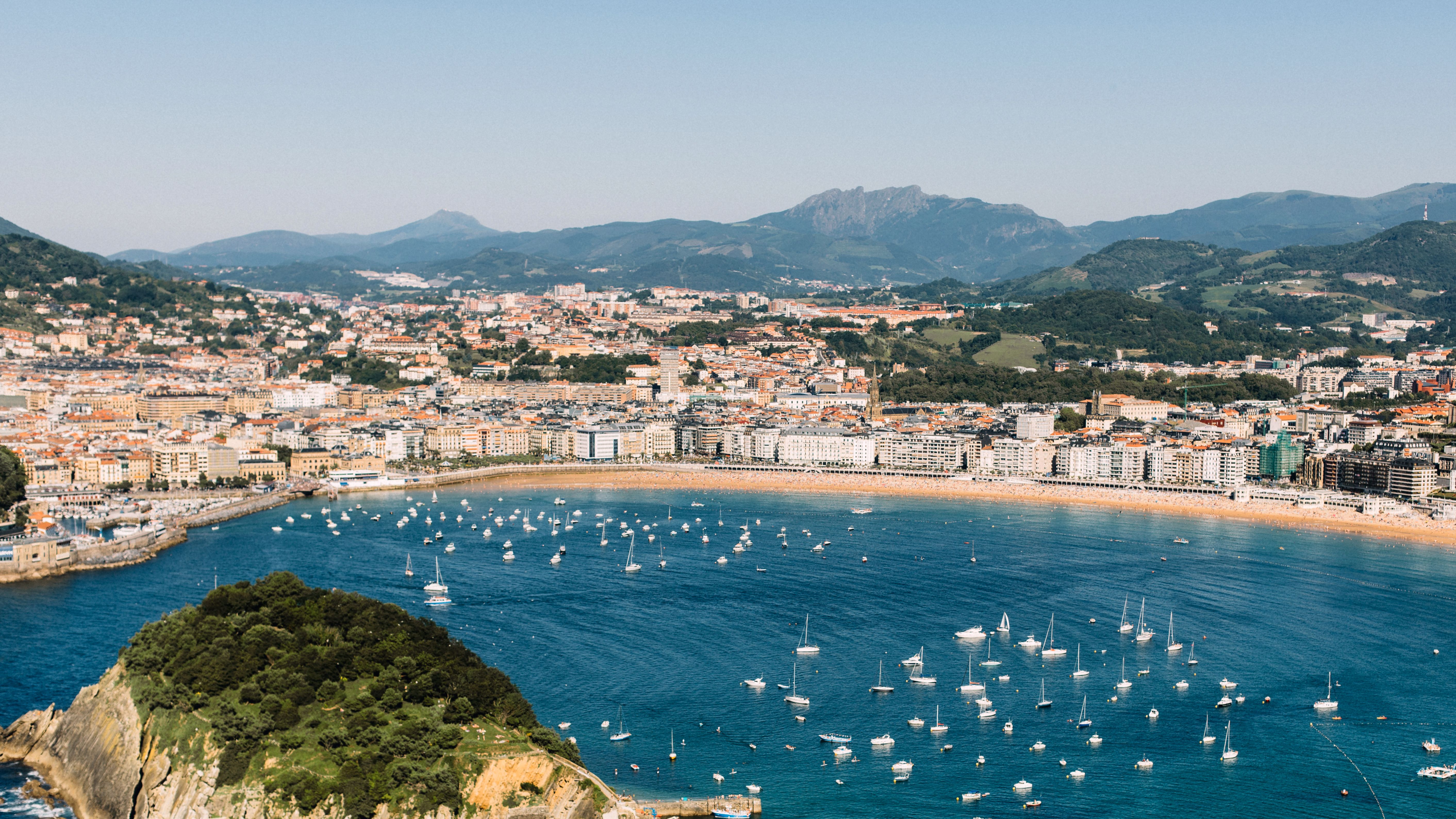
San Sebastián exudes an elegant, resort-town charm, centered around the shell-shaped La Concha Bay. Its iconic promenade, ornate Belle Époque buildings, and the lush slopes of Monte Igueldo create a picturesque backdrop. The Parte Vieja (Old Town) is a maze of narrow streets packed with pintxos bars, while the romantic vibe extends to the Miramar Palace and the surfing beach of Zurriola. The city feels refined yet vibrant, especially during the summer months.
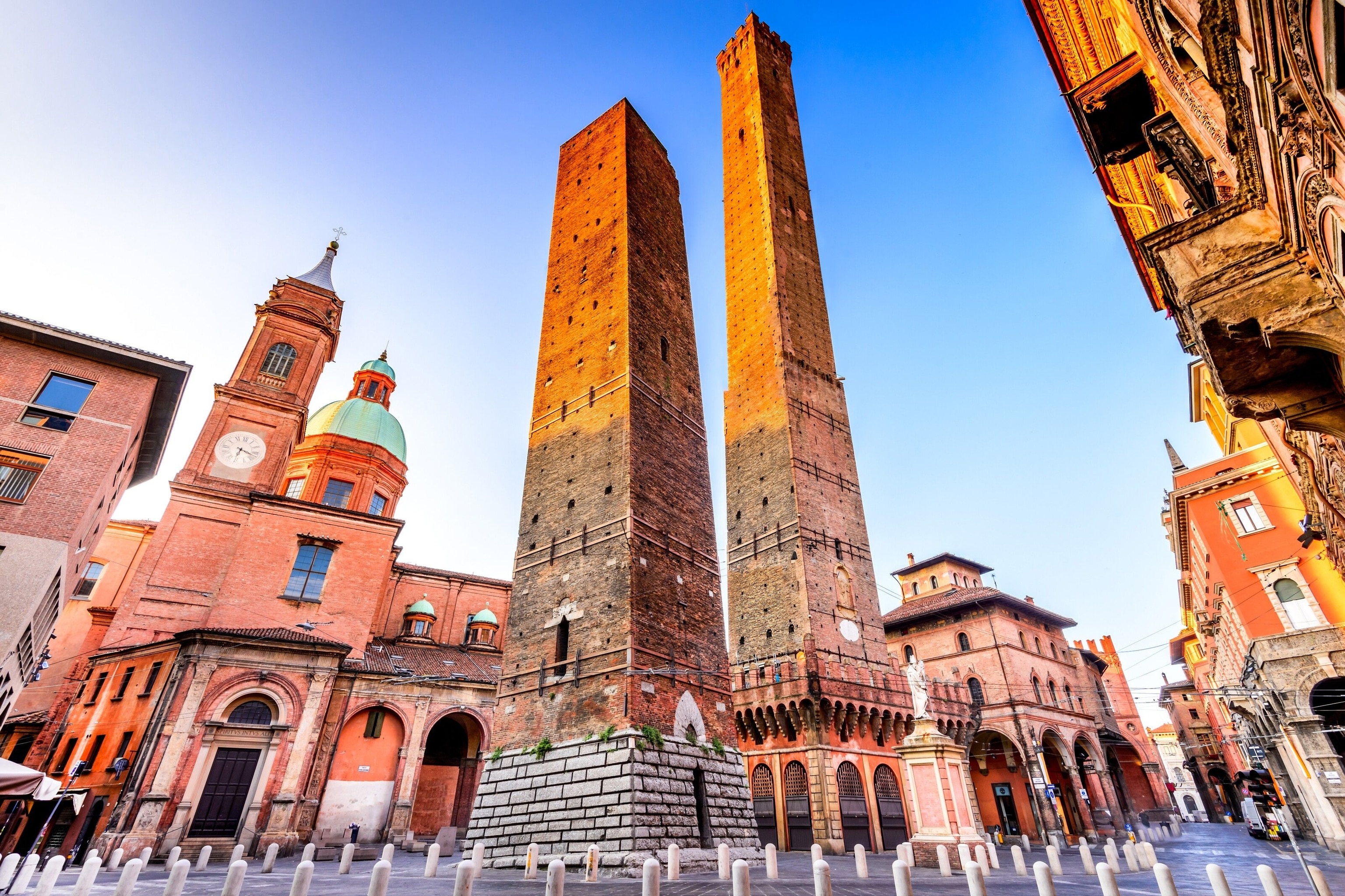
Bologna, by contrast, is known as La Dotta (The Learned), La Grassa (The Fat), and La Rossa (The Red). It boasts Europe's oldest university, a stunning network of medieval porticoes (arcades) stretching over 40 km, and a rich red-brick architecture. The city's heart is Piazza Maggiore, home to the Basilica di San Petronio and Palazzo Comunale. Bologna offers a more authentic, less tourist-centric Italian experience, bustling with student life and local activity, making it feel incredibly real and lived-in.
While San Sebastián offers stunning natural beauty combined with urban elegance, Bologna provides a deep dive into Italian history and a vibrant academic atmosphere. Both cities are incredibly walkable, but their aesthetic and overall feel are distinctly different – coastal glamour versus historic gravitas.
Winner takeaway
- Winner: Depends
- Why: San Sebastián for coastal elegance, Bologna for historic authenticity.
- Who this matters for: Travelers seeking scenic beauty vs. those seeking deep historical and local immersion.
gastronomy The Culinary Scene: Pintxos vs. Pasta
San Sebastián is a global culinary powerhouse, famous for its Michelin-starred restaurants (like Arzak and Akelarre) and, more accessibly, its unique pintxos culture. Pintxos are small, elaborate snacks, often skewered onto bread, displayed artfully on bar counters. The experience of 'pintxos hopping' – moving from bar to bar trying a few bites & a drink at each – is central to the city's social life. Expect fresh seafood, innovative preparations, and vibrant flavors. A pintxo can cost anywhere from €2.50 to €6.
Bologna proudly holds the title of Italy's culinary capital, specifically Emilia-Romagna's heart. It's the birthplace of iconic dishes like tagliatelle al ragù (what the world calls 'Bolognese'), tortellini, mortadella, and balsamic vinegar. The emphasis here is on rich, hearty, traditional Italian fare, made with high-quality local ingredients. Dining is often a more sit-down, leisurely affair in trattorias, where a pasta dish might cost €10-€15. The Quadrilatero market district is a sensory delight, bursting with fresh produce, cheeses, and cured meats.
While both cities offer unparalleled dining experiences, they cater to different culinary philosophies. San Sebastián is about innovative small bites and high-end gastronomy, perfect for sampling variety. Bologna is about comforting, deeply rooted traditions and substantial, unforgettable pasta dishes. Your preference for a quick, social grazing style versus a more traditional, sit-down meal will heavily influence your choice.
Winner takeaway
- Winner: Depends
- Why: San Sebastián for innovative pintxos and fine dining, Bologna for traditional Italian comfort food.
- Who this matters for: Travelers prioritizing varied small plates vs. those seeking classic, hearty Italian cuisine.
💰 Costs & Budgeting
San Sebastián generally falls into the higher end of European travel budgets. Accommodation, especially during peak season (June-September), can be quite expensive, with decent hotels averaging €150-€250 per night. While pintxos can be enjoyed relatively affordably (€3-€5 per piece plus a drink), dining at Michelin-starred restaurants is a significant splurge (€200-€350+ per person). Transportation costs within the city are low due to its walkability, but overall daily expenses can easily reach €100-€150+ per person excluding accommodation.
Bologna offers a more moderate and budget-friendly experience, especially when compared to other major Italian tourist hubs like Florence or Rome. Expect to find comfortable hotels or guesthouses for €100-€180 per night. Food is where Bologna truly shines for value; a delicious pasta dish in a trattoria costs around €10-€15, and a hearty pizza for €8-€12. Daily expenses, including meals and activities, can hover around €70-€100 per person, making it an excellent choice for travelers wanting to maximize their experience without breaking the bank.
For budget-conscious travelers, Bologna undoubtedly offers better value without compromising on quality or experience. San Sebastián is achievable on a budget by opting for hostels, self-catering, and limiting Michelin experiences, but it requires more careful planning to keep costs down. If a more luxurious trip is your aim, San Sebastián delivers, but at a premium.
Winner takeaway
- Winner: Bologna
- Why: Bologna offers significantly better value for accommodation and high-quality food.
- Who this matters for: Travelers with a tighter budget or those looking to stretch their money further.
✈️ Transportation & Accessibility
Getting to San Sebastián typically involves flying into Bilbao Airport (BIO), which is about an hour's bus ride away, or the smaller San Sebastián Airport (EAS), which has fewer international connections. From Bilbao, direct buses run frequently and cost around €17-€20. The city itself is incredibly compact and walkable; most key attractions are within a 20-minute stroll. There's also an efficient local bus system (Lurraldebus) for longer distances or if you prefer not to walk.
Bologna is a major transportation hub in Italy, making it highly accessible. Bologna Guglielmo Marconi Airport (BLQ) serves numerous international routes, and the Marconi Express monorail offers a quick 7-minute connection to the central train station for €11. Bologna Centrale is one of Italy's busiest train stations, with high-speed connections to Florence (35 min), Milan (1 hr), Venice (1.5 hrs), and Rome (2 hrs). Within the city, the historic center is very walkable, and an extensive bus network (TPER) covers all neighborhoods.
Bologna clearly has an advantage in terms of ease of international arrival and its excellent train connections for exploring Italy. San Sebastián requires a bit more effort to reach, usually involving a connecting bus from a larger airport, but once there, getting around locally is very easy. If you plan on extensive day-tripping within the country, Bologna's central location is superior.
Winner takeaway
- Winner: Bologna
- Why: Bologna's international airport and central train station offer superior accessibility and connections.
- Who this matters for: Travelers prioritizing easy, direct travel and extensive day-trip options by train.
🏨 Accommodation Options
In San Sebastián, accommodation ranges from elegant Belle Époque hotels facing La Concha Bay to charming boutique guesthouses in the Parte Vieja and more modern hotels in the city's newer areas. The neighborhoods of Gros (near Zurriola beach) and Centro (near La Concha) are popular. Due to the city's popularity and compact size, prices tend to be higher, especially from June to September. Booking well in advance is highly recommended, as good options sell out quickly. Expect to pay €150-€300+ for a mid-range to upper-range hotel room.
Bologna offers a wider range of accommodation options that often provide better value. You'll find everything from traditional hotels in the historic center to modern apartments and charming B&Bs tucked away in quiet streets. Popular areas include the Quadrilatero for central access to food markets, and the university district for a lively, youthful atmosphere. Prices are generally more affordable than San Sebastián, with comfortable hotels averaging €100-€180 per night, and budget options like hostels or guesthouses starting from €40-€70.
While both cities offer quality places to stay, Bologna provides more bang for your buck and a greater variety of budget-friendly options. San Sebastián's accommodation reflects its status as a premier coastal resort and culinary destination, often commanding higher prices for similar levels of comfort. Travelers prioritizing luxury and prime locations might find San Sebastián's offerings appealing, but those seeking value will lean towards Bologna.
Winner takeaway
- Winner: Bologna
- Why: Bologna offers better value and a wider range of affordable accommodation options.
- Who this matters for: Travelers on a moderate budget or those seeking more diverse lodging choices.
☀️ Best Time to Visit
The best time to visit San Sebastián is from late spring (May-June) to early autumn (September-October). During these months, the weather is pleasantly warm, ideal for enjoying the beaches and outdoor activities, and the city comes alive with festivals like the San Sebastián Jazz Festival (Jazzaldia) in July and the International Film Festival in September. July and August are peak season, bringing large crowds and higher prices, but also the most vibrant atmosphere. Winters are mild but can be rainy.
For Bologna, the sweet spots are spring (April-May) and early autumn (September-October). The weather is mild and comfortable for walking and exploring, and the tourist crowds are manageable. Summers (July-August) can be very hot and humid, with many locals leaving the city for coastal or mountain retreats, though some cultural events still take place. Winters are cool and can be foggy, but the city's indoor attractions & culinary scene remain strong. Avoiding the peak summer heat can greatly enhance your experience.
Both cities have their charm in different seasons, but for optimal weather and lively atmospheres, spring and early autumn are generally preferred. San Sebastián's coastal location makes its summer more appealing for beach lovers, despite the crowds. Bologna's inland position makes its summer less desirable for extensive outdoor exploration. Consider your priorities: beach time and festivals (San Sebastián) or comfortable urban exploration (Bologna).
Winner takeaway
- Winner: Tie
- Why: Both cities shine in spring/early autumn; summer choice depends on preference for beaches vs. heat.
- Who this matters for: Travelers prioritizing beach weather and summer festivities vs. those seeking comfortable city exploration and fewer crowds.
🗺️ Day Trips & Nearby Attractions
From San Sebastián, you can easily explore other gems of the Basque Country. The charming fishing villages of Hondarribia and Zarautz are just a short bus or train ride away, offering picturesque streets and more pintxos. Art lovers can visit the Guggenheim Museum in Bilbao (about 1.5 hours by bus). For a taste of French culture, the French Basque towns of Saint-Jean-de-Luz and Biarritz are also easily accessible. Wine enthusiasts can venture inland to the Rioja Alavesa wine region for vineyard tours, although this often requires a car or organized tour.
Bologna's central location in Emilia-Romagna makes it an ideal base for exploring Italy's 'Food Valley' and historic cities. High-speed trains connect you to Parma (famous for Parmigiano Reggiano and Prosciutto di Parma), Modena (balsamic vinegar and Ferrari museum), and Ravenna (Byzantine mosaics) – all within an hour. The Renaissance city of Ferrara is also a short train ride away. Even Florence is just a 35-minute high-speed train ride, making it a very feasible day trip. Car rental opens up options for exploring smaller villages and food producers.
Both cities offer fantastic day trip opportunities, but they cater to different interests. San Sebastián's proximity to other Basque towns and even France offers a blend of coastal beauty and unique regional culture. Bologna, on the other hand, is a springboard to an incredible array of historic Italian cities and the heartland of some of Italy's most famous culinary products. Your interest in Basque culture vs. Italian food and history will guide your choice here.
Winner takeaway
- Winner: Tie
- Why: Both offer excellent day trip options, catering to different regional interests and travel styles.
- Who this matters for: Travelers interested in exploring Basque/French coast vs. Italian 'Food Valley' and Renaissance cities.
nightlife Nightlife & Entertainment
San Sebastián boasts a lively and sophisticated nightlife, particularly centered around the Parte Vieja (Old Town). The primary form of evening entertainment is 'pintxos hopping,' which naturally evolves into a vibrant bar scene. Bars remain open late, offering a mix of traditional Basque sidrerías, modern cocktail bars, and lively pubs. There are also a few clubs, especially around the Gros neighborhood, catering to a younger crowd and those looking to dance into the early hours. The atmosphere is generally social, energetic, and safe.
Bologna's nightlife is heavily influenced by its large student population, giving it a youthful and unpretentious vibe. The evening usually starts with aperitivo, where bars offer complimentary snacks with your drink. The university district (especially around Via Zamboni) is packed with student bars, pubs, and cafes that stay open late. While there are some clubs, particularly outside the immediate city center, Bologna's nightlife is more about casual drinks, conversation, and enjoying the buzzing atmosphere in piazzas. It's less about high-end cocktails and more about authentic local hangouts.
If you're looking for a chic, bustling bar scene focused on culinary exploration that transitions into late-night revelry, San Sebastián is the stronger choice. If a more casual, student-driven atmosphere with plenty of affordable drinks and a vibrant social scene is more your speed, Bologna will be a better fit. Both cities are safe for enjoying the evening out.
Winner takeaway
- Winner: San Sebastian
- Why: San Sebastián offers a more vibrant and diverse nightlife, blending culinary experiences with lively bars and clubs.
- Who this matters for: Travelers prioritizing an energetic evening scene, from gourmet bar crawls to late-night dancing.
🛡️ Safety & Practicalities
San Sebastián is widely considered one of the safest cities in Spain, with very low crime rates. Travelers can generally feel comfortable walking alone at night, even in the crowded Old Town. Standard precautions against petty theft, like pickpocketing in busy tourist areas, are always advisable but not a major concern. The public transportation is reliable, and locals are generally friendly and helpful, though Spanish (and Basque) are the dominant languages. English is widely spoken in tourist-heavy areas.
Bologna is also a very safe city, with a relaxed atmosphere. As in any popular European city, exercise caution against pickpockets, particularly in crowded areas like Piazza Maggiore, the Quadrilatero, or on busy buses. The university district can be lively at night but generally remains safe. Italian is the primary language, but English is understood in hotels, restaurants, and tourist-oriented shops. Public transport is efficient and easy to navigate, and the city's extensive arcades provide shelter from both sun and rain.
Both San Sebastián and Bologna are excellent choices for solo travelers or families, offering a high degree of personal safety. Practical considerations like language and transportation are well-managed in both. The main differences come down to the specific cultural context – Basque vs. Italian – and preparing for minor language barriers outside tourist zones.
Winner takeaway
- Winner: Tie
- Why: Both cities offer a high level of safety and similar practical considerations for travelers.
- Who this matters for: All types of travelers will find both cities comfortable and secure.
🤔 Which City For You: Decision Framework
The choice between San Sebastián and Bologna boils down to your core travel priorities. If your dream European escape involves stunning coastal scenery, leisurely beach days, avant-garde culinary experiences (from world-class fine dining to innovative pintxos), and a chic, elegant atmosphere, San Sebastián is calling your name. It's a fantastic choice for a romantic getaway, a foodie pilgrimage, or a trip blending relaxation with vibrant city life.
If, however, your ideal journey is steeped in rich history, authentic Italian culture, and hearty, traditional cuisine that goes beyond mere sustenance – think homemade pasta, cured meats, and regional wines – then Bologna is your perfect match. It offers a more immersive, less tourist-driven experience, a lively university buzz, and excellent value for money, making it ideal for history buffs, budget-conscious foodies, and those looking to explore the heart of Italy's culinary traditions.
Ultimately, consider your budget, your preferred pace of travel, and whether a salty sea breeze or ancient arcade stroll appeals more to your soul. Both cities promise unforgettable gastronomic adventures and rich cultural tapestries, just woven with different threads. You can't go wrong, but you can choose the one that resonates most deeply with your travel style.
Winner takeaway
- Winner: Depends
- Why: The choice hinges entirely on a traveler's specific preferences for coastal charm vs. historical depth and culinary style.
- Who this matters for: All travelers making a final decision based on their personal priorities and interests.
❓ Frequently Asked Questions
How many days are enough for San Sebastián or Bologna?
For San Sebastián, 3-4 full days allow you to enjoy the beaches, explore the Old Town, and indulge in the pintxos scene. For Bologna, 3 full days are sufficient to see the main sights, explore the markets, and savor its culinary delights. Add extra days to either for day trips.
Is San Sebastián or Bologna better for a family vacation?
San Sebastián might be slightly better for families due to its beautiful, calm beaches (La Concha) and parks, offering more varied activities for children. Bologna, while safe and walkable, is more focused on historical and culinary exploration, which might appeal less to younger kids.
Do I need to speak Spanish or Italian in these cities?
While English is understood in most tourist-oriented establishments in both cities, knowing some basic Spanish for San Sebastián and Italian for Bologna will greatly enhance your experience. Locals appreciate the effort, and it can be helpful in less touristy areas.
Are San Sebastián and Bologna walkable cities?
Yes, both San Sebastián and Bologna are incredibly walkable. Their main attractions, old towns, and popular districts are easily explored on foot. Public transportation is available in both cities for longer distances or convenience, but you'll do most of your exploring on foot.
Which city is better for a romantic getaway?
San Sebastián often edges out Bologna for a romantic getaway with its stunning bay views, elegant architecture, moonlit promenades, and high-end dining experiences. Bologna offers a charming, authentic romance, but San Sebastián has a more traditionally 'romantic' resort feel.
Can I visit both San Sebastián and Bologna on the same trip?
While possible, it requires significant travel time as they are in different countries and regions (Spain's Basque Country vs. Italy's Emilia-Romagna). It would likely involve a flight between Bilbao/San Sebastián and Bologna, making it more suitable for a longer, multi-stop European itinerary (10+ days) rather than a short trip.
What are the must-try foods in each city?
In San Sebastián, you must try a variety of pintxos (especially grilled mushrooms, bacalao, foie gras), fresh seafood, and Basque cheesecake. In Bologna, essential dishes include tagliatelle al ragù, tortellini in brodo, mortadella, and crescentine with cured meats.
Is it easy to find vegetarian/vegan options in San Sebastián and Bologna?
Both cities have increasing vegetarian/vegan options, especially San Sebastián with its modern culinary scene. In Bologna, while meat-heavy, you can find vegetarian pasta dishes (e.g., tortelloni with sage butter) and fresh produce. Always communicate your dietary needs clearly.
Ready to plan your European culinary adventure?
Get a free custom itinerary for San Sebastián, Bologna, or both – built from real traveler insights and tailored just for you.
🎟️ Book Tours & Experiences
Hand-picked tours and activities for both destinations — book with free cancellation
Experiences via Viator — free cancellation on most tours