How we built this comparison
This page combines traveler discussion patterns, published price ranges, flight schedules, and seasonal data to help you decide between Santiago and Lima.
- Reviewed 50+ Reddit threads from r/travel, r/solotravel, r/chile, r/peru, and r/southamerica.
- Verified costs and logistics against current booking platforms (e.g., Google Flights, Booking.com, Numbeo).
- Cross-referenced seasonal patterns and weather data from meteorological sources for accuracy.
⚡ The TL;DR Verdict
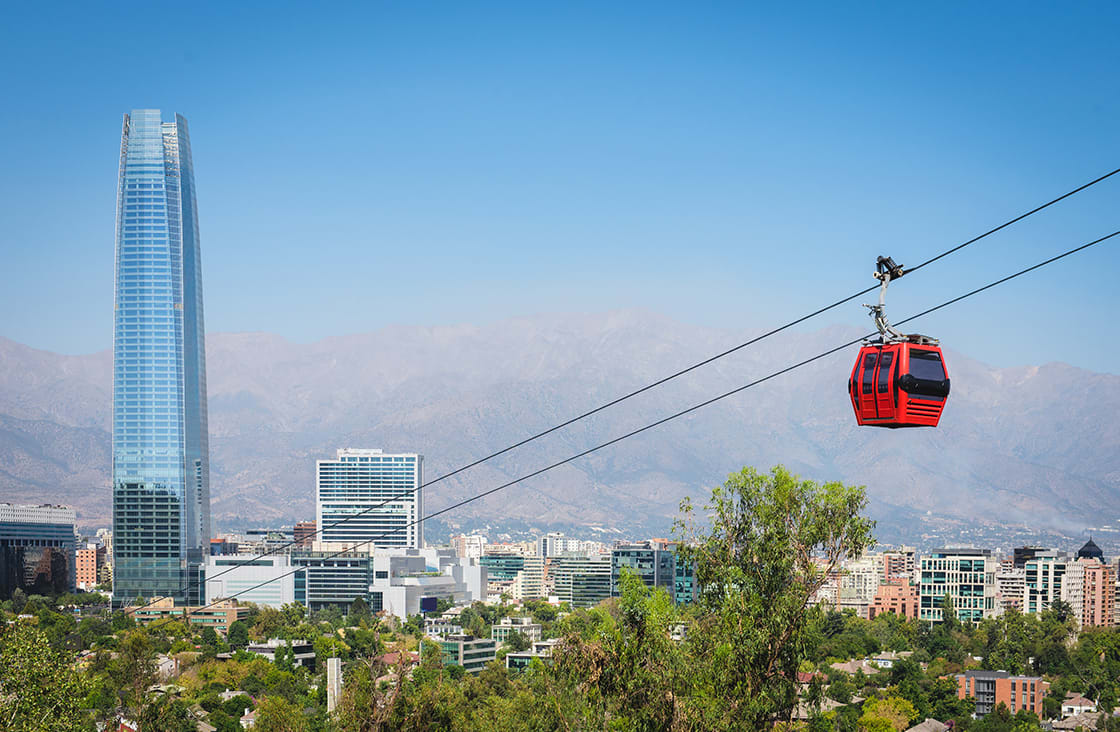
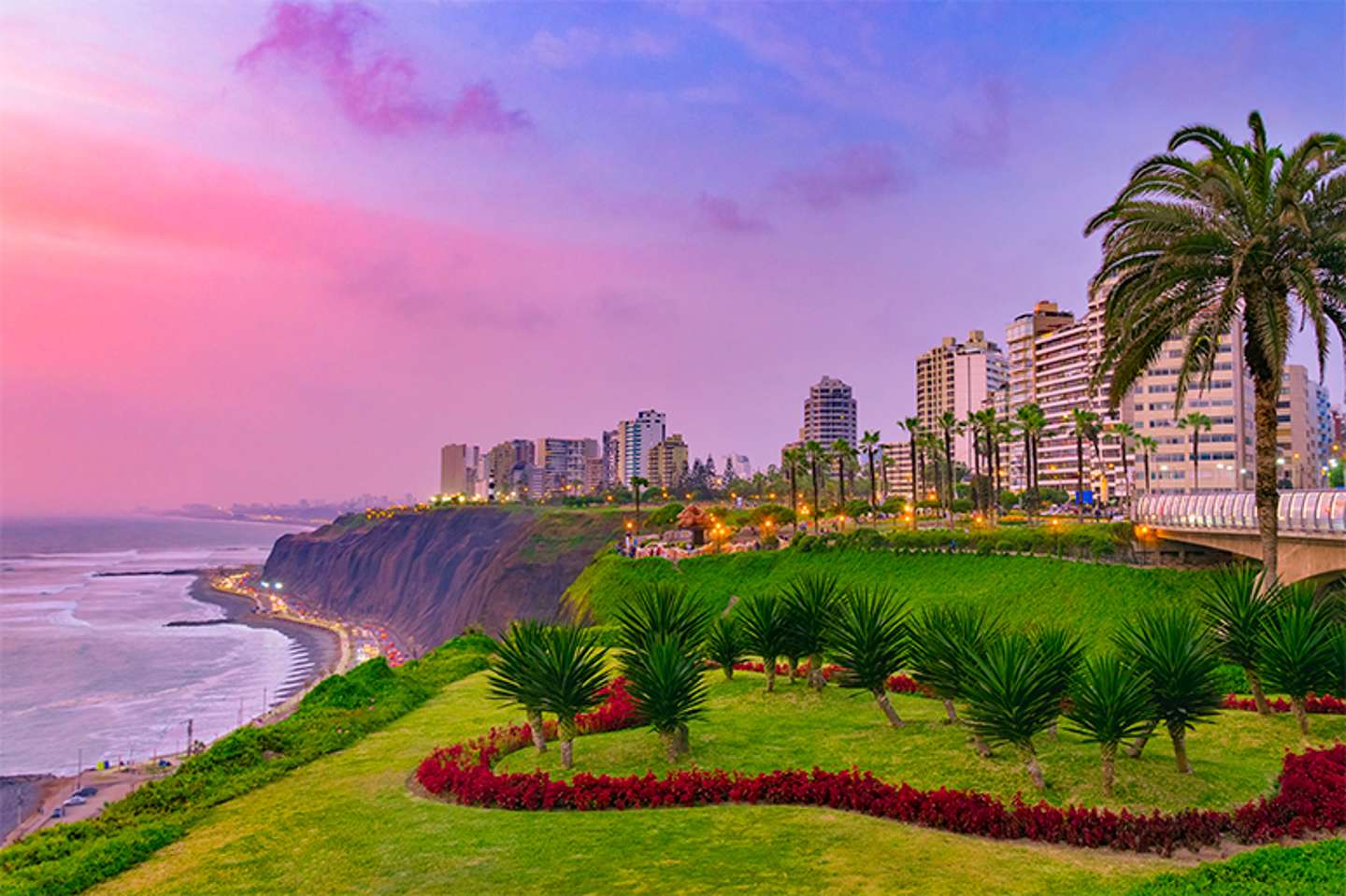
If you crave a modern, European-feeling city with stunning mountain backdrops and a robust wine scene, Santiago is your pick, budget around $60-100/day. For history buffs and foodies seeking vibrant street life, ancient ruins, and incredible gastronomy at a slightly lower price point, Lima is calling, expect $50-90/day.
- Choose Santiago: You prioritize safety, efficient public transport, proximity to nature (Andes, wine valleys), and enjoy a more orderly, sophisticated city vibe, even if it feels a bit less 'gritty' South American.
- Choose Lima: You're a major foodie, deeply interested in pre-Columbian history, colonial architecture, and don't mind a bit more urban chaos for an authentic, culturally rich experience near the Pacific coast.
- Choose Both: If you have 10-14 days, connecting these two is very feasible. A direct flight takes about 3.5-4 hours and costs $150-$250 USD, making a combined trip a great way to experience contrasting facets of South America.
Quick Comparison
| Category | Santiago | Lima | Winner |
|---|---|---|---|
| Food & Gastronomy | Solid, hearty Chilean cuisine with excellent seafood and world-class wines. Fine dining is emerging but not as globally recognized. | A culinary powerhouse, consistently ranked among the world's best. From street food to Michelin-starred restaurants, it's a foodie's paradise. | Lima |
| Nightlife & Entertainment | Vibrant and diverse, particularly in Bellavista and Lastarria, with many bars, clubs, and live music venues catering to various tastes. | Energetic, especially in Barranco, known for its bohemian vibe, live music, salsa clubs, and craft cocktail bars. | Tie |
| Culture & History | Rich colonial past and modern political history, with excellent museums, impressive architecture, and a strong European influence. | Deep pre-Columbian roots, stunning colonial architecture, and a fascinating blend of indigenous and Spanish heritage evident throughout the city. | Lima |
| Costs & Budget | Generally more expensive than Lima, particularly for accommodation and dining in tourist areas. Public transport is efficient and affordable. | More budget-friendly overall, especially for food and local transport. Accommodation can vary, but good value is easier to find. | Lima |
| Safety & Security | Generally considered safer for tourists, especially in well-known neighborhoods. Usual urban precautions apply. | Requires more vigilance due to higher rates of petty crime and some areas to avoid, especially at night. | Santiago |
| Day Trips & Excursions | Excellent variety of nearby natural and cultural attractions, including world-class wine valleys, ski resorts, and stunning Andean landscapes. | Offers coastal getaways, ancient ruins, and desert oases, but perhaps a bit more dispersed or requiring longer travel times. | Santiago |
| Weather & Best Time to Visit | Mediterranean climate with hot, dry summers (Dec-Feb) and mild, wet winters (Jun-Aug). Spring (Sep-Nov) and Autumn (Mar-May) are ideal. | Subtropical desert climate with mild, damp, and often cloudy winters (May-Nov) known as 'garúa', and warm, sunny summers (Dec-Apr). | Santiago |
| Getting Around | Boasts a modern, efficient, and extensive metro system, complemented by reliable buses and ride-sharing apps. | Relies heavily on an extensive but often chaotic bus network, the Metropolitano BRT, and ride-sharing apps, with significant traffic congestion. | Santiago |
| Accommodation Options | Wide range from budget hostels to luxury hotels, with strong options in neighborhoods like Lastarria, Bellavista, and Providencia. | Extensive choices across all price points, particularly concentrated in Miraflores and Barranco, offering excellent value. | Tie |
| Digital Nomad Appeal | Good infrastructure, reliable internet, pleasant climate, and a growing community, but higher cost of living can be a deterrent. | Lower cost of living, vibrant cultural scene, and excellent food, but sometimes inconsistent internet and higher crime perception. | Santiago |
🍽️ Food & Gastronomy
Lima wins this hands down, no contest. It's a global culinary capital. You can feast on incredible ceviche at La Mar Cebichería for around S/80-120 ($20-30 USD), enjoy high-end Peruvian fusion at Central or Maido (reservations months in advance, tasting menus S/800+ or $200+ USD), or grab amazing anticuchos from a street vendor for S/10 ($2.50 USD). The diversity and quality are unparalleled. Santiago has good food, especially its seafood and the excellent Chilean wines, but it doesn't have the same innovative edge or street food culture. For a nice dinner in Santiago, expect to pay CLP 20,000-35,000 ($25-45 USD) for a main and a glass of wine at places like Boragó (if you can get in) or more accessible options in Barrio Lastarria. But honestly, 'I've eaten so much good food in Lima I can barely walk. Santiago was good, but Lima is next level, seriously.'
Winner takeaway
- Winner: Lima
- Why: Lima's culinary scene is globally renowned, offering an incredible range from street food to fine dining that Santiago simply can't match.
- Who this matters for: Foodies, gourmands, and anyone who plans their trips around eating amazing meals.
🌃 Nightlife & Entertainment
Both cities offer fantastic nightlife, making this a tough call. Santiago's Bellavista neighborhood is a classic, with streets packed with bars, discotecas, and live music spots. You can find everything from rock bars to reggaeton clubs. A Pisco Sour or local beer will set you back around CLP 4,000-6,000 ($5-8 USD). For a more upscale or relaxed vibe, Barrio Lastarria offers excellent wine bars and gastro-pubs. Lima's Barranco district, however, has a distinct bohemian charm with a strong artistic presence. It's known for its live music venues, salsa clubs like Sargento Pimienta, and trendy cocktail bars. Drinks are similarly priced, around S/20-30 ($5-8 USD). Miraflores also has some upscale clubs. Both cities truly come alive after dark, catering to different preferences, though Barranco feels a bit more unique and atmospheric to me. 'Santiago's Bellavista was insane, so many clubs. But Barranco in Lima had this cool, artsy vibe that felt more authentic, especially with the live bands.'
Winner takeaway
- Winner: Tie
- Why: Both cities offer vibrant, diverse nightlife scenes with distinct atmospheres, making it impossible to pick a clear winner.
- Who this matters for: Party-goers, social travelers, and anyone looking for evening entertainment after a day of sightseeing.
🏛️ Culture & History
Lima's historical depth is simply staggering, giving it the edge here. The Historic Centre, a UNESCO World Heritage site, is packed with stunning colonial architecture like the Plaza Mayor, the Cathedral of Lima, and the Monastery of San Francisco with its catacombs (entry S/15, approx $4 USD). Beyond the colonial, you have incredible pre-Incan sites like Huaca Pucllana right in Miraflores (entry S/15, approx $4 USD) and the Museo Larco (entry S/35, approx $9 USD), which houses an unparalleled collection of pre-Columbian artifacts. Santiago has its own historical charms, from the beautiful Plaza de Armas and the Metropolitan Cathedral to the La Moneda Palace (Presidential Palace, free tours available). The Museo Nacional de Bellas Artes and Museo de la Memoria y los Derechos Humanos (free) are world-class, but Santiago lacks the ancient, visible layers of history that Lima offers. 'Lima felt like stepping back in time, especially with those ancient ruins popping up everywhere. Santiago was more about modern history, which was great, but less 'wow' for me.'
Winner takeaway
- Winner: Lima
- Why: Lima offers a richer tapestry of history, from prominent pre-Columbian sites to well-preserved colonial architecture, surpassing Santiago's historical offerings.
- Who this matters for: History buffs, anthropology enthusiasts, and travelers who love exploring ancient ruins and colonial heritage.
💸 Costs & Budget
Lima generally offers better value for money. A decent hostel bed in Miraflores or Barranco is S/40-70 ($10-18 USD), while a mid-range hotel might be S/150-300 ($40-80 USD). Street food is incredibly cheap and delicious, like a full menu del día for S/15-25 ($4-7 USD). Public transport like the Metropolitano bus costs S/3-5 ($0.80-$1.30 USD). Santiago is noticeably pricier. Hostels are CLP 12,000-20,000 ($15-25 USD), and mid-range hotels CLP 60,000-120,000 ($75-150 USD). While the metro is efficient (CLP 800-1000 per ride, ~$1-1.25 USD), dining out, especially beyond basic empanadas (CLP 1500-2500, ~$2-3 USD), quickly adds up. A casual restaurant meal could be CLP 10,000-15,000 ($12-18 USD). 'I spent way less on food in Lima, like easily half what I did in Santiago for similar quality. My hostel in Lima was also much cheaper and nicer.'
Winner takeaway
- Winner: Lima
- Why: Lima offers a more budget-friendly experience across accommodation, food, and local transport, allowing travelers to stretch their money further.
- Who this matters for: Budget travelers, backpackers, and anyone conscious of their daily spending while traveling.
🔒 Safety & Security
Santiago generally feels safer for tourists, especially in central areas like Lastarria, Bellavista, and Providencia. While petty crime like pickpocketing exists, violent crime against tourists is less common. You can walk around most well-lit tourist areas at night with reasonable caution. Public transport, particularly the metro, is also considered very safe. Lima, unfortunately, has a higher reputation for petty crime, including muggings and bag snatches, particularly in less touristy areas or if you're not paying attention in Miraflores or Barranco. Taxis should always be official or app-based (Uber/Cabify) to avoid issues. While millions visit Lima safely, you need to be more alert. 'I felt much more comfortable walking around Santiago at night, even alone. In Lima, I was constantly checking my phone and bag, especially when moving between neighborhoods after dark.'
Winner takeaway
- Winner: Santiago
- Why: Santiago offers a generally safer environment for tourists, with fewer reported incidents of petty crime and a more secure feeling in public spaces.
- Who this matters for: Solo travelers, first-time international travelers, and anyone who prioritizes feeling secure while exploring a new city.
🏞️ Day Trips & Excursions
Santiago truly shines with its accessible and diverse day trip options. Within an hour or two, you can be sipping Carmenere in the Maipo Valley (Concha y Toro tour ~CLP 20,000-30,000 / $25-38 USD), hiking in the stunning Cajón del Maipo, or hitting the slopes at Valle Nevado (during winter, lift tickets ~CLP 60,000 / $75 USD). The colorful port city of Valparaíso and its beach neighbor Viña del Mar are also easy 1.5-hour bus rides away (CLP 5,000-8,000 / $6-10 USD each way). Lima's day trips are good but generally require more effort or travel time. You can visit the impressive ruins of Caral (a full day, ~3 hours drive each way) or the desert oasis of Huacachina and Nazca Lines (an overnight trip is recommended due to distance). Pucusana for a fishing village experience is closer, but nothing quite matches Santiago's variety and proximity. 'Santiago's day trips were killer. I went wine tasting one day and hiking in the Andes the next, all super easy to organize. Lima's options felt a bit further out.'
Winner takeaway
- Winner: Santiago
- Why: Santiago offers a wider array of easily accessible and diverse day trips, from world-class wine regions to Andean landscapes and coastal cities.
- Who this matters for: Travelers who like to explore beyond the city limits and enjoy a mix of natural beauty, adventure, and cultural excursions.
☀️ Weather & Best Time to Visit
Santiago's climate is generally more appealing, especially for those looking for clear skies and distinct seasons. The best times to visit are spring (September-November) and autumn (March-May), when temperatures are pleasant (20-25°C / 68-77°F) and the city is vibrant. Summers can be quite hot and dry (up to 35°C / 95°F), but still enjoyable for city exploration and mountain escapes. Winters are mild (5-15°C / 41-59°F) but can be rainy. Lima, being a coastal desert city, has a unique climate. Its summers (December-April) are warm and sunny (25-30°C / 77-86°F), making it pleasant for beachgoers. However, its winters (May-November) are characterized by the 'garúa' – a persistent low cloud cover and mist, making the city feel perpetually grey, damp, and cooler (15-20°C / 59-68°F). While it rarely rains, the lack of sun can be a mood killer for some. 'Santiago in spring was perfect, clear skies every day and not too hot. Lima in August felt like perpetual twilight with that cloud cover, even if it wasn't cold.'
Winner takeaway
- Winner: Santiago
- Why: Santiago offers a more consistently pleasant climate with clearer skies and distinct seasons, particularly appealing during its beautiful spring and autumn months.
- Who this matters for: Travelers sensitive to weather, those who prefer clear skies for sightseeing, and anyone planning outdoor activities.
🚇 Getting Around
Santiago's public transport system is a dream compared to many South American cities. The Metro de Santiago is clean, efficient, extensive, and easy to navigate, with fares around CLP 800-1000 ($1-1.25 USD) per ride using a Bip! card. Buses complement the metro well, and ride-sharing apps like Uber and Cabify are readily available and affordable. Traffic can be bad during peak hours, but the metro often bypasses it. Lima's transport can be a challenge. While the Metropolitano BRT system is efficient along its routes (S/3-5 / $0.80-$1.30 USD), it doesn't cover the entire city. Regular buses are plentiful but can be confusing for tourists. Traffic in Lima is legendary for its congestion, making even short taxi/Uber rides (e.g., Miraflores to Barranco S/15-20 / $4-5 USD) potentially long and frustrating. 'Santiago's metro saved my life, so easy to get everywhere. Lima's traffic was a nightmare, I spent so much time just sitting in Ubers.'
Winner takeaway
- Winner: Santiago
- Why: Santiago's modern, efficient, and extensive metro system makes getting around the city significantly easier and less stressful than Lima's often chaotic traffic and bus network.
- Who this matters for: Travelers who prefer independent exploration, those on a budget, and anyone who dislikes spending excessive time stuck in traffic.
🏨 Accommodation Options
Both cities offer a fantastic array of accommodation options to suit every budget and style, making this a tie. In Santiago, you can find a chic boutique hotel in Barrio Lastarria like The Singular Santiago for CLP 200,000+ ($250+ USD) per night, or a comfortable mid-range hotel in Providencia for CLP 80,000-150,000 ($100-180 USD), or a social hostel in Bellavista for CLP 15,000-25,000 ($18-30 USD) a night. Lima matches this diversity. Miraflores boasts international chains and stylish boutique hotels, with prices for a good mid-range option like the Hotel Antigua Miraflores around S/300-500 ($80-130 USD). Barranco offers more artsy, bohemian hostels and guesthouses, often for S/50-100 ($13-25 USD) for a private room. Budget hostels are plentiful in both. The key difference is that Lima generally offers more 'bang for your buck' at most price points, but Santiago's top-end places can be truly luxurious. 'I found amazing value in Lima, got a private room in a cool Barranco guesthouse for like $30. Santiago was good, but for the same money, it felt a little less special.'
Winner takeaway
- Winner: Tie
- Why: Both cities provide excellent and diverse accommodation options across all price ranges, ensuring travelers can find suitable lodging regardless of their budget or style.
- Who this matters for: All travelers, as good accommodation is a universal need, but especially those looking for specific vibes (luxury, budget, boutique).
💻 Digital Nomad Appeal
Santiago edges out Lima for digital nomads primarily due to its infrastructure, reliability, and generally higher sense of security. Internet speeds are excellent and widely available, with many co-working spaces like La Obra or CoWork Latam offering daily passes around CLP 10,000-15,000 ($12-18 USD). The city is easy to navigate, and there's a growing expat community. While the cost of living is higher than Lima, the quality of life, safety, and efficiency often compensate. Lima offers a lower cost of living, especially for food and local services, which is a big draw. There are co-working spaces like Comunal Coworking (daily S/40-60 / $10-15 USD), and the cultural scene is undeniably vibrant. However, internet reliability can be spottier, traffic is a constant headache, and the need for higher vigilance can be a mental burden for long-term stays. 'As a nomad, I preferred Santiago. The internet was always solid, getting around was easy, and I felt safer working late. Lima was great for food, but the logistics were a bit more draining over time.'
Winner takeaway
- Winner: Santiago
- Why: Santiago offers better infrastructure, more reliable internet, and a safer, more efficient environment, which are crucial for long-term digital nomad productivity and comfort.
- Who this matters for: Digital nomads, remote workers, and long-term travelers who prioritize infrastructure, safety, and ease of living.
❓ Frequently Asked Questions
Which city is better for a first-time visitor to South America?
Santiago might be slightly more approachable for a first-timer due to its efficient public transport, general cleanliness, and strong European influence. It feels a bit less overwhelming. However, Lima offers an incredibly rich cultural immersion, which can be equally rewarding if you're prepared for a more bustling environment.
Is it easy to combine a trip to Santiago and Lima?
Absolutely! Combining Santiago and Lima is very common and straightforward. There are multiple daily direct flights between Santiago (SCL) and Lima (LIM) that take approximately 3.5 to 4 hours. Airlines like LATAM and Sky Airline offer these routes, with prices typically ranging from $150 to $250 USD for a round trip if booked in advance.
What are the key differences in local culture?
Chilean culture in Santiago feels more reserved and European-influenced, with a strong emphasis on family and a love for wine and outdoor activities. Peruvian culture in Lima is generally more outgoing, vibrant, and expressive, with a deep connection to its indigenous and colonial roots, evident in its music, dance, and especially its food traditions.
Which city has better access to nature?
Santiago hands down. It's nestled right at the foot of the Andes, offering incredible access to hiking, skiing, and hot springs in places like Cajón del Maipo within an hour or two. You can literally see snow-capped mountains from the city center. Lima is coastal, but its immediate natural surroundings are more desert-like; you'd need longer excursions for dramatic natural landscapes.
How do the English language barriers compare?
In both cities, basic Spanish is highly recommended outside of major tourist areas. However, in Santiago, especially in upscale neighborhoods and hotels, you'll find more English speakers due to its more international business focus. Lima's tourist areas also have English speakers, but you might find yourself relying on translation apps more frequently in local eateries or markets.
Which city has better shopping opportunities?
Santiago generally offers a more robust and diverse shopping experience. It boasts numerous modern malls like Costanera Center (home to Latin America's tallest building, Sky Costanera) with international brands and department stores. Lima has shopping centers like Larcomar and Jockey Plaza, which are good, but Santiago's overall retail landscape feels more extensive and modern.
Are taxis/ride-sharing safe in both cities?
Yes, ride-sharing apps like Uber, Cabify, and Didi are generally safe and recommended in both Santiago and Lima. They offer transparent pricing and GPS tracking. For traditional taxis, always opt for official, registered cabs (especially from airports) or pre-booked services rather than hailing unmarked cars off the street, particularly in Lima, to ensure safety.
Which city is better for architecture and urban aesthetics?
This depends on taste. Lima offers a captivating blend of well-preserved colonial architecture in its Historic Centre and ancient pre-Incan pyramids like Huaca Pucllana, giving it a unique historical aesthetic. Santiago is more modern, with a sleek skyline, impressive contemporary buildings, and beautifully maintained European-style neighborhoods like Barrio Lastarria, often framed by the stunning Andes mountains.
Ready to plan your South America trip?
Get a free custom itinerary for Santiago, Lima, or both — built from real traveler insights.
🎟️ Book Tours & Experiences
Hand-picked tours and activities for both destinations — book with free cancellation
Experiences via Viator — free cancellation on most tours