How we built this comparison
This page combines traveler discussion patterns, published price ranges, flight schedules, and seasonal data to help you decide between Santorini and Amalfi Coast.
- Reviewed 500+ Reddit threads from r/travel, r/solotravel, r/GreeceTravel, r/ItalyTravel, and r/shoestring for firsthand accounts and cost insights.
- Verified costs for accommodation, flights, and activities against current booking platforms (Booking.com, Skyscanner, Google Flights) for peak and shoulder seasons.
- Cross-referenced seasonal weather patterns, ferry schedules, and local transport options to ensure accurate logistical advice.
⚡ The TL;DR Verdict
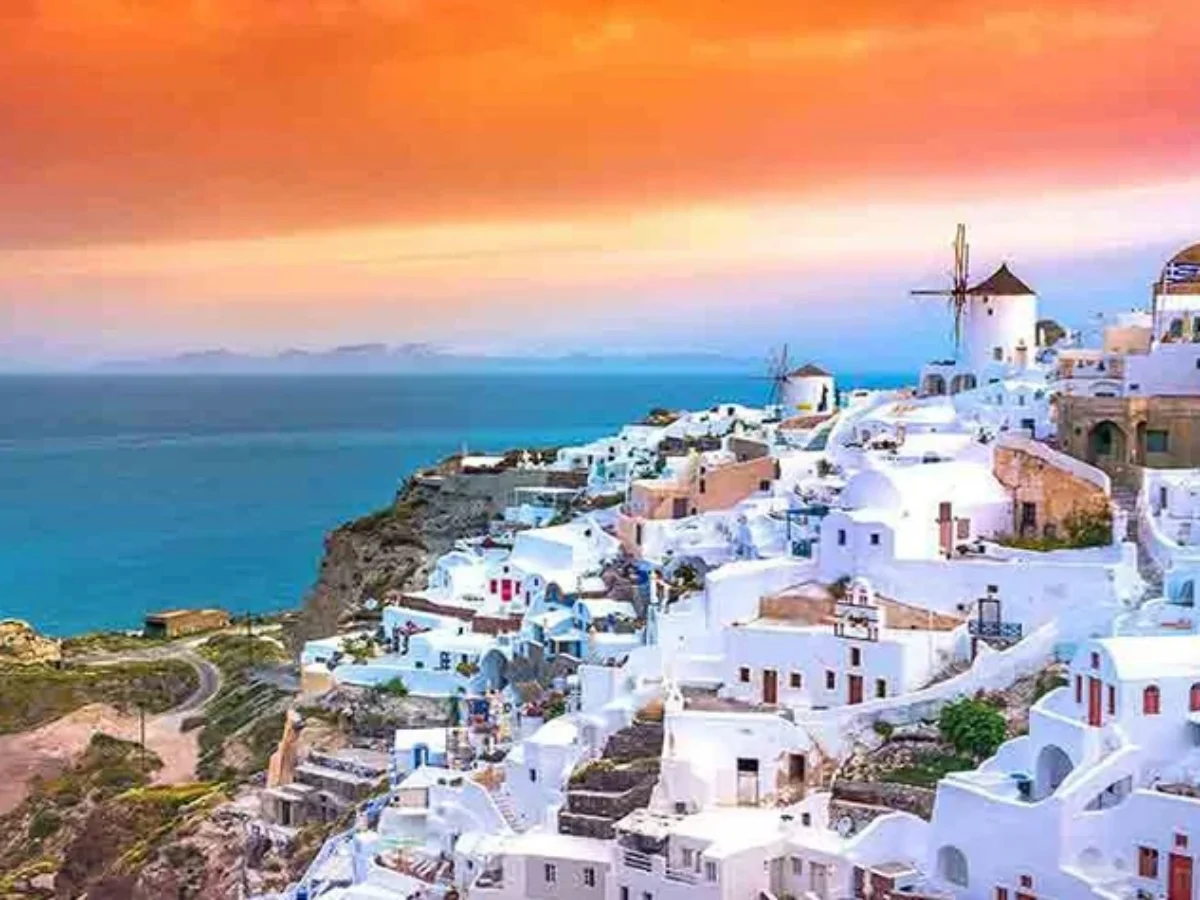
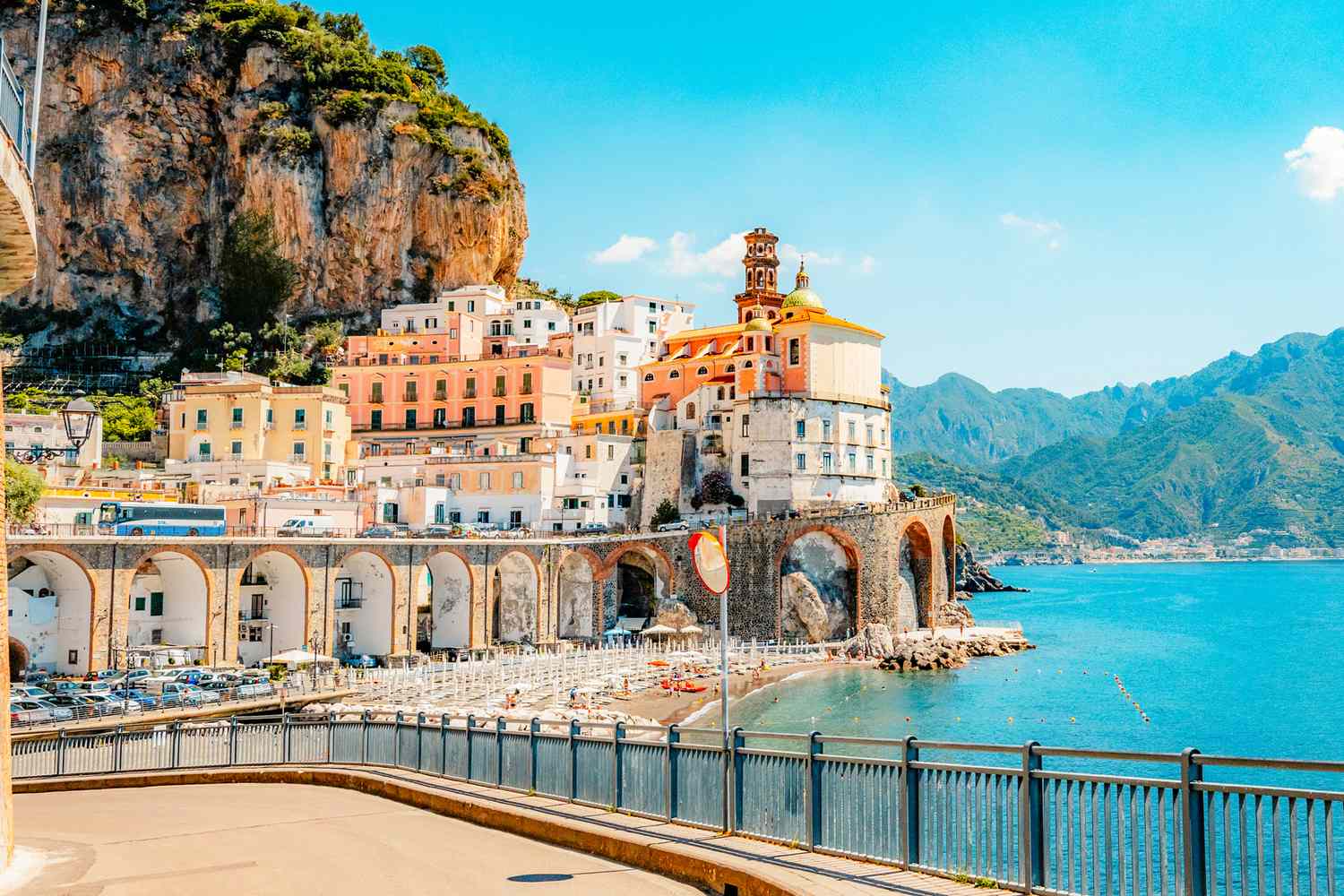
For those chasing postcard-perfect sunsets, intimate romantic moments, and a vibe that feels almost otherworldly, Santorini is your pick, budget around $200-400 USD per day. If you crave vibrant culture, unparalleled food, and breathtaking drives with historical depth, the Amalfi Coast beckons, requiring a similar $200-450 USD daily budget, though budget options are slightly more plentiful if you stay off the main coast.
- Choose Santorini: Choose Santorini if you prioritize iconic caldera views, romantic ambiance, unique volcanic beaches, and a more curated, luxury-focused experience, especially perfect for honeymoons or special occasions.
- Choose Amalfi Coast: Opt for the Amalfi Coast if you're looking for a richer cultural immersion, diverse culinary experiences (think pizza, limoncello, fresh seafood), more active exploration via driving or hiking, and a base for wider regional day trips.
- Choose Both: If you have 10-14 days and a generous budget, doing both is absolutely feasible. Fly into Athens, then to Santorini for 3-4 days, fly back to Athens, then to Naples for the Amalfi Coast for 5-6 days. It's a whirlwind of Mediterranean beauty.
Quick Comparison
| Category | Santorini | Amalfi Coast | Winner |
|---|---|---|---|
| Costs & Budget | Generally more expensive, especially for caldera-view accommodation and dining. Budget travelers struggle. | Expensive in main towns (Positano), but more options for budget-friendly stays in nearby towns like Sorrento or Salerno. | Amalfi Coast |
| Getting There & Around | Fly into Santorini (JTR) via Athens; small island, public buses, ATVs, taxis. | Fly into Naples (NAP); SITA bus, ferries, private drivers, scooter rentals along a winding coastal road. | Amalfi Coast |
| Accommodation & Vibe | Iconic cliffside 'cave' hotels, luxurious, romantic, focused on caldera views. Intimate and polished. | Charming cliffside hotels, grand villas, B&Bs. More varied, vibrant, and bustling vibe. | Santorini |
| Food & Drink | Fresh seafood, Greek staples (souvlaki, moussaka), local wines (Assyrtiko), often pricey for quality. | World-renowned Italian cuisine, fresh seafood, pizza, limoncello, regional wines. Diverse and delicious. | Amalfi Coast |
| Beaches & Nature | Unique volcanic beaches (Red, Black, White), dramatic caldera landscapes, stunning sunsets. | Pebble beaches, dramatic cliffs, lemon groves, hiking trails (Path of the Gods), lush Mediterranean flora. | Tie |
| Culture & History | Ancient Akrotiri (Minoan Pompeii), Byzantine churches, maritime history, unique Greek island traditions. | Rich Roman history (Pompeii, Herculaneum), medieval cathedrals, strong local traditions, vibrant Neapolitan culture nearby. | Amalfi Coast |
| Nightlife & Entertainment | Romantic sunset bars, sophisticated lounges, a few low-key clubs in Fira. More relaxed. | Chic beach clubs in Positano, lively bars in Amalfi, music-filled piazzas. More varied and active. | Amalfi Coast |
| Day Trips & Activities | Catamaran cruises, volcano hike, wine tasting, Ancient Akrotiri. Limited off-island options. | Pompeii/Herculaneum, Capri, Ravello, Ischia, Naples, hiking. Rich variety and easy access. | Amalfi Coast |
| Best Time to Visit & Weather | Long, hot, dry summers (June-Sept), mild springs/autumns (April-May, Oct). Gets windy. | Warm, sunny summers (June-Sept), pleasant springs/autumns (April-May, Oct-early Nov). Can get humid. | Tie |
| Crowds & Authenticity | Extremely crowded in peak season, feels very tourist-centric. Authenticity can be hard to find. | Very crowded in peak season, but local life persists, especially in less famous towns. More authentic feel. | Amalfi Coast |
💸 Costs & Budget
Let's be real, neither of these destinations is 'cheap,' but the Amalfi Coast offers slightly more wiggle room for your wallet. In Santorini, securing a decent caldera-view room in Oia or Fira can easily run you €300-€1000+ ($320-$1100+) per night in high season. Meals for two with wine average €70-€120 ($75-$130) at a good restaurant. Transportation via taxi or private transfer is pricey. The Amalfi Coast, while home to ultra-luxury spots like Le Sirenuse in Positano where rooms can hit €1500+ ($1600+), also has more accessible options. Staying in Sorrento or Salerno allows for ferry/bus day trips to Positano and Amalfi, with accommodation often half the price (€100-€250 / $110-$270 per night). Food is also more varied; you can grab a fantastic pizza for €10-€15 ($11-$16) or enjoy a multi-course meal for €50-€80 ($55-$85) per person. "Honestly, we saved a ton staying in Salerno and just ferrying to Amalfi and Positano. Still got the views without selling a kidney." - r/traveler_budget. Public transport (SITA bus, ferries) is also significantly cheaper than Santorini's limited bus network or expensive taxis.
Winner takeaway
- Winner: Amalfi Coast
- Why: The Amalfi Coast offers more diverse accommodation and dining options, allowing for a broader range of budgets, especially if you're willing to stay just outside the main tourist hubs.
- Who this matters for: Budget-conscious travelers, families, and those looking to stretch their Euro further without compromising on experience.
✈️ Getting There & Around
Getting to Santorini typically involves flying into Athens (ATH) from major hubs like New York (approx. 9-10 hrs) or London (approx. 3-4 hrs), then a connecting 45-minute flight to Santorini (JTR) or a 5-8 hour ferry. Once there, the island is small. Public buses connect major towns like Fira, Oia, and Perissa for a few euros. ATVs/scooters (around €25-€40/day, $27-$43) are popular but risky, and taxis are limited and pricey (€20-€30, $22-$33, for short distances). The Amalfi Coast usually starts with a flight to Naples (NAP), often connecting through Rome or other European hubs. From Naples airport, you can take a bus to the train station, then a Circumvesuviana train to Sorrento or a ferry/private transfer directly to your town. The coastal road is infamous for its twists, turns, and traffic. "The SITA bus was a nightmare sometimes, but way cheaper than a taxi for sure. Just prepare for standing room only and some wild driving!" - r/ItalyTravel. Ferries (e.g., Sorrento to Positano ~€15-€20, $16-$22) are the most scenic and efficient way to hop between towns like Positano, Amalfi, and Ravello. Renting a car is an option but parking is a nightmare and expensive. Overall, the Amalfi Coast offers more varied and efficient public transport links, especially via ferries, making inter-town travel smoother and more enjoyable.
Winner takeaway
- Winner: Amalfi Coast
- Why: The Amalfi Coast wins for its superior connectivity via ferries between towns and proximity to a major international airport (Naples), offering more diverse and often more enjoyable transport options.
- Who this matters for: Travelers who prefer to avoid car rentals, enjoy scenic boat rides, or plan to visit multiple towns without relying solely on private transfers.
🏨 Accommodation & Vibe
Santorini's accommodation is legendary for its unique 'cave' hotels carved into the caldera cliffs, offering unparalleled views of the Aegean and those iconic sunsets. Towns like Oia and Fira are saturated with boutique hotels, many with private plunge pools, making them perfect for honeymooners and luxury seekers. The vibe is decidedly romantic, serene, and almost dreamlike, though it can feel a bit staged due to the sheer volume of photographers. Expect minimalist chic, white-washed everything, and an emphasis on privacy and panoramic vistas. Think Kirini Santorini or Mystique, a Luxury Collection Hotel. "Staying in Oia felt like being inside a screensaver. Every morning waking up to that view was just insane, totally worth the splurge." - r/GreeceTravel. The Amalfi Coast, while equally stunning with its cliffside hotels, has a more diverse architectural style and a busier, more 'lived-in' feel. Positano's pastel-colored buildings cascading down to the sea are famous, but Ravello offers elegant gardens and quieter luxury, while Amalfi and Sorrento have a more bustling town center vibe. Hotels like Le Sirenuse offer unmatched luxury, but you'll also find charming family-run B&Bs and larger resorts. While beautiful, the Amalfi Coast's accommodation often doesn't quite match the 'wow factor' and unique architectural charm of Santorini's caldera hotels.
Winner takeaway
- Winner: Santorini
- Why: Santorini's unique cave hotels carved into the caldera offer an unparalleled, almost surreal, luxury experience with iconic views that are truly one-of-a-kind.
- Who this matters for: Couples, honeymooners, and travelers seeking an exclusive, visually stunning, and supremely romantic accommodation experience.
🍕 Food & Drink
When it comes to culinary delights, the Amalfi Coast is in a league of its own. Italy's reputation for food precedes it, and this region delivers with gusto. You'll find incredible fresh seafood (pesce fresco), classic Neapolitan pizza (try Pizzeria da Michele in Naples if you venture there), handmade pasta dishes (like Scialatielli ai frutti di mare), and, of course, the ubiquitous limoncello made from local lemons. Towns like Ravello and Amalfi boast Michelin-starred restaurants alongside charming trattorias where you can eat incredibly well for a reasonable price. Think Da Gemma in Amalfi for authentic flavors, or a simple panino in Positano. "The food on the Amalfi Coast just hits different. Every meal was an experience, from fancy dinners to simple street pizza. Santorini was good, but Italy is Italy." - r/foodtravel. Santorini offers delicious Greek cuisine: fresh fish, fava bean purees, cherry tomatoes, and the famous Assyrtiko wine. Restaurants like Metaxi Mas or Floga are excellent, but generally, the innovation and sheer diversity of flavors can't quite compete with the Amalfi Coast's rich culinary heritage. While Santorini's food is good, it rarely reaches the same level of global acclaim or variety as its Italian counterpart.
Winner takeaway
- Winner: Amalfi Coast
- Why: The Amalfi Coast offers a more diverse, world-renowned, and consistently exceptional culinary experience, from fresh seafood and authentic pizza to regional specialties and limoncello.
- Who this matters for: Foodies, gourmands, and anyone who considers eating well a top priority for their vacation.
🏖️ Beaches & Nature
This is tough because both offer distinct natural beauty. Santorini's beaches are famous for their unique volcanic characteristics: the Red Beach, Perissa's Black Sand Beach, and the lesser-known White Beach. They're not your typical golden stretches, but offer stunning, dramatic backdrops. The main draw is the caldera itself, with its iconic cliffs, deep blue Aegean Sea, and some of the most spectacular sunsets on Earth visible from Oia or a catamaran cruise. The geological formations are truly unique. The Amalfi Coast, on the other hand, boasts smaller, pebble beaches tucked into coves, like Spiaggia Grande in Positano or Marina Grande in Amalfi. Its natural beauty comes from the dramatic intertwining of mountains and sea, with lush terraced lemon groves and vibrant flora clinging to steep cliffs. Hiking the 'Path of the Gods' (Sentiero degli Dei) offers breathtaking panoramic views. "Santorini's red beach was so cool to see, but I actually swam more in Amalfi, even though they were pebbles. Both amazing views, just different vibes." - r/travel. While Santorini offers a more 'otherworldly' landscape, the Amalfi Coast provides a more varied natural experience with its mix of beaches, dramatic coastline for driving, and extensive hiking opportunities. It's a tie because they excel in different aspects of natural beauty: Santorini for unique geology and dramatic sunsets, Amalfi for lush coastal scenery and active exploration.
Winner takeaway
- Winner: Tie
- Why: Both destinations offer unparalleled natural beauty but in distinct ways: Santorini with its unique volcanic landscapes and sunsets, Amalfi with its dramatic coastal cliffs and lush Mediterranean flora, making it impossible to pick a clear winner.
- Who this matters for: Depends on preference: geology enthusiasts and sunset chasers for Santorini, hikers and those who appreciate lush coastal landscapes for Amalfi.
🏛️ Culture & History
The Amalfi Coast is steeped in layers of history, offering a much deeper and more varied cultural experience. Its proximity to Naples means easy day trips to the incredibly preserved Roman cities of Pompeii and Herculaneum, buried by Vesuvius. This alone provides a profound historical immersion. Within the coast itself, you'll find magnificent medieval cathedrals like the Duomo di Sant'Andrea in Amalfi, ancient paper mills, and Roman villas (e.g., Villa Rufolo in Ravello). The region's maritime history is palpable, and the vibrant local culture, heavily influenced by Neapolitan traditions, is evident in its food, music, and daily life. "Visiting Pompeii was an absolute highlight of my Amalfi trip. It puts everything into perspective, felt like stepping back in time in a way Santorini can't match." - r/solotravel. Santorini's historical gem is Ancient Akrotiri, a remarkably preserved Minoan city often called the 'Pompeii of the Aegean,' which offers fascinating insights into a Bronze Age civilization. There are also several beautiful Byzantine churches and monasteries. However, beyond Akrotiri, the cultural footprint is less pervasive and diverse compared to the Amalfi Coast's rich tapestry of Roman, medieval, and Neapolitan influences. Santorini's culture is more about island life and traditions, while Amalfi offers a broader historical narrative.
Winner takeaway
- Winner: Amalfi Coast
- Why: The Amalfi Coast, with its proximity to ancient Roman sites like Pompeii and Herculaneum, coupled with its rich medieval history and vibrant local traditions, offers a significantly deeper and more diverse cultural immersion.
- Who this matters for: History buffs, art enthusiasts, and travelers eager to explore ancient civilizations and rich regional traditions beyond just scenic beauty.
🥂 Nightlife & Entertainment
Santorini's nightlife leans heavily towards romantic sophistication. The main events are the glorious sunsets, often enjoyed from a caldera-view bar in Oia (like Sunsets Bar) or Fira (like Franco's Bar), accompanied by cocktails and chill music. After dinner, there are a handful of low-key lounges and clubs in Fira (such as Enigma Club or Koo Club) that cater to a slightly older or more relaxed crowd. It's more about intimate conversations and enjoying the ambiance than wild parties. "Santorini's nightlife is basically 'sunset and chill'. If you want to party, you're in the wrong place. But if you want a romantic drink, it's perfect." - r/GreeceTravel. The Amalfi Coast, while not a hardcore party destination like Mykonos or Ibiza, offers a more varied and lively evening scene. Positano has chic beach clubs like Music on the Rocks, which transforms into a nightclub after dark. Amalfi and Ravello offer charming bars in their main piazzas, often with live music, creating a bustling and festive atmosphere. There's a greater emphasis on al fresco dining and passeggiata (evening strolls) that naturally lead to lively bar scenes. Whether you want a sophisticated cocktail, a lively piazza, or a bit of dancing, the Amalfi Coast has more options.
Winner takeaway
- Winner: Amalfi Coast
- Why: The Amalfi Coast provides a more diverse and vibrant nightlife, with options ranging from chic beach clubs to lively piazza bars, catering to a broader range of preferences beyond just romantic sunsets.
- Who this matters for: Younger travelers, groups of friends, and those who enjoy a more active and varied evening entertainment scene beyond quiet romantic drinks.
⛵ Day Trips & Activities
The Amalfi Coast truly shines with its incredible array of day trip opportunities. From any base like Sorrento or Amalfi, you can easily access the breathtaking island of Capri (a must-do, costing around €40-€60 ($43-$65) for a round-trip ferry), the charming gardens of Ravello, or the equally stunning but less crowded island of Ischia. Most significantly, the ancient Roman cities of Pompeii and Herculaneum are just a train ride away from Sorrento, offering an unparalleled historical experience (entry approx. €18-€20 / $19-$22 per site). "Honestly, Pompeii and Capri were epic. We stayed for a week and felt like we barely scratched the surface with all the day trip options." - r/travel. Santorini's day trips are more limited to the island itself and its immediate surroundings. Popular activities include catamaran cruises around the caldera (costing €90-€150 / $97-$162 per person for a semi-private tour), hiking to the volcano and hot springs, wine tasting tours at estates like Santo Wines, and exploring Ancient Akrotiri. While these are wonderful, they don't offer the same diversity of destination or cultural contrast as the Amalfi Coast's options. The Amalfi Coast truly serves as a fantastic base for exploring a wider, culturally rich region.
Winner takeaway
- Winner: Amalfi Coast
- Why: The Amalfi Coast offers a significantly greater variety and accessibility of world-class day trips, including ancient Roman ruins, charming islands, and diverse coastal towns.
- Who this matters for: Explorers, history lovers, and travelers who want to maximize their trip by experiencing multiple distinct destinations and cultural sites.
☀️ Best Time to Visit & Weather
Both destinations share a classic Mediterranean climate, making spring (April-May) and autumn (September-October) ideal for fewer crowds, pleasant temperatures, and still-warm waters. Santorini's summers (June-August) are hot and dry, with temperatures often hitting 30-35°C (86-95°F), but it can also get quite windy (the 'Meltemi' winds), which can be a relief or a nuisance depending on your activity. The shoulder seasons offer temperatures in the pleasant 20-25°C (68-77°F) range. "I went to Santorini in May and it was perfect. Warm enough to swim, not too crowded, and the evenings were just lovely without being sticky." - r/solotravel. The Amalfi Coast also enjoys warm, sunny summers with temperatures similar to Santorini, though it can feel more humid. Its shoulder seasons are equally delightful, with temperatures ideal for hiking and exploring. Early November can even offer surprisingly mild weather on the Amalfi Coast. Both regions experience a significant drop in tourism and services during the deep off-season (November-March), with many businesses closing. The 'best' time is subjective and depends on your tolerance for heat and crowds. For a balance of good weather and fewer crowds, May and September are golden for both. Given their similar climate patterns and peak/shoulder seasons, it's genuinely a tie, as neither offers a distinct advantage in terms of 'best' time to visit or weather conditions.
Winner takeaway
- Winner: Tie
- Why: Both destinations share very similar Mediterranean climate patterns, with ideal shoulder seasons and hot summers, making neither distinctly superior in terms of weather or best time to visit.
- Who this matters for: Travelers who are flexible with their dates and prioritize comfortable temperatures over peak-season vibrancy or vice versa.
👥 Crowds & Authenticity
Santorini, especially Oia and Fira, can feel like a theme park during peak season (June-August). Thousands of tourists flock to capture the iconic sunset photos, leading to shoulder-to-shoulder crowds and a palpable 'tourism factory' feel. While undeniably beautiful, the sheer volume of visitors can detract from any sense of local authenticity. Most businesses cater directly to tourists, and it's rare to stumble upon genuine local life outside of a few villages. "Oia at sunset was a madhouse. Amazing view, but you're elbow-to-elbow with hundreds of people all trying to get the same shot. Felt more like an attraction than a real place." - r/travel. The Amalfi Coast also struggles with immense crowds in peak season, especially in hotspots like Positano. The SITA buses can be packed, and the roads jammed. However, the region feels inherently more 'lived-in.' Towns like Amalfi, Minori, Maiori, or even Salerno have a stronger sense of local community, with residents going about their daily lives amidst the tourists. You can find authentic markets, local eateries, and see Italian life unfold beyond just the tourist façade. Even in the busiest towns, there are often hidden alleys and quieter spots. The presence of actual working lemon groves, fishing boats, and a strong regional identity (Neapolitan culture nearby) gives the Amalfi Coast a more genuine cultural texture that persists despite the tourism.
Winner takeaway
- Winner: Amalfi Coast
- Why: Despite its own crowds, the Amalfi Coast retains a stronger sense of local life and cultural authenticity, with more opportunities to experience genuine Italian living beyond the tourist facade.
- Who this matters for: Travelers seeking a more immersive cultural experience, those who want to feel connected to local life, and people who are willing to venture beyond the main tourist hubs.
❓ Frequently Asked Questions
Which destination is better for a honeymoon?
Santorini is often considered the quintessential honeymoon destination due to its unparalleled romantic setting, iconic caldera views, and luxurious boutique hotels with private pools. The emphasis on intimacy, stunning sunsets, and exclusive experiences makes it incredibly special for couples celebrating their love.
Is one safer than the other?
Both Santorini and the Amalfi Coast are generally safe for tourists. As with any popular travel destination, standard precautions against petty theft (pickpocketing) are advisable, especially in crowded areas. Neither destination has significant safety concerns beyond general travel awareness.
Which has better beaches?
It depends on what you're looking for. Santorini's beaches are unique with their volcanic black, red, and white sands, offering dramatic scenery. The Amalfi Coast has more traditional, charming pebble beaches tucked into coves, with warmer, clearer waters for swimming. For sheer uniqueness, Santorini, but for more 'classic' beach days, Amalfi.
Can I do both on a single trip?
Yes, but it requires at least 10-14 days to do comfortably, balancing travel time. A common route involves flying into Athens, connecting to Santorini for 3-4 days, then flying back to Athens and on to Naples for the Amalfi Coast for 5-6 days. It's a fantastic way to experience both the Greek islands and the Italian coastline.
Which is more budget-friendly?
While both are on the pricier side, the Amalfi Coast generally offers more opportunities for budget travelers, especially if you stay in towns like Sorrento or Salerno and use public transport. Santorini, particularly for caldera-view accommodation, is consistently more expensive with fewer budget-friendly alternatives.
Which has better food?
The Amalfi Coast wins for food. Its proximity to Naples, the birthplace of pizza, and rich Italian culinary traditions mean an incredible array of fresh seafood, pasta, local wines, and limoncello. While Santorini has delicious Greek food, the Amalfi Coast offers a more diverse and globally acclaimed gastronomic experience.
Is it easy to get around without a car?
Yes, for both! In Santorini, public buses connect the main towns, and ATVs/scooters are popular for exploring. On the Amalfi Coast, an extensive ferry network and the SITA bus make it easy to hop between towns. In fact, driving on the Amalfi Coast is often discouraged due to narrow, winding roads and limited parking.
Which destination is better for hiking?
The Amalfi Coast is significantly better for hiking. It boasts famous trails like the 'Path of the Gods' (Sentiero degli Dei) which offers breathtaking panoramic views along the rugged coastline. Santorini offers a beautiful caldera edge hike from Fira to Oia, but its options are far more limited compared to the diverse trails of the Amalfi Coast.
Ready to plan your Mediterranean escape?
Get a free custom itinerary for Santorini, Amalfi Coast, or both — built from real traveler insights and expert advice.
🎟️ Book Tours & Experiences
Hand-picked tours and activities for both destinations — book with free cancellation
Experiences via Viator — free cancellation on most tours