How we built this comparison
This page combines traveler discussion patterns, published price ranges, flight schedules, and seasonal data to help you decide between Santorini and Capri.
- Reviewed 100+ Reddit threads from r/travel, r/solotravel, r/Greece, r/ItalyTravel, r/Europe.
- Verified costs and logistics against current booking platforms like Booking.com, Skyscanner, Rome2Rio, and local ferry/bus operators.
- Cross-referenced seasonal patterns, weather data, and peak tourist crowd information from travel guides and forums.
- Consulted personal travel experiences and insights from well-traveled peers for nuanced advice.
⚡ The TL;DR Verdict
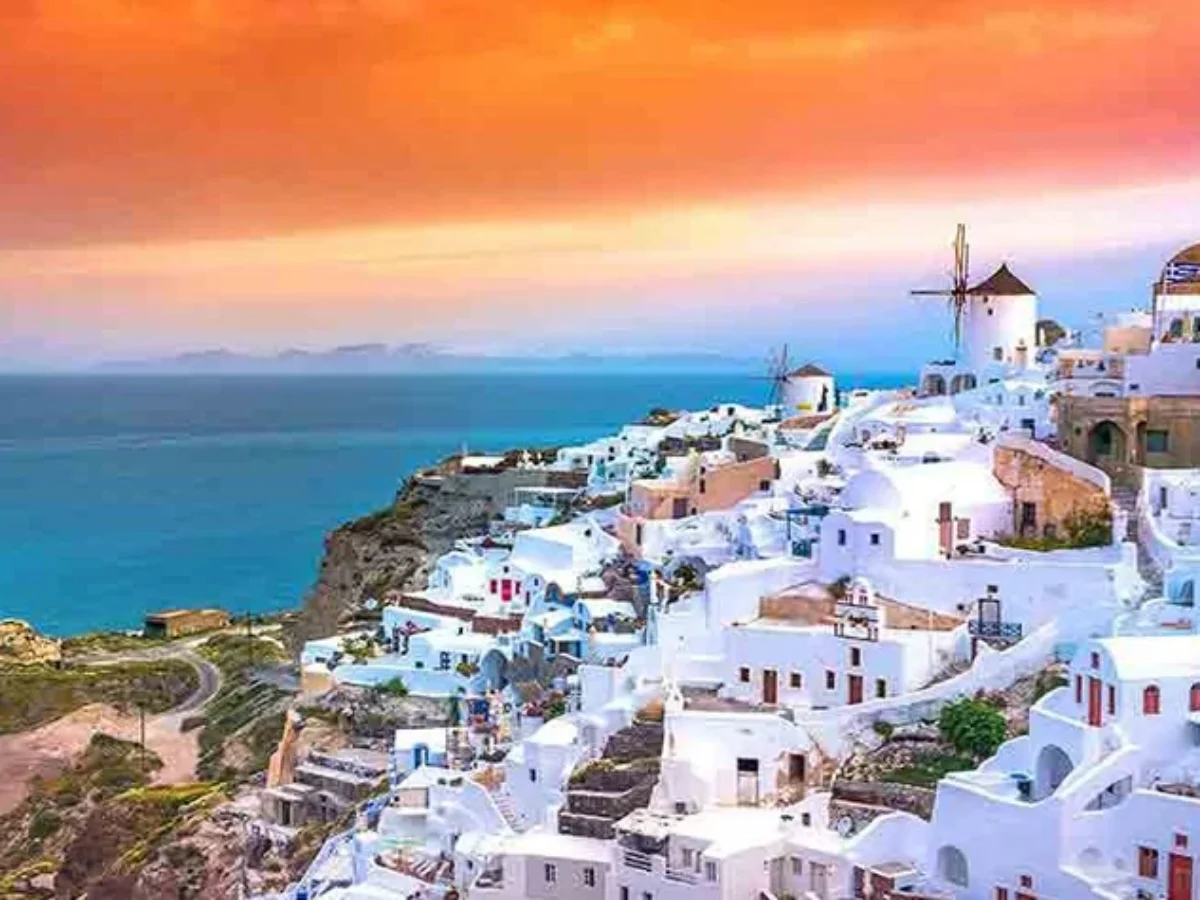
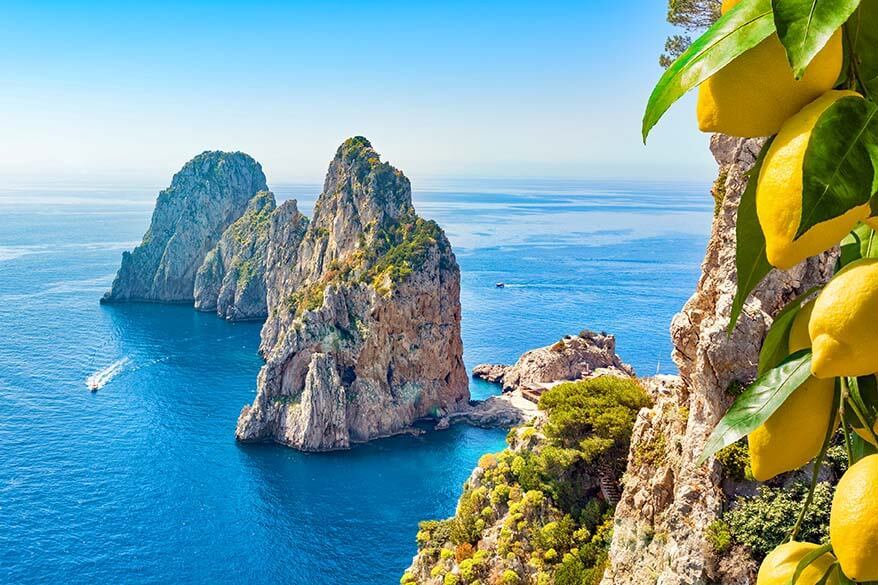
Santorini is perfect for that iconic, whitewashed Aegean dream, ideal for couples and photographers seeking dramatic caldera views and a slightly more 'accessible luxury' vibe. Capri, on the other hand, is for those craving Italian glamour, lush landscapes, high-end shopping, and a decidedly more exclusive, yachting crowd. Expect to spend €150-€300/day in Santorini for a comfortable trip, while Capri demands €250-€500+/day to truly enjoy its offerings.
- Choose Santorini: You're dreaming of iconic caldera views, whitewashed villages, stunning sunsets, and a romantic atmosphere. You appreciate dramatic volcanic landscapes, black sand beaches, and a mix of historical sites and relaxed island life. Good for honeymooners, photographers, and those who want a classic Greek island experience.
- Choose Capri: You seek Italian sophistication, lush gardens, designer boutiques, and a vibrant, chic atmosphere. You're drawn to dramatic sea caves (like the Blue Grotto), picturesque coves, and delicious Italian cuisine. Ideal for luxury travelers, fashion enthusiasts, and those looking for a glamorous escape with incredible natural beauty and a lively social scene.
- Choose Both: If you have 10-14 days and want a comprehensive Mediterranean island experience, you could combine them. Start with Santorini for 3-4 days, then fly to Naples (via Athens or Rome) and ferry to Capri for another 3-4 days. It's ambitious due to travel time but offers a diverse taste of two iconic cultures.
Quick Comparison
| Category | Santorini | Capri | Winner |
|---|---|---|---|
| Overall Vibe & Scenery | Iconic white & blue architecture, dramatic caldera cliffs, world-famous sunsets, romantic. | Glamorous Italian chic, lush Mediterranean vegetation, rugged limestone cliffs, sparkling turquoise waters. | Santorini |
| Costs & Budget | High, but offers slightly more budget-friendly options outside prime spots. | Extremely high, geared towards luxury; very few budget options. | Santorini |
| Beaches & Swimming | Unique volcanic beaches (red, black sand), clear waters, less traditional 'beach' experience. | Stunning rocky coves, exclusive beach clubs, deep turquoise waters, iconic Faraglioni. | Capri |
| Food & Drink | Delicious Greek cuisine, fresh seafood, local wines, iconic fava and cherry tomatoes. | Exquisite Italian cuisine, fresh seafood, limoncello, Caprese salad, world-class dining. | Capri |
| Getting There & Around | Direct flights to JTR, ferries, good bus system, ATVs for exploring. | Ferry-only access, no airport. Funicular, buses, taxis, walking. | Santorini |
| Accommodation | Iconic cave hotels, boutique luxury, options for various budgets, primarily in Fira, Oia, Imerovigli. | High-end luxury hotels, villas, boutique stays, fewer budget options, concentrated in Capri Town and Anacapri. | Tie |
| Nightlife & Entertainment | Chilled sunset bars, some late-night clubs in Fira, relaxed atmosphere. | Chic aperitivo scene, upscale bars, lively piazzas, sophisticated and glamorous. | Capri |
| Activities & Day Trips | Caldera hikes, wine tasting, Akrotiri, boat cruises, volcano visit. | Blue Grotto, Monte Solaro chairlift, Villa Jovis, Faraglioni boat tours, shopping. | Capri |
| Culture & History | Ancient Akrotiri, traditional villages, Byzantine churches, Greek mythology. | Roman ruins, charming piazzas, Italian elegance, rich artistic heritage. | Santorini |
| Best Time to Visit / Weather | Warm, sunny summers. Shoulder seasons (May, Sep, Oct) ideal to avoid crowds and heat. | Warm, sunny summers. Shoulder seasons (May, June, Sep) ideal for pleasant weather and fewer crowds. | Tie |
✨ Overall Vibe & Scenery
Santorini delivers on the postcard-perfect Greek island fantasy with its whitewashed villages clinging to volcanic cliffs overlooking the Aegean caldera. Oia's sunsets are legendary, drawing crowds nightly, while Fira and Imerovigli offer equally stunning views with a slightly different energy. The landscape is stark yet beautiful, dominated by volcanic rock and the deep blue sea. Capri, by contrast, is a lush, vibrant gem off the Amalfi Coast. Its dramatic limestone cliffs plunge into cobalt waters, dotted with hidden grottoes and chic beach clubs. The air hums with Italian dolce vita, from designer shops in Capri Town to the serene gardens of Anacapri. It feels less about grand vistas and more about intimate, glamorous beauty. "Santorini's views are just unreal, like a painting. Capri is gorgeous too, but it's more about the chic vibe and pretty coves than the jaw-dropping panorama every single minute." A sunset catamaran cruise in Santorini (starting around €100-€150/person) offers an unparalleled perspective of the caldera, while a boat trip around Capri (approx. €25-€50/person for group tours) reveals its famous grottos and rock formations.
Winner takeaway
- Winner: Santorini
- Why: Santorini's dramatic caldera and iconic sunsets offer a truly unique, globally recognized visual experience that's hard to beat.
- Who this matters for: First-time visitors to the Mediterranean, honeymooners, and photographers.
💸 Costs & Budget
Both islands are expensive, but Santorini offers a little more wiggle room for the savvy traveler. A basic meal at a local tavern in Santorini (e.g., in Perissa or Pyrgos) can be found for €15-€25 ($16-$27), while a nice dinner in Oia might run €50-€80+ ($54-$86+). Accommodation in Fira or Imerovigli starts around €150-€200 ($162-$216) for a decent room in shoulder season, though Oia’s iconic cave hotels easily reach €400-€1000+ ($432-$1080+). Capri, however, is a different league. Even simple trattorias can charge €30-€40 ($32-$43) for a pasta dish, and a multi-course dinner at a mid-range restaurant is easily €70-€120+ ($76-$130+). Hotels on Capri rarely dip below €250-€300 ($270-$324) even for basic rooms, with luxury options like Hotel Luna or Caesar Augustus starting at €500-€1000+ ($540-$1080+). "Capri felt like my wallet was bleeding nonstop, even for just a coffee. Santorini was pricey, but at least I could find a gyro for a reasonable price if I looked away from the caldera." Transportation on both islands adds up – taxis are costly, but public buses in Santorini are efficient and cheap (€1.80-€2.50/$1.95-$2.70), while Capri's funicular (€2.20/$2.38) and buses are also reasonable, but getting to specific beach clubs or villas often requires more expensive options.
Winner takeaway
- Winner: Santorini
- Why: While still high, Santorini provides more diverse price points and slightly more affordable local options compared to Capri's consistently luxury-tier pricing.
- Who this matters for: Travelers with a flexible but not unlimited budget, solo travelers, and those wanting to stretch their euros further.
🏖️ Beaches & Swimming
Santorini's beaches are famous for their unique volcanic geology rather than soft white sand. You'll find black sand at Perissa and Perivolos, and the iconic Red Beach near Akrotiri. The waters are crystal clear and perfect for swimming, but the overall 'beach day' experience is different – often involving sunbeds on pebbles or dark sand, backed by beach bars. White Beach, accessible only by boat, offers a more unique white pebble experience. Capri, on the other hand, excels in its dramatic swimming spots. There are no expansive sandy beaches; instead, you'll find charming rocky coves and exclusive beach clubs like Marina Piccola, Lido del Faro, or La Fontelina (right by the Faraglioni rocks). Access often involves stairs, lifts, or boat transfers. The water here is an incredible deep turquoise, perfect for swimming, snorkeling, and diving into the Mediterranean. "I loved Capri's tiny coves and jumping off rocks into that insane blue water. Santorini's black sand was cool, but it's not where I'd go for a typical beach day." Many of Capri's best swimming experiences are found by renting a traditional gozzo boat (from €150-€300 for a few hours) to explore hidden grottoes and private swimming spots, a stark contrast to Santorini's more accessible, albeit unique, volcanic shores.
Winner takeaway
- Winner: Capri
- Why: Capri offers more picturesque and varied swimming experiences with its iconic grottoes, dramatic coves, and glamorous beach clubs.
- Who this matters for: Water enthusiasts, snorkelers, luxury travelers, and those seeking unique swimming locales.
🍝 Food & Drink
Santorini’s culinary scene is rooted in traditional Greek flavors, with a focus on fresh seafood, local produce, and unique volcanic ingredients. Must-tries include Santorini fava (split pea puree), cherry tomatoes, white eggplant, and of course, fresh grilled fish. Many restaurants, like Metaxi Mas or To Psaraki, offer fantastic authentic dishes away from the tourist traps. The island also boasts a burgeoning wine industry, with Assyrtiko white wine being a local specialty. Capri, however, takes Mediterranean dining to another level. As part of Italy's Campania region, it excels in fresh pasta, mozzarella, seafood, and the iconic Caprese salad (tomato, mozzarella, basil). The island is also the birthplace of limoncello. Restaurants range from charming, rustic trattorias to Michelin-starred establishments like Il Riccio (near the Blue Grotto) or Da Paolino Lemon Trees. "Honestly, the food in Capri was mind-blowing – every meal felt like an event. Santorini had good food, but Capri's pasta and seafood are next level." Expect to pay €20-€35 ($22-$38) for a main course in Santorini's mid-range, while Capri's equivalent often starts at €30-€50 ($32-$54). The sheer quality and variety of Italian cuisine give Capri the edge here, even if Santorini’s unique flavors are delightful.
Winner takeaway
- Winner: Capri
- Why: Capri's world-renowned Italian cuisine, fresh local ingredients, and higher concentration of exceptional dining experiences give it the edge.
- Who this matters for: Foodies, gourmands, and anyone who prioritizes culinary experiences.
✈️ Getting There & Around
Santorini is surprisingly easy to reach with direct flights to Thira International Airport (JTR) from many major European cities, especially during peak season. Flight times from Athens (ATH) are a quick 45 minutes, costing €50-€150 ($54-$162). Alternatively, ferries from Athens' Piraeus port take 5-8 hours (€40-€80/$43-$86). Once on the island, public buses are reliable and affordable (€1.80-€2.50/$1.95-$2.70 per ride), connecting all major towns. Renting an ATV (€25-€50/$27-$54 per day) is a popular and fun way to explore. Capri, however, requires a multi-step journey. You must first fly into Naples (NAP) or Rome (FCO), then take a train or taxi to the port (Molo Beverello or Porta di Massa in Naples), and finally a ferry or hydrofoil to Capri. The ferry from Naples takes about 45-80 minutes and costs €20-€25 ($22-$27). "Getting to Santorini felt like a breeze with the direct flight. Capri was a whole mission with the transfers and ferries, which cut into my first day." On Capri, cars for tourists are generally not allowed. You'll rely on the funicular (€2.20/$2.38) from Marina Grande to Capri Town, local buses, taxis (pricier), or simply walking. While efficient, the ferry-only access and multiple transfers make Capri slightly more cumbersome to reach.
Winner takeaway
- Winner: Santorini
- Why: Santorini's direct airport access and versatile local transportation options make it simpler and quicker to reach and navigate.
- Who this matters for: Travelers prioritizing ease of access and efficient local transport, those with limited time.
🏨 Accommodation
Both islands offer breathtaking accommodation, but cater to slightly different aesthetics. Santorini is famous for its 'cave hotels' carved into the caldera cliffs, offering infinity pools and unparalleled views. Iconic properties like Mystique, A Luxury Collection Hotel, or Canaves Oia Epitome can easily exceed €1000 ($1080) per night, but you can find charming boutique stays in Imerovigli or even Pyrgos starting around €180-€300 ($195-$324) in shoulder season. The experience often revolves around the view. Capri's accommodation also leans heavily into luxury, with grand hotels like Grand Hotel Quisisana or Hotel Punta Tragara offering impeccable service and classic Italian elegance, commanding prices from €600-€1500+ ($648-$1620+). Anacapri provides slightly more modest, yet still upscale, options like Hotel Caesar Augustus from €400 ($432). "Santorini's cave hotels felt so unique, like living in a postcard. Capri's hotels were gorgeous but more 'classic luxury' rather than that distinct cliffside feel." While Santorini has more distinct, iconic hotel styles, Capri offers a consistent level of polished Italian luxury. The 'tie' reflects that both excel at their respective luxury offerings, with Santorini having a slight edge on unique architecture, and Capri on sheer opulence and service standards. Finding budget options on either island requires significant compromise, often involving staying further from the main towns or sacrificing views.
Winner takeaway
- Winner: Tie
- Why: Both islands deliver exceptional, albeit different, luxury accommodation experiences, making it a tie based on preference for style and unique offerings.
- Who this matters for: Luxury travelers, those prioritizing unique architectural stays (Santorini) vs. classic opulence (Capri).
🥂 Nightlife & Entertainment
Santorini's nightlife is generally more subdued, centered around enjoying sunset cocktails and romantic dinners. Oia is all about the sunset views, with bars like Sunsets Bar offering prime spots. Fira has a few more energetic options, like Enigma Club or Koo Club, which keep going until the early hours, but it's not a 'party island' by any means. The vibe is sophisticated relaxation rather than wild parties. Capri, however, offers a more glamorous and lively evening scene. The Piazzetta in Capri Town truly comes alive after dark, bustling with people enjoying aperitivo at bars like Gran Caffè R. Vuotto or before heading to upscale restaurants. There are exclusive clubs like Anema e Core, a famous taverna/karaoke bar where you might rub shoulders with celebrities, offering a unique blend of live music and dancing. "Capri's Piazzetta after dark was electric, everyone dressed up, sipping spritzes. Santorini was pretty, but it was mostly quiet dinners after sunset." Drinks are pricey on both islands; a cocktail in a prime spot in Oia could be €15-€20 ($16-$22), similar to a chic bar in Capri Town. Capri's energy feels more consistent and intentional for evening entertainment, with a clear focus on style and social engagement, whereas Santorini leans more towards quiet romance. The 'who matters' is key here.
Winner takeaway
- Winner: Capri
- Why: Capri offers a more vibrant, sophisticated, and glamorous nightlife scene, centered around its lively Piazzetta and exclusive venues.
- Who this matters for: Social butterflies, fashion-conscious travelers, and those seeking a glamorous evening out.
🗺️ Activities & Day Trips
Santorini offers a fantastic array of activities, from the iconic Fira-Oia caldera hike (around 3-4 hours, free) to exploring the ancient Minoan city of Akrotiri (€12/$13 entry). Wine tasting tours at volcanic vineyards like Santo Wines or Venetsanos Winery (starting around €30-€50/$32-$54) are popular, as are catamaran cruises around the caldera, hot springs, and volcano (from €100-€150/$108-$162). Day trips to nearby islands like Anafi or Ios are also possible. Capri, however, packs an incredible punch for its size. The absolute must-do is a visit to the Blue Grotto (boat entry from €14/$15, often requiring another boat trip to get there). The chairlift to Monte Solaro in Anacapri (€14/$15 return) offers breathtaking 360-degree views. Exploring the Roman ruins of Villa Jovis (€6/$6.50 entry) or a boat trip around the island to see the Faraglioni rocks are unforgettable. "I loved the Blue Grotto in Capri, it was magical, and the chairlift views were insane. Santorini's hike was great, but Capri had more unique, short-burst activities." Capri also excels in high-end shopping along Via Camerelle and exploring the beautiful Gardens of Augustus (€1.50/$1.60 entry). While Santorini's activities are fantastic, Capri's concentration of natural wonders and unique experiences feels more impactful for a shorter stay.
Winner takeaway
- Winner: Capri
- Why: Capri offers a higher density of iconic, unique, and highly sought-after natural attractions and experiences concentrated within a smaller area.
- Who this matters for: Adventure seekers, sightseers, and those who want a lot of 'wow' moments in a compact area.
🏛️ Culture & History
Santorini boasts a fascinating history tied to its volcanic past. The archaeological site of Akrotiri, often called the 'Minoan Pompeii,' offers a glimpse into a sophisticated Bronze Age city preserved by volcanic ash (entry €12/$13). Beyond the caldera, traditional villages like Pyrgos and Emporio offer a more authentic Cycladic experience with Byzantine churches and medieval architecture, far from the tourist crowds of Oia. The island's culture is deeply Greek, influenced by its island isolation and maritime heritage. Capri, while also rich in history, primarily highlights its Roman past with the ruins of Emperor Tiberius' Villa Jovis offering panoramic views (€6/$6.50 entry) and the island's charm as a playground for emperors and artists throughout history. The culture is distinctly Italian, characterized by its elegant piazzas, artisan shops, and a vibrant, yet sophisticated, social scene. "Akrotiri in Santorini was mind-blowing, like stepping back in time. Capri has Villa Jovis, which is cool, but Akrotiri felt more significant culturally." While both offer compelling historical narratives, Santorini's unique archaeological site and its more preserved traditional villages provide a deeper, more tangible connection to ancient and local island life. The Greek Orthodox churches and local festivals also add to a distinct cultural immersion that feels less commercialized than some aspects of Capri.
Winner takeaway
- Winner: Santorini
- Why: Santorini offers a more profound and accessible ancient history with the Akrotiri archaeological site and a stronger sense of traditional Greek island culture in its less touristy villages.
- Who this matters for: History buffs, archaeologists, and those seeking a deeper cultural immersion beyond just 'pretty views'.
☀️ Best Time to Visit / Weather
Both Santorini and Capri share a similar Mediterranean climate, meaning hot, dry summers and mild, wet winters. The peak season for both is July and August, when temperatures average 28-32°C (82-90°F), crowds are massive, and prices are at their highest. During these months, reservations are essential for everything from restaurants to beach clubs, and popular spots can feel overwhelmingly packed. For Santorini, the shoulder seasons of May, early June, and September/early October are generally considered ideal. Temperatures are pleasant (22-27°C / 72-81°F), the sea is warm enough for swimming, and while still busy, the crowds are more manageable. Capri's sweet spot is similar: May, June, and September. Temperatures are delightful (20-28°C / 68-82°F), the island is lush, and the atmosphere is vibrant without the suffocating throngs of mid-summer. "Visiting Capri in May was perfect; warm enough to swim but not boiling, and I could actually move around the Piazzetta. Santorini in September was also amazing, the sunsets were still fiery." Both islands can experience strong winds, particularly Santorini (the Meltemi winds), which can affect ferry schedules. Winters are quiet, with many businesses closed, making them less ideal for a typical tourist visit. The choice between them based on weather and timing is negligible, as their optimal travel seasons largely align, focusing on the shoulder months for the best experience.
Winner takeaway
- Winner: Tie
- Why: Both islands offer excellent weather during their respective shoulder seasons, providing similar ideal travel windows to avoid peak heat and crowds.
- Who this matters for: Any traveler looking for pleasant weather and fewer crowds, regardless of destination.
❓ Frequently Asked Questions
Which island is better for a honeymoon?
Santorini is often considered the quintessential honeymoon destination due to its breathtaking caldera views, romantic sunsets, and luxurious cave hotels. Capri offers a glamorous, chic honeymoon with world-class dining and exclusive experiences, but Santorini's iconic imagery often wins out for that 'once-in-a-lifetime' romantic feel.
Is Capri really that much more expensive than Santorini?
Yes, generally Capri is noticeably more expensive than Santorini. While both are luxury destinations, Capri’s premium on everything from hotels to meals and even basic transport is higher. Santorini offers more opportunities to find slightly more budget-friendly options if you venture away from the main caldera views, which is harder to do in Capri.
Which island has better beaches?
Neither island is known for vast sandy beaches. Santorini has unique volcanic black and red sand beaches (Perissa, Red Beach) which are interesting but not traditional. Capri has stunning rocky coves, exclusive beach clubs (Lido del Faro, La Fontelina), and incredible blue waters perfect for swimming and boat excursions. If you seek dramatic coastal swimming and chic beach clubs, Capri wins.
Is one island better for families with kids?
Neither island is particularly geared towards young children, as both involve lots of walking, stairs, and steep inclines. Santorini might be slightly more manageable with older children who appreciate history (Akrotiri) and boat trips. Capri's focus on luxury shopping and sophisticated dining might be less engaging for younger families.
How many days should I spend on each island?
For both Santorini and Capri, 3-4 full days is generally sufficient to see the main highlights, enjoy the atmosphere, and perhaps take a day trip or two. Any less and you'll feel rushed; more might lead to feeling like you've seen it all, unless you're truly unwinding at a resort.
Can I do a day trip to either island from a nearby mainland city?
Capri is an extremely popular day trip destination from Naples or Sorrento on the Amalfi Coast. Ferries are frequent, making it easy to visit for a day. Santorini, due to its airport and location in the Aegean, is generally not a feasible day trip from mainland Greece and warrants at least an overnight stay.
Which island is better for photography?
Santorini is arguably superior for iconic photography, with its instantly recognizable whitewashed villages, blue-domed churches, and dramatic caldera sunsets. Capri offers stunning landscapes of lush cliffs, sparkling grottoes, and chic street scenes, but Santorini's panoramic views are often more 'Instagram-famous' and uniquely Greek.
Are ATVs a good way to get around both islands?
ATVs are a very popular and fun way to explore Santorini, giving you freedom to reach remote beaches and villages (rental around €25-€50/day). In Capri, ATVs are not commonly rented to tourists due to the island's strict traffic rules, narrow roads, and reliance on public transport/taxis. You'll use buses, the funicular, and walk in Capri.
Ready to plan your Mediterranean trip?
Get a free custom itinerary for Santorini, Capri, or both — built from real traveler insights.
🎟️ Book Tours & Experiences
Hand-picked tours and activities for both destinations — book with free cancellation
Experiences via Viator — free cancellation on most tours