How we built this comparison
This page combines traveler discussion patterns, published price ranges, flight schedules, and seasonal data to help you decide between Sao Tome and Cape Verde.
- Reviewed 100+ Reddit threads from r/travel, r/solotravel, r/africa, and country-specific subreddits.
- Verified costs and logistics against current booking platforms (Skyscanner, Booking.com, local tour operators).
- Cross-referenced seasonal patterns, weather data, and travel advisories from official sources.
⚡ The TL;DR Verdict
For raw, untouched nature and a truly off-grid escape, Sao Tome & Principe is your pick, ideal for eco-tourists and adventurers on a moderate budget ($100-180/day). If you crave vibrant culture, diverse landscapes, and more developed tourist infrastructure with a similar budget ($110-200/day), Cape Verde will win your heart.
- Choose Sao Tome: If you prioritize pristine, lush rainforests, secluded beaches, and a slow, authentic pace of life with fewer tourists, often feeling like you have the island to yourself.
- Choose Cape Verde: If you're looking for more diverse activities, a mix of beach relaxation and hiking, a more developed tourism scene, and vibrant local music and culture (especially on islands like Sal or Santiago).
- Choose Both: While challenging due to flight logistics, dedicating 2-3 weeks could allow for a deep dive into Sao Tome's natural beauty before flying to Ghana/Lisbon and then onward to Cape Verde for its cultural and volcanic wonders. Best for extended, adventurous trips.
Quick Comparison
| Category | Sao Tome | Cape Verde | Winner |
|---|---|---|---|
| Getting There & Flights | Limited direct flights, usually via Lisbon or Accra; often more expensive and less frequent. | More direct flights from Europe (Lisbon, Paris, Amsterdam) to Sal or Praia, better connectivity. | Cape Verde |
| Nature & Scenery | Lush, volcanic rainforests, pristine beaches, dramatic peaks, and unique biodiversity. | Diverse landscapes from desert dunes to volcanic peaks, black sand beaches, and rugged coastlines. | Sao Tome |
| Beaches & Ocean | Secluded, often deserted golden and black sand beaches, ideal for tranquility and snorkeling. | Vast stretches of white sand beaches (Sal, Boa Vista), excellent for watersports and relaxation. | Cape Verde |
| Food & Cuisine | Fresh seafood, tropical fruits, cocoa-infused dishes, simple yet flavorful local fare. | Robust seafood, cachupa (national dish), Portuguese influences, vibrant street food scene. | Cape Verde |
| Culture & History | Unique creole culture, strong Portuguese colonial influence, rich history of cocoa plantations and slavery. | Vibrant Creole culture, distinct island identities, rich musical heritage (morna, coladeira), strong Portuguese ties. | Cape Verde |
| Costs & Budget | Generally more expensive due to import reliance and less tourism infrastructure, but local options are affordable. | More budget-friendly options, especially for accommodation and food, but resorts can be pricey. | Cape Verde |
| Getting Around | Limited public transport, reliance on shared taxis (colectivos) or private drivers; rough roads. | Good inter-island flights/ferries, shared taxis (aluguers) readily available, car rentals common. | Cape Verde |
| Safety & Health | Very safe, low crime rates; basic medical facilities, malaria risk in some areas. | Generally safe, but petty crime in urban areas; better medical infrastructure, dengue fever risk. | Sao Tome |
| Accommodation | Limited options, from rustic guesthouses to a few boutique eco-lodges; booking essential. | Wide range, from budget hostels to mid-range guesthouses and all-inclusive resorts (Sal, Boa Vista). | Cape Verde |
| Solo Travel & Digital Nomads | Excellent for solo adventurers seeking solitude and nature; limited infrastructure for digital nomads. | Good for solo travelers with more established routes; growing digital nomad scene, especially on Sal and Santiago. | Cape Verde |
✈️ Getting There & Flights
Getting to Sao Tome and Principe (STP) is an adventure in itself, typically involving a layover in Lisbon (TAP Air Portugal) or connecting through regional hubs like Accra (Ghana) or Libreville (Gabon) on carriers like Africa's Connection. A return flight from Europe can easily run €700-€1200 ($750-$1300), and schedules are often limited to 2-3 times a week, making flexibility key. The journey often feels like a true expedition. In contrast, Cape Verde boasts better connectivity, especially to Sal (SID) and Praia (RAI). Direct flights from major European cities like Lisbon (TAP), Paris (Transavia), and Amsterdam (TUI fly) are frequent, with return tickets typically ranging from €450-€800 ($480-$860). This significantly reduces travel time and complexity for most travelers. While internal flights between Cape Verdean islands are common via Binter CV, STP's internal flight to Principe is a small, often delayed affair. "Seriously, getting to Sao Tome felt like I was going to the edge of the world, but once there, totally worth it. Cape Verde was way easier from Lisbon though." The ease of access makes Cape Verde a much more straightforward choice for those with limited time or budget for flights.
Winner takeaway
- Winner: Cape Verde
- Why: Cape Verde offers significantly more direct flights from Europe, better frequency, and generally lower airfares, making it far more accessible.
- Who this matters for: Travelers with limited vacation time, those seeking convenience, or budget-conscious fliers.
🌳 Nature & Scenery
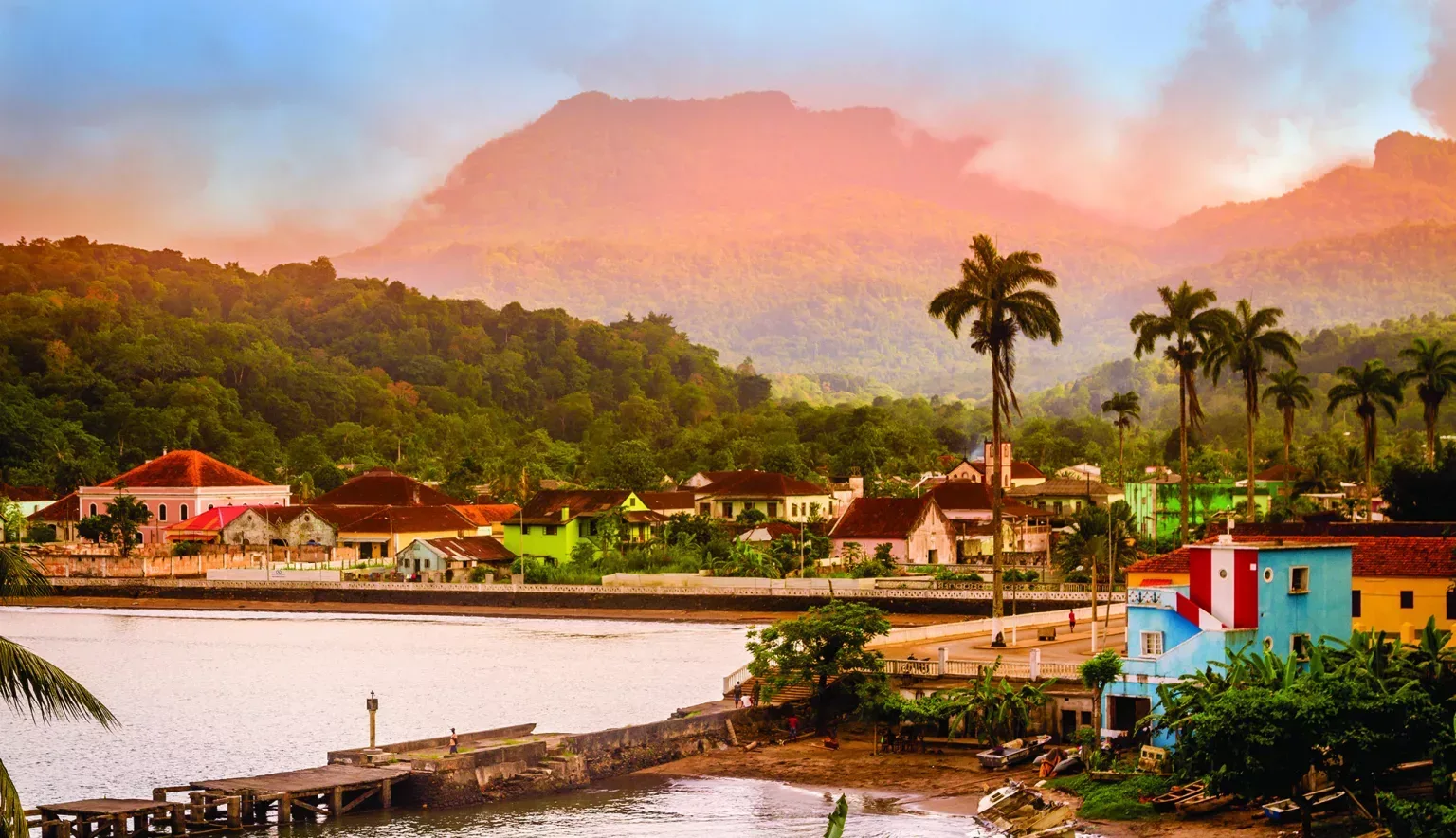
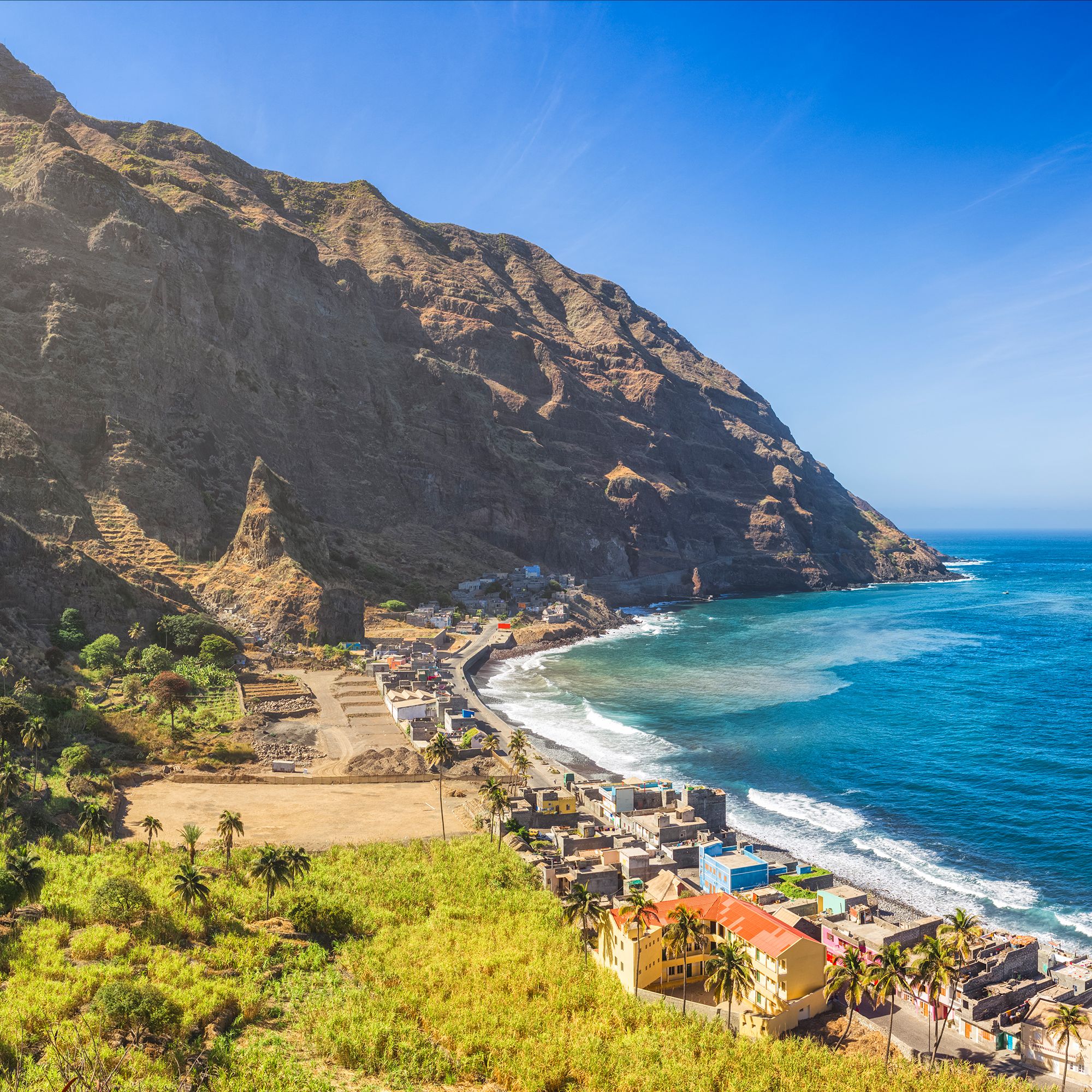
Sao Tome and Principe are often called 'Africa's Galapagos' due to their unique biodiversity and untouched ecosystems. Imagine towering volcanic peaks like Pico Cão Grande piercing through dense, emerald rainforests, cascading waterfalls like Cascata de São Nicolau, and deserted golden beaches fringed with coconut palms. The islands are a birdwatcher's paradise, home to endemic species found nowhere else. It's a place where nature feels truly wild and overwhelming, with cocoa plantations reclaiming the jungle and a palpable sense of discovery around every corner. Cape Verde offers stunning scenery too, but it's a different kind of beauty: stark, volcanic, and often arid. Fogo's active volcano and lunar landscapes are breathtaking, and Santo Antão's dramatic green valleys are perfect for hiking. Sal and Boa Vista offer vast stretches of white sand and turquoise waters. However, Sao Tome's pervasive, verdant rainforests and the feeling of stepping back in time into an untamed Eden give it the edge for sheer natural grandeur and ecological richness. "Sao Tome's jungle just swallows you whole, it's like a real-life Jurassic Park without the dinosaurs. Cape Verde's Fogo was epic but a different vibe."
Winner takeaway
- Winner: Sao Tome
- Why: Sao Tome's unparalleled lush rainforests, unique biodiversity, and feeling of untouched natural wilderness make it a superior destination for nature lovers.
- Who this matters for: Eco-tourists, birdwatchers, hikers, and those seeking raw, untamed natural beauty and solitude.
🏖️ Beaches & Ocean
Cape Verde excels in the quintessential 'beach holiday' experience, particularly on islands like Sal and Boa Vista. Santa Maria beach on Sal is famous for its long, pristine white sands, calm turquoise waters perfect for swimming, and a lively atmosphere with beach bars and watersports like kitesurfing and windsurfing. Boa Vista offers even vaster, wilder stretches of dunes and white sand, like Praia de Chaves, ideal for long walks and feeling utterly alone. The ocean is generally clearer and warmer for swimming for more months of the year. Sao Tome also boasts beautiful beaches, often even more secluded and dramatic, with a mix of golden and volcanic black sand. Praia Jale and Praia Banana are postcard-perfect. However, many beaches are more rugged, sometimes with stronger currents, and often less developed for typical tourist amenities. While fantastic for a quiet escape or snorkeling in pristine waters, they don't offer the same broad appeal for watersports or the sheer expansive beauty and accessibility of Cape Verde's best. "If you want 'paradise' white sand beaches with resorts and activities, Cape Verde, specifically Sal, is your spot. Sao Tome's beaches are beautiful but wilder, less 'resort-y'."
Winner takeaway
- Winner: Cape Verde
- Why: Cape Verde offers more accessible, expansive white-sand beaches with better infrastructure for watersports and traditional beach holidays.
- Who this matters for: Sun-seekers, watersports enthusiasts, families with children, and those preferring developed beach amenities.
🍤 Food & Cuisine
Cape Verdean cuisine is a delicious blend of African and Portuguese influences, with seafood taking center stage. The national dish, Cachupa, a slow-cooked stew of corn, beans, vegetables, and often meat or fish, is a must-try – you'll find variations from simple 'pobre' to rich 'rica.' Fresh grilled fish like tuna, wahoo, and octopus are ubiquitous and incredibly flavorful, often served with rice and vegetables. On islands like Santiago, the street food scene is vibrant, and restaurants like Restaurante Quintal da Música in Mindelo offer a lively atmosphere with live music and excellent local dishes. Sao Tome's cuisine is also heavily reliant on fresh seafood, abundant tropical fruits (mango, passion fruit, soursop), and its famous cocoa. Dishes like Calulu (a rich fish and vegetable stew) and Arroz Doce (sweet rice pudding) are local specialties. The food is fresh and authentic, but the dining scene is generally quieter and less varied than in Cape Verde. While both offer fantastic fresh ingredients, Cape Verde's culinary landscape feels more developed, with a wider range of restaurants, more diverse flavors, and a stronger culinary identity that goes beyond just fresh fish. "Cape Verdean cachupa hit different, and the fresh grilled fish on Sal was unreal. Sao Tome's food was good but more simple, less variety for sure."
Winner takeaway
- Winner: Cape Verde
- Why: Cape Verde offers a more diverse and developed culinary scene, with iconic national dishes and a wider range of dining experiences.
- Who this matters for: Foodies, those seeking variety in dining, and travelers who enjoy vibrant local eateries and street food.
🎭 Culture & History
Cape Verde's culture is a vibrant fusion, heavily influenced by its position as a historical crossroads. Each island boasts a distinct identity, contributing to a rich tapestry of music (Morna, Coladeira), dance, and literature. Mindelo on São Vicente is often considered the cultural capital, with live music venues like Livraria & Café Mindelo echoing the spirit of Cesária Évora. The history of slavery and its role in the transatlantic trade is palpable, particularly on Santiago with sites like Cidade Velha (a UNESCO World Heritage site). Portuguese influence is strong in language and architecture. Sao Tome also shares a similar history of Portuguese colonialism, cocoa plantations (roças), and slavery, which is visible in its architecture and creole language, Forro. The abandoned roças like Roça São João dos Angolares and Roça Monte Café offer fascinating, albeit somber, glimpses into the past. However, Sao Tome's cultural expression is generally more subdued and less outwardly vibrant than Cape Verde's. While profound, it lacks the globally recognized musical heritage and the diverse, bustling cultural hubs that Cape Verde offers. "Cape Verde's music scene in Mindelo blew me away, nothing in Sao Tome really compares for that kind of lively, accessible culture. Both have important history but CV feels more 'alive'."
Winner takeaway
- Winner: Cape Verde
- Why: Cape Verde boasts a more vibrant, diverse, and globally recognized cultural scene, particularly its musical heritage and distinct island identities.
- Who this matters for: Culture enthusiasts, music lovers, history buffs interested in diverse colonial heritage and vibrant local life.
💰 Costs & Budget
When it comes to daily spending, Cape Verde generally offers better value. A mid-range traveler can expect to spend around 10,000-15,000 CVE ($100-$150) per day, covering a decent guesthouse, local meals, and some activities. For example, a delicious grilled fish dinner might be 1,500-2,500 CVE ($15-$25), and a room in a comfortable guesthouse in Praia or Mindelo around 5,000-8,000 CVE ($50-$80). Sao Tome, despite its lower profile, can be surprisingly expensive. Daily costs for a similar mid-range experience often range from 2,200,000-3,500,000 STN (approx. $100-$160), or even higher. Basic hotel rooms start around 1,500,000 STN ($70), and meals, especially outside local 'barracas,' can quickly add up. Transportation, particularly hiring a private driver for tours, can be a major cost (e.g., $60-$100/day). While local food is cheap, imported goods and quality accommodation come with a premium due to limited supply chains. "I budgeted similarly for both, but Sao Tome felt like my money just evaporated quicker, especially for getting around. Cape Verde had more affordable options for food and hostels." Unless you're strictly eating street food and staying in basic local guesthouses, Sao Tome often edges out Cape Verde in cost due to less competition and higher import costs.
Winner takeaway
- Winner: Cape Verde
- Why: Cape Verde offers a wider range of budget-friendly options for accommodation, food, and tours, providing better overall value for money.
- Who this matters for: Budget-conscious travelers, backpackers, and those seeking good value for their travel expenses.
🚗 Getting Around
Navigating Cape Verde is generally much smoother, thanks to its well-established inter-island transport network. Domestic flights via Binter CV connect major islands like Sal, Santiago, Boa Vista, and São Vicente frequently, though they can be pricey (e.g., 6,000-10,000 CVE or $60-$100 one-way). Ferries also operate between closer islands, offering a more budget-friendly option. On individual islands, shared taxis (aluguers) are abundant and affordable, perfect for short distances. Car rental is also a popular and viable option for exploring at your own pace (e.g., 4,000-6,000 CVE or $40-$60/day). Sao Tome, conversely, offers a more challenging experience. Public transport is minimal, mainly consisting of shared 'colectivos' (minibuses) that run on fixed, often infrequent, routes. To truly explore, you'll almost certainly need to hire a private driver and car (expect 2,200,000-3,300,000 STN or $100-$150 per day), as roads to key attractions can be rough and unmarked. Car rental is possible but less common and often more expensive, and driving can be tricky. "Getting around Sao Tome meant shelling out for a driver every day, which really added up. In Cape Verde, I just hopped on an aluguer or a cheap internal flight, way less hassle."
Winner takeaway
- Winner: Cape Verde
- Why: Cape Verde offers more efficient and diverse inter-island transport, a wider network of affordable local shared taxis, and better options for self-driving.
- Who this matters for: Independent travelers, those planning to visit multiple islands, or anyone preferring convenience and flexibility in local transport.
🚨 Safety & Health
Sao Tome and Principe consistently rank as one of the safest countries in Africa. Crime rates are remarkably low, and travelers generally feel very secure, even at night. The biggest 'dangers' are often natural ones like strong ocean currents or falling coconuts. Healthcare facilities are basic, primarily in São Tomé city, so comprehensive travel insurance is essential. Malaria is present in some rural areas, so prophylaxis is recommended. Cape Verde is also generally safe for tourists, but urban areas like Praia (Santiago) and Mindelo (São Vicente) experience higher rates of petty crime (pickpocketing, bag snatching), especially at night. It's advisable to be more vigilant in these areas. Medical facilities are more developed than in Sao Tome, particularly on Sal and Santiago, but serious conditions may still require evacuation. Dengue fever is a periodic concern. While neither destination presents significant threats, the feeling of absolute tranquility and minimal concern for personal safety in Sao Tome is truly exceptional. "I felt completely safe wandering around Sao Tome even alone at night. In Praia, I was a bit more careful, just like any bigger city, really." For peace of mind regarding crime, Sao Tome takes the lead.
Winner takeaway
- Winner: Sao Tome
- Why: Sao Tome offers an exceptionally low crime rate and a profound sense of personal safety, allowing for worry-free exploration.
- Who this matters for: Solo travelers, families with young children, and anyone prioritizing maximum personal safety and peace of mind.
🏨 Accommodation
Cape Verde offers a far more diverse and extensive range of accommodation options. On islands like Sal and Boa Vista, you'll find everything from sprawling all-inclusive resorts like the Hilton Cabo Verde Sal Resort or Melia Dunas Beach Resort & Spa, catering to package tourists, to charming guesthouses and budget-friendly hostels in Santa Maria. On less touristy islands like Santiago or São Vicente, there are plenty of comfortable mid-range hotels and guesthouses, such as the Hotel Santiago in Praia or Residencial Goa in Mindelo, offering good value. Sao Tome's accommodation scene is more limited and often pricier for what you get. Options range from very basic local guesthouses to a handful of charming but expensive boutique eco-lodges like the Praia Sundy Resort on Principe or the Roça São João dos Angolares, famous for its cultural immersion. Mid-range options are scarcer, and quality can be inconsistent. Booking well in advance is crucial, especially during peak season, as capacity is low. "Finding decent mid-range hotels in Sao Tome outside the capital was a struggle; Cape Verde had so many more choices, even on the smaller islands, and often for better prices."
Winner takeaway
- Winner: Cape Verde
- Why: Cape Verde provides a significantly broader selection of accommodation types and price points, catering to all traveler preferences and budgets.
- Who this matters for: Travelers with specific accommodation preferences, those seeking luxury resorts, or budget travelers looking for hostels and guesthouses.
🧑💻 Solo Travel & Digital Nomads
Cape Verde is increasingly welcoming to solo travelers and digital nomads. For solo adventurers, the well-trodden tourist paths, ease of transport between islands, and more social guesthouses make it easy to meet other travelers, particularly on Sal and São Vicente. For digital nomads, destinations like Santa Maria (Sal) or Praia (Santiago) offer better internet connectivity (though still not perfect), co-working spaces (albeit nascent), and a more developed expat community. Costs are reasonable, and visa requirements are manageable for longer stays. Sao Tome is fantastic for solo travelers who truly want to disconnect and immerse themselves in nature. It's safe, and locals are friendly, but the lack of other tourists means less spontaneous social interaction. Internet can be slow and unreliable outside of major hotels in São Tomé city, making it challenging for serious digital nomad work. Infrastructure for remote work is virtually non-existent. "As a solo traveler, I loved the quiet in Sao Tome, but for actually getting work done or easily meeting people, Cape Verde was way better. Sal had pretty decent WiFi for Africa standards." If you're looking to blend work with travel or easily connect with a travel community, Cape Verde offers more practical advantages.
Winner takeaway
- Winner: Cape Verde
- Why: Cape Verde offers more established infrastructure for solo travelers to connect with others, along with better internet and emerging co-working options for digital nomads.
- Who this matters for: Solo travelers seeking social interaction, and digital nomads requiring reliable internet and a supportive community.
❓ Frequently Asked Questions
Which destination is better for a honeymoon?
For a truly secluded and romantic, off-the-beaten-path honeymoon focused on nature and tranquility, Sao Tome is unmatched. If you prefer a mix of luxury resorts, beautiful beaches, and more dining/activity options, Cape Verde (especially Sal or Boa Vista) would be a better fit.
What's the best time of year to visit each?
Sao Tome's dry season (May to October) is ideal for hiking and exploring. Cape Verde also has a dry season from November to June, which is perfect for beach activities and watersports. Both experience a rainy season (July-October for CV, November-April for ST) but often with short, heavy showers rather than continuous rain.
Is English widely spoken in either country?
While Portuguese is the official language in both, you'll find more English speakers in the main tourist areas and hotels of Cape Verde (especially Sal). In Sao Tome, English is much less common, making a few Portuguese phrases or a translation app very helpful.
Which has better hiking opportunities?
Both offer incredible hiking. Sao Tome excels with its dense rainforest trails to waterfalls and volcanic peaks like Pico Cão Grande. Cape Verde, particularly Santo Antão and Fogo, provides dramatic volcanic and valley hikes, offering diverse and stunning landscapes.
Are there any direct flights between Sao Tome and Cape Verde?
No, there are currently no direct flights connecting Sao Tome and Cape Verde. You would typically need to transit through a major hub like Lisbon (Portugal), Accra (Ghana), or another West African city, making the journey long and costly.
Which country is better for wildlife viewing?
Sao Tome is arguably better for unique wildlife, especially birdwatching with its many endemic species, and sea turtle nesting sites. Cape Verde also has significant marine life (turtles, whales in season) and endemic birds, but Sao Tome's untouched rainforests offer a richer terrestrial biodiversity experience.
What visa requirements are there for US/EU citizens?
For Sao Tome, US/EU citizens typically do not require a visa for stays up to 15 days, but double-check current regulations. Cape Verde requires a visa for most non-ECOWAS citizens, which can be obtained upon arrival at the airport (E.A.S.P.) or online in advance for around €30-35.
Which destination feels more 'off the beaten path'?
Sao Tome and Principe is unequivocally more 'off the beaten path.' It sees significantly fewer tourists, has less developed infrastructure, and offers a profound sense of discovery and untouched wilderness, making it perfect for adventurers seeking solitude.
Ready to plan your West African island trip?
Get a free custom itinerary for Sao Tome, Cape Verde, or both — built from real traveler insights.
🎟️ Book Tours & Experiences
Hand-picked tours and activities for both destinations — book with free cancellation
Experiences via Viator — free cancellation on most tours