How we built this comparison
This page combines traveler discussion patterns, published price ranges, flight schedules, and seasonal data to help you decide between Sapporo and Kyoto.
- Reviewed 50+ Reddit threads from r/travel, r/solotravel, r/JapanTravel, and city-specific subreddits.
- Verified costs and logistics against current booking platforms (Booking.com, Skyscanner, JR Pass official site).
- Cross-referenced seasonal patterns, weather data, and major event calendars for optimal timing.
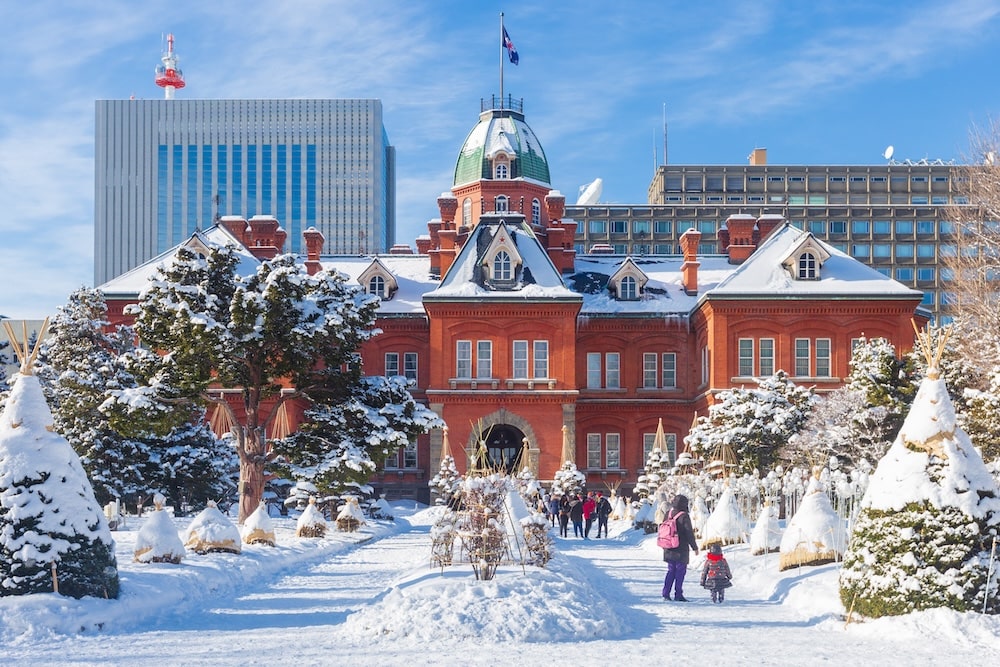
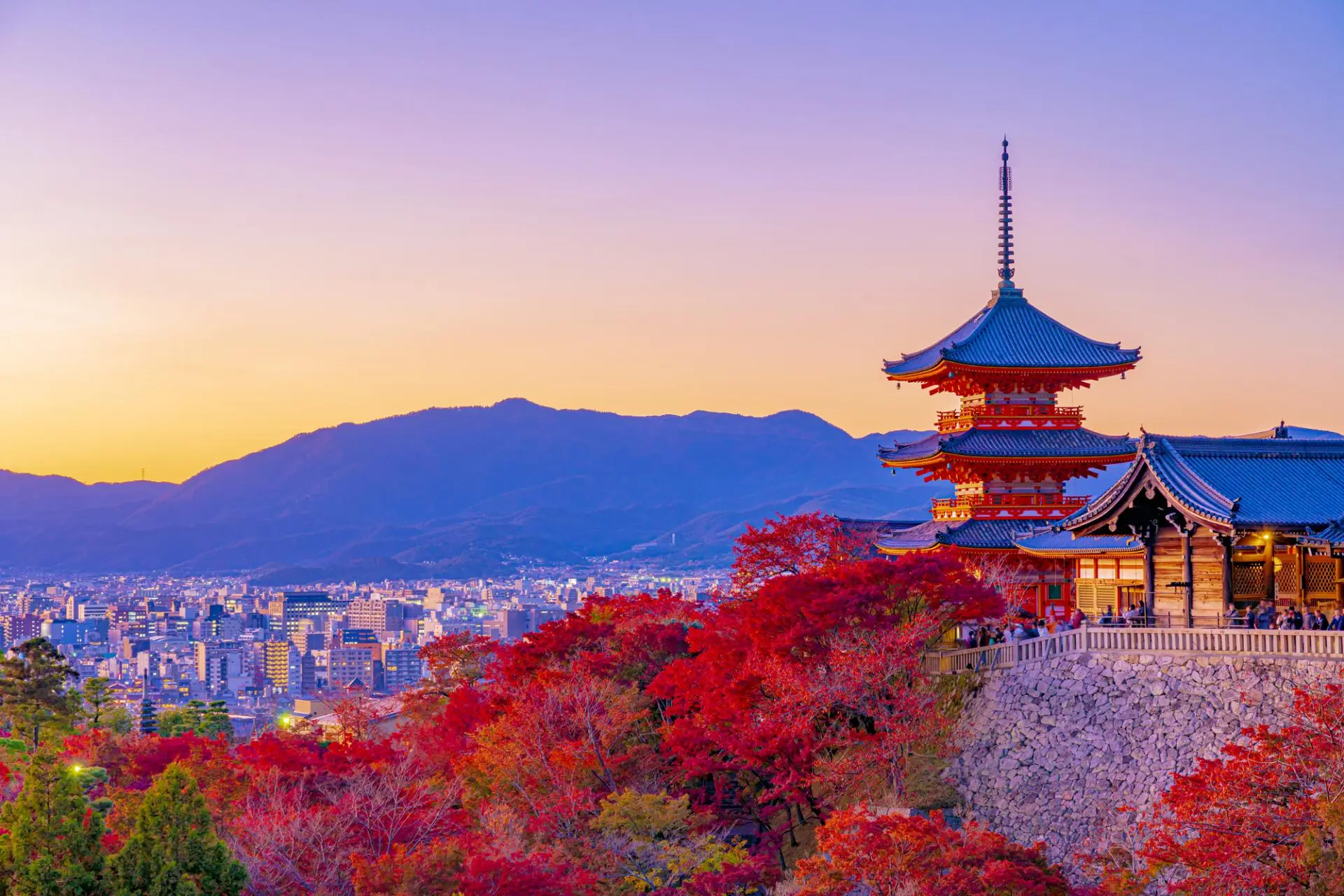
⚡ The TL;DR Verdict
Choose Sapporo if you crave unique food, outdoor adventures, and a more relaxed, modern vibe, often on a slightly friendlier budget (JPY 8,000-15,000/day). Opt for Kyoto if deep history, stunning temples, and traditional experiences are your priority, though expect higher costs (JPY 12,000-25,000/day) and bigger crowds.
- Choose Sapporo: Perfect for foodies, outdoor enthusiasts, and those seeking a refreshing escape with distinct seasonal beauty, especially in winter. Great for budget-conscious travelers too.
- Choose Kyoto: Ideal for culture vultures, history buffs, and anyone dreaming of iconic Japanese landscapes, traditional arts, and a profound sense of antiquity. Expect to spend more and navigate crowds.
- Choose Both: If you have 10-14 days and a Japan Rail Pass, combine both for a full spectrum of Japan's diverse offerings. Start north in Sapporo, then Shinkansen south to Kyoto via Tokyo.
Quick Comparison
| Category | Sapporo | Kyoto | Winner |
|---|---|---|---|
| Food & Drink | Ramen (miso!), Genghis Khan BBQ, fresh seafood, soup curry, local beer. Hearty, rich, and distinct. | Kyoto-style kaiseki, tofu, matcha sweets, traditional wagashi, intricate multi-course meals. Refined and elegant. | Sapporo |
| Culture & History | Modern Japanese culture, Ainu indigenous heritage, beer history, Olympic legacy. Newer and less traditional. | Ancient capital, countless temples (Kinkaku-ji, Fushimi Inari), geisha districts (Gion), traditional arts. Deeply historical. | Kyoto |
| Costs & Budget | Generally more affordable for accommodation, food, and local transport. Good value. | Higher prices for accommodation (especially ryokans), tourist attractions, and fine dining. Can be expensive. | Sapporo |
| Nature & Outdoors | Gateway to vast national parks, skiing, hiking, hot springs, flower fields (seasonal). Rugged and expansive. | Lush bamboo groves, scenic rivers, well-manicured gardens, surrounding mountains with hiking trails. Serene and picturesque. | Sapporo |
| Nightlife & Entertainment | Susukino district with izakayas, karaoke, bars, craft beer. Lively and diverse. | Gion (tea houses, traditional shows), Pontocho Alley (bars, restaurants), limited club scene. More refined. | Sapporo |
| Getting There & Around | Flight from Tokyo (1.5 hrs) to CTS. City is walkable, excellent subway system. | Shinkansen from Tokyo (2.5-3 hrs). City uses bus system extensively, limited subway. | Sapporo |
| Accommodation | Good range of business hotels, unique boutique stays, relatively affordable. | Expensive ryokans, traditional guesthouses, modern hotels. Prices are higher. | Sapporo |
| Day Trips | Otaru (canal city), Noboribetsu (hell valley), Furano/Biei (flower fields), Niseko (skiing). Diverse. | Nara (deer park), Osaka (food, nightlife), Uji (matcha), Arashiyama (bamboo forest, half day). Iconic. | Tie |
| Shopping | Modern malls, local crafts, unique food souvenirs (white chocolate cookies). | Traditional crafts, kimonos, ceramics, matcha products, souvenirs. More artisanal. | Kyoto |
| Weather & Seasons | Long, snowy winters (ideal for skiing); mild, pleasant summers. Distinct seasons. | Hot, humid summers; pleasant springs (cherry blossoms) and autumns (fall foliage); cold, dry winters. Extreme summers. | Sapporo |
🍜 Food & Drink
Sapporo is a culinary powerhouse, especially for those who love rich, savory flavors. Its miso ramen is legendary, with spots like Ramen Yokocho offering countless variations. Don't miss Genghis Khan (Jingisukan) BBQ, a Hokkaido specialty of grilled lamb, found at places like Sapporo Beer Garden. The seafood, particularly crab and uni from nearby Otaru, is incredibly fresh and often more affordable than in Tokyo or Kyoto. Soup curry is another unique local creation, a comforting, spicy broth with vegetables and meat. Kyoto's food, while exquisite, leans heavily into traditional, often subtle flavors – think multi-course kaiseki meals at establishments like Gion Karyo (JPY 10,000-20,000 per person), delicate yuba (tofu skin), and matcha-infused everything. While delicious, it can be a more acquired taste and significantly pricier. "Sapporo's food scene just hits different, especially that miso ramen after a cold day. Kyoto was great but my wallet cried more for less filling meals." The sheer variety and generally lower price point of Sapporo's distinct cuisine give it the edge for most travelers.
Winner takeaway
- Winner: Sapporo
- Why: Sapporo offers a more robust, unique, and often more budget-friendly culinary experience with distinct local specialties.
- Who this matters for: Foodies, adventurous eaters, and those seeking hearty, memorable meals without breaking the bank.
⛩️ Culture & History
Kyoto is an unparalleled journey into Japan's imperial past, boasting over 2,000 temples and shrines. Iconic sites like Kinkaku-ji (Golden Pavilion), Fushimi Inari-taisha with its thousands of vermilion torii gates, and Kiyomizu-dera offer breathtaking insights into traditional Japanese architecture and spirituality. Wandering through Gion, you might even spot a geisha, while tea ceremonies and traditional craft workshops abound. Sapporo, in contrast, is a much newer city, developed primarily after the Meiji Restoration. Its cultural offerings focus more on modern Japan, the indigenous Ainu people (at the Sapporo Ainu Culture Promotion Center), and its pioneering role in industries like beer brewing (Sapporo Beer Garden & Museum). While interesting, it simply cannot compete with Kyoto's centuries of preserved history. "Kyoto is like stepping into a postcard, every corner has a story. Sapporo felt more like a regular city, albeit a cool one." For travelers prioritizing ancient traditions, stunning historical sites, and a profound cultural immersion, Kyoto is the undisputed champion.
Winner takeaway
- Winner: Kyoto
- Why: Kyoto offers an unmatched immersion into Japan's ancient history, traditional arts, and iconic cultural landmarks.
- Who this matters for: History buffs, culture seekers, and anyone looking for the quintessential 'old Japan' experience.
💰 Costs & Budget
When it comes to stretching your yen, Sapporo offers better value. A decent business hotel like a Dormy Inn or Toyoko Inn in Sapporo can often be found for JPY 6,000-10,000 (~$40-70) per night, whereas similar quality in Kyoto starts at JPY 9,000-15,000 (~$60-100), and traditional ryokans can easily exceed JPY 20,000 (~$135). Food in Sapporo, from a bowl of ramen (JPY 800-1,200 / ~$5-8) to a Genghis Khan set (JPY 2,000-3,000 / ~$13-20), is generally cheaper than Kyoto's kaiseki (JPY 5,000+ / ~$35+) or even everyday meals in tourist heavy areas. Transport within both cities is efficient, but Kyoto's popular sites are more spread out, potentially requiring more bus rides (JPY 230 / ~$1.50 per ride) or even taxis. "I saved a ton in Sapporo compared to Kyoto. My hotel was half the price and I ate like a king for cheap." While both cities have free attractions, the cumulative cost of accommodation, dining, and premium experiences adds up faster in Kyoto.
Winner takeaway
- Winner: Sapporo
- Why: Sapporo provides a more budget-friendly experience across accommodation, dining, and general activities.
- Who this matters for: Budget travelers, backpackers, and anyone looking to maximize their travel funds in Japan.
🌲 Nature & Outdoors
Sapporo serves as the perfect base for exploring Hokkaido's immense natural beauty. In winter, world-class ski resorts like Niseko and Rusutsu are easily accessible, offering incredible powder. During warmer months, you're close to Shikotsu-Toya National Park with its stunning caldera lakes and active volcanoes, or the vibrant flower fields of Furano and Biei (best in summer). Even within the city, parks like Maruyama Park and the Botanic Garden offer green escapes, but the true draw is Hokkaido's untamed wilderness. Kyoto, while surrounded by picturesque mountains and home to iconic spots like the Arashiyama Bamboo Grove and the scenic Hozugawa River boat ride, offers a more manicured and contained natural experience. "If you want real wilderness and adventure, Hokkaido is the place. Kyoto's nature is beautiful but feels more like a city park." While Kyoto's gardens and serene river walks are lovely, Sapporo's proximity to vast national parks, diverse outdoor activities, and unique seasonal landscapes gives it a significant edge for nature lovers and adventure seekers.
Winner takeaway
- Winner: Sapporo
- Why: Sapporo is the gateway to Hokkaido's expansive, diverse, and rugged natural landscapes, offering more outdoor activities.
- Who this matters for: Adventure travelers, hikers, skiers, and those seeking wild, untouched scenery and outdoor sports.
🍻 Nightlife & Entertainment
Sapporo's Susukino district is one of Japan's largest entertainment areas outside of Tokyo and Osaka, offering a vibrant and diverse nightlife. You'll find countless izakayas, karaoke boxes, themed bars, and even host clubs. For a more relaxed evening, there are numerous craft beer pubs like Beer Bar North Island. The atmosphere is generally lively, welcoming, and less intimidating than some larger city scenes. Kyoto's nightlife is more subdued and traditional. Pontocho Alley offers atmospheric bars and restaurants, and Gion is famous for its teahouses and traditional geisha entertainment (which can be very exclusive and expensive). While Kyoto has some modern bars and a few clubs, it's not a party destination. "Susukino was wild! So many tiny bars and great food spots open late. Kyoto felt like it shut down way earlier, unless you were doing something fancy." For those seeking a bustling evening scene with plenty of options for drinks, food, and late-night fun, Sapporo clearly outshines Kyoto.
Winner takeaway
- Winner: Sapporo
- Why: Sapporo's Susukino district offers a significantly more vibrant, diverse, and accessible nightlife scene.
- Who this matters for: Social travelers, groups, and anyone looking for lively evening entertainment and late-night options.
🚄 Getting There & Around
Getting to Sapporo usually involves a domestic flight from Tokyo's Haneda (HND) or Narita (NRT) airports to New Chitose Airport (CTS), a quick 1.5-hour journey often costing JPY 5,000-15,000 (~$35-100) on LCCs like Peach or Jetstar. From CTS, a rapid train gets you to Sapporo Station in about 40 minutes (JPY 1,150 / ~$8). Once in Sapporo, the city center is very walkable, and its compact subway system (JPY 210-370 / ~$1.40-2.50 per ride) is incredibly efficient and easy to navigate. Kyoto is best reached by Shinkansen from Tokyo (2.5-3 hours, JPY 13,000-14,000 / ~$90-95), or flying into Osaka's Kansai (KIX) or Itami (ITM) airports, then taking a train. Getting around Kyoto primarily relies on an extensive but often crowded bus system, which can be confusing for first-timers (JPY 230 / ~$1.50 per ride). "Sapporo's subway felt way less stressful than Kyoto's buses, especially when trying to hit specific temples early." While both are well-connected, Sapporo's simpler internal transport and efficient flight connections make it slightly easier to manage logistically for many travelers.
Winner takeaway
- Winner: Sapporo
- Why: Sapporo's compact, efficient subway system and direct flight access from Tokyo make internal and external travel simpler.
- Who this matters for: First-time visitors to Japan, those prioritizing ease of navigation, and travelers on tighter schedules.
🏨 Accommodation
Sapporo generally offers better value for money in accommodation. You'll find a wide selection of modern business hotels like Dormy Inn Sapporo Annex or Cross Hotel Sapporo for JPY 8,000-12,000 (~$55-80) a night, offering excellent service and amenities. There are also unique boutique options and comfortable hostels at very reasonable prices. Kyoto, being a prime tourist destination, has significantly higher accommodation costs. While it boasts luxurious traditional ryokans (like Ryokan Yoshida-sanso, often JPY 30,000+ / ~$200+ per night) and charming machiya guesthouses, these come at a premium. Even standard business hotels in Kyoto often start around JPY 10,000-18,000 (~$70-120). "My hotel in Sapporo was half the price of a comparable one in Kyoto, and it even had a public bath!" For travelers seeking comfortable, well-located lodging without overspending, Sapporo provides more accessible and affordable options.
Winner takeaway
- Winner: Sapporo
- Why: Sapporo offers better value and a wider range of affordable, high-quality accommodation options.
- Who this matters for: Budget-conscious travelers, families, and anyone looking for comfortable stays at reasonable prices.
🏞️ Day Trips
Both Sapporo and Kyoto excel in offering fantastic day trip opportunities, each with its unique charm. From Sapporo, you can easily visit Otaru, a charming canal city known for its glassworks and seafood (approx. 40 mins by train, JPY 750 / ~$5). Noboribetsu, a famous onsen town with dramatic volcanic landscapes, is also accessible (approx. 1.5-2 hrs by train/bus, JPY 2,000-3,000 / ~$13-20). In summer, the stunning flower fields of Furano and Biei are a highlight. Kyoto offers iconic day trips to Nara, famous for its friendly deer and Todai-ji Temple (approx. 45 mins by train, JPY 720 / ~$5), and vibrant Osaka, a foodie paradise (approx. 30 mins by train, JPY 580 / ~$4). Uji, renowned for its matcha tea, is another excellent option. "Both cities have killer day trips. Nara from Kyoto and Otaru from Sapporo were highlights for me." Kyoto's day trips often feel more culturally significant, while Sapporo's lean more towards natural beauty and unique regional experiences, making it hard to pick a definitive winner.
Winner takeaway
- Winner: Tie
- Why: Both cities offer a rich array of diverse and highly rewarding day trip destinations, catering to different interests.
- Who this matters for: Travelers who enjoy exploring beyond the main city and experiencing regional highlights.
🛍️ Shopping
Kyoto is a treasure trove for traditional Japanese crafts and unique souvenirs. You can find exquisite kimonos, delicate ceramics (Kiyomizu-yaki), beautiful washi paper products, and an endless array of matcha-related goods. Nishiki Market is a fantastic place for local food items and kitchenware, while the streets around Kiyomizu-dera are lined with artisan shops. Department stores like Kyoto Takashimaya also offer a luxurious modern shopping experience. Sapporo, while having modern shopping centers like Sapporo Stellar Place and Tanuki Koji Shopping Arcade, focuses more on general fashion, electronics, and Hokkaido-specific food souvenirs like Shiroi Koibito white chocolate cookies or local cheeses. "Kyoto's shopping was amazing for actual gifts and unique souvenirs, not just mass-produced stuff. I found some beautiful pottery near Kiyomizu-dera." For those seeking authentic, high-quality Japanese crafts, traditional items, and unique cultural souvenirs, Kyoto offers a far richer and more diverse shopping experience.
Winner takeaway
- Winner: Kyoto
- Why: Kyoto excels in offering a vast selection of traditional Japanese crafts, artisanal goods, and unique cultural souvenirs.
- Who this matters for: Shoppers interested in authentic Japanese crafts, unique gifts, and traditional items.
☀️ Weather & Seasons
Sapporo truly shines for its distinct and often more comfortable seasonal experiences, particularly if you're not a fan of intense heat. Winters are long and snowy, perfect for winter sports (Sapporo Snow Festival in February is a highlight) and enjoying cozy indoor activities. Summers are wonderfully mild and pleasant, with average July temperatures around 20-22°C (68-72°F), making it an excellent escape from Japan's notorious humidity. Kyoto, on the other hand, experiences brutal, hot, and extremely humid summers, with temperatures often exceeding 35°C (95°F) and high humidity, making sightseeing quite challenging. Spring (cherry blossoms) and autumn (fall foliage) are breathtaking in Kyoto but also its busiest and most expensive seasons. Winters are cold and dry, but lack the magical snowscape of Sapporo. "Honestly, Sapporo in summer was a breath of fresh air after Tokyo's humidity. Kyoto was beautiful but I almost melted in August." For travelers sensitive to heat, or those specifically seeking a winter wonderland, Sapporo offers a more comfortable and diverse year-round climate.
Winner takeaway
- Winner: Sapporo
- Why: Sapporo offers more comfortable temperatures, especially in summer, and a spectacular winter wonderland experience.
- Who this matters for: Travelers sensitive to extreme heat, winter sports enthusiasts, and those seeking distinct seasonal beauty.
❓ Frequently Asked Questions
Is Sapporo or Kyoto better for a first-time visitor to Japan?
For a first-time visitor, Kyoto often provides a more iconic 'Japan' experience with its ancient temples, geisha districts, and traditional atmosphere. However, Sapporo offers a unique modern Japanese perspective with incredible food and nature, making it a great addition if you have more time.
Which city is better for families with young children?
Sapporo might be slightly better for families due to its more relaxed pace, pleasant summer weather, and attractions like Sapporo Art Park and Hokkaido University Botanical Garden. Kyoto's crowds and extensive walking might be tiring for very young children, though Nara (a day trip from Kyoto) is a hit with kids.
How many days should I spend in each city?
For Sapporo, 3-4 days allows you to explore the city and take a day trip to Otaru or Noboribetsu. For Kyoto, 4-5 days is recommended to fully immerse in its culture, visit key temples, and include a day trip to Nara or Osaka.
Which city has better onsen (hot springs)?
Hokkaido (Sapporo's region) is renowned for its natural hot springs. Noboribetsu Onsen, a popular day trip from Sapporo, is one of Japan's most famous onsen towns. Kyoto has some onsen, but they are generally less numerous and less spectacular than those in Hokkaido.
Can I use a Japan Rail Pass to travel between Sapporo and Kyoto?
Yes, a Japan Rail Pass covers the Shinkansen from Kyoto to Tokyo, and then the domestic JR trains to Tokyo's airports for your flight to Sapporo. It also covers the train from New Chitose Airport to Sapporo. However, the domestic flight itself is not covered by the JR Pass.
Is English widely spoken in Sapporo and Kyoto?
In both cities, English proficiency is generally limited but improving, especially in major tourist areas, hotels, and larger restaurants. You'll find more English signage in Kyoto due to its international popularity. Having a translation app and basic Japanese phrases is always helpful.
What's the best time of year to visit Sapporo vs Kyoto?
Visit Sapporo in winter (Dec-Feb) for snow festivals and skiing, or summer (Jul-Aug) for mild weather and flower fields. Kyoto is best in spring (late March-early April) for cherry blossoms or autumn (late Oct-Nov) for fall foliage, but these are also the busiest times.
Which city is better for solo travelers?
Both cities are excellent for solo travelers as Japan is incredibly safe. Sapporo might offer a slightly more relaxed pace and slightly cheaper solo accommodation. Kyoto offers endless opportunities for introspection at temples but can feel more crowded. Both have accessible public transport and welcoming atmospheres.
Ready to plan your Japan trip?
Get a free custom itinerary for Sapporo, Kyoto, or both — built from real traveler insights.
🎟️ Book Tours & Experiences
Hand-picked tours and activities for both destinations — book with free cancellation
Experiences via Viator — free cancellation on most tours