How we built this comparison
This page combines traveler discussion patterns, published price ranges, flight schedules, and seasonal data to help you decide between Sarajevo and Belgrade.
- Reviewed 50+ Reddit threads from r/travel, r/solotravel, r/bosnia, r/serbia, and r/europe for real traveler perspectives.
- Verified costs and logistics against current booking platforms (Booking.com, Skyscanner, local bus operators) and recent traveler reports (2023-2024).
- Cross-referenced seasonal patterns and weather data with local tourism information for optimal travel times and activities.
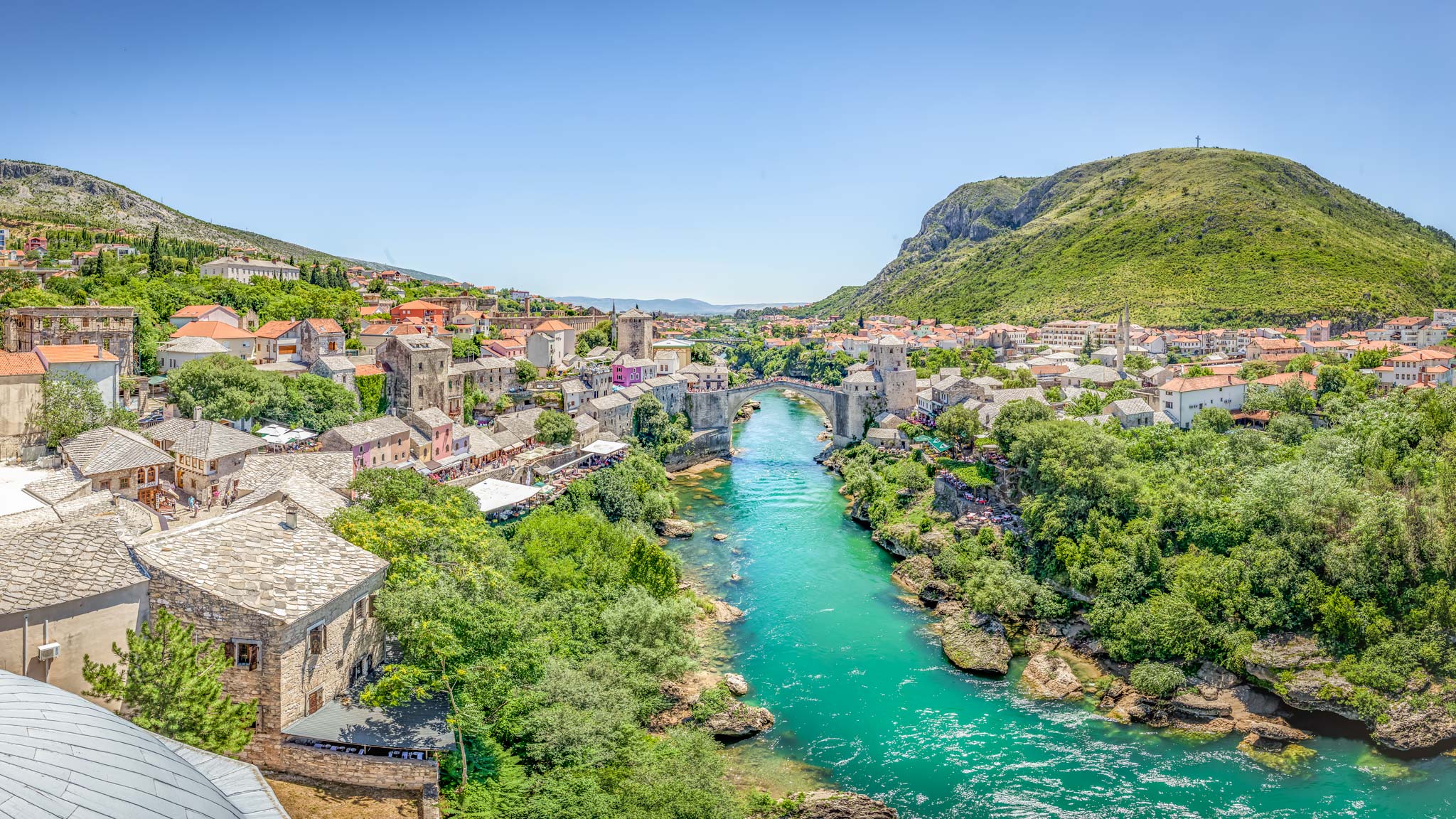
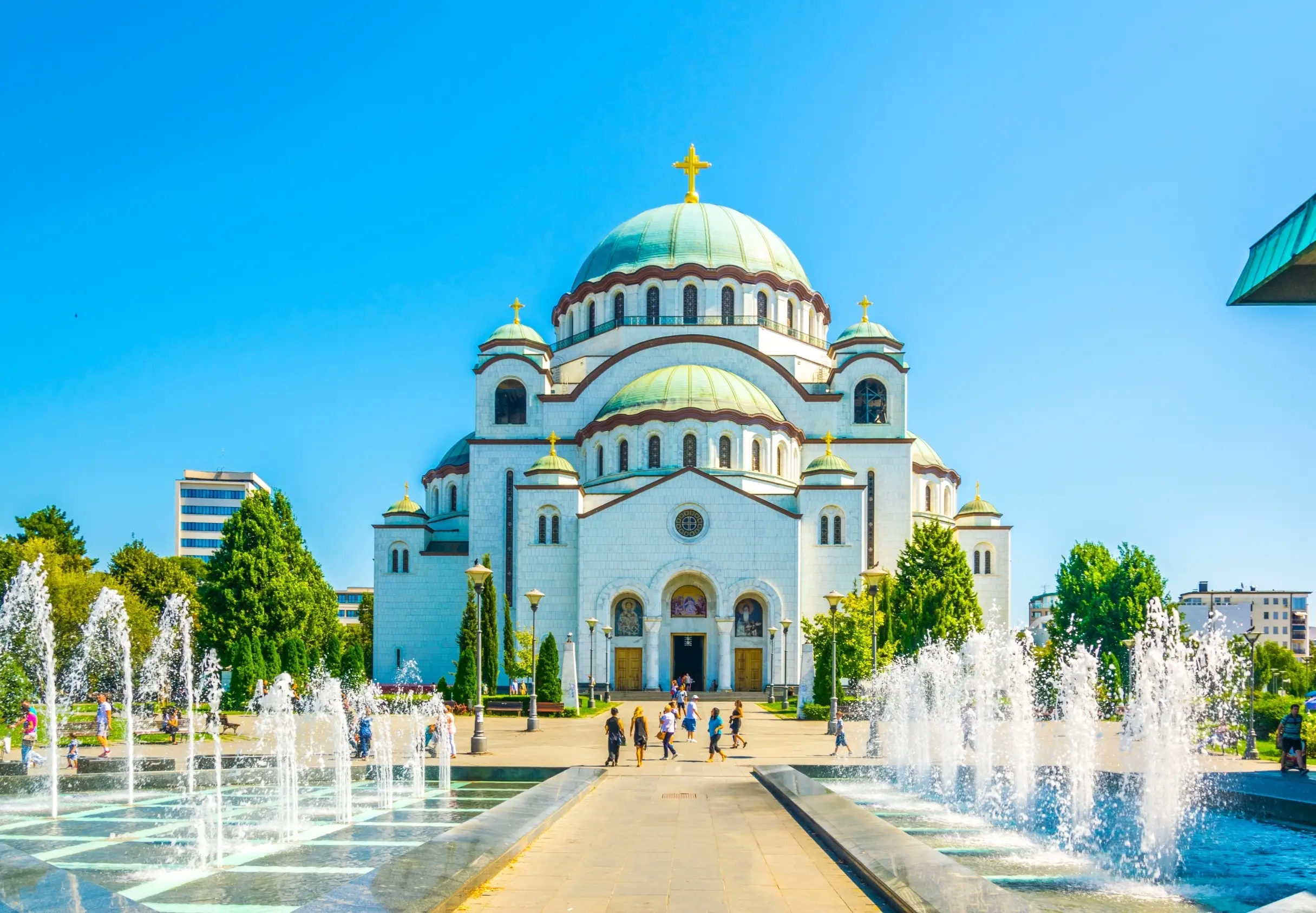
⚡ The TL;DR Verdict
For those seeking a deeply historical and emotionally resonant journey with a more laid-back vibe, Sarajevo is your pick, budget-friendly at around $40-60/day. If high-energy nightlife, diverse culinary scenes, and a larger city feel are calling, Belgrade offers that excitement for about $50-80/day.
- Choose Sarajevo: Choose Sarajevo if you crave a city steeped in history, Ottoman charm, poignant war stories, and a slower, more intimate travel pace. Ideal for culture vultures and budget travelers.
- Choose Belgrade: Opt for Belgrade if you're chasing vibrant nightlife, a bustling metropolis, diverse dining, and a youthful, energetic atmosphere. Perfect for party-goers and urban explorers.
- Choose Both: If you have at least 7-10 days, combine both! A bus journey takes 6-8 hours, offering a fascinating contrast between two pivotal Balkan capitals. Start in Sarajevo for history, then head to Belgrade for the buzz.
Quick Comparison
| Category | Sarajevo | Belgrade | Winner |
|---|---|---|---|
| Culture & History | A city with layers of Ottoman, Austro-Hungarian, and war-torn history; deeply moving and reflective. | Historic fortress, communist-era architecture, and a resilient spirit; more about urban resilience and modern identity. | Sarajevo |
| Food & Drink | Hearty Bosnian cuisine – ćevapi, burek, dolma – and strong coffee in traditional settings. | Diverse international and Serbian cuisine, vibrant cafe culture, and excellent craft beer/wine. | Tie |
| Nightlife & Parties | Relaxed bars, traditional kafanas, and a generally calmer evening scene. | Legendary river clubs (splavovi), buzzing bars, and a vibrant electronic music scene. | Belgrade |
| Costs & Budget | Generally more affordable, especially for food, transport, and traditional experiences. | Still budget-friendly by European standards, but slightly higher prices for nightlife and modern amenities. | Sarajevo |
| Getting There & Around | Smaller airport, often requires connecting flights; walkable city center, good tram network. | Larger international airport (BEG), better direct flight connections; extensive public transport, but a bigger, more spread-out city. | Belgrade |
| Accommodation | Charming guesthouses, boutique hotels, and plenty of affordable hostels, often family-run. | Wide range from international chains to stylish boutique hotels, bustling hostels, and serviced apartments. | Belgrade |
| Day Trips & Nature | Easy access to Mostar, Kravice Waterfalls, Tunnel of Hope, and scenic mountains for hiking. | Novi Sad, Fruška Gora National Park, Subotica, and the Danube River for scenic cruises. | Tie |
| Safety & Vibe | Extremely safe, welcoming, and relaxed; a palpable sense of community and resilience. | Generally safe, but a larger, more bustling city feel; can be more intense, but very lively. | Sarajevo |
| Solo Travel Friendliness | Easy to meet people, compact and walkable, very safe, and budget-friendly. | Good hostel scene, easy to navigate public transport, but a larger city can feel less intimate. | Sarajevo |
| Shopping & Souvenirs | Traditional crafts, copperware, intricate jewelry, and unique Bosnian coffee sets. | Modern malls, international brands, local designer boutiques, and communist-era relics. | Belgrade |
🏛️ Culture & History
Sarajevo is an open-air museum of history, from the Ottoman Baščaršija bazaar to the Austro-Hungarian architecture of Ferhadija Street, where East truly meets West. The city's recent past, particularly the Siege of Sarajevo, is profoundly felt, with sites like the Tunnel of Hope and the War Childhood Museum offering incredibly moving experiences. Walking tours often highlight bullet holes and 'Sarajevo roses' (mortar scars filled with resin), making the city's story tangible. A visit to the Gazi Husrev-beg Mosque and the Cathedral of Jesus' Heart within a few blocks epitomizes its multicultural heritage. Belgrade, while historically significant with its formidable Kalemegdan Fortress and St. Sava Temple, offers a history that feels grander and more distant, less raw and immediate than Sarajevo's. Belgrade's history is more about empires and strategic importance, whereas Sarajevo's is a deeply personal narrative of resilience and survival. 'Sarajevo just hit different, the history is so palpable, you can literally feel it on every corner.' A guided walking tour in Sarajevo costs around 30 BAM (~$16), which is incredibly insightful.
Winner takeaway
- Winner: Sarajevo
- Why: Sarajevo offers a more immediate, poignant, and multi-layered historical experience that deeply resonates with visitors.
- Who this matters for: History buffs, those interested in conflict tourism, and travelers seeking emotional depth.
🍽️ Food & Drink
Both cities offer fantastic culinary experiences, but with different flavors. Sarajevo excels in traditional Bosnian fare. You absolutely must try ćevapi at Željo 1 (a plate for 8-10 BAM / ~$4.50-5.50), burek at Buregdžinica Sač, and a Bosnian coffee ritual in Baščaršija. The food is comforting, meat-heavy, and full of soul. For something more modern, you can find a few contemporary spots, but traditional rules. Belgrade, on the other hand, boasts a much more diverse and dynamic food scene. From traditional Serbian restaurants like Tri Šešira in Skadarlija (a main course around 1200 RSD / ~$11) to trendy international fusion spots in Dorćol or Savamala. Belgrade's cafe culture is extensive, and craft beer has exploded, with places like Dogma Brewery offering excellent local brews for 300-400 RSD (~$2.70-3.60). 'Honestly, I ate so much burek in Sarajevo I thought I'd turn into one, but Belgrade had way more options when I wanted something different.' If you prefer unique, traditional flavors, Sarajevo is great; if variety and modern gastronomy are your priorities, Belgrade shines.
Winner takeaway
- Winner: Tie
- Why: Both offer incredible culinary experiences, catering to different palates – Sarajevo for tradition, Belgrade for diversity.
- Who this matters for: Foodies, gourmands, and anyone who makes dining a central part of their travel experience.
🎉 Nightlife & Parties
If you're looking to party, Belgrade is the undisputed champion. The city is famous for its 'splavovi' (river clubs) on the Sava and Danube, which come alive in summer with electronic music, pop, and turbo-folk until the early morning hours. Neighborhoods like Savamala and Cetinjska Street are packed with trendy bars and pubs (beer around 350-500 RSD / ~$3-4.50) that cater to all tastes, from craft cocktails to live music. The energy is infectious, and people genuinely know how to have a good time. Sarajevo offers a much more laid-back nightlife. You'll find cozy bars like Sarajevski Kiseljak, traditional kafanas where people chat over coffee or rakija (a shot for 3-5 BAM / ~$1.50-2.50), and a few small clubs, but it's not a party destination. The vibe is more about socializing and enjoying good conversation. 'Belgrade's nightlife is insane, like seriously world-class. Sarajevo was chill, good for a quiet drink, but no comparison if you wanna dance.' Belgrade truly earns its reputation as a party capital.
Winner takeaway
- Winner: Belgrade
- Why: Belgrade's legendary river clubs and vibrant bar scene offer a significantly more energetic and diverse nightlife experience.
- Who this matters for: Party-goers, young travelers, and anyone looking for lively evenings and late-night dancing.
💰 Costs & Budget
Both cities offer incredible value compared to Western Europe, but Sarajevo consistently comes out slightly cheaper. You can find a hostel bed in Sarajevo for 25-40 BAM (~$14-22), while Belgrade hostels typically run 1500-2500 RSD (~$13-22). A delicious meal of ćevapi in Sarajevo is 8-10 BAM (~$4.50-5.50), whereas a similar traditional meal in Belgrade might be 1000-1500 RSD (~$9-13). Public transport in Sarajevo (trams) is very cheap at 1.60 BAM (~$0.90) per ride. In Belgrade, a single bus/tram ticket is 50 RSD (~$0.45) for an electronic card purchase, but can be more if buying from driver. Taxis are also generally cheaper in Sarajevo. Where Belgrade can add up is in its more extensive nightlife and wider array of trendy cafes and shops, which often have prices closer to major European cities. 'Sarajevo was ridiculously cheap, I felt like a king on a backpacker budget. Belgrade was good, but I definitely spent more on going out.' If maximizing your budget is key, Sarajevo offers more bang for your buck without sacrificing quality.
Winner takeaway
- Winner: Sarajevo
- Why: Sarajevo provides a consistently lower cost of living and travel, making it the better choice for budget-conscious travelers.
- Who this matters for: Budget backpackers, long-term travelers, and anyone looking to stretch their travel funds.
✈️ Getting There & Around
Belgrade has a significant advantage with its Nikola Tesla Airport (BEG), which serves as a major hub for Air Serbia and has direct flights from many European and some intercontinental cities. Getting from BEG to the city center is easy with public buses (300-400 RSD / ~$2.70-3.60) or taxis (around 1800-2200 RSD / ~$16-20). The city itself has an extensive network of buses and trams, though it can feel overwhelming due to its size. Sarajevo International Airport (SJJ) is smaller and often requires connecting flights, typically through Vienna, Istanbul, or Zagreb, which can increase travel time and cost. Once in Sarajevo, the city center is incredibly walkable, and its efficient tram system (1.60 BAM / ~$0.90 per ride) covers most key areas. 'Belgrade was super easy to fly into and get around, even with jet lag. Sarajevo felt a bit more of a journey to reach, but then it was so compact.' While Sarajevo is easier to navigate once you're there, Belgrade wins for overall accessibility and international connectivity.
Winner takeaway
- Winner: Belgrade
- Why: Belgrade's larger airport and better international flight connections make it easier and often cheaper to reach.
- Who this matters for: Travelers with limited time, those seeking direct flights, and visitors who prefer extensive public transport networks.
🏨 Accommodation
Belgrade offers a broader and more diverse range of accommodation options. You'll find everything from luxurious international chains like the Saint Ten Hotel (around €100-150/night), stylish boutique hotels in Dorćol, to countless hostels (e.g., Hostel Revolution from 1500 RSD / ~$13) and modern Airbnb apartments. The larger city size means more choice across all price points and styles, often with newer facilities. Sarajevo's accommodation scene, while excellent, tends to lean towards charming, often family-run guesthouses and smaller boutique hotels like Hotel Europe (from 150 BAM / ~$80) that reflect the city's traditional character. Hostels like Hostel Franz Ferdinand (from 25 BAM / ~$14) are plentiful and offer a very social atmosphere. 'Belgrade just had more options, especially if you want something really sleek or a big name hotel. Sarajevo was lovely for cozy, local stays though.' While Sarajevo has unique charm, Belgrade's sheer variety and capacity to cater to all tastes and budgets with modern amenities gives it the edge.
Winner takeaway
- Winner: Belgrade
- Why: Belgrade offers a greater variety of accommodation types, from luxury to budget, catering to a wider range of preferences.
- Who this matters for: Travelers seeking specific hotel brands, modern amenities, or a wider array of choices.
🏞️ Day Trips & Nature
Both cities are excellent bases for exploring their respective regions. From Sarajevo, the most popular day trip is undoubtedly to Mostar and the stunning Kravice Waterfalls (combined tour around 70-90 BAM / ~$38-50). The Tunnel of Hope is also an essential, sobering half-day trip within Sarajevo's vicinity (entry 10 BAM / ~$5.50). For nature lovers, the surrounding Dinaric Alps offer fantastic hiking opportunities, particularly in the Olympic mountains like Bjelašnica and Igman, easily reachable by bus or taxi. Belgrade offers equally compelling options. A day trip to Novi Sad, Serbia's second-largest city and home to the Petrovaradin Fortress (host of Exit Festival), is highly recommended (bus ticket around 700-900 RSD / ~$6-8 return). Nearby Fruška Gora National Park provides beautiful monasteries and hiking trails. Further afield, Subotica's Art Nouveau architecture is a hidden gem. 'Sarajevo day trips felt more dramatic and historical, but Novi Sad from Belgrade was just so charming and easy.' The choice here depends on your preference for dramatic natural beauty and poignant history versus charming towns and vineyard exploration.
Winner takeaway
- Winner: Tie
- Why: Both cities offer a diverse array of compelling and easily accessible day trips catering to different interests.
- Who this matters for: Travelers who enjoy exploring beyond the main city and value regional excursions.
☮️ Safety & Vibe
Both Sarajevo and Belgrade are generally safe cities for travelers, with low rates of violent crime. However, they exude very different vibes. Sarajevo feels incredibly welcoming, intimate, and relaxed. Walking through Baščaršija, you'll often hear calls of 'Dobar dan!' and experience genuine warmth from locals. The city has a resilient spirit, but it's intertwined with a sense of peace and community. Petty crime is rare, and solo travelers, particularly women, often report feeling very comfortable. Belgrade, as a larger capital, has a more bustling and sometimes intense energy. While equally safe for tourists, the sheer volume of people, traffic, and more aggressive driving can make it feel less tranquil. Nightlife, though exciting, also means exercising standard big-city precautions. 'Sarajevo felt like a warm hug, everyone was so friendly and I never once felt unsafe, even at night. Belgrade was fine too, but just a bit more intense, you know?' For a feeling of calm and exceptional safety, Sarajevo truly stands out.
Winner takeaway
- Winner: Sarajevo
- Why: Sarajevo offers a noticeably more relaxed, intimate, and universally welcoming atmosphere, enhancing a sense of safety and ease.
- Who this matters for: Solo travelers (especially women), families, and those who prioritize a calm, low-stress travel environment.
🚶♀️ Solo Travel Friendliness
Sarajevo is an excellent destination for solo travelers. Its compact city center means you can explore most major sights on foot, making navigation easy and reducing reliance on public transport or taxis. Hostels are plentiful and often host social events or walking tours, making it simple to connect with other travelers. Locals are generally very friendly and approachable, often happy to chat or help with directions. The relaxed pace and strong sense of community also contribute to a very comfortable solo experience. Belgrade, while also good for solo travelers, can feel a bit more overwhelming due to its size and spread-out nature. While hostels are numerous and lively, and public transport is extensive, the sheer scale of the city might make it harder for some to feel immediately at home. 'Sarajevo was perfect solo, I met so many people at my hostel and just walking around. Belgrade was fun too, but felt a bit more like I was just another face in the crowd.' Sarajevo's intimacy and genuine warmth make it slightly more appealing for those traveling alone.
Winner takeaway
- Winner: Sarajevo
- Why: Sarajevo's compact, walkable nature, friendly locals, and intimate vibe make it exceptionally easy and comfortable for solo explorers.
- Who this matters for: Solo travelers, particularly those on their first solo trip or seeking a more intimate experience.
🛍️ Shopping & Souvenirs
When it comes to shopping, Belgrade offers a much wider and more diverse experience. For those seeking modern retail therapy, massive shopping malls like Ušće Shopping Center or Galerija are packed with international brands, cinemas, and food courts. Fashion-forward shoppers will appreciate the independent boutiques in Dorćol or design stores selling Serbian-made goods. Souvenirs range from rakija and local wines to communist-era memorabilia from antique shops. Sarajevo's shopping scene is more focused on traditional crafts and authentic local products. The Baščaršija bazaar is the heart of this, where you can find exquisite copperware (e.g., džezva coffee pots for 20-50 BAM / ~$11-27), handmade jewelry, traditional carpets, and unique Bosnian coffee sets. While charming and authentic, it lacks the variety of modern retail options. 'Belgrade had everything from Zara to cool local designers, I ended up buying way too much. Sarajevo was great for unique gifts, but not for everyday shopping.' If you're looking for a broad retail experience, Belgrade is the clear winner.
Winner takeaway
- Winner: Belgrade
- Why: Belgrade offers a much broader range of shopping options, from international brands in modern malls to local designer boutiques.
- Who this matters for: Shopaholics, fashion enthusiasts, and those looking for both modern and traditional goods.
❓ Frequently Asked Questions
Which city is better for a weekend trip?
For a shorter weekend trip (2-3 days), Sarajevo is often recommended. Its compact city center means you can cover most major sights and soak in its unique atmosphere without feeling rushed. Belgrade, being larger, benefits from a longer stay to truly appreciate its diverse neighborhoods and vibrant nightlife.
Is English widely spoken in Sarajevo and Belgrade?
In both cities, English is widely spoken, especially by younger generations and those working in tourism (hotels, restaurants, tour guides). You'll have no trouble communicating in central tourist areas. Learning a few basic phrases in Bosnian/Serbian (e.g., 'Dobar dan' - good day, 'Hvala' - thank you) is always appreciated by locals.
What's the best way to travel between Sarajevo and Belgrade?
The most common and efficient way to travel between Sarajevo and Belgrade is by bus. Several companies operate daily services, with the journey taking approximately 6-8 hours depending on border crossings. Tickets typically cost between 30-45 EUR (~$32-48). There are no direct train connections that make sense for tourists.
Which city has better weather for visiting?
Both cities experience hot summers and cold, snowy winters. Spring (April-May) and autumn (September-October) offer the most pleasant weather, with mild temperatures and fewer crowds. Sarajevo, being nestled in a valley, can feel more humid in summer, while Belgrade often experiences strong winds from the Danube.
Are Sarajevo and Belgrade good for digital nomads?
Both cities are increasingly popular with digital nomads due to their affordability, good internet speeds, and growing co-working scenes. Belgrade offers more international cafes and co-working spaces, along with a larger expat community. Sarajevo is more laid-back and offers a lower cost of living, appealing to those seeking a slower pace.
What local currency do they use?
Sarajevo uses the Bosnian Convertible Mark (BAM). The currency is pegged to the Euro at a fixed rate (1 EUR = 1.95583 BAM). Belgrade uses the Serbian Dinar (RSD). It's always best to exchange money locally or withdraw from ATMs for the best rates, and check current exchange rates before your trip.
Is it safe to drink tap water in both cities?
Yes, tap water is generally considered safe to drink in both Sarajevo and Belgrade. Locals drink it, and you'll find it readily available. However, if you have a very sensitive stomach or prefer bottled water, it's widely available and inexpensive. Always trust your judgment and local advice.
Which city is better for families with children?
Sarajevo might offer a slightly more relaxed and less overwhelming experience for families. Its walkable center, numerous parks, and poignant history (with age-appropriate explanations) can be enriching. Belgrade has more modern attractions like Ada Ciganlija (river island with beaches and activities) and larger parks, but its bustling nature might be more tiring for younger children.
Ready to plan your Balkan trip?
Get a free custom itinerary for Sarajevo, Belgrade, or both — built from real traveler insights.
🎟️ Book Tours & Experiences
Hand-picked tours and activities for both destinations — book with free cancellation
Experiences via Viator — free cancellation on most tours