How we built this comparison
This page combines traveler discussion patterns, published price ranges, flight schedules, and seasonal data to help you decide between Sarajevo and Kotor.
- Reviewed 50+ Reddit threads from r/travel, r/solotravel, r/bosnia, r/montenegro, etc.
- Verified costs and logistics against current booking platforms and local tour operators (e.g., booking.com, Rome2Rio, local bus schedules).
- Cross-referenced seasonal patterns and weather data from reliable meteorological sources.
⚡ The TL;DR Verdict
Choosing between Sarajevo and Kotor really boils down to your travel style: Sarajevo is for the budget-conscious culture vulture seeking deep history and authentic city life, perfect for a daily budget of $40-70 USD. Kotor is for the scenic explorer who loves dramatic landscapes and a more relaxed, picturesque vibe, with a daily budget typically ranging from $70-120+ USD.
- Choose Sarajevo: Pick Sarajevo if you're fascinated by complex history, want to dive into vibrant local culture, and prefer excellent value for money. It's a city for walking, eating, and reflecting, perfect for solo travelers or history buffs.
- Choose Kotor: Choose Kotor if you crave stunning natural beauty, want to hike ancient fortresses with incredible views, and enjoy charming old towns by the sea. It's ideal for couples, photographers, and those who appreciate picturesque, albeit sometimes crowded, European coastal towns.
- Choose Both: If you have 7-10 days, absolutely do both! Start in Sarajevo for 3-4 days, then take a bus or rent a car for a scenic 5-6 hour journey south to Kotor for another 3-4 days. This offers a phenomenal contrast of inland culture and coastal splendor.
Quick Comparison
| Category | Sarajevo | Kotor | Winner |
|---|---|---|---|
| Costs & Value | Significantly cheaper for accommodation, food, and activities. Excellent value for money. | More expensive, especially in peak season. Prices closer to Western Europe. | Sarajevo |
| Culture & History | Deep, complex history; 'Jerusalem of Europe' with Ottoman, Austro-Hungarian, and recent war scars. | Ancient fortified town, UNESCO heritage site, Venetian influence, maritime history. | Sarajevo |
| Nature & Outdoors | Surrounded by mountains, great for hiking, skiing (in winter), and scenic drives. | Dramatic fjord-like bay, stunning mountains, excellent for hiking, boating, and scenic drives. | Kotor |
| Food & Drink | Hearty, affordable, and flavorful Bosnian cuisine (ćevapi, burek, dolma). Great coffee culture. | Mediterranean cuisine, fresh seafood, Italian influences. Good local wine and rakija. | Sarajevo |
| Nightlife & Vibe | Lively cafes, traditional pubs, modern bars, and a relaxed, social atmosphere. | Bars within the Old Town walls, more subdued and tourist-focused, vibrant in peak season. | Sarajevo |
| Coastline & Water Activities | Inland city, no direct access to coastline or large water bodies for swimming. | Stunning bay, opportunities for swimming, boat tours, kayaking, and nearby beaches. | Kotor |
| Getting There & Around | Sarajevo International Airport (SJJ) has good connections. City is walkable with efficient trams. | Nearest airports Tivat (TIV) or Podgorica (PGD), often require layovers. Kotor Old Town is car-free. | Sarajevo |
| Accommodation | Wide range of hostels, guesthouses, and hotels at very competitive prices. | Boutique hotels and guesthouses in the Old Town, often pricier; more options outside Old Town. | Sarajevo |
| Day Trips | Interesting historical towns (Mostar), natural beauty (Jajce), and ethno-villages. | Charming coastal towns (Perast, Budva), national parks (Lovćen, Skadar Lake), and boat excursions. | Tie |
| Vibe & Atmosphere | Authentic, resilient, bustling, multi-cultural city feel with a deep sense of history. | Picturesque, charming, romantic Old Town by the sea, can feel touristy in peak season. | Sarajevo |
💰 Costs & Value
Sarajevo is a haven for budget travelers without sacrificing quality. A hearty ćevapi meal at a place like 'Željo' will set you back about 10-15 BAM (~$5-8 USD), while a craft beer is 4-6 BAM (~$2-3 USD). A comfortable hostel bed can be found for 25-40 BAM (~$13-20 USD), and even mid-range hotels like Hotel Europe are surprisingly affordable at 150-250 BAM (~$75-125 USD). Public transport is a steal at 1.60 BAM (~$0.80 USD) per ride. Kotor, on the other hand, operates on the Euro and feels it. A similar meal at a decent restaurant in the Old Town can easily be 15-25 EUR (~$16-27 USD), and a local draft beer is 3.5-5 EUR (~$3.80-5.40 USD). Hostels start around 20-35 EUR (~$22-38 USD), and hotels typically range from 80-150 EUR (~$87-163 USD) outside of peak season. Activities like boat tours are also proportionally pricier, around 25-40 EUR (~$27-43 USD). The cost difference is stark, making Sarajevo an undeniable winner for travelers prioritizing their wallet. As one Redditor put it, "Sarajevo is one of the last truly cheap European capitals where you can live like a king on a backpacker budget."
Winner takeaway
- Winner: Sarajevo
- Why: Sarajevo offers an incredibly rich experience for a fraction of the cost compared to Kotor, providing outstanding value.
- Who this matters for: Budget travelers, long-term backpackers, and anyone who appreciates getting more for their money.
📜 Culture & History
Sarajevo's history is incredibly profound and palpable. It's a city where East meets West, literally marked by the 'Sarajevo Meeting of Cultures' line in Baščaršija. You can explore the Gazi Husrev-beg Mosque, wander through the historic Latin Bridge (site of Archduke Franz Ferdinand's assassination), and then reflect on the recent Bosnian War at the Tunnel of Hope museum or by observing the 'Sarajevo Roses' on the streets. Every corner tells a story, from the Ottoman bazaar to Austro-Hungarian architecture. Kotor's history is equally fascinating but in a different vein. Its stunning Old Town, a UNESCO World Heritage site, is dominated by Venetian architecture, winding cobblestone streets, and the formidable city walls leading up to San Giovanni Fortress. The St. Tryphon Cathedral stands as a testament to its long Christian heritage. While Kotor's history is about ancient trade routes and defensive power, Sarajevo's is about the resilience of a multi-ethnic society through centuries of conflict and cultural exchange, making it a more emotionally resonant and layered experience for many. "Sarajevo isn't just history, it's living history. You feel it in the coffee, in the bullet holes, in the people's eyes," a traveler on r/travel once commented.
Winner takeaway
- Winner: Sarajevo
- Why: Sarajevo's diverse, multi-layered history, from empires to recent conflict, offers a more profound and thought-provoking cultural journey.
- Who this matters for: History buffs, those interested in geopolitical studies, and travelers seeking a deep understanding of Balkan identity.
⛰️ Nature & Outdoors
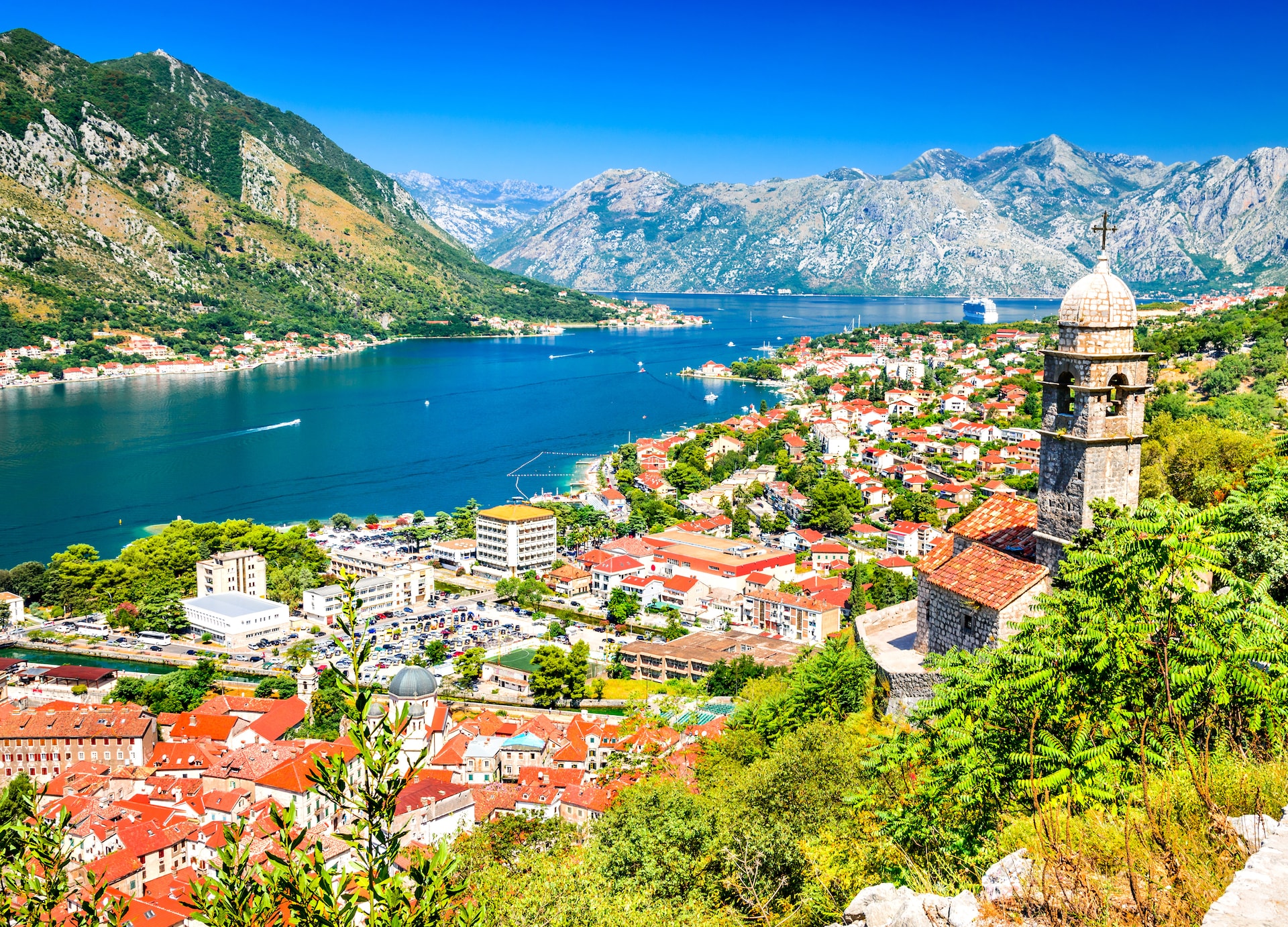
Kotor's natural beauty is simply breathtaking and world-renowned. The Bay of Kotor, often mistaken for a fjord, is surrounded by towering limestone cliffs (the Dinaric Alps) that plunge directly into the deep blue waters. The most iconic outdoor activity is hiking the ancient fortifications up to San Giovanni Fortress, offering panoramic views that will literally stop you in your tracks. Beyond the walls, you can explore Lovćen National Park, drive the serpentine road for even more incredible vistas, or take boat trips to explore hidden caves and islands like Our Lady of the Rocks. Sarajevo is also nestled in a valley surrounded by mountains – Trebević, Igman, Bjelašnica – which offer fantastic hiking opportunities, especially in summer, and are popular skiing destinations in winter. However, while Sarajevo's natural setting is beautiful, it doesn't quite match the dramatic, postcard-perfect grandeur and immediate accessibility of Kotor's bay and mountains. "The Bay of Kotor views are just ridiculous. Every single turn is another 'wow' moment, especially from the fortress hike," said a user on r/montenegro.
Winner takeaway
- Winner: Kotor
- Why: Kotor's dramatic fjord-like bay, towering mountains, and stunning coastal hikes offer a more iconic and visually striking natural experience.
- Who this matters for: Photographers, hikers, nature lovers, and anyone seeking 'wow-factor' scenery.
🍽️ Food & Drink
Sarajevo's food scene is a delight for the senses, offering comforting, flavorful, and incredibly affordable Bosnian dishes. You MUST try ćevapi at 'Željo 1' or '2' – small grilled minced meat sausages served with flatbread (somun), onions, and kajmak (a creamy dairy product) for around 10-15 BAM (~$5-8 USD). Burek (flaky pastry filled with meat, cheese, or spinach) from a local pekara (bakery) like 'Buregdžinica Sač' is another absolute staple, costing around 4-8 BAM (~$2-4 USD). The city's coffee culture is also legendary, with traditional Bosnian coffee served in copper pots, a ritual not to be missed. Kotor offers excellent Mediterranean fare, focusing on fresh seafood like grilled octopus or mussels, often with strong Italian influences given its history. Restaurants like 'Galion' offer stunning bay views with prices around 20-35 EUR (~$22-38 USD) per main dish. While delicious, Kotor's food is generally pricier and less distinctively 'local' compared to Sarajevo's robust culinary identity. "Seriously, I dreamt about Sarajevo ćevapi for weeks after. And the coffee, oh man, the coffee," a traveler posted on r/foodtravel.
Winner takeaway
- Winner: Sarajevo
- Why: Sarajevo's unique, authentic, and incredibly affordable Bosnian cuisine provides a more distinct and satisfying culinary journey.
- Who this matters for: Foodies on a budget, meat-lovers, and those seeking authentic regional flavors.
🍻 Nightlife & Vibe
Sarajevo has a surprisingly vibrant and diverse nightlife that caters to various tastes, all with a friendly, welcoming vibe. The city truly comes alive after dark, particularly around the areas of Baščaršija and Ferhadija Street. You can start with traditional Bosnian coffee houses that turn into lively shisha bars, then move to trendy spots like 'City Pub' or 'Cheers Bar' for local craft beers and live music, or even modern nightclubs. There's a genuine local energy here, where people gather to socialize and enjoy themselves without the pretension often found elsewhere. A local beer is usually 4-6 BAM (~$2-3 USD). Kotor's nightlife is charming but more contained within the Old Town walls, primarily consisting of cozy bars and pubs. Places like 'Letrika' or 'Bandiera' offer a pleasant atmosphere for drinks. During peak season (July-August), it can get quite lively with tourists, but outside of that, it's generally more subdued. It lacks the diverse range and authentic local buzz that Sarajevo offers. "Sarajevo at night just feels... real. People talking, laughing, not just staring at phones. And the prices are fantastic!" was a common sentiment on r/solotravel.
Winner takeaway
- Winner: Sarajevo
- Why: Sarajevo offers a more diverse, authentic, and energetic nightlife scene with a strong local feel.
- Who this matters for: Social travelers, those looking for local interaction, and anyone who enjoys a relaxed but lively evening out.
🌊 Coastline & Water Activities
This category is an easy win for Kotor, as Sarajevo is an inland city with no coastline access. While Sarajevo has rivers, they are not for recreational swimming in the same way. Kotor, however, is synonymous with its breathtaking bay and the sparkling Adriatic waters. Although Kotor Old Town itself doesn't have large sandy beaches, there are numerous small pebbly coves perfect for swimming, often with incredible views of the surrounding mountains. Public 'beaches' or swimming spots are easily accessible, and for those seeking more traditional beach experiences, the bustling town of Budva with its sandy beaches is just a 30-minute drive away. Boat tours are a highlight, taking you to explore the Blue Cave, visit the artificial island of Our Lady of the Rocks near Perast, or simply cruise the stunning bay. Kayaking and paddleboarding are also popular ways to experience the calm waters. There’s no comparison here – if you want water activities, Kotor is your spot. "Waking up and jumping into the Bay of Kotor from our apartment's dock was pure bliss. Nothing like it after a long day of hiking!" stated a user on r/travel.
Winner takeaway
- Winner: Kotor
- Why: Kotor's dramatic bay offers unparalleled opportunities for swimming, boating, and enjoying the beautiful Adriatic Sea.
- Who this matters for: Beach lovers, water sports enthusiasts, families with kids, and those seeking a relaxing coastal escape.
✈️ Getting There & Around
Getting to Sarajevo is relatively straightforward, with Sarajevo International Airport (SJJ) having direct flights from major European hubs like Vienna, Istanbul, Munich, and Rome. From North America, a single layover is typical. Once in the city, Sarajevo is highly walkable, especially the Old Town (Baščaršija) and city center. For longer distances, an efficient and very affordable tram system (1.60 BAM / ~$0.80 USD per ticket) covers most key areas. Taxis are also plentiful and reasonably priced. Kotor's accessibility is a bit trickier. The closest airport is Tivat (TIV), which primarily serves seasonal charter flights. Podgorica (PGD) is about an hour's drive away and has more year-round connections, but still often requires a layover in Belgrade, Vienna, or Rome. Transfers from either airport to Kotor can be arranged via taxi (e.g., ~20-30 EUR from Tivat, ~80 EUR from Podgorica) or bus. Once in Kotor, the Old Town is pedestrian-only, which is charming but means you'll need to park outside if you have a car. While walkable within the Old Town, exploring beyond requires taxis or buses, which can be less frequent than in Sarajevo. "Sarajevo's tram system is a lifesaver. So easy to get from the station to the Old Town, and super cheap," a traveler commented.
Winner takeaway
- Winner: Sarajevo
- Why: Sarajevo offers easier international flight connections and a more comprehensive and affordable public transport system within the city.
- Who this matters for: Travelers prioritizing direct flights, budget-conscious travelers, and those who prefer to rely on public transport.
🏨 Accommodation
Sarajevo excels in providing excellent accommodation options for every budget. You can find well-regarded hostels like 'Hostel Franz Ferdinand' or 'Hostel Balkan Han' for 25-40 BAM (~$13-20 USD) per night. Mid-range hotels, such as the historic Hotel Europe or Hotel President Sarajevo, offer comfort and amenities for 150-250 BAM (~$75-125 USD). Guesthouses (pensions) run by local families provide an authentic experience for even less. The key is the sheer value and variety available, often with central locations. Kotor's accommodation scene, while charming, is generally more expensive, particularly within the Old Town walls. Boutique hotels and guesthouses inside the UNESCO site offer a unique atmosphere but come with a higher price tag, typically 80-150 EUR (~$87-163 USD) for a mid-range room. Hostels like 'Hostel Old Town Kotor' or 'Hostel Pupa' are available for 20-35 EUR (~$22-38 USD). Staying outside the Old Town, for example in Dobrota, can offer better value and bay views, but requires a short walk or taxi ride. For sheer affordability and choice without compromising quality, Sarajevo is the clear winner. "I got a beautiful private room with a balcony overlooking the city for like $30 in Sarajevo. Couldn't believe the value!" remarked a backpacker on r/solotravel.
Winner takeaway
- Winner: Sarajevo
- Why: Sarajevo offers a wider range of high-quality accommodation options across all budgets, providing superior value.
- Who this matters for: Budget travelers, families, and those seeking good quality at an affordable price point.
🗺️ Day Trips
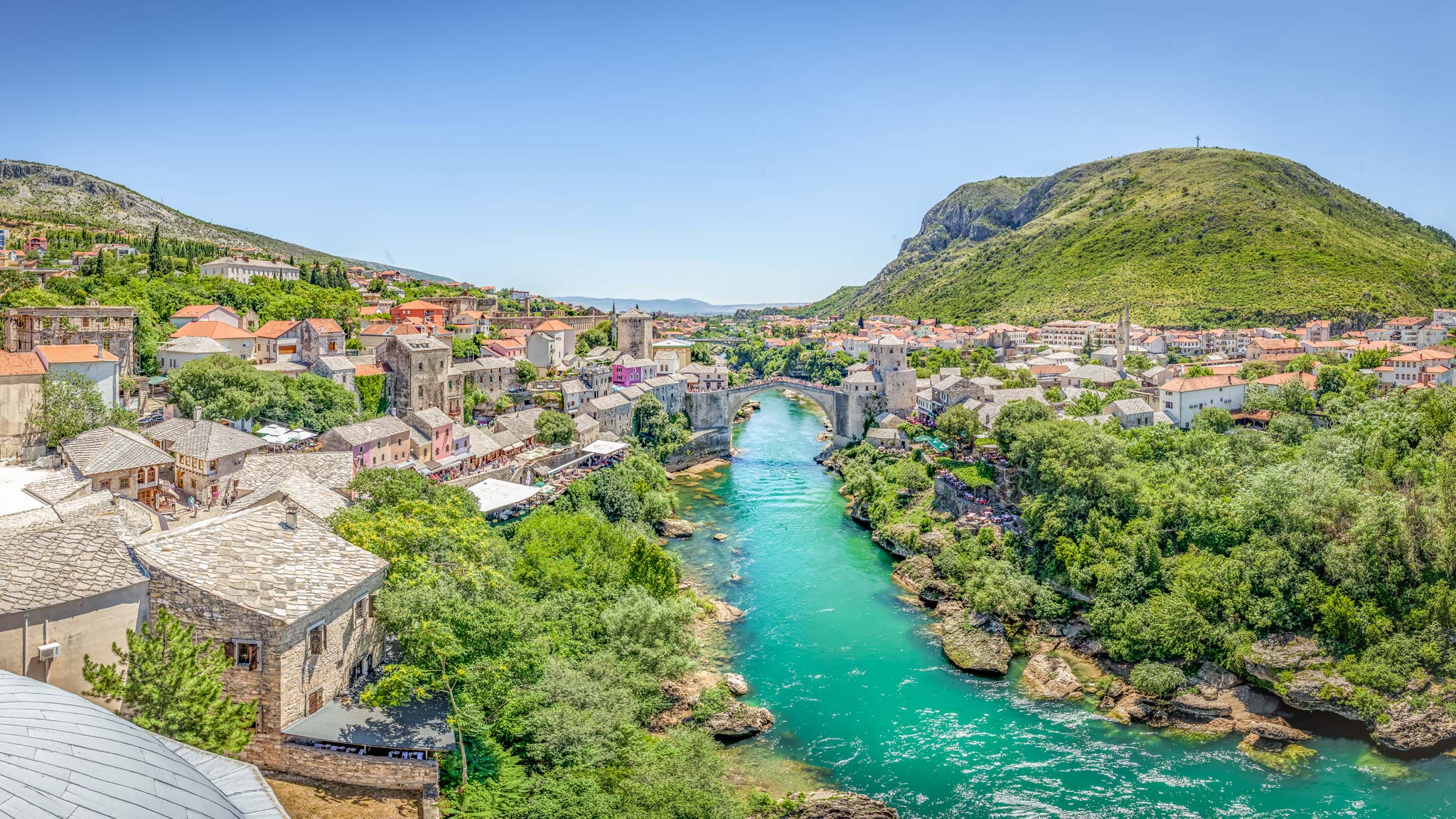
Both Sarajevo and Kotor offer fantastic day trip opportunities, catering to different interests. From Sarajevo, a must-do is Mostar (approx. 2.5-hour drive), famous for its iconic Stari Most (Old Bridge) and a poignant history. Another great option is Jajce (approx. 2-hour drive), known for its stunning waterfall in the city center and Ottoman architecture. For nature, Sutjeska National Park offers rugged mountains and primeval forests (though a bit further, 2.5-3 hours). Kotor counters with picturesque Perast (20-min drive), home to the famous Our Lady of the Rocks island, a quintessential Balkan photo op. The lively beach town of Budva (30-min drive) offers a different coastal vibe. For nature lovers, Lovćen National Park (45-min drive) with its Mausoleum of Njegoš provides incredible panoramic views of the bay, and Skadar Lake National Park (1-hour drive) offers serene boat tours. Both destinations provide diverse and rewarding excursions, whether you're chasing history, charming towns, or dramatic landscapes. "Honestly, you can't go wrong with day trips from either. Mostar from Sarajevo is iconic, but Perast and Lovćen from Kotor are just as unforgettable," an experienced traveler noted.
Winner takeaway
- Winner: Tie
- Why: Both destinations offer a diverse and equally compelling array of day trips, from historical towns to stunning natural parks.
- Who this matters for: Any traveler who enjoys exploring beyond the main city and wants to experience more of the region.
✨ Vibe & Atmosphere
Sarajevo possesses a unique, almost palpable atmosphere that's hard to replicate. It's a city of immense resilience, charm, and a vibrant fusion of cultures – often called the 'Jerusalem of Europe.' Walking through Baščaršija, you're immersed in the sights, sounds, and smells of an Ottoman bazaar, while just a few blocks away, you encounter grand Austro-Hungarian architecture. There's a strong sense of community and a friendly, unpretentious local vibe. It feels lived-in, authentic, and carries the weight of its complex history with grace. Kotor, on the other hand, offers a truly picturesque and romantic atmosphere within its ancient walls. It's postcard-perfect, with narrow cobblestone streets, charming squares, and dramatic mountain backdrops. The vibe is more relaxed, geared towards soaking in the beauty and enjoying the bay. However, especially during high season (June-August), it can feel overwhelmingly touristy, with cruise ship crowds dominating the Old Town during the day. While beautiful, Kotor's charm can sometimes feel a bit curated. Sarajevo's raw authenticity and genuine local energy give it an edge for those seeking a deeper cultural immersion. "Sarajevo has soul. You can feel the history, the struggle, but also the incredible warmth of the people. Kotor is beautiful, but sometimes feels like a movie set," was a sentiment frequently echoed on travel forums.
Winner takeaway
- Winner: Sarajevo
- Why: Sarajevo's authentic, resilient, and deeply multi-cultural atmosphere offers a more profound and engaging experience.
- Who this matters for: Cultural explorers, travelers seeking authentic local experiences, and those who appreciate a city with character.
❓ Frequently Asked Questions
Is it easy to travel between Sarajevo and Kotor?
Yes, it is definitely doable! The most common way is by bus, which takes approximately 5-6 hours. There are usually 1-2 direct buses daily, or you can take a bus to Mostar and then another to Kotor. Renting a car is also a popular option, offering flexibility and stunning scenic views.
Which city is better for solo female travelers?
Both cities are generally very safe for solo female travelers. Sarajevo offers a lively city atmosphere with plenty of hostels and social opportunities, making it easy to meet people. Kotor is also safe, but the smaller Old Town can feel quieter outside of peak season. Both are great, but Sarajevo might offer more spontaneous social interactions.
What's the best time of year to visit Sarajevo and Kotor?
Late spring (May-June) and early autumn (September-October) are ideal for both. Temperatures are pleasant, crowds are manageable, and prices are more reasonable than peak summer. Summer (July-August) can be hot and very crowded in Kotor, while winter (December-February) in Sarajevo is cold but charming, with potential for skiing.
Do I need a visa for Bosnia & Herzegovina or Montenegro?
For most Western nationalities (e.g., US, Canada, EU, UK, Australia), a visa is not required for stays up to 90 days within a 180-day period for both Bosnia & Herzegovina and Montenegro. Always check the latest visa requirements for your specific nationality before traveling.
Is English widely spoken in Sarajevo and Kotor?
In both Sarajevo and Kotor, especially within tourist areas, hotels, and restaurants, you'll find that many people, particularly younger generations, speak English. Learning a few basic phrases in Bosnian/Serbian/Montenegrin (e.g., 'Dobar dan' - Hello, 'Hvala' - Thank you) will always be appreciated.
Which city is better for families with young children?
Kotor might be slightly better for families due to its pedestrian-only Old Town, scenic boat trips, and nearby swimming opportunities. Sarajevo, while rich in history, involves more urban exploration and can be less immediately captivating for very young children, though its parks and cable car can be fun.
What is the internet and connectivity like in both cities?
Both Sarajevo and Kotor have good internet connectivity. Wi-Fi is readily available in hotels, cafes, and many public spaces. Local SIM cards are affordable and easy to purchase if you need consistent data. Speeds are generally reliable for typical travel needs like browsing, streaming, and video calls.
Can I use credit cards in Sarajevo and Kotor?
Yes, credit cards (Visa, Mastercard) are widely accepted in hotels, larger restaurants, and shops in both cities. However, it's always wise to carry some local cash (BAM in Sarajevo, EUR in Kotor) for smaller establishments, markets, taxis, and public transport, especially in Sarajevo where cash is more prevalent.
Ready to plan your Balkan adventure?
Get a free custom itinerary for Sarajevo, Kotor, or both — built from real traveler insights.
🎟️ Book Tours & Experiences
Hand-picked tours and activities for both destinations — book with free cancellation
Experiences via Viator — free cancellation on most tours