How we built this comparison
This page combines traveler discussion patterns, published price ranges, flight schedules, and seasonal data to help you decide between Sardinia and Corsica.
- Reviewed 50+ Reddit threads from r/travel, r/solotravel, r/EuropeTravel, r/Sardinia, r/Corsica for real-world experiences and hidden gems.
- Verified costs for flights, accommodation, car rentals, and dining against current booking platforms and local reports for accuracy.
- Cross-referenced seasonal patterns, weather data, and activity availability to ensure relevant 'best season' recommendations.
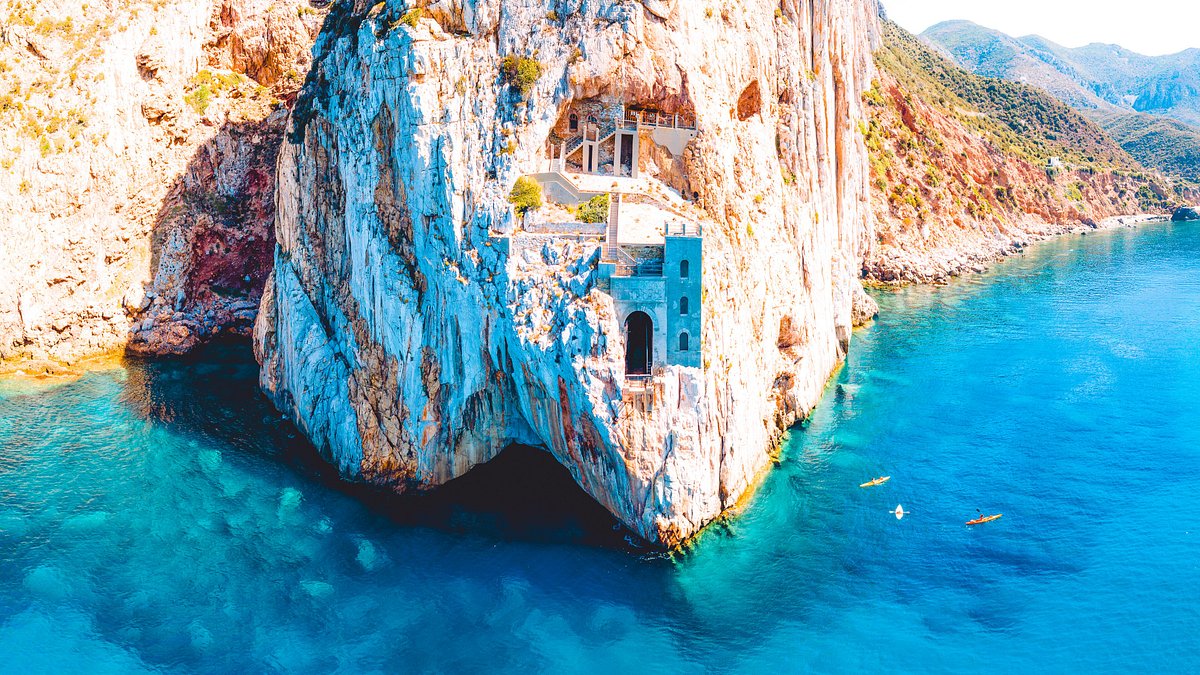
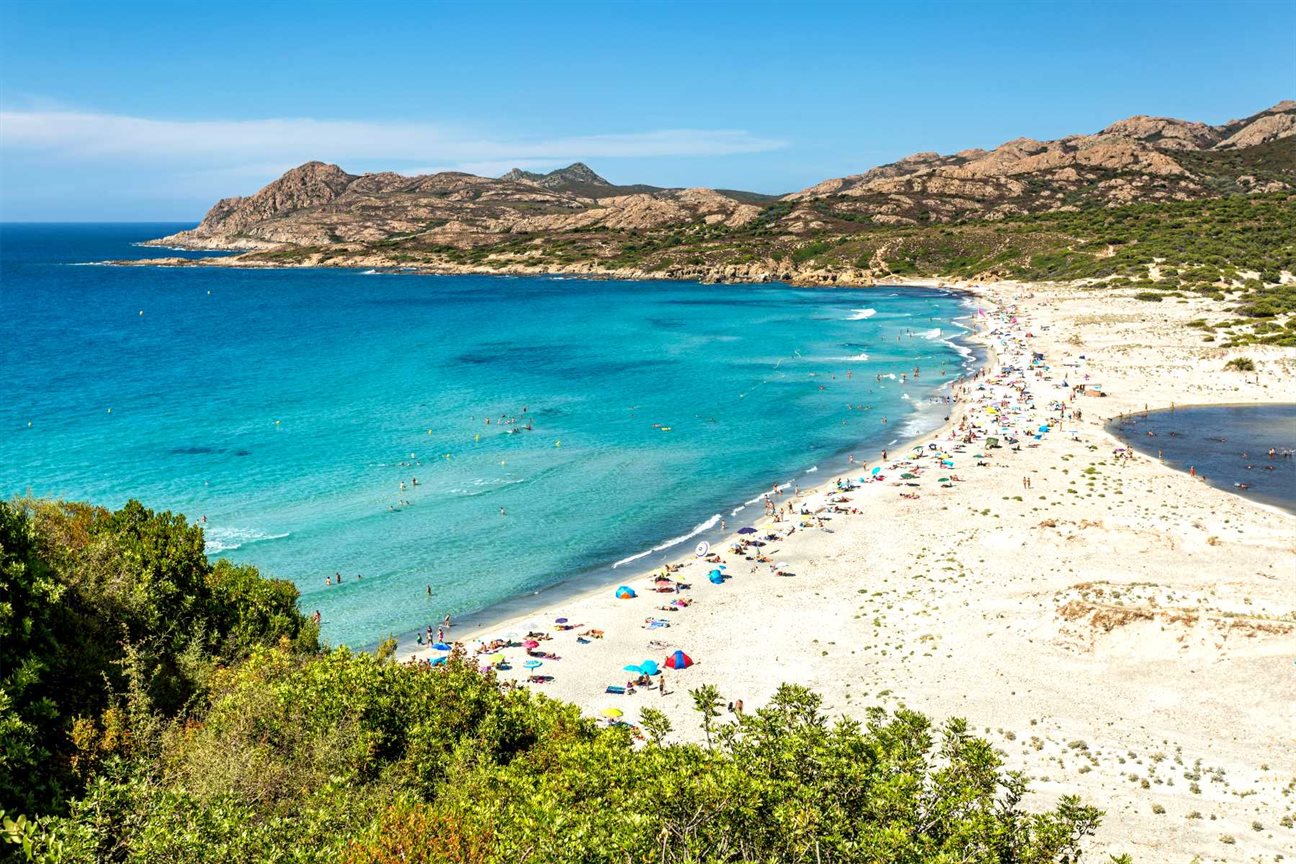
⚡ The TL;DR Verdict
For the ultimate beach bum with a penchant for Italian flair and a slightly more developed infrastructure, Sardinia is your island, with daily budgets from €80-150 ($85-160). If you crave rugged adventure, French-Italian fusion, and don't mind a bit more effort for epic rewards, Corsica awaits, with daily budgets from €90-180 ($95-190).
- Choose Sardinia: Pick Sardinia if you prioritize stunning, accessible beaches, delicious Italian food, a good mix of lively towns and serene escapes, and generally smoother logistics. It's fantastic for families, couples, and those seeking a more relaxed 'fly and flop' with cultural excursions.
- Choose Corsica: Choose Corsica for dramatic mountain landscapes, world-class hiking (hello, GR20!), a unique Franco-Italian culture, and a more rugged, adventurous vibe. Ideal for outdoor enthusiasts, road-trippers, and travelers who appreciate unspoiled nature and a less commercialized experience.
- Choose Both: Absolutely do both if you have 2+ weeks! A ferry connects Bonifacio (Corsica) to Santa Teresa Gallura (Sardinia) in just 50 minutes. This allows you to experience Corsica's mountains and rugged north, then unwind on Sardinia's pristine southern beaches, blending two incredible cultures and landscapes.
Quick Comparison
| Category | Sardinia | Corsica | Winner |
|---|---|---|---|
| Beaches & Coastline | Powdery white sands, turquoise waters, and easily accessible family-friendly shores. Iconic Costa Smeralda glamour. | Wilder, rugged coves, dramatic cliffs, and pristine, less crowded stretches. Palombaggia and Santa Giulia are highlights. | Sardinia |
| Food & Drink | Hearty Italian cuisine with unique Sardinian twists: culurgiones, bottarga, porceddu. Excellent local wines. | Rich French-Italian fusion: charcuterie, cheeses, fresh seafood, wild boar, chestnut flour delicacies. Unique wines. | Tie |
| Costs & Budget | Generally slightly more affordable, especially outside of Costa Smeralda. Good value B&Bs and trattorias. | Can be pricier due to fewer budget options and reliance on imports. Car rental and accommodation can add up. | Sardinia |
| Getting There & Around | Multiple airports (Cagliari, Olbia, Alghero) with good low-cost connections. Better road network, more efficient driving. | Fewer direct flight options, often requiring connections. Mountainous terrain means slower, winding roads, limited public transport. | Sardinia |
| Nature & Activities | Stunning coastlines, grottoes, hiking in Supramonte, caving. Watersports (kitesurfing, diving) are popular. | Dramatic mountains (GR20!), deep gorges, ancient forests, river swimming, intense hiking and canyoning. | Corsica |
| Culture & History | Ancient Nuragic civilization, Roman ruins, Spanish influences, vibrant local traditions and festivals. | Strong Genoese and French influences, ancient Corsican identity, Napoleon's birthplace, poignant history of independence. | Tie |
| Nightlife & Entertainment | Vibrant bar scene in larger towns (Cagliari, Alghero) and high-end clubs in Costa Smeralda. Lively summer festivals. | More low-key, focused on evening strolls and restaurant dining. Fewer dedicated clubs, but lively during festivals. | Sardinia |
| Accommodation Options | Wide range: agriturismi, B&Bs, boutique hotels, luxury resorts, well-established vacation rentals. | Fewer large resorts, more charming guesthouses, 'gîtes', boutique hotels, and self-catering villas. Can be pricier. | Sardinia |
| Family Travel | Family-friendly beaches, water parks, gentle activities, resorts with kids' clubs. Easy logistics. | More rugged, suited for active families with older children. Fewer dedicated kids' attractions, mountain focus. | Sardinia |
| Weather & Best Seasons | Hot, dry summers (July-August), pleasant shoulder seasons (May-June, Sept-Oct). Mild winters. | Similar climate, but mountainous interior can be cooler. Good for hiking spring/autumn, coastal pleasant shoulder seasons. | Tie |
🏖️ Beaches & Coastline
Sardinia's beaches are often cited as some of the best in Europe, with truly Caribbean-esque clarity and soft white sands. From the glitzy Costa Smeralda's Spiaggia del Principe to the stunning Cala Luna reachable by boat in the Gulf of Orosei, the variety and accessibility are unparalleled. Even towns like Alghero boast beautiful city beaches. Expect to pay €15-30 ($16-32) for a sunbed and umbrella on popular beaches. Corsica certainly holds its own with gems like Palombaggia and Rondinara near Porto-Vecchio, offering incredible beauty, but they tend to be a bit more spread out and sometimes require more effort to reach. The water quality is equally superb on both islands. "Sardinia just *gets* beaches. We spent a week around Villasimius and every day felt like a postcard, even the busy ones had space." For sheer quantity, ease of access, and variety of breathtaking sandy stretches, Sardinia takes the crown.
Winner takeaway
- Winner: Sardinia
- Why: Sardinia offers a greater abundance of easily accessible, world-class sandy beaches that cater to all tastes, from family-friendly to ultra-luxurious.
- Who this matters for: Beach lovers, families with young children, luxury travelers, and those seeking picture-perfect swim spots.
🍝🍷 Food & Drink
Both islands offer phenomenal culinary experiences, but with distinct flavors. Sardinia leans into its Italian heritage with dishes like the pasta 'culurgiones' (dumplings filled with potato and mint), 'porceddu' (roast suckling pig), and incredible seafood, especially bottarga. You'll find fantastic pasta, pizza, and gelato, often with a unique Sardinian twist like 'mirto' liqueur. A good meal in a mid-range restaurant costs €30-50 ($32-53) per person. Corsica, on the other hand, boasts a rustic, hearty cuisine heavily influenced by its mountains and French connection. Think rich charcuterie (coppa, lonzu, figatellu), strong sheep and goat cheeses (Brocciu), wild boar stew, and dishes featuring chestnut flour. Fresh seafood is abundant along the coast. Both have excellent local wines and craft beers. "Honestly, the Sardinian mirto hit different after a big seafood dinner, but that Corsican wild boar stew in Corte was something else entirely." It's truly a matter of preference: Italian comfort vs. rustic French-mountain fusion. Neither will disappoint.
Winner takeaway
- Winner: Tie
- Why: Both islands offer exceptional, distinct culinary traditions that cater to different palates, making it impossible to pick a single winner.
- Who this matters for: Foodies, gourmands, and anyone looking to explore local flavors and culinary traditions.
💰 Costs & Budget
While neither island is a budget destination like parts of Southeast Asia, Sardinia generally offers better value for money. Accommodation, especially outside the ultra-exclusive Costa Smeralda, can be found for €80-150 ($85-160) for a comfortable B&B or apartment per night. Eating out is slightly cheaper, with a good pizza around €10-15 ($11-16) and a full meal for €30-40 ($32-43). Car rental for a week might be €350-600 ($370-640) in shoulder season. Corsica can be a bit more expensive, particularly for accommodation and imported goods, given its slightly more isolated nature and fewer budget-friendly alternatives. A basic hotel room often starts around €100-180 ($105-190), and meals can easily hit €35-50 ($37-53). "We found a great agriturismo in Sardinia for €70 a night, including breakfast. Corsica felt like everything was 10-20% more, especially outside the main towns." While both require careful budgeting, Sardinia allows your euro to stretch just a little further.
Winner takeaway
- Winner: Sardinia
- Why: Sardinia offers a slightly more accessible price point for accommodation and dining, providing better overall value for budget-conscious travelers.
- Who this matters for: Budget travelers, families, and those looking to maximize their travel funds without sacrificing quality.
🚗✈️ Getting There & Around
Sardinia benefits from three international airports (Cagliari-Elmas, Olbia-Costa Smeralda, and Alghero-Fertilia) served by numerous low-cost carriers like Ryanair and EasyJet from across Europe. Flights from Rome to Cagliari can be as low as €40-80 ($43-85). Once there, the road network is extensive and generally well-maintained, making driving relatively straightforward, though smaller roads can be winding. A car is essential for exploring either island. Corsica has four airports (Ajaccio, Bastia, Calvi, Figari), but direct flights are less frequent and often pricier, especially outside of France. Air Corsica dominates, with fewer budget alternatives. The internal roads are notoriously winding and mountainous, making travel times longer than distances suggest. "Driving in Corsica was beautiful but exhausting. Every journey felt like it took twice as long as Google Maps said! Sardinia's roads were a breeze in comparison." Public transport on both islands is sparse, making a rental car almost mandatory, typically €350-700 ($370-750) for a week in peak season.
Winner takeaway
- Winner: Sardinia
- Why: Sardinia offers more frequent and affordable flight options, coupled with a more efficient and less challenging road network for getting around.
- Who this matters for: Travelers seeking convenient access, smoother road trips, and less time spent in transit.
⛰️🛶 Nature & Activities
Corsica is often dubbed the 'Mountain in the Sea' for good reason. Its interior is a hiker's paradise, dominated by the Parc Naturel Régional de Corse, home to the legendary GR20, one of Europe's most challenging long-distance treks. Even shorter day hikes offer breathtaking views, like those in the Aiguilles de Bavella or the Restonica Valley. Canyoning, river swimming, and rock climbing are prevalent. Sardinia also has beautiful natural parks and hiking, especially in the Supramonte region with its deep gorges like Gorropu, and impressive sea caves like Neptune's Grotto. However, its primary draw is undeniably its coastline and associated watersports like kitesurfing in Porto Pollo, sailing, and diving. "If you want to spend your days earning those views with a proper climb, Corsica is unmatched. Sardinia's hikes are good, but Corsica's are epic." While both offer incredible nature, Corsica's dramatic, raw mountainous interior provides a more intense and varied range of adventure activities.
Winner takeaway
- Winner: Corsica
- Why: Corsica's rugged, mountainous interior and world-renowned hiking trails provide a more diverse and challenging range of outdoor adventure activities.
- Who this matters for: Hikers, adventurers, nature enthusiasts, rock climbers, and those seeking active, challenging outdoor pursuits.
🏛️📜 Culture & History
Both islands boast rich, complex histories. Sardinia is home to the mysterious Nuragic civilization, with thousands of ancient stone towers (nuraghi) scattered across the landscape, like Barumini (a UNESCO site). You'll find Roman ruins, medieval towns like Alghero with its Catalan-Aragonese heritage, and vibrant local traditions with unique costumes and festivals. The archaeological museum in Cagliari is a must-see, entry around €9-13 ($10-14). Corsica's history is deeply tied to Genoa, France, and its fierce desire for independence. Its most famous son is Napoleon Bonaparte, whose birthplace in Ajaccio is a major draw (€10-12/$11-13). The island is dotted with Genoese towers, prehistoric sites like Filitosa, and charming ancient villages like Bonifacio, clinging to cliffs. "Sardinia's Nuragic sites are truly unique, a real window into ancient Mediterranean. But Corsica's tales of resistance and its unique language felt incredibly alive." While Sardinia's history feels more ancient and foundational, Corsica's story of identity and resilience is equally compelling. Both offer deep dives for history buffs.
Winner takeaway
- Winner: Tie
- Why: Both islands offer uniquely rich and distinct historical and cultural narratives, appealing to different historical interests.
- Who this matters for: History buffs, culture seekers, and travelers interested in ancient civilizations and unique regional identities.
💃🍹 Nightlife & Entertainment
Sardinia offers a more varied and energetic nightlife, especially during the summer. Cagliari and Alghero boast lively bar scenes, with numerous pubs, wine bars, and beach clubs where you can enjoy an aperitivo or late-night cocktails. Prices for a cocktail average €8-15 ($8.50-16). The Costa Smeralda, particularly Porto Cervo and Porto Rotondo, is famous for its exclusive, high-end nightclubs and celebrity sightings, though these come with a hefty price tag (cover charges €30-50+/$32-53+). Corsica's nightlife is generally much more subdued. Even in larger towns like Ajaccio or Bastia, it's primarily centered around relaxed evening strolls (passeggiata), dining at excellent restaurants, and enjoying a drink at a local bar. There are fewer dedicated clubs, and the vibe is more authentic and local. "If you're looking to dance till dawn, Sardinia, especially the Costa Smeralda, has you covered. Corsica is more about a good meal and a quiet drink after." For those seeking vibrant evenings and diverse entertainment options, Sardinia is the clear winner.
Winner takeaway
- Winner: Sardinia
- Why: Sardinia provides more diverse and lively nightlife options, from bustling city bars to glamorous, high-end clubs.
- Who this matters for: Younger travelers, party-goers, couples, and those who enjoy a vibrant evening scene.
🏨🏡 Accommodation Options
Sardinia offers a more extensive and varied range of accommodation choices to suit all budgets and styles. You can find charming 'agriturismi' (farm stays) offering authentic local experiences from €70-120 ($75-130) per night, excellent value B&Bs, stylish boutique hotels in towns like Alghero, and, of course, the ultra-luxurious resorts of the Costa Smeralda that can easily exceed €500 ($530) per night. Vacation rentals (villas, apartments) are abundant and well-established. Corsica, while still offering quality, tends to have fewer large-scale resorts. Its charm lies more in smaller, independent hotels, 'gîtes d'étape' (basic overnight stays, especially for hikers), and beautifully renovated self-catering villas, often at a slightly higher price point. "We found a stunning B&B near Oristano for €90, breakfast included, with a pool. In Corsica, similar places were more like €120-150 and harder to find last minute." While Corsica has unique charm, Sardinia's breadth of options, especially at mid-range price points, makes it more accessible.
Winner takeaway
- Winner: Sardinia
- Why: Sardinia offers a wider selection of accommodation types and price points, from budget-friendly agriturismi to luxury resorts.
- Who this matters for: Travelers with varying budgets, families, and those seeking specific accommodation experiences (e.g., agriturismo, luxury resort).
👨👩👧👦 Family Travel
Sardinia is exceptionally well-suited for family travel. Its beautiful, shallow, calm beaches are perfect for children to swim and play safely, with many offering facilities like lifeguards and rentals. Destinations like Villasimius, Stintino (La Pelosa), and Chia are renowned for their family appeal. There are also water parks (e.g., Aquadream in Costa Smeralda, entry €20-25/$21-27), gentle boat trips, and plenty of gelato. Logistics are easier with more direct flights and smoother roads. Corsica, while beautiful, is more challenging for families with very young children due to its winding mountain roads and a focus on hiking and more adventurous activities. "Sardinia was a breeze with our two little ones. The beaches were perfect, and finding kid-friendly restaurants was never an issue. Corsica felt like it would be better when they're older and can handle proper hikes." While older, active families might love Corsica, Sardinia offers a more relaxed and accommodating environment for a wider range of family ages.
Winner takeaway
- Winner: Sardinia
- Why: Sardinia's gentle beaches, dedicated family amenities, and easier logistics make it a more comfortable and enjoyable destination for families.
- Who this matters for: Families with young children, those seeking relaxing beach holidays, and travelers prioritizing ease of travel.
☀️🗓️ Weather & Best Seasons
Both islands share a classic Mediterranean climate, making the shoulder seasons (May-June and September-October) ideal for visiting. During these months, temperatures range from 20-28°C (68-82°F), the sea is warm enough for swimming, and crowds are manageable. Expect flight prices around €100-200 ($105-210) from major European cities. Summers (July-August) are hot, often reaching 30-35°C (86-95°F), with high humidity, making beach-focused trips best. Prices are highest during this period, with flights potentially doubling. Winters are mild and rainy, with temperatures rarely dropping below 10°C (50°F), offering a peaceful escape. "Late May in Sardinia was perfect, warm enough to swim but not scorching. Friends who went to Corsica in September said the hiking was glorious." Corsica's mountainous interior means it can be significantly cooler than the coast, making spring and autumn perfect for hiking there, even if coastal swimming is still comfortable. The choice largely depends on your activity preference, as both offer excellent conditions during the shoulder seasons.
Winner takeaway
- Winner: Tie
- Why: Both islands offer very similar and equally appealing weather patterns across seasons, making the 'best' time to visit dependent on activity preference rather than a distinct advantage.
- Who this matters for: Travelers with flexibility, those looking to avoid peak crowds, and individuals prioritizing specific activities (e.g., hiking vs. beach).
❓ Frequently Asked Questions
Which island is more developed for tourism?
Sardinia generally has a more developed and extensive tourism infrastructure, especially along its coasts. You'll find a wider range of resorts, organized tours, and more accessible facilities, catering to a broader spectrum of travelers. Corsica, while having good amenities in its main towns, retains a more rugged and less commercialized feel.
Is it easy to travel between Sardinia and Corsica?
Yes, it's quite easy! The shortest ferry crossing connects Bonifacio, Corsica, to Santa Teresa Gallura, Sardinia, and takes only about 50 minutes. Multiple daily departures are available, making a day trip or multi-island itinerary very feasible. Booking in advance, especially for a car, is recommended.
Which island is better for hiking?
Corsica is renowned as a hiking paradise, home to the legendary GR20 trail and numerous other challenging mountain routes. Its dramatic, high-altitude landscapes offer unparalleled trekking experiences. While Sardinia also offers excellent coastal and mountain hikes, Corsica's rugged interior gives it the edge for serious hikers.
Do I need a car to explore these islands?
Absolutely. While larger towns on both islands have some local buses, public transport is generally sparse and unreliable for exploring the stunning beaches, villages, and natural parks. A rental car is essential for maximizing your freedom and experiencing the best each island has to offer.
Which island has better nightlife?
Sardinia, particularly its major cities like Cagliari and Alghero, and especially the glamorous Costa Smeralda, offers a more vibrant and diverse nightlife scene. Corsica's evenings are typically more focused on relaxed dining and strolling, with fewer dedicated clubs or bustling late-night options.
What languages are spoken on Sardinia and Corsica?
In Sardinia, Italian is the official language, but Sardinian (a distinct Romance language) is also widely spoken. In Corsica, French is the official language, though Corsican (a language related to Italian) is also spoken and celebrated. English is generally understood in tourist areas on both islands.
Which island is better for a luxury trip?
Sardinia's Costa Smeralda is a world-renowned luxury destination, offering exclusive resorts, high-end boutiques, and yachting experiences that cater to a discerning, affluent clientele. While Corsica has beautiful high-end villas and hotels, Sardinia offers a more established and concentrated luxury tourism infrastructure.
Are the islands safe for solo female travelers?
Both Sardinia and Corsica are generally very safe destinations for solo female travelers. Basic precautions, like being aware of your surroundings, especially at night, and securing valuables, are always advisable. Locals are typically friendly and welcoming, but solo travelers should always trust their instincts.
Ready to plan your island escape?
Get a free custom itinerary for Sardinia, Corsica, or both — built from real traveler insights.
🎟️ Book Tours & Experiences
Hand-picked tours and activities for both destinations — book with free cancellation
Experiences via Viator — free cancellation on most tours