How we built this comparison
This page combines traveler discussion patterns, published price ranges, flight schedules, and seasonal data to help you decide between Scottish Highlands and Lake District.
- Reviewed 50+ Reddit threads from r/travel, r/solotravel, r/scotland, r/lakeland, and r/uktravel.
- Verified costs and logistics against current booking platforms like Booking.com, Skyscanner, and National Rail.
- Cross-referenced seasonal patterns, weather data from Met Office, and local guide resources for accuracy.
⚡ The TL;DR Verdict
For raw, untamed grandeur and true escapism, the Scottish Highlands are your winner, especially if you're comfortable with a daily budget of £70-£150 ($90-$190 USD). The Lake District offers picturesque beauty and easier access, ideal for those seeking charming villages and well-trodden paths, comfortable on a similar budget of £75-£160 ($95-$205 USD).
- Choose Scottish Highlands: Pick the Highlands if you crave dramatic, wild landscapes, solitude, epic hikes, and a sense of true adventure. Best for experienced hikers, photographers, and those who appreciate vast, untamed wilderness.
- Choose Lake District: Opt for the Lake District if you prefer postcard-perfect scenery, charming villages, a wider range of activities (from gentle walks to watersports), and more amenities. Ideal for families, first-time hikers, or those who want beauty without extreme ruggedness.
- Choose Both: If you have 10+ days, consider doing both! Start in the Lake District for 3-4 days to ease into UK nature, then drive north to the Highlands for 5-7 days for a full immersion into wild Scotland. It’s a long journey but offers an incredible contrast.
Quick Comparison
| Category | Scottish Highlands | Lake District | Winner |
|---|---|---|---|
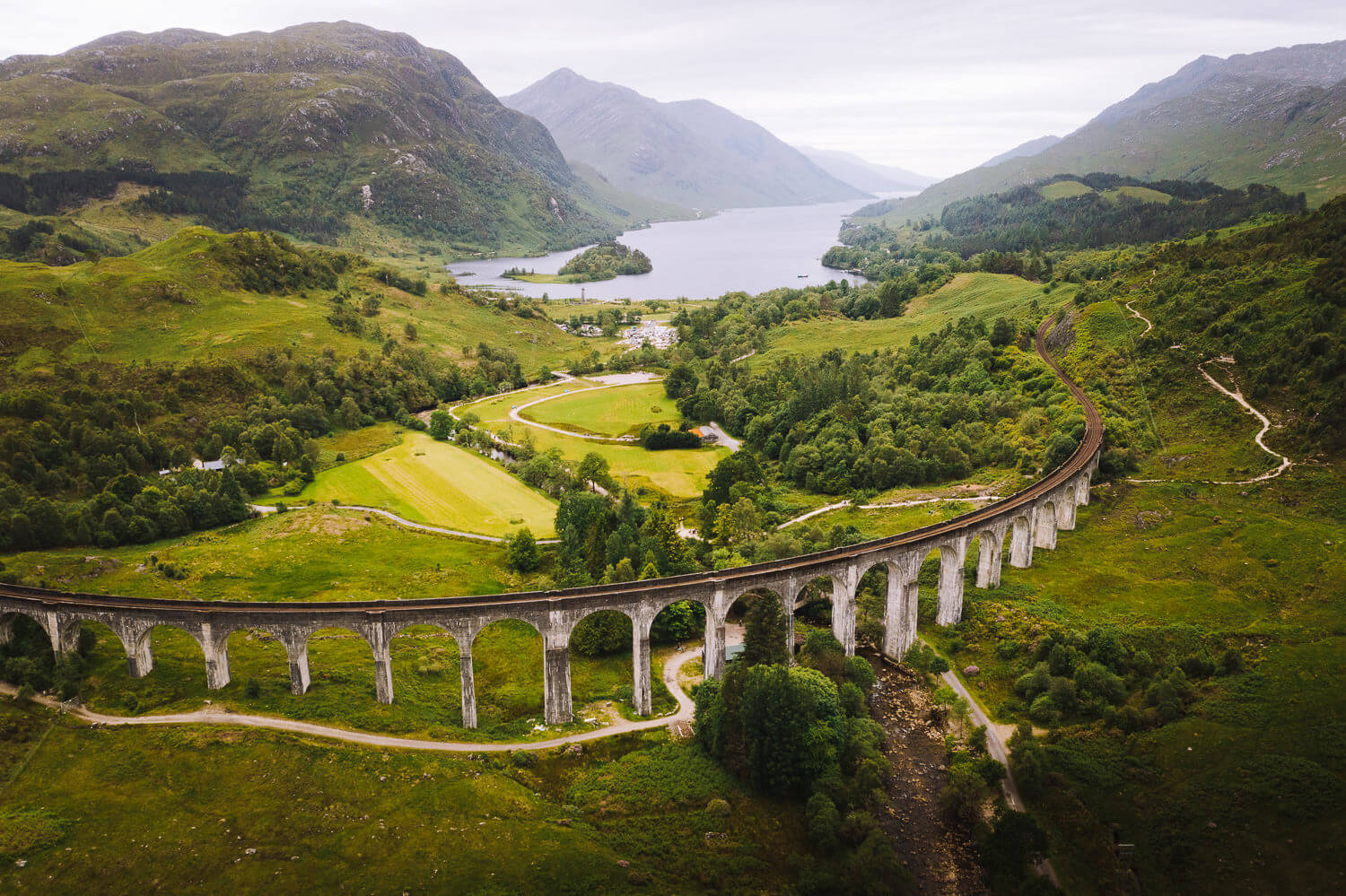
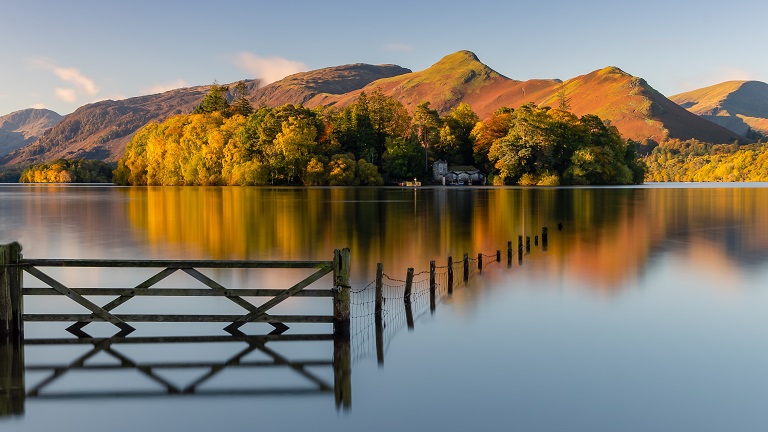
| Nature & Scenery | Dramatic, vast, rugged, and untamed landscapes with towering mountains, deep lochs, and remote glens. | Picture-postcard idyllic landscapes with rolling fells, serene lakes, and quaint valleys. | Scottish Highlands |
| Costs & Budget | Generally slightly cheaper for accommodation and food outside major hubs, but transport can add up due to distances. | Often slightly pricier for accommodation due to high demand, but activities can be more diverse and accessible. | Tie |
| Getting There & Around | Best by car; limited public transport, long distances. Flights typically into Glasgow or Edinburgh. | Accessible by train; good local bus network, but a car offers more freedom. Flights often into Manchester. | Lake District |
| Accommodation | Variety from remote hostels to boutique hotels, often simpler but with incredible views. | Wide range from quaint B&Bs to luxury hotels, often more refined and characterful. | Lake District |
| Activities & Adventure | Primarily focused on hiking, climbing, wildlife spotting, and remote exploration. | Diverse activities including hiking, watersports, cycling, and cultural attractions. | Scottish Highlands |
| Food & Drink | Hearty Scottish fare, fresh seafood, whisky distilleries, and local produce. | Traditional British pub food, local cheeses, Cumberland sausage, and a growing fine-dining scene. | Tie |
| Culture & History | Ancient castles, clan history, Jacobite tales, Gaelic heritage, and rich folklore. | Literary heritage (Wordsworth, Beatrix Potter), Roman history, traditional villages, and agricultural traditions. | Scottish Highlands |
| Crowds & Serenity | Vast wilderness means solitude is easy to find, even in popular spots with some crowds. | Popular areas can be very crowded, especially villages and major trails; harder to find true solitude. | Scottish Highlands |
| Weather & Seasons | Unpredictable, often wet and windy, but dramatic; midges are a summer challenge. | Similar unpredictability, generally milder, but still prone to rain; fewer midges. | Tie |
| Family Friendliness | Best for adventurous families, older kids who enjoy serious hiking and wildlife. | Great for families of all ages, with varied activities, gentle walks, and accessible attractions. | Lake District |
🏞️ Nature & Scenery
When it comes to sheer, jaw-dropping scale, the Scottish Highlands are unparalleled. Imagine the stark beauty of Glencoe, with its imposing peaks like Buachaille Etive Mòr, or the ethereal Isle of Skye with its Old Man of Storr and Fairy Pools. You'll find vast stretches where you feel truly alone, surrounded by ancient mountains and reflective lochs like Loch Ness. The landscapes here feel raw and primal, a testament to millennia of geological forces. In contrast, the Lake District offers a more 'curated' beauty. Its fells, while stunning, are generally less imposing than Highland mountains, and the valleys are dotted with charming stone villages. Think the classic views over Windermere or Ullswater, surrounded by accessible green hills. It's incredibly beautiful, but on a more human scale, often feeling like a painting rather than an epic saga. For raw, untamed majesty, the Highlands win hands down. "Honestly, nothing prepares you for Glencoe, it feels like another planet compared to the gentler peaks of the Lakes." A trip up Ben Nevis (highest peak in the UK, often requiring proper gear) versus a hike up Scafell Pike (highest in England, challenging but often more 'path-like') really highlights the difference in scale and ruggedness. Expect to pay around £15-£25 ($19-$32 USD) for a guided walk in the Lakes, whereas independent hiking is more common and often more challenging in the Highlands.
Winner takeaway
- Winner: Scottish Highlands
- Why: The Scottish Highlands offer a grander, more dramatic, and wilder natural experience.
- Who this matters for: Photographers, serious hikers, and those seeking true wilderness and solitude.
💰 Costs & Budget
Both regions are popular and can be expensive, especially during peak season (June-August). In the Scottish Highlands, you might find a decent B&B in a place like Fort William or Inverness for around £80-£120 ($100-$150 USD) a night, while a hostel bed can be £25-£40 ($32-$50 USD). Food can be reasonable; a pub meal is typically £12-£20 ($15-$25 USD). The biggest cost factor here is often car rental and fuel due to the vast distances. A week's car rental can be £300-£500 ($380-$640 USD) plus fuel. In the Lake District, accommodation prices are often slightly higher due to demand and more 'boutique' options; a decent hotel in Ambleside or Grasmere might be £100-£150 ($130-$190 USD), with hostels around £30-£50 ($38-$64 USD). Food costs are similar, but you might find more upscale dining options. Activities like boat trips on Windermere are around £15-£20 ($19-$25 USD). "The Lakes felt a bit more geared towards higher-end tourism, while the Highlands had good budget options if you looked hard, especially hostels." Transport within the Lakes is easier with local buses, potentially saving on car rental if you stick to central areas. Overall, daily budgets are very similar, with varying cost drivers. Expect a mid-range daily budget of £70-£150 ($90-$190 USD) for either, with the Lakes potentially edging out on accommodation during peak times.
Winner takeaway
- Winner: Tie
- Why: Both regions present similar overall costs, with different spending patterns balancing out.
- Who this matters for: Budget-conscious travelers needing to stretch their pounds, as both require careful planning.
🚗 Getting There & Around
Reaching the Scottish Highlands typically involves flying into Glasgow (GLA) or Edinburgh (EDI), then either renting a car or taking a series of trains/buses, which can be time-consuming. A direct flight from London to Glasgow is about 1h 15m, costing £40-£100 ($50-$130 USD). From Glasgow, driving to Glencoe takes about 2 hours, and to Inverness, about 3.5 hours. Public transport exists (e.g., West Highland Line train), but it's slow and doesn't reach many remote spots. A car is almost essential for freedom. In contrast, the Lake District is easily accessible by train, with direct services from London Euston to Oxenholme Lake District in about 2h 40m, then a short connection to Windermere, costing £40-£80 ($50-$100 USD) if booked in advance. Once there, an extensive local bus network (Stagecoach) connects major towns and trailheads, making it feasible without a car. For example, a day rider bus ticket is around £12 ($15 USD). "The trains to Windermere were super easy, and the local buses got us everywhere we wanted without needing a car." While a car offers more flexibility in both, the Lake District's compact nature and better public transport infrastructure make it less stressful for navigation. Roads in the Highlands can be single-track with passing places, which some find daunting, adding to travel time.
Winner takeaway
- Winner: Lake District
- Why: The Lake District offers more straightforward access via public transport and a more manageable internal road network.
- Who this matters for: Travelers without a car, those wary of driving on winding rural roads, and those prioritizing convenience.
🏡 Accommodation
Accommodation in the Lake District tends to be more polished and plentiful, especially in the popular villages. You'll find charming B&Bs like Applegarth Villa in Windermere (£150-£250/$190-$320 USD/night) or elegant hotels such as The Ryebeck (around £200-£350/$250-$450 USD/night). Even hostels like YHA Ambleside offer high standards. The focus is often on traditional, often stone-built properties with modern comforts and excellent service. In the Scottish Highlands, while you can find luxury (e.g., The Torridon, £300+/$380+ USD), many options lean towards functional comfort, catering to hikers and adventurers. Hostels like the Black Isle Bar & Rooms in Inverness (£30-£50/$38-$64 USD/night) or smaller guesthouses are common. Remote areas might have fewer choices, sometimes requiring booking months ahead. "The Lakes just had so many cute pubs with rooms and charming B&Bs right in the villages, felt a bit more homely than some of the more basic places we found in Scotland." Self-catering cottages are popular in both, but the Lakes often have more accessible village-based options. For consistent quality and variety of charming stays, the Lake District has a slight edge.
Winner takeaway
- Winner: Lake District
- Why: The Lake District offers a wider array of consistently charming, well-appointed, and characterful accommodation options.
- Who this matters for: Travelers prioritizing comfort, characterful stays, and a touch of luxury or convenience in their lodging.
⛰️ Activities & Adventure
For raw, unadulterated adventure, the Scottish Highlands are hard to beat. Think tackling a Munro (a Scottish mountain over 3,000 feet like Ben Nevis), sea kayaking around the Isle of Skye, canyoning in Glencoe, or embarking on multi-day treks through wilderness areas. Wildlife spotting for red deer, golden eagles, and even pine martens is a highlight. The 'adventure' here often means battling the elements and exploring truly remote areas. Guided tours like a 'Loch Ness Monster Cruise' are available for around £20-£30 ($25-$38 USD), but the real appeal is self-guided exploration. The Lake District, while offering excellent hiking (e.g., up Helvellyn), also boasts a broader range of accessible activities. You can go wild swimming in Wastwater, try paddleboarding on Windermere (rentals around £20-£30/$25-$38 USD/hour), cycle scenic routes, or even visit attractions like Beatrix Potter's Hill Top farm (£13/$16 USD entry). "The Highlands just felt more 'epic adventure' worthy, like you were really conquering something, whereas the Lakes had more variety for different moods." While the Lakes have more 'gentle' options, the sheer scale and untamed nature of Highland adventures give it the edge for those seeking truly challenging and remote experiences.
Winner takeaway
- Winner: Scottish Highlands
- Why: The Scottish Highlands provide more challenging, extensive, and remote adventure opportunities for serious outdoor enthusiasts.
- Who this matters for: Adrenaline junkies, experienced hikers, and those seeking truly wild and challenging outdoor pursuits.
🍽️ Food & Drink
Both regions offer excellent local food and drink, albeit with different focuses. In the Scottish Highlands, you'll find fantastic fresh seafood, especially if you're near the coast (e.g., oysters and mussels in Oban, a seafood platter can be £30-£50/$38-$64 USD). Haggis, neeps, and tatties are a must-try for traditionalists (around £15/$19 USD), and the region is world-renowned for its whisky distilleries like Glenfiddich or Talisker on Skye (tours £15-£30/$19-$38 USD). Pubs and small restaurants are prevalent. The Lake District excels in traditional British comfort food, with many pubs serving excellent Cumberland sausage, hearty pies, and local sticky toffee pudding. There's also a strong focus on local produce, including artisanal cheeses and chutneys. Keswick's Old Keswickian for fish and chips is a classic (around £12/$15 USD). The Lakes also boast a surprising number of Michelin-starred restaurants, like L'Enclume in Cartmel, offering an elevated dining experience (tasting menus £180+/$230+ USD). "I was surprised by how good the pub food was in the Lakes, but nothing beats a dram of whisky after a long hike in Scotland." So, while Scotland wins for whisky and wild seafood, the Lakes offer a more refined and varied culinary scene, especially if you consider fine dining. It's really down to preference.
Winner takeaway
- Winner: Tie
- Why: Both regions offer unique and delicious culinary experiences, making it a matter of personal preference.
- Who this matters for: Foodies and those who appreciate local specialties, as both regions deliver well on taste and authenticity.
📜 Culture & History
The Scottish Highlands are drenched in history and powerful folklore. From the tragic tales of the Jacobite Rebellions (Culloden Battlefield, entry £14/$18 USD), to the ancient clan histories, and the haunting beauty of Eilean Donan Castle (entry £11/$14 USD), every corner seems to have a story. The landscape itself feels ancient, with remnants of Pictish forts and stories of mythical creatures like the Loch Ness Monster. The Gaelic language and culture are still alive, albeit less prominent than in the past, adding to the region's distinct identity. The Lake District has a strong literary heritage, being the home of William Wordsworth's Dove Cottage (£10/$13 USD) and Beatrix Potter's Hill Top farm (£13/$16 USD). There are Roman forts (like Hardknott Roman Fort) and charming traditional villages, but the historical narrative is generally less dramatic and more focused on rural life and artistic inspiration. "Scotland's history just felt so much more epic and foundational, like the whole landscape tells a story of battles and legends." While the Lakes offer a gentle, intellectual charm, the Highlands provide a raw, visceral connection to a tumultuous and fascinating past.
Winner takeaway
- Winner: Scottish Highlands
- Why: The Scottish Highlands boast a more dramatic, ancient, and deeply ingrained cultural and historical narrative.
- Who this matters for: History buffs, those interested in ancient folklore, clan history, and a strong sense of national identity.
🧘 Crowds & Serenity
Even in peak season, the sheer vastness of the Scottish Highlands means you can always find solitude if you're willing to venture a bit off the main tourist trails. While hotspots like the Fairy Pools on Skye or parts of Glencoe can get busy (especially in summer, with car parks filling up by 9 AM), you only need to hike a little deeper or explore a less famous glen to find yourself utterly alone amidst breathtaking scenery. The feeling of wildness and remoteness is pervasive. The Lake District, on the other hand, is significantly more compact and receives a higher density of visitors. Villages like Bowness-on-Windermere, Ambleside, and Keswick are bustling year-round, and popular fells like Helvellyn or Catbells can feel like a queue on a sunny day. "It felt like you had to actively try to escape people in the Lakes, whereas in Scotland, solitude just found you." While there are quieter valleys and less-trodden paths in the Lakes, achieving true serenity requires more effort and local knowledge. The infrastructure is also more developed, leading to more concentrated populations of tourists. For genuine peace and quiet, the Highlands are the clear winner.
Winner takeaway
- Winner: Scottish Highlands
- Why: The vastness of the Scottish Highlands makes it much easier to escape crowds and find true solitude.
- Who this matters for: Travelers seeking peace, quiet, and a deep connection with nature away from the bustling tourist hubs.
☔ Weather & Seasons
Both regions are famous (or infamous) for their highly unpredictable weather. In the Scottish Highlands, you can genuinely experience four seasons in one day. Summers (June-August) average 15-20°C (59-68°F), but rain and strong winds are common, and the dreaded midges (tiny biting insects) can be a significant nuisance, especially at dawn/dusk and near water. Winters (Dec-Feb) are cold, with snow common on higher ground, averaging 0-5°C (32-41°F). Spring and Autumn offer dramatic light and fewer crowds but remain wet. The Lake District's weather is similarly fickle, with an average of 150-200 rainy days a year. Summers are slightly milder, averaging 18-22°C (64-72°F), and while midges exist, they are generally less of a problem than in Scotland. Winters are comparable to the Highlands, with snow on the fells. "We planned for rain every day in Scotland and were still surprised by how quickly it changed. The Lakes felt a tiny bit less extreme." The 'best' time to visit either is often Spring (April-May) or Autumn (Sept-Oct) for fewer crowds, beautiful colors, and slightly more stable conditions, but prepare for anything. Given the consistent unpredictability and need for waterproof gear in both, it's a tie, as neither offers reliably 'good' weather, just different challenges.
Winner takeaway
- Winner: Tie
- Why: Both regions are known for their highly unpredictable and often wet weather, making it a tie in terms of reliability.
- Who this matters for: Anyone planning outdoor activities; preparation for all weather conditions is essential for both destinations.
👨👩👧👦 Family Friendliness
The Lake District generally offers a more diverse and accessible range of activities for families with children of varying ages. You can enjoy gentle walks around the lakes, take boat cruises on Windermere or Ullswater (£15-£20/$19-$25 USD for adults, kids often half price), visit attractions like the World of Beatrix Potter Attraction (£9.50/$12 USD entry), or explore Grizedale Forest with its adventure play areas and mountain biking trails. There are plenty of ice cream shops, cafes, and family-friendly pubs. Accommodation often caters well to families with self-catering cottages and larger rooms. The Scottish Highlands are fantastic for adventurous families with older children who can handle longer hikes and appreciate remote wilderness and wildlife spotting. Visiting castles like Urquhart Castle (£12/$15 USD) or searching for Nessie can be exciting. However, the vast distances, more challenging terrain, and fewer 'kid-specific' attractions can make it harder with very young children. "The Lakes just had so many options that kept everyone happy, from the little ones to the teens. Scotland was amazing, but definitely more for our older kids." For a broader appeal across age groups and a wider variety of less strenuous activities, the Lake District wins.
Winner takeaway
- Winner: Lake District
- Why: The Lake District offers a broader range of accessible, diverse, and less strenuous activities suitable for families with varied age groups.
- Who this matters for: Families with young children or those seeking a wider variety of activities beyond intense hiking.
❓ Frequently Asked Questions
Which is better for hiking, Scottish Highlands or Lake District?
For truly challenging, remote, and dramatic mountain hiking, the Scottish Highlands are superior, with Munros like Ben Nevis. The Lake District offers a broader range of beautiful hikes, from gentle lakeside strolls to challenging fell walks like Helvellyn, making it excellent for all skill levels.
Is public transport feasible in both regions?
Public transport is much more feasible in the Lake District, with good train connections to Windermere and an extensive local bus network. In the Scottish Highlands, while some train lines are scenic, a car is highly recommended due to the vast distances and limited public transport options to many remote attractions.
Which destination is more budget-friendly?
Overall costs are quite similar for both. The Highlands might offer slightly cheaper accommodation in some remote areas, but transport costs (especially car rental and fuel) can be higher due to distances. The Lake District can be pricier for hotels, but public transport options can save on car rental.
What's the best time of year to visit either region?
Spring (April-May) and Autumn (September-October) are generally best for both, offering fewer crowds, beautiful scenery, and potentially more stable weather. Summer (June-August) is popular but brings more crowds and, in the Highlands, midges. Winter is cold and challenging but offers stunning snowy landscapes.
Are midges a problem in both the Highlands and Lake District?
Midges are significantly more prevalent and notorious in the Scottish Highlands, especially during summer (June-August) and near water/at dawn or dusk. While they exist in the Lake District, they are generally less of a nuisance. Always pack insect repellent for either, but especially for Scotland.
Which region has better food and drink?
Both offer excellent local fare. The Highlands excel with fresh seafood and world-class whisky distilleries. The Lake District boasts hearty traditional pub food, local cheeses, and a surprisingly strong fine-dining scene, including Michelin-starred restaurants. It depends on your culinary preference.
Can I visit both regions in one trip?
Yes, but it requires at least 10-14 days due to the driving distances between them. Starting in the Lake District and then driving north into the Highlands is a common itinerary, allowing you to experience the distinct character of each. It's a long journey, so consider a stopover.
Which is better for photographers?
For dramatic, sweeping landscapes, ancient castles, and wild, ethereal scenery, the Scottish Highlands are a photographer's dream. The Lake District offers incredibly picturesque, idyllic scenes with charming villages and reflective lakes, perfect for more serene and composed shots. Both are stunning.
Ready to plan your UK adventure?
Get a free custom itinerary for Scottish Highlands, Lake District, or both — built from real traveler insights.
🎟️ Book Tours & Experiences
Hand-picked tours and activities for both destinations — book with free cancellation
Experiences via Viator — free cancellation on most tours