How we built this comparison
This page combines traveler discussion patterns, published price ranges, flight schedules, and seasonal data to help you decide between Scottish Highlands and Norwegian Fjords.
- Reviewed 70+ Reddit threads from r/travel, r/solotravel, r/Scotland, r/Norway, r/VisitingNorway, r/Glasgow, r/Edinburgh
- Verified costs and logistics against current booking platforms (Booking.com, Skyscanner, rental car aggregators)
- Cross-referenced seasonal patterns and weather data from meteorological services and traveler forums

⚡ The TL;DR Verdict
If your heart yearns for ancient history, cozy pubs, and a more budget-friendly adventure amidst vast, wild landscapes, the Scottish Highlands are your calling. Expect to spend £80-£150 ($100-$190 USD) per day. But if you dream of unparalleled dramatic scenery, pristine waters, and don't mind a significantly higher daily spend for unforgettable experiences like fjord cruises and glacier hikes, the Norwegian Fjords, at NOK 1200-2500 ($110-$230 USD) per day, will leave you breathless.
- Choose Scottish Highlands: Choose the Highlands for an authentic, often more intimate connection with nature and history without breaking the bank. It's perfect for hikers, whisky enthusiasts, and those who appreciate a good story around a fireplace.
- Choose Norwegian Fjords: Opt for the Fjords if you prioritize truly spectacular, jaw-dropping natural drama and a pristine environment. Ideal for adventure seekers, photographers, and those who value well-developed, albeit expensive, infrastructure for exploring unique landscapes.
- Choose Both: If you have 3-4 weeks and a generous budget, doing both offers a comprehensive taste of Northern European wilderness. Start with Scotland for its cultural depth, then hop over to Norway for its epic natural grandeur, experiencing two distinct but equally captivating terrains.
Quick Comparison
| Category | Scottish Highlands | Norwegian Fjords | Winner |
|---|---|---|---|
| Nature & Scenery | Vast, rolling hills, ancient lochs, rugged mountains, and expansive glens. Wild and untamed beauty, often with a moody, atmospheric charm. | Dramatically steep cliffs plunging into deep, narrow fjords, crystalline waters, powerful waterfalls, and snow-capped peaks. Pristine and awe-inspiring. | Norwegian Fjords |
| Costs & Budget | Significantly more affordable across the board for accommodation, food, activities, and transport, making it accessible for budget-conscious travelers. | Notoriously one of the most expensive destinations globally, with high prices for almost everything, from a cup of coffee to a night's stay. | Scottish Highlands |
| Getting There | Easily accessible via major UK airports (Glasgow, Edinburgh) with numerous direct flights from Europe and North America. | Requires flying into major Norwegian cities (Oslo, Bergen) then often involves connecting flights or long train/bus journeys to reach the fjords. | Scottish Highlands |
| Getting Around | Car is king, offering ultimate flexibility on winding single-track roads. Public transport is limited but quaint trains/buses exist. | Requires a mix of car, frequent car ferries, scenic trains, and express buses. Navigation involves more planning around ferry schedules. | Scottish Highlands |
| Accommodation | Diverse range from cozy B&Bs and guesthouses to self-catering cottages, hostels, and charming small hotels. Good value available. | Focus on boutique hotels, modern cabins, and chain hotels in larger towns. Fewer budget options, and prices are consistently high. | Scottish Highlands |
| Food & Drink | Hearty pub fare, local game, fresh seafood (especially on the coast), traditional Scottish breakfast, and world-renowned whisky. | Excellent fresh seafood, traditional Norwegian dishes (like Fårikål), modern Nordic cuisine, but dining out is very expensive. | Scottish Highlands |
| Culture & History | Rich tapestry of ancient history, clan heritage, Jacobite tales, iconic castles, Gaelic traditions, and folk music. | Deep Viking roots, indigenous Sami culture, strong maritime history, and a modern, forward-thinking Nordic identity. | Scottish Highlands |
| Activities & Adventure | Hiking (Munro bagging), mountain biking, kayaking on lochs, wildlife spotting, pony trekking, and whisky tours. | World-class hiking (Trolltunga, Pulpit Rock), fjord kayaking/cruises, glacier walks, whitewater rafting, and Northern Lights viewing. | Norwegian Fjords |
| Weather & Seasons | Highly unpredictable, often four seasons in a day. Summers are mild (15-20°C) but can be wet, infamous for midges. Winters are cold and damp. | Generally cooler and wetter than Scotland, even in summer (10-18°C). Dramatic snowscapes in winter, but can be very cold and dark. Midges are less prevalent. | Scottish Highlands |
| Crowds & Accessibility | Popular spots like Skye can be busy, but the vastness of the Highlands allows for easy escape to quieter areas. Less reliant on organized tours. | Iconic fjords are heavily trafficked by large cruise ships, creating choke points in popular villages. Requires more planning to avoid crowds. | Scottish Highlands |
⛰️ Nature & Scenery
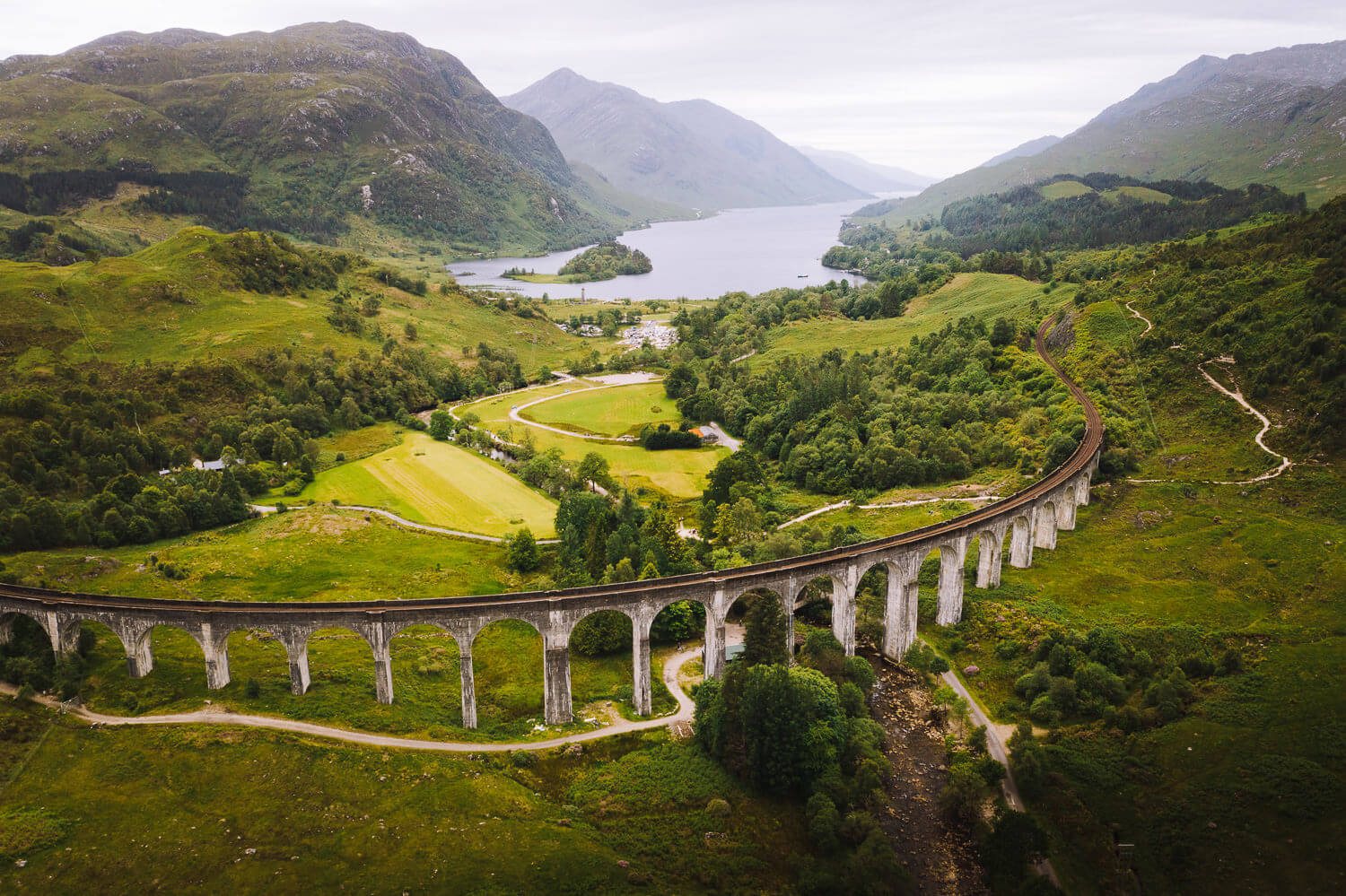
When it comes to sheer, jaw-dropping natural spectacle, the Norwegian Fjords simply elevate the game. While the Scottish Highlands offer a raw, ancient beauty with iconic lochs like Ness and Lomond, and majestic peaks such as Ben Nevis (UK's highest), the scale and drama of the fjords are on another level. Places like Geirangerfjord and Nærøyfjord (both UNESCO World Heritage sites) present colossal cliffs that drop thousands of feet into emerald waters, crisscrossed by countless powerful waterfalls like 'The Seven Sisters'. The vibrant blues of the water against the lush greens of the mountains, often capped with snow even in summer, create a cinematic landscape that feels almost surreal. Hiking Pulpit Rock (Preikestolen) or Trolltunga offers views that truly redefine 'panoramic'. Expect to pay NOK 500-1000 ($45-$90 USD) for a scenic fjord cruise, which is an absolute must-do. In comparison, a Loch Ness boat trip might run you £20-£35 ($25-$45 USD). "The Fjords are like someone took the best parts of the Rockies and slammed them right into the ocean. Just insane." The pristine quality and sheer verticality of the landscape make the Fjords an undeniable winner for nature enthusiasts seeking the ultimate 'wow' factor.
Winner takeaway
- Winner: Norwegian Fjords
- Why: The Norwegian Fjords offer a more dramatic, grand, and uniquely pristine natural spectacle that feels almost otherworldly.
- Who this matters for: Photographers, adventure seekers, and anyone prioritizing truly epic, 'bucket-list' natural views.
💸 Costs & Budget
Let's not sugarcoat it: Norway is expensive. The Scottish Highlands, while not dirt cheap, offer far greater value for money. A basic hostel bed in the Highlands might cost £25-£40 ($30-$50 USD) a night, whereas in Norway, a similar standard will easily be NOK 400-700 ($35-$65 USD). Mid-range hotels in Scotland average £80-£150 ($100-$190 USD), compared to NOK 1200-2500 ($110-$230 USD) in Norway. Food is another major differentiator. A hearty pub meal in Scotland (e.g., haggis, neeps, and tatties) with a pint can be had for £15-£25 ($19-$32 USD). In Norway, a modest restaurant meal could easily be NOK 250-400 ($23-$37 USD), and a beer NOK 90-120 ($8-$11 USD). Groceries are also substantially cheaper in Scotland. Car rentals, while not cheap anywhere, are generally more competitive in Scotland, with a week's rental possibly £200-£400 ($250-$500 USD), while in Norway it could be NOK 3000-6000 ($275-$550 USD). "My Norway trip cost me twice what I'd budgeted for Scotland, and I was trying to be frugal! Pack snacks." For travelers watching their wallets, the Highlands are a clear winner.
Winner takeaway
- Winner: Scottish Highlands
- Why: The Scottish Highlands offer a vastly more budget-friendly travel experience across all major spending categories.
- Who this matters for: Budget travelers, backpackers, families, and anyone who wants to stretch their travel funds further.
✈️ Getting There
Reaching the Scottish Highlands is generally a more straightforward affair. You'll typically fly into Glasgow (GLA) or Edinburgh (EDI), both of which are major international hubs with direct flights from many European cities and several North American gateways (e.g., NYC, Toronto). From there, you can rent a car directly or take a train/bus to Highland gateways like Inverness or Fort William, usually within a few hours. For example, a train from Edinburgh to Inverness can cost £30-£60 ($38-$75 USD) and takes about 3.5 hours. To get to the Norwegian Fjords, you'll likely fly into Oslo (OSL) or Bergen (BGO). While Bergen is closer to the western fjords, reaching the most iconic ones often requires further travel. From Oslo, you might take a domestic flight to places like Ålesund or Sogndal, or embark on a stunning but long train journey (e.g., Oslo to Myrdal, then Flåm Railway) which can be an adventure in itself, but adds significant time and cost (e.g., Oslo-Myrdal train NOK 600-1000 / $55-$90 USD, 5-7 hours). "Getting to Skye was a breeze compared to figuring out the logistics for Geiranger. Just fly into Glasgow, grab a car, and go." The overall travel time and complexity lean heavily in favor of the Scottish Highlands for ease of access.
Winner takeaway
- Winner: Scottish Highlands
- Why: The Scottish Highlands benefit from direct international flights into nearby major cities and simpler onward travel logistics.
- Who this matters for: Travelers with limited time, those seeking minimal transit hassle, and first-time international travelers.
🚗 Getting Around
While both destinations largely demand a car for true exploration, getting around the Scottish Highlands feels a bit simpler and more intuitive. The A-roads and single-track B-roads are well-maintained, and while navigation can be slow, you're not constantly planning around ferry schedules. Renting a car is highly recommended, costing roughly £40-£80 ($50-$100 USD) per day. Public transport, while less frequent, includes iconic routes like the West Highland Line. In the Norwegian Fjords, a car is also crucial, but you'll become very familiar with car ferries, which are essential for crossing the fjords. These ferries can be frequent on main routes but less so on others, and the costs add up (e.g., NOK 100-300 / $9-$28 USD per crossing, plus passenger fees). While incredibly scenic, relying on them requires more logistical planning. The 'Norway in a Nutshell' tours offer a popular, structured way to see the fjords using a combination of trains, buses, and ferries, but they come with a hefty price tag (NOK 2000-3000 / $185-$275 USD for a 1-day trip) and less flexibility. "Driving in Scotland felt like freedom. In Norway, I was always checking the ferry app, which was cool, but a lot more effort." For straightforward, independent exploration, Scotland edges out Norway.
Winner takeaway
- Winner: Scottish Highlands
- Why: The Scottish Highlands offer more straightforward self-driving with fewer logistical hurdles like constant ferry crossings.
- Who this matters for: Independent travelers, those who prefer to drive without strict schedules, and budget-conscious drivers.
🏠 Accommodation
The Scottish Highlands boast a much wider and more affordable range of accommodation options. You can easily find charming, family-run B&Bs in small villages for £60-£100 ($75-$125 USD) per night, offering a personal touch and a full Scottish breakfast. Self-catering cottages are abundant and provide excellent value for groups or longer stays, often starting from £400-£700 ($500-$880 USD) per week. Hostels, like those in Fort William or Inverness, are well-established and cost around £25-£40 ($30-$50 USD) for a dorm bed. In contrast, Norwegian fjord regions primarily offer modern, well-designed hotels or cabin rentals that cater to a higher price point. Expect to pay NOK 1200-2500 ($110-$230 USD) for a standard hotel room in a town like Flåm or Balestrand. Budget hostels are far less common and still cost NOK 400-700 ($35-$65 USD) for a dorm bed. "Finding a cute, affordable B&B with a view in Skye was easy. In Norway, everything felt like a premium chain or super basic camping." While the quality in Norway is high, the accessibility and variety of value-for-money options make the Scottish Highlands a clear winner for accommodation.
Winner takeaway
- Winner: Scottish Highlands
- Why: The Scottish Highlands offer a greater variety of charming and affordable accommodation types, from B&Bs to cottages.
- Who this matters for: Budget travelers, families, and those seeking authentic, personalized lodging experiences.
🍽️ Food & Drink
While both regions offer incredible fresh produce and seafood, the Scottish Highlands win on accessibility, variety, and cost of dining. You can easily enjoy a delicious, filling meal at a local pub for £15-£25 ($19-$32 USD), often featuring local venison, Aberdeen Angus beef, or freshly caught seafood like Cullen Skink. The pub culture itself is a huge draw, offering a cozy atmosphere, local banter, and, of course, a vast selection of Scotch whiskies. Whisky distilleries like Talisker on Skye or Glenfiddich in Speyside offer tours and tastings (typically £15-£30 / $19-$38 USD). In Norway, seafood is exceptional, especially salmon, cod, and king crab, but dining out will significantly impact your budget. A main course at a mid-range restaurant in Bergen or Flåm can easily be NOK 300-500 ($28-$46 USD), and alcohol is particularly expensive. A glass of wine or a pint of local beer will set you back NOK 90-120 ($8-$11 USD). "I loved the food in Scotland – proper comfort food after a hike, and the whisky distilleries were amazing. In Norway, I mostly cooked my own food to save money." For a more immersive and affordable culinary journey, especially if you appreciate a good dram, Scotland is the clear choice.
Winner takeaway
- Winner: Scottish Highlands
- Why: The Scottish Highlands offer a richer, more affordable, and culturally immersive food and drink scene, especially with its iconic whisky.
- Who this matters for: Foodies on a budget, whisky enthusiasts, and those who enjoy a vibrant pub culture.
📜 Culture & History
The Scottish Highlands are steeped in history and folklore, making them a living museum. From the ancient standing stones of Callanish to the dramatic ruins of Urquhart Castle on Loch Ness (entry £12 / $15 USD), every turn feels like a step back in time. The Jacobite rebellions, clan history, and the enduring presence of Gaelic language and music create an incredibly rich cultural experience. You can visit Culloden Battlefield (£14 / $18 USD), explore dozens of well-preserved castles, and find traditional music sessions (ceilidhs) in local pubs. Norway certainly has its own fascinating history, particularly its Viking heritage, showcased at places like the Viking Ship Museum in Oslo (NOK 120 / $11 USD) or the Lofotr Viking Museum in Borg. The indigenous Sami culture in the north is also unique and captivating. However, the cultural and historical presence in the Highlands feels more pervasive and deeply woven into the landscape and local identity, especially in the remote areas. "Scotland's history is just *everywhere*. You can't walk five feet without tripping over a story. Norway's history is cool, but felt more contained to museums." The sheer density and accessibility of historical sites and cultural traditions give the Highlands the edge.
Winner takeaway
- Winner: Scottish Highlands
- Why: The Scottish Highlands offer a more tangible, pervasive, and easily accessible historical and cultural narrative.
- Who this matters for: History buffs, genealogists, fans of historical fiction (e.g., Outlander), and those seeking deep cultural immersion.
🧗 Activities & Adventure
While the Scottish Highlands offer fantastic hiking and outdoor pursuits, the Norwegian Fjords truly excel in unique, iconic, and extreme adventure activities that are directly tied to its incredible landscape. Hiking to Preikestolen (Pulpit Rock) or the infamous Trolltunga (a challenging 10-12 hour hike) are bucket-list experiences that offer unparalleled views. Fjord kayaking (e.g., in Geirangerfjord, rentals from NOK 350-500 / $32-$46 USD per hour) allows for an intimate perspective of the towering cliffs. Glacier walks, like on the Nigardsbreen glacier (guided tours from NOK 600-900 / $55-$83 USD), are truly unique. The accessibility to deep water also means world-class fishing and boat tours are plentiful. Scotland has its Munros for challenging hikes, beautiful lochs for kayaking, and stunning wildlife (e.g., Golden Eagles, Red Deer), but it doesn't quite match the sheer 'epic' scale of activities available in Norway. "Hiking Trolltunga was the hardest thing I've ever done, but the views... nothing compares. Scotland's hikes are great, but less 'edge of the world'." The Norwegian Fjords offer a more diverse and globally renowned set of adventure experiences.
Winner takeaway
- Winner: Norwegian Fjords
- Why: The Norwegian Fjords provide a unique combination of iconic, dramatic, and world-renowned adventure activities directly integrated with its spectacular landscape.
- Who this matters for: Thrill-seekers, serious hikers, avid kayakers, and those seeking truly unique outdoor challenges.
🌦️ Weather & Seasons
Both regions are known for their notoriously unpredictable weather, making packing layers essential. However, the Scottish Highlands generally offer a slightly more 'approachable' climate for general tourism, especially in shoulder seasons. While summer (June-August) brings the infamous midges (tiny biting insects, often requiring repellent nets), temperatures are mild (15-20°C / 59-68°F), and daylight hours are long. You can experience glorious sunshine, sudden showers, and mist all in one day. Winters are cold and damp, with snow in the mountains, but major roads generally remain open. In the Norwegian Fjords, summers are often cooler (10-18°C / 50-64°F) and can be very rainy, though the waterfalls are at their most impressive. Winter (November-March) transforms the fjords into breathtaking snowy landscapes, perfect for Northern Lights hunting (costs vary wildly, but a tour might be NOK 1000-2000 / $90-$185 USD), but roads can be closed, and daylight hours are extremely short. "I went to Scotland in May and had some amazing clear days, even with the odd shower. Norway in October was stunning with the snow, but so much was already shut down and it was freezing." While both have challenges, Scotland's 'bad' weather is less extreme, and its peak season is less impacted by closures, offering a slightly longer and more versatile window for general outdoor activities. Midges are a nuisance, but they don't stop you from hiking like heavy snow might.
Winner takeaway
- Winner: Scottish Highlands
- Why: The Scottish Highlands generally offer a slightly milder climate, a longer accessible season for general tourism, and less extreme winter conditions compared to the Norwegian Fjords.
- Who this matters for: Travelers sensitive to extreme cold, those planning shoulder season trips, and anyone looking for a more consistent range of accessible activities.
🚶 Crowds & Accessibility
While places like the Isle of Skye, particularly the Fairy Pools or Old Man of Storr, can get very crowded in peak season (July-August), the sheer vastness of the Scottish Highlands means it's relatively easy to escape the throngs. With over 30,000 square kilometers, you can quickly find solitude on lesser-known trails or in remote glens. Many experiences are easily self-guided without tour groups. Parking can be an issue at very popular sites, but with some planning, it's manageable. In contrast, the Norwegian Fjords, particularly destinations like Geiranger, Flåm, and Olden, are major stops for large cruise ships. This can lead to thousands of people disembarking simultaneously, overwhelming small villages and popular viewpoints for several hours at a time. While the cruise ships themselves are a sight, navigating around the crowds they bring requires careful timing or choosing less-trafficked fjords. "Skye was busy, sure, but I could drive 30 minutes and be completely alone. In Flåm, I felt like I was part of a cruise ship herd, even without being on one." Finding genuine tranquility without significant effort or expense can be more challenging in the most famous Norwegian fjord areas. The Scottish Highlands offer a better balance of iconic sights and opportunities for peaceful escape.
Winner takeaway
- Winner: Scottish Highlands
- Why: The Scottish Highlands, despite popular spots, offer more opportunities for escaping crowds and experiencing solitude due to their expansive nature and less reliance on mass tourism infrastructure.
- Who this matters for: Introverts, independent travelers, those seeking peace and quiet, and travelers wanting to avoid large tour groups.
❓ Frequently Asked Questions
Which destination is better for a family trip with young children?
The Scottish Highlands generally win for families due to more affordable accommodation, a wider variety of family-friendly attractions (castles, wildlife parks), and less strenuous travel logistics. Norway's high costs and more physically demanding activities might be less suitable for very young children.
Are midges a serious problem in the Scottish Highlands?
Yes, midges can be a serious nuisance, especially from May to September, primarily at dawn, dusk, and on still, damp days. They are most prevalent near water and wooded areas. Packing strong repellent (like Smidge or Avon Skin So Soft), long sleeves, and even a midge net is highly recommended to enjoy your trip without constant irritation.
Can I see the Northern Lights in either region?
Yes, you can potentially see the Northern Lights (Aurora Borealis) in both, but Norway offers a significantly better chance, especially in its northern regions above the Arctic Circle (like Tromsø or Lofoten). While rare sightings occur in the far north of Scotland, Norway's higher latitude and dedicated aurora tourism infrastructure make it the premier choice for aurora hunting.
Is solo travel safe and enjoyable in both destinations?
Absolutely, both destinations are incredibly safe for solo travelers. Scotland offers a warm, friendly pub culture for meeting locals, while Norway's efficient public transport and well-marked trails make independent exploration easy. The biggest challenge for solo travelers in Norway will be the higher cost of single accommodation and dining.
What's the best time of year to visit each destination?
For the Scottish Highlands, late spring (May-June) or early autumn (September-October) offer fewer midges, good hiking weather, and beautiful colors. For the Norwegian Fjords, summer (June-August) is best for hiking and cruises, though it's also the busiest and most expensive. Winter (November-March) is stunning for snowscapes and Northern Lights but requires cold-weather gear and many tourist services are closed.
Do I need to book accommodation and activities far in advance?
For both destinations, especially if traveling in peak season (July-August) or planning to visit popular spots like the Isle of Skye or Geirangerfjord, booking accommodation and key activities (like ferry reservations or popular tours) several months in advance is highly advisable. Prices will be higher and availability limited closer to the travel date.
Which destination is better for photography?
Both are exceptional. The Scottish Highlands offer moody, atmospheric landscapes, ancient ruins, and stunning sunsets over vast lochs – ideal for landscape and portrait photography. The Norwegian Fjords provide dramatic, pristine, and grand vistas with incredible waterfalls and towering cliffs, perfect for wide-angle and awe-inspiring shots. It depends on your preferred aesthetic.
Are there good options for vegetarian/vegan travelers?
Both regions are improving. In Scotland, larger towns and cities (e.g., Inverness) offer good choices, and many pubs now have vegetarian options. Remote Highland areas can be more limited. Norway's larger cities (Bergen, Oslo) have excellent vegan/vegetarian scenes. In more remote fjord villages, options might be limited to a few specific dishes, but groceries are available for self-catering.
Ready to plan your unforgettable adventure?
Get a free custom itinerary for Scottish Highlands, Norwegian Fjords, or both — built from real traveler insights and tailored to your preferences.
🎟️ Book Tours & Experiences
Hand-picked tours and activities for both destinations — book with free cancellation
Experiences via Viator — free cancellation on most tours