How we built this comparison
This page combines traveler discussion patterns, published price ranges, flight schedules, and seasonal data to help you decide between Seattle and Toronto.
- Reviewed 100+ Reddit threads from r/travel, r/solotravel, r/Seattle, r/toronto, and r/CanadaTravel.
- Verified costs and logistics against current booking platforms (e.g., Google Flights, Booking.com, local transit sites).
- Cross-referenced seasonal patterns and weather data from NOAA and Environment Canada.

⚡ Quick Answers
⚡ The TL;DR Verdict
For travelers prioritizing accessible nature, a strong coffee culture, and a more laid-back pace, Seattle often comes out ahead. If you seek a massive, multicultural city with extensive dining options, significant architectural landmarks, and a lively entertainment core, Toronto is your destination. Most travelers will find Seattle slightly more expensive overall, especially for accommodation, but both offer solid experiences.
- Choose Seattle: For outdoor adventurers who want mountains and water close by, enjoy craft beer, and prefer a smaller city atmosphere with distinct neighborhoods.
- Choose Toronto: For urban explorers keen on diverse food, major league sports, museums, a cosmopolitan feel, and easy day trips to a major natural landmark.
- Choose Both: Consider both if you have 10-14 days and want to experience different North American urban settings; direct flights between them are common.
Choose Seattle
Choose Seattle if your ideal trip involves crisp morning coffees at Pike Place Market before heading out for a hike on Mount Rainier or kayaking in Puget Sound. It's best for nature enthusiasts and craft beer aficionados who appreciate a relaxed urban vibe and don't mind a slightly higher cost for unique, Pacific Northwest experiences.
Choose Toronto
Opt for Toronto if you crave a vibrant, multicultural metropolis with an unparalleled food scene – from Kensington Market to fine dining. It's ideal for urban explorers and culture hounds eager to catch a Blue Jays game, ascend the CN Tower, or enjoy a world-class theatre production, all while experiencing incredible diversity.
📊 Visual Scorecard
🌤 When to Visit
Average high temperatures (°C). Green = best months, orange = avoid.
Quick Comparison
| Category | Seattle | Toronto | Winner |
|---|---|---|---|
| Costs | Generally higher across the board, especially for lodging and dining. Expect to pay more for a comparable experience. | More budget-friendly than Seattle, particularly with the favorable CAD exchange rate for USD travelers. Food and transit are generally lower. | Toronto |
| Getting There (Flights) | Major hub, direct flights from most US cities and a few international locations. SEA-TAC airport is well-connected. | Major international hub with direct flights from across the US, Canada, and numerous global cities. Pearson International (YYZ) is large and efficient. | Tie |
| Getting Around (Local Transport) | Good public transit within core areas (Link light rail, buses, streetcar), walkable downtown. Hills can be a challenge. | Extensive subway, streetcar, and bus network (TTC) covering the entire city. Generally flatter and very walkable in central districts. | Toronto |
| Food Scene | Known for Pacific Northwest seafood, innovative coffee culture, and diverse ethnic foods, particularly Asian influences. | Incredibly diverse global cuisine reflective of its multicultural population, with strong Italian, Asian, and regional Canadian influences. | Toronto |
| Nightlife | Concentrated in Capitol Hill and Belltown, with a focus on craft breweries, cocktail bars, and live music venues. | Extensive and varied, with numerous districts offering everything from high-energy clubs to sophisticated lounges and live music venues. | Toronto |
| Culture & Attractions | Iconic landmarks like the Space Needle, Pike Place Market, and a strong museum scene focused on art and technology. | Major institutions like the CN Tower, Royal Ontario Museum, Art Gallery of Ontario, and diverse neighborhoods with distinct cultural identities. | Toronto |
| Nature & Day Trips | Immediate access to mountains, Puget Sound, and rainforests. Numerous state parks and national forests nearby. | Proximity to Lake Ontario, several parks within the city, and the very popular Niagara Falls as a primary day trip destination. | Seattle |
| Accommodation | Higher prices across all categories, with fewer budget options. Boutique hotels and chains are common. | Broader range of price points, from budget hostels to luxury hotels. More options for value in different neighborhoods. | Toronto |
| Weather & Seasons | Mild, wet winters (rainy season Oct-May), famously gray skies. Dry, pleasant summers (June-Sept) with long daylight hours. | Distinct four seasons: cold, snowy winters; hot, humid summers; pleasant springs and autumns. | Tie |
| Safety | Generally safe, but like any city, be aware of petty crime, especially around tourist areas and downtown at night. Homelessness is visible. | One of North America's safer large cities. Low crime rates for its size, but standard urban precautions are always recommended. | Toronto |
💰 Costs
Seattle typically demands a higher daily budget. A mid-range hotel often costs $200-300 USD per night, and a decent meal at a casual restaurant can be $20-35 USD per person.…

Seattle
Toronto
Seattle typically demands a higher daily budget. A mid-range hotel often costs $200-300 USD per night, and a decent meal at a casual restaurant can be $20-35 USD per person. Public transport on the Link light rail or bus is around $2.75-3.50 USD per ride. Activities like visiting the Space Needle (around $35 USD) or taking a ferry ride (around $9 USD round trip for walk-ons) add up. Travelers report daily expenses, excluding flights, often landing in the $180-250 USD range for a comfortable trip.
Toronto offers better value for most travelers, especially those converting USD to CAD. Mid-range hotels generally cost $200-300 CAD ($145-220 USD) per night. Meals at casual spots are often $20-35 CAD ($15-25 USD), and public transit fares on the TTC are $3.35 CAD ($2.45 USD) per ride. Attractions like the CN Tower (around $43 CAD or $31 USD) or Royal Ontario Museum (around $26 CAD or $19 USD) are also more affordable. Daily budgets for a similar comfort level often fall into the $145-220 USD range. Toronto wins on overall cost-effectiveness for a similar quality of experience.
- Winner: Toronto
- Why: Toronto offers a more affordable experience across accommodation, dining, and activities, especially with the favorable exchange rate for US visitors.
- Who this matters for: Budget-conscious travelers and those planning longer stays.
✈️ Getting There (Flights)
Seattle-Tacoma International Airport (SEA) serves as a significant gateway to the Pacific Northwest. Direct flights from major US cities like Chicago, New York, and Los Angeles…
Seattle
Toronto
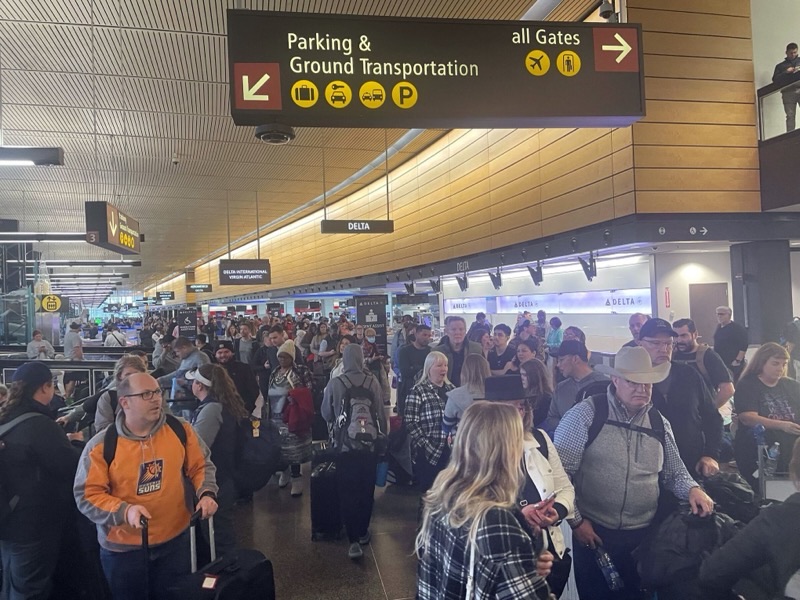
Seattle-Tacoma International Airport (SEA) serves as a significant gateway to the Pacific Northwest. Direct flights from major US cities like Chicago, New York, and Los Angeles typically range from 4 to 5.5 hours. From Europe, flights are generally 9-11 hours. Flight prices vary widely but a round trip from the East Coast US might be $300-500 USD, while a West Coast flight could be $150-300 USD. SEA is about a 20-30 minute Link light rail ride to downtown, costing around $3.25 USD.
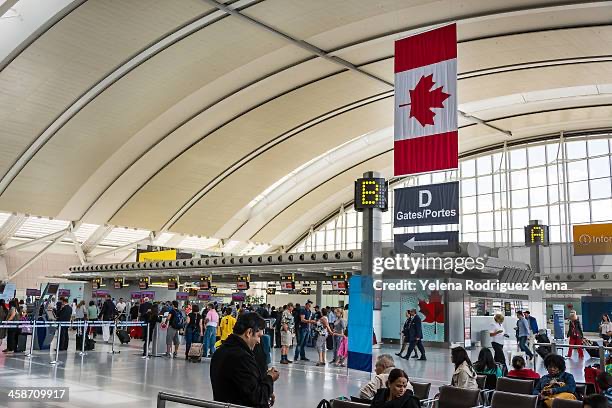
Toronto Pearson International Airport (YYZ) is Canada's busiest airport and a major North American hub. Direct flights from US cities like Chicago, New York, and Los Angeles are also 1.5 to 5 hours. European flights are generally 7-9 hours. Round trip flights from the East Coast US might be $250-450 USD, while West Coast flights could be $350-600 USD. The UP Express train connects YYZ to downtown Union Station in 25 minutes for $12.35 CAD ($9 USD). Both cities are straightforward to reach, offering similar flight durations and frequency from common origin points.
- Winner: Tie
- Why: Both cities are major air travel hubs with extensive domestic and international connections, offering comparable flight times and accessibility from most North American origins.
- Who this matters for: Travelers prioritizing easy, direct access from various global locations.
🚌 Getting Around (Local Transport)
Seattle’s public transport system, King County Metro, includes buses, the Link light rail connecting SEA airport to downtown and the University District, and the South Lake Union…
Seattle
Toronto
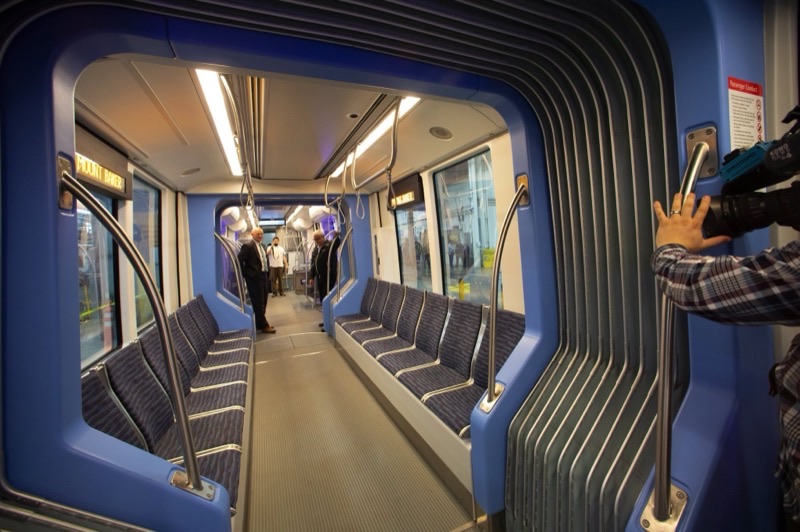
Seattle’s public transport system, King County Metro, includes buses, the Link light rail connecting SEA airport to downtown and the University District, and the South Lake Union Streetcar. A single ride on the Link costs $2.25-$3.50 USD depending on distance. While useful for central areas and airport transfers, some neighborhoods require transfers or walking on steep hills. Capitol Hill, Belltown, and Pike Place Market are highly walkable areas, but navigating between them often involves elevation changes. Ride-shares like Uber or Lyft are readily available, but can get expensive with surge pricing. A day pass for King County Metro is around $8 USD.
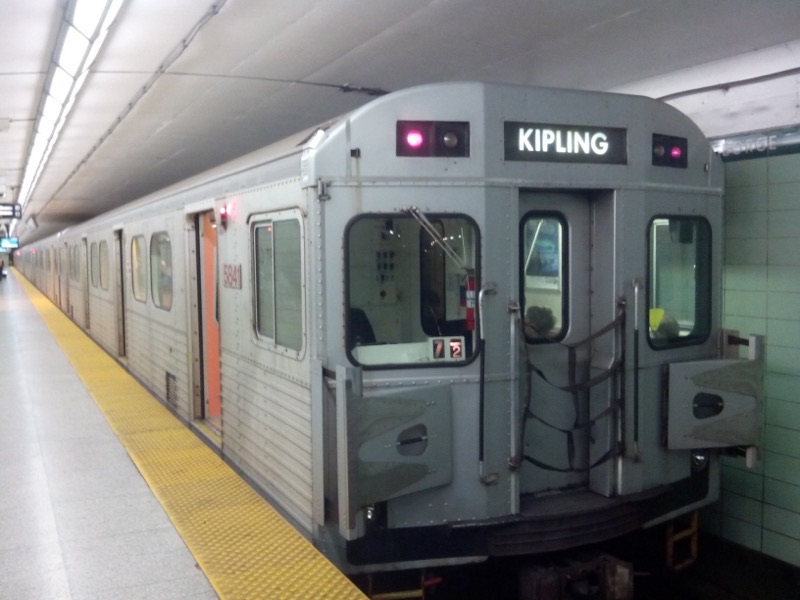
Toronto boasts a comprehensive and efficient public transit system (TTC) with subway lines, streetcars, and buses that cover the city extensively. A single fare is $3.35 CAD ($2.45 USD), with day passes available for $13.50 CAD ($9.80 USD). The subway is particularly effective for traversing long distances quickly, and streetcars offer a scenic way to explore districts like Queen West or Kensington Market. Toronto's downtown core is largely flat and highly walkable, making exploration on foot enjoyable. The sheer scale and connectivity of Toronto's TTC network provide a more user-friendly and extensive experience for navigating the city without a car.
- Winner: Toronto
- Why: Toronto's extensive and interconnected subway, streetcar, and bus network offers more comprehensive coverage and easier navigation across the city's flat core.
- Who this matters for: Travelers who prefer relying solely on public transport and walking for exploration.
🍽️ Food Scene
Seattle's food scene is defined by its proximity to fresh seafood, its coffee obsession, and strong Asian culinary influences. Pike Place Market is essential for sampling fresh…
Seattle
Toronto
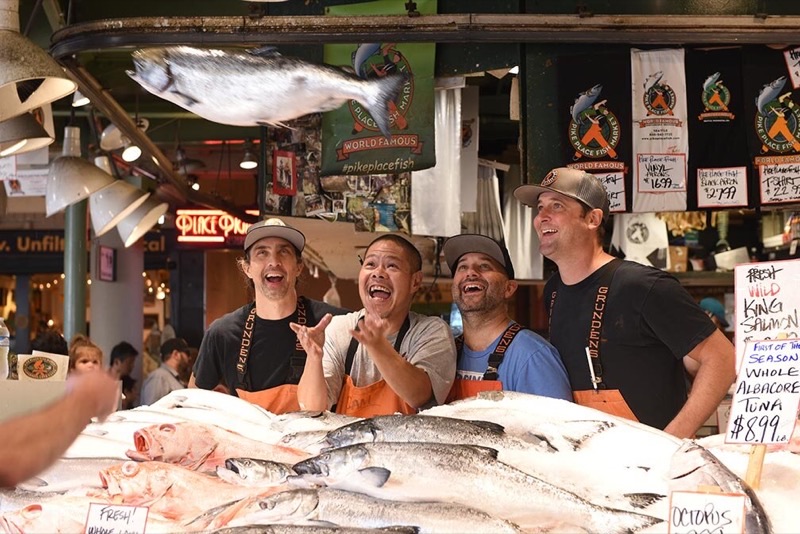
Seattle's food scene is defined by its proximity to fresh seafood, its coffee obsession, and strong Asian culinary influences. Pike Place Market is essential for sampling fresh oysters, salmon, and clam chowder (around $10-15 USD a bowl at Pike Place Chowder). Neighborhoods like the International District offer excellent dim sum at places like Harbor City Restaurant (dishes $5-15 USD) or Vietnamese pho. Capitol Hill has a range of casual and upscale dining, and Fremont provides breweries and casual eateries. While Seattle has strong points, its overall diversity and depth don't quite match Toronto's breadth.
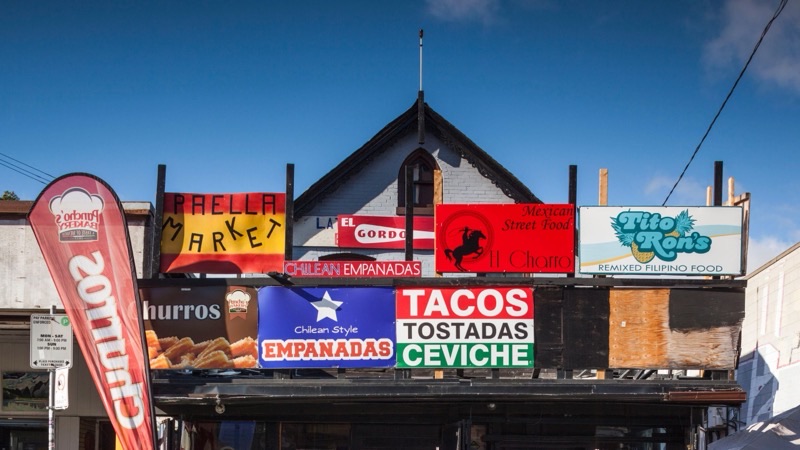
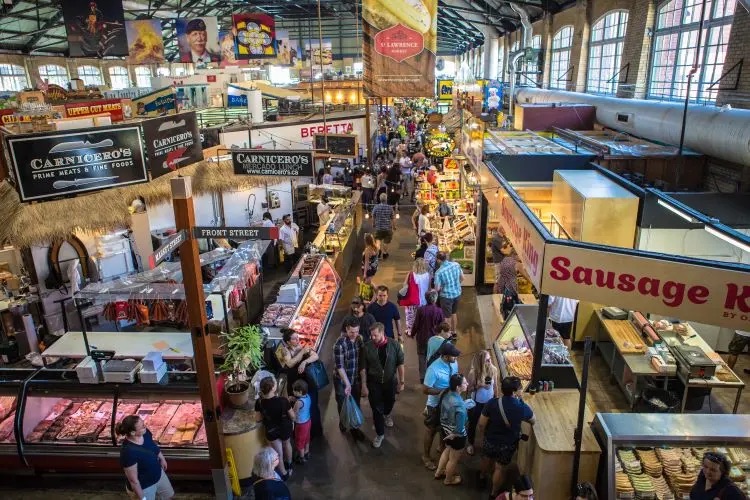
Toronto offers a truly expansive global food landscape. Neighborhoods like Kensington Market provide a mix of international street food and independent restaurants, while the St. Lawrence Market has over 100 vendors, including the famous peameal bacon sandwich from Carousel Bakery (around $8-10 CAD or $6-7 USD). Greektown, Little Italy, Chinatown, and countless other ethnic enclaves offer authentic and affordable options. From high-end dining in Yorkville to casual roti shops in Little India, Toronto's culinary offerings are more extensive and varied. Travelers seeking specific international flavors or a constant stream of new dining experiences will find Toronto's food scene more rewarding and diverse.
- Winner: Toronto
- Why: Toronto's food scene is more globally diverse and expansive, reflecting its multicultural population with numerous authentic ethnic enclaves and culinary styles.
- Who this matters for: Food enthusiasts and those seeking a wide range of international dining experiences.
🍻 Nightlife
Seattle's nightlife is most active in Capitol Hill, known for its density of bars, LGBTQ+ venues, and live music spots. The Comet Tavern offers a classic dive bar experience,…
Seattle

Toronto
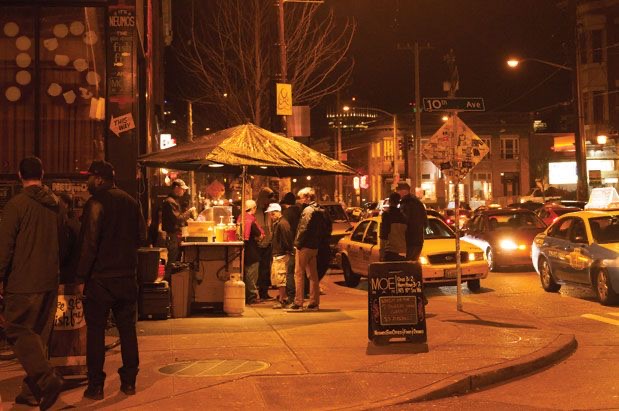
Seattle's nightlife is most active in Capitol Hill, known for its density of bars, LGBTQ+ venues, and live music spots. The Comet Tavern offers a classic dive bar experience, while Rhein Haus provides bocce ball and German beers. Belltown has a collection of cocktail bars and dance clubs. Pioneer Square also has some historical bars. Seattle tends to quiet down earlier than larger cities, with many bars closing around 1-2 AM. While there are options for various preferences, the scene is somewhat contained and lacks the sheer scale and late-night options of Toronto.
Toronto's nightlife is sprawling and diverse. Queen West and King West are known for their fashionable clubs and upscale lounges, with many venues operating until 3-4 AM. The Entertainment District lives up to its name with theaters, bars, and major club venues. Kensington Market offers a more bohemian vibe with laid-back bars and live music, while the Distillery District provides a refined setting for cocktails. Toronto has a higher concentration of options across different moods and price points, offering more consistent late-night activity and a broader selection of venues for different tastes. Whether you want a thumping club, a quiet jazz bar, or a theater show, Toronto delivers more comprehensively.
- Winner: Toronto
- Why: Toronto offers a more extensive and diverse nightlife with more districts, later closing times, and a broader selection of clubs, bars, and entertainment venues.
- Who this matters for: Travelers who prioritize late-night entertainment, clubbing, and a wide array of options.
🏛️ Culture & Attractions
Seattle features several prominent attractions. Pike Place Market is a historical market with fish throwing and local crafts. The Space Needle (around $35 USD) offers views of the…
Seattle features several prominent attractions. Pike Place Market is a historical market with fish throwing and local crafts. The Space Needle (around $35 USD) offers views of the city and Mount Rainier. The Museum of Pop Culture (MoPOP) (around $30 USD) covers music, science fiction, and gaming. The Chihuly Garden and Glass (around $32 USD) exhibits stunning glass art. While these are substantial, Seattle's cultural depth feels slightly less expansive than Toronto's, with fewer large-scale historical sites or a comparable range of major museums beyond its key institutions.
Toronto boasts a broader array of major cultural institutions and diverse urban districts. The CN Tower (around $43 CAD or $31 USD) dominates the skyline, offering views and an 'EdgeWalk' experience. The Royal Ontario Museum (ROM) (around $26 CAD or $19 USD) is one of North America's largest museums, covering world art, culture, and natural history. The Art Gallery of Ontario (AGO) (around $30 CAD or $22 USD) houses a significant collection. The Distillery District offers historical architecture and unique shops. Kensington Market and Graffiti Alley provide a street art and bohemian culture experience. Toronto's sheer size and historical background allow for a greater number and variety of cultural sites and experiences that cater to a broader range of interests.
- Winner: Toronto
- Why: Toronto offers a wider array of major cultural institutions, museums, and distinct historical districts, providing a more comprehensive urban cultural experience.
- Who this matters for: History buffs, art lovers, and those seeking extensive museum exploration.
⛰️ Nature & Day Trips
Seattle is unparalleled for immediate access to natural landscapes. Within an hour, you can be hiking in the Cascade Mountains or Olympic National Forest, kayaking on Lake Union,…
Seattle is unparalleled for immediate access to natural landscapes. Within an hour, you can be hiking in the Cascade Mountains or Olympic National Forest, kayaking on Lake Union, or taking a ferry across Puget Sound to Bainbridge Island (round trip walk-on ferry $9 USD) for trails and town exploration. Discovery Park within the city offers coastal walks and forest trails with views of the Olympics. Mount Rainier National Park is a 2.5-hour drive, offering glaciers and hiking. The ability to transition from a city center to deep nature so quickly and directly is a core part of the Seattle experience.
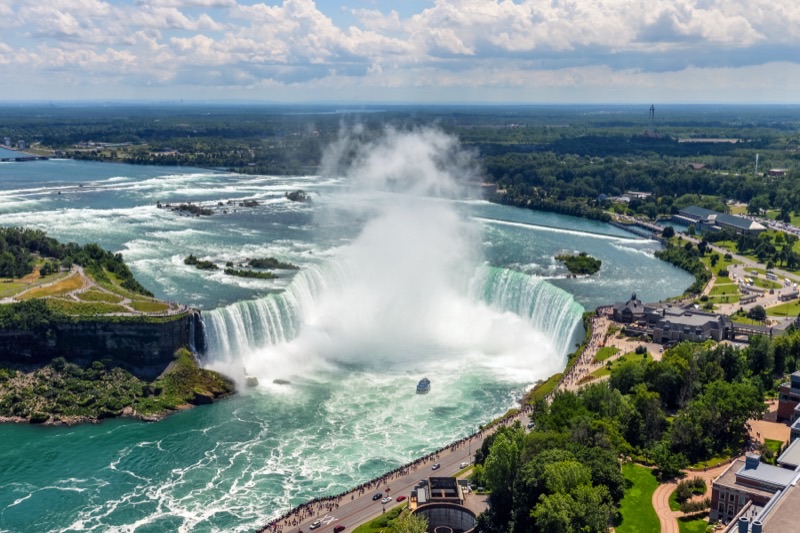
Toronto's natural offerings are more suburban-adjacent or require a longer journey. High Park within the city provides walking trails and a zoo. The Toronto Islands offer beaches and skyline views (ferry $8.70 CAD or $6.30 USD round trip). The most significant day trip is Niagara Falls, about a 1.5-2 hour drive (consider tours around $100-150 CAD or $73-110 USD, or public transit is possible). While Niagara Falls is impressive, Toronto lacks Seattle's direct access to large-scale, rugged natural environments like mountain ranges and vast evergreen forests. Seattle's integrated natural environment and diverse outdoor activities make it the clear winner for nature enthusiasts.
- Winner: Seattle
- Why: Seattle offers immediate and diverse access to significant natural landscapes, including mountains, forests, and Puget Sound, directly from the city's doorstep.
- Who this matters for: Outdoor enthusiasts, hikers, kayakers, and those who want nature integrated into their city visit.
🏨 Accommodation
Seattle's accommodation market is generally more expensive. Expect to pay $180-250 USD for a mid-range hotel in areas like downtown or Capitol Hill. Budget options are scarce, and…
Seattle's accommodation market is generally more expensive. Expect to pay $180-250 USD for a mid-range hotel in areas like downtown or Capitol Hill. Budget options are scarce, and even hostels can run $60-80 USD per night for a dorm bed. Hotels like the Motif Seattle (often $250+ USD) or The Maxwell Hotel (often $200+ USD) are representative of mid-to-upscale pricing. Finding good value often means staying further from the city center and relying on public transport.
Toronto offers a more varied and generally more affordable accommodation landscape. Mid-range hotels in central areas like the Entertainment District or near Union Station typically cost $200-300 CAD ($145-220 USD). Hostels like The Only Backpacker's Inn or HI Toronto offer dorm beds for $40-60 CAD ($29-44 USD). Boutique hotels in Queen West or more budget-friendly chains near Pearson Airport provide alternatives. With a larger city footprint and more tourist infrastructure, Toronto simply has more options at different price points, making it easier to find suitable lodging without overspending. The overall value for accommodation is better in Toronto.
- Winner: Toronto
- Why: Toronto provides a wider selection of accommodation types and price points, offering better value across budget, mid-range, and luxury options.
- Who this matters for: Travelers with varying budgets, from backpackers to those seeking comfortable mid-range hotels.
🌦️ Weather & Seasons
Seattle experiences a temperate marine climate. Winters (October to May) are typically mild, with average daytime temperatures around 40-50°F (4-10°C), but are characterized by…
Seattle experiences a temperate marine climate. Winters (October to May) are typically mild, with average daytime temperatures around 40-50°F (4-10°C), but are characterized by consistent light rain and overcast skies. It rarely snows significantly. Summers (June to September) are Seattle's prime season: dry, sunny, and pleasant, with average temperatures in the 70s°F (21-26°C), offering long daylight hours. Spring and autumn are transitional, with variable weather. The long, gray shoulder seasons can be a drawback for some travelers seeking consistent sunshine.
Toronto has a humid continental climate with four pronounced seasons. Winters (December to March) are cold, with average temperatures often below freezing (20-30°F or -7 to -1°C) and significant snowfall. Summers (June to August) are hot and often humid, with average temperatures in the 70s-80s°F (21-29°C), occasionally reaching higher. Spring and autumn are generally pleasant with mild temperatures, making them popular times to visit. Neither city definitively 'wins' on weather, as preferences vary. Seattle offers milder, wetter winters and consistently pleasant, dry summers. Toronto offers distinct seasonal changes with snowy winters and hot, humid summers. It truly depends on what climate a traveler prefers for their trip.
- Winner: Tie
- Why: Both cities offer distinct weather patterns that appeal to different preferences: Seattle for mild, wet winters and dry summers; Toronto for four pronounced seasons including snowy winters and hot summers.
- Who this matters for: Travelers with strong preferences for specific seasonal climates or activities dependent on weather.
🔒 Safety
Seattle is a safe city for most visitors, but it has experienced an increase in property crime and visible homelessness, particularly in certain downtown areas and around transit…
Seattle is a safe city for most visitors, but it has experienced an increase in property crime and visible homelessness, particularly in certain downtown areas and around transit hubs. Travelers should exercise standard urban precautions, especially after dark. Areas like Pioneer Square and parts of downtown can feel less comfortable at night, though violent crime remains relatively low for tourists. Pickpocketing can occur in crowded places like Pike Place Market. Overall, most tourist areas are fine during the day, but awareness is key when exploring different neighborhoods or traveling late.
Toronto consistently ranks as one of the safest major cities in North America. While petty crime like pickpocketing can occur in crowded areas (e.g., Kensington Market, subway stations), violent crime affecting tourists is rare. The city's extensive public transit system is generally safe to use at all hours. Neighborhoods across the city, from the Entertainment District to residential areas, maintain a high level of safety. Visible homelessness is present but generally less concentrated or impactful on tourist experience than in Seattle. Travelers can generally feel secure exploring Toronto's various districts day and night with minimal concern beyond basic urban caution. Toronto offers a greater sense of general security for visitors.
- Winner: Toronto
- Why: Toronto consistently ranks as one of North America's safest large cities, with lower crime rates and a more pervasive sense of security across its urban areas.
- Who this matters for: Solo travelers, families, and those who prioritize a strong sense of security in an urban environment.
🎯 The Decision Framework
Choose Seattle If…
- You want immediate access to mountains, forests, and Puget Sound.
- You appreciate a strong coffee culture and craft brewery scene.
- You prefer a slightly smaller, more distinct neighborhood-focused city.
- You enjoy exploring iconic markets like Pike Place Market.
- You want to take a scenic ferry ride to an island.
- You're interested in technology and pop culture museums.
- You seek a dry, sunny summer climate with long daylight hours.
- You are comfortable with higher average travel costs.
Choose Toronto If…
- You seek a large, multicultural city with extensive diversity.
- You want an incredibly varied and authentic global food scene.
- You prioritize an extensive and efficient public transit system.
- You desire a robust and varied nightlife with late-night options.
- You're interested in major league sports and large-scale entertainment.
- You want to visit world-class museums like the ROM and AGO.
- You plan a day trip to Niagara Falls.
- You prefer a city with generally lower overall travel costs.
📅 Sample Itineraries
Weekend in Seattle (3 Days)
💡 Purchase an ORCA card for about $5 plus fare value to easily navigate Seattle's Link Light Rail and buses, saving time and hassle.
Weekend in Toronto (3 Days)
💡 Utilize Toronto's TTC (Toronto Transit Commission) for efficient travel; a day pass costs approximately $10 USD and covers unlimited rides.
One Week in Seattle (7 Days)
💡 For extended stays, consider renting a car for a few days to access stunning nature day trips like Mount Rainier or Olympic National Park, which are difficult to reach by public transport.
One Week in Toronto (7 Days)
💡 Purchase a PRESTO card for Toronto's public transit; it offers discounted fares compared to cash and is reloadable, saving you money on longer stays.
❓ Frequently Asked Questions
Which city is better for foodies?
Toronto offers a more diverse and extensive food scene, with countless ethnic enclaves providing authentic cuisine from around the world. While Seattle has excellent seafood and coffee, Toronto's sheer breadth of options, from Kensington Market street food to Little Italy trattorias, makes it a foodie destination. Expect meals in Toronto to be slightly more affordable overall, especially with the CAD exchange rate.
Is Seattle or Toronto more expensive?
Seattle is generally more expensive than Toronto. Accommodation in Seattle often averages $180-250 USD per night for mid-range, while Toronto offers similar comfort for $145-220 USD (converted from CAD). Dining and activities also tend to cost more in Seattle. A daily budget for a comfortable trip might be $180-250 USD in Seattle versus $145-220 USD in Toronto.
Which city has better nature access?
Seattle wins for immediate and diverse nature access. Within an hour, you can reach mountains for hiking, kayak on city lakes, or take a ferry across Puget Sound. Toronto's main natural draw is Niagara Falls, which is a 1.5-2 hour drive, and its city parks, while pleasant, don't compare to Seattle's direct proximity to vast wilderness.
What's the best time to visit each city?
For Seattle, July to September offers dry, sunny weather and pleasant temperatures, perfect for outdoor activities. For Toronto, late spring (May-June) and early autumn (September-October) provide mild temperatures and lower humidity, ideal for exploring the city before summer heat or winter cold. Both cities can be enjoyed in their shoulder seasons if you are prepared for variable weather.
How long should I spend in each city?
For a focused city trip, 3-4 full days is usually sufficient for Seattle to cover its main attractions and a short nature excursion. Toronto, being a larger city with more diverse districts and museums, benefits from 4-6 full days to properly explore its neighborhoods and perhaps include a day trip to Niagara Falls. If combining both, allow at least 10 days.
Is public transport good in both cities?
Toronto's public transit system (TTC) is more extensive and covers the city comprehensively with its subway, streetcar, and bus network, making it easier to navigate without a car. Seattle has a decent Link light rail and bus system, but its coverage is less comprehensive for all neighborhoods, and hills can make walking challenging. Toronto's single fare is $3.35 CAD ($2.45 USD), while Seattle's is around $2.75-3.50 USD.
Which city is better for nightlife?
Toronto offers a more extensive and diverse nightlife. Its various districts like King West, Queen West, and the Entertainment District host numerous clubs, bars, and lounges that often stay open later than Seattle's venues. Seattle's nightlife is more concentrated in Capitol Hill and Belltown, with a strong focus on craft beer and live music, but has fewer options overall and often closes earlier.
Are there good day trip options from both?
Yes, both have good day trip options. From Seattle, you can easily access Bainbridge Island by ferry ($9 USD round trip), hike in the Cascade Mountains, or visit Mount Rainier National Park (2.5-hour drive). From Toronto, the primary and most popular day trip is Niagara Falls, about a 1.5-2 hour drive, offering a significant natural attraction.
Ready to plan your USA or Canada trip?
Get a free custom itinerary for Seattle, Toronto, or both — built from real traveler insights.
👥 Travelers Also Compared
🎟️ Book Tours & Experiences
Hand-picked tours and activities for both destinations — book with free cancellation
Experiences via Viator — free cancellation on most tours