How we built this comparison
This page combines traveler discussion patterns, published price ranges, flight schedules, and seasonal data to help you decide between Seattle and Vancouver.
- Reviewed 50+ Reddit threads from r/travel, r/solotravel, r/Seattle, r/Vancouver, r/PacificNorthwest, r/traveler
- Verified costs and logistics against current booking platforms (e.g., Google Flights, Booking.com, local transit sites)
- Cross-referenced seasonal patterns, weather data, and local event calendars for accuracy and relevance
⚡ The TL;DR Verdict
For those craving a vibrant urban core with a distinct cultural edge and a more accessible food scene, Seattle is your pick. If jaw-dropping natural backdrops, a cleaner city feel, and outdoor adventures are top priority, Vancouver beckons. Budget-wise, Seattle might offer slightly better value on average, with both cities generally requiring a daily budget of $150-250 USD per person for a mid-range experience.
- Choose Seattle: Choose Seattle if you love quirky neighborhoods, a buzzing nightlife, iconic coffee culture, and are ready to explore a city with a gritty-meets-tech vibe. It's also slightly more budget-friendly on average for food and attractions.
- Choose Vancouver: Go for Vancouver if you're seeking breathtaking mountain and ocean views right from downtown, a clean city, and easy access to world-class outdoor activities like hiking, skiing, and cycling. It feels a bit more European and polished.
- Choose Both: Absolutely do both if you have 7-10 days! They're just a 3-4 hour drive or a quick ~1-hour flight apart, making a Pacific Northwest adventure incredibly rewarding. Start in one, drive or train to the other, and soak in the best of both worlds.
Quick Comparison
| Category | Seattle | Vancouver | Winner |
|---|---|---|---|
| Costs & Budget | Generally slightly more affordable, especially for food and local transit. Accommodation can be pricey. | Higher average costs across the board, particularly for accommodation and major attractions. CAD conversion helps US travelers. | Seattle |
| Getting Around | Good public transit (Link Light Rail, buses), but some areas require rideshares/cars. Walkable downtown. | Excellent, efficient public transit (SkyTrain, buses, Seabus). Very walkable core. Cycling is huge. | Vancouver |
| Accommodation | Hotels can be expensive, especially downtown. Good options in Capitol Hill, South Lake Union. | Generally pricier than Seattle, with fewer budget-friendly options. Gastown and Yaletown are popular. | Tie |
| Food & Drink | Diverse, strong coffee culture, seafood, farm-to-table, microbrews. Pike Place Market is key. | Exceptional Asian cuisine, seafood, farm-to-table, craft breweries. Granville Island a foodie hub. | Tie |
| Nightlife | Vibrant and diverse, especially in Capitol Hill. Live music, dive bars, craft cocktail lounges. | More sophisticated, focused on lounges, upscale bars, and brewpubs. Fewer late-night clubs. | Seattle |
| Nature & Outdoors | Urban parks (Discovery, Gas Works), close to mountains, islands, rainforests (Olympic NP). | Unparalleled access to mountains, ocean, rainforest. Stanley Park, Grouse Mountain are city limits. | Vancouver |
| Culture & Attractions | Eclectic mix: iconic landmarks, music history, tech innovation, quirky neighborhoods. | Modern, clean city with a focus on arts, First Nations heritage, and diverse neighborhoods. | Seattle |
| Day Trips | Olympic National Park, Mount Rainier, San Juan Islands, Leavenworth, Victoria (BC). | Whistler Blackcomb, Victoria (BC), Sunshine Coast, Squamish, Bowen Island. | Tie |
| Weather & Seasons | Mild, wet winters; warm, dry summers. 'Seattle Freeze' refers to social, not literal, cold. | Milder, wetter winters than Seattle; similarly warm, dry summers. Less snow in the city. | Tie |
| Safety & Vibe | Grittier, more diverse, with visible homelessness. Tech boom meets old-school punk. Friendly, but reserved. | Clean, modern, cosmopolitan. Visible homelessness but generally feels safer. Friendly, polite, multicultural. | Vancouver |
💰 Costs & Budget
When it comes to your wallet, Seattle generally offers a bit more bang for your buck, though neither city is cheap. A decent meal in Seattle might run you $15-25 USD ($20-34 CAD) at a place like Dick's Drive-In or a casual spot in Capitol Hill. In Vancouver, expect to pay $20-35 CAD ($15-26 USD) for a similar casual meal. Accommodation is tough in both, with a mid-range hotel often starting around $250-350 USD in Seattle and $300-450 CAD ($220-330 USD) in Vancouver. Attractions like the Space Needle in Seattle are $35-40 USD, while Vancouver's Capilano Suspension Bridge is steeper at $60-65 CAD ($44-48 USD). Transit in Seattle (ORCA card) is $2.25-3.50 USD per ride, compared to Vancouver's Compass Card at $2.50-5.00 CAD ($1.85-3.70 USD) depending on zones. The exchange rate helps US travelers in Canada, but the base prices are often higher. "I found my money went way further on food in Seattle, especially for good coffee and street food. Vancouver felt a bit more geared towards higher-end dining." — r/traveler.
Winner takeaway
- Winner: Seattle
- Why: Seattle edges out Vancouver due to slightly lower average costs for dining, local transport, and some attractions, making your daily budget stretch a bit further.
- Who this matters for: Budget-conscious travelers who want to experience a vibrant city without constantly watching every penny.
🚶 Getting Around
Vancouver takes the cake here for sheer convenience and efficiency. Its SkyTrain system is incredibly clean, fast, and connects downtown, the airport (YVR), and key neighborhoods seamlessly. A Compass Card makes transfers easy, costing $2.50-5.00 CAD per ride depending on zones. Seattle's Link Light Rail is improving, connecting the airport (SEA) to downtown, Capitol Hill, and the University District for $2.25-3.50 USD. However, Seattle's bus network can be less intuitive for visitors, and many popular neighborhoods like Ballard or Fremont require a bus ride or rideshare from downtown. Both cities are very walkable within their central districts, but Vancouver's compact layout and extensive cycling infrastructure (e.g., around Stanley Park) make it feel much more accessible without a car. "Getting around Vancouver without a car was a breeze, the SkyTrain is awesome. Seattle felt a bit more spread out, and I ended up using Lyft a lot more there." — r/VancouverTraveler.
Winner takeaway
- Winner: Vancouver
- Why: Vancouver's comprehensive and user-friendly SkyTrain and bus network, combined with its highly walkable and bikeable core, makes it significantly easier to navigate without a car.
- Who this matters for: Travelers who prefer to rely solely on public transport, walking, or cycling to explore a city.
🏨 Accommodation
Neither city is kind to your wallet when it comes to a place to crash. Both Seattle and Vancouver command high prices for decent accommodation, especially in prime locations. In Seattle, a mid-range hotel like the Hotel Theodore or The State Hotel in the downtown core will easily set you back $250-400+ USD per night. You can find slightly better value in areas like Capitol Hill or South Lake Union, but expect to pay $180-250 USD for a boutique or smaller hotel. Vancouver is often even steeper; a similar caliber hotel in Gastown or Yaletown, like the Opus Hotel or Executive Hotel LeSoleil, can run $350-550+ CAD ($260-400+ USD). Budget options are scarce in both, often meaning hostels or Airbnbs further out. The sheer demand in both tech-driven, tourist-heavy cities keeps prices high. "I seriously struggled to find anything under $200 USD in either city that wasn't a dive. Seattle had a *few* more interesting boutique options outside of downtown, but it was still a stretch." — r/solotravel. For truly budget stays, look at hostels or consider staying slightly outside the main tourist zones.
Winner takeaway
- Winner: Tie
- Why: Both cities are notoriously expensive for accommodation, with high demand driving up prices across all categories, making it difficult to declare a clear winner.
- Who this matters for: All travelers will feel the pinch, but especially budget travelers who need to plan far ahead or consider alternative lodging like hostels.
🍜 Food & Drink
This category is a dead heat, as both cities are culinary powerhouses with distinct strengths. Seattle boasts incredible Pacific Northwest seafood (oysters at The Walrus and the Carpenter are a must, $3-4 USD each), a legendary coffee scene (Starbucks Reserve Roastery in Capitol Hill), and diverse ethnic food, especially Vietnamese in the ID and innovative farm-to-table spots. Pike Place Market is a sensory overload of fresh produce and artisan foods. Vancouver, on the other hand, is renowned globally for its Asian cuisine – particularly Chinese and Japanese. Dim sum in Richmond is legendary, and Japadog food trucks ($8-10 CAD) are a local institution. The city also excels in fresh seafood and a burgeoning craft beer scene, especially around Brewery Creek. Granville Island Public Market is a fantastic foodie destination. Both cities embrace local ingredients and have vibrant craft brewery scenes. "Honestly, you can't go wrong. Seattle for coffee and oysters, Vancouver for mind-blowing Asian food. Both have killer breweries." — r/foodtraveler. Your preference might simply come down to specific cravings.
Winner takeaway
- Winner: Tie
- Why: Both Seattle and Vancouver offer incredibly rich and diverse culinary scenes, each with unique strengths (Seattle's coffee and oysters, Vancouver's Asian cuisine), making it impossible to pick a definitive winner.
- Who this matters for: Foodies and gourmands who appreciate fresh, local ingredients and a wide array of international flavors; your preference will be highly subjective.
🍻 Nightlife
Seattle definitely has the edge when it comes to a raw, diverse, and often unpretentious nightlife. Capitol Hill is the undisputed king here, packed with everything from pulsating dance clubs and LGBTQ+ venues (like Queer/Bar or Neighbours) to cozy dive bars, speakeasies, and live music spots (e.g., Neumos, The Comet Tavern). Pioneer Square offers a more historic bar scene, and Ballard has a great brewery strip. You can find a late-night bite and a strong drink until 2 AM or later. Vancouver's nightlife is generally more polished and concentrated in areas like Gastown and Yaletown. You'll find plenty of chic cocktail lounges (e.g., The Keefer Bar), upscale pubs (e.g., Cactus Club Cafe), and a robust craft brewery scene. However, it tends to wind down earlier, and the club scene isn't as expansive or gritty as Seattle's. "Seattle's nightlife just hits different. Capitol Hill felt alive until 3 AM, and there were so many unique bars. Vancouver was good for a nice drink, but not really a party city." — r/travel. If you're looking to truly let loose and explore diverse venues, Seattle is your spot.
Winner takeaway
- Winner: Seattle
- Why: Seattle offers a more vibrant, diverse, and extensive nightlife scene, particularly in neighborhoods like Capitol Hill, with more options for late-night entertainment and live music.
- Who this matters for: Party-goers, live music enthusiasts, and anyone looking for a dynamic and varied evening experience beyond just a quiet drink.
🏞️ Nature & Outdoors
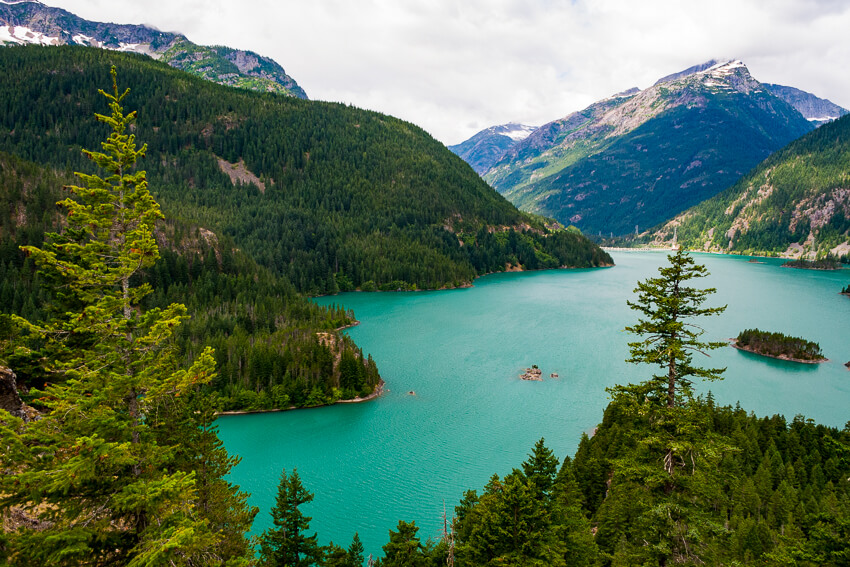
This is Vancouver's undisputed crown jewel. The city seamlessly blends urban living with dramatic natural beauty. Stanley Park, a massive urban rainforest park, is literally adjacent to downtown, offering miles of seawall paths for walking and biking, and stunning views. Within a 30-minute drive, you can be hiking up Grouse Mountain or riding its Skyride ($70-80 CAD return) for panoramic views and winter sports. The North Shore mountains provide endless trails. You can go kayaking, paddleboarding, or whale watching right from the city's doorstep. Seattle has fantastic urban parks like Discovery Park and Kerry Park (iconic Space Needle views), and Gas Works Park (unique skyline views), but its truly epic nature requires a bit more effort. Olympic National Park (rainforests, beaches) is a 2-3 hour drive/ferry, and Mount Rainier National Park is 2-3 hours away. "Vancouver feels like the mountains and ocean are hugging the city. Seattle has great parks, but for actual 'epic nature' you have to drive a bit more." — r/travel. If you're coming for the great outdoors, Vancouver is hard to beat.
Winner takeaway
- Winner: Vancouver
- Why: Vancouver offers unparalleled and immediate access to world-class natural landscapes, including mountains, rainforests, and the ocean, directly within and surrounding the city limits.
- Who this matters for: Outdoor enthusiasts, hikers, cyclists, skiers, and anyone who wants majestic natural beauty as a constant backdrop to their urban adventure.
🏛️ Culture & Attractions
Seattle wins here for its unique blend of iconic landmarks, rich music history, tech innovation, and genuinely quirky neighborhood vibes. Of course, there's the Space Needle ($35-40 USD) and Pike Place Market, but delve deeper and you'll find the Museum of Pop Culture (MoPOP, $30-35 USD) celebrating music and sci-fi, the unique troll under the Fremont Bridge, and the bohemian shops of Ballard. The city has a distinct character shaped by grunge music, coffee culture, and tech giants. Vancouver's cultural scene is more polished and globally influenced. Attractions include the Vancouver Art Gallery ($24-30 CAD), the Museum of Anthropology (UBC, $15-20 CAD) showcasing First Nations art, and the historic charm of Gastown. While beautiful, it often feels a bit less distinct than Seattle's vibrant personality. "Seattle just has more 'soul' – you feel the history of grunge, the tech boom, and all the weirdness. Vancouver is pretty, but a bit more generic museum-wise for me." — r/solotravel. Seattle’s neighborhoods each have a strong, individual identity, making exploration feel more like discovery.
Winner takeaway
- Winner: Seattle
- Why: Seattle offers a more distinct and eclectic cultural experience, blending iconic landmarks with a rich history in music, tech, and unique neighborhood characters that feel more 'lived-in.'
- Who this matters for: Travelers who love exploring diverse neighborhoods, appreciate music and tech history, and seek a city with a strong, individual personality.
🚗 Day Trips
Both cities are phenomenal launchpads for incredible day trips, making this a tough call. From Seattle, you're within a 2-3 hour drive of two majestic National Parks: Olympic (rainforests, rugged coastlines) and Mount Rainier (glaciers, alpine meadows). The San Juan Islands (ferry from Anacortes, ~1.5 hours + ferry time) offer whale watching and charming island towns. The Bavarian-themed village of Leavenworth is also a popular seasonal getaway (~2 hours drive). From Vancouver, the options are equally enticing. Whistler Blackcomb, a world-class ski resort and mountain biking mecca, is only a 1.5-2 hour drive up the scenic Sea-to-Sky Highway. Squamish offers incredible hiking and climbing (Stawamus Chief). Bowen Island (20-min ferry from Horseshoe Bay) provides a quick, serene island escape. Both cities also offer easy access to Victoria, BC (ferry from Seattle or Tsawwassen near Vancouver, ~3 hours total) for a charming British-inspired experience. "Honestly, you can't go wrong. Seattle has the national parks, Vancouver has Whistler and more accessible coastal trips. Pick your poison!" — r/PacificNorthwest. The choice really depends on what kind of natural adventure you're craving.
Winner takeaway
- Winner: Tie
- Why: Both cities provide excellent and diverse options for spectacular day trips, ranging from national parks and mountains to islands and charming small towns, catering to different interests.
- Who this matters for: Travelers who want to use a city as a base to explore the wider natural and cultural wonders of the region, seeking both urban and outdoor adventures.
☔ Weather & Seasons
Let's be real, you're coming to the Pacific Northwest, so expect rain, especially from October to June. However, both cities experience beautiful, warm, and relatively dry summers (July-September) with long daylight hours – these are truly glorious. Temperatures average 70-80°F (21-27°C) in summer. Winter in both is mild but perpetually grey and damp. Vancouver generally gets slightly milder winters with less snow accumulation in the city proper, though the nearby mountains get plenty. Seattle can occasionally get a cold snap and some city snow, but it rarely lasts. The 'Seattle Freeze' is more about the social climate than actual temperature. Spring and Fall are transitions, offering fewer crowds but still plenty of rain chances. "Everyone talks about the rain, but PNW summers are seriously underrated. Both cities are amazing then. Winter is just... grey. Vancouver's mildness is nice, but it's still wet." — r/travel. Ultimately, your experience will largely depend on *when* you visit, as summer is universally fantastic in both.
Winner takeaway
- Winner: Tie
- Why: Both cities share very similar weather patterns characteristic of the Pacific Northwest, with mild, wet winters and gorgeous, dry summers, making it hard to declare one definitively 'better.'
- Who this matters for: Anyone sensitive to weather; summer is the clear winner for both, while those who don't mind grey skies will find beauty in the other seasons.
🚨 Safety & Vibe
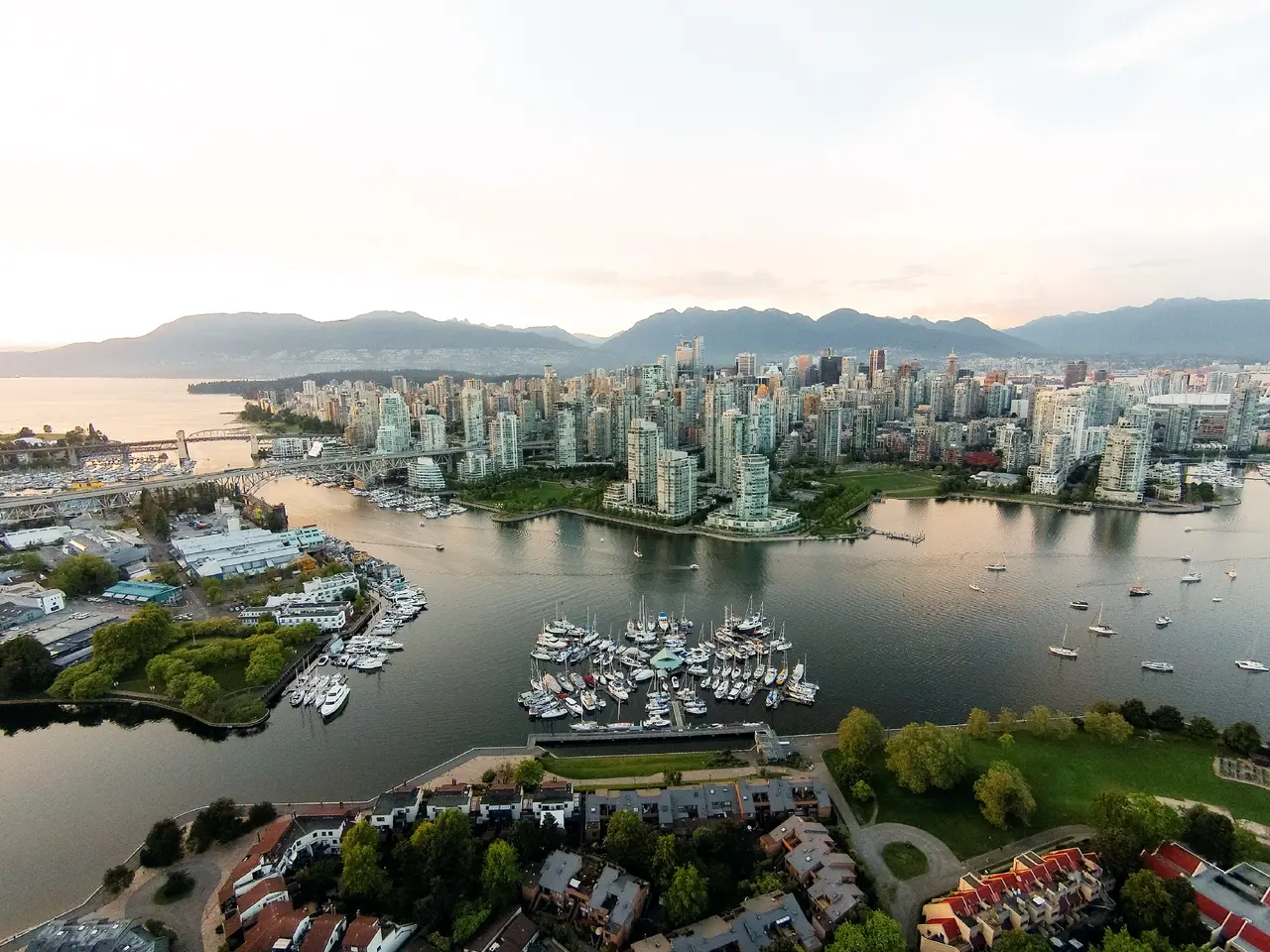
Vancouver generally feels safer and more polished, earning it the win here, though both cities have their challenges. Vancouver's downtown core, Gastown, Yaletown, and West End feel clean and very safe, even at night. Like any major city, there's visible homelessness, particularly in the Downtown Eastside, but it's generally more contained. The vibe is decidedly cosmopolitan, multicultural, and polite, with a strong emphasis on outdoor living. Seattle, while generally safe for tourists, has a grittier edge. Areas like Pioneer Square and parts of downtown can feel less comfortable at night due to visible drug use and homelessness. Neighborhoods like Capitol Hill, Ballard, and Fremont are very safe and vibrant. The vibe is a unique blend of tech innovation, indie culture, and a 'keep Seattle weird' mentality. Locals are friendly but can sometimes be perceived as reserved (the 'Seattle Freeze'). "Vancouver feels really clean and welcoming, almost European. Seattle is cooler, but you definitely need to be more aware of your surroundings downtown, especially after dark." — r/solotravel. For a generally more relaxed and overtly safe feeling, Vancouver takes it.
Winner takeaway
- Winner: Vancouver
- Why: Vancouver generally feels cleaner, more polished, and objectively safer for visitors, with a consistently welcoming and cosmopolitan atmosphere throughout its main tourist areas.
- Who this matters for: Solo travelers, families, or anyone prioritizing a very safe, clean, and overtly friendly urban environment for their trip.
❓ Frequently Asked Questions
Which city is better for a first-time visitor to the Pacific Northwest?
For a first-timer, Vancouver often provides a more immediate 'wow' factor with its stunning natural backdrop right against the city. It's incredibly easy to navigate with excellent public transport, and its clean, modern feel is very welcoming. However, Seattle offers a more unique and eclectic urban experience with its distinct neighborhoods and cultural history. If nature is paramount, pick Vancouver; if urban exploration and unique culture are key, pick Seattle.
Can I easily travel between Seattle and Vancouver?
Absolutely! Travel between Seattle and Vancouver is very straightforward. You can fly with a quick ~1-hour flight (e.g., Alaska Airlines or Air Canada), take the scenic Amtrak Cascades train (~4 hours) which offers beautiful coastal views, or drive (~3-4 hours, depending on border wait times and traffic). The border crossing is typically smooth for tourists with valid passports.
Is one city significantly more expensive than the other?
Both cities are known for being relatively expensive. Generally, Vancouver tends to be slightly pricier for accommodation and major attractions, though the favorable CAD to USD exchange rate can somewhat offset this for US travelers. Seattle can be expensive for hotels, but food and local transport often offer slightly better value. Budgeting $150-250 USD per person per day for mid-range travel is a good starting point for either.
Which city has better food options for specific diets (vegetarian, gluten-free)?
Both cities are incredibly progressive and offer excellent options for specific dietary needs. Vancouver's strong Asian influence means a plethora of vegetarian and vegan spots, especially with its plant-based focus. Seattle, with its emphasis on fresh, local, and organic produce, also excels. You'll find it easy to find gluten-free, vegetarian, or vegan options at most restaurants in either city, especially in trendier neighborhoods like Capitol Hill (Seattle) or Kitsilano (Vancouver).
What's the best time of year to visit both cities?
Hands down, late June through early September offers the best weather for both cities. You'll experience warm, sunny, and dry days with long daylight hours, perfect for outdoor activities and city exploration. Spring (April-May) and Fall (October) are also pleasant with fewer crowds but come with a higher chance of rain. Winter is mild but often grey and damp, though it's prime for skiing near Vancouver (Whistler).
Is driving necessary to explore these cities?
No, driving is not necessary, and often discouraged, especially in the city centers due to traffic and expensive parking. Both Seattle and Vancouver have excellent public transportation systems that can get you to most major attractions. For day trips outside the city, you can often find tours, or consider renting a car for just a day or two rather than your entire trip.
Which city has better art and museum scenes?
Seattle offers a more eclectic and diverse museum scene, with the iconic Museum of Pop Culture (MoPOP), the Seattle Art Museum (SAM), and quirky spots like the Museum of History & Industry (MOHAI). Vancouver boasts the Vancouver Art Gallery and the exceptional Museum of Anthropology at UBC, focusing heavily on First Nations art and cultural artifacts. Your preference will depend on whether you lean towards modern/pop culture and diverse themes (Seattle) or fine art and indigenous heritage (Vancouver).
Are there any significant differences in accessibility for travelers with mobility issues?
Both cities generally have good infrastructure for accessibility, but Vancouver often feels slightly more accessible due to its newer public transit (SkyTrain is fully accessible) and wider, flatter sidewalks in many core areas. Seattle's Link Light Rail is accessible, but some older parts of the city and its hilly terrain in certain neighborhoods can pose challenges. Always check specific attraction websites for their accessibility information before visiting.
Ready to plan your Pacific Northwest trip?
Get a free custom itinerary for Seattle, Vancouver, or both — built from real traveler insights.
🎟️ Book Tours & Experiences
Hand-picked tours and activities for both destinations — book with free cancellation
Experiences via Viator — free cancellation on most tours