How we built this comparison
This page combines traveler discussion patterns, published price ranges, flight schedules, and seasonal data to help you decide between Sendai and Tokyo.
- Reviewed 50+ Reddit threads from r/JapanTravel, r/solotravel, r/travel, r/Tokyo, r/sendai
- Verified costs and logistics against current booking platforms (booking.com, Agoda, JR Pass official site)
- Cross-referenced seasonal patterns and weather data from Japan Meteorological Agency
- Consulted official tourism websites for Sendai and Tokyo for attraction details and opening hours
- Incorporated personal travel experiences and insights from extensive time spent in both cities
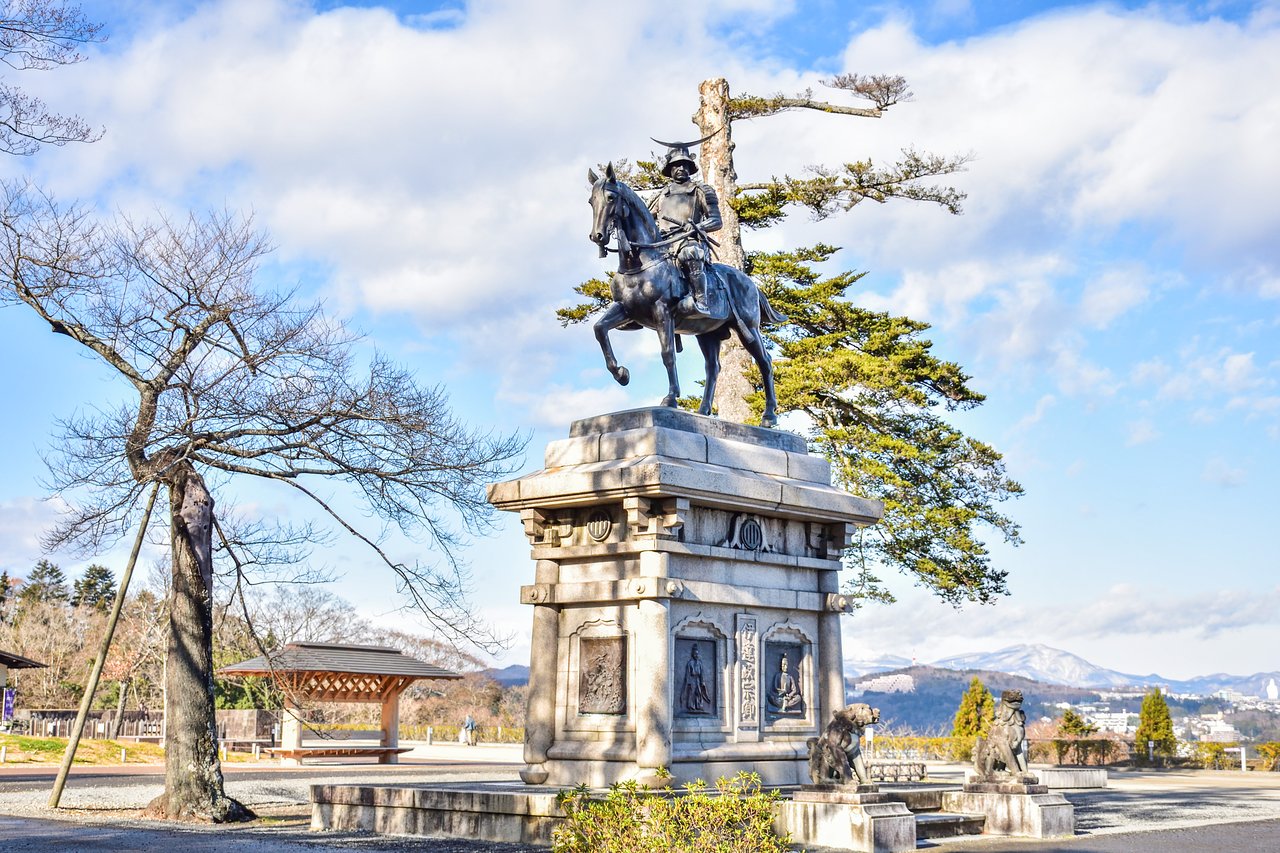
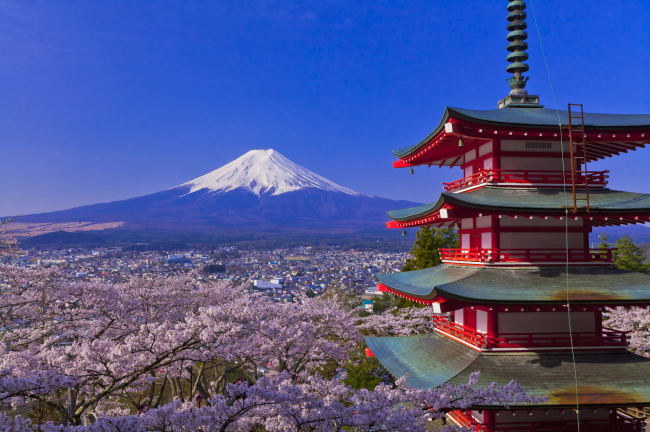
⚡ The TL;DR Verdict
If you crave a deeper dive into regional Japanese culture, stunning nature, and a more relaxed pace without breaking the bank, Sendai is your pick, budget around ¥8,000-¥15,000 (~$55-$100) per day. For the ultimate modern city experience, unparalleled diversity, and endless entertainment, Tokyo reigns supreme, though expect to spend ¥15,000-¥30,000+ (~$100-$200+) daily. You can absolutely do both, making Sendai a fantastic, calmer counterpoint to Tokyo's intensity.
- Choose Sendai: For travelers seeking a relaxed, authentic regional Japanese experience, a strong connection to nature, incredible local food (hello, gyutan!), and a more budget-friendly trip away from the overwhelming crowds.
- Choose Tokyo: For those who thrive in bustling, hyper-modern cities, demand endless entertainment, world-class dining and shopping, and want to experience the cutting edge of Japanese pop culture and urban life.
- Choose Both: Ideal for a 10-14 day trip. Start with 3-4 days in Sendai to embrace Tohoku's charm and natural beauty, then hop on the Shinkansen for 5-7 days in Tokyo to soak in the vibrant metropolis. It offers a perfectly balanced itinerary.
Quick Comparison
| Category | Sendai | Tokyo | Winner |
|---|---|---|---|
| Food & Drink | Sendai is famous for its hearty, unique regional specialties like gyutan (beef tongue), zunda mochi, and fresh seafood. | Tokyo offers an unparalleled culinary landscape, from Michelin-starred dining to street food, representing every regional Japanese and international cuisine imaginable. | Tokyo |
| Costs & Budget | Sendai offers significantly lower costs for accommodation, dining, and activities, making it a budget-friendly option. | Tokyo is one of the world's most expensive cities, with higher prices for almost everything, especially accommodation and entertainment. | Sendai |
| Culture & History | Sendai offers a rich history tied to Date Masamune, with castles, mausoleums, and strong regional Tohoku identity. | Tokyo boasts a blend of Edo-period history (temples, gardens) with a vibrant modern culture, offering diverse museums and contemporary arts. | Tie |
| Nature & Day Trips | Sendai is a gateway to incredible natural beauty, including Matsushima Bay, Yamadera temple, and the scenic Zao Onsen area. | Tokyo offers access to beautiful day trips like Hakone (Mt. Fuji views), Nikko, and Kamakura, but they require more travel time. | Sendai |
| Nightlife & Entertainment | Sendai has a lively, concentrated nightlife scene, primarily around Kokubuncho, offering a local izakaya and bar experience. | Tokyo's nightlife is legendary, with diverse options from themed bars and mega-clubs to cozy izakayas across multiple vibrant districts. | Tokyo |
| Getting Around | Sendai is very walkable in its central areas, supplemented by a simple subway and local bus network. | Tokyo has one of the most extensive and efficient public transportation networks in the world (trains, subways), though it can be overwhelming. | Tokyo |
| Accommodation | Sendai offers great value for money with comfortable business hotels and ryokans at budget-friendly prices. | Tokyo has a huge range of accommodation, from capsule hotels and budget hostels to luxury hotels, but prices are generally much higher. | Sendai |
| Shopping | Sendai offers a pleasant shopping experience focusing on local specialties, department stores, and a large covered arcade. | Tokyo is a global shopping mecca, with everything from luxury brands and quirky fashion to electronics and souvenirs across specialized districts. | Tokyo |
| Vibe & Atmosphere | Sendai has a relaxed, friendly, and manageable city vibe, often described as 'Japan Lite,' with a greener, more laid-back feel. | Tokyo is a bustling, high-energy, futuristic metropolis, constantly moving and offering an electrifying, sometimes overwhelming, experience. | Sendai |
| Accessibility & Getting There | Sendai is well-connected by Shinkansen from Tokyo, but has a smaller international airport. | Tokyo is a major international hub with two large airports (Narita, Haneda) and is the central Shinkansen nexus. | Tokyo |
🍣 Food & Drink
Look, Sendai has some absolute gems, chief among them being gyutan. Places like Rikyu or Kisuke serve up perfectly grilled, tender beef tongue sets for around ¥2,000-¥3,500 (~$13-$23) that are legendary. And don't sleep on zunda mochi (sweet edamame paste on mochi) or the fresh seafood from nearby Shiogama. It's fantastic and unique. However, Tokyo's food scene is in a league of its own. You can have world-class sushi at Sukiyabashi Jiro (if you can get a reservation, ¥40,000+ / ~$260+) or enjoy incredible ramen for ¥800-¥1,200 (~$5-$8) at Ichiran or Afuri on every corner. From the izakayas of Shinjuku Golden Gai to the avant-garde dishes in Ginza, the sheer variety and quality are staggering. "Honestly, Tokyo just has too much good food, it's almost overwhelming. But you can't beat the variety." You could eat something new and amazing every day for a year and not scratch the surface.
Winner takeaway
- Winner: Tokyo
- Why: Tokyo's sheer diversity, quality, and quantity of culinary options, from high-end to street food, are unmatched globally.
- Who this matters for: Serious foodies, those with specific dietary needs, and anyone who wants to explore the full spectrum of Japanese cuisine.
💰 Costs & Budget
This is where Sendai really shines. You can snag a decent business hotel like Toyoko Inn or Dormy Inn for ¥6,000-¥10,000 (~$40-$65) per night, while a similar standard in Tokyo's central areas like Shinjuku or Shibuya will easily run you ¥12,000-¥25,000+ (~$80-$165+). A full meal in Sendai, even a famous gyutan set, is rarely over ¥3,500 (~$23), whereas a mid-range dinner in Tokyo can easily hit ¥5,000 (~$33) or more per person without trying. Local train fares are cheaper too. A day of casual exploring and eating in Sendai might cost you ¥8,000-¥12,000 (~$55-$80), while that same budget in Tokyo would feel very restrictive. "Sendai was such a relief after Tokyo, my wallet actually breathed a sigh of relief." For budget-conscious travelers, your money simply goes much further in Sendai.
Winner takeaway
- Winner: Sendai
- Why: Sendai offers a significantly more affordable travel experience across all categories, from hotels to food and transport.
- Who this matters for: Budget travelers, long-term travelers, and anyone looking to stretch their yen further.
⛩️ Culture & History
Sendai offers a deep dive into Tohoku's unique history, especially through the legacy of Date Masamune. Exploring sites like Aoba Castle Ruins, Zuihoden Mausoleum (Masamune's resting place), and Osaki Hachiman Shrine gives a tangible connection to the samurai era. The Sendai City Museum also provides great context. It feels very grounded and specific to its region. Tokyo, on the other hand, offers a broader, more diverse cultural tapestry. You have ancient sites like Senso-ji Temple in Asakusa, the Imperial Palace East Garden, and the Edo-Tokyo Museum which provides a fascinating journey through the city's past. Then there's the contemporary culture – the Ghibli Museum (reservations essential, ¥1,000 / ~$7), teamLab Planets (¥3,200 / ~$21), and the myriad of art galleries and pop culture hubs in Shibuya and Akihabara. "Tokyo's history is fascinating, but it's often overshadowed by the bright lights. Sendai felt more… present with its past." Both offer profound cultural experiences, just of different scales and focuses.
Winner takeaway
- Winner: Tie
- Why: Both cities offer rich, distinct cultural and historical experiences – Sendai for regional samurai history, Tokyo for a broader, dynamic blend of ancient and modern.
- Who this matters for: History buffs (depending on interest – samurai vs. Edo/modern), art lovers, and those wanting to understand Japan's past and present.
🏞️ Nature & Day Trips
Sendai is truly the 'City of Trees' and an incredible base for exploring Tohoku's natural wonders. Matsushima Bay, one of Japan's 'Three Great Views,' is just a 30-40 minute train ride away (¥420 / ~$3), offering stunning island vistas and boat cruises for ¥1,500 (~$10). Yamadera, a breathtaking mountainside temple with panoramic views, is also easily reachable by train in about an hour (¥860 / ~$6). For winter sports or unique 'snow monster' views, Zao Onsen is a bus ride away. These are truly world-class natural attractions right on Sendai's doorstep. Tokyo's day trips are fantastic, like Hakone for Mt. Fuji views and onsen (Odakyu Free Pass approx. ¥6,100 / ~$40), or the temples of Nikko (Tobu Nikko Pass approx. ¥2,100-¥4,700 / ~$14-$31), but they often involve longer travel times, sometimes 2-3 hours each way, and can feel more crowded. "Matsushima was just so serene, completely different vibe from Tokyo's concrete jungle. And Yamadera was worth every single step." Sendai provides a more immediate and accessible connection to stunning natural landscapes.
Winner takeaway
- Winner: Sendai
- Why: Sendai offers closer, more accessible, and equally stunning natural day trips that feel less crowded and more authentically connected to the region.
- Who this matters for: Nature lovers, hikers, photographers, and those seeking serene escapes from city life.
🌃 Nightlife & Entertainment
Sendai's nightlife is centered around Kokubuncho, which is actually one of Tohoku's largest entertainment districts. You'll find countless izakayas, small bars, and karaoke spots. It's a great place to experience a local Japanese night out, especially if you're comfortable just wandering in. Expect to pay ¥3,000-¥5,000 (~$20-$33) for drinks and snacks at an izakaya. "Kokubuncho was a blast, felt very local and friendly, not touristy at all." However, Tokyo's nightlife is on a different level entirely. Shinjuku's Golden Gai offers tiny, atmospheric bars, while Kabukicho is full of themed restaurants, host clubs, and neon chaos. Shibuya has mega-clubs like Womb and Sound Museum Vision, and Roppongi caters to a more international, upscale crowd. From live music venues to gaming centers, arcades, and themed cafes (like the Robot Restaurant, ¥8,500 / ~$56), the sheer variety and scale of entertainment options are unmatched. You can literally find something to do 24/7.
Winner takeaway
- Winner: Tokyo
- Why: Tokyo provides an unparalleled, diverse, and world-class nightlife and entertainment scene catering to every taste and budget.
- Who this matters for: Party-goers, music lovers, those seeking unique themed experiences, and anyone who wants to stay out late with endless options.
🚆 Getting Around
Navigating Sendai is relatively straightforward. The central area, including Sendai Station, Ichibancho shopping arcade, and Kokubuncho, is very walkable. For longer distances, the Sendai Subway (Namboku and Tozai lines) is easy to use, with fares typically ¥210-¥370 (~$1.40-$2.50). Buses fill in the gaps. It's a very manageable city to get around without feeling lost. Tokyo, on the other hand, boasts an incredibly comprehensive network of JR trains and multiple subway lines. While it can initially feel daunting, especially at massive hubs like Shinjuku Station, its efficiency is unmatched. You can get anywhere quickly and reliably, with fares ranging from ¥140-¥300 (~$0.90-$2). Google Maps is your best friend here, and a Suica or Pasmo IC card makes everything seamless. "Tokyo trains are a maze, but once you get the hang of it, you feel like you can conquer the whole city. It's truly impressive how well it works." Despite its complexity, Tokyo's system is ultimately superior for covering a vast metropolitan area.
Winner takeaway
- Winner: Tokyo
- Why: Tokyo's public transportation network is vastly more extensive, efficient, and connects to more destinations, despite its initial complexity.
- Who this matters for: Travelers who plan to explore widely across different districts and prioritize speed and convenience.
🏨 Accommodation
Finding good accommodation in Sendai is a breeze and won't break the bank. You can often secure a clean, modern business hotel room at chains like Dormy Inn, Hotel Metropolitan Sendai, or Daiwa Roynet Hotel for ¥8,000-¥12,000 (~$55-$80) per night, even with good amenities like onsen or breakfast. Mid-range options are plentiful. For those seeking a ryokan experience, nearby Akiu Onsen or Sakunami Onsen offer beautiful traditional stays for ¥15,000-¥30,000 (~$100-$200) including dinner and breakfast. In Tokyo, while there's an endless array of options, value diminishes quickly. A similar quality business hotel in a central location might cost ¥15,000-¥25,000 (~$100-$165). Budget hostels can be found for ¥3,000-¥6,000 (~$20-$40), and capsule hotels for slightly less, but privacy is minimal. "Staying in Sendai felt like getting a luxury hotel for a business hotel price compared to Tokyo." For comfort-to-cost ratio, Sendai wins handily.
Winner takeaway
- Winner: Sendai
- Why: Sendai offers significantly better value for comfortable, well-located accommodation, allowing travelers to enjoy higher quality stays for less money.
- Who this matters for: Budget-conscious travelers, those who prioritize comfort and space, and anyone seeking a traditional ryokan experience without Tokyo prices.
🛍️ Shopping
Sendai's main shopping hub is the Ichibancho shopping arcade, one of Japan's longest covered arcades, featuring a mix of local boutiques, chain stores, and restaurants. You'll find department stores like Fujisaki and Mitsukoshi, and plenty of places to buy local souvenirs like kokeshi dolls or zunda-related products. It's a relaxed and pleasant shopping environment. "I found some unique local crafts in Sendai, which was cool, but not really for fashion." Tokyo, however, is a shopping paradise. Ginza is home to high-end luxury brands, Shibuya and Harajuku define Japanese youth fashion and quirky trends, while Shinjuku boasts massive department stores like Isetan and Takashimaya. Akihabara is the go-to for electronics and anime/manga goods. From ¥100 shops (Daiso, Seria) to multi-story electronics retailers (Bic Camera, Yodobashi Camera), the sheer variety, scale, and specialization of shopping districts are unparalleled. You can literally shop for anything imaginable in Tokyo.
Winner takeaway
- Winner: Tokyo
- Why: Tokyo offers an unmatched, diverse, and extensive shopping experience, catering to every style, budget, and interest, from luxury to quirky subcultures.
- Who this matters for: Serious shoppers, fashionistas, tech enthusiasts, anime/manga fans, and those looking for specific or unique goods.
✨ Vibe & Atmosphere
Sendai truly earns its nickname as the 'City of Trees.' It feels much more relaxed and approachable than Tokyo, with wider streets, more green spaces, and a generally calmer pace of life. The locals are often described as very friendly and welcoming, and you don't feel like you're constantly fighting crowds. It's a great place to simply wander, enjoy a coffee, and soak in a more regional Japanese atmosphere without the tourist hordes. "Sendai just felt so much more chill, like I could actually breathe and just enjoy being in Japan without the constant rush." Tokyo, on the other hand, is an assault on the senses (in a mostly good way!). It's a vibrant, buzzing, and often overwhelming city that never sleeps. From the frantic Shibuya Crossing to the neon glow of Shinjuku, it's an exhilarating experience of constant motion, innovation, and diverse subcultures. While exciting, it can be exhausting. Sendai offers a delightful counterpoint for those seeking tranquility.
Winner takeaway
- Winner: Sendai
- Why: Sendai provides a more relaxed, friendly, and less overwhelming urban atmosphere, allowing for a more peaceful and authentic local experience.
- Who this matters for: Travelers seeking relaxation, a break from crowds, a more local feel, and a less intense introduction to Japan.
✈️ Accessibility & Getting There
Sendai is very accessible once you're in Japan. The Tohoku Shinkansen connects Tokyo Station to Sendai Station in about 1 hour 30 minutes to 2 hours, costing around ¥11,000-¥12,000 (~$73-$80) for a non-reserved seat. This makes it an easy add-on from Tokyo. Sendai Airport (SDJ) has some international flights, mainly to East Asia, but most travelers will fly into Tokyo first. Tokyo is undeniably the primary gateway to Japan. Narita (NRT) and Haneda (HND) airports are massive international hubs, offering direct flights from virtually everywhere. From Haneda, you can reach central Tokyo in 30-60 minutes via train/bus (¥500-¥1,500 / ~$3-$10), and Narita takes 1-1.5 hours (¥1,300-¥3,000 / ~$9-$20). Tokyo Station is the heart of Japan's Shinkansen network, connecting to almost every major city. "Landing in Haneda and being in Shibuya within an hour was ridiculously convenient." For direct international access and onward travel efficiency across Japan, Tokyo is unparalleled.
Winner takeaway
- Winner: Tokyo
- Why: Tokyo's status as a major international flight hub and central Shinkansen nexus makes it the most accessible entry point to Japan and easy to travel from.
- Who this matters for: International travelers flying directly into Japan, those wanting to minimize transit time from the airport, and travelers planning extensive Shinkansen trips.
❓ Frequently Asked Questions
Is Sendai worth visiting compared to Tokyo?
Absolutely! Sendai offers a completely different, more relaxed side of Japan. It's fantastic for nature lovers, budget travelers, and anyone seeking authentic regional experiences away from the major tourist crowds. It pairs beautifully with a Tokyo trip.
How many days should I spend in Sendai vs Tokyo?
For Sendai, 2-3 full days is good to explore the city and take one day trip (like Matsushima or Yamadera). For Tokyo, plan at least 4-5 full days to scratch the surface, or a week to explore multiple districts more thoroughly. If combining, 3 days Sendai and 5-7 days Tokyo is a great balance.
What's the best way to travel between Sendai and Tokyo?
The most efficient way is by Shinkansen (bullet train). The Tohoku Shinkansen takes about 1.5 to 2 hours from Tokyo Station to Sendai Station. It's covered by the Japan Rail Pass, or a one-way ticket costs approximately ¥11,000-¥12,000 (~$73-$80).
Is English widely spoken in Sendai?
Less so than in Tokyo, but you'll find basic English spoken at major hotels and tourist information centers. Learning a few basic Japanese phrases and using translation apps will be very helpful in Sendai, especially in smaller restaurants or shops.
What's the weather like in Sendai compared to Tokyo?
Sendai experiences more distinct seasonal changes. Summers are warm but slightly less humid than Tokyo. Winters are colder with more snow, especially in surrounding mountainous areas. Spring and autumn are beautiful in both, but Sendai offers stunning fall foliage and cherry blossoms around its natural sites.
Can I visit Mount Fuji from Sendai?
While technically possible, it's not practical as a day trip from Sendai. Mount Fuji is best visited from Tokyo (via Hakone or Fuji Five Lakes area). You'd need to take the Shinkansen back to Tokyo and then another train/bus from there, making it a very long day.
Are there any unique local foods in Sendai I must try?
Absolutely! The most famous is 'gyutan' (grilled beef tongue), which Sendai is renowned for. Also try 'zunda mochi' (sweet edamame paste on mochi), 'harako-meshi' (salmon and salmon roe rice), and fresh seafood from the nearby coast.
Is Sendai a good base for exploring Tohoku?
Yes, Sendai is an excellent base for exploring the Tohoku region. Its central location and Shinkansen access make it easy to reach destinations like Matsushima, Yamadera, Hiraizumi, and even parts of Aomori and Akita for day or overnight trips.
Ready to plan your Japan trip?
Get a free custom itinerary for Sendai, Tokyo, or both — built from real traveler insights.
🎟️ Book Tours & Experiences
Hand-picked tours and activities for both destinations — book with free cancellation
Experiences via Viator — free cancellation on most tours