How we built this comparison
This page combines traveler discussion patterns, published price ranges, flight schedules, and seasonal data to help you decide between Senegal and Ghana.
- Reviewed 100+ Reddit threads from r/travel, r/solotravel, r/senegal, r/ghana, and r/africa for real traveler experiences and advice.
- Verified costs and logistics against current booking platforms like Booking.com, Google Flights, and local transportation sites.
- Cross-referenced seasonal patterns, weather data, and official travel advisories from government sources.
⚡ The TL;DR Verdict
For first-time West Africa travelers craving accessible culture, vibrant nightlife, and a slightly more developed tourist infrastructure, Ghana is your pick, budget around $60-100/day. If you're a seasoned adventurer seeking raw, authentic experiences, incredible music, and a strong French-African vibe, Senegal offers deeper immersion for $50-90/day, albeit with more logistical challenges.
- Choose Senegal: Choose Senegal if you want a more 'off-the-beaten-path' feel, are comfortable with French, love Mbalax music, and want to explore the Sahelian landscapes and historic islands with fewer Western tourists.
- Choose Ghana: Opt for Ghana if you prefer English-speaking countries, crave lively beach parties, readily available amenities, a strong sense of Pan-African history, and a generally easier travel experience.
- Choose Both: If you have 3+ weeks and an adventurous spirit, doing both provides an incredible West African deep dive. Start in Senegal for its unique charm, then fly to Ghana for a different energy, or vice-versa, allowing at least 10 days per country.
Quick Comparison
| Category | Senegal | Ghana | Winner |
|---|---|---|---|
| Costs & Budget | Generally cheaper for local transport, food, and basic guesthouses. More room for budget travel if you avoid tourist traps. | Slightly pricier overall, especially for accommodation and imported goods. Tourist activities can add up quickly. | Senegal |
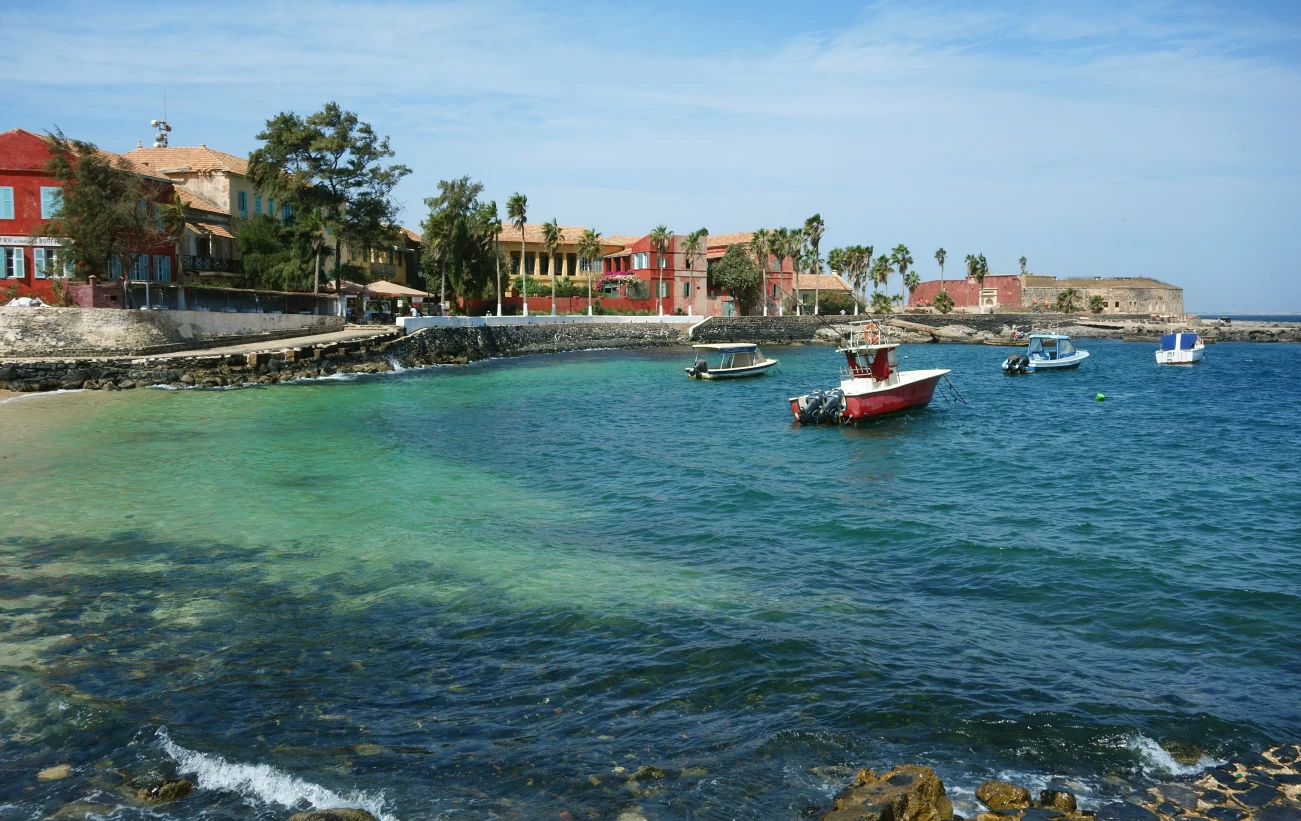
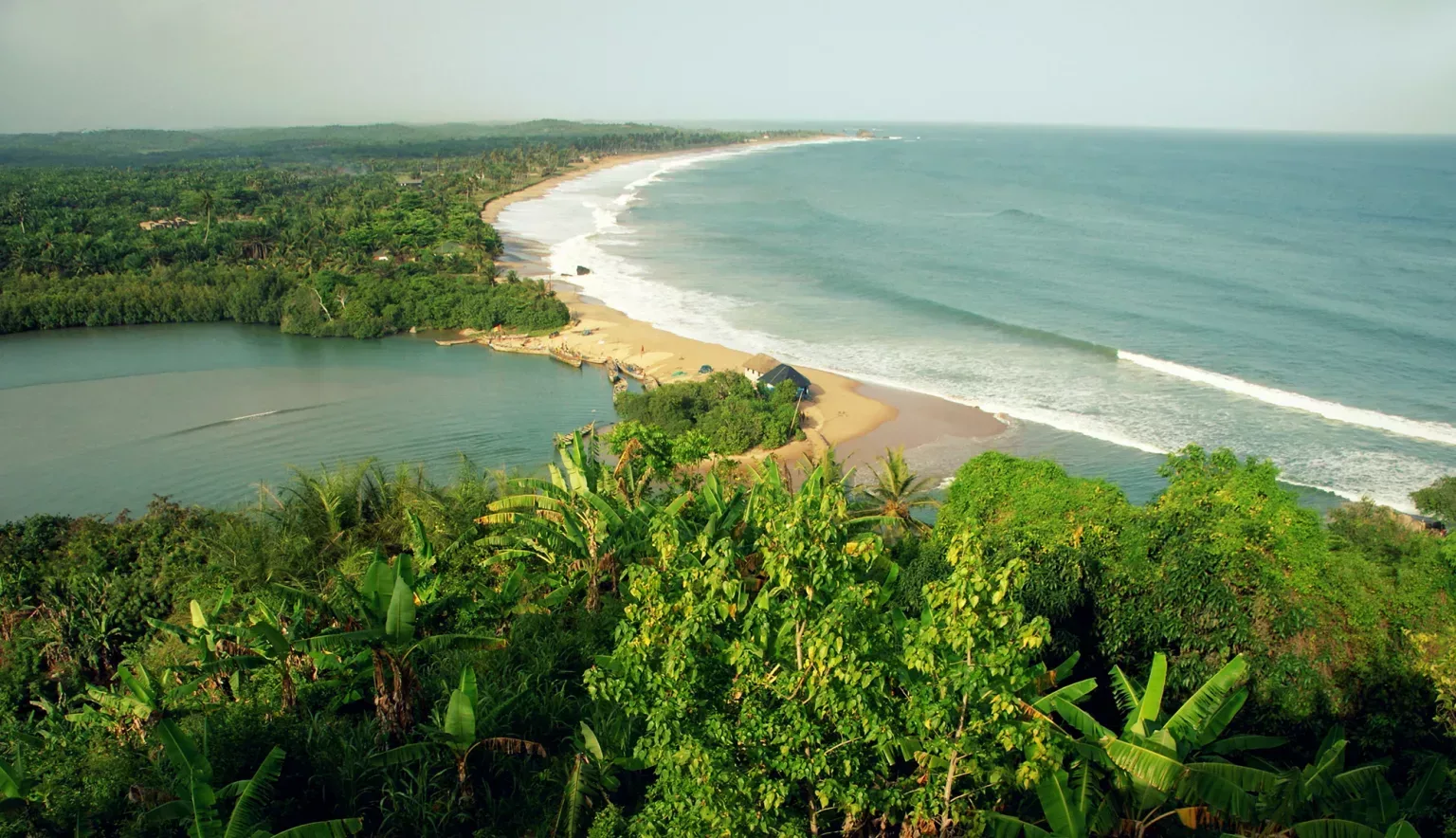
| Beaches & Coastline | Long, wild, and less crowded beaches, often with strong currents. Ile de Gorée offers historical context, Popenguine a relaxed vibe. | More developed beach scene, vibrant parties, and safer swimming in some areas. Bustling spots like Labadi and quieter havens like Busua. | Ghana |
| Culture & History | Rich Wolof, Fula, and Serer cultures, strong French influence, Sufi Islam, and the poignant history of Gorée Island. | Deep Pan-African identity, Ashanti Kingdom heritage, vibrant festivals, and crucial role in the Transatlantic Slave Trade (Cape Coast, Elmina). | Ghana |
| Food & Drink | Thieboudienne (fish and rice) is the national dish. Rich stews, fresh seafood, strong French baking influence, Bissap juice. | Jollof rice (a contentious topic!), Fufu, Kenkey, groundnut soup, grilled tilapia. Very diverse street food and pepper-heavy dishes. | Senegal |
| Nightlife & Entertainment | Live Mbalax music clubs, more intimate bars, and local celebrations. Dakar has a decent scene, but it's less overtly tourist-focused. | Bustling clubs, lively beach parties, live Afrobeats and Highlife music, and a very welcoming party atmosphere in Accra. | Ghana |
| Getting Around | Car rapides (local buses) and sept-places (shared taxis) are common. Roads outside Dakar can be rough. French is key for communication. | Tro-tros (shared minibuses) are ubiquitous. Ride-sharing apps (Uber, Bolt) are widely available in cities. Roads generally better, English spoken. | Ghana |
| Safety & Solo Travel | Generally safe, but petty crime exists in Dakar. French communication can be a barrier. Women may experience more unwanted attention. | Very welcoming, relatively low crime rates, especially outside major cities. English makes interactions easier. Solo female travel is manageable. | Ghana |
| Nature & Wildlife | Saloum Delta (mangroves, birdlife), Lac Rose, semi-desert landscapes, Fathala Wildlife Reserve for rhinos/giraffes. | Mole National Park (elephants, antelopes), Kakum National Park (canopy walk), lush rainforests, waterfalls. | Ghana |
| Accommodation | Good range of guesthouses and basic hotels, especially outside Dakar. Few international chains. Local charm but sometimes inconsistent amenities. | Wider range from budget hostels to mid-range hotels and some international chains in Accra. Generally higher standards of comfort for the price. | Ghana |
| Getting There (Flights) | Dakar (DSS) is a major hub for West Africa, good connections from Europe and some direct flights from the US. | Accra (ACC) is also a major hub, strong connections from Europe and increasingly direct flights from the US. | Tie |
💸 Costs & Budget
Senegal generally edges out Ghana on a shoestring budget, though both are affordable by Western standards. In Dakar, you can find a decent street meal for 1,000-2,500 XOF ($1.70-$4.20 USD) and a shared taxi (car rapide) across town for as little as 100-200 XOF ($0.17-$0.34). Basic guesthouses outside of Dakar's Plateau district might cost 10,000-20,000 XOF ($17-$34 USD). Ghana, on the other hand, sees street food around 10-25 GHS ($0.80-$2.00 USD), but mid-range meals are often 50-100 GHS ($4-$8 USD). Tro-tros (shared minibuses) are cheap, 5-15 GHS ($0.40-$1.20 USD) for inter-city, but private taxis are pricier. A clean, budget hotel in Accra typically starts around 150-250 GHS ($12-$20 USD). The difference becomes more pronounced with organized tours and higher-end dining. "I found my money stretched way further in Senegal, especially when eating local and using public transport. Ghana felt like I had to be a bit more mindful." – u/AfricaBound_23
Winner takeaway
- Winner: Senegal
- Why: Senegal offers a more budget-friendly experience for core travel expenses like food and transport, allowing your money to go further.
- Who this matters for: Budget travelers, backpackers, and those planning longer trips.
🏖️ Beaches & Coastline
Ghana takes the crown for its more user-friendly and diverse beach experiences. While Senegal boasts stunning, often deserted stretches like Plage de Toubab Dialaw or Saly, many have strong Atlantic currents making swimming risky. The beaches around Dakar, like those near Ngor Island, are beautiful but can be crowded. Ghana offers a fantastic mix: Labadi Beach in Accra is a lively weekend party spot with drumming and food vendors, while Kokrobite Beach (home to Big Milly's Backyard) is a backpacker institution known for its reggae nights. Further west, Busua Beach provides excellent surfing and a chill, idyllic atmosphere perfect for unwinding. You'll find more reliable infrastructure, beach bars, and a stronger surf culture in Ghana. "Ghana's beaches just hit different. From the Accra buzz to the chilled surf vibe in Busua, it's easy to find your perfect spot. Senegal's beaches are gorgeous but felt more for looking than swimming sometimes." – u/BeachBum_GH
Winner takeaway
- Winner: Ghana
- Why: Ghana's beaches offer a better combination of accessibility, safe swimming, vibrant atmosphere, and diverse options for different types of travelers.
- Who this matters for: Beach lovers, surfers, party-goers, and those seeking active beach experiences.
🗿 Culture & History
Both countries are steeped in history and culture, but Ghana's narrative, particularly regarding the Transatlantic Slave Trade, is more accessible and deeply impactful for many Western visitors. The slave castles at Cape Coast and Elmina are incredibly well-preserved and offer harrowing, essential insights. Beyond this, the legacy of the Ashanti Kingdom in Kumasi, with its traditional crafts and bustling markets, provides a fascinating look into pre-colonial power structures. Ghana's 'Year of Return' initiatives have also amplified its historical tourism. Senegal's Ile de Gorée is equally poignant for its 'Door of No Return,' but the broader cultural tapestry is more subtly integrated into daily life. The Sufi brotherhoods, the vibrant Mbalax music scene, and the distinct Wolof traditions are incredibly rich but require a bit more effort to truly understand. Senegal's history feels more internal, while Ghana has deliberately positioned itself as a major heritage tourism destination. "Walking through Elmina Castle just hit me differently. It’s hard to describe the weight of history there. Ghana really does a great job with its historical sites." – u/HistoryBuffAbroad
Winner takeaway
- Winner: Ghana
- Why: Ghana's historical sites, particularly the slave castles, offer a more direct and impactful historical narrative, complemented by a strong Pan-African identity.
- Who this matters for: History enthusiasts, those interested in the Transatlantic Slave Trade, and travelers seeking a strong connection to Pan-African heritage.
🍲 Food & Drink
This is a tough one, as both countries offer incredibly flavorful and diverse cuisines, but Senegal slightly edges it out for its unique blend and the sheer deliciousness of its national dish. Thieboudienne, a perfectly seasoned fish and rice dish with vegetables, is an absolute masterpiece – you'll find variations everywhere, from street stalls to upscale restaurants. Other staples include Yassa (chicken or fish with caramelized onions and lemon) and Mafe (peanut stew). The French influence also means fantastic bakeries (boulangeries) offering fresh baguettes and pastries. Ghana's food scene is equally vibrant, with its jollof rice (fiercely debated as better than Nigerian/Senegalese!), Fufu with various soups (groundnut, light soup), Kenkey, and excellent grilled tilapia. Accra has a more developed restaurant scene with international options. However, Senegal's staple dishes feel slightly more refined and globally appealing in their flavor profiles, and the fresh seafood is outstanding. "Honestly, the Thieboudienne in Senegal changed my life. Every single time it was incredible. Ghana's jollof is good, but Thieboudienne is on another level." – u/FoodieExplorer_SN
Winner takeaway
- Winner: Senegal
- Why: Senegal's national dishes, particularly Thieboudienne, are exceptionally flavorful and widely available, offering a culinary experience that feels distinct and satisfying.
- Who this matters for: Foodies, culinary adventurers, and those who appreciate fresh seafood and complex stews.
🕺 Nightlife & Entertainment
If you're looking to dance the night away, Ghana is the clear winner. Accra's nightlife is legendary, especially for Afrobeats and Highlife. Places like Bloombar, Twist, and the beach parties at Labadi or Kokrobite are packed on weekends, offering a vibrant, energetic atmosphere that spills out onto the streets. The music is pumping, people are friendly, and there's a strong culture of going out and having a good time. Senegal, particularly Dakar, has its own unique scene centered around Mbalax music. Clubs like Just 4 U or Penc Mi offer incredible live performances, but it's a more local and sometimes less tourist-friendly vibe than Accra. While there are bars and lounges, the sheer variety, energy, and ease of finding a party destination make Ghana superior for nightlife. "Ghana's nightlife is insane, in the best way. Accra just pulses with energy after dark. Every night was an adventure, from chill spots to packed clubs. Senegal was more low-key, still fun but different." – u/AccraNightsOut
Winner takeaway
- Winner: Ghana
- Why: Ghana boasts a more vibrant, diverse, and accessible nightlife scene, particularly in Accra, with a strong focus on Afrobeats and Highlife music.
- Who this matters for: Party-goers, music lovers (especially Afrobeats/Highlife), and those seeking lively social interactions.
🚌 Getting Around
Ghana offers a significantly smoother experience for getting around, especially for non-French speakers. The ubiquitous 'tro-tros' (shared minibuses) cover nearly every route, are very affordable (e.g., Accra to Cape Coast for 30-50 GHS / $2.40-$4.00 USD), and drivers often speak some English. Crucially, ride-sharing apps like Uber and Bolt are incredibly prevalent and reliable in Accra and Kumasi, making short hops easy and transparently priced. This dramatically reduces the hassle of negotiating fares. Senegal's 'car rapides' and 'sept-places' are equally widespread and cheap (e.g., Dakar to Toubab Dialaw for 1,500 XOF / $2.50 USD), but they can be more chaotic, and communication without French is a significant barrier. Roads outside major arteries can be rougher, and public transport generally feels less organized. Navigating taxi fares without local knowledge can be tricky. "Using Bolt in Accra was a godsend. So easy, no haggling, just smooth. In Dakar, I felt like I was constantly trying to communicate routes and prices in broken French, which was an adventure, but exhausting." – u/SoloTraveler_GH
Winner takeaway
- Winner: Ghana
- Why: Ghana's public transport, combined with the widespread availability of ride-sharing apps and English communication, makes getting around much easier and more predictable.
- Who this matters for: First-time travelers to West Africa, those who don't speak French, and travelers valuing convenience and transparent pricing.
🛡️ Safety & Solo Travel
Ghana is often cited as one of the safest and most welcoming countries in West Africa for travelers, especially solo adventurers. Petty crime exists in Accra, like anywhere, but serious incidents are rare. The prevalence of English makes it far easier to ask for directions, report issues, and connect with locals, which significantly enhances a sense of security. Solo female travelers generally report feeling comfortable, though usual precautions are always advised. In Senegal, while also generally safe, the language barrier (French vs. local languages) can sometimes lead to misunderstandings or make one feel more vulnerable. Dakar has higher rates of petty theft, and women, in particular, may experience more persistent catcalling or unwanted attention than in Ghana. The atmosphere feels a bit more intense for a first-timer. "As a solo female traveler, I felt incredibly safe and welcomed in Ghana. Everyone was so friendly and helpful, and speaking English made everything so much easier. Senegal was fine too, but definitely a bit more 'on guard' feeling." – u/WanderlustWoman_GH
Winner takeaway
- Winner: Ghana
- Why: Ghana's lower crime rates, welcoming atmosphere, and ease of communication in English contribute to a safer and more comfortable experience for solo travelers.
- Who this matters for: Solo travelers (especially solo females), first-time visitors to Africa, and those prioritizing personal safety and ease of interaction.
🐘 Nature & Wildlife
Ghana offers a more diverse and accessible range of nature and wildlife experiences. Mole National Park in the north is its flagship, providing fantastic walking safaris where you can get incredibly close to elephants, antelopes, and baboons. It's truly a unique experience to see elephants without a vehicle. Kakum National Park, with its thrilling canopy walkway through the rainforest, offers a different perspective and good birdwatching. Ghana also boasts numerous waterfalls like Boti Falls and the lush Volta Region. Senegal's natural beauty is different: the stunning, expansive Saloum Delta National Park is a UNESCO site perfect for birdwatching and exploring mangroves by pirogue. Lac Rose is unique for its pink hue and salt harvesting. Fathala Wildlife Reserve, while offering a chance to see rhinos and giraffes, is a fenced reserve and feels less wild. Overall, Ghana's national parks feel more developed for tourism and offer more iconic 'big game' encounters. "Mole National Park was unbelievable. We walked right up to elephants, it felt so natural and raw. Kakum canopy walk was awesome too. Senegal's nature was beautiful, but Ghana just had that extra punch for wildlife." – u/SafariSeeker_GH
Winner takeaway
- Winner: Ghana
- Why: Ghana offers more iconic and accessible wildlife experiences, particularly with elephants at Mole National Park and the unique rainforest canopy walk at Kakum.
- Who this matters for: Wildlife enthusiasts, adventure seekers, and those looking for classic African safari-style experiences (albeit smaller scale).
🏨 Accommodation
Ghana generally offers a better standard of accommodation across all budget ranges, particularly in its major cities. In Accra, you'll find everything from well-regarded backpacker hostels like Somewhere Nice and The Accra Backpackers Hostel (around 100-200 GHS / $8-$16 USD for a dorm) to comfortable mid-range hotels such as The African Regent Hotel (starts around 1,000 GHS / $80 USD) and international chains. Even budget guesthouses often have consistent electricity and running water. Senegal has charming local guesthouses (auberges) and some pleasant boutique hotels, especially in areas like Toubab Dialaw or Saint-Louis, but outside of Dakar, quality can be more inconsistent. Basic guesthouses might range from 10,000-20,000 XOF ($17-$34 USD), while a decent mid-range hotel in Dakar could be 40,000-70,000 XOF ($68-$120 USD). While Senegal offers authenticity, Ghana generally provides more reliable comfort and a broader selection of well-maintained properties, making booking easier and expectations more met. "Finding a good, reliable place with AC and consistent water was just easier in Ghana. Even the hostels felt a bit more polished than some of the guesthouses I stayed at in Senegal for similar prices." – u/ComfyTraveler_GH
Winner takeaway
- Winner: Ghana
- Why: Ghana offers a broader selection of accommodation options, generally higher standards of comfort, and more reliable amenities across all price points.
- Who this matters for: Travelers seeking consistent comfort, a wide range of choices, and those who prefer pre-booked, reliable stays.
✈️ Getting There (Flights)
Both Senegal and Ghana are relatively well-connected for international travel, making this category a tie. Blaise Diagne International Airport (DSS) outside Dakar is a modern, efficient hub with excellent connections, especially from Europe (Air France, Brussels Airlines, TAP Portugal) and increasingly from the US (e.g., Delta often has direct flights from New York JFK, roughly 8-9 hours). Costs from Europe can range from €400-€700, and from the US, $800-$1200 depending on the season. Kotoka International Airport (ACC) in Accra is equally robust, with strong European connections (KLM, British Airways, Lufthansa) and direct flights from the US (e.g., United from Washington Dulles, Delta from JFK, both around 10-11 hours). Flight prices are comparable: €450-€750 from Europe, $850-$1300 from the US. Both airports handle significant traffic and offer relatively smooth arrival experiences. The choice often comes down to specific airline preference, layover convenience, or starting point. "Honestly, getting to either Dakar or Accra from Europe felt pretty similar – easy enough, decent connections. From the US, both have direct options now which is a huge bonus." – u/WestAfricaFlyer
Winner takeaway
- Winner: Tie
- Why: Both countries benefit from modern international airports with comparable flight routes and frequency from major global hubs.
- Who this matters for: All travelers, as ease and cost of international travel are fundamental to any trip.
❓ Frequently Asked Questions
Do I need a visa for Senegal or Ghana?
Yes, most nationalities, including US, UK, and EU citizens, require a visa for both Senegal and Ghana. For Ghana, you typically need to apply in advance at an embassy or online. For Senegal, many nationalities can obtain a visa on arrival, but it's always best to check the latest requirements from your country's embassy before traveling.
What's the best time of year to visit?
The dry season, roughly November to May, is ideal for both. Temperatures are pleasant, humidity is lower, and rainfall is minimal. Avoid the peak rainy season (June to October) when heavy downpours can affect travel plans, especially for rural areas or unpaved roads.
Is French or English more useful?
In Senegal, French is the official language and essential for getting around and interacting deeply with locals. While some tourist-facing staff may speak English, it's not widespread. In Ghana, English is the official language and widely spoken, making communication much easier for most international travelers.
What are the health precautions for visiting?
Both countries require a yellow fever vaccination certificate upon entry. It's also highly recommended to be up-to-date on routine vaccines, and consider vaccinations for Hepatitis A, Typhoid, and Meningitis. Malaria is present in both regions, so take antimalarial medication and use mosquito repellent diligently.
Can I use credit cards or should I bring cash?
While major hotels and some larger restaurants in Dakar and Accra accept credit cards, cash is king for most transactions, especially with local vendors, transport, and smaller establishments. It's always wise to carry local currency (XOF in Senegal, GHS in Ghana) in small denominations. ATMs are available in major cities but can sometimes be unreliable.
What are the cultural norms around dress and greetings?
Both are predominantly Muslim in Senegal and a mix of Christian/Muslim in Ghana, so modest dress is appreciated, especially when visiting religious sites. Always greet elders respectfully. A handshake is common, and asking 'Ça va?' (Senegal) or 'How are you?' (Ghana) before getting to business is a sign of respect and good manners.
Are day trips easy to organize from the capitals?
Yes, both Dakar and Accra offer numerous accessible day trips. From Dakar, you can easily visit Ile de Gorée, Lac Rose, or Toubab Dialaw. From Accra, popular day trips include Kakum National Park, Cape Coast Castle, and Elmina Castle. You can arrange these through hotels, local tour operators, or via public transport for the more adventurous.
What's the internet situation like?
Internet connectivity is generally decent in major cities in both countries, with good 4G coverage. Wi-Fi in hotels can be reliable but varies. Purchasing a local SIM card (e.g., Orange or Free in Senegal; MTN, Vodafone, or AirtelTigo in Ghana) with a data package is highly recommended for consistent internet access on your phone.
Ready to plan your West Africa trip?
Get a free custom itinerary for Senegal, Ghana, or both — built from real traveler insights.
🎟️ Book Tours & Experiences
Hand-picked tours and activities for both destinations — book with free cancellation
Experiences via Viator — free cancellation on most tours