How we built this comparison
This page combines traveler discussion patterns, published price ranges, flight schedules, and seasonal data to help you decide between Seoul and Busan.
- Reviewed 50+ Reddit threads from r/travel, r/solotravel, r/koreatravel, r/southkorea for traveler sentiment and advice.
- Verified costs and logistics against current booking platforms (booking.com, Agoda, KTX website, local travel blogs).
- Cross-referenced seasonal patterns and weather data from official tourism sites to ensure accurate travel timing recommendations.
⚡ The TL;DR Verdict
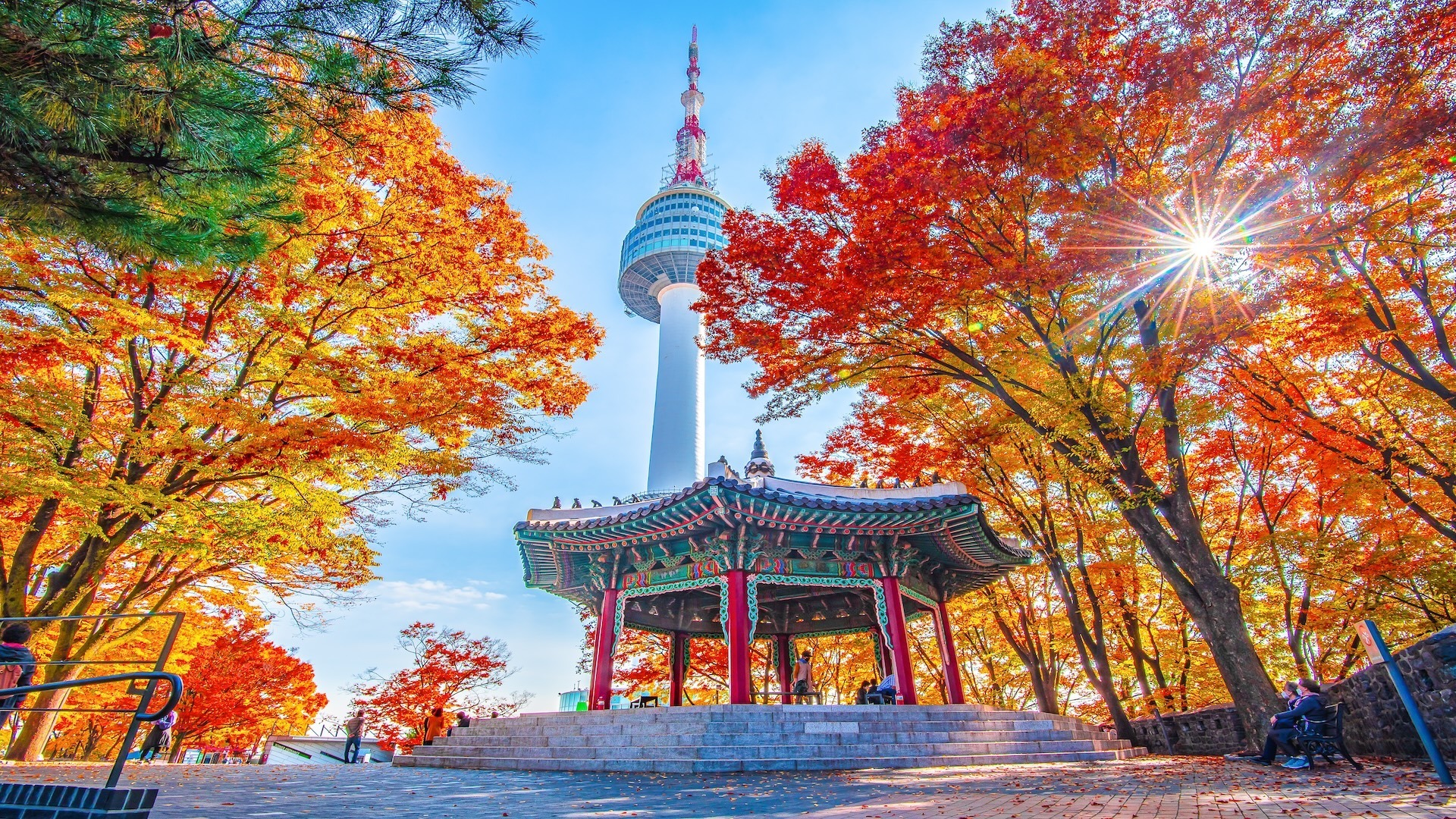
Seoul is your pick for an electrifying urban adventure with endless shopping, nightlife, and cultural sites, ideal for those with a mid-to-high budget (₩90,000-150,000 / $70-120+ daily). Busan offers a more relaxed, scenic, and food-focused experience by the sea, perfect for budget-conscious travelers or those seeking a chill vibe (₩70,000-120,000 / $55-100+ daily).
- Choose Seoul: If you crave a non-stop, hyper-modern city experience with world-class shopping, diverse cuisine, and an unforgettable nightlife, plus a deep dive into Korea's pop culture and historical palaces.
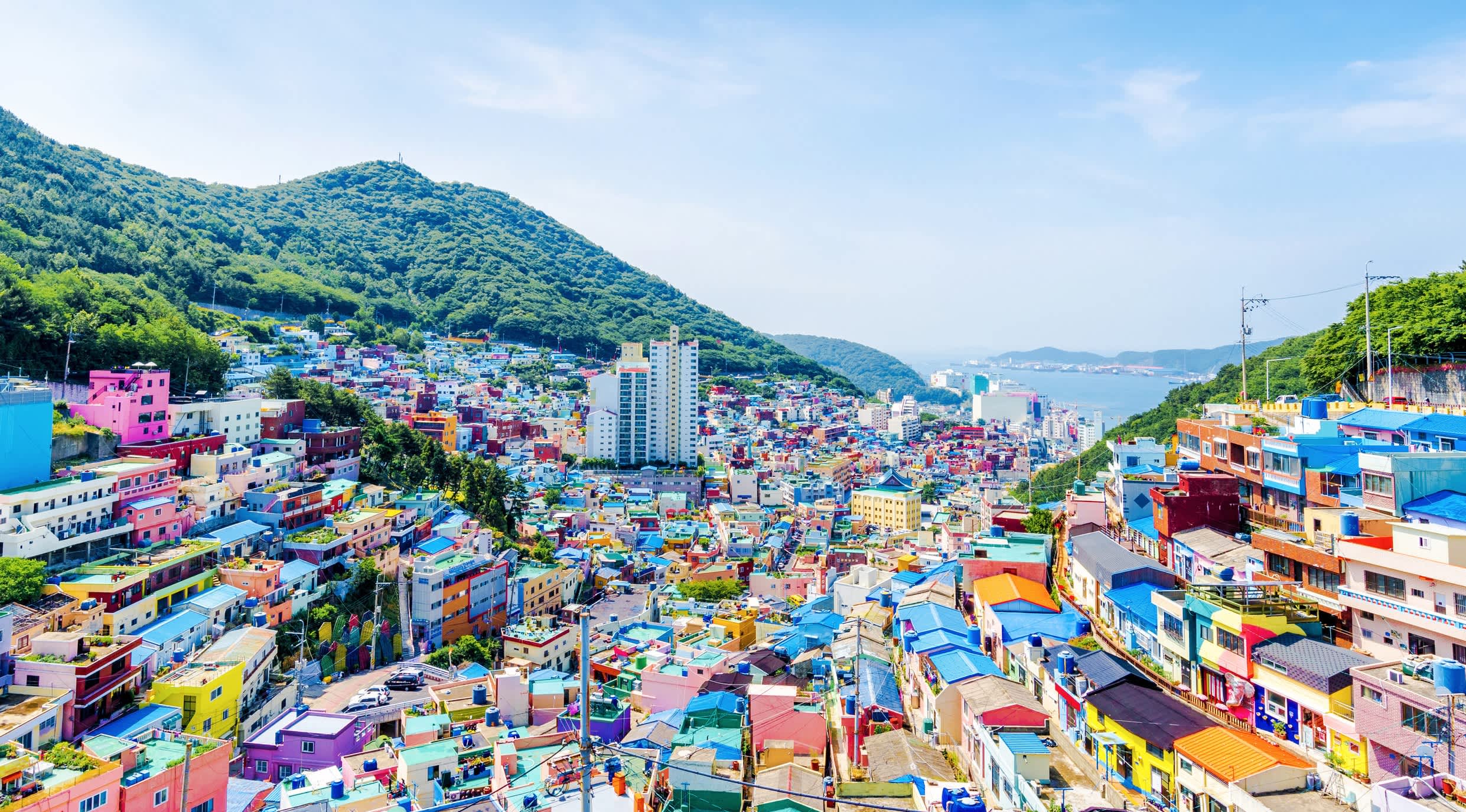
- Choose Busan: For a laid-back coastal escape, amazing fresh seafood, beautiful beaches, unique cultural villages, and a slightly slower pace without sacrificing urban conveniences. Great for families and foodies.
- Choose Both: Absolutely do both if you have 7+ days. Spend 4-5 days in Seoul and 2-3 days in Busan. The KTX high-speed train connects them efficiently in just under 3 hours, offering a complete South Korean experience.
Quick Comparison
| Category | Seoul | Busan | Winner |
|---|---|---|---|
| Food & Dining | Unrivaled diversity from Michelin-starred fine dining to vibrant street food alleys, trendy cafes, and global cuisines. | Specializes in fresh seafood, unique local dishes like Dwaeji Gukbap (pork soup rice), and bustling traditional markets. | Tie |
| Nightlife & Entertainment | Legendary for its buzzing clubs in Gangnam, trendy bars in Hongdae, and traditional pochas (tents) everywhere, open until dawn. | A more relaxed nightlife scene with beachside bars in Haeundae, lively pub streets in Seomyeon, and fewer large-scale clubs. | Seoul |
| Culture & History | Home to ancient palaces (Gyeongbokgung, Changdeokgung), traditional villages (Bukchon Hanok), and world-class museums. | Features unique cultural sites like Gamcheon Culture Village, Beomeosa Temple, and a rich maritime history. | Seoul |
| Costs & Budget | Generally more expensive, especially for accommodation, high-end dining, and entertainment, but with options for all budgets. | Slightly more affordable overall, particularly for food and accommodation, offering good value. | Busan |
| Getting Around | Extensive, efficient subway system covering nearly every corner of the city, supplemented by buses and taxis. | Well-developed subway and bus network, though covering a larger, more spread-out area with some hills. | Seoul |
| Accommodation | Vast selection from luxury hotels and boutique stays to budget hostels and traditional hanoks, often at higher prices. | Good range of options including beach resorts, guesthouses, and budget hotels, generally more affordable. | Seoul |
| Day Trips | Gateway to the DMZ, Nami Island, Garden of Morning Calm, and numerous mountain hikes like Bukhansan. | Offers trips to Gyeongju (ancient Silla capital), Tongyeong, and more coastal and mountain retreats. | Seoul |
| Nature & Beaches | Primarily an urban jungle, but offers beautiful national parks (Bukhansan) and riverside parks (Han River). | Known for its stunning urban beaches (Haeundae, Gwangalli), coastal walks, and nearby mountains. | Busan |
| Shopping | A shopper's paradise with luxury brands, trendy fashion districts, endless K-beauty, and traditional markets. | Offers good shopping with department stores, local markets, and unique cultural souvenirs, but less extensive. | Seoul |
| Solo Travel & Safety | Extremely safe, easy to navigate solo, but can feel overwhelming due to its size and crowds. | Very safe, slightly more relaxed pace, making it feel a bit more approachable for solo exploration. | Tie |
🍜 Food & Dining
Both cities offer incredible culinary experiences, but they excel in different areas. Seoul is a food paradise for variety, from upscale Gangnam restaurants like Jungsik (Michelin 2-star) to the endless street food stalls of Myeongdong and Gwangjang Market where you can feast on Tteokbokki, Sundae, and Bindaetteok for ₩5,000-10,000 ($4-8) per dish. You'll find every imaginable cuisine and trend here. Busan, however, shines with its fresh seafood, particularly at Jagalchi Fish Market, where you can pick your catch and have it prepared on the spot, or enjoy local specialties like Milmyeon (cold wheat noodles) and Dwaeji Gukbap for around ₩8,000-12,000 ($6-9). The vibe is more traditional and focused on local flavors. "Honestly, the seafood in Busan at Jagalchi Market blew my mind, felt way fresher and cheaper than anything I had in Seoul's fish markets. But for overall choice, Seoul wins hands down." While Seoul offers more choice, Busan delivers on unique, hyper-local flavors.
Winner takeaway
- Winner: Tie
- Why: It's a tie because both offer world-class, distinct culinary experiences that cater to different preferences, making it impossible to pick a definitive 'winner'.
- Who this matters for: Foodies, gourmands, and anyone who plans their trip around eating.
🍻 Nightlife & Entertainment
Seoul's nightlife is truly world-class and never sleeps. Areas like Gangnam are famous for high-energy clubs such as Octagon (currently closed but similar venues exist) and Arena, with cover charges typically ranging from ₩20,000-50,000 ($15-40). Hongdae and Itaewon offer a more diverse scene with live music venues, craft beer bars, and more international crowds. You can easily find a bar or a pocha open until 4-5 AM, and subway service extends late on weekends. Busan offers a decent nightlife, primarily concentrated in Seomyeon with its karaoke rooms and pubs, and the more upscale beach bars and lounges around Haeundae, like The Bay 101. However, it's generally a more subdued experience compared to Seoul's relentless energy. "Seoul's nightlife is just on another level, Busan is fun for a few drinks by the beach but if you want to party till sunrise, it has to be Seoul." If you're looking for an unforgettable night out with endless options, Seoul is the undisputed champion.
Winner takeaway
- Winner: Seoul
- Why: Seoul offers an unparalleled variety and intensity of nightlife, from mega-clubs to cozy bars, catering to every taste until the early morning hours.
- Who this matters for: Party-goers, young travelers, and those seeking vibrant evening entertainment.
🏯 Culture & History
Seoul boasts an incredible concentration of historical and cultural sites, offering a deep dive into Korea's dynastic past and modern identity. You can spend days exploring Gyeongbokgung Palace (entrance ₩3,000 / $2.50), stroll through the traditional Bukchon Hanok Village, or immerse yourself in art at the National Museum of Korea. The DMZ tour, a sobering experience, is also easily accessible as a day trip from Seoul. Busan has its own distinct cultural charm, most notably the vibrant Gamcheon Culture Village, often called the 'Machu Picchu of Busan,' which is a must-see for its colorful houses and street art. The ancient Beomeosa Temple nestled in the mountains offers a serene escape. However, Seoul's sheer volume and historical significance of its sites, alongside its role as the capital, give it an edge. "For historical sites, Seoul is just packed. You can literally walk from palace to palace. Busan's Gamcheon is cool, but it's more of a unique art village than deep history." For a comprehensive understanding of Korean heritage, Seoul is the place to be.
Winner takeaway
- Winner: Seoul
- Why: Seoul's status as the capital for centuries gives it a higher concentration of significant historical landmarks and national museums.
- Who this matters for: History buffs, culture enthusiasts, and those wanting to learn about Korea's past.
💸 Costs & Budget
When comparing daily expenses, Busan generally comes out as the more budget-friendly option. Accommodation in Seoul, especially in popular areas like Myeongdong or Hongdae, can range from ₩30,000-50,000 ($25-40) for a hostel bed and ₩80,000-150,000 ($60-120) for a mid-range hotel. In Busan, you can often find similar quality hostel beds for ₩25,000-40,000 ($20-30) and mid-range hotels for ₩70,000-120,000 ($55-90). Local transportation (subway/bus) is similar in both cities, around ₩1,250-1,450 ($1-1.20) per ride. Food costs can be slightly lower in Busan, particularly for local specialties and seafood. While both cities offer affordable street food, finding a sit-down meal in Busan for ₩10,000 ($8) is more common than in Seoul. "Busan felt noticeably cheaper for everything, especially guesthouses and local meals. My daily budget stretched further there." If you're traveling on a tighter budget, Busan allows you to experience more without breaking the bank.
Winner takeaway
- Winner: Busan
- Why: Busan offers better value for money across accommodation, dining, and some activities, making it more accessible for budget-conscious travelers.
- Who this matters for: Budget travelers, backpackers, and anyone looking to maximize their travel funds.
🚇 Getting Around
Seoul's public transportation system is a marvel of efficiency and coverage. The subway network is incredibly extensive, clean, and easy to navigate with English signage, reaching virtually every major attraction. A T-Money card makes transfers seamless, with fares typically ₩1,250 ($1) for short distances. Buses are also plentiful and efficient. While traffic can be an issue for taxis, the subway is usually faster and more reliable. Busan also has an excellent subway system, but the city is more spread out and hilly, meaning you might rely on buses more frequently to reach specific neighborhoods like Gamcheon Culture Village or coastal spots. The subway system is also less comprehensive than Seoul's, with fewer lines. "Seoul's subway is just superior, you can get anywhere without thinking twice. Busan's is good, but I found myself taking more buses and taxis because things were more spread out." Seoul's denser urban design and more comprehensive subway map make getting around slightly more convenient and less time-consuming.
Winner takeaway
- Winner: Seoul
- Why: Seoul's subway system is more comprehensive, dense, and easier to navigate for tourists, covering almost all major attractions directly.
- Who this matters for: First-time visitors, those who prioritize convenience, and travelers without a car.
🏨 Accommodation
While Busan offers more budget-friendly prices, Seoul's sheer volume and diversity of accommodation options give it the edge. In Seoul, you can choose from ultra-luxury hotels like The Shilla or Four Seasons, trendy boutique hotels in areas like Garosu-gil, numerous comfortable mid-range options (e.g., L7 Hotels by Lotte), and a plethora of budget hostels and guesthouses, especially in Hongdae or Myeongdong, with dormitory beds starting around ₩25,000 ($20). You can even experience a traditional stay in a hanok. Busan has great options too, particularly along Haeundae Beach for resorts like Paradise Hotel Busan or Park Hyatt Busan, and many affordable guesthouses around Seomyeon or Nampo. However, the variety and density of choices in Seoul are unmatched, catering to every style and budget, from solo travelers to luxury seekers. "Seoul just has so many more unique places to stay, from super modern design hotels to actual hanoks. Busan is good, but the selection felt smaller." You'll have more unique and diverse choices in Seoul.
Winner takeaway
- Winner: Seoul
- Why: Seoul offers an unparalleled range of accommodation types and price points, from ultra-luxury to traditional hanoks, catering to every traveler's preference.
- Who this matters for: Travelers with specific accommodation preferences, luxury seekers, and those looking for unique stays.
🏞️ Day Trips
Seoul serves as an excellent base for a variety of popular and meaningful day trips. The Demilitarized Zone (DMZ), a poignant and historically significant site, is a must-do for many, with tours costing around ₩60,000-100,000 ($45-75). Other popular trips include the scenic Nami Island and the tranquil Garden of Morning Calm, both easily reachable by public transport or tour. For nature lovers, Bukhansan National Park offers fantastic hiking trails just a short subway ride away. Busan's day trip options are also strong, particularly to Gyeongju, the ancient capital of the Silla Kingdom, which is a UNESCO World Heritage site and a fantastic historical experience. Tongyeong, known as the 'Naples of Korea,' offers beautiful coastal views. "The DMZ trip from Seoul is a must-do, really puts things in perspective. Busan's Gyeongju trip is great for history too, but the DMZ is just so unique." While Busan offers great cultural and scenic escapes, Seoul's proximity to the DMZ and other distinct natural/leisure attractions gives it a slight edge in terms of variety and impact.
Winner takeaway
- Winner: Seoul
- Why: Seoul offers a wider array of iconic and historically significant day trips, including the unique DMZ, Nami Island, and accessible mountain hikes.
- Who this matters for: Travelers interested in history, unique geopolitical sites, or diverse natural escapes.
🏖️ Nature & Beaches
Busan is unequivocally the winner for nature and beaches. Its prime location on the southeastern coast means direct access to beautiful urban beaches like Haeundae and Gwangalli. Haeundae Beach is famous for its wide sandy shores, vibrant atmosphere, and nearby attractions like Dongbaekseom Island for coastal walks, and the Sea Life Busan Aquarium (entrance ₩30,000 / $23). Gwangalli Beach offers stunning night views of the Gwangan Bridge. Beyond the beaches, Busan is surrounded by mountains like Geumjeongsan, offering excellent hiking opportunities and temples. Seoul, while an urban behemoth, does have its green spaces. Bukhansan National Park is a fantastic escape for hiking with panoramic city views, and the Han River offers cycling and relaxation. "Busan's beaches are a huge draw, especially in summer. Seoul has parks and hiking, which are great, but nothing beats a proper beach day." If sun, sand, and sea are on your itinerary, Busan is the clear choice.
Winner takeaway
- Winner: Busan
- Why: Busan's coastal location provides direct access to famous urban beaches and stunning seaside landscapes that Seoul simply cannot offer.
- Who this matters for: Beach lovers, hikers, and those seeking coastal scenery and relaxation.
🛍️ Shopping
Seoul is a global shopping mecca, offering everything from high-end luxury to quirky indie brands and bargain-filled markets. Myeongdong is famous for K-beauty products and trendy fashion, while Gangnam boasts luxury boutiques and department stores like Lotte Department Store. Dongdaemun Design Plaza (DDP) is a hub for fashion and design, with massive wholesale and retail malls open late. Insadong is perfect for traditional crafts and souvenirs. You can easily spend days just exploring the shopping districts, with a face mask costing as little as ₩1,000 ($0.80) and a trendy top for ₩15,000-30,000 ($12-25). Busan has decent shopping with department stores like Shinsegae Centum City (one of the world's largest) and local markets in Nampo-dong, but the sheer scale, variety, and trend-setting nature of Seoul's retail scene are unmatched. "If you're into K-beauty or Korean fashion, Seoul is literally heaven. Busan is fine, but it doesn't have the same buzz or selection." For a truly comprehensive and exciting shopping spree, Seoul is the undisputed champion.
Winner takeaway
- Winner: Seoul
- Why: Seoul offers an unparalleled shopping experience with a greater variety of retail options, from luxury to K-beauty and unique fashion districts.
- Who this matters for: Fashionistas, K-beauty enthusiasts, souvenir hunters, and serious shoppers.
🚶♀️ Solo Travel & Safety
Both Seoul and Busan are exceptionally safe cities for solo travelers, consistently ranking among the safest in the world. Violent crime is rare in both, and petty theft is minimal. Women travelers often report feeling very secure walking alone at night. Seoul's excellent public transport and abundance of amenities make solo navigation a breeze, though its sheer size and constant crowds in popular areas can sometimes feel a bit overwhelming. There are endless solo-friendly activities, from cafe hopping to museum visits. Busan, while equally safe, offers a slightly more relaxed pace and less intense crowds, which some solo travelers might find more appealing. Its emphasis on nature and coastal activities can also be great for quiet introspection. "I felt super safe walking around both Seoul and Busan alone at night, which was awesome. Busan felt a bit more chill for solo exploring, less sensory overload." Ultimately, both are fantastic choices for solo adventurers, depending on whether you prefer an energetic metropolis or a more laid-back urban-coastal vibe.
Winner takeaway
- Winner: Tie
- Why: Both cities offer extremely high levels of safety and excellent infrastructure for solo travelers, making the choice dependent on personal preference for pace and environment.
- Who this matters for: Solo travelers, first-time international travelers, and anyone prioritizing safety and ease of navigation.
❓ Frequently Asked Questions
How long should I spend in Seoul vs Busan?
For Seoul, dedicate at least 4-5 full days to cover the main attractions, shopping, and nightlife. For Busan, 2-3 full days are usually sufficient to explore its beaches, cultural village, and markets. If combining both, aim for a minimum of 7 days total.
Is it easy to travel between Seoul and Busan?
Yes, incredibly easy! The KTX high-speed train connects Seoul Station and Busan Station in approximately 2.5 to 3 hours, with tickets costing around ₩59,800 ($45) for an economy seat. It's comfortable, efficient, and offers scenic views.
Which city is better for families with children?
Busan often gets the nod for families due to its beautiful beaches, less crowded attractions, and generally more relaxed atmosphere. It offers attractions like Sea Life Busan Aquarium, Busan Children's Grand Park, and Gamcheon Culture Village which are very kid-friendly. Seoul has Lotte World and Everland, but can be overwhelming.
What's the best time of year to visit both cities?
Spring (April-May) and Autumn (September-October) are ideal for both. The weather is pleasant, with clear skies and comfortable temperatures, perfect for outdoor activities and sightseeing. Summers can be hot and humid, while winters are cold and dry.
Do I need to speak Korean in either city?
While knowing some basic Korean phrases is always appreciated, it's not strictly necessary. English is widely understood in major tourist areas, hotels, and larger restaurants in both cities. Public transportation also has excellent English signage.
Which city has better hiking opportunities?
Both cities offer great hiking, but in different contexts. Seoul boasts Bukhansan National Park within its city limits, offering rugged trails and stunning city views. Busan's Geumjeongsan Mountain provides excellent trails and temple visits, often with coastal views, making it a great choice for combining nature with the sea.
Is food cheaper in Busan than in Seoul?
Generally, yes. While both cities offer options for all budgets, Busan typically has slightly lower prices for local restaurants, street food, and fresh seafood, giving you more value for your money, especially outside of high-end establishments.
Can I visit a traditional Korean village in both cities?
Absolutely. In Seoul, you can explore the charming Bukchon Hanok Village, offering a glimpse into traditional Korean architecture. In Busan, the colorful Gamcheon Culture Village provides a unique, modern interpretation of a traditional hillside community, brimming with art and character.
Ready to plan your South Korea trip?
Get a free custom itinerary for Seoul, Busan, or both — built from real traveler insights.
🎟️ Book Tours & Experiences
Hand-picked tours and activities for both destinations — book with free cancellation
Experiences via Viator — free cancellation on most tours