How we built this comparison
This page combines traveler discussion patterns, published price ranges, flight schedules, and seasonal data to help you decide between Serbia and Turkey.
- Reviewed 200+ Reddit threads from r/travel, r/solotravel, r/Serbia, r/Turkey, and r/istanbul for ground-level insights.
- Verified costs and logistics against current booking platforms (e.g., Booking.com, Skyscanner, Rome2Rio) as of early 2024.
- Cross-referenced seasonal patterns and weather data for optimal travel timing.
⚡ Quick Answers
⚡ The TL;DR Verdict
For most travelers seeking excellent value, accessible cities, and a genuine Eastern European experience, Serbia is the stronger pick. Its lower costs and laid-back atmosphere make it an easy entry point. Turkey provides a grander scale of history and more diverse landscapes, but often comes with higher prices in popular tourist spots and requires more planning.
- Choose Serbia: You want an affordable, authentic Eastern European city experience with lively nightlife, good food, and a more relaxed pace without crowds.
- Choose Turkey: You are drawn to ancient history, grand architecture, dramatic natural formations like Cappadocia, and a wide array of culinary options.
- Choose Both: Both countries offer distinct experiences. If you have 3-4 weeks, combining them offers a fantastic blend of Balkan charm and Anatolian majesty, perhaps flying between Belgrade and Istanbul.
Choose Serbia
Choose Serbia if you're a budget-conscious traveler seeking a vibrant, authentic Eastern European city experience without the crowds. Explore Belgrade's lively Skadarlija district for traditional music and food, or relax at Ada Ciganlija. It's best for those who appreciate genuine local culture, friendly locals, and a relaxed, yet engaging, atmosphere.
Choose Turkey
Opt for Turkey if you crave epic historical grandeur, stunning natural wonders, and a rich cultural tapestry. Marvel at Istanbul's Hagia Sophia and explore the Grand Bazaar, or experience a breathtaking hot air balloon ride over Cappadocia's fairy chimneys. It's ideal for travelers seeking unforgettable, visually spectacular experiences and deep dives into ancient civilizations.
📊 Visual Scorecard
🌤 When to Visit
Average high temperatures (°C). Green = best months, orange = avoid.
Quick Comparison
| Category | Serbia | Turkey | Winner |
|---|---|---|---|
| Costs & Budget | Significantly cheaper for almost everything: accommodation, food, transport, and nightlife. | Good value outside main cities, but Istanbul and popular coastal areas can be pricier. | Serbia |
| Food & Drink | Hearty, meat-focused Balkan cuisine with strong Turkish and Austro-Hungarian influences. | Expansive culinary traditions, from diverse street food to elaborate Ottoman dishes. | Turkey |
| Nightlife | Belgrade is famous for its energetic river clubs (splavovi) and underground bars. | Istanbul has sophisticated rooftop bars and clubs, while other cities offer more casual spots. | Serbia |
| Culture & History | A blend of Roman, Byzantine, Ottoman, and Austro-Hungarian influences, with a strong Socialist era legacy. | Millennia of history, from ancient civilizations to the Byzantine and Ottoman Empires, with iconic sites. | Turkey |
| Getting There | Belgrade Nikola Tesla Airport (BEG) is the main international gateway, with budget airline connections. | Istanbul Airport (IST) and Sabiha Gökçen Airport (SAW) are major global hubs with extensive connections. | Turkey |
| Getting Around | Cities are walkable with decent public transport; intercity travel primarily by bus. | Extensive bus network, good domestic flights, but Istanbul traffic can be slow. | Turkey |
| Nature & Outdoors | Rolling hills, river valleys, national parks like Tara and Uvac Canyon. | Diverse landscapes including unique geological formations, Mediterranean beaches, and volcanic plateaus. | Turkey |
| Accommodation | Good value hostels, apartments, and boutique hotels, especially in cities. | A wide range from budget hostels to luxury resorts, with good value outside major tourist zones. | Tie |
| Safety | Generally very safe, even for solo travelers, with low crime rates. | Generally safe, but be aware of petty crime in crowded areas and regional geopolitical situations. | Serbia |
| Solo Travel | Easy to navigate, welcoming locals, good hostel scene for meeting others. | Generally friendly, but can be overwhelming in large cities; cultural nuances for women. | Serbia |
💰 Costs & Budget
Serbia is a budget travelers dream. A hostel bed in Belgrade or Novi Sad typically runs 15-25 EUR (16-27 USD) per night. A decent meal at a local kafana costs 7-12 EUR (7.5-13…
Serbia
Turkey
Serbia is a budget travelers dream. A hostel bed in Belgrade or Novi Sad typically runs 15-25 EUR (16-27 USD) per night. A decent meal at a local kafana costs 7-12 EUR (7.5-13 USD), and a local beer is around 2-3 EUR (2.1-3.2 USD). Public transport in cities like Belgrade is less than 1 EUR (1.1 USD) per ride. A daily budget of 40-70 EUR (43-75 USD) is realistic for a comfortable trip, potentially less if you cook some meals.
Turkey offers good value, but prices can fluctuate. A hostel bed in Istanbul can be 18-30 EUR (19-32 USD), while a mid-range hotel is 60-100 EUR (65-108 USD). Street food like a durum costs 2-4 EUR (2.1-4.3 USD), but a sit-down meal in a tourist area might be 10-18 EUR (11-19 USD). Local beer costs 4-6 EUR (4.3-6.5 USD). Flights between cities are affordable, but tourist attractions like hot air balloons in Cappadocia are expensive, 150-300+ EUR (160-325+ USD). A daily budget of 50-90 EUR (54-97 USD) is a good estimate, more if you plan major excursions. For consistent, low prices across the board, Serbia is the clear winner.
- Winner: Serbia
- Why: Serbia consistently provides lower costs for accommodation, food, drinks, and activities, making it highly accessible for budget-conscious travelers.
- Who this matters for: Budget travelers, long-term travelers, and anyone prioritizing value for money.
🍽️ Food & Drink
Serbian food is comforting and substantial. Expect grilled meats like ćevapi (minced meat sausages), pljeskavica (meat patty), and sarma (cabbage rolls). Burek, a flaky pastry…
Serbia
Turkey
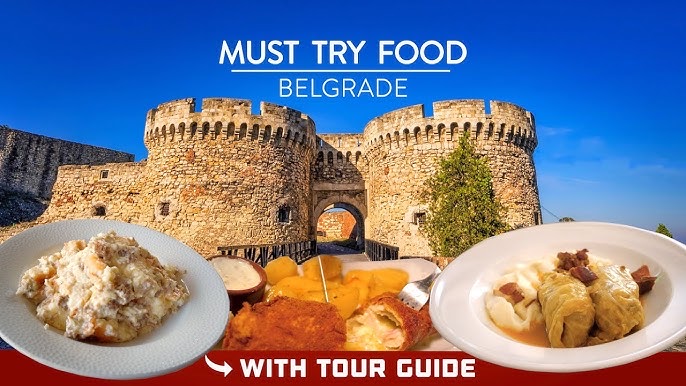
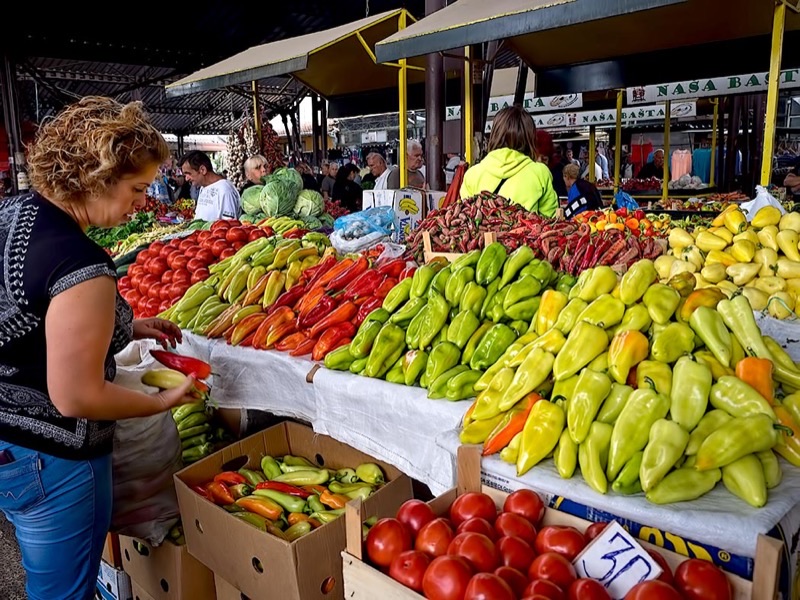
Serbian food is comforting and substantial. Expect grilled meats like ćevapi (minced meat sausages), pljeskavica (meat patty), and sarma (cabbage rolls). Burek, a flaky pastry with meat or cheese, is a breakfast staple, costing around 1.5-3 EUR (1.6-3.2 USD). Rakija, a strong fruit brandy, is the national drink. Restaurants like Walter in Belgrade offer excellent ćevapi for around 6-10 EUR (6.5-11 USD). The focus is on satisfying, rich flavors, less on spices or plant-based variety.
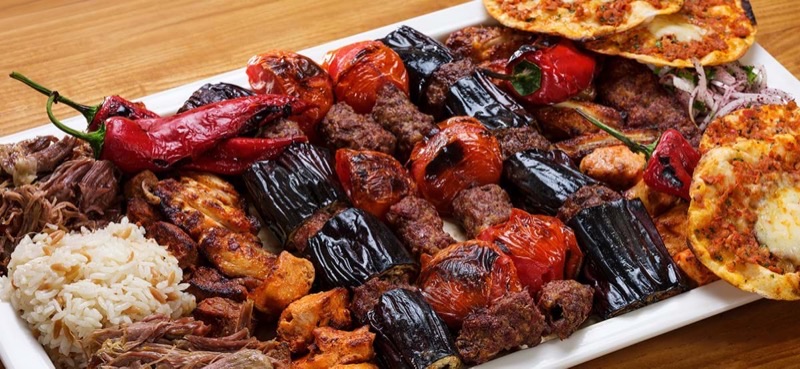
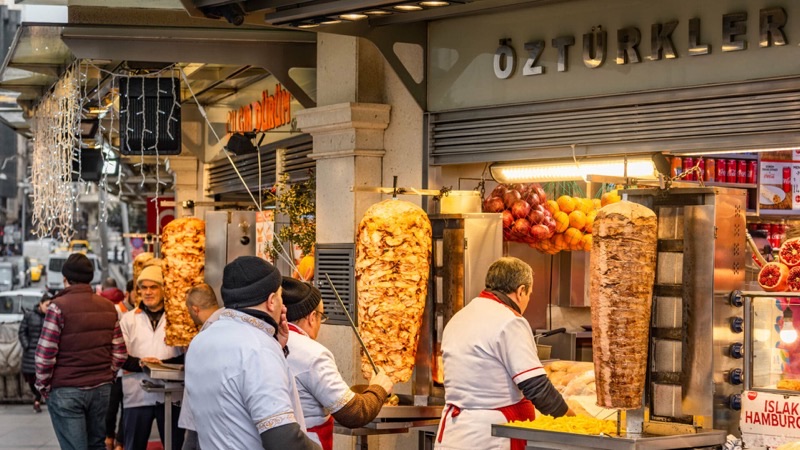
Turkey s food scene is incredibly diverse and nuanced. From the street corners selling simit (sesame bread) for 0.5 EUR (0.55 USD) or döner kebab for 3-5 EUR (3.2-5.4 USD), to sophisticated mezzes and seafood. Istanbul offers everything from traditional lokantas with home-style cooking to upscale restaurants. Baklava from Hafiz Mustafa is a dessert experience, around 4-6 EUR (4.3-6.5 USD) for a portion. The sheer variety of spices, fresh ingredients, and regional specialties across Turkey, from Aegean olive oil dishes to Anatolian kebabs, makes it a food lovers destination. Turkey offers a more expansive and varied culinary journey.
- Winner: Turkey
- Why: Turkey s culinary landscape is incredibly diverse, offering a wider range of flavors, ingredients, and dining experiences, from street food to fine dining.
- Who this matters for: Foodies, adventurous eaters, and those who prioritize culinary exploration as a core part of their trip.
🍻 Nightlife
Belgrade holds a strong reputation for its nightlife, particularly its unique splavovi – clubs built on barges along the Sava and Danube rivers. These operate mainly in summer,…

Serbia
Turkey
Belgrade holds a strong reputation for its nightlife, particularly its unique splavovi – clubs built on barges along the Sava and Danube rivers. These operate mainly in summer, offering electronic music, pop, and folk until the early hours. Drinks are affordable, with a local beer costing 2-3 EUR (2.1-3.2 USD) and cocktails 6-10 EUR (6.5-11 USD). The Savamala district also hosts many bars and cultural centers like Drugstore. The atmosphere is generally open, lively, and caters to a younger crowd looking to party without breaking the bank.
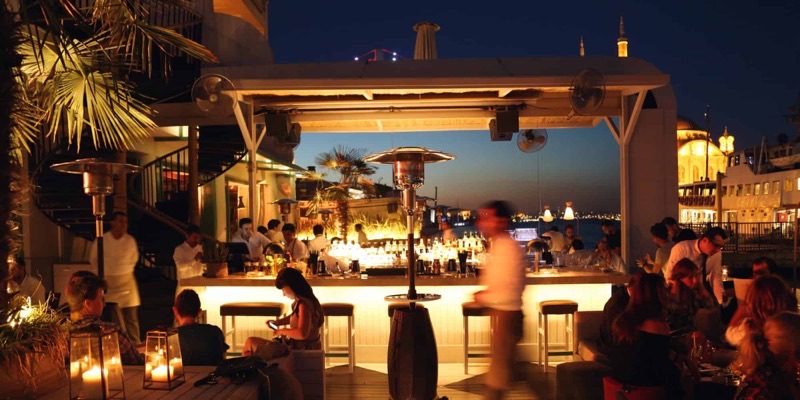
Istanbul offers a more varied and often more upscale nightlife. Beyoğlu is a key area for clubs and bars, with rooftop venues providing city views. Kadıköy on the Asian side has a relaxed bar scene. Drinks are more expensive than in Serbia, with beers costing 4-6 EUR (4.3-6.5 USD) and cocktails 10-15 EUR (11-16 USD). While there are options for every taste, from jazz clubs to mega-clubs, the overall experience can be pricier and sometimes less spontaneous than in Belgrade. Serbia wins for raw energy and affordability.
- Winner: Serbia
- Why: Serbia, specifically Belgrade, delivers a more accessible, high-energy, and budget-friendly nightlife experience with its famous river clubs.
- Who this matters for: Party-goers, those seeking lively and affordable evenings, and travelers who enjoy electronic music and late-night venues.
🏛️ Culture & History
Serbia s history is complex, marked by various empires and conflicts. Belgrade Fortress stands as a testament to centuries of change, with Roman, Byzantine, and Ottoman layers.…
Serbia
Turkey
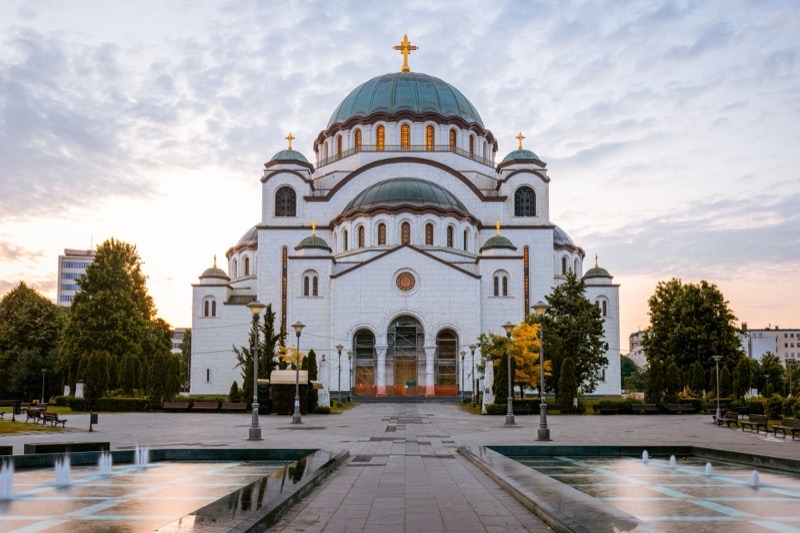
Serbia s history is complex, marked by various empires and conflicts. Belgrade Fortress stands as a testament to centuries of change, with Roman, Byzantine, and Ottoman layers. The Church of Saint Sava, one of the largest Orthodox churches globally, showcases Serbian Orthodox heritage. Novi Sad s Petrovaradin Fortress offers Austro-Hungarian architecture. Monuments from the Yugoslav era provide insight into its recent past. While Serbia has significant historical sites, they are often less preserved or grand in scale compared to Turkey, reflecting a different historical trajectory and resource allocation.
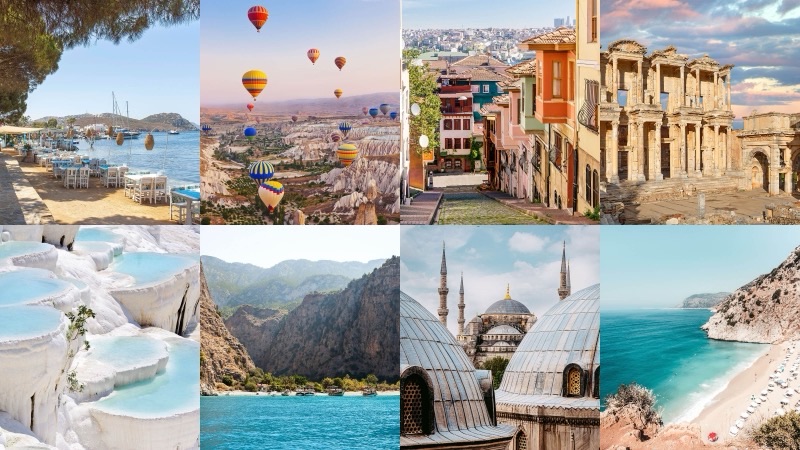
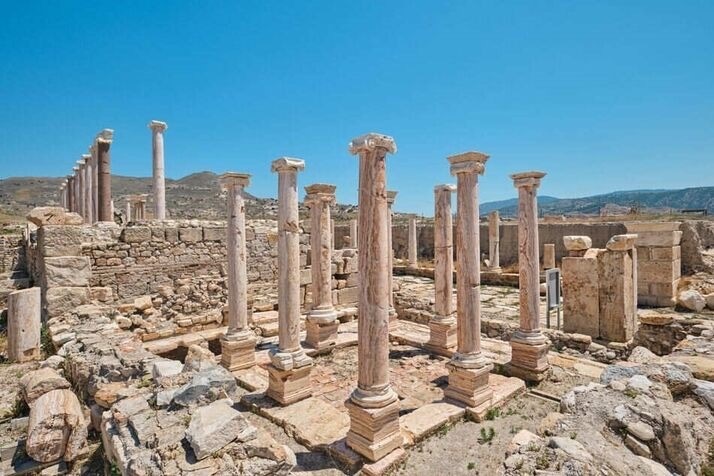
Turkey s historical depth is immense and visible everywhere. Istanbul alone houses Hagia Sophia, Topkapi Palace, the Blue Mosque, and the ancient Hippodrome, each reflecting periods of Roman, Byzantine, and Ottoman rule. Further afield, Ephesus offers well-preserved Roman ruins, Hierapolis by Pamukkale, and the cave dwellings and churches of Cappadocia tell stories of early Christianity. The sheer volume and scale of well-maintained ancient sites, combined with the profound impact of the Ottoman Empire, give Turkey a powerful historical narrative that is hard to rival. Turkey is the clear choice for a deep dive into ancient and imperial history.
- Winner: Turkey
- Why: Turkey offers an unparalleled breadth and depth of historical and cultural sites, spanning millennia and multiple empires with grand, well-preserved structures.
- Who this matters for: History buffs, archeology enthusiasts, and travelers who prioritize exploring ancient civilizations and imperial legacies.
✈️ Getting There
Serbia s main international airport is Belgrade Nikola Tesla (BEG). Air Serbia is the national carrier, with connections across Europe and to New York. Wizz Air and Ryanair also…
Serbia
Turkey
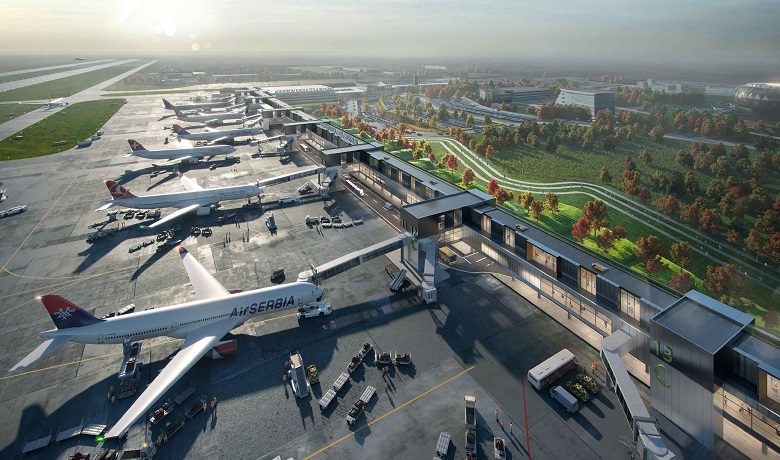
Serbia s main international airport is Belgrade Nikola Tesla (BEG). Air Serbia is the national carrier, with connections across Europe and to New York. Wizz Air and Ryanair also operate routes, making flights from major European cities like London, Berlin, or Rome possible for 50-150 EUR (54-160 USD) if booked in advance. Direct flights from Western Europe typically take 2-3 hours. From North America, direct flights are limited, usually requiring a layover in a larger European hub, extending travel time to 10-15 hours.
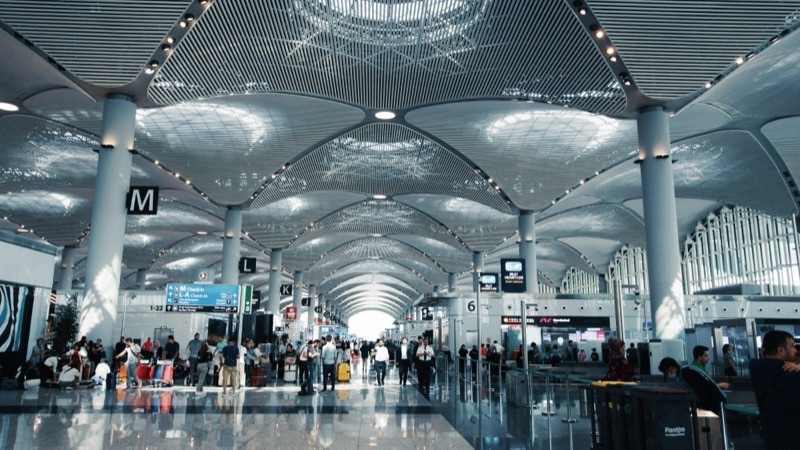
Turkey boasts two major international airports in Istanbul: Istanbul Airport (IST) and Sabiha Gökçen (SAW). Turkish Airlines has one of the largest global networks, offering direct flights to hundreds of destinations worldwide. From most European capitals, direct flights are 2.5-3.5 hours and can be found for 70-200 EUR (75-215 USD). Direct flights from North America (e.g., New York, Los Angeles) are common, taking 9-12 hours. This extensive network provides greater flexibility and more direct options for a wider range of travelers. Turkey offers significantly more flight options and better global connectivity.
- Winner: Turkey
- Why: Turkey offers a far greater number of direct international flights from more destinations, particularly via Istanbul, making it more accessible globally.
- Who this matters for: International travelers, those with less flexible schedules, and anyone seeking the most convenient and direct flight paths.
🚗 Getting Around
In Serbia, cities like Belgrade and Novi Sad are very walkable, and public transport (trams, buses) is efficient and cheap, usually under 1 EUR (1.1 USD) per ride. For intercity…
In Serbia, cities like Belgrade and Novi Sad are very walkable, and public transport (trams, buses) is efficient and cheap, usually under 1 EUR (1.1 USD) per ride. For intercity travel, buses are the primary mode. A bus ticket from Belgrade to Novi Sad is around 6-8 EUR (6.5-8.6 USD) and takes 1.5-2 hours. Trains exist but are slower and less frequent on many routes. Renting a car is an option for exploring national parks like Tara, costing around 30-50 EUR (32-54 USD) per day, but road quality varies outside main routes. The scale of the country means travel times between major points are short.
Turkey s infrastructure for getting around is more developed for long distances. An extensive, comfortable, and affordable bus network connects nearly every city; a 10-hour overnight bus from Istanbul to Cappadocia costs 20-30 EUR (21-32 USD). Domestic flights are also frequent and inexpensive, with flights from Istanbul to Izmir costing 20-40 EUR (21-43 USD). Within Istanbul, the metro, tram, and ferries are efficient, though traffic can be very heavy. Renting a car is viable for coastal regions or Cappadocia, with prices similar to Serbia. Due to its size and diverse attractions, Turkey s multi-modal transport options are superior for exploring various regions.
- Winner: Turkey
- Why: Turkey provides more comprehensive and efficient options for long-distance travel, including an extensive bus network and affordable domestic flights, crucial for exploring its larger area.
- Who this matters for: Travelers planning to visit multiple cities or regions, those who prefer various transport modes, and explorers covering long distances.
🌲 Nature & Outdoors
Serbia offers beautiful natural settings, particularly in its national parks. Tara National Park in western Serbia is excellent for hiking, with dense forests and views over the…
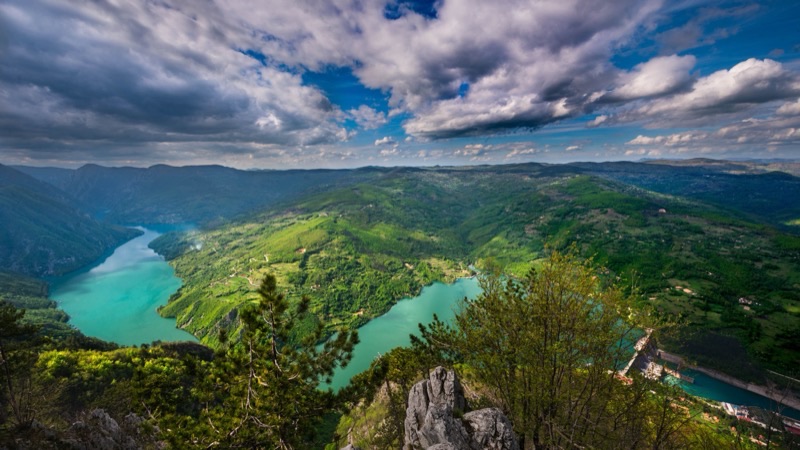
Serbia offers beautiful natural settings, particularly in its national parks. Tara National Park in western Serbia is excellent for hiking, with dense forests and views over the Drina River. Uvac Canyon is known for its meandering river and a population of griffon vultures, accessible via boat tours costing around 15-20 EUR (16-21 USD). The Fruška Gora region has monasteries set in low hills, suitable for gentle walks. While picturesque, Serbia s natural attractions are less grand and iconic on a global scale, providing a more understated and peaceful outdoor experience.
Turkey boasts dramatically varied and globally recognized natural landscapes. Cappadocia is probably the most famous, with its fairy chimney rock formations and hot air balloon rides (150-300+ EUR / 160-325+ USD). Pamukkale features mineral-rich thermal waters cascading down white travertine terraces. The Mediterranean and Aegean coasts offer miles of beaches (e.g., Ölüdeniz, Patara) and turquoise waters. From the Black Sea mountains to the lunar landscapes of Anatolia, Turkey presents a broader spectrum of natural wonders that are often more visually striking and provide a wider range of outdoor activities. Turkey stands out for its unique and prominent natural attractions.
- Winner: Turkey
- Why: Turkey features a greater variety of globally recognized and visually dramatic natural landscapes, offering iconic experiences like Cappadocia and Pamukkale.
- Who this matters for: Adventure seekers, photographers, and travelers prioritizing unique geological formations and diverse outdoor environments.
🏨 Accommodation
Serbia offers excellent value in accommodation. Hostels in Belgrade and Novi Sad often have private rooms for 30-50 EUR (32-54 USD) or dorm beds for 15-25 EUR (16-27 USD). Airbnbs…
Serbia offers excellent value in accommodation. Hostels in Belgrade and Novi Sad often have private rooms for 30-50 EUR (32-54 USD) or dorm beds for 15-25 EUR (16-27 USD). Airbnbs are prevalent and provide great value, with entire apartments in city centers available for 40-70 EUR (43-75 USD) per night. Boutique hotels are emerging, offering comfortable stays for 60-100 EUR (65-108 USD). Booking in advance, especially during festivals like Exit, is advisable. Standards are generally clean and modern, particularly in the larger cities, providing a comfortable stay for any budget.
Turkey s accommodation options are extensive. In Istanbul, budget hostels can be found for 18-30 EUR (19-32 USD), while mid-range hotels in Sultanahmet or Beyoğlu are 60-100 EUR (65-108 USD). Along the Mediterranean coast, luxury resorts can reach hundreds of EUR per night, but guesthouses and smaller hotels offer rooms for 40-70 EUR (43-75 USD). Cave hotels in Cappadocia are a unique experience, costing 80-200 EUR (86-215 USD). While prices in major tourist areas can be higher, the sheer volume and variety across the country mean travelers can always find suitable lodging. Both countries offer strong accommodation value, catering to all budget levels effectively.
- Winner: Tie
- Why: Both Serbia and Turkey provide excellent value and a broad range of accommodation types, from budget hostels to comfortable apartments and unique experiences, satisfying diverse traveler needs.
- Who this matters for: All travelers, as both countries deliver reliable and diverse lodging options across various price points and styles.
🛡️ Safety
Serbia is considered a very safe country for tourists. Petty crime like pickpocketing is not common, especially outside of very crowded areas. Solo female travelers often report…
Serbia is considered a very safe country for tourists. Petty crime like pickpocketing is not common, especially outside of very crowded areas. Solo female travelers often report feeling comfortable and secure walking alone at night in Belgrade and Novi Sad. Public spaces are generally well-lit and monitored. The local population is generally welcoming and helpful to tourists. Standard travel precautions apply, but there are no widespread safety concerns that would deter most visitors. For travelers prioritizing a very low-stress environment, Serbia is a reassuring choice.
Turkey is also generally safe for tourists, particularly in major cities and popular coastal regions. However, petty crime like pickpocketing can occur in crowded markets or on public transport in Istanbul. Geopolitical situations can occasionally impact travel warnings for specific border regions, though these are typically far from tourist routes. Solo female travelers may experience more unsolicited attention than in Serbia, and cultural sensitivities regarding dress and behavior are important to observe. While millions visit Turkey without incident, Serbia s overall perceived and actual lower risk profile makes it a marginally safer destination for most travelers.
- Winner: Serbia
- Why: Serbia consistently ranks as a very safe country with low crime rates, offering a more relaxed and secure environment for all travelers, including solo visitors.
- Who this matters for: Solo travelers, families, and anyone prioritizing a destination with minimal safety concerns and a relaxed atmosphere.
🚶♀️ Solo Travel
Serbia is an excellent destination for solo travelers. Its cities are compact and easy to navigate on foot or via public transport. The hostel scene in Belgrade and Novi Sad is…
Serbia is an excellent destination for solo travelers. Its cities are compact and easy to navigate on foot or via public transport. The hostel scene in Belgrade and Novi Sad is active, making it straightforward to meet other travelers for tours or nights out. Locals are generally friendly and curious, often happy to help with directions or share a conversation. The lower cost of living means solo travel does not incur a significant 'solo surcharge.' English is spoken widely enough in tourist areas, especially by younger generations. Feeling comfortable and having easy social opportunities are key benefits for solo explorers.
Turkey can be a rewarding solo travel destination, but it presents a few more considerations. Istanbul can be a demanding city for a solo traveler due to its size, crowds, and intense street hawkers. While Turkish hospitality is renowned, solo female travelers might experience more unsolicited attention or cultural misunderstandings compared to Serbia. Hostels exist, but the social scene might not be as spontaneous as in the Balkans. Navigating the large country solo requires more planning for transport and logistics. For ease of social interaction, lower cultural barriers, and a less overwhelming experience, Serbia is a more straightforward and often more comfortable choice for many solo travelers.
- Winner: Serbia
- Why: Serbia offers an easier and more relaxed solo travel experience due to its compact cities, lower costs, friendly locals, and a less intense cultural environment.
- Who this matters for: First-time solo travelers, those seeking a relaxed social environment, and travelers who prefer easier navigation and fewer cultural complexities.
🎯 The Decision Framework
Choose Serbia If…
- You want to party on river clubs (splavovi) without spending too much money.
- Your daily travel budget is under 70 EUR (75 USD).
- You appreciate hearty, unpretentious Balkan food like ćevapi and burek.
- You prefer smaller, walkable cities that are easy to navigate.
- You are looking for a highly safe and low-stress travel destination.
- You are interested in exploring post-socialist architecture and history.
- You value an authentic, less tourist-saturated European experience.
- You enjoy craft beer and rakija at local prices.
Choose Turkey If…
- You want to witness grand historical sites like Hagia Sophia and Ephesus.
- You dream of hot air balloon rides over unique landscapes in Cappadocia.
- You seek a diverse culinary experience, from street food to Ottoman cuisine.
- You are planning a trip with extensive domestic travel between regions.
- You want to combine cultural exploration with Mediterranean beach relaxation.
- You are fascinated by the intersection of European and Asian cultures.
- You prefer destinations with extensive global flight connections.
- You want to explore ancient Roman and Byzantine ruins on a grand scale.
📅 Sample Itineraries
Weekend in Serbia (3 Days)
💡 Purchase a Belgrade public transport card for around $8 for unlimited 3-day travel, saving on individual bus tickets costing $1.50-2.50 each.
Weekend in Turkey (3 Days)
💡 Get an Istanbulkart upon arrival for public transport, topping it up will save you 50% on individual journey costs, making each ride around $0.75-1.50.
One Week in Serbia (7 Days)
💡 For intercity travel, booking bus tickets online a day or two in advance can sometimes offer slight discounts or guarantee a seat, especially for popular routes like Belgrade to Novi Sad for around $10.
One Week in Turkey (7 Days)
💡 For domestic flights within Turkey, booking several weeks in advance can significantly reduce costs. For example, an Istanbul to Cappadocia flight might be $50-70 if booked early, but $100+ closer to the date.
❓ Frequently Asked Questions
What is the typical flight time from Western Europe to Serbia or Turkey?
Direct flights from major Western European cities to Belgrade, Serbia, typically take around 2 to 3 hours. For Istanbul, Turkey, direct flights from the same region usually range from 2.5 to 3.5 hours. Both countries are relatively accessible for short European hops.
Which country is better for a budget backpacker?
Serbia is generally more affordable for backpackers. A hostel bed in Belgrade averages 15-25 EUR (16-27 USD), and meals are consistently cheaper. While Turkey can be good value, popular areas in Istanbul or Cappadocia will see higher prices for accommodation and experiences, pushing a daily budget to 50-90 EUR (54-97 USD) compared to Serbia s 40-70 EUR (43-75 USD).
Is it safe for solo female travelers in Serbia versus Turkey?
Both countries are generally safe, but Serbia offers a more relaxed experience for solo female travelers, with very low instances of harassment and a comfortable environment, even at night. In Turkey, particularly in larger cities, solo female travelers might experience more unsolicited attention and should be mindful of local customs, though serious crime is rare.
What is the best time of year to visit each country?
For Serbia, late spring (May-June) and early autumn (September-October) offer pleasant weather for city exploration and outdoor activities, with temperatures around 20-25°C (68-77°F). Turkey is also good in spring and autumn, especially for historical sites. Summer (July-August) can be very hot in both, but popular for Turkey s coastal regions, reaching 30-35°C (86-95°F).
Which country offers better options for ancient history enthusiasts?
Turkey is a stronger choice for ancient history enthusiasts. It boasts a vast array of ancient sites including Ephesus, Hierapolis, Pergamon, and the Roman and Byzantine layers of Istanbul like Hagia Sophia. Serbia has Roman and medieval sites, but they are fewer in number and less grand in scale compared to Turkey s extensive archeological treasures.
How do language barriers compare?
In both countries, English is widely spoken in tourist-centric areas, especially by younger generations and in hospitality. In Serbia, outside of Belgrade and Novi Sad, knowing some basic Serbian phrases can be helpful. In Turkey, particularly in smaller towns, Turkish is essential, though many tour operators and larger hotels cater to English speakers. Google Translate is a good tool for both.
Can I easily travel between Serbia and Turkey?
Yes, traveling between Serbia and Turkey is relatively straightforward. There are direct flights available from Belgrade Nikola Tesla Airport (BEG) to Istanbul Airport (IST) and Sabiha Gökçen Airport (SAW), with flight times around 1.5-2 hours. Budget airlines often operate these routes, making it an affordable option for combining both destinations into a single trip.
What about internet connectivity and digital nomad suitability?
Both countries offer good internet connectivity in major cities, with reliable Wi-Fi in cafes and accommodation. Serbia, with its lower cost of living and strong coffee culture, is increasingly popular with digital nomads, with coworking spaces available for around 80-150 EUR (86-160 USD) per month. Turkey also has a growing nomad scene, particularly in Istanbul, but the cost of living can be higher than in Serbia, and visa rules should be checked carefully.
Ready to plan your Balkan or Anatolian trip?
Get a free custom itinerary for Serbia, Turkey, or both — built from real traveler insights.
👥 Travelers Also Compared
🎟️ Book Tours & Experiences
Hand-picked tours and activities for both destinations — book with free cancellation
Experiences via Viator — free cancellation on most tours