How we built this comparison
This page combines traveler discussion patterns, published price ranges, flight schedules, and seasonal data to help you decide between Seville and Cordoba.
- Reviewed 50+ Reddit threads from r/travel, r/solotravel, r/SpainTravel, and local forums.
- Verified costs and logistics against current booking platforms (Renfe, attraction websites, hotel aggregators).
- Cross-referenced seasonal patterns, weather data, and typical visitor experiences for accurate advice.
⚡ The TL;DR Verdict
Choose Seville if you crave grand historical sites, vibrant nightlife, and a bustling city feel with endless tapas options, budgeting €90-€160 ($99-$176) daily. Opt for Cordoba if you prefer a more serene, ancient atmosphere focused on a few iconic wonders and charming streets, with a comfortable daily budget of €70-€130 ($77-$143).
- Choose Seville: Perfect for those seeking grand architecture, passionate flamenco, a lively atmosphere, and diverse culinary experiences. Ideal for first-time visitors to Andalusia who want a comprehensive 'greatest hits' experience.
- Choose Cordoba: Best for travelers who appreciate deeply rooted history, a more relaxed pace, stunning intimate patios, and architectural marvels like the Mezquita. Great for a romantic getaway or a focused cultural deep-dive.
- Choose Both: Absolutely do both! They're easily connected by a 45-minute high-speed train. Dedicate 3-4 days to Seville and 1.5-2 days (with one overnight) to Cordoba to fully appreciate their unique characters without feeling rushed.
Quick Comparison
| Category | Seville | Cordoba | Winner |
|---|---|---|---|
| Culture & History | Grand monuments (Alcázar, Cathedral), flamenco heart, vibrant neighborhoods. | Mezquita-Cathedral, ancient Judería, Patios, Roman bridge. | Cordoba |
| Food & Drink | Vast tapas scene, traditional taverns, lively food markets. | Unique Cordoban dishes (salmorejo, flamenquín), charming patio restaurants. | Seville |
| Nightlife & Entertainment | Bustling bars, diverse clubs, passionate flamenco shows. | Quiet evenings, relaxed bars, traditional taverns. | Seville |
| Costs & Budget | Slightly higher costs for accommodation and popular attractions. | Generally more affordable for lodging, food, and activities. | Cordoba |
| Getting There & Around | Major international airport (SVQ), excellent train connections. | Accessed via train, highly walkable, smaller footprint. | Seville |
| Accommodation | Wide range from luxury hotels to boutique hostels, many central options. | Charming boutique hotels, guesthouses in historic patios, fewer large chains. | Seville |
| Atmosphere & Vibe | Grand, vibrant, passionate, lively, bustling. | Intimate, ancient, charming, tranquil (outside peak hours), romantic. | Tie |
| Day Trips & Surroundings | Easy access to Jerez, Cadiz, Ronda, and White Villages. | Fewer well-known immediate day trips, but good regional train links. | Seville |
| Shopping & Souvenirs | Major retail chains, artisan workshops, diverse local markets. | Specialized craft shops, leather goods, pottery, more intimate shopping. | Seville |
| Best Time to Visit / Weather | Hot summers, mild winters, beautiful spring and autumn. | Extremely hot summers, mild winters, delightful spring and autumn. | Seville |
🏛️ Culture & History
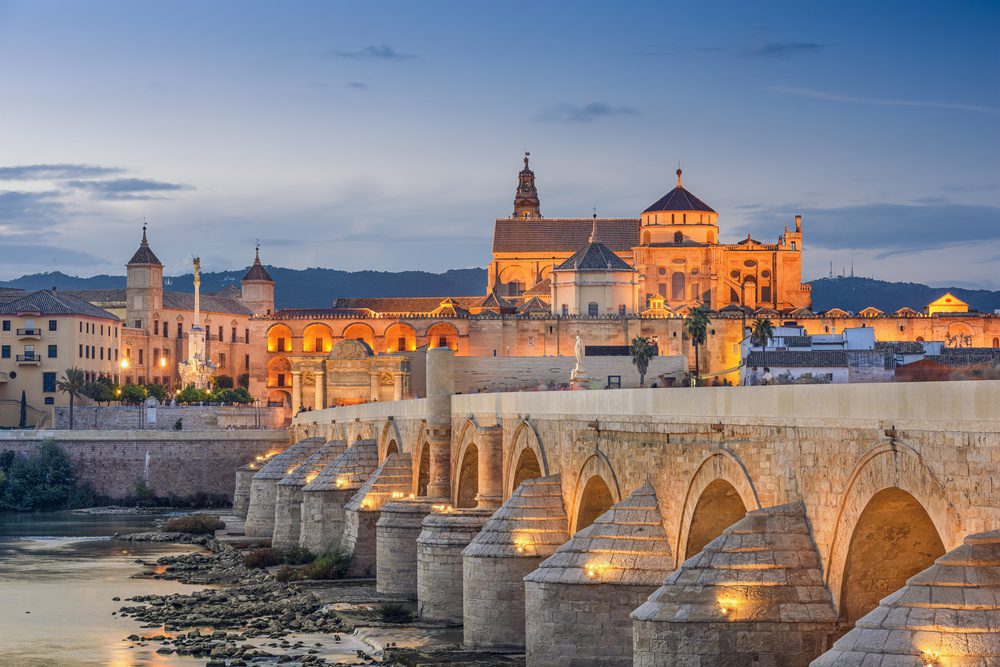
Seville boasts iconic, massive historical sites like the Royal Alcázar (€14.50 / $15.95) and its colossal Cathedral with the Giralda tower (€18 / $19.80), offering breathtaking grandeur and Moorish architecture. It's also the undisputed birthplace and heart of flamenco, with numerous tablaos (like Tablao El Arenal, tickets from €42 / $46.20) offering authentic, passionate shows. However, Cordoba's Mezquita-Cathedral (€13 / $14.30) stands as a singular, unparalleled marvel—a forest of arches born from a mosque and cathedral interwoven, a truly unique testament to Spain's complex history. Wandering its ancient Judería (Jewish Quarter) with its flower-filled patios and narrow, winding streets feels like stepping back in time, offering a more intimate, concentrated historical experience than Seville's broader, more spread-out attractions. "The Mezquita alone is worth the trip to Cordoba, it's unlike anything else I've ever seen, mind-blowing really." While Seville is spectacular, Cordoba's distinct historical core and the sheer uniqueness of the Mezquita give it the edge for a deeply immersive cultural journey.
Winner takeaway
- Winner: Cordoba
- Why: Cordoba's Mezquita-Cathedral and its ancient Judería offer a uniquely concentrated and profound historical experience.
- Who this matters for: History buffs, architecture enthusiasts, and those seeking a unique cultural immersion.
🍷 Food & Drink
Seville is a culinary powerhouse, offering an explosion of tapas bars from traditional (like El Rinconcillo, where a tapa and a caña might set you back €4-€6 / $4.40-$6.60) to modern gastronomy (like Eslava, known for its creative dishes around €4-€8 / $4.40-$8.80 per tapa). The sheer variety and energy of Seville's food scene, especially in areas like Triana or Alameda, is unmatched. You can literally bar-hop all night, trying different specialties and exploring vibrant food markets like Mercado de Triana. Cordoba, while smaller, has its own distinct culinary gems like salmorejo (a thicker gazpacho, around €3-€5 / $3.30-$5.50) and flamenquín (fried ham roll). Dining in Cordoba often feels more intimate, with charming patio restaurants tucked away in the Judería (e.g., Taberna Salinas) offering a serene experience, though options are fewer. "Honestly, Seville's tapas scene just hits different. Every other corner has something amazing, and it's so easy to just grab a few things and move on." While Cordoba offers delicious, unique dishes, Seville's breadth, dynamism, and sheer volume of high-quality dining experiences give it the edge for foodies seeking constant discovery.
Winner takeaway
- Winner: Seville
- Why: Seville offers an unparalleled variety, dynamism, and sheer volume of outstanding tapas and dining experiences.
- Who this matters for: Foodies, social eaters, and anyone who loves to explore local cuisine through small plates.
💃 Nightlife & Entertainment
Seville truly comes alive at night, offering a vibrant and diverse nightlife scene that caters to all tastes. From trendy rooftop bars with stunning views (like Terraza Muelle New York) to traditional taverns in Triana that spill out onto the streets, and bustling areas like Alameda de Hércules with its array of bars and clubs, there's always something happening. Flamenco shows, from intimate peñas to grander venues, are a quintessential Seville evening experience. Drinks are reasonably priced, with a beer or glass of wine usually costing €2.50-€5 ($2.75-$5.50). Cordoba, by contrast, offers a much more subdued evening experience. While you can find charming bars for a quiet drink in the Judería or by the river, and some traditional taverns (like Taberna El Capricho), it's not a city for late-night revelry. "If you're looking to party or just have a lively night out, Seville is definitely your spot. Cordoba is more for a nice dinner and an early night." If you're looking for energy, variety, and the chance to dance the night away, Seville is the clear winner.
Winner takeaway
- Winner: Seville
- Why: Seville boasts a far more vibrant, diverse, and energetic nightlife scene, from bars to clubs and flamenco.
- Who this matters for: Party-goers, social butterflies, and those who enjoy late-night cultural experiences.
💰 Costs & Budget
While both cities offer good value compared to many other European destinations, Cordoba generally comes out slightly cheaper, especially for accommodation and dining. A mid-range hotel in Cordoba can be found for €70-€120 ($77-$132) per night, whereas similar quality in Seville might start at €90-€150 ($99-$165), particularly in peak season. Tapas in Cordoba can sometimes be a euro or two less, and while main attractions like the Mezquita (€13 / $14.30) are comparable to Seville's Alcázar (€14.50 / $15.95), the overall 'tourist surcharge' feels less pronounced in Cordoba. Public transport in both is cheap (single bus ticket ~€1.40 / $1.55). "We saved a decent amount by spending a couple of nights in Cordoba instead of staying longer in Seville. The hotels were much better value for money." For travelers looking to stretch their budget without sacrificing quality, Cordoba offers a noticeable advantage, allowing for a more comfortable experience on fewer euros.
Winner takeaway
- Winner: Cordoba
- Why: Cordoba generally offers better value for money across accommodation, dining, and daily expenses.
- Who this matters for: Budget-conscious travelers, backpackers, and anyone looking to maximize their travel funds.
🚆 Getting There & Around
Seville wins for overall accessibility, boasting San Pablo Airport (SVQ), which offers direct flights to many European cities and is a major hub within Spain. From the airport, a bus takes you to the city center for €4 ($4.40). Seville is also a major high-speed AVE train hub, connecting directly to Madrid (2.5-3 hrs, €40-€80 / $44-$88) and other Spanish cities. Once in Seville, the city center is highly walkable, with an efficient tram and bus system. Cordoba does not have a major international airport, usually requiring travelers to fly into Seville or Madrid and then take the high-speed AVE train (Seville-Cordoba: ~45 mins, €15-€30 / $16.50-$33). However, Cordoba's compact size makes it incredibly walkable; you'll likely never need public transport within the city itself. "Flying into Seville was super easy, and the train connections from there to anywhere else in Andalusia were so convenient." While Cordoba is a dream to navigate on foot, Seville's direct international airport and broader rail network make it the more convenient entry point and base for exploring Andalusia.
Winner takeaway
- Winner: Seville
- Why: Seville offers a major international airport and more extensive high-speed rail connections, making it an easier gateway.
- Who this matters for: International travelers, those arriving by air, and visitors planning multi-city itineraries across Andalusia.
🏨 Accommodation
Seville, as a larger city and major tourist destination, offers a significantly wider and more diverse range of accommodation options. You can find everything from opulent 5-star hotels (like Hotel Alfonso XIII, from €300 / $330) to stylish boutique hotels in historic buildings, budget-friendly hostels (dorm beds €25-€45 / $27.50-$49.50), and numerous Airbnb apartments across various neighborhoods. Areas like Santa Cruz, Triana, and El Arenal provide excellent central bases. Cordoba, while still offering quality choices, leans more towards charming boutique hotels, guesthouses, and apartments often centered around its famous patios, particularly within the Judería. Options are generally fewer and might book up faster during peak patio festival times. Prices are often slightly lower in Cordoba for comparable quality, but the sheer volume and choice in Seville give it an edge. "Seville just has so many fantastic hotel options, whether you want something fancy or a cute, affordable boutique place. It was easy to find exactly what we needed." If variety, availability, and choice of neighborhood are key, Seville provides more flexibility.
Winner takeaway
- Winner: Seville
- Why: Seville offers a greater variety and volume of accommodation options across all price points and styles.
- Who this matters for: Travelers with specific accommodation preferences, luxury seekers, and budget travelers looking for many hostel choices.
✨ Atmosphere & Vibe
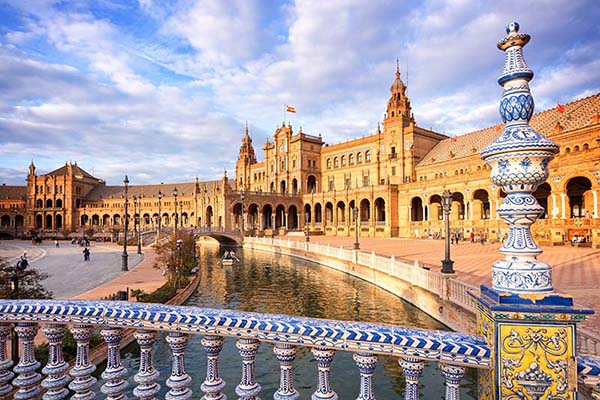
This category truly depends on personal preference, resulting in a genuine tie. Seville pulsates with a grand, vibrant, and passionate energy. It's a city of wide boulevards, impressive squares like Plaza de España, and bustling neighborhoods where life spills onto the streets. There's a constant buzz, the scent of orange blossoms, and the sounds of flamenco echoing. It feels monumental and alive. Cordoba, by contrast, offers a more intimate, ancient, and tranquil vibe. Its charm lies in the labyrinthine streets of the Judería, the hidden patios, and the peaceful moments found wandering its historic core. It's romantic and feels like a step back in time, especially after the daytime tourist crowds thin out. "Seville felt like a party, so much energy! Cordoba was pure magic, so peaceful and beautiful after dark." If you're seeking grandeur and vivacity, Seville delivers. If you desire quiet charm, history whispering from every corner, and intimate beauty, Cordoba is your sanctuary. Both offer quintessential Andalusian experiences, just with different rhythms.
Winner takeaway
- Winner: Tie
- Why: Both cities offer distinct, equally compelling atmospheres, catering to different traveler preferences.
- Who this matters for: Everyone, as personal preference will dictate which 'vibe' resonates more.
🌄 Day Trips & Surroundings
Seville is an excellent base for exploring the wider region of Andalusia, offering a wealth of fantastic day trip options. You can easily take a train to Jerez de la Frontera (1 hour, ~€10-€15 / $11-$16.50) for sherry tasting and equestrian shows, or head to the coastal city of Cadiz (1.5 hours, ~€15-€20 / $16.50-$22) for beaches and fresh seafood. The stunning 'white village' of Ronda, perched dramatically on a gorge, is also accessible by bus or car (2 hours). These trips add significant diversity to your Andalusian experience. Cordoba, while centrally located, doesn't have as many universally recognized or easily accessible iconic day trips directly on its doorstep. You could explore smaller, lesser-known towns or visit the beautiful Medina Azahara (a UNESCO archaeological site 8km west, reachable by bus for €9 / $9.90 return), but the sheer variety and appeal of Seville's surrounding destinations give it a clear advantage. "We did a day trip to Cadiz from Seville and loved having that coastal contrast. It really rounded out our trip." If expanding your horizons beyond the city limits is a priority, Seville is the superior hub.
Winner takeaway
- Winner: Seville
- Why: Seville offers a richer array of popular and easily accessible day trip options to diverse destinations.
- Who this matters for: Explorers, those on longer trips, and travelers wanting to see multiple facets of Andalusia.
🛍️ Shopping & Souvenirs
Seville, as the larger urban center, offers a much broader and more diverse shopping experience. From major international and Spanish retail chains along Calle Sierpes and Tetuán to high-end boutiques in the Alfalfa district, it caters to all types of shoppers. You'll also find a fantastic array of artisan workshops, particularly in Triana for ceramics and flamenco attire, and bustling local markets (like Mercado de Triana for food and crafts). Cordoba's shopping scene is more niche and intimate, focusing on traditional crafts, especially leather goods (Cordoban leather is famous), intricate silver filigree jewelry, and beautiful pottery. The Judería is dotted with small, charming shops selling unique, handcrafted souvenirs. "If you're looking for anything specific or just want to browse a lot of different kinds of shops, Seville has way more options." While Cordoba excels in specialized, authentic local crafts, Seville's sheer volume, variety, and mix of modern retail with artisan finds make it the winner for a comprehensive shopping experience.
Winner takeaway
- Winner: Seville
- Why: Seville provides a more extensive and varied shopping landscape, combining major retail with artisan crafts.
- Who this matters for: Fashionistas, souvenir collectors, and those who enjoy browsing diverse retail environments.
☀️ Best Time to Visit / Weather
Both Seville and Cordoba share a similar Mediterranean climate, characterized by scorching hot summers and mild, often sunny, winters. However, Cordoba is famously known as 'the frying pan of Spain,' regularly reaching extreme temperatures of 40-45°C (104-113°F) in July and August, making daytime exploration almost unbearable. Seville is also hot, typically 35-40°C (95-104°F) in summer, but its slightly larger size and proximity to the Atlantic (though not directly coastal) can sometimes offer a tiny reprieve or more options for indoor escapes. The absolute best times to visit both are spring (April-May) and autumn (October-November) when temperatures are pleasant (20-28°C / 68-82°F) and the cities are vibrant with festivals (Seville's Feria de Abril, Cordoba's Patio Festival). "Avoid July and August if you can, seriously. We went to Cordoba in late June and it was already brutal. Seville felt a *tiny* bit more breathable." While both are challenging in summer, Seville edges out Cordoba simply because Cordoba's summer heat can be uniquely intense and prohibitive, making outdoor activities difficult for longer periods.
Winner takeaway
- Winner: Seville
- Why: While both are hot, Seville's summer heat is marginally less intense and slightly more manageable than Cordoba's extreme temperatures.
- Who this matters for: Travelers sensitive to extreme heat, and those planning trips during the shoulder seasons.
❓ Frequently Asked Questions
How many days should I spend in Seville and Cordoba?
For Seville, plan 3-4 full days to cover the major sites, enjoy flamenco, and soak in the atmosphere. For Cordoba, 1.5-2 days is usually sufficient to see the Mezquita, explore the Judería, and enjoy the patios without feeling rushed.
Is it worth visiting both Seville and Cordoba?
Absolutely! They offer distinct but equally enriching experiences. Seville provides grandiosity and vibrancy, while Cordoba offers intimate history and unique charm. They complement each other perfectly and are easily connected by high-speed train.
What's the best way to travel between Seville and Cordoba?
The high-speed AVE train is by far the best option. It takes only about 45 minutes, with frequent departures throughout the day, and tickets typically range from €15-€30 ($16.50-$33) if booked in advance.
Which city is better for solo travelers?
Seville generally offers more for solo travelers, with a larger hostel scene, more opportunities for social interaction in tapas bars and nightlife, and a wider array of organized tours. Cordoba is safe and charming for solo exploration but offers fewer group activities.
Are Seville and Cordoba good for families with children?
Both are family-friendly, but Seville offers more space and diverse activities like the Plaza de España, Parque de María Luisa, and carriage rides that might appeal more to younger kids. Cordoba's narrow streets and focused historical sites might be more suitable for older children or those with a keen interest in history.
Do I need to book attractions in advance?
Yes, for both cities, it's highly recommended, especially for the Alcázar and Cathedral in Seville, and the Mezquita-Cathedral in Cordoba. Booking online a few days to weeks in advance saves time and ensures entry, particularly during peak season.
Which city has better flamenco?
Seville is widely considered the heartland of flamenco. While Cordoba has some excellent tablaos, Seville boasts more venues, a wider range of styles, and a deeper connection to the art form's roots, offering a more comprehensive flamenco experience.
Can I visit Cordoba as a day trip from Seville?
Yes, it's a very popular day trip! The 45-minute train ride makes it feasible. You can easily spend 6-8 hours exploring the Mezquita, Judería, and Patios. However, staying overnight allows you to experience Cordoba's magical evening ambiance.
Ready to plan your Andalusia trip?
Get a free custom itinerary for Seville, Cordoba, or both — built from real traveler insights.
🎟️ Book Tours & Experiences
Hand-picked tours and activities for both destinations — book with free cancellation
Experiences via Viator — free cancellation on most tours