How we built this comparison
This page combines traveler discussion patterns, published price ranges, flight schedules, and seasonal data to help you decide between Seville and Lisbon.
- Reviewed 50+ Reddit threads from r/travel, r/solotravel, r/spain, r/portugal, r/sevilla, r/lisboa.
- Verified costs and logistics against current booking platforms (e.g., Booking.com, Google Flights, Trainline, Flixbus).
- Cross-referenced seasonal patterns and weather data from reputable meteorological sources.
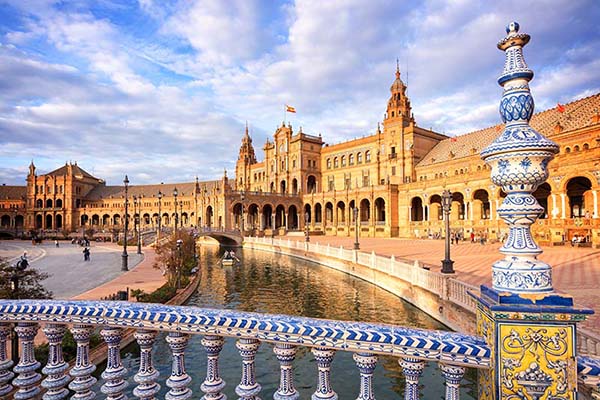
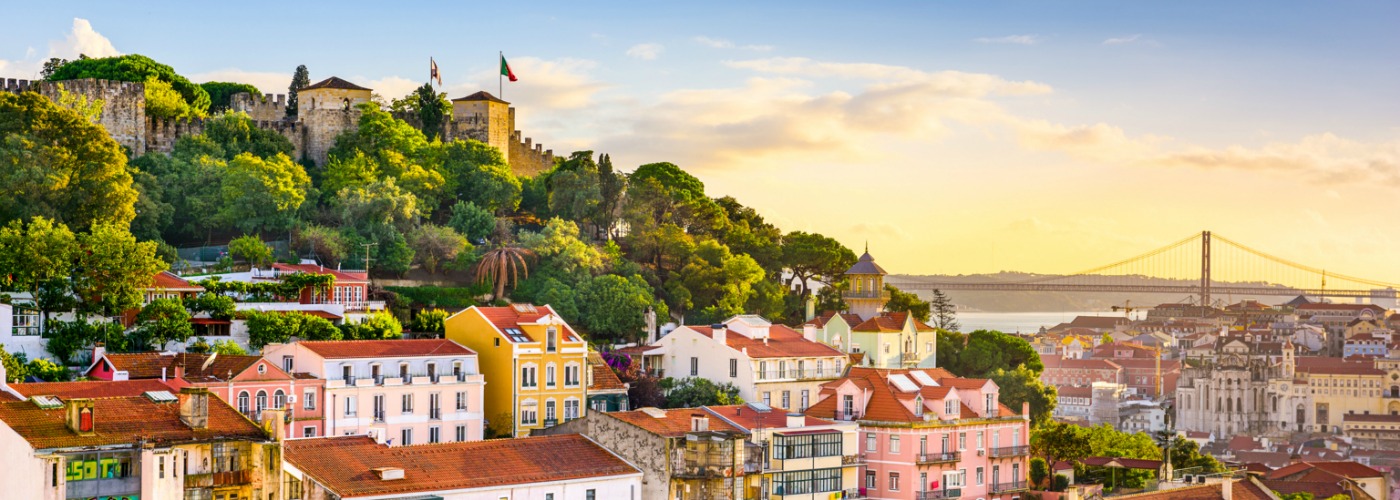
⚡ The TL;DR Verdict
Choose Seville for an authentic, budget-friendly dive into Andalusian culture with incredible food and vibrant street life, ideal for a daily budget of €60-100 ($65-110). Opt for Lisbon if you crave a city with stunning Atlantic views, diverse nightlife, and readily accessible beaches, expecting a daily spend closer to €75-120 ($80-130). Both offer rich history, but their vibes are distinctly different.
- Choose Seville: For culture vultures and foodies on a moderate budget, seeking a quintessential Spanish experience centered around flamenco, Moorish architecture, and an unbeatable tapas scene.
- Choose Lisbon: For those who love hilly, picturesque cities with a bohemian edge, great nightlife, easy access to coastal towns, and a slightly more cosmopolitan feel.
- Choose Both: If you have 8-10 days, flying into one and out of the other (e.g., LIS to SVQ or vice versa via train/bus, 6-7 hours, €30-50) is a fantastic way to experience both the Atlantic and Mediterranean sides of the Iberian Peninsula.
Quick Comparison
| Category | Seville | Lisbon | Winner |
|---|---|---|---|
| Food & Drink | Unparalleled tapas culture, rich Andalusian flavors, traditional Spanish cuisine at great value. | Seafood focus, iconic Pastéis de Nata, diverse international options, vibrant market scene. | Seville |
| Culture & History | Moorish grandeur (Alcázar, Cathedral), flamenco heartland, traditional Andalusian arts. | Age-old neighborhoods (Alfama), maritime history (Belém Tower), melancholic Fado music. | Seville |
| Nightlife | Late-night tapas and sherry bars, lively plazas, intimate flamenco shows. | Diverse party scene, Bairro Alto, Cais do Sodré, rooftop bars, Fado houses. | Lisbon |
| Costs | Generally more affordable for food, drinks, and public transport. Good value accommodation. | Slightly higher costs for accommodation, dining out, and some attractions. | Seville |
| Getting There & Around | Walkable city center, efficient public transport, smaller airport. | Major international hub, excellent metro/tram system (iconic Tram 28), hilly terrain. | Tie |
| Accommodation | Charming boutique hotels, traditional guesthouses, good value within the historic center. | Wide range of options from luxury to hostels, more modern choices, but prices can be higher. | Seville |
| Day Trips | Easy access to Cordoba, Ronda, Jerez, Cadiz, and white villages. | Sintra, Cascais, Óbidos, and picturesque coastal towns are all easily reachable. | Tie |
| Weather & Seasons | Extremely hot summers, mild winters, pleasant springs and autumns. | Milder summers with Atlantic breeze, wetter but temperate winters, comfortable shoulder seasons. | Lisbon |
| Beaches & Nature | Inland city, requires day trips for coastal access; Guadalquivir river for scenic walks. | Easy access to numerous Atlantic beaches (Cascais, Costa da Caparica), impressive natural parks nearby. | Lisbon |
| Vibe & Atmosphere | Passionate, traditional, romantic, deeply Spanish with a strong flamenco heart. | Bohemian, melancholic (saudade), historic charm mixed with modern energy, Atlantic breeze. | Tie |
🍽️ Food & Drink
Seville is a foodie's paradise, especially if you adore tapas. The city's tapas culture is ingrained in daily life; you can graze your way through countless bars, enjoying small plates of jamón ibérico, espinacas con garbanzos, or salmorejo, often for just €3-5 ($3.25-5.50) per tapa. Authentic spots like El Rinconcillo, the oldest bar in Seville, or modern takes at La Brunilda, offer an incredible range. A full meal with drinks might set you back €15-25 ($16-27). Lisbon, by contrast, shines with its fresh seafood, from grilled sardines to bacalhau à brás (codfish). Don't miss the iconic Pastéis de Nata from Pastéis de Belém (around €1.20-1.50/$1.30-1.60) or exploring the Time Out Market for diverse, high-quality eats. While Lisbon offers more variety, Seville's authentic, affordable, and pervasive tapas experience is truly unbeatable. "Honestly, Seville's tapas scene just hits different. You can eat like royalty for like €20 a day if you do it right." The focus on social eating and quality ingredients at a fantastic price gives Seville the edge.
Winner takeaway
- Winner: Seville
- Why: Seville's deep-rooted and affordable tapas culture offers a more immersive and distinct culinary experience.
- Who this matters for: Foodies, social eaters, and budget travelers seeking authentic local flavors.
🏛️ Culture & History
Seville is a breathtaking tapestry of Moorish and Castilian history. The Royal Alcázar of Seville, a UNESCO World Heritage site, is an architectural masterpiece with stunning gardens, requiring a timed entry ticket around €14.50 ($16). The Seville Cathedral and its Giralda tower (another UNESCO site, €12/$13) are equally impressive. Flamenco is not just a show here; it's a way of life, with authentic peñas (clubs) offering intimate performances (often €20-30/$22-33). Lisbon's charm lies in its layered history, from the earthquake of 1755 to its Age of Discoveries. Explore the winding alleys of Alfama, visit the São Jorge Castle (€10/$11), and marvel at the Belém Tower and Jerónimos Monastery (each around €10/$11). Fado music, another UNESCO heritage, is deeply emotional and can be experienced in local tascas. While both are incredibly rich, Seville's architectural grandeur, particularly the intricate Mudéjar style, and the raw passion of its flamenco scene, feel more uniquely impactful. "Seville just feels like stepping back in time with those palaces and the sound of flamenco everywhere. Lisbon is cool but Seville felt more 'otherworldly'."
Winner takeaway
- Winner: Seville
- Why: Seville's awe-inspiring Moorish architecture and the raw passion of flamenco create a more vivid and immersive cultural experience.
- Who this matters for: History buffs, architecture enthusiasts, and those seeking iconic cultural performances.
🌃 Nightlife
Seville's nightlife is an extension of its social culture, often starting late with tapas and drinks in bustling plazas like Alameda de Hércules. Bars like Bar Garlochi offer a traditional, spirited experience. Flamenco shows continue late into the night, providing a cultural alternative to clubbing. While there are clubs, the focus is more on lively bars and social gatherings. Lisbon, however, offers a more diverse and energetic nightlife. Bairro Alto transforms into a massive street party every night, with dozens of tiny bars spilling out onto the cobblestone streets (drinks typically €5-8/$5.50-8.75). For more structured clubbing, Cais do Sodré, particularly 'Pink Street,' has larger venues like Musicbox. The city also boasts fantastic rooftop bars with stunning views, like Park Bar. You can easily find a quiet Fado house or dance until dawn. "Lisbon's nightlife is insane, way more options than Seville. You can literally walk out of one bar into another in Bairro Alto until 4 AM." The sheer variety and late-night options make Lisbon the clear winner for party-goers.
Winner takeaway
- Winner: Lisbon
- Why: Lisbon offers a more varied and energetic nightlife, from street parties to large clubs and stylish rooftop bars.
- Who this matters for: Young travelers, party-goers, and those seeking diverse evening entertainment.
💰 Costs
When it comes to stretching your travel budget, Seville generally comes out ahead. A typical tapas meal can be as low as €10-15 ($11-16) per person, and local beer or wine is often €2.50-4 ($2.70-4.30). Public transport (bus/tram) is around €1.40 ($1.50) per ride. Mid-range accommodation, like a charming guesthouse, can be found for €70-100 ($76-110) per night. Lisbon, while still affordable compared to many Western European capitals, is noticeably pricier. A decent meal will often be €15-25 ($16-27), and a pint of beer around €4-6 ($4.30-6.50). Metro rides are similar at €1.50-2 ($1.60-2.15). Accommodation in popular areas can easily reach €90-140 ($98-152) per night for a mid-range hotel, especially during peak season. "Seville just feels like you get more bang for your buck, especially with food and drinks. Lisbon adds up quicker." The difference isn't massive, but consistent savings across the board make Seville a more budget-friendly choice.
Winner takeaway
- Winner: Seville
- Why: Seville consistently offers better value across food, drinks, accommodation, and transportation.
- Who this matters for: Budget-conscious travelers, backpackers, and those looking to maximize their spending power.
✈️ Getting There & Around
Seville's San Pablo Airport (SVQ) is smaller, primarily serving European destinations, though connections from major hubs are common. Getting to the city center is easy via airport bus (Line EA, €4/$4.30, 30 min). Once there, Seville's historic core is incredibly walkable, making it a joy to explore on foot. For longer distances, an efficient bus and tram system covers the city. Lisbon's Portela Airport (LIS) is a major international gateway, making direct flights from North America and other continents more common. A flight from NYC to LIS is around 6-7 hours, often €400-700 ($435-760). From LIS, the metro connects directly to the city center (€1.50-2/$1.60-2.15). Lisbon's public transport is excellent, with a widespread metro, bus, and tram network (the historic Tram 28 is a must-try, though often crowded). However, Lisbon is famously hilly, which can be tiring. "Lisbon's metro is super easy from the airport, but man, those hills are no joke! Seville is flat and you can just walk everywhere." Seville wins for local ease of getting around on foot, but Lisbon wins for international accessibility, making it a tie overall depending on your travel style and origin.
Winner takeaway
- Winner: Tie
- Why: Lisbon offers superior international flight connectivity, while Seville is more comfortably walkable within its core, balancing out to a tie.
- Who this matters for: International travelers prioritize flight options; local explorers value walkability.
🏨 Accommodation
Seville excels in offering authentic and atmospheric accommodation, often at a better price point. You'll find a plethora of charming boutique hotels and traditional guesthouses (casas palacio) tucked into renovated historic buildings in Santa Cruz or El Arenal. A well-located, mid-range double room can be found for €70-110 ($76-120) per night, offering great value and character. Places like Hotel Amadeus & La Musica or Hotel Casa 1800 Sevilla provide excellent experiences. Lisbon also has a vast array of accommodation, from upscale hotels overlooking the Tagus River to trendy hostels in Bairro Alto. While there are fantastic options, the average price for a comparable mid-range hotel in a central area like Baixa or Chiado tends to be higher, often €90-140 ($98-152), particularly during peak season. Hostels are plentiful, with dorm beds from €25-45 ($27-49). "We stayed in this amazing little boutique hotel in Seville near the Cathedral for like €90 a night, felt like a steal for how nice it was. Lisbon felt pricier for similar quality." Seville's ability to combine authentic charm with better affordability gives it the edge.
Winner takeaway
- Winner: Seville
- Why: Seville offers more charming, character-filled accommodation in prime locations at more attractive prices.
- Who this matters for: Travelers seeking unique stays, romantic getaways, and good value for their money.
🗺️ Day Trips
Both cities serve as excellent bases for exploring their respective regions, offering a diverse array of day trips. From Seville, you can easily reach Cordoba by high-speed train (45 min, €20-30/$22-33 return) to marvel at the Mezquita-Cathedral, or take a bus to the stunning clifftop town of Ronda (2 hrs, €15-20/$16-22 return). The Sherry Triangle (Jerez de la Frontera, Sanlúcar de Barrameda, El Puerto de Santa María) is also very accessible. Lisbon boasts Sintra, a UNESCO World Heritage site known for its fairytale palaces like Pena Palace (train 40 min, €2.30/$2.50 one way, palace tickets €14/$15). The charming coastal town of Cascais is also a short train ride away (40 min, €2.25/$2.45 one way), perfect for a beach escape. Óbidos, a medieval walled village, is another popular bus trip (1 hr, €8/$8.70 one way). "Sintra is absolutely magical, a must-do from Lisbon. But then again, seeing the Mezquita in Cordoba was mind-blowing from Seville. Can't really choose!" The quality and variety of day trips from both cities are outstanding, catering to different interests, hence a tie.
Winner takeaway
- Winner: Tie
- Why: Both cities offer an equally impressive and diverse range of compelling day trip options that cater to different interests.
- Who this matters for: Travelers who enjoy exploring beyond the main city and experiencing regional highlights.
☀️ Weather & Seasons
Seville experiences a typical Mediterranean climate with significant extremes. Summers (June-August) are notoriously hot, often reaching and exceeding 40°C (104°F), making daytime exploration challenging. Winters are mild and relatively dry, with temperatures around 10-18°C (50-64°F). Spring (April-May) and Autumn (Sept-Oct) are ideal, with comfortable temperatures around 20-30°C (68-86°F) and vibrant orange blossoms in spring. Lisbon, influenced by the Atlantic, enjoys a milder climate. Summers are warm but rarely sweltering, typically 25-30°C (77-86°F), often cooled by a refreshing ocean breeze. Winters are wetter and cooler than Seville's, averaging 8-15°C (46-59°F), but still very manageable. Shoulder seasons are delightful, with pleasant temperatures and fewer crowds. "I went to Seville in July once and almost melted. Lisbon in summer was so much more bearable with that ocean breeze." For year-round comfort and less extreme heat, Lisbon is generally the more pleasant choice.
Winner takeaway
- Winner: Lisbon
- Why: Lisbon's Atlantic-influenced climate offers milder, more comfortable temperatures, especially during summer, making it more pleasant year-round.
- Who this matters for: Travelers sensitive to extreme heat, those planning summer trips, and anyone preferring temperate climates.
🏖️ Beaches & Nature
Seville is an inland city, situated on the Guadalquivir River. While the river offers pleasant walks and boat trips, you won't find any beaches directly in the city. To reach the coast, you'll need to take a day trip, with the nearest popular options being the beaches of Cadiz or Huelva, about an hour to 1.5 hours away by car or train. These are beautiful but require planning. Lisbon, on the other hand, boasts incredible accessibility to stunning Atlantic beaches. The Estoril and Cascais coastlines are just a 30-40 minute train ride away (e.g., Praia da Rainha in Cascais). Across the Tagus River, the Costa da Caparica offers vast stretches of golden sand, easily reachable by bus or ferry. For nature, the Parque Natural da Arrábida provides beautiful coves and hiking trails, about an hour south. "If you want beaches, it's Lisbon, no question. Cascais is super easy to get to, and the vibe is chill." For travelers prioritizing beach time and coastal scenery, Lisbon is the undisputed winner.
Winner takeaway
- Winner: Lisbon
- Why: Lisbon's direct and easy access to beautiful Atlantic beaches and coastal natural parks makes it superior for beach lovers and nature enthusiasts.
- Who this matters for: Beachgoers, surfers, outdoor enthusiasts, and those wanting easy coastal escapes.
✨ Vibe & Atmosphere
Seville emanates a passionate, romantic, and deeply traditional Spanish vibe. It's a city where flamenco pulses through the streets, orange trees scent the air, and life unfolds at a leisurely, sociable pace around tapas bars and grand plazas. There's a palpable sense of history and an intensity in its beauty, especially in neighborhoods like Santa Cruz. The siesta culture is still very much alive, and evenings are long and lively. Lisbon offers a different kind of charm – a blend of historic melancholia (saudade) and bohemian energy. Its hilly, colorful streets, yellow trams, and stunning viewpoints (miradouros) create a unique, picturesque backdrop. There's a more laid-back, Atlantic-influenced feel, coupled with a vibrant contemporary arts and cafe scene. "Seville felt like a passionate embrace, all drama and beauty. Lisbon was more like a wistful, beautiful song, relaxed but deeply evocative." Both cities possess immense character and a distinct atmosphere that captivates visitors. Your preference will depend entirely on what kind of 'vibe' resonates most with you.
Winner takeaway
- Winner: Tie
- Why: Both cities offer profoundly unique and captivating atmospheres, making the 'winner' entirely subjective to personal preference.
- Who this matters for: Travelers prioritizing the overall feel and emotional connection with a city; depends on individual taste.
❓ Frequently Asked Questions
Which is better for a first-time solo traveler?
Both cities are excellent for solo travelers, offering safety and plenty to do. Seville might feel slightly more intimate and easier to navigate due to its compact, walkable center, fostering easier connections in tapas bars. Lisbon offers a larger hostel scene and more diverse nightlife, which can also be great for meeting people.
Is one significantly cheaper than the other?
Yes, Seville is generally more budget-friendly than Lisbon. You'll find food, drinks, and even accommodation to be consistently more affordable in Seville, allowing your travel budget to stretch further, especially if you embrace the tapas culture.
How many days should I spend in each?
For Seville, 3-4 full days are ideal to explore its main sights, enjoy flamenco, and soak in the atmosphere. For Lisbon, 4-5 full days allow you to experience the city's diverse neighborhoods, take a Fado night, and include a day trip to Sintra or Cascais without feeling rushed.
What's the best way to travel between Seville and Lisbon?
The most common and often cheapest way is by bus, which takes about 6-7 hours and costs €30-50 ($33-55). There are direct flights (around 1 hour, but factoring in airport time it's comparable) but they are usually more expensive. There's no direct high-speed train connection.
Which city has better beaches nearby?
Lisbon hands down. It offers direct and easy access to fantastic Atlantic beaches like those in Cascais, Estoril, and Costa da Caparica, all reachable by short train or bus rides. Seville is an inland city, requiring a longer day trip (1-1.5 hours) to reach the coast.
What are the main cultural differences a traveler would notice?
Seville embodies the vibrant, passionate, and traditional Andalusian culture, with flamenco, bullfighting heritage, and a strong Moorish influence evident in its architecture and daily life. Lisbon offers a more melancholic (saudade), maritime-influenced culture, with Fado music, a distinct tiling aesthetic, and a blend of historic charm with a more bohemian, Atlantic-facing modernity.
Is one better for families with young children?
Both are family-friendly, but Lisbon might have a slight edge due to its more varied attractions beyond historical sites, such as the Oceanário de Lisboa (aquarium) and easier access to beaches for playtime. Seville's intense summer heat can also be more challenging for young kids.
Which city has better weather in October?
Both cities offer excellent weather in October, often considered one of the best months to visit. Seville will typically be warmer and sunnier with less chance of rain, averaging 20-28°C (68-82°F). Lisbon will be slightly cooler and may experience more rainfall, averaging 18-24°C (64-75°F), but still very pleasant.
Ready to plan your Iberian adventure?
Get a free custom itinerary for Seville, Lisbon, or both — built from real traveler insights.
🎟️ Book Tours & Experiences
Hand-picked tours and activities for both destinations — book with free cancellation
Experiences via Viator — free cancellation on most tours