How we built this comparison
This page combines traveler discussion patterns, published price ranges, flight schedules, and seasonal data to help you decide between Seville and Malaga.
- Reviewed 500+ Reddit threads from r/travel, r/solotravel, r/SpainTravel, r/Andalusia
- Verified costs and logistics against current booking platforms (e.g., Renfe, Booking.com, Skyscanner)
- Cross-referenced seasonal patterns and weather data from AEMET (Spanish State Meteorological Agency)
- Incorporated insights from reputable travel blogs and local expat forums
⚡ The TL;DR Verdict
For those craving deep history, passionate flamenco, and grand architecture, Seville is your undeniable pick (budget: €60-€100 / $65-$110 per day). If you dream of urban beaches, fresh seafood, and a lively, relaxed vibe, Malaga awaits (budget: €50-€90 / $55-$100 per day).
- Choose Seville: Choose Seville for an immersive cultural experience, iconic landmarks like the Alcázar and Cathedral, and the soulful essence of flamenco, ideal for romantic getaways and history buffs.
- Choose Malaga: Opt for Malaga if you want sun, sand, incredible seafood, a burgeoning art scene, and a vibrant city that feels effortlessly cool, perfect for a relaxed yet engaging trip.
- Choose Both: If you have 7+ days, combining both is highly recommended. A comfortable 2.5-hour high-speed train connects them, allowing you to experience the best of both Andalusian worlds.
Quick Comparison
| Category | Seville | Malaga | Winner |
|---|---|---|---|
| Culture & History | Unparalleled Moorish architecture (Alcázar), grand Gothic cathedral, birth of flamenco, ancient Jewish quarter. | Roman ruins, Moorish fortress (Alcazaba), Picasso's birthplace and museum, modern art scene. | Seville |
| Beaches | No direct beaches; nearest are over an hour away by car. | City beaches (Malagueta, La Caleta), easy access to stunning coastal towns. | Malaga |
| Food & Drink | Traditional tapas, hearty stews, orange wine, sherry. Authentic, rustic flavors. | Fresh seafood (espetos), diverse tapas, innovative cuisine, great local wines (Malaga Dulce). | Malaga |
| Nightlife | Flamenco shows, lively tapas bars in Triana, student-friendly Alameda de Hércules. | Bustling historic center, rooftop bars, beach clubs, diverse club scene. | Malaga |
| Costs & Budget | Slightly higher accommodation and tourist attraction prices due to high demand. | Generally more budget-friendly for accommodation and dining, good value for money. | Malaga |
| Getting There | Smaller airport (SVQ) with strong European connections, less direct international. | Larger international airport (AGP) with extensive European and some direct long-haul flights. | Malaga |
| Getting Around | Highly walkable historic center, good public transport (bus, tram, metro). | Walkable city center, extensive bus network, some metro lines. | Seville |
| Day Trips | Excellent access to iconic Andalusian cities like Cordoba, Ronda, Jerez. | Great access to coastal towns, scenic routes, Caminito del Rey. | Seville |
| Vibe & Atmosphere | Romantic, grand, passionate, historic, traditional Spanish charm. | Relaxed, sunny, lively, modern city meets old town, coastal energy. | Seville |
| Accommodation | Wide range, but often slightly higher prices, especially in peak season. Boutique hotels are plentiful. | Excellent value across all segments, from hostels to boutique hotels and apartments. More options near beaches. | Malaga |
🏛️ Culture & History
Seville is an absolute powerhouse of history and culture, making you feel transported through time. The Real Alcázar, with its exquisite Mudéjar palaces and lush gardens, is a masterpiece you could explore for hours (entry around €14.50 / $16). The Seville Cathedral, the largest Gothic cathedral in the world, and its iconic Giralda bell tower (combined entry €12-€15 / $13-$16) are breathtaking. Add to this the authentic flamenco shows in Triana (from €20 / $22) and the charming Santa Cruz quarter, and Seville’s historical depth is unmatched. "Seriously, the Alcázar in Seville felt like stepping into a movie, just breathtakingly intricate and beautiful." Malaga, while rich in history with its Roman Theater and Alcazaba (€3.50 / $4 combined entry), and being Picasso's birthplace (Picasso Museum entry €12 / $13), offers a more digestible historical experience alongside its modern appeal.
Winner takeaway
- Winner: Seville
- Why: Seville's concentration of world-class historical sites and its deep connection to Andalusian traditions like flamenco give it the edge.
- Who this matters for: History buffs, architecture enthusiasts, and those seeking an authentic, traditional Spanish cultural immersion.
🏖️ Beaches
When it comes to beaches, Malaga is the clear winner simply by having them directly within and around the city. Playa de la Malagueta is Malaga's most famous city beach, just a 10-15 minute walk from the city center, offering convenient sunbathing and chiringuitos (beach bars). Nearby Playa de La Caleta provides a slightly quieter alternative. You can rent a sunbed for around €5-€10 ($5.50-$11). For more spectacular scenery, a short bus ride or drive takes you to the pristine coves of Nerja or the bustling resort of Torremolinos. "Malaga beaches are perfect for a lazy afternoon, super convenient from the city center, and those sardines are incredible right on the sand." Seville, being inland, has no direct access to beaches, requiring a minimum 1-hour drive to coastal towns like Matalascañas, making spontaneous beach trips impractical.
Winner takeaway
- Winner: Malaga
- Why: Malaga offers direct, easily accessible city beaches and quick access to beautiful coastal towns, making it ideal for sun-seekers.
- Who this matters for: Beach lovers, families, and anyone who enjoys combining city sightseeing with relaxing by the sea.
🍽️ Food & Drink
While Seville boasts incredible traditional tapas bars like El Rinconcillo, offering classic dishes like 'espinacas con garbanzos' and 'solomillo al whisky' (tapas €3-€6 / $3.30-$6.50), Malaga’s food scene feels more dynamic and diverse, especially if you love seafood. The 'espetos de sardinas' (skewered sardines grilled over coals) on the beach are a Malaga icon and a must-try (€3-€5 / $3.30-$5.50 a portion). The Mercado Central de Atarazanas is a vibrant market where you can sample fresh produce and seafood. Malaga also has a growing number of modern restaurants in areas like Soho and a strong tradition of sweet wines (Malaga Dulce). "Those espetos in Malaga, I dream about them, especially fresh off the beach grills near Malagueta. Nothing beats it after a swim." For a truly traditional experience, try El Pimpi in Malaga for classic bodega vibes. Main courses at mid-range restaurants in both cities range from €15-€25 ($16-$27).
Winner takeaway
- Winner: Malaga
- Why: Malaga's exceptional fresh seafood, particularly espetos, combined with a varied and evolving gastronomic landscape, gives it a slight edge.
- Who this matters for: Seafood enthusiasts, adventurous foodies, and those who appreciate a blend of traditional and modern culinary experiences.
💃 Nightlife
Both cities offer vibrant nightlife, but Malaga takes the win for its sheer variety and consistent energy. The historic center of Malaga, especially around Plaza de la Merced and Calle Larios, buzzes with bars, pubs, and clubs that stay open late. Rooftop bars like the one at the AC Hotel Málaga Palacio offer stunning city views with your cocktails (€10-€15 / $11-$16). You'll find everything from traditional bodegas to modern cocktail lounges and electronic clubs. "Malaga's rooftops at night are something else, great vibe and views for a cocktail, definitely a highlight." Seville's nightlife is characterized by its passionate flamenco shows (from €20 / $22), the more traditional bars in Triana, and the student-centric scene around Alameda de Hércules, which is great but can feel a bit more specific in its offerings compared to Malaga's broader appeal.
Winner takeaway
- Winner: Malaga
- Why: Malaga provides a wider array of nightlife options, from sophisticated rooftop bars to lively clubs, catering to diverse preferences and a more consistent party atmosphere.
- Who this matters for: Party-goers, young travelers, and anyone looking for a diverse and energetic evening entertainment scene.
💰 Costs & Budget
Malaga generally offers better value for money, especially when it comes to accommodation and dining. You can find well-located hostels in Malaga for €25-€40 ($27-$44) a night, and mid-range hotels for €70-€120 ($75-$130). Tapas are often a bit cheaper, with excellent portions available for €2.50-€4 ($2.70-$4.40). Public transport is also affordable, with single bus tickets around €1.30 ($1.40). Seville, as a more internationally renowned tourist destination, tends to have slightly inflated prices. Hostels typically start from €30-€50 ($33-$55), and mid-range hotels from €80-€150 ($87-$163). Tourist attractions, while worth it, are also priced a bit higher. "Honestly, I found Malaga slightly easier on the wallet, especially for good food and drinks, without feeling like I was sacrificing quality." While both are affordable by Western European standards, Malaga gives your euro a bit more mileage.
Winner takeaway
- Winner: Malaga
- Why: Malaga provides a more budget-friendly experience across accommodation, dining, and daily expenses, offering excellent value for travelers.
- Who this matters for: Budget-conscious travelers, backpackers, and anyone looking to maximize their travel funds without compromising on experience.
✈️ Getting There
Malaga's airport (AGP - Málaga-Costa del Sol Airport) is a major international hub, making it incredibly convenient for travelers. It offers a vast number of direct flights from across Europe and even some direct connections from the US and UK, making it often the easiest and cheapest entry point into Andalusia. From the airport, a quick train ride (C1 line, €1.80 / $2) gets you to the city center in about 12 minutes. "Flying into Malaga was a breeze, way more direct options from my city than Seville, saved me a layover." Seville's airport (SVQ - San Pablo Airport) is also well-connected, but primarily serves European destinations, with fewer direct long-haul options. If you're coming from outside Europe, you'll often find yourself connecting through Madrid, Barcelona, or another major European hub before flying to Seville, or taking a high-speed train from Madrid (2.5-3 hours, €40-€80 / $44-$87).
Winner takeaway
- Winner: Malaga
- Why: Malaga boasts a larger, more internationally connected airport, offering more direct flight options and easier accessibility for global travelers.
- Who this matters for: International travelers, those seeking the most convenient flight routes, and anyone prioritizing ease of arrival.
🚶 Getting Around
Both cities are very walkable, especially their historic centers, but Seville wins for the sheer charm and compact nature of its main attractions. Seville's old town, including areas like Santa Cruz, Triana, and El Arenal, is incredibly dense with sights, all within easy walking distance. You'll spend most of your time on foot, soaking in the atmosphere. For longer distances, Seville has an efficient bus network, a modern tram, and a metro system. "Seville's old town is made for walking, got lost in the best way through Santa Cruz's narrow streets and stumbled upon so many hidden gems." Malaga's city center is also very walkable, connecting the historic core, port, and Malagueta beach easily. It has an excellent bus network and two metro lines, which are useful for reaching further neighborhoods or the airport, but the core tourist experience is still best enjoyed on foot.
Winner takeaway
- Winner: Seville
- Why: Seville's historic core is incredibly compact and designed for pedestrian exploration, making it a joy to navigate purely on foot.
- Who this matters for: Walkers, explorers who love getting lost in charming streets, and those who prefer to experience a city on foot.
🚗 Day Trips
Seville stands out for its access to some of Andalusia's most iconic and historically significant day trip destinations. Cordoba, with its breathtaking Mezquita-Cathedral, is a mere 45-minute high-speed train ride away (tickets €20-€35 / $22-$38). The stunning clifftop town of Ronda, famous for its Puente Nuevo bridge, is easily reachable by bus (2 hours, €13-€15 / $14-$16). You can also explore Jerez de la Frontera for sherry bodegas. "Day trip to Ronda from Seville was absolutely epic, the Puente Nuevo is a must-see, felt like a movie scene." Malaga also offers excellent day trips, including the beautiful white village of Nerja and its caves (1 hour by bus), the dramatic Caminito del Rey hike (1.5 hours by train/car, requires booking in advance), and Ronda (also accessible from Malaga), but Seville's proximity to Cordoba and the sheer variety of cultural experiences make its day trip options slightly more compelling.
Winner takeaway
- Winner: Seville
- Why: Seville offers direct and convenient access to UNESCO World Heritage sites and culturally rich cities like Cordoba and Ronda, enhancing the overall Andalusian experience.
- Who this matters for: Explorers, history lovers, and travelers who want to see more of Andalusia's diverse landscapes and cities beyond their base.
✨ Vibe & Atmosphere
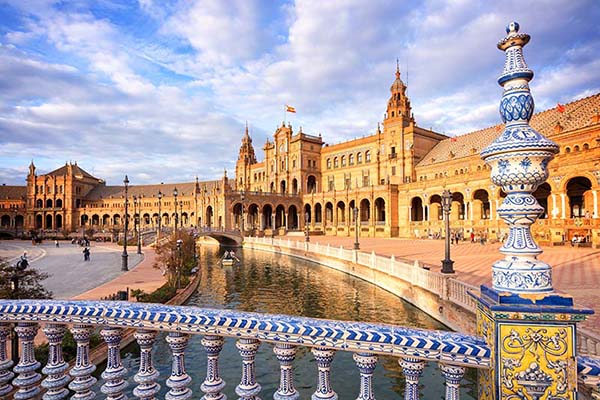
Seville's atmosphere is truly special: romantic, grand, and steeped in tradition. It's a city of passionate flamenco, horse-drawn carriages, and the scent of orange blossoms. The narrow, winding streets of the Santa Cruz quarter, the majestic Plaza de España, and the lively Alameda de Hércules all contribute to a unique sense of place. Evenings, especially, feel magical with the soft glow of streetlights and the sounds of distant guitar. "Seville just has this undeniable romantic, historic energy, especially in the evenings, it's truly captivating." Malaga, by contrast, offers a more relaxed, sun-drenched, and modern vibe. It feels less 'touristy' in its core, more like a lived-in city that happens to have incredible attractions. Its energy is lively and contemporary, especially in areas like Soho, blending seamlessly with its historic elements and beach culture. It's vibrant but without the overt traditional grandeur of Seville.
Winner takeaway
- Winner: Seville
- Why: Seville's unique blend of romantic grandeur, deep tradition, and palpable passion creates an unforgettable and iconic Andalusian atmosphere.
- Who this matters for: Romantics, those seeking a quintessential 'old Spain' experience, and travelers who appreciate a city with a strong, distinctive character.
🏨 Accommodation
While both cities offer a fantastic range of accommodation, Malaga often provides slightly better value and a broader selection, especially in the mid-range and budget segments. You can find stylish hostels like Feel Hostels Soho or Alcazaba Premium Hostel for €25-€40 ($27-$44) per night, or charming boutique hotels in the Centro Histórico or Soho for €80-€150 ($87-$163). Its proximity to the beach also opens up more apartment rental options. "Managed to snag a fantastic boutique place in Malaga's Soho for less than I expected, really good value for the location and style." Seville, while having equally beautiful options, particularly in areas like Triana and Santa Cruz, tends to be a bit pricier. Boutique hotels like Hotel Casa 1800 Sevilla can run from €120-€250 ($130-$270) per night, especially during festivals like Semana Santa or Feria de Abril, when prices can skyrocket across the board. Availability can also be tighter in Seville due to high demand.
Winner takeaway
- Winner: Malaga
- Why: Malaga offers a broader range of excellent value accommodation options, making it easier to find stylish and well-located stays without breaking the bank.
- Who this matters for: Budget-conscious travelers, families needing apartment rentals, and anyone looking for great value in their lodging choice.
❓ Frequently Asked Questions
What's the best time of year to visit Seville and Malaga?
Spring (April-May) and Fall (September-October) are ideal for both. Temperatures are pleasant (€20-28°C / 68-82°F), perfect for sightseeing. Summers (June-August) in Seville can be brutally hot (often above 40°C / 104°F), while Malaga's coastal breeze makes it more bearable for beach holidays.
Which city is better for families with children?
Malaga might be slightly better for families due to its urban beaches, interactive museums (like the Centre Pompidou and Picasso Museum), and numerous parks. Seville is fantastic for older children who can appreciate history and flamenco, but the intense heat in summer can be challenging for little ones.
Is one city safer than the other for solo female travelers?
Both Seville and Malaga are generally very safe cities for solo female travelers. Standard precautions apply – be aware of your surroundings, especially at night, and guard against pickpockets in crowded tourist areas. Both have excellent public transport and vibrant main areas that feel very secure.
How many days should I spend in each city?
For a good introduction, plan at least 3 full days in Seville to cover the main sights and experience its evening charm. For Malaga, 2-3 full days are sufficient to enjoy the city, its beaches, and some food experiences, leaving room for a day trip.
Can I easily travel between Seville and Malaga?
Absolutely! The high-speed AVE train connects Seville and Malaga in approximately 2.5 hours, with tickets typically ranging from €30-€60 ($33-$65) depending on how far in advance you book. It's a comfortable and efficient way to travel between the two cities.
Is English widely spoken in Seville and Malaga?
In major tourist areas, hotels, and popular restaurants, you'll find English speakers, especially among younger staff. However, knowing a few basic Spanish phrases will go a long way and is always appreciated by locals, particularly in smaller establishments or less touristy neighborhoods.
What are the main differences in local transport?
Seville's historic center is highly walkable, supplemented by trams, buses, and a metro for longer distances. Malaga also has a very walkable city center, a comprehensive bus network, and two metro lines that connect various parts of the city and the airport. Both are easy to navigate without a car.
Which city offers better shopping opportunities?
Both cities offer good shopping. Seville is excellent for traditional Spanish crafts, flamenco attire, and high-street fashion around Calle Sierpes and Tetuán. Malaga has a more modern shopping scene, with international brands along Calle Larios, independent boutiques in Soho, and large department stores, plus vibrant local markets like Mercado de Atarazanas.
Ready to plan your Andalusia trip?
Get a free custom itinerary for Seville, Malaga, or both — built from real traveler insights and tailored to your preferences.
🎟️ Book Tours & Experiences
Hand-picked tours and activities for both destinations — book with free cancellation
Experiences via Viator — free cancellation on most tours