How we built this comparison
This page combines traveler discussion patterns, published price ranges, flight schedules, and seasonal data to help you decide between Shanghai and Hong Kong.
- Reviewed 100+ Reddit threads from r/travel, r/solotravel, r/Shanghai, r/HongKong, and relevant regional subreddits for authentic traveler sentiment and tips.
- Verified costs and logistics against current booking platforms (e.g., Google Flights, Booking.com, local transport apps) and official tourism sites.
- Cross-referenced seasonal weather patterns, visa policies, and general safety guidelines from government advisories and expat forums.
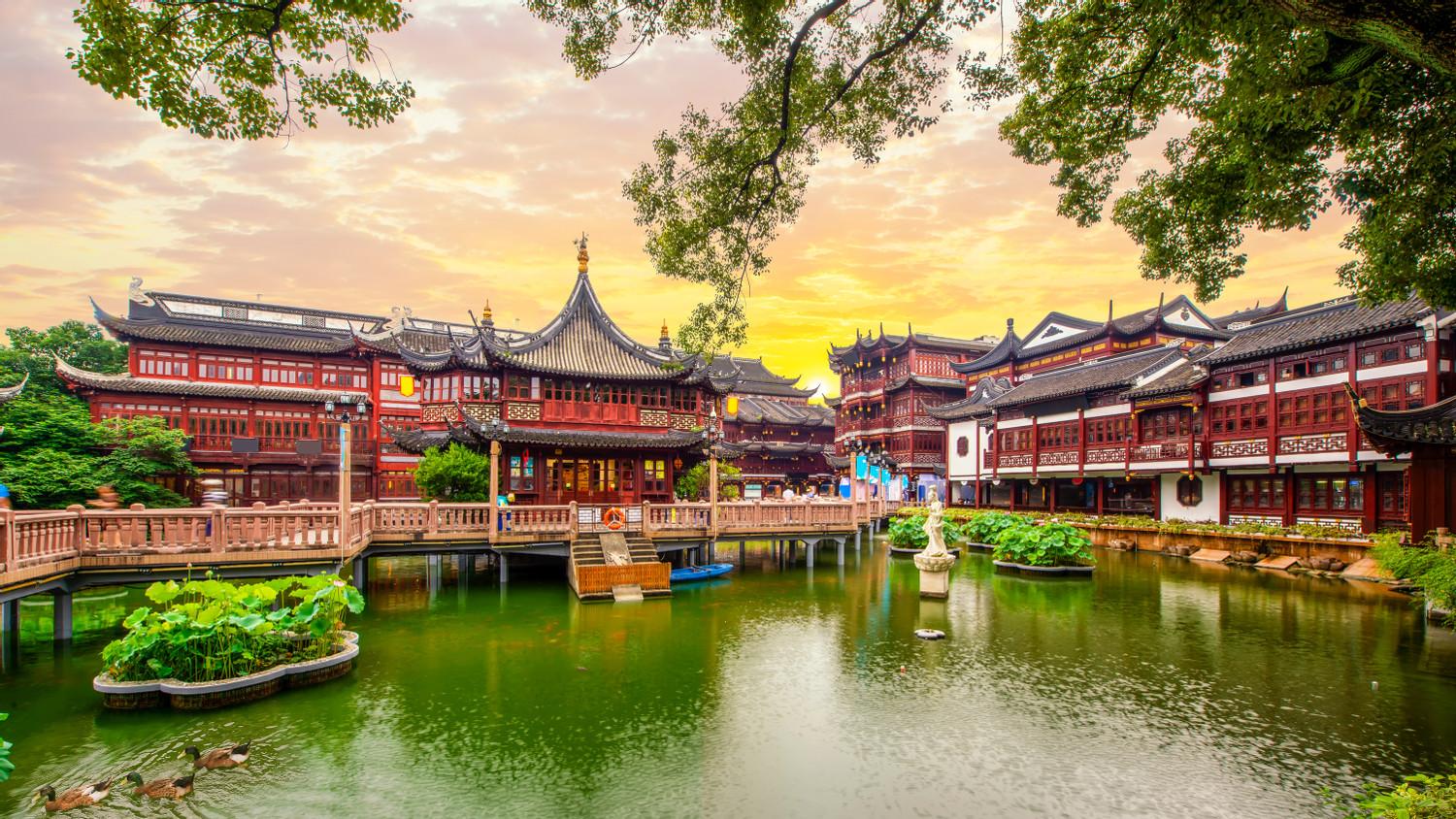
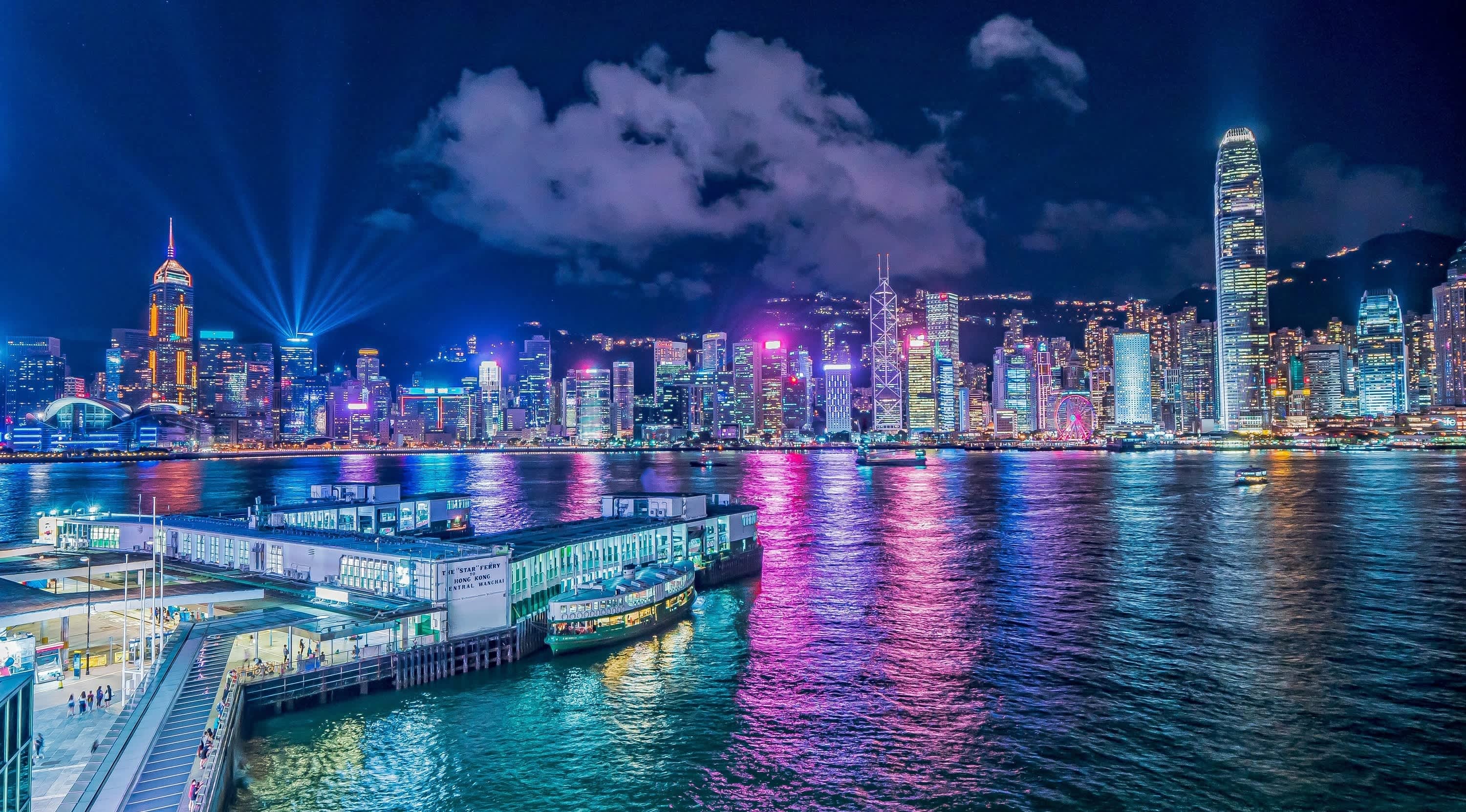
⚡ The TL;DR Verdict
For those craving a deep dive into modern China, futuristic architecture, and a more budget-friendly experience, Shanghai is your winner (daily budget: $60-120 USD). If you seek a dynamic blend of Cantonese culture, stunning cityscapes, seamless English communication, and don't mind a higher price tag, Hong Kong is the clear choice (daily budget: $80-180 USD).
- Choose Shanghai: Pick Shanghai if you're fascinated by mainland China's rapid development, crave incredible food at a lower cost, and are ready to navigate a less English-friendly but highly rewarding urban experience. Great for art, architecture, and a glimpse into China's future.
- Choose Hong Kong: Opt for Hong Kong if you prioritize ease of travel (less visa hassle for many), a fusion of East and West, world-class dining, incredible hiking trails, and a city that pulses with a unique, accessible energy. Perfect for first-time Asia travelers or those seeking a more international feel.
- Choose Both: If you have 10-14 days and want to experience both, it's absolutely doable! Fly into one, spend 4-6 days, then take a direct flight (approx. 2.5-3 hours, $100-200 USD) to the other for another 4-6 days. It's a fantastic way to contrast two mega-cities.
Quick Comparison
| Category | Shanghai | Hong Kong | Winner |
|---|---|---|---|
| Food & Drink | A culinary paradise, from street food (xiaolongbao!) to Michelin-starred dining, with authentic regional Chinese cuisine and a burgeoning craft cocktail scene. | A global food capital, renowned for dim sum, Cantonese roasts, and an incredible array of international cuisines, from hawker stalls to world-class fine dining. | Hong Kong |
| Nightlife & Entertainment | High-energy clubs on the Bund, hidden speakeasies in the French Concession, and a growing live music scene reflecting China's modern pulse. | Vibrant bar streets in Lan Kwai Fong and Soho, stunning rooftop bars with city views, and an international party atmosphere catering to all tastes. | Shanghai |
| Culture & History | A fascinating blend of modern Chinese ambition, Art Deco architecture from its colonial past, and ancient gardens like Yu Garden. Rich revolutionary history. | A unique East-meets-West melting pot, with strong Cantonese traditions, colonial heritage evident in its architecture, and a vibrant local arts scene. | Shanghai |
| Cost & Value | Generally more affordable than Hong Kong, offering excellent value for money in accommodation, food, and local transport. | One of the world's most expensive cities, particularly for accommodation, but offers good value for food if you eat like a local. | Shanghai |
| Getting Around | Extensive and highly efficient metro system, supplemented by taxis and ride-sharing apps (Didi). Language can be a minor barrier for taxis. | World-class MTR system, iconic trams, Star Ferry, and plentiful taxis. English widely spoken, making navigation incredibly easy. | Hong Kong |
| Accommodation | A wide range of options from budget hostels to luxury hotels, often offering more space and value for money compared to HK. | Known for compact, expensive rooms, but with iconic luxury hotels and boutique options packed into prime locations. | Shanghai |
| Shopping | High-end luxury brands on Nanjing Road, trendy boutiques in the French Concession, and bustling markets for souvenirs and unique finds. | A shopper's paradise, from luxury malls in Central to vibrant street markets like Temple Street, offering tax-free shopping for many goods. | Hong Kong |
| Day Trips & Nature | Limited nature within easy reach, but nearby water towns like Zhujiajiao offer a glimpse into traditional canal life. | Surprisingly green, with stunning hiking trails, beautiful islands, and beaches just a short MTR or ferry ride away. | Hong Kong |
| Visa & Accessibility | Most nationalities require a visa in advance, which can be a lengthy process. Restricted internet access (VPN needed). | Many nationalities enjoy visa-free entry, and English is widely spoken, making it highly accessible and easy to navigate. | Hong Kong |
| Overall Vibe & Energy | Futuristic, grand, and rapidly evolving, with a sense of ambition and a strong Chinese identity. Can feel overwhelming but also exhilarating. | Dense, vibrant, and a unique fusion of East and West. Pulsating with a distinct Cantonese energy, highly efficient, and globally connected. | Hong Kong |
🍜 Food & Drink
Shanghai offers an incredible spectrum of Chinese cuisine, particularly Shanghainese specialties like 'xiaolongbao' (soup dumplings) from places like Jia Jia Tang Bao (around 30 CNY / $4 USD for a steamer) and 'shengjianbao' (pan-fried soup buns). The international dining scene is also robust, especially in areas like the French Concession. However, Hong Kong simply excels in its sheer diversity and quality, especially for Cantonese food. Eating dim sum at a traditional teahouse like Tim Ho Wan (expect 100-150 HKD / $13-19 USD per person) or sampling roasted goose from Yat Lok is an essential HK experience. The street food culture, from fish balls to egg waffles, is vibrant, and the ease of finding incredible food at any price point is unmatched. Plus, Hong Kong's bar scene, particularly in Lan Kwai Fong and Soho, feels more established and Western-friendly. As one traveler put it, "Hong Kong's food just hits different, especially the dim sum. I could eat it every day and never get bored. Shanghai was good, but HK was next level variety."
Winner takeaway
- Winner: Hong Kong
- Why: Hong Kong edges out Shanghai for its unparalleled culinary diversity, consistent quality across all price points, and world-renowned Cantonese specialties.
- Who this matters for: Foodies, gourmands, and anyone looking for a truly diverse and accessible dining experience.
🌃 Nightlife & Entertainment
Shanghai's nightlife scene is incredibly dynamic and often feels more cutting-edge. The Bund offers a dramatic backdrop for high-end clubs like M1NT, where drinks can easily run 100-150 CNY ($14-20 USD). The French Concession is a treasure trove of sophisticated speakeasies like 'Speak Low' or 'The Union Trading Company,' offering creative cocktails for 80-120 CNY ($11-16 USD). There's a raw, evolving energy here that’s captivating. Hong Kong's Lan Kwai Fong and Soho districts are legendary for their packed bars and international crowds, offering everything from cheap beer to upscale cocktails. Rooftop bars like Ozone at the Ritz-Carlton provide breathtaking views, but at a premium (cocktails 180-250 HKD / $23-32 USD). While HK is fun and accessible, Shanghai feels more adventurous and less predictable. "Shanghai's hidden bars blew my mind. You literally walk through a ramen shop to get to one! The vibe is so unique, much more adventurous than just hitting LKF again." It’s the thrill of discovery and the sheer scale of the city's ambition that makes Shanghai's nightlife slightly more compelling.
Winner takeaway
- Winner: Shanghai
- Why: Shanghai wins for its innovative, diverse, and often more adventurous nightlife scene, ranging from opulent clubs to hidden, creative speakeasies.
- Who this matters for: Party-goers seeking unique experiences, cocktail connoisseurs, and those looking for a glimpse into a rapidly evolving urban party scene.
🏛️ Culture & History
Shanghai offers a profound journey through modern Chinese history and its ambitious future. You can walk through the elegant Art Deco buildings of the Bund, explore the charming, tree-lined streets of the French Concession, and then visit the serene Yu Garden (40 CNY / $5.50 USD entry) for a taste of traditional Chinese aesthetics. The Shanghai Museum (free entry) provides an excellent overview of Chinese art and artifacts. The city also hosts sites like the Former Residence of Sun Yat-sen and various propaganda poster art centers, offering deep historical insights. Hong Kong, while rich in its own unique way, often feels more about its fusion identity. Places like Man Mo Temple offer a glimpse into traditional Chinese worship, and the colonial history is palpable in areas like Central, but it doesn't quite have the same grand scale of historical immersion as Shanghai. "Shanghai's history felt more profound, from the colonial grandeur to the revolutionary sites. Hong Kong's history is there, but it's more subtle, less in-your-face." The sheer scale and variety of historical periods represented in Shanghai, from ancient gardens to modern marvels and revolutionary sites, give it the edge.
Winner takeaway
- Winner: Shanghai
- Why: Shanghai provides a more comprehensive and visibly layered historical and cultural experience, showcasing both traditional China and its dramatic modern transformation.
- Who this matters for: History buffs, architecture enthusiasts, and those interested in understanding modern China's evolution.
💰 Cost & Value
When it comes to stretching your dollar, Shanghai is the clear winner. Daily budgets in Shanghai can comfortably range from 450-850 CNY ($60-120 USD), including mid-range accommodation, delicious meals, and attractions. A good meal at a local restaurant might cost 80-120 CNY ($11-16 USD), while metro rides are just 3-10 CNY ($0.40-1.40 USD). A decent 3-star hotel can be found for 400-700 CNY ($55-95 USD) per night. Hong Kong, on the other hand, is notoriously expensive. A similar quality hotel in Hong Kong will likely set you back 800-1200 HKD ($100-150 USD) or more. Even street food, while delicious, is pricier at 30-60 HKD ($4-8 USD), and a mid-range restaurant meal averages 150-250 HKD ($19-32 USD). Transportation via MTR is efficient but can add up. "I saved so much money in Shanghai compared to Hong Kong. My hotel was twice as nice for half the price, and I ate like a king on a budget." While both offer value for what you get, Shanghai simply allows your money to go further, making it more accessible for budget-conscious travelers.
Winner takeaway
- Winner: Shanghai
- Why: Shanghai offers significantly better value for money across almost all categories, making it more budget-friendly for travelers.
- Who this matters for: Budget travelers, long-term travelers, and those who want to maximize their experiences without breaking the bank.
🚇 Getting Around
Both cities boast excellent public transportation, but Hong Kong's MTR system is arguably one of the best in the world for its ease of use, cleanliness, and widespread English signage. Getting an Octopus card (approx. 150 HKD / $19 USD initial value) makes travel seamless across MTR, buses, trams (2.3 HKD / $0.30 USD per ride), and the iconic Star Ferry (around 4 HKD / $0.50 USD). Distances are generally shorter, making it feel very walkable and interconnected. Shanghai's metro is vast and efficient, covering almost every corner of the city, with fares typically 3-10 CNY ($0.40-1.40 USD). However, navigating can be slightly more challenging due to less ubiquitous English signage and the reliance on apps like Didi for ride-sharing, which can require a Chinese phone number or a specific international version. "Getting around Hong Kong was a breeze, everything is so well signposted in English, and the MTR is just perfect. In Shanghai, I sometimes struggled with taxis if I didn't have my destination written in Chinese." The seamlessness of Hong Kong's transport, combined with the prevalent English, gives it a distinct advantage for international visitors.
Winner takeaway
- Winner: Hong Kong
- Why: Hong Kong's MTR and integrated public transport system, combined with widespread English, makes navigation incredibly easy and stress-free for tourists.
- Who this matters for: First-time international travelers, those who prefer public transport, and anyone valuing ease of navigation over all else.
🏨 Accommodation
Accommodation in Shanghai generally offers significantly more space and better value than in Hong Kong. You can find excellent 4-star hotels like the Hotel Indigo Shanghai on the Bund or the Grand Central Hotel Shanghai for 700-1200 CNY ($95-165 USD) per night, often with spacious rooms and good amenities. Budget hostels are also plentiful, with dorm beds starting from 80-150 CNY ($11-20 USD). Boutique hotels in the French Concession offer charming, unique stays. Hong Kong, famous for its sky-high property prices, means you'll often pay a premium for very small rooms. A 4-star hotel in a good location like Tsim Sha Tsui or Central will typically cost 1200-2000 HKD ($150-250 USD) per night for a room that might feel cramped. Iconic hotels like The Peninsula or Mandarin Oriental are magnificent but come with a hefty price tag (3000+ HKD / $380+ USD). "My hotel room in Shanghai was huge, with a great view, for what I paid. In Hong Kong, I got a shoebox for more money, but at least it was central!" While Hong Kong has some incredible luxury options, Shanghai wins for overall value, space, and variety for the average traveler.
Winner takeaway
- Winner: Shanghai
- Why: Shanghai provides more spacious and better-value accommodation options across all price points, making comfortable stays more accessible.
- Who this matters for: Travelers prioritizing comfort and space, those on a moderate budget, and families needing larger rooms.
🛍️ Shopping
Both cities offer incredible shopping, but Hong Kong takes the crown for its sheer diversity, accessibility, and the added benefit of being a tax-free haven for many luxury goods. You can find everything from flagship luxury stores in IFC Mall and Elements to quirky boutiques in Causeway Bay and the bustling, atmospheric street markets like Temple Street Night Market (bargains abound for trinkets, electronics, and clothing). Mong Kok is legendary for its themed markets like Ladies' Market and the Goldfish Market. Shanghai boasts Nanjing Road, one of the world's busiest shopping streets with huge department stores and luxury brands, and the French Concession has chic boutiques and art galleries. Fake markets (often needing negotiation skills) are also common. However, the overall shopping experience in Hong Kong feels more curated and diverse, with a wider range of international brands and a stronger local design scene. "Hong Kong shopping is insane, I blew my budget on clothes and electronics because it was all tax-free and so easy to find! Shanghai had the big brands, but HK just had more soul to its shopping scene." The combination of luxury, street markets, and tax advantages makes Hong Kong a superior shopping destination.
Winner takeaway
- Winner: Hong Kong
- Why: Hong Kong offers a superior shopping experience due to its vast range of options, tax-free status for many goods, and dynamic street markets.
- Who this matters for: Fashionistas, bargain hunters, luxury shoppers, and anyone looking for a diverse retail therapy experience.
🏞️ Day Trips & Nature
This is where Hong Kong truly shines. Despite its dense urban core, a significant portion of HK is dedicated to country parks and nature reserves. You can easily escape the city to hike Dragon's Back (a MTR and bus ride away), offering stunning panoramic views of the coastline, or take a ferry to tranquil islands like Cheung Chau or Lamma Island for seafood and beaches. Lantau Island is home to the majestic Tian Tan Buddha and Po Lin Monastery, accessible via a scenic cable car (Ngong Ping 360, around 235 HKD / $30 USD for a round trip). Shanghai, while having beautiful parks within the city, requires more effort to find significant natural escapes. The most common 'day trip' is to ancient water towns like Zhujiajiao (about an hour by bus, 30-60 CNY / $4-8 USD entrance fees), which are charming but lack the dramatic natural landscapes of Hong Kong. "I was shocked by how much hiking I could do in Hong Kong. One minute you're in a skyscraper, the next you're on a mountain trail with insane views. Shanghai felt very urban by comparison." For those who need a dose of nature and outdoor activity, Hong Kong is unmatched.
Winner takeaway
- Winner: Hong Kong
- Why: Hong Kong offers unparalleled access to stunning natural landscapes, hiking trails, islands, and beaches, providing a refreshing escape from urban life.
- Who this matters for: Outdoor enthusiasts, hikers, beach lovers, and those seeking a balance between city exploration and natural beauty.
🛂 Visa & Accessibility
Hong Kong is significantly more accessible for the majority of international travelers. Most Western nationalities, including citizens from the US, UK, Canada, Australia, and EU countries, can enjoy visa-free entry for periods ranging from 30 to 180 days. English is one of the official languages, widely spoken in public services, tourism, and business, making communication incredibly straightforward. Shanghai, being part of mainland China, generally requires most foreign visitors to obtain a visa in advance, which involves an application process and fees (e.g., US citizens: $185 USD). While China offers a 144-hour transit visa exemption for some nationalities under specific conditions, it's not a guaranteed entry method for tourism. Furthermore, China's internet restrictions mean popular sites like Google, Facebook, Instagram, and WhatsApp are blocked, requiring a VPN to access – an additional hurdle. "Getting into Hong Kong was a breeze, no visa, just stamped my passport. For Shanghai, I had to plan weeks in advance for the visa, and then figure out a VPN immediately." This ease of entry and communication makes Hong Kong far more welcoming for spontaneous or first-time international travelers.
Winner takeaway
- Winner: Hong Kong
- Why: Hong Kong offers significantly easier visa-free entry for many nationalities and widespread English communication, greatly simplifying travel logistics.
- Who this matters for: First-time travelers to Asia, those looking for spontaneous trips, and travelers who prefer seamless communication and unrestricted internet access.
✨ Overall Vibe & Energy
Shanghai's vibe is one of relentless ambition and a breathtaking scale. It’s a city constantly reinventing itself, a gleaming showcase of modern China. Walking through Pudong, you're enveloped by futuristic skyscrapers, while the French Concession offers a calmer, elegant colonial charm. It feels immense, a bit less English-friendly, but incredibly rewarding for those who seek to immerse themselves in a different culture. Hong Kong, by contrast, has a distinct, palpable energy that's a unique blend of its Chinese roots and British colonial past. It feels incredibly dense and efficient, yet everywhere you turn there's a unique character – from the bustling markets of Mong Kok to the serene temples tucked between skyscrapers. The city is alive with the sounds of Cantonese, the scent of street food, and the constant movement of people. "Shanghai felt like visiting the future, almost intimidatingly grand. Hong Kong, though, felt like home, but a supercharged, fascinating version of it. It just has this undeniable buzz that's infectious." Hong Kong's distinct personality, its seamless blend of cultures, and its incredible efficiency give it a slightly more captivating and globally appealing 'vibe' for most travelers.
Winner takeaway
- Winner: Hong Kong
- Why: Hong Kong's vibrant, efficient, and culturally rich East-meets-West fusion creates a uniquely infectious and globally appealing energy.
- Who this matters for: Travelers seeking a dynamic, international atmosphere, those who appreciate cultural fusion, and anyone looking for a city with a strong, distinct personality.
❓ Frequently Asked Questions
Is English widely spoken in Shanghai or Hong Kong?
English is an official language in Hong Kong and is widely spoken, especially in tourist areas, hotels, and public transport, making communication easy. In Shanghai, English proficiency is much lower; while younger generations and tourism staff may speak some, it's not widespread, and translation apps are highly recommended.
What about internet access and social media?
In Hong Kong, internet access is unrestricted, and all major international social media platforms (Facebook, Instagram, WhatsApp, Google) work without issue. In Shanghai (mainland China), many international sites and apps are blocked; you'll need a reliable VPN to access them, or rely on local apps like WeChat.
Which city is better for families with kids?
Hong Kong offers slightly more family-friendly attractions like Hong Kong Disneyland, Ocean Park, and accessible nature parks, plus easier navigation. Shanghai has Shanghai Disneyland and some great museums, but the language barrier and vastness might be more challenging for families with young children.
What's the best time of year to visit either city?
Both cities share similar climates. The best times are spring (March-May) and autumn (October-December) when temperatures are pleasant and humidity is lower. Summers (June-September) are hot and humid with potential for typhoons, while winters (January-February) are cool and damp, especially in Shanghai.
Is solo travel easy in Shanghai or Hong Kong?
Both are very safe cities for solo travelers. Hong Kong's ease of navigation, widespread English, and visa-free access make it slightly more straightforward for solo adventurers. Shanghai is also safe but requires a bit more preparation regarding language and internet access, adding a layer of challenge that some solo travelers enjoy.
How long should I spend in each city?
For a good overview, plan for at least 4-5 full days in either city. This allows enough time to explore key sights, enjoy the food scene, and perhaps take a day trip. If combining both, aim for 10-14 days total, splitting your time evenly.
What are the major flight hubs for these cities?
Shanghai is served by Shanghai Pudong International Airport (PVG), a major hub for flights across Asia, Europe, and North America. Hong Kong is served by Hong Kong International Airport (HKG), also a massive global hub with excellent connections worldwide, often considered one of the best airports globally.
Are there any major cultural differences to be aware of?
Shanghai is distinctly Chinese, with Mandarin as the primary language and a modern, forward-looking cultural identity. Hong Kong boasts a unique blend of Cantonese Chinese and British influences, with strong emphasis on efficiency, respect for elders, and a vibrant local art and music scene that feels more internationalized.
Ready to plan your East Asia trip?
Get a free custom itinerary for Shanghai, Hong Kong, or both — built from real traveler insights.
🎟️ Book Tours & Experiences
Hand-picked tours and activities for both destinations — book with free cancellation
Experiences via Viator — free cancellation on most tours