How we built this comparison
This page combines traveler discussion patterns, published price ranges, flight schedules, and seasonal data to help you decide between Shanghai and Seoul.
- Reviewed 50+ Reddit threads from r/travel, r/solotravel, r/Shanghai, r/Seoul, r/Korea, r/ChinaTravel for authentic traveler experiences and advice.
- Verified costs and logistics against current booking platforms (e.g., Agoda, Google Flights, local transport apps) and official tourism sites.
- Cross-referenced seasonal patterns, weather data, and cultural event calendars to inform optimal travel times and activities.
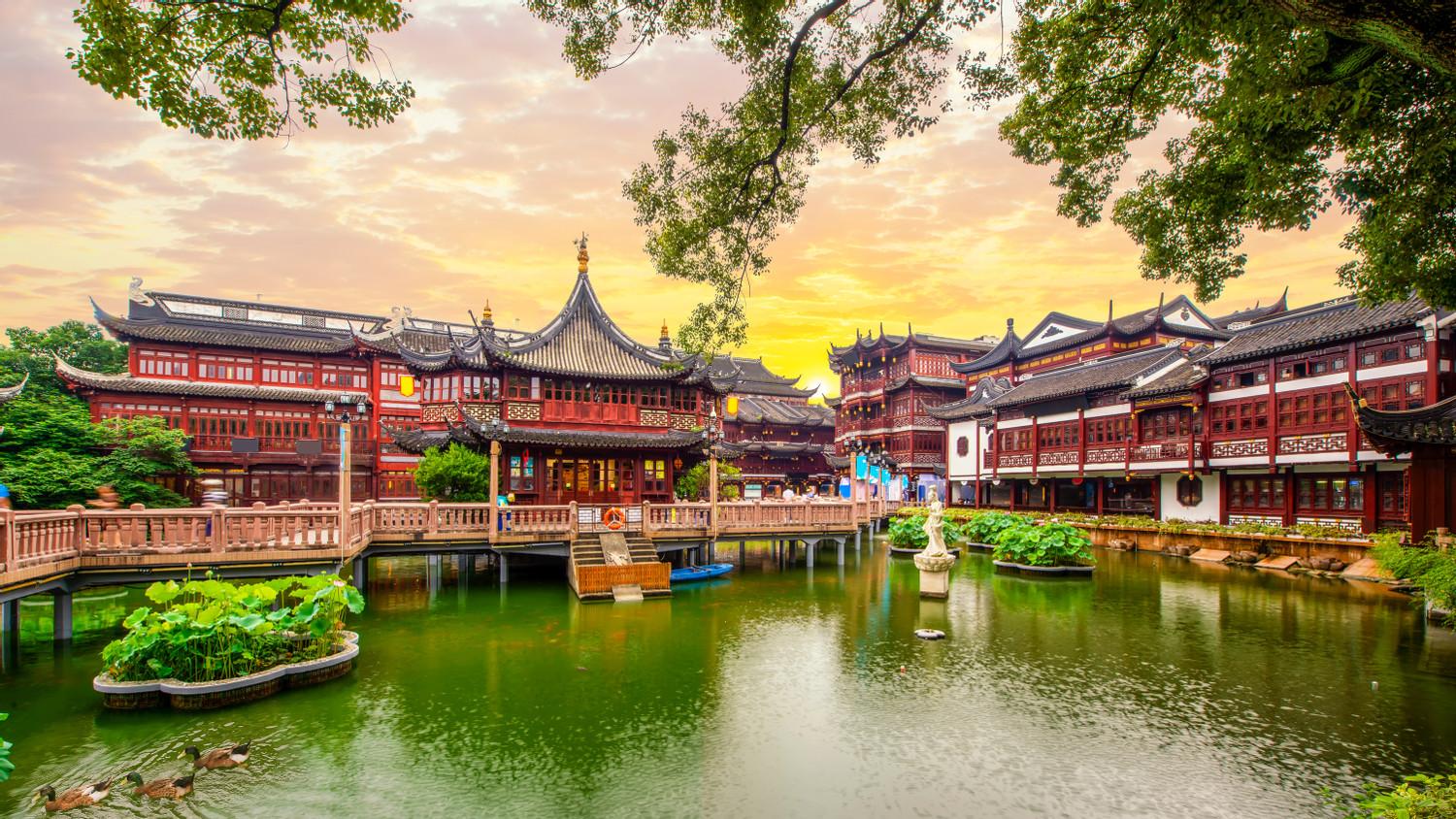
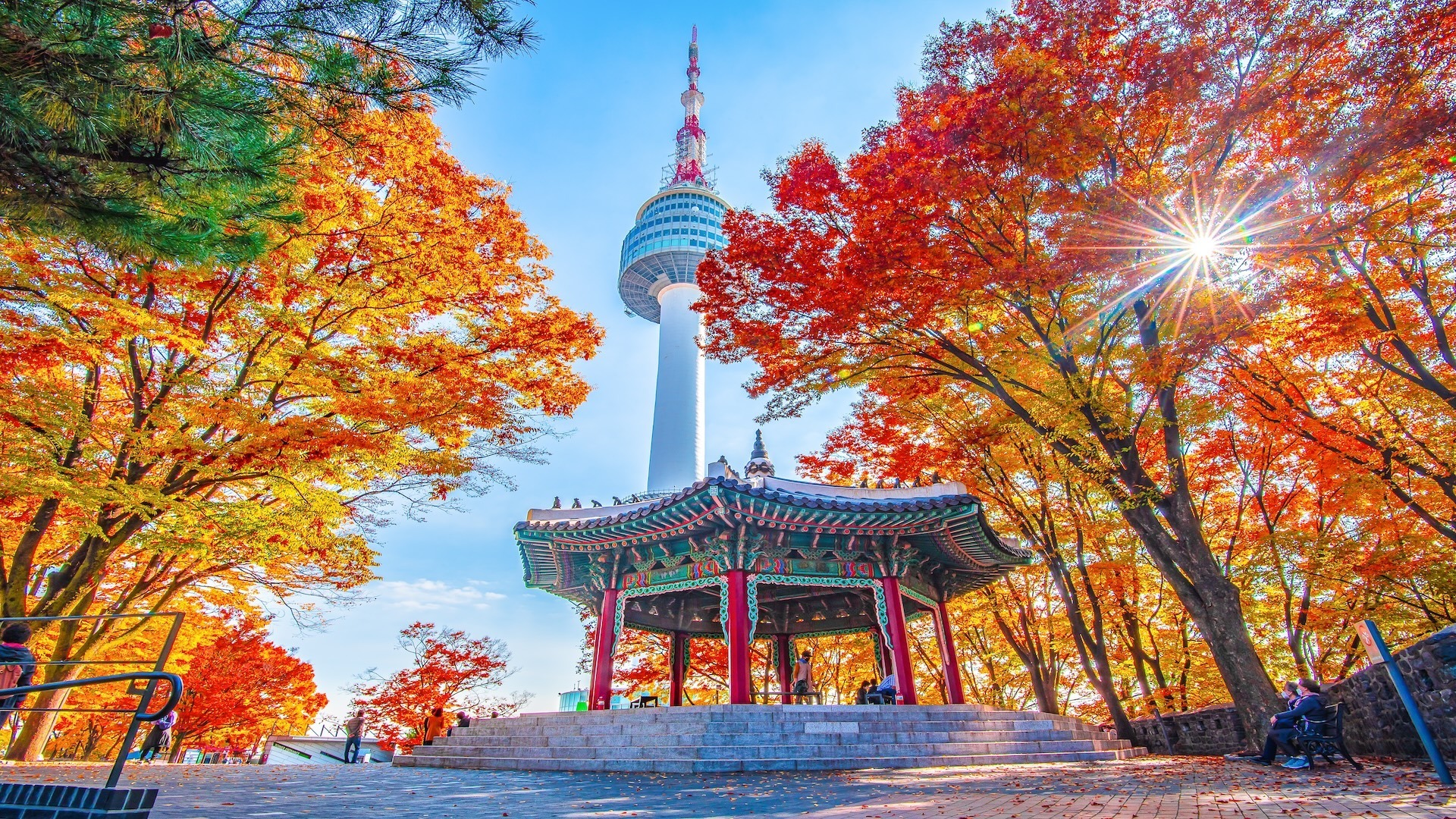
⚡ The TL;DR Verdict
If you're drawn to a blend of history and hyper-modernity with a more budget-friendly edge, Shanghai is your city. Seoul, while pricier, offers an unparalleled cultural immersion into K-pop, vibrant street life, and unique fashion. Budget roughly $70-120 USD/day for Shanghai and $100-180 USD/day for Seoul, excluding international flights.
- Choose Shanghai: Pick Shanghai for a glimpse into China's dynamic future, stunning architecture, world-class food, and a slightly more affordable urban adventure, especially if you appreciate a mix of colonial charm and sci-fi skylines.
- Choose Seoul: Opt for Seoul if K-culture (food, music, fashion, beauty) is your jam. It's incredibly safe, easy to navigate, and offers a non-stop parade of unique cafes, trendy neighborhoods, and ancient palaces, perfect for solo travelers and culture enthusiasts.
- Choose Both: If you have 10-14 days, hitting both is totally doable! A direct flight between PVG and ICN is only about 2 hours, costing around $100-150 USD. Start with Shanghai for 4-5 days, then hop over to Seoul for 5-7 days to experience two distinct East Asian mega-cities.
Quick Comparison
| Category | Shanghai | Seoul | Winner |
|---|---|---|---|
| Food & Drink | Shanghai: Diverse, sophisticated, renowned for Xiaolongbao, Cantonese, and international fine dining, plus vibrant street food. | Seoul: K-food paradise, famous for BBQ, street food (Tteokbokki, Kimbap), trendy cafes, and unique drinking culture. | Seoul |
| Nightlife & Entertainment | Shanghai: Upscale rooftop bars, jazz clubs, super-clubs, and speakeasies, especially around the Bund and French Concession. | Seoul: Energetic, diverse, famous for K-pop clubs, trendy bars, karaoke (Norebang), and unique themed experiences in districts like Hongdae, Gangnam, and Itaewon. | Seoul |
| Culture & History | Shanghai: Colonial architecture, art deco, Bund, traditional gardens (Yu Garden), modern art museums, and a focus on recent history. | Seoul: Ancient palaces (Gyeongbokgung), traditional villages (Bukchon Hanok Village), temples, Confucian shrines, and a deep dive into Korean history and K-culture. | Seoul |
| Costs & Budget | Shanghai: Generally more affordable for daily expenses, especially food and transport, but can be pricey for luxury experiences. | Seoul: More expensive overall, particularly for accommodation and dining, though street food and public transport are still good value. | Shanghai |
| Getting Around | Shanghai: Extensive, modern, and efficient metro system, taxis, ride-hailing (Didi). Language barrier can be a minor challenge. | Seoul: World-class subway, intuitive, English-friendly, T-Money card makes it seamless. Excellent bus network. | Seoul |
| Accommodation | Shanghai: Wide range from budget hostels to luxury hotels, with good value in mid-range options. Boutique hotels in French Concession. | Seoul: High-quality, modern hotels, strong presence of boutique options and guesthouses. Generally pricier, especially in popular areas. | Shanghai |
| Shopping | Shanghai: High-end luxury brands, massive shopping malls, Nanjing Road, Fuzhou Road for books, Fuxing Road for boutiques. | Seoul: Fashion-forward, K-beauty, unique streetwear, Myeongdong for cosmetics, Hongdae for youth fashion, Dongdaemun for wholesale. | Seoul |
| Day Trips & Nature | Shanghai: Water towns (Zhujiajiao, Suzhou), Hangzhou (West Lake), Buddhist temples. Limited natural escapes directly from the city. | Seoul: Bukhansan National Park (hiking), Nami Island (scenic), DMZ (historical), coastal towns. Easy access to mountains and nature. | Seoul |
| Safety & Solo Travel | Shanghai: Very safe, low crime rate, but language barrier and cultural differences can be a slight hurdle for solo travelers. | Seoul: Extremely safe, even late at night, excellent public transport for solo navigation, and very welcoming to solo travelers. | Seoul |
| Digital Nomad Vibe | Shanghai: Good co-working spaces, fast internet, but internet censorship (VPN required) and payment system reliance on WeChat/Alipay can be hurdles. | Seoul: Abundant cafes with great Wi-Fi, numerous co-working spaces, excellent infrastructure, no internet censorship, and a strong tech-savvy culture. | Seoul |
🍜 Food & Drink
Shanghai's culinary scene is a sophisticated beast, offering everything from humble street snacks like jianbing (around ¥8 / $1.10) to Michelin-starred Cantonese at Ultraviolet by Paul Pairet (¥3000-6000 / $410-820 per person). You’ll find incredible xiaolongbao at places like Din Tai Fung (around ¥100 / $14 for a meal) or local joints, and fantastic regional Chinese cuisines. The French Concession also hosts many European-style cafes and bars. However, Seoul takes the crown for sheer culinary excitement and accessibility. Its street food culture is legendary; you can feast on tteokbokki, gyeranppang (egg bread), and odeng for just ₩5,000-15,000 ($3.70-11) in Myeongdong or Gwangjang Market. Korean BBQ is a must-do, with an average meal at a good spot like Hongdae's Saemaul Sikdang costing ₩20,000-35,000 ($15-26) per person. Beyond the famous dishes, Seoul's cafe culture is unparalleled, with themed cafes and artisan coffee shops on every corner. "Seoul's food scene is just constant dopamine. Every corner, something new and delicious to try, and not just BBQ. My favorite was the street food in Myeongdong, so much variety!" the sheer variety, constant innovation, and ease of finding incredible food at any price point make Seoul the winner.
Winner takeaway
- Winner: Seoul
- Why: Seoul’s vibrant, accessible, and constantly evolving street food and café culture offers a more universally exciting and immersive culinary experience for travelers.
- Who this matters for: Foodies, budget travelers, solo explorers, and anyone looking for constant culinary discovery.
🌃 Nightlife & Entertainment
Shanghai's nightlife is undeniably chic and sophisticated. Picture sipping cocktails at glamorous rooftop bars overlooking the Bund, like Bar Rouge (cocktails ¥120-180 / $16-25), or catching live jazz at JZ Club. There are also mega-clubs in the former French Concession for electronic music lovers. It’s generally a more polished, 'dress to impress' scene. Seoul, however, offers a raw, infectious energy that's hard to beat. Districts like Hongdae are alive with student bars, live music venues, and budget-friendly soju tents (a bottle of soju at a bar is around ₩5,000-10,000 / $3.70-7.40). Gangnam offers swankier clubs like Octagon (entry ₩30,000-50,000 / $22-37), while Itaewon is known for its international crowd and diverse bars. But the real magic is Norebang (karaoke), where you can rent a private room for ₩15,000-30,000 ($11-22) an hour and sing your heart out. The sheer variety, late-night culture, and the ability to seamlessly transition from dinner to drinks to karaoke make Seoul a powerhouse. "Seoul just doesn't sleep. We started with BBQ, hit a few bars in Hongdae, then ended up in a norebang until 4 AM. It was wild, Shanghai felt a bit too 'exclusive' for my vibe." For sheer fun and variety that caters to all budgets and moods, Seoul wins.
Winner takeaway
- Winner: Seoul
- Why: Seoul's nightlife is more diverse, accessible, and offers a more uniquely immersive experience with its K-pop clubs, endless karaoke, and late-night culture.
- Who this matters for: Party-goers, K-pop fans, social travelers, and anyone who loves a late-night adventure.
🏯 Culture & History
Shanghai offers a fascinating cultural tapestry, but it's largely focused on its colonial past and its meteoric rise in the last century. You can wander the Bund, admiring the Art Deco buildings, explore the charming French Concession, and visit Yu Garden (entry ¥30-40 / $4-5.50) for a taste of traditional Chinese design. The Shanghai Museum (free) is excellent for ancient Chinese art. However, a lot of its traditional heritage was lost during the Mao era, and the emphasis is heavily on the modern. Seoul, on the other hand, provides a much more cohesive and accessible historical and cultural journey. You can spend days exploring the Five Grand Palaces, with Gyeongbokgung Palace (entry ₩3,000 / $2.20) being the highlight, complete with a daily guard changing ceremony. Bukchon Hanok Village offers a beautiful glimpse into traditional Korean housing, and Insadong is perfect for traditional tea houses and craft shops. The juxtaposition of ancient sites with the backdrop of a modern city is truly captivating. Plus, the palpable K-culture influence, from K-pop to K-drama, permeates everything. "Walking through Gyeongbokgung in a Hanbok, then heading to a K-pop store – Seoul just felt like a complete cultural immersion, way more than Shanghai's mix of old and new." The preservation and integration of its historical sites alongside its exploding modern culture give Seoul the edge.
Winner takeaway
- Winner: Seoul
- Why: Seoul offers a richer, more integrated experience of ancient history (palaces, hanok villages) alongside its dynamic modern K-culture.
- Who this matters for: History buffs, K-culture enthusiasts, and those seeking a strong sense of national identity and tradition.
💸 Costs & Budget
Shanghai is generally more budget-friendly for the average traveler, especially when it comes to daily expenses. A metro ride typically costs ¥3-10 ($0.40-1.40), and a decent local meal can be found for ¥20-50 ($2.70-7). Even mid-range hotels can be around ¥400-700 ($55-95) per night outside peak times. While luxury options are abundant and expensive, you can easily travel Shanghai on a modest budget. Seoul, by comparison, leans towards the higher end, similar to major Western cities. A subway ride is around ₩1,250-2,000 ($0.90-1.50), and a standard sit-down meal often starts at ₩10,000-20,000 ($7.40-15). Accommodation, even for mid-range, often starts at ₩80,000-150,000 ($60-110) per night. Activities and shopping can also add up quickly. "Shanghai was a relief after Japan, my daily food and transport budget went way further. Seoul felt more like NYC prices for everything." While both offer free attractions, making your money stretch further in Shanghai is significantly easier without sacrificing quality or experience.
Winner takeaway
- Winner: Shanghai
- Why: Shanghai offers a more budget-friendly travel experience across food, transport, and mid-range accommodation, allowing travelers to stretch their yuan further.
- Who this matters for: Budget-conscious travelers, backpackers, and those planning longer trips.
🚇 Getting Around
Shanghai boasts one of the world's most extensive metro systems, with over 18 lines covering most major attractions. It's incredibly efficient, clean, and cheap (¥3-10 / $0.40-1.40 per ride). Taxis are also readily available, and Didi (China's Uber equivalent) is prevalent, though you'll need a local phone number or WeChat Pay. The main challenge can be the language barrier, as fewer station announcements and signs are in English compared to Seoul, and taxi drivers rarely speak English. Seoul's public transport, however, is simply unparalleled. The subway system is a marvel – impeccably clean, punctual, comprehensive, and incredibly easy to navigate with ample English signage and announcements. The T-Money card (a reloadable travel card, available at convenience stores) makes tapping on and off a breeze. A standard subway fare is around ₩1,250-2,000 ($0.90-1.50). Buses are also excellent and well-integrated. Plus, apps like Naver Maps or Kakao Maps are invaluable for real-time navigation. "Seoul's subway is like a dream. Never got lost, always on time, and the T-Money card made everything so smooth. Shanghai was good, but the language barrier for taxis sometimes made it tricky." For ease of use, English accessibility, and overall seamlessness for international travelers, Seoul takes a clear win.
Winner takeaway
- Winner: Seoul
- Why: Seoul's subway system is exceptionally user-friendly, English-accessible, and integrates seamlessly with local travel cards, making navigation stress-free for tourists.
- Who this matters for: First-time international travelers, solo adventurers, and those who prioritize effortless public transport.
🏨 Accommodation
Shanghai offers excellent value for accommodation across the board, particularly in the mid-range. You can find well-appointed, modern hotels like the Metropolo Classiq, Shanghai, YMCA on the Bund for around ¥500-800 ($70-110) per night, offering comfort and good locations. Budget hostels are plentiful, often starting from ¥80-150 ($11-20) for a dorm bed. For luxury, the options are spectacular, from the Grand Hyatt Jin Mao (¥1500+ / $200+) to the Fairmont Peace Hotel, but even these can be less expensive than their Seoul counterparts. Seoul's accommodation landscape is also high quality and modern, but generally comes with a higher price tag. A good mid-range hotel in Myeongdong or Hongdae, like L7 Myeongdong, will typically set you back ₩120,000-200,000 ($90-150) per night. Hostels are available but can be a bit pricier than Shanghai, often starting at ₩25,000-40,000 ($18-30). Traditional Hanok stays offer a unique experience but are usually in the premium range. "I found much better bang for my buck in Shanghai. My hotel was twice as nice as what I could afford in Seoul for the same price." While both cities offer quality, Shanghai provides a more favorable price-to-quality ratio, particularly for travelers seeking comfortable stays without breaking the bank.
Winner takeaway
- Winner: Shanghai
- Why: Shanghai provides better value for money in its accommodation options, especially in the mid-range category, without compromising on quality or location.
- Who this matters for: Budget travelers, families, and those seeking comfortable lodging at a more affordable price point.
🛍️ Shopping
Shanghai is a shopper's paradise for luxury brands and massive department stores. Nanjing Road is iconic for its mix of international brands and local department stores, while IFC Mall in Pudong caters to high-end luxury. You can find everything from high fashion to electronics. However, the experience can feel quite similar to other major global cities. Seoul, on the other hand, offers a shopping experience that is deeply integrated with its unique culture and trends. Myeongdong is a K-beauty mecca, with countless cosmetic shops offering competitive prices and free samples (a face mask sheet is around ₩1,000-3,000 / $0.70-2.20). Hongdae is perfect for quirky streetwear, indie boutiques, and unique accessories. Dongdaemun Design Plaza (DDP) and its surrounding markets offer both high fashion and wholesale deals, often staying open late into the night. Insadong is great for traditional crafts and souvenirs. "Seoul's shopping felt so much more exciting and authentic to its local culture. I left with so many unique K-beauty products and clothes I couldn't find anywhere else. Shanghai was just more of the same luxury brands." For unique finds, trending fashion, K-beauty innovation, and a vibrant shopping atmosphere, Seoul is the clear winner.
Winner takeaway
- Winner: Seoul
- Why: Seoul excels in offering unique, trend-setting fashion, K-beauty products, and distinct shopping districts that reflect its vibrant pop culture.
- Who this matters for: Fashionistas, K-beauty enthusiasts, souvenir hunters, and those seeking unique and trendy items.
🏞️ Day Trips & Nature
From Shanghai, popular day trips include picturesque water towns like Zhujiajiao (about an hour by bus, ¥30 / $4.10 entry) or the slightly further, more famous Suzhou, known for its classical gardens. Hangzhou, with its stunning West Lake, is also accessible by high-speed rail (around 1 hour, ¥70-100 / $9.60-14). While these offer a taste of traditional China, truly wild nature is further afield. Shanghai itself is a concrete jungle with few green spaces beyond parks. Seoul, however, is beautifully nestled among mountains, offering immediate access to stunning natural escapes. Bukhansan National Park, a literal subway ride away, provides fantastic hiking trails with panoramic city views (free entry). Nami Island, famous for its picturesque tree-lined paths, is a popular escape (train/bus + ferry around ₩20,000-30,000 / $15-22 total). For a profound historical experience, the DMZ (Demilitarized Zone) tour is a must-do (₩50,000-80,000 / $37-60, guided tour required). "I loved that I could be hiking in a national park within an hour of leaving my Seoul hostel. Shanghai's day trips were nice, but felt more like visiting other cities than getting into nature." The sheer proximity and variety of natural and historically significant day trips give Seoul a distinct advantage.
Winner takeaway
- Winner: Seoul
- Why: Seoul offers incredibly easy access to stunning national parks for hiking and unique historical day trips like the DMZ, providing more diverse and accessible escapes into nature and history.
- Who this matters for: Nature lovers, hikers, history buffs, and those looking for easy escapes from the urban bustle.
🚶♀️ Safety & Solo Travel
Both Shanghai and Seoul are remarkably safe cities, boasting low crime rates that make them ideal for travelers. In Shanghai, you can generally walk around at any time, even late at night, without feeling unsafe. Petty crime exists, as in any major city, but serious incidents are rare. For solo travelers, the main 'challenge' might be the language barrier outside of tourist hotspots, as English isn't as widely spoken as in Seoul, which can make things like ordering food or asking for directions a bit more complex. However, people are generally helpful. Seoul, on the other hand, consistently ranks as one of the safest cities in the world. It’s common to see people walking alone at 2 AM, and public transport is safe and reliable around the clock. The city is incredibly well-lit, and the general atmosphere is one of calm and order. For solo travelers, Seoul is a dream due to its ease of navigation, widespread English support (especially in tourist areas and public transport), and the sheer abundance of things to do alone without feeling out of place, from cafe hopping to exploring palaces. "Seoul felt incredibly safe, even for a solo woman out late. I never had to worry about my belongings or walking alone, which made my trip so much more relaxing." The combination of near-zero crime, excellent infrastructure, and strong English support makes Seoul an undisputed winner for solo travelers.
Winner takeaway
- Winner: Seoul
- Why: Seoul is exceptionally safe, incredibly easy to navigate for solo travelers with strong English support, and offers a welcoming environment for independent exploration.
- Who this matters for: Solo travelers (especially women), first-time international travelers, and anyone prioritizing peace of mind regarding safety.
💻 Digital Nomad Vibe
Shanghai has the infrastructure for digital nomads: fast internet, co-working spaces like WeWork, and a bustling international scene. However, the 'Great Firewall' means a reliable VPN is essential for accessing Google services, social media, and many work-related tools, which can be an annoying extra step. Also, China's cashless society heavily relies on WeChat Pay and Alipay, which are difficult for foreigners to set up without a local bank account or long-term stay, making daily transactions cumbersome. Seoul is a digital nomad's paradise. Internet speeds are legendary, and Wi-Fi is ubiquitous and fast in cafes, public spaces, and accommodation. There's no internet censorship, so all your usual tools work seamlessly. The cafe culture is vibrant, with countless aesthetically pleasing and functional cafes perfect for working, many offering power outlets and comfortable seating. Co-working spaces are also plentiful and well-designed. Public transport is excellent, and the general tech-forward nature of the city means everything is streamlined. "Trying to work in Shanghai without a solid VPN was a nightmare, and getting my phone connected to WeChat Pay was a hassle. Seoul, on the other hand, was just plug-and-play, perfect for remote work." For uninterrupted connectivity, ease of digital life, and a seamless work-life balance, Seoul is the clear victor.
Winner takeaway
- Winner: Seoul
- Why: Seoul offers superior internet freedom, seamless connectivity, and an abundance of nomad-friendly cafes and infrastructure without the digital hurdles found in Shanghai.
- Who this matters for: Digital nomads, remote workers, content creators, and anyone reliant on stable, uncensored internet access and easy digital payments.
❓ Frequently Asked Questions
Is English widely spoken in Shanghai vs. Seoul?
Seoul generally has a higher prevalence of English speakers, especially in tourist areas, public transport, and younger generations. Shanghai's major tourist spots and international hotels will have English speakers, but outside of these, the language barrier can be more significant, especially with taxi drivers.
Which city is better for a first-time Asia traveler?
Seoul is often considered easier for first-time Asia travelers due to its exceptional English signage on public transport, incredibly safe environment, and strong tourist infrastructure. While Shanghai is also safe and modern, the language barrier and different digital payment systems can present slightly more challenges.
How many days should I spend in each city?
For a good overview, plan at least 4-5 full days for Shanghai to cover the Bund, French Concession, Yu Garden, and some museums. For Seoul, 5-7 full days are ideal to explore palaces, trendy neighborhoods like Hongdae and Gangnam, enjoy the food scene, and potentially a day trip to the DMZ or Nami Island.
What's the best time of year to visit Shanghai and Seoul?
Both cities are best visited in spring (April-May) or autumn (September-October) for pleasant temperatures, clear skies, and beautiful foliage. Summers (June-August) can be hot and humid, while winters (December-February) are cold, especially in Seoul, which experiences more snowfall.
Which city has better public transportation?
Both cities have world-class public transportation. Shanghai's metro is vast and efficient, but Seoul's subway system is often cited as superior for international travelers due to its even greater ease of use, extensive English signage, and integration with user-friendly apps like Kakao or Naver Maps.
Is Wi-Fi readily available in both cities?
Yes, both cities have excellent Wi-Fi availability. Seoul often boasts some of the fastest internet speeds globally, with free Wi-Fi common in cafes and public areas. Shanghai also has good Wi-Fi, but remember that many international sites are blocked by the Great Firewall, requiring a VPN.
Can I use credit cards in Shanghai and Seoul?
In Seoul, major credit cards (Visa, MasterCard) are widely accepted everywhere from restaurants to taxis. In Shanghai, while credit cards are accepted at international hotels and high-end shops, the vast majority of local businesses heavily rely on mobile payments (WeChat Pay and Alipay), which can be challenging for tourists to set up.
Which city is better for families with children?
Both cities offer family-friendly attractions. Shanghai has Disneyland and a great science museum. Seoul counters with Lotte World, many interactive museums, and its extreme safety. Seoul might edge out slightly due to easier navigation and fewer language barriers, which can reduce stress for families.
Ready to plan your East Asia trip?
Get a free custom itinerary for Shanghai, Seoul, or both — built from real traveler insights.
🎟️ Book Tours & Experiences
Hand-picked tours and activities for both destinations — book with free cancellation
Experiences via Viator — free cancellation on most tours