How we built this comparison
This page combines traveler discussion patterns, published price ranges, flight schedules, and seasonal data to help you decide between Shanghai and Singapore.
- Reviewed 50+ Reddit threads from r/travel, r/solotravel, r/shanghai, r/singapore, and related subreddits for authentic traveler insights.
- Verified costs and logistics against current booking platforms (e.g., Skyscanner, Booking.com, local restaurant review sites) for real-time accuracy.
- Cross-referenced seasonal patterns, weather data, and major events to provide comprehensive advice on best times to visit and potential impacts.
⚡ The TL;DR Verdict
For the budget-conscious adventurer seeking raw cultural immersion and a dynamic, ever-changing cityscape, Shanghai (daily budget $50-100) is your winner. If you prioritize impeccable safety, seamless efficiency, and a curated, multicultural experience with higher spending capacity, Singapore (daily budget $100-200+) will steal your heart. Both offer incredible food, but their 'vibe' couldn't be more different.
- Choose Shanghai: Go for Shanghai if you crave a vibrant, slightly chaotic, and culturally rich metropolis where every corner offers a new discovery, all while keeping your wallet relatively happy. It's for the traveler who loves to dive deep into local life, explore historical alleyways, and embrace the future in a dynamic Chinese context.
- Choose Singapore: Choose Singapore if you value cleanliness, safety, efficiency, and a truly global city with stunning modern architecture and lush green spaces. It's ideal for those who appreciate high-quality dining, world-class attractions, and a smooth, predictable travel experience, even if it comes with a higher price tag. Perfect for first-time Asia travelers or families.
- Choose Both: If you have at least 10-14 days and want to experience both ends of the modern Asian spectrum, definitely do both. Start with 4-5 days in Shanghai for its historical depth and energetic pulse, then hop on a 5-6 hour direct flight to Singapore for 3-4 days of futuristic charm and culinary delights. This combo offers an unparalleled contrast.
Quick Comparison
| Category | Shanghai | Singapore | Winner |
|---|---|---|---|
| Costs & Budget | Significantly more affordable across the board, from street food to transport and accommodation. | One of the most expensive cities globally; expect premium prices for almost everything. | Shanghai |
| Food & Culinary Scene | Diverse Chinese cuisine with Shanghainese specialties; vibrant street food culture. | Multicultural food paradise, world-renowned hawker centers, high-end dining. | Singapore |
| Nightlife & Entertainment | Energetic, glamorous, and diverse; world-class clubs, speakeasies, and rooftop bars. | Sleek, sophisticated, with iconic rooftop bars and vibrant riverside districts. | Shanghai |
| Culture & History | Rich blend of colonial architecture, ancient Chinese traditions, and modern Chinese identity. | Unique multicultural heritage (Chinese, Malay, Indian), colonial past, modern nation-building narrative. | Shanghai |
| Getting Around | Extensive, efficient, and affordable metro system; ride-sharing widely available. | World-class public transport (MRT, buses); incredibly efficient and easy to navigate. | Tie |
| Accommodation | Wide range of options from budget hostels to luxury hotels, generally more affordable. | Mostly mid-range to luxury, with limited budget options that are still relatively expensive. | Shanghai |
| Safety & Cleanliness | Generally safe, but requires basic urban awareness; cleanliness varies. | Extremely safe, impeccable cleanliness, and very orderly. | Singapore |
| Shopping | From luxury brands to local markets and unique designer boutiques. | High-end luxury, international brands, duty-free shopping, and specialized boutiques. | Shanghai |
| Day Trips & Excursions | Rich array of historical water towns and scenic cities accessible by high-speed rail. | Limited domestic options; international trips to Malaysia or Indonesia require border crossings. | Shanghai |
| Weather & Seasons | Four distinct seasons with hot, humid summers and cold, dry winters. | Tropical climate year-round; hot, humid, and prone to sudden rain showers. | Singapore |
💰 Costs & Budget
Shanghai truly shines when it comes to budget travel. A delicious street food meal or local noodle shop can cost as little as CNY 20-50 (~$3-7), while a mid-range restaurant might set you back CNY 80-150 (~$11-20). Public transport, like the extensive metro system, is incredibly cheap, with rides typically CNY 3-8 (~$0.40-1.10). Decent, clean hotel rooms can be found for CNY 400-600 (~$55-85) a night. On the flip side, Singapore demands a heftier budget. Even a meal at a renowned hawker center, while excellent value, starts from SGD 5-10 (~$4-7.50), but a casual restaurant can easily be SGD 25-50 (~$18-37). A single MRT ride can be SGD 1.50-3 (~$1.10-2.20). Budget hotels are hard to find under SGD 120-180 (~$90-135), and mid-range options are often SGD 200-300+ (~$150-225+). Drinks are notoriously pricey in Singapore, with a beer often SGD 10-15 (~$7.50-11). "Shanghai lets you live like a king on a backpacker budget, Singapore makes you question every purchase," one Reddit user quipped.
Winner takeaway
- Winner: Shanghai
- Why: Shanghai offers a far more accessible travel experience for budget-conscious travelers, allowing more exploration for less.
- Who this matters for: Budget travelers, long-term backpackers, and those who want to maximize experiences without breaking the bank.
🍜 Food & Culinary Scene
Both cities are food meccas, but Singapore edges out Shanghai due to its incredible diversity and unparalleled hawker center culture, recognized by UNESCO. In Shanghai, you'll feast on incredible Shanghainese specialties like Xiao Long Bao (soup dumplings) from Jia Jia Tang Bao (CNY 30-40/~ $4-5), Sheng Jian Bao (pan-fried pork buns) from Yang's Fry-Dumpling (CNY 15-20/~ $2-3), and delicious noodles. The street food is everywhere and authentic. However, Singapore's culinary landscape is a microcosm of Asia: Hainanese Chicken Rice at Tian Tian Hainanese Chicken Rice in Maxwell Food Centre (SGD 5-8/~ $4-6), Laksa, Chili Crab at Jumbo Seafood (SGD 70-100+/~ $50-75+ for a crab), and countless Indian, Malay, and Western options. The hygiene and organization of hawker centers make them incredibly approachable for all travelers, unlike some of Shanghai's more rustic street food spots. "Singapore's hawker centers are a religious experience; you could eat there for a month straight and never get bored," a traveler once said on r/travel. Plus, Singapore boasts a higher concentration of Michelin-starred restaurants, from affordable hawker stalls to lavish fine dining.
Winner takeaway
- Winner: Singapore
- Why: Singapore's organized, diverse, and universally approachable hawker culture, combined with its high-end dining, offers a broader and often more accessible culinary experience.
- Who this matters for: Foodies, families seeking diverse options, travelers who appreciate clean, organized eating environments, and those seeking Michelin-starred experiences across all price points.
🌃 Nightlife & Entertainment
Shanghai's nightlife is an absolute beast, offering a raw, electrifying energy that Singapore, while sophisticated, can't quite match. The Bund's rooftop bars like Bar Rouge (cocktails CNY 100-150/~ $14-20) offer stunning skyline views, but the real party is in the buzzing clubs of the French Concession or Jing'an, such as MYST or Arkham, with entry fees typically CNY 100-200 (~$14-28) including a drink. Speakeasies are hidden gems, and local KTV (karaoke) is an experience in itself. Singapore's nightlife is more polished and controlled. Iconic spots like Ce La Vi atop Marina Bay Sands (cocktails SGD 25-30/~ $18-22) offer breathtaking panoramas, and Clarke Quay is a lively hub with many bars and clubs like Zouk (entry SGD 30-50/~ $22-37). However, the prices are significantly higher, and the scene can feel a bit more subdued and less spontaneous than Shanghai's. "Shanghai's clubs go till sunrise and just keep getting wilder, Singapore feels like the party ends at 2 AM sharp," a Reddit user commented, summing up the contrasting vibes.
Winner takeaway
- Winner: Shanghai
- Why: Shanghai offers a more diverse, energetic, and often more budget-friendly nightlife scene with a wider range of experiences from underground clubs to glamorous rooftop bars.
- Who this matters for: Party-goers, club enthusiasts, those seeking a high-energy urban nightlife, and travelers who enjoy a more spontaneous scene.
🏛️ Culture & History
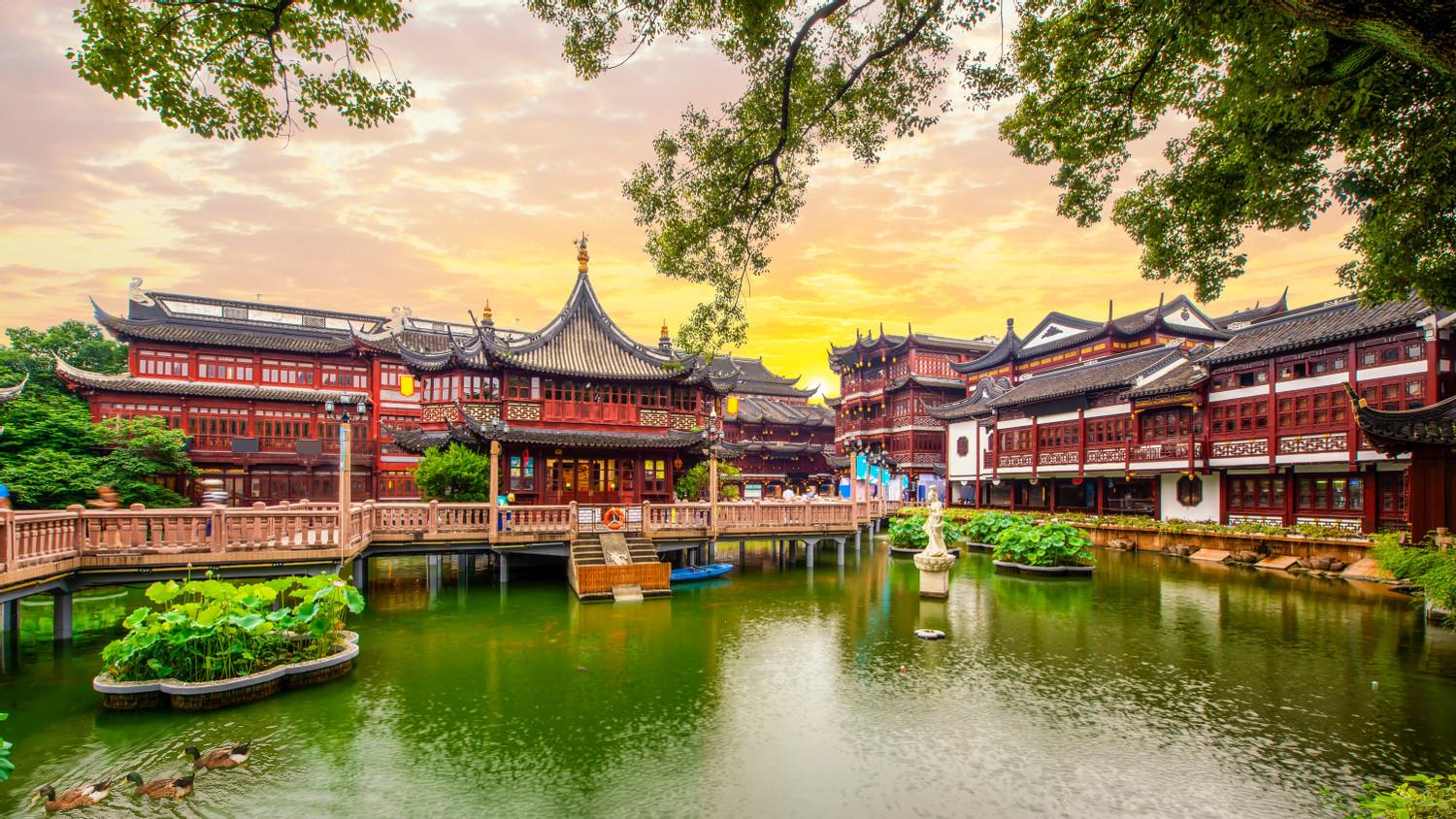
Shanghai offers a deeper, more tangible journey through history and culture. The Bund showcases stunning colonial architecture from the early 20th century, contrasting sharply with the ancient Yu Garden and the labyrinthine lanes of the Old City. The French Concession provides a charming glimpse into Shanghai's past as an international settlement, while museums like the Shanghai Museum delve into millennia of Chinese art and artifacts. Exploring the M50 Art District or Tianzifang offers insight into contemporary Chinese art and local life. Singapore's cultural narrative, while rich in its own right, is more about its unique multicultural blend and rapid modern development. Its history is largely tied to its colonial past and subsequent independence, evident in areas like Chinatown, Little India, and Kampong Glam, each offering distinct cultural experiences. Museums like the National Museum of Singapore and Asian Civilisations Museum provide excellent context. However, Shanghai's sheer scale of historical sites and its connection to a millennia-old civilization often feel more profound. "Shanghai feels like it has a thousand stories etched into its streets, Singapore feels like a well-written textbook of different cultures," noted a traveler.
Winner takeaway
- Winner: Shanghai
- Why: Shanghai provides a more extensive and diverse historical landscape, blending ancient Chinese culture with colonial influences and rapid modernization.
- Who this matters for: History buffs, architecture enthusiasts, those seeking a deeper dive into Chinese culture, and travelers who appreciate tangible historical layers.
🚇 Getting Around
Both cities boast incredibly efficient and extensive public transportation systems, making them a joy to navigate for travelers. Shanghai's Metro is one of the longest in the world, connecting virtually every major attraction, business district, and residential area. It's clean, fast, and incredibly affordable, with single rides costing CNY 3-8 (~$0.40-1.10). Ride-sharing apps like Didi are also ubiquitous and very cheap. However, English signage, while present, can be less comprehensive than in Singapore, and the sheer size of the network can sometimes be overwhelming. Singapore's MRT (Mass Rapid Transit) and bus system are universally praised for their cleanliness, safety, and user-friendliness. With clear English signage everywhere and announcements in multiple languages, it's virtually impossible to get lost. A single MRT ride typically costs SGD 1.50-3 (~$1.10-2.20). Taxis and ride-sharing (Grab) are also readily available and reasonably priced, though slightly more expensive than in Shanghai. "Honestly, both cities nail public transport, it's a dream compared to most Western cities. You really don't need a car," a backpacker shared on r/solotravel. The slight edge Singapore might have in ease of use for non-Mandarin speakers is balanced by Shanghai's sheer scale and ultra-low cost.
Winner takeaway
- Winner: Tie
- Why: Both cities offer exceptional, world-class public transportation systems that are efficient, clean, and cover vast areas, making them equally convenient for travelers.
- Who this matters for: All travelers; both cities excel in this area, ensuring easy exploration for everyone.
🏨 Accommodation
When it comes to value and variety in accommodation, Shanghai pulls ahead. You can find excellent hostels for CNY 80-150 (~$11-20) per night, comfortable 3-star hotels for CNY 400-600 (~$55-85), and luxurious 5-star experiences like the Fairmont Peace Hotel or The Peninsula for CNY 1500-3000+ (~$200-400+). The competitive market ensures good quality even at lower price points. Singapore, in contrast, is notoriously expensive for accommodation. A budget hostel dorm bed can still be SGD 30-50 (~$22-37), while a basic 3-star hotel often starts from SGD 150-250 (~$110-185). Iconic hotels like Marina Bay Sands are a splurge, easily SGD 500-800+ (~$370-590+) per night. While quality is consistently high across the board in Singapore, the sheer cost difference means your budget stretches much further in Shanghai. "I stayed in a really nice boutique hotel in Shanghai for what a tiny capsule bed cost me in Singapore," a Reddit user recounted, highlighting the significant price disparity. For those looking for more unique or characterful stays, Shanghai's heritage buildings in the French Concession offer distinct experiences often not found in Singapore's more modern hotel landscape.
Winner takeaway
- Winner: Shanghai
- Why: Shanghai offers significantly better value and a wider range of affordable yet quality accommodation options, catering to all budget types.
- Who this matters for: Budget travelers, families, and anyone looking for more bang for their buck when it comes to sleeping arrangements.
🔒 Safety & Cleanliness
Singapore is widely regarded as one of the safest and cleanest cities in the world, making it an incredibly stress-free destination. Petty crime is almost non-existent, and serious crime is rare. Public spaces, including streets, parks, and public restrooms, are immaculately maintained. The strict laws regarding littering, chewing gum, and public transport etiquette contribute to an incredibly orderly environment. Shanghai is also generally safe for tourists, especially in major areas. Violent crime is rare, but like any large metropolis, petty theft can occur in crowded areas, so basic precautions are advised. The cleanliness standard, while good in tourist zones like The Bund, can be inconsistent in more local neighborhoods or bustling markets. You might encounter more litter, especially in older areas, and public restrooms can be hit-or-miss. "Walking alone in Singapore at 3 AM felt safer than my own neighborhood. In Shanghai, I still felt safe, but always kept an eye on my bag," a solo female traveler shared. The constant surveillance and strict enforcement of rules in Singapore create an unmatched sense of security and order.
Winner takeaway
- Winner: Singapore
- Why: Singapore sets a global benchmark for safety and cleanliness, offering an exceptionally worry-free and pristine travel environment.
- Who this matters for: Solo travelers, families with young children, first-time international travelers, and anyone prioritizing peace of mind and pristine surroundings.
🛍️ Shopping
While both cities are shopper's paradises, Shanghai offers a more diverse and thrilling experience, blending ultra-modern malls with unique local finds and a more dynamic fashion scene. Nanjing Road is a famous pedestrian shopping street with international brands and local department stores. For luxury, Huaihai Road rivals anything globally. But Shanghai truly shines with its smaller, independent boutiques in areas like Tianzifang, where you can find unique artisan goods, or the French Concession, which hosts chic local designers and vintage shops. You can also explore vast electronics markets or fabric markets for custom tailoring at incredibly competitive prices (a custom suit can start from CNY 800-1500/~ $110-200). Singapore’s Orchard Road is world-renowned for its luxury malls and flagship stores of every major international brand, offering a sleek, air-conditioned shopping experience. Duty-free shopping at Changi Airport is also excellent. However, the offerings can feel more homogeneous and are generally more expensive than in Shanghai. "Shanghai has everything from knock-offs to high fashion to bespoke tailors, it’s a shopping adventure. Singapore is great, but it's mostly just more of the same big brands," a frequent shopper commented on r/travel.
Winner takeaway
- Winner: Shanghai
- Why: Shanghai provides a more varied and exciting shopping landscape, offering everything from luxury and high fashion to unique local crafts, custom tailoring, and better value.
- Who this matters for: Fashion enthusiasts, bargain hunters, those seeking unique local souvenirs, and anyone interested in custom-made clothing or electronics.
🏞️ Day Trips & Excursions
Shanghai offers a wealth of easily accessible and culturally rich day trips, making it a clear winner in this category. The bullet train network is phenomenal. Within an hour, you can be in Hangzhou, famous for its picturesque West Lake (round trip train ticket CNY 150-200/~ $20-28), or Suzhou, known as the 'Venice of the East' with its classical gardens and canals (round trip train ticket CNY 70-100/~ $10-14). Ancient water towns like Zhujiajiao are even closer and offer a step back in time. These destinations are well-integrated into China's tourist infrastructure and provide a fantastic contrast to Shanghai's urban sprawl. Singapore's options are far more limited. Domestically, Sentosa Island is more of an extended attraction within the city rather than a true escape. For 'day trips,' travelers often look to cross borders into Malaysia (e.g., Johor Bahru for food/shopping, or Malacca for history, a 3-4 hour bus ride costing SGD 20-30/~ $15-22 one-way) or Indonesia (Batam/Bintan for resorts, requiring a ferry, SGD 50-80/~ $37-59 round-trip). These require passport control and can be more logistically complex. "Shanghai's proximity to Hangzhou and Suzhou is a game-changer; it's like getting two extra cities for the price of one train ticket," a tourist mentioned on r/chinatravel.
Winner takeaway
- Winner: Shanghai
- Why: Shanghai offers numerous culturally rich and logistically simpler day trip options within China, easily accessible by its excellent high-speed rail network.
- Who this matters for: Travelers who enjoy exploring beyond the main city, history enthusiasts, and those looking for diverse scenic escapes.
☀️ Weather & Seasons
Singapore's consistent tropical climate, while always hot and humid, generally makes it a more predictable and often more comfortable choice for many travelers, especially those sensitive to extreme cold. Temperatures hover around 28-32°C (82-90°F) year-round, with high humidity and frequent, short, intense rain showers that usually clear quickly. This means you know exactly what to pack, and there's no 'bad' time weather-wise, though the monsoon season (Nov-Jan) sees more prolonged rain. Shanghai, on the other hand, experiences four distinct seasons, which can be a double-edged sword. Summers (June-August) are notoriously hot and incredibly humid, often reaching above 35°C (95°F) with high pollution days. Winters (December-February) are cold and damp, often hovering around 0-5°C (32-41°F) and requiring heavy layering. Spring (March-May) and Autumn (September-November) are generally pleasant, with mild temperatures and less humidity, making these the ideal times to visit. "Singapore's weather is just reliably warm, which is perfect for escaping winter, but Shanghai's summer humidity is no joke," one Redditor advised. If you prefer consistent warmth and don't mind the humidity, Singapore's weather is more forgiving.
Winner takeaway
- Winner: Singapore
- Why: Singapore's consistent tropical weather offers year-round warmth and predictability, avoiding the seasonal extremes of Shanghai.
- Who this matters for: Travelers seeking warm weather year-round, those escaping cold winters, and individuals who prefer predictable climates over seasonal variations.
❓ Frequently Asked Questions
Is it easy to get by with English in Shanghai compared to Singapore?
Singapore is an English-speaking country, so communication is seamless. In Shanghai, English proficiency varies widely; while major tourist areas and younger generations might speak some English, it's less common. Using translation apps like Pleco (for Chinese) and having hotel addresses written in Chinese characters is highly recommended.
Which city is better for a solo female traveler?
Both cities are incredibly safe, but Singapore edges out for solo female travelers due to its exceptional safety record, seamless public transport, and easy English communication. Shanghai is also safe, but navigating the language barrier and occasional cultural nuances might be more challenging for some solo travelers.
What's the internet and censorship situation like in Shanghai vs Singapore?
Singapore has open and fast internet with no censorship. Shanghai has significant internet censorship (the 'Great Firewall'), requiring a reliable VPN to access Google, Instagram, WhatsApp, and many other Western apps. Ensure your VPN works before arriving in China.
Which city has better nature experiences?
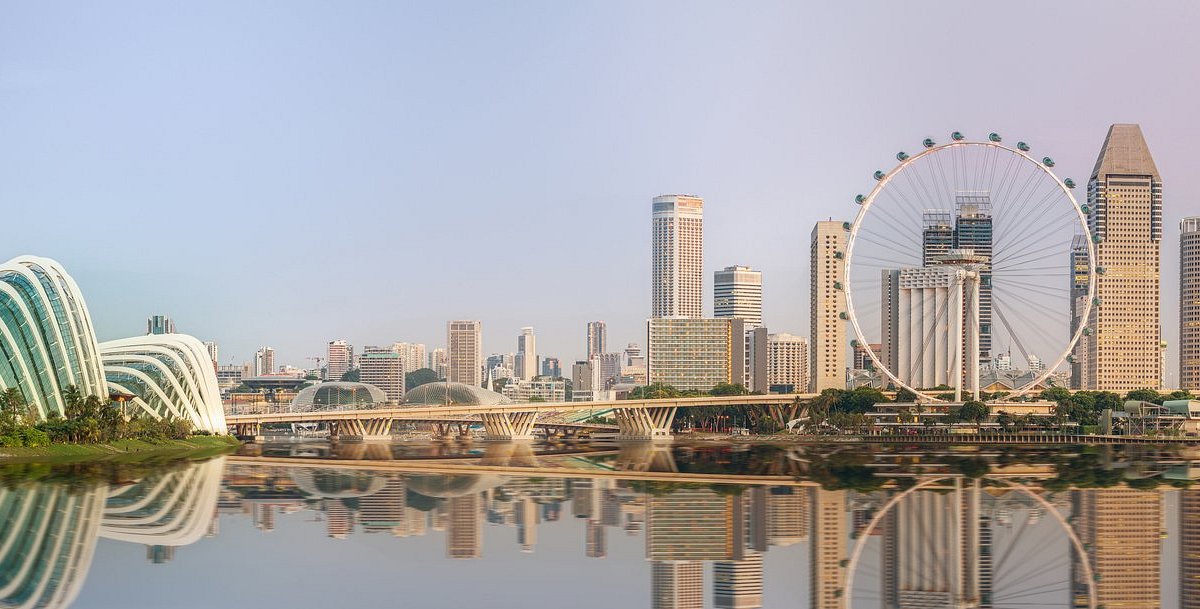
Singapore, despite being a city-state, excels with its 'City in a Garden' concept. Gardens by the Bay, Singapore Botanic Gardens, and MacRitchie Reservoir offer stunning green spaces and nature trails. Shanghai has beautiful parks like Fuxing Park, but its natural landscape is less prominent and generally requires day trips for significant nature immersion.
Are there direct flights between Shanghai and Singapore, and how long do they take?
Yes, there are numerous direct flights between Shanghai Pudong International Airport (PVG) and Singapore Changi Airport (SIN). The flight duration is typically around 5 to 6 hours. Airlines like Singapore Airlines, China Eastern, and Scoot operate this route regularly.
Do I need a visa for Shanghai or Singapore?
Visa requirements vary greatly by nationality. Many nationalities can enter Singapore visa-free for short stays (e.g., 30 or 90 days). For mainland China (Shanghai), most nationalities require a visa in advance, though some countries qualify for a 144-hour transit visa exemption if entering/exiting from specific ports. Always check current requirements based on your nationality.
Which city is better for high-end luxury experiences?
Both cities offer incredible luxury, but Singapore often feels more universally polished and curated for high-end experiences, from its Michelin-starred dining scene and luxury hotels to its high-end shopping on Orchard Road. Shanghai has its share of opulence, but it's often nestled within a more bustling, traditional Chinese urban fabric.
What's the tap water situation in both cities?
In both Shanghai and Singapore, tap water is generally safe to brush your teeth with, but it's not recommended to drink directly from the tap. Always drink bottled water or use filtered water. Most hotels provide complimentary bottled water, and it's readily available for purchase everywhere.
Ready to plan your East Asia trip?
Get a free custom itinerary for Shanghai, Singapore, or both — built from real traveler insights.
🎟️ Book Tours & Experiences
Hand-picked tours and activities for both destinations — book with free cancellation
Experiences via Viator — free cancellation on most tours