How we built this comparison
This page combines traveler discussion patterns, published price ranges, flight schedules, and seasonal data to help you decide between Shanghai and Tokyo.
- Reviewed 50+ Reddit threads from r/travel, r/solotravel, r/JapanTravel, r/chinatravel, r/Shanghai, r/Tokyo.
- Verified costs and logistics against current booking platforms (e.g., Booking.com, Google Flights, TripAdvisor, local government tourism sites).
- Cross-referenced seasonal patterns and weather data for optimal travel times and packing advice.
⚡ The TL;DR Verdict
For first-time East Asia travelers seeking seamless experiences, unparalleled safety, and a cultural deep dive without language barriers being a huge hurdle, Tokyo is your winner with a budget of $100-250 USD/day. If you're an adventurous explorer drawn to incredible value, a unique blend of East and West, and are comfortable with a bit more grit and a fast-paced, digital-first environment, Shanghai shines at $60-150 USD/day.
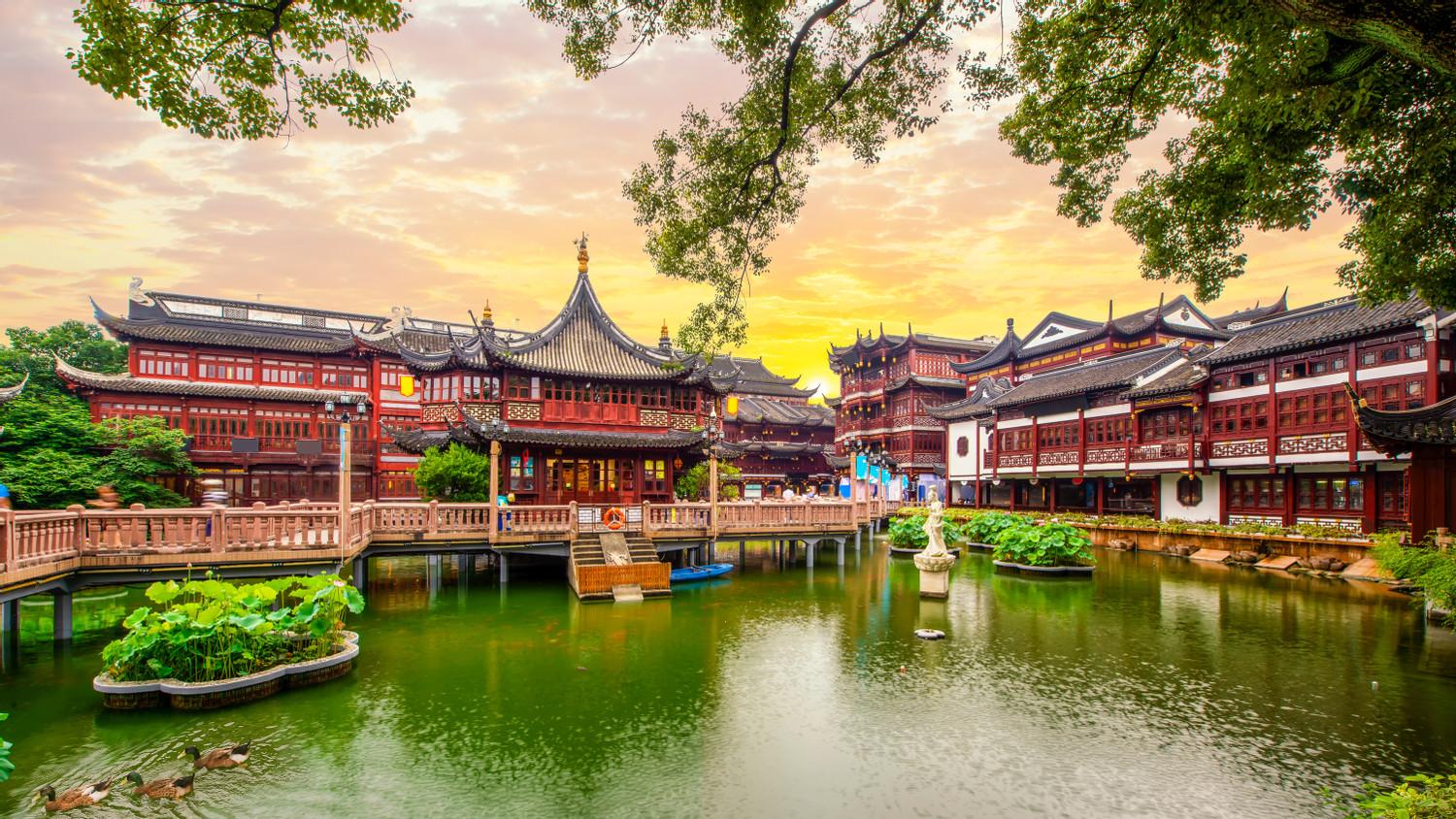
- Choose Shanghai: Pick Shanghai if you're seeking incredible value, a futuristic cityscape blended with colonial history, a vibrant nightlife, and are keen to explore a city where every corner feels like an adventure, even with a language barrier.
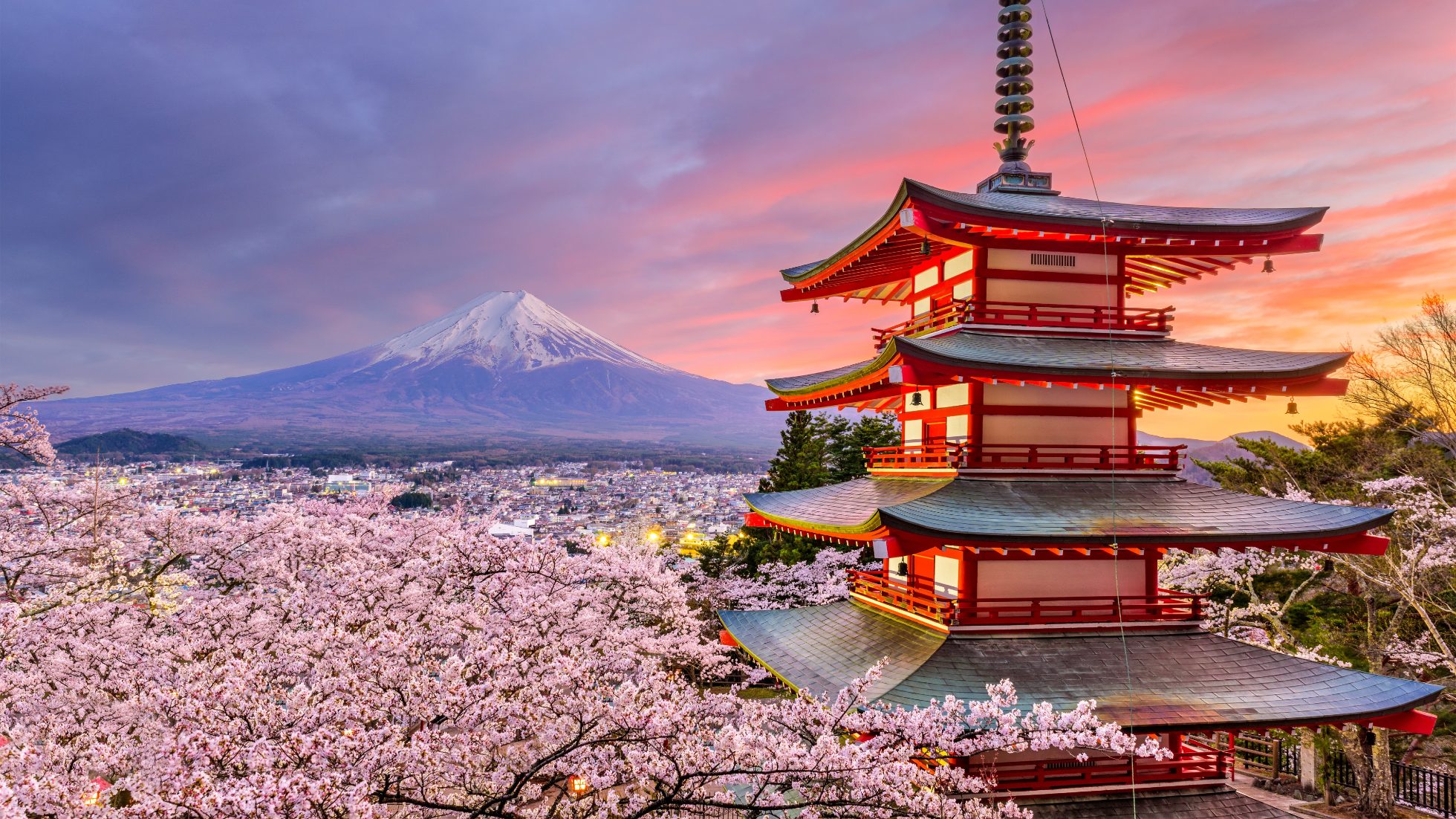
- Choose Tokyo: Choose Tokyo for its impeccable service, world-class safety, diverse culinary scene from street food to Michelin stars, efficient public transport, and a rich tapestry of traditional and pop culture that's easy to navigate as a foreigner.
- Choose Both: If you have 10-14 days and want a truly comprehensive East Asia experience, combine both! Start with Shanghai for 4-5 days, then fly to Tokyo for 5-7 days. The contrast is astounding and immensely rewarding, showing you the diverse faces of modern Asia.
Quick Comparison
| Category | Shanghai | Tokyo | Winner |
|---|---|---|---|
| Food Scene | Dumplings, street food, and surprisingly good fine dining – a delicious blend of local and international flavors. | Michelin stars, ramen, sushi, izakayas – an unparalleled culinary paradise, often hyper-specialized. | Tokyo |
| Nightlife & Entertainment | Glittering rooftop bars on the Bund, massive clubs, and speakeasies in the French Concession. | Vibrant izakayas, quirky themed bars, karaoke, and bustling districts like Shibuya and Shinjuku. | Tokyo |
| Culture & History | A dynamic blend of colonial past, traditional Shikumen, and a futuristic outlook; rapidly evolving art scene. | Deeply rooted traditions alongside cutting-edge pop culture; ancient temples, samurai history, and modern anime. | Tokyo |
| Costs & Budget | Significantly more affordable for accommodation, food, and transport, offering great value. | Generally higher costs across the board, especially for hotels and sit-down meals, but still manageable. | Shanghai |
| Getting There & Visas | Requires a visa for most nationalities, including Americans, which adds a layer of planning and cost. | Visa-free for many nationalities (including US, EU, UK, AU) for short stays, making entry simple. | Tokyo |
| Getting Around | Extensive, affordable metro; Didi (China's Uber) is essential for taxis; walking is less common. | World-class, punctual, and clean public transport; excellent for walking; taxis are available but pricey. | Tokyo |
| Accommodation | Offers good value for money, from international chains to local boutique hotels. | Diverse range from luxury hotels to unique capsule hotels and traditional ryokans; generally higher prices. | Tokyo |
| Shopping | High-end luxury brands, sprawling malls, and bustling street markets for unique finds. | Fashion-forward districts, electronics galore, anime/manga specialty stores, and traditional craft goods. | Tokyo |
| Safety & Cleanliness | Generally safe, but requires more street smarts; cleanliness can vary, especially in older areas. | Extremely safe, even late at night; impeccable cleanliness is a hallmark of the city. | Tokyo |
| Day Trips & Escapes | Charming ancient water towns like Suzhou and Hangzhou are easily accessible by high-speed rail. | Iconic options like Hakone (Mt. Fuji views), Nikko (temples), and Kamakura (giant Buddha, beaches). | Tokyo |
🍜 Food Scene
Tokyo's food scene is, simply put, legendary. From the multi-Michelin-starred sushi joints like Sukiyabashi Jiro (reservations months in advance, easily ¥30,000-50,000 / $200-330 USD per person) to the bustling ramen shops in Shibuya where a bowl costs ¥800-1200 ($5-8 USD), the quality and diversity are unmatched. You can spend an entire trip just eating, hopping from a yakitori stand in Shinjuku Golden Gai to a themed cafe in Harajuku. Even convenience store food (konbini) is gourmet-level. Shanghai, while fantastic, offers a different vibe. It's famous for xiaolongbao (soup dumplings, a basket for ¥20-40 / $3-6 USD), street food like jianbing (savory crepes, ¥10-15 / $1.5-2 USD), and a strong international dining presence, especially in areas like the French Concession. However, the sheer depth, consistency, and cleanliness of Tokyo's food culture give it the edge. As one Reddit user put it, "Tokyo's food isn't just good, it's an art form. Every meal feels like an event, even cheap ramen is incredible."
Winner takeaway
- Winner: Tokyo
- Why: Tokyo offers an unparalleled diversity, quality, and sheer number of culinary experiences, from street food to fine dining.
- Who this matters for: Foodies, gourmands, and anyone who considers eating a primary travel activity.
🌃 Nightlife & Entertainment
Tokyo's nightlife is an electric labyrinth of possibilities, catering to every whim imaginable. Shinjuku's Golden Gai offers tiny, intimate bars (often with cover charges around ¥500-1000 / $3-7 USD, drinks ¥700-1200 / $5-8 USD) where you can chat with locals, while Kabukicho lights up with neon and hosts everything from robot restaurants to karaoke boxes (hourly rates ¥1000-3000 / $7-20 USD). Shibuya's scramble crossing leads to countless clubs and themed bars, ensuring you'll never be bored. Shanghai, on the other hand, boasts an impressive high-end club scene and some truly spectacular rooftop bars. Clubs like TAXX or Space Plus on Hengshan Road attract international DJs and can have cover charges of ¥100-200 ($14-28 USD), with drinks starting at ¥80 ($11 USD). The Bund's rooftop bars, like Bar Rouge, offer breathtaking views of the Pudong skyline. While Shanghai offers glitz and glamour, Tokyo's sheer variety, quirkiness, and accessibility of its nightlife, even for solo travelers, make it a more unique and fulfilling experience. A traveler commented, "Shanghai's clubs are great, but Tokyo's tiny bars in Golden Gai are where the real magic happens. So much character!"
Winner takeaway
- Winner: Tokyo
- Why: Tokyo wins for its incredible diversity, unique themed bars, and the sheer vibrancy of its bustling entertainment districts.
- Who this matters for: Party-goers, social butterflies, and those seeking unique, memorable evening experiences.
🏯 Culture & History
Tokyo beautifully marries its ancient heritage with its hyper-modern present. You can spend a morning exploring the serene Meiji Jingu Shrine or the historic Senso-ji Temple (free entry), then dive into the futuristic neon jungle of Akihabara (anime figures, ¥500-5000 / $3-33 USD) or the fashion-forward streets of Harajuku. The Edo-Tokyo Museum (¥600 / $4 USD entry) offers a fascinating look at the city's past. Shanghai's cultural landscape is distinct – a testament to its 'Paris of the East' era and rapid modernization. Areas like the Bund with its colonial architecture, the charming Shikumen houses in Tianzifang, and the contemporary art scene in M50 Creative Park offer a unique historical narrative. However, accessing and understanding Chinese history and culture as a Western tourist often requires more effort due to language barriers and less explicit tourist-focused explanations. Tokyo's cultural experiences feel more readily digestible and deeply ingrained in daily life, from tea ceremonies (¥3000-5000 / $20-33 USD) to sumo wrestling (tickets ¥4,000-20,000 / $26-130 USD). "Tokyo just makes it so easy to appreciate their history and culture, it's everywhere you look," said a Reddit user.
Winner takeaway
- Winner: Tokyo
- Why: Tokyo provides a more accessible and diverse range of cultural experiences, seamlessly blending ancient traditions with modern pop culture.
- Who this matters for: History buffs, art lovers, and those interested in both traditional and contemporary cultural immersion.
💰 Costs & Budget
Shanghai offers considerably better value for money, making your travel budget stretch further. A comfortable hotel in a good location can be found for ¥400-800 ($55-110 USD) per night, while similar quality in Tokyo might be ¥12,000-25,000 ($80-160 USD) per night. Street food and local restaurants in Shanghai are incredibly cheap, with full meals often costing ¥30-80 ($4-11 USD), whereas in Tokyo, a comparable meal would be ¥1000-2500 ($7-17 USD). Public transportation in Shanghai is also a steal; a metro ride typically costs ¥3-8 ($0.40-1.10 USD), while Tokyo's metro, while efficient, usually runs ¥170-300 ($1.10-2 USD) per ride. Even attractions like the Oriental Pearl TV Tower (¥160-220 / $22-30 USD) are generally cheaper than Tokyo Skytree (¥2700-3400 / $18-22 USD). For budget-conscious travelers who still want a vibrant, modern city experience, Shanghai is the clear winner. "I was shocked how far my money went in Shanghai compared to Tokyo," a Reddit user noted. "A proper sit-down meal for two was like $30 USD."
Winner takeaway
- Winner: Shanghai
- Why: Shanghai offers significantly better value across all major spending categories, allowing for a more budget-friendly trip.
- Who this matters for: Budget travelers, backpackers, and those looking to maximize their travel duration without breaking the bank.
✈️ Getting There & Visas
Getting to Tokyo is generally a much smoother process for most international travelers, especially from Western countries. Japan offers visa-free entry for up to 90 days for citizens of the US, Canada, EU, UK, Australia, and many other nations, requiring only a valid passport and an arrival card. Flights from major hubs like Los Angeles (LAX) to Tokyo Narita (NRT) or Haneda (HND) typically take 10-12 hours, with round-trip economy fares ranging from $800-1500 USD, depending on the season. For Shanghai, the situation is more complex. Most nationalities, including Americans, require a visa in advance, which involves an application process, fees (around $140-185 USD for US citizens), and mailing your passport. While there is a 144-hour transit visa exemption for certain nationalities flying into and out of specific cities (including Shanghai), it has strict requirements and isn't suitable for all trips. Flights from LAX to Shanghai Pudong (PVG) are similar in duration (11-13 hours) and price ($800-1400 USD). The hassle and cost of the visa application make Tokyo the easier destination to access. As one traveler put it, "The Japan visa process was basically nonexistent; China's made me sweat a little."
Winner takeaway
- Winner: Tokyo
- Why: Tokyo's visa-free policy for many countries makes entry significantly easier and more straightforward than Shanghai's visa requirements.
- Who this matters for: Travelers seeking hassle-free entry, those with limited planning time, and first-time international travelers.
🚇 Getting Around
Tokyo's public transportation system is a marvel of efficiency, punctuality, and cleanliness. The Tokyo Metro and JR lines crisscross the city, taking you anywhere you need to go with incredible ease. Purchase a Suica or Pasmo IC card (¥2000 / $13 USD initial charge including deposit) and simply tap and go. Fares are reasonable, typically ¥170-300 ($1.10-2 USD) per ride, and signage is excellent, often in English. Walking is also a joy, with wide, clean sidewalks and pedestrian-friendly areas. Shanghai's metro system is equally extensive and even more affordable (¥3-8 / $0.40-1.10 USD per ride), but it can be more challenging to navigate due to less consistent English signage outside major tourist areas. For taxis, using Didi (China's Uber equivalent) is essential as street hailing often leads to language barriers and potential scams. Google Maps is unreliable in China, requiring a VPN for full functionality, and Baidu Maps is the local equivalent but in Chinese. Tokyo's seamless integration of English, user-friendliness, and sheer reliability makes getting around a stress-free experience. "Getting around Tokyo felt like playing a video game, everything just worked perfectly," commented a Reddit user.
Winner takeaway
- Winner: Tokyo
- Why: Tokyo's public transport is world-class in efficiency, English signage, and user-friendliness, making navigation effortless.
- Who this matters for: Independent travelers, those who prioritize ease of navigation, and anyone relying on public transport.
🏨 Accommodation
While Shanghai offers more affordable accommodation, Tokyo wins for its sheer diversity and unique lodging experiences. In Tokyo, you can splurge on a luxurious stay at the Park Hyatt Shinjuku (¥50,000+ / $330+ USD per night), immerse yourself in tradition at a ryokan (¥15,000-40,000 / $100-260 USD per night, often with breakfast and dinner), or try a quintessential capsule hotel experience (¥3,000-6,000 / $20-40 USD per night) for a budget-friendly and novel stay. The quality and cleanliness are consistently high across all price points. Shanghai's accommodation scene is solid, with a good range of international chains like the Grand Hyatt Shanghai in Pudong (¥1000-2000 / $140-280 USD per night) and stylish boutique hotels in the French Concession (¥500-1000 / $70-140 USD per night). However, truly unique, distinctly 'Shanghai' lodging options are fewer compared to Tokyo's ryokans and capsules. The consistency and range of authentic, high-quality, and clean options, even at budget prices, give Tokyo the edge. "Staying in a capsule hotel in Tokyo was surprisingly comfortable and a really cool experience, something you just don't get elsewhere," a traveler shared.
Winner takeaway
- Winner: Tokyo
- Why: Tokyo offers a wider range of high-quality, unique, and distinctly local accommodation options, from luxury to budget.
- Who this matters for: Travelers seeking unique lodging experiences, those who prioritize cleanliness, and a wide range of price points.
🛍️ Shopping
Tokyo is a shopper's paradise that caters to every niche and budget. From the high-fashion boutiques of Ginza (think Dior, Chanel, with prices to match) and the quirky street style of Harajuku (where a unique top might be ¥3,000-8,000 / $20-50 USD) to the electronics mega-stores of Akihabara (Nintendo Switch ¥30,000-40,000 / $200-260 USD), you'll find it all. Department stores like Isetan are an experience in themselves, especially their food halls. Traditional crafts can be found in Asakusa. Shanghai also offers extensive shopping, particularly for luxury goods on Nanjing Road (similar luxury brand prices) and in IFC Mall. Tianzifang and Yu Garden Bazaar provide local souvenirs and crafts (small items ¥50-200 / $7-28 USD). However, the overall variety, the focus on unique Japanese goods (from stationery to meticulously crafted ceramics), and the sheer joy of browsing in Tokyo's specialized districts give it a clear edge. "I spent way too much in Tokyo, but everything felt so unique and high quality, especially the stationery and clothes from Harajuku," a Reddit user confessed.
Winner takeaway
- Winner: Tokyo
- Why: Tokyo offers an unparalleled diversity of shopping experiences, from high fashion and electronics to unique pop culture and traditional crafts.
- Who this matters for: Fashionistas, tech enthusiasts, collectors, and anyone looking for truly unique souvenirs and goods.
✨ Safety & Cleanliness
Tokyo is consistently ranked as one of the safest major cities in the world, and this is immediately apparent to any visitor. Violent crime is exceptionally rare, and petty crime like pickpocketing is minimal. You'll see locals leaving bags unattended in cafes and feel completely comfortable walking alone late at night in almost any district. The city is also famously clean; public spaces, streets, and transportation are immaculately maintained. Shanghai is also generally safe, especially in major tourist areas and expat enclaves like the French Concession. However, it requires a bit more situational awareness. Petty theft can occur in crowded markets or on public transport, and scams (e.g., tea ceremony scams) are not unheard of, though less prevalent than in the past. Cleanliness, while good in modern areas, can vary in older neighborhoods and some public restrooms. The peace of mind and pristine environment that Tokyo offers is simply unmatched globally. "I felt safer walking around Tokyo at 2 AM than I do in my own hometown sometimes. It's truly incredible," remarked a traveler on Reddit.
Winner takeaway
- Winner: Tokyo
- Why: Tokyo is renowned for its exceptional safety and pristine cleanliness, offering unparalleled peace of mind for travelers.
- Who this matters for: Solo travelers (especially women), families, and anyone who prioritizes a worry-free and spotless environment.
🏞️ Day Trips & Escapes
Tokyo offers an incredible array of accessible and iconic day trips, each providing a distinct flavor of Japan. Hakone, reachable by Romancecar train (¥6,000-7,000 / $40-45 USD for a Hakone Free Pass), offers stunning views of Mt. Fuji (weather permitting), relaxing onsen, and a scenic lake cruise. Nikko, a UNESCO World Heritage site (Shinkansen + local train, total around ¥5,000-8,000 / $33-50 USD round trip), boasts ornate shrines and temples set amidst beautiful nature. Kamakura, with its Great Buddha and coastal vibe (JR train ¥900-1000 / $6-7 USD round trip), is another fantastic option. Shanghai's day trip options, primarily to the nearby water towns, are also excellent but perhaps less diverse. Suzhou (high-speed rail ¥35-60 / $5-8 USD one way, 30 min) is famous for its classical gardens and canals, while Hangzhou (high-speed rail ¥70-120 / $10-16 USD one way, 1 hr) offers the breathtaking West Lake. While these Chinese cities are beautiful, Tokyo's options feel more varied in terms of scenery, activities (onsen, hiking), and historical significance, often offering a more comprehensive escape. "Hakone was a perfect escape from the Tokyo bustle, seeing Fuji-san was a dream," a Redditor shared.
Winner takeaway
- Winner: Tokyo
- Why: Tokyo provides a more diverse and iconic selection of day trips, offering varied experiences from natural beauty to ancient temples.
- Who this matters for: Travelers who enjoy exploring beyond the main city, nature lovers, and those seeking varied historical sites.
❓ Frequently Asked Questions
Which city is better for a first-time solo traveler?
Tokyo is generally better for first-time solo travelers due to its exceptional safety, clear signage in English, incredibly efficient public transport, and an environment where solo dining and exploration are common. While Shanghai is safe, the language barrier and less intuitive navigation can be more challenging for a first-timer on their own.
Is English widely spoken in Shanghai or Tokyo?
English is more widely understood and spoken in Tokyo, especially in tourist areas, major train stations, and hotels. While you can get by in Shanghai, particularly with translation apps, don't expect widespread English proficiency, even in central areas. Learning a few basic phrases in both Mandarin and Japanese will significantly enhance your experience.
Which city has better internet access and connectivity?
Both cities have excellent internet infrastructure. Tokyo offers reliable public Wi-Fi and easily accessible SIM cards or pocket Wi-Fi rentals. In Shanghai, you'll need a good VPN to access many Western apps and websites (Google, Instagram, WhatsApp, etc.), which is crucial for navigation and communication. Once you have a VPN, connectivity is fast.
How do the seasons compare between Shanghai and Tokyo?
Both cities experience four distinct seasons. Spring (April-May) and Autumn (Oct-Nov) are generally the most pleasant for both, with mild temperatures and beautiful scenery (cherry blossoms in spring for both, autumn leaves for Tokyo). Summers (June-August) are hot and humid in both, with Shanghai often feeling slightly more oppressive. Winters (Dec-Feb) are cold, but rarely see heavy snow in either city, though Tokyo gets more occasional flurries.
Which city offers a more 'futuristic' experience?
While both cities are incredibly modern, Shanghai arguably offers a more 'futuristic' visual experience, particularly in the Pudong district with its iconic skyline (Oriental Pearl Tower, Shanghai Tower). Tokyo's futurism is more integrated into its daily life and technology (robot restaurants, advanced toilets), but Shanghai's ambition and sheer scale of new development often feel more overtly 'sci-fi'.
What are the essential apps for visiting each city?
For Tokyo, Google Maps, Google Translate, and a good transport app like Japan Transit Planner (or just Google Maps' transit feature) are essential. For Shanghai, you'll need a reliable VPN, Baidu Maps (in Chinese, for navigation) or Apple Maps (works better than Google Maps in China), WeChat (for payments and communication), and Didi (for taxis). Google Translate is useful in both.
Can I use my credit card everywhere?
In Tokyo, credit cards are widely accepted in larger stores, hotels, and restaurants, but many smaller shops, ramen stalls, and some attractions still prefer or only accept cash. Always carry some Yen. In Shanghai, mobile payments (WeChat Pay and Alipay) are dominant; cash is almost obsolete. While major hotels and international stores accept credit cards, for local experiences, setting up WeChat Pay or Alipay (which can link to foreign cards) is highly recommended or carry small RMB bills.
Which city is better for families with young children?
Tokyo is generally better for families with young children due to its superior safety, cleanliness, and abundance of kid-friendly attractions like Tokyo Disneyland/DisneySea, Ghibli Museum, and various parks. The ease of navigation and readily available amenities for children also make it a less stressful experience for parents. Shanghai has attractions like Disneyland, but the overall ease and infrastructure for families is slightly less developed.
Ready to plan your East Asia trip?
Get a free custom itinerary for Shanghai, Tokyo, or both — built from real traveler insights.
🎟️ Book Tours & Experiences
Hand-picked tours and activities for both destinations — book with free cancellation
Experiences via Viator — free cancellation on most tours