How we built this comparison
This page combines traveler discussion patterns, published price ranges, flight schedules, and seasonal data to help you decide between Shikoku and Kyushu.
- Reviewed 50+ Reddit threads from r/japantravel, r/solotravel, r/travel, and r/visitingjapan for genuine traveler experiences and insights.
- Verified costs and logistics against current booking platforms (e.g., Booking.com, JR Kyushu, Japan Rental Car, Google Flights) for realistic pricing and routes.
- Cross-referenced seasonal patterns, weather data, and major festival schedules to provide accurate timing recommendations and insights.
⚡ The TL;DR Verdict
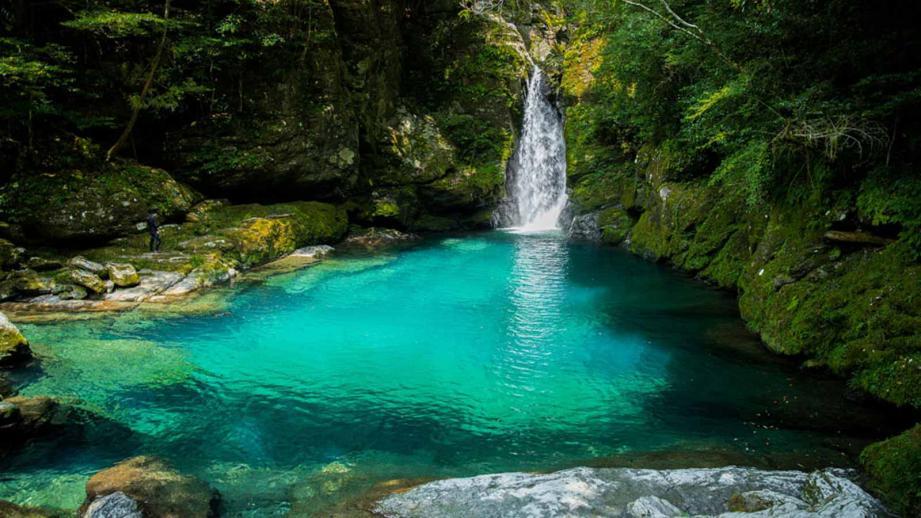
For those seeking raw, untamed nature and a deeply spiritual journey, Shikoku is your haven, typically requiring a daily budget of ¥8,000-¥15,000 (~$55-$100 USD). If you crave varied urban experiences, volcanic landscapes, and a more robust transport network, Kyushu offers more bang for your buck, usually within ¥10,000-¥18,000 (~$65-$120 USD) per day.
- Choose Shikoku: Pick Shikoku if you prioritize off-the-beaten-path exploration, stunning natural landscapes, spiritual journeys like the 88 Temple Pilgrimage, and a slower, more authentic pace of travel. Ideal for hikers, nature lovers, and those seeking quiet reflection.
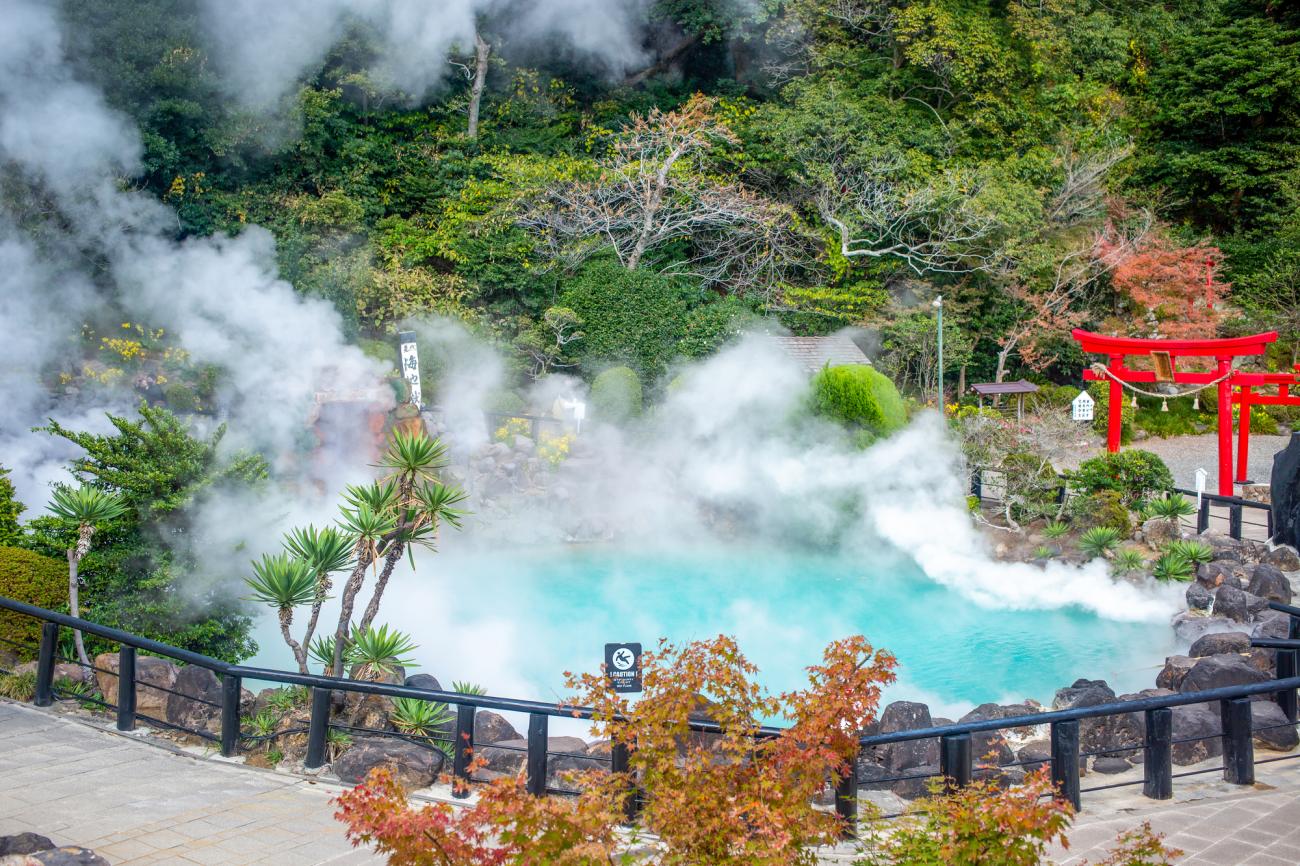
- Choose Kyushu: Choose Kyushu for a more diverse trip combining bustling cities (Fukuoka), dramatic volcanic scenery (Aso, Sakurajima), unique hot springs (Beppu), rich history (Nagasaki), and fantastic food. It's generally easier to navigate with public transport and offers more urban amenities.
- Choose Both: If you have 3 weeks or more and want to experience both rustic charm and dynamic urban life, combining them is feasible. Start with Shikoku for 7-10 days, then take a ferry or train to Kyushu for another 10-14 days, leveraging the JR Pass for Kyushu extensively.
Quick Comparison
| Category | Shikoku | Kyushu | Winner |
|---|---|---|---|
| Food & Gastronomy | Known for Kagawa's Sanuki Udon, Kochi's Katsuo no Tataki, and Naruto's Tai-meshi. Focuses on local, fresh ingredients. | A culinary powerhouse with Hakata Ramen, Miyazaki Chicken Nanban, Kagoshima Kurobuta pork, and diverse street food. | Kyushu |
| Nature & Outdoors | Rugged mountains, dramatic river valleys (Iya Valley), Naruto whirlpools, Shimanto River. Ideal for hiking and remote exploration. | Volcanic landscapes (Mt. Aso, Sakurajima), Takachiho Gorge, coastal scenery, and subtropical islands (Yakushima). | Shikoku |
| Costs & Budget | Generally lower accommodation and food costs outside major cities. Rental car often necessary, adding to budget. | Fukuoka and other cities can be pricier, but extensive public transport reduces rental car necessity. Wide range of budget options. | Shikoku |
| Getting Around | Requires a rental car for flexibility; public transport is sparse outside main cities. Roads are scenic but winding. | Excellent JR train network, including Shinkansen, connects major cities. Buses cover rural areas. Easier for non-drivers. | Kyushu |
| Culture & History | Unique 88 Temple Pilgrimage, traditional dance (Awa Odori), castle towns, and remote rural culture. | Rich history from samurai to atomic bomb (Nagasaki), Dazaifu Tenmangu, unique onsen culture, and ancient pottery traditions. | Kyushu |
| Beaches & Coastlines | Rugged, scenic coastlines. Some beautiful, quieter beaches like Katsurahama (Kochi) and Kotohiki Cove (Kagawa). | Diverse coastal scenery, from white sand beaches (Miyazaki, Okinawa-like islands) to volcanic shores and dramatic sea cliffs. | Kyushu |
| Accommodation | Fewer large hotels, more traditional ryokan, guesthouses, and minshuku, especially in rural areas. Unique temple lodging. | Wide range of options from luxury hotels to budget hostels in cities. Excellent onsen ryokan and boutique stays. | Kyushu |
| Nightlife & Entertainment | Limited nightlife outside of small bars in prefectural capitals. More focused on quiet evenings. | Vibrant nightlife in Fukuoka (Tenjin, Nakasu), with diverse bars, clubs, live music, and excellent dining. Other cities have options. | Kyushu |
| Solo Travel Friendliness | Great for introspective, nature-focused solo trips, but a rental car is key. Can feel isolated in rural areas. | Excellent for solo travelers due to easy public transport, diverse cities, and plenty of social opportunities. | Kyushu |
| Day Trips & Excursions | Day trips focus on natural beauty (Iya Valley, Naruto), art islands (Naoshima, Teshima, but require ferry planning). | Numerous diverse day trip options from major cities, including volcanoes, onsen towns, historical sites, and pottery villages. | Kyushu |
🍜 Food & Gastronomy
Kyushu is a true food paradise, offering an incredible variety of distinct regional specialties that are widely accessible and often incredibly affordable. Fukuoka alone could keep a foodie busy for a week with its legendary Hakata ramen (try Ichiran for a classic bowl, around ¥900-¥1200 or ~$6-$8 USD), delicious motsunabe (offal hotpot, ¥1500-¥2500 per person), and vibrant yatai (food stalls) culture. Beyond Fukuoka, you have the succulent Kurobuta pork of Kagoshima, the sweet and savory Chicken Nanban from Miyazaki, and the unique horse meat sashimi (basashi) in Kumamoto. Shikoku, while having its gems, is more niche. Kagawa's Sanuki udon is a must-try, with bowls starting as low as ¥300-¥500 (~$2-$3.50 USD) at self-service shops, and Kochi's flame-seared Katsuo no Tataki (bonito sashimi, ¥1500-¥2500 for a generous portion) is sublime. However, outside these specific dishes, the general culinary landscape is less varied and harder to find without a car. "Honestly, Fukuoka's food scene is just next level, I could eat Hakata ramen every single day and still find new things to try at the yatai," said one Redditor.
Winner takeaway
- Winner: Kyushu
- Why: Kyushu offers a far broader and more accessible range of iconic regional dishes and urban culinary experiences.
- Who this matters for: Foodies, urban explorers, and travelers who enjoy varied dining experiences.
⛰️ Nature & Outdoors
Shikoku truly shines for its raw, untamed natural beauty, making it a paradise for those seeking adventure away from the crowds. The Iya Valley in Tokushima is a prime example, with its vine bridges (Kazurabashi, ~¥550 entry fee) suspended over gorges and remote traditional villages that feel like stepping back in time. The Shimanto River in Kochi is often called Japan's last clear river, perfect for kayaking or cycling along its banks. The dramatic Naruto whirlpools, while impressive, are a bit more touristy but still a natural wonder. Kyushu offers spectacular natural attractions too, particularly the active volcanoes of Mount Aso (Kumamoto) and Sakurajima (Kagoshima), which provide dramatic, almost lunar landscapes. Takachiho Gorge (Miyazaki) is stunning for boat rides (¥3000-¥4000 per boat for 30 mins), and the subtropical primeval forests of Yakushima are world-renowned, though they often require a separate dedicated trip. Shikoku's nature feels more integrated into its identity, demanding a slower pace to fully appreciate. "Iya Valley was wild, nothing like I expected. Definitely rent a car, public transport there is almost nonexistent but so worth it for the views," a traveler commented.
Winner takeaway
- Winner: Shikoku
- Why: Shikoku offers a more profoundly immersive and untamed natural experience, especially for hiking and remote exploration.
- Who this matters for: Hikers, nature photographers, adventurers, and those seeking solitude in nature.
💰 Costs & Budget
Shikoku generally offers a slightly more budget-friendly experience, primarily due to lower demand and fewer major urban centers. Accommodation in cities like Takamatsu or Kochi can be found for ¥6,000-¥10,000 (~$40-$65 USD) for a decent business hotel, with guesthouses even cheaper. Dining at local udon shops or family-run eateries is very affordable. The biggest cost consideration for Shikoku is transportation: a rental car is almost essential for true exploration, often costing ¥5,000-¥8,000 (~$35-$55 USD) per day plus tolls and gas. Kyushu, while offering fantastic value, has higher baseline costs, especially in Fukuoka where hotels can easily run ¥8,000-¥15,000 (~$55-$100 USD) and upwards. However, Kyushu's excellent JR network means you can often save significantly by relying on trains (especially with a Kyushu Rail Pass), avoiding car rental costs for much of the trip. Food outside Fukuoka is still very reasonable, similar to Shikoku's local prices. So, while Shikoku's per-item cost might be lower, the necessity of a rental car can balance it out. "We managed Shikoku on a tight budget by staying in guesthouses and eating local, but the rental car was non-negotiable for getting around," a budget traveler shared.
Winner takeaway
- Winner: Shikoku
- Why: Outside of transportation, Shikoku generally offers lower costs for accommodation and local food, making it slightly more budget-friendly.
- Who this matters for: Budget-conscious travelers willing to trade public transport convenience for lower day-to-day expenses.
🚗 Getting Around
Kyushu is by far the easier region to navigate, especially for those without a rental car or who prefer trains. The Kyushu Shinkansen connects Fukuoka (Hakata) to Kumamoto and Kagoshima efficiently, and a comprehensive network of JR local and limited express trains reaches most major tourist destinations like Beppu, Nagasaki, and Miyazaki. The various Kyushu Rail Passes (North, South, All Kyushu) offer excellent value, typically starting around ¥8,500-¥10,000 (~$60-$70 USD) for 3 days. Shikoku, conversely, is notoriously challenging without a car. While there are JR lines connecting the prefectural capitals (Takamatsu, Tokushima, Kochi, Matsuyama), getting to the island's true highlights like the Iya Valley, Shimanto River, or remote pilgrimage temples often requires long, infrequent bus rides or costly taxis. A rental car, costing roughly ¥5,000-¥8,000 (~$35-$55 USD) per day, becomes almost a necessity for efficient and flexible exploration, though it allows access to incredible scenery. "Don't even think about Shikoku without a rental car, seriously. We tried to rely on buses for a bit and wasted so much time waiting. Kyushu with the train pass was a breeze by comparison," one traveler advised.
Winner takeaway
- Winner: Kyushu
- Why: Kyushu boasts a superior and more convenient public transportation network, making travel significantly easier for most visitors.
- Who this matters for: Travelers who prefer public transport, non-drivers, and those wanting efficient city-to-city connections.
🏯 Culture & History
Kyushu offers a broader and more diverse tapestry of cultural and historical experiences. Nagasaki alone presents a poignant blend of international influence and tragic history with its Peace Park, Atomic Bomb Museum (~¥200 entry), and Glover Garden (~¥620 entry) showcasing its foreign settlement past. Dazaifu Tenmangu Shrine (Fukuoka) is one of Japan's most important Tenjin shrines, attracting students and scholars. Kagoshima’s samurai history and the remnants of the Satsuma Rebellion are fascinating, as are the ancient pottery traditions in Arita and Imari. Shikoku's cultural identity is deeply intertwined with the 88 Temple Pilgrimage (Henro), a profoundly spiritual journey that offers unique insights into Japanese Buddhism and hospitality (o-settai). While not everyone embarks on the full pilgrimage, visiting a few temples provides a powerful experience. The Awa Odori dance festival in Tokushima is also a vibrant cultural highlight in August. However, outside of these specific, albeit incredible, experiences, Kyushu provides more varied historical sites and museums. "Nagasaki's history really hit me, it's a powerful place. Shikoku's pilgrimage was spiritual, but Kyushu just had more layers of history to explore," a Redditor summarized.
Winner takeaway
- Winner: Kyushu
- Why: Kyushu presents a wider array of historical eras and cultural influences, from ancient shrines to modern history.
- Who this matters for: History buffs, those interested in diverse cultural narratives, and visitors seeking varied historical sites.
🏖️ Beaches & Coastlines
Kyushu offers a more diverse and arguably better beach and coastline experience, particularly if you're looking for classic swimming or resort-style beaches. Miyazaki Prefecture on Kyushu's east coast is known for its surfing beaches and sunny climate, with destinations like Aoshima Island and Hyuga offering pleasant sandy shores. Further south, the Amami Islands, part of Kagoshima Prefecture, boast stunning, subtropical white-sand beaches and crystal-clear waters, feeling almost like Okinawa (e.g., Tomori Beach on Amami Oshima). While they require a separate flight or ferry, they are technically Kyushu. Shikoku has beautiful coastlines, but they are generally more rugged and dramatic rather than 'beach holiday' friendly. Katsurahama Beach in Kochi is scenic and famous for its Ryoma Sakamoto statue, but not ideal for swimming due to strong currents. Kotohiki Cove in Kagawa offers a unique 'Zenigata Sunae' sand art formation visible from a lookout, with a pleasant beach. Overall, Kyushu's beaches are more varied and accessible for leisure. "If you're looking for proper sandy beaches to relax on, Kyushu's Miyazaki coast or even better, a side trip to Amami Islands, is where it's at. Shikoku's coast is beautiful, but more for admiring than swimming," a beach lover commented.
Winner takeaway
- Winner: Kyushu
- Why: Kyushu offers a greater variety of accessible beaches for swimming, relaxation, and water sports, including subtropical options.
- Who this matters for: Beach lovers, sun-seekers, surfers, and those looking for a coastal retreat.
🏨 Accommodation
Kyushu offers a significantly wider and more diverse range of accommodation options, catering to all budgets and preferences. Fukuoka, as a major city, has everything from international luxury brands (e.g., Grand Hyatt Fukuoka, ~¥25,000+/night) to numerous business hotels (e.g., Dormy Inn, ~¥9,000-¥15,000/night or ~$60-$100 USD) and budget-friendly hostels (e.g., The Life Hostel & Bar, ~¥3,000-¥5,000/night). Beyond cities, Kyushu is renowned for its onsen ryokan, particularly in Beppu and Kurokawa Onsen, offering beautiful traditional stays with private or public hot spring baths (often ¥15,000-¥40,000+ per person per night with meals). Shikoku has charming options, especially traditional guesthouses and ryokan, which can be fantastic value (¥7,000-¥15,000/night). Unique temple lodging (shukubo) is available along the pilgrimage route, offering a different cultural experience. However, outside the prefectural capitals, choices become much more limited, and modern amenities are less common. Finding English-speaking staff can also be more challenging in Shikoku's rural stays. "Finding a good mix of budget and mid-range hotels was super easy in Kyushu, especially Fukuoka and Kumamoto. Shikoku felt a bit more limited unless you were specifically looking for a traditional ryokan, which can be pricey," noted a traveler.
Winner takeaway
- Winner: Kyushu
- Why: Kyushu provides a greater quantity and variety of accommodation, from urban luxury to exquisite onsen ryokan, fitting more travel styles and budgets.
- Who this matters for: All travelers, especially those seeking specific hotel types, luxury, or a wide range of budget options.
🌃 Nightlife & Entertainment
If you're looking for lively evenings, Kyushu is the clear winner, largely thanks to Fukuoka. Fukuoka's Tenjin and Nakasu districts are buzzing, offering everything from sophisticated cocktail bars and craft beer pubs to izakayas (Japanese pubs) and late-night clubs. The famous yatai (food stalls) along the Naka River provide a unique and lively outdoor dining experience into the night. Other cities like Kumamoto and Nagasaki also have decent nightlife scenes, though on a smaller scale than Fukuoka. You can find karaoke bars, small izakayas, and some music venues. Shikoku, by contrast, is much quieter. While prefectural capitals like Matsuyama and Kochi have clusters of local bars and izakayas, the nightlife is generally subdued and closes earlier. It's more about enjoying a quiet drink with dinner or finding a cozy local spot rather than vibrant late-night entertainment. For solo travelers, Kyushu's larger cities offer more opportunities to meet people in social settings. "Fukuoka's nightlife was unexpectedly good! Great bars, delicious late-night ramen, and the yatai were a blast. Shikoku was beautiful, but after dinner, things generally quieted down pretty fast," a party-goer observed.
Winner takeaway
- Winner: Kyushu
- Why: Fukuoka's vibrant urban centers provide a much more extensive and diverse range of nightlife and entertainment options.
- Who this matters for: Solo travelers, groups of friends, and anyone looking for active evenings and social opportunities.
🚶♀️ Solo Travel Friendliness
Kyushu is generally more solo-traveler friendly due to its superior public transportation and the concentration of amenities in its cities. It's easy to hop on a Shinkansen or JR train between Fukuoka, Kumamoto, Nagasaki, and Beppu, making logistical planning less stressful for one person. Cities offer abundant hostel options, budget-friendly eateries, and opportunities to meet other travelers at bars, cafes, or tour groups. You can enjoy bustling city life or peaceful nature without needing to navigate complex rural transport alone. Shikoku can be fantastic for a solo traveler seeking a more introspective, nature-heavy, or spiritual journey, especially if undertaking parts of the 88 Temple Pilgrimage. However, the necessity of renting a car can be a significant hurdle for solo travelers (both cost and comfort with driving in Japan), and outside the main cities, it can feel quite remote and isolated, with fewer English speakers and fewer social venues. "As a solo traveler, Kyushu was just so much easier. I could manage everything with my rail pass, and there were always people to chat with at hostels or bars. Shikoku felt a bit too isolated for me without a car," shared a solo female traveler.
Winner takeaway
- Winner: Kyushu
- Why: Kyushu's ease of transport, diverse urban options, and social opportunities make it more accessible and enjoyable for most solo travelers.
- Who this matters for: First-time solo travelers, those who prefer public transport, and individuals seeking social interaction.
🗺️ Day Trips & Excursions
Kyushu offers a significantly broader and more convenient array of day trip options from its major cities. From Fukuoka, you can easily visit Dazaifu Tenmangu Shrine, the pottery towns of Arita and Imari, or even take a day trip to Kumamoto Castle. From Kumamoto, a day trip to Mount Aso (the world's largest caldera) is a must, offering dramatic volcanic scenery (though access to the crater rim can vary due to activity). Beppu is an entire city dedicated to onsen, perfect for a day of hot spring hopping and visiting the 'Hells of Beppu' (admission to 7 Hells around ¥2,000 or ~$14 USD). Nagasaki itself can be a day trip from Fukuoka, or serve as a base for excursions to the Shimabara Peninsula. Shikoku's day trips tend to be more nature-focused and often require more planning, especially with public transport. While Naoshima and Teshima (art islands) are technically reachable as day trips from Takamatsu (ferry ~¥1000-¥2000 return, ~20-60 min each way), they often warrant an overnight stay to fully appreciate. The Iya Valley and Naruto Whirlpools are stunning but can be full-day commitments with challenging logistics. "Kyushu was great for day trips; we did Aso from Kumamoto and Beppu from Fukuoka, both super easy by train. Shikoku's day trips were incredible (Naoshima!), but they definitely took more effort to organize," a traveler recounted.
Winner takeaway
- Winner: Kyushu
- Why: Kyushu provides a greater variety of easily accessible and diverse day trip options from its well-connected urban centers.
- Who this matters for: Travelers who enjoy exploring a new area each day from a central base, and those looking for diverse experiences.
❓ Frequently Asked Questions
Which region is better for first-time visitors to Japan?
Kyushu is generally more suitable for first-time visitors due to its excellent public transport, diverse attractions (cities, nature, history, food), and more readily available English services. It offers a well-rounded introduction to Japan.
How easy is it to get to Shikoku or Kyushu from Tokyo/Osaka?
Kyushu is very easy to access: take the Shinkansen directly from Tokyo (around 5-6 hours) or Osaka (around 2.5-3 hours) to Fukuoka (Hakata Station). Shikoku is also accessible, but less direct; from Osaka, you can take a bus across the Seto Ohashi Bridge (approx. 2-3 hours) or train (via Okayama).
What's the best time of year to visit each region?
Spring (March-May) and Autumn (October-November) are ideal for both, offering pleasant weather and beautiful scenery (cherry blossoms or autumn leaves). Summer can be hot and humid, especially in Kyushu, while winter can be cold, though Kyushu's south remains mild, and Shikoku's mountains see snow.
Is a JR Pass worth it for Shikoku? What about Kyushu?
A JR Pass (national) is generally NOT cost-effective for Shikoku unless you combine it with extensive travel to/from other regions. For Kyushu, a Kyushu Rail Pass (North, South, or All Kyushu) is often excellent value, especially if you plan extensive train travel between cities like Fukuoka, Kumamoto, Nagasaki, and Kagoshima.
How many days should I allocate for each region?
For a good overview, plan at least 7-10 days for Kyushu to cover Fukuoka, Kumamoto, Nagasaki, and Beppu. For Shikoku, 7-10 days is also recommended, especially if you plan to explore the Iya Valley or visit the art islands, allowing for slower travel and potential driving.
Are these regions family-friendly?
Both can be family-friendly. Kyushu offers more direct child-friendly attractions (aquariums, theme parks near Fukuoka, easy transport). Shikoku is great for adventurous families who enjoy nature, hiking, and unique cultural experiences, but requires more planning around transport and amenities for younger children.
Can I combine a trip to Shikoku and Kyushu?
Yes, it's possible! The easiest way is often to travel from Shikoku (e.g., Matsuyama) to Kyushu (e.g., Oita or Fukuoka) via ferry or train (connecting through Honshu via Okayama). Allow at least 2.5-3 weeks for a comfortable pace to truly experience both regions without rushing.
Which region is better for onsen (hot springs)?
Kyushu is widely considered the king of onsen, boasting famous hot spring towns like Beppu (with its 'Hells' and varied baths), Kurokawa Onsen (traditional, atmospheric), and Yufuin (picturesque). Shikoku has excellent onsen too, like Dogo Onsen in Matsuyama, but Kyushu offers more quantity and variety.
Ready to plan your unforgettable Japan trip?
Get a free custom itinerary for Shikoku, Kyushu, or both — built from real traveler insights and tailored to your preferences.
🎟️ Book Tours & Experiences
Hand-picked tours and activities for both destinations — book with free cancellation
Experiences via Viator — free cancellation on most tours