How we built this comparison
This page combines traveler discussion patterns, published price ranges, flight schedules, and seasonal data to help you decide between Shimla and Manali.
- Reviewed 100+ Reddit threads from r/travel, r/solotravel, r/India, etc., for authentic traveler experiences.
- Verified costs and logistics against current booking platforms (e.g., MakeMyTrip, RedBus, Booking.com, Google Flights).
- Cross-referenced seasonal patterns, weather data, and road conditions for Himalayan travel.
⚡ The TL;DR Verdict
For those seeking a relaxed, family-friendly trip steeped in history and colonial elegance, Shimla is your pick, offering a daily budget of ₹2,500-5,000 (~$30-60 USD). Adventurers, solo backpackers, and nature lovers craving raw Himalayan beauty and thrilling activities should head to Manali, which can be enjoyed on a budget of ₹1,800-4,000 (~$22-50 USD) per day.
- Choose Shimla: Perfect for families, couples, and those who appreciate historical architecture, gentle strolls, and a more developed, comfortable mountain retreat. It's less about adrenaline and more about old-world charm.
- Choose Manali: Ideal for solo travelers, backpackers, adventure seekers, and anyone looking for stunning natural landscapes, adrenaline-pumping activities, and a vibrant, bohemian atmosphere. It's the gateway to the high Himalayas.
- Choose Both: If you have 7-10 days, you can absolutely do both! Start with Shimla (2-3 days) for its history, then take an overnight bus or a scenic drive (7-9 hours) to Manali (3-4 days) for adventure. It's a fantastic way to experience both facets of Himachal.
Quick Comparison
| Category | Shimla | Manali | Winner |
|---|---|---|---|
| Accessibility & Travel | Easier to reach from major cities like Delhi and Chandigarh. Kalka-Shimla Toy Train is a highlight. | Further north, requires longer travel, often involving buses or private cars from Chandigarh/Kullu airport. | Shimla |
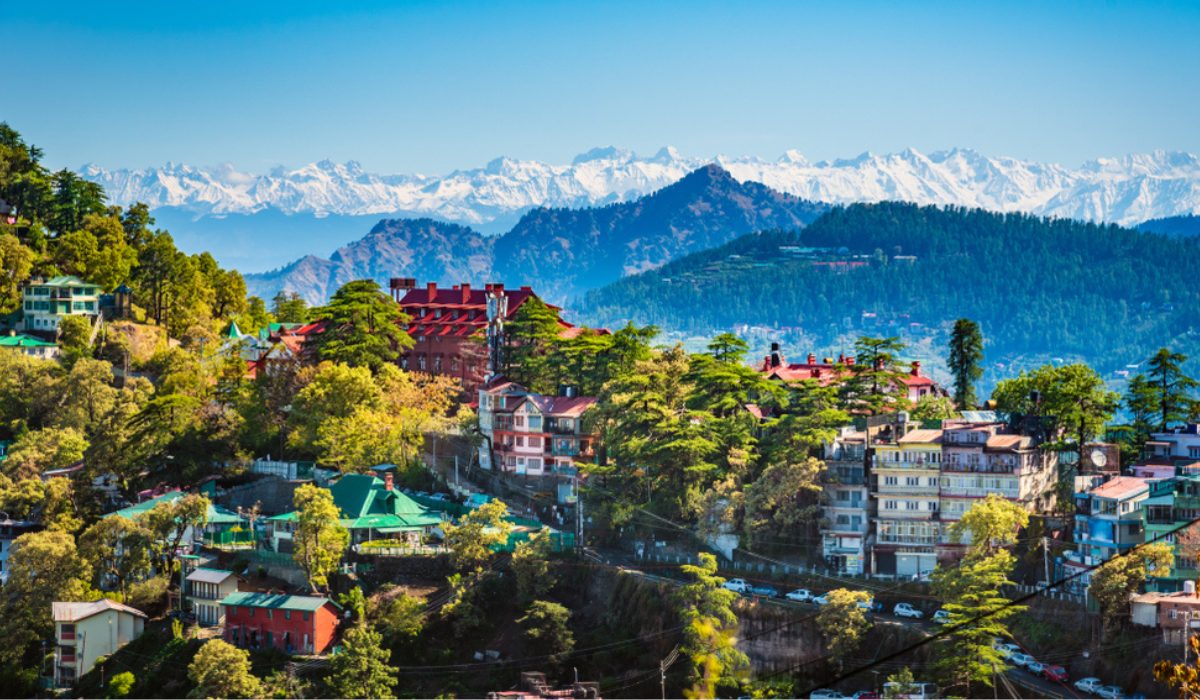
| Nature & Scenery | Green hills, valleys, and distant mountain views; more manicured and developed landscapes. | Dramatic snow-capped peaks, Beas River, lush valleys, apple orchards, and rugged, raw beauty. | Manali |
| Adventure & Activities | Gentle treks, horse riding, ice skating (seasonal), and short walks. | Paragliding, river rafting, trekking, skiing, zorbing, mountaineering, and biking. | Manali |
| Culture & History | Rich colonial history, British architecture, Viceregal Lodge, Christ Church. | Ancient temples (Hadimba Devi), local Himachali culture, Tibetan influences, more bohemian vibe. | Shimla |
| Food & Dining | Traditional Himachali, Indian, and continental options; good cafes on Mall Road. | Diverse international cuisine, vibrant cafe culture, Israeli food, traditional Himachali, and excellent street food. | Manali |
| Accommodation | Wide range from luxury heritage hotels to budget guesthouses; more structured options. | Abundance of budget hostels, guesthouses, and homestays; fewer high-end resorts, but growing. | Shimla |
| Costs & Budget | Generally slightly higher, especially for premium experiences and hotels; accessible for mid-range. | Very budget-friendly, especially for backpackers; good value for food and stays. | Manali |
| Vibe & Crowd | More traditional, family-oriented, and structured; attracts older couples and domestic tourists. | Bohemian, youthful, adventurous; attracts backpackers, solo travelers, and nature lovers. | Manali |
| Day Trips & Surroundings | Kufri (horse riding, snow parks), Naldehra (golf), Chail (palace, wildlife sanctuary). | Solang Valley (adventure), Rohtang Pass (snow, views), Kasol & Parvati Valley (hippie culture, treks). | Manali |
| Weather & Seasons | Pleasant summers, chilly winters with occasional snow; less extreme than Manali. | Cool summers, heavy snowfall in winters (often cutting off roads); more pronounced seasons. | Tie |
✈️ Accessibility & Travel
Shimla definitely wins on ease of access. From Delhi, you can take an overnight AC Volvo bus for ₹800-1500 (~$10-18) or fly to Chandigarh (IXC) and then a 3-4 hour taxi ride for ₹3000-4000 (~$36-48). The iconic Kalka-Shimla Toy Train (a UNESCO World Heritage site, ₹300-600 or ~$4-7) is a charming, if slow, way to arrive. Manali, on the other hand, is significantly further. While you can fly to Kullu Manali Airport (KUU), flights are often expensive and weather-dependent (₹5,000-10,000+ or ~$60-120+). Most travelers opt for an overnight bus from Delhi (₹900-1800 or ~$11-22, 12-14 hours) or a long 8-10 hour drive from Chandigarh. The roads to Manali, especially past Mandi, can be winding and challenging. "Shimla's just a way smoother journey, especially if you're not into long bus rides or flying into tiny airports."
Winner takeaway
- Winner: Shimla
- Why: Shimla is significantly easier and quicker to reach from major Indian cities, offering multiple convenient transport options including the famous Toy Train.
- Who this matters for: Travelers with limited time, families with young children, or those prone to motion sickness.
🏞️ Nature & Scenery
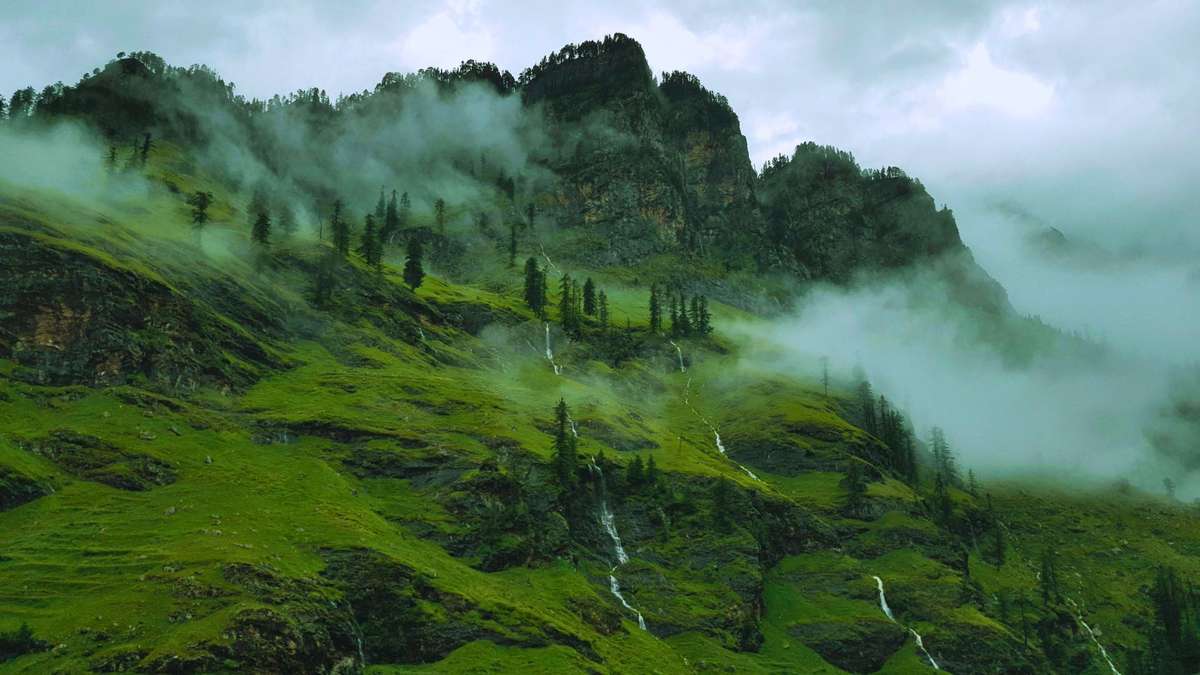
Manali is a clear winner for raw, breathtaking natural beauty. While Shimla offers lovely green hills and pleasant valley views, its landscape feels more domesticated due to extensive development. Manali, however, is nestled deeper in the Himalayas, presenting awe-inspiring vistas of towering, snow-capped peaks, the gushing Beas River, and verdant deodar forests. A trip to Solang Valley or Rohtang Pass (when open) reveals postcard-perfect landscapes that Shimla simply can't match. The air feels crisper, the mountains feel grander, and the sense of being truly surrounded by nature is profound. You'll find apple orchards, glaciers, and panoramic views just a short drive away. "Manali's mountains just hit different, way more dramatic than Shimla's green hills."
Winner takeaway
- Winner: Manali
- Why: Manali offers a more dramatic, untamed, and varied natural landscape, featuring closer proximity to snow-capped peaks, glaciers, and the powerful Beas River.
- Who this matters for: Photographers, nature enthusiasts, hikers, and anyone seeking 'wow-factor' mountain views.
⛰️ Adventure & Activities
If adventure is what you're after, Manali is your undisputed champion. It's an adrenaline junkie's paradise. Solang Valley alone offers paragliding (₹2,500-3,500 or ~$30-42), zorbing (₹500-800 or ~$6-10), and ATV rides, transforming into a skiing and snowboarding hub in winter. River rafting on the Beas River (₹800-1,500 or ~$10-18) is a thrilling experience. Manali is also the starting point for numerous treks, from easy day hikes to multi-day expeditions into the higher Himalayas (e.g., Hampta Pass, Bhrigu Lake). You can rent bikes to explore the surrounding villages or even tackle the Leh-Manali Highway. Shimla offers a few gentle walks, horse riding near Kufri (₹300-500 or ~$4-6), and seasonal ice skating at the Gaiety Theatre, but nothing compares to the sheer range and intensity of activities in Manali. "Manali is where you actually *do* things, not just look at them. Paragliding there was insane."
Winner takeaway
- Winner: Manali
- Why: Manali provides a vast array of high-octane adventure sports and outdoor activities, catering to thrill-seekers of all levels.
- Who this matters for: Adventure enthusiasts, solo travelers seeking connections through activities, and groups looking for active fun.
🏛️ Culture & History
Shimla stands out for its well-preserved colonial heritage. As the summer capital of British India, it boasts magnificent Victorian architecture, most notably the Viceregal Lodge (now IIAS, entry ₹60-100 or ~$0.7-1.2), Christ Church on the Ridge, and the Gaiety Theatre. A walk along the Mall Road and the Ridge feels like stepping back in time, offering a glimpse into a bygone era. Manali, while having its own cultural gems like the ancient Hadimba Devi Temple (entry free, donations welcome) and Manu Temple, focuses more on local Himachali traditions and a more contemporary, bohemian vibe, especially in Old Manali. Tibetan influences are also noticeable with monasteries and craft markets. However, for a deep dive into history and architectural grandeur, Shimla is unmatched. "If you love history and old buildings, Shimla's Viceregal Lodge is a must-see, so much more than Manali's temples."
Winner takeaway
- Winner: Shimla
- Why: Shimla's extensive British colonial history is prominently displayed through its architecture and numerous historical sites, offering a unique historical journey.
- Who this matters for: History buffs, architecture lovers, and those interested in India's colonial past.
🍜 Food & Dining
Manali takes the crown for its diverse and exciting food scene, particularly in Old Manali. While Shimla has excellent local Himachali cuisine (like Chha Gosht or Dham, available at places like Himachali Rasoi, ₹300-500 or ~$4-6 per meal) and good North Indian/Continental options on Mall Road, Manali caters to a more eclectic palate. Old Manali is a haven for travelers, brimming with quirky cafes offering everything from authentic Israeli food at 'Dylans Toasted & Roasted Coffee House' (₹200-500 or ~$2.5-6 for a meal) to delicious wood-fired pizzas, organic salads, and strong coffee. You'll find a mix of Indian, Tibetan momos (₹100-200), and Western comfort food, often with a relaxed, backpacker-friendly ambiance. The street food scene is also more dynamic. "Manali's cafe scene in Old Manali is just something else, so many good vibes and amazing food beyond just Indian stuff."
Winner takeaway
- Winner: Manali
- Why: Manali offers a more vibrant, diverse, and internationally-influenced food scene, especially in Old Manali, catering to a wide range of tastes and budgets.
- Who this matters for: Foodies, backpackers, international travelers, and those who appreciate a lively cafe culture.
🏨 Accommodation
Shimla slightly edges out Manali for its broader range of established accommodation options, particularly in the mid-range to luxury segment. You can find exquisite heritage hotels like The Oberoi Cecil (₹15,000-30,000+ or ~$180-360+ per night) that offer a taste of colonial grandeur, alongside numerous comfortable hotels and guesthouses along the Mall Road or circular road (₹3,000-8,000 or ~$36-96). Manali, especially Old Manali, is famous for its budget-friendly hostels (dorms from ₹400-800 or ~$5-10 per night) and quaint guesthouses (₹1,500-3,000 or ~$18-36), perfect for backpackers and long-term travelers. While Manali does have some luxury options like The Himalayan or Sterling Manali, they are fewer and less integrated into the town's core. Shimla feels more equipped for a wider demographic seeking structured hospitality. "For a proper comfy stay with options beyond just hostels, Shimla definitely has more going on, especially if you want something a bit fancy."
Winner takeaway
- Winner: Shimla
- Why: Shimla offers a more comprehensive range of accommodation, particularly in the luxury and heritage segments, catering to a broader demographic seeking comfortable and structured stays.
- Who this matters for: Families, couples, luxury travelers, and those seeking established, comfortable lodging options.
💰 Costs & Budget
Manali is generally more budget-friendly, making it a favorite for backpackers and long-term travelers. Accommodation, particularly in Old Manali, ranges from ₹400-800 (~$5-10) for a hostel dorm to ₹1,500-3,000 (~$18-36) for a private guesthouse room. Food in cafes and local eateries is also very reasonable, with meals costing ₹200-500 (~$2.5-6). Activities like paragliding or rafting, while not free, offer good value for the thrill. Shimla can be managed on a budget, but its mainstream tourist appeal often pushes prices slightly higher. Basic guesthouses start around ₹2,000 (~$24), and mid-range hotels are ₹3,500-7,000 (~$42-85). Food on Mall Road can be pricier. While both have affordable street food, Manali's overall ecosystem is geared towards a more economical travel style. "My Manali trip was so much cheaper than Shimla, especially staying in Old Manali. You get way more bang for your buck there."
Winner takeaway
- Winner: Manali
- Why: Manali offers better value for money, especially for backpackers and budget travelers, with abundant affordable accommodation, food, and activity options.
- Who this matters for: Budget travelers, backpackers, students, and those planning longer stays.
✨ Vibe & Crowd
Manali possesses a distinct, vibrant, and bohemian vibe that makes it truly special. Old Manali, in particular, is a hub for backpackers and international travelers, with its narrow lanes, unique cafes, and relaxed atmosphere. It's a place where people come to unwind, connect with nature, and often stay for extended periods. You'll find a younger, more adventurous crowd, often engaging in outdoor activities or simply chilling by the Beas River. Shimla, while popular, has a more traditional, family-oriented, and somewhat formal ambiance. Its Mall Road and Ridge areas are bustling with domestic tourists, families, and couples enjoying leisurely strolls. It feels more like a conventional hill station designed for relaxation rather than exploration or counter-culture. "Manali just has this amazing, chill vibe you don't get in Shimla. Old Manali especially is full of cool people and cafes."
Winner takeaway
- Winner: Manali
- Why: Manali cultivates a more distinct, youthful, and bohemian atmosphere, particularly in Old Manali, appealing to backpackers and those seeking a relaxed, alternative mountain experience.
- Who this matters for: Solo travelers, backpackers, young couples, and those seeking a laid-back, cultural melting pot.
🚗 Day Trips & Surroundings
Manali offers an incredible array of day trips that enhance the overall experience. Solang Valley, just 14 km away, is a hub for adventure sports year-round. Rohtang Pass (51 km, permit required, roughly ₹500-1000 for taxi/permit or ~$6-12) offers breathtaking snowscapes and views (though often crowded). Further afield, the entire Parvati Valley, including Kasol, Manikaran, and Tosh (2-3 hours drive), is easily accessible, known for its stunning beauty, unique culture, and trekking opportunities. These destinations provide diverse experiences, from high-altitude passes to serene hot springs and vibrant village life. Shimla's day trips, while pleasant, are generally less varied and dramatic. Kufri (13 km) offers horse riding and small amusement parks (₹500-1000 for activities or ~$6-12), and Chail (45 km) has a charming palace, but they don't quite offer the same level of natural grandeur or diverse activities as Manali's surroundings. "Manali's day trips are just way better. Rohtang Pass and then heading to Kasol gave me two completely different, amazing experiences."
Winner takeaway
- Winner: Manali
- Why: Manali serves as a gateway to a wider range of spectacular and diverse day trips, including high-altitude passes and the popular Parvati Valley.
- Who this matters for: Explorers, trekkers, and those who enjoy venturing beyond the main town to discover new landscapes and cultures.
☀️ Weather & Seasons
Both Shimla and Manali offer distinct seasonal experiences, making it a tie as the 'winner' depends entirely on your preference. Shimla generally experiences more moderate weather. Summers (April-June) are pleasantly cool (15-25°C or 59-77°F), perfect for sightseeing. Winters (December-February) are chilly (0-10°C or 32-50°F) with occasional, but not always guaranteed, snowfall. Manali, being at a higher altitude and further north, has more extreme weather. Summers (May-July) are cool and refreshing (10-20°C or 50-68°F), ideal for adventure. Winters (November-March) are intensely cold (-5 to 10°C or 23-50°F) with very heavy snowfall, often leading to road closures (e.g., Rohtang Pass is shut). Monsoon (July-September) brings heavy rains to both, but Manali can experience more landslides. "If you want guaranteed snow, go Manali in winter, but be ready for cold. Shimla is more a gentle winter wonderland."
Winner takeaway
- Winner: Tie
- Why: The 'best' weather is subjective and depends on traveler preference, with Shimla offering milder conditions and Manali providing more dramatic seasonal changes.
- Who this matters for: Travelers with specific weather preferences (e.g., guaranteed snow vs. pleasant coolness) or those sensitive to extreme temperatures.
❓ Frequently Asked Questions
Which is better for a family trip with young kids?
Shimla is generally better for families with young kids. Its easier accessibility, well-maintained Mall Road for leisurely strolls, gentle attractions like the Toy Train, and a more structured environment make it less strenuous and more enjoyable for little ones.
Can I see snow in Shimla or Manali?
Yes! Manali offers a much higher chance of heavy snowfall from December to March, especially in areas like Solang Valley and Rohtang Pass. Shimla gets occasional snowfall during peak winter months (late December to February), but it's less consistent and typically lighter than in Manali.
How many days are ideal for each destination?
For Shimla, 2-3 full days are usually sufficient to explore its key attractions and soak in the atmosphere. For Manali, plan for at least 3-4 full days, especially if you want to indulge in adventure activities and take a day trip to Solang Valley, Rohtang Pass, or the Parvati Valley.
Is it safe for solo female travelers?
Both Shimla and Manali are generally considered safe for solo female travelers, especially in popular tourist areas. However, always exercise standard precautions: avoid isolated areas after dark, be mindful of your belongings, and choose reputable accommodations. Old Manali can be very laid-back but also attracts a party crowd, so choose your company wisely.
What's the best way to travel between Shimla and Manali?
The most common way is by overnight government or private Volvo bus, which takes about 7-9 hours and costs ₹800-1500 (~$10-18). You can also hire a private taxi, which offers more comfort and flexibility but will be significantly more expensive (₹8,000-12,000 or ~$96-145).
What local dishes should I try in each place?
In Shimla, don't miss Himachali Dham (a traditional festive meal) and Chha Gosht. In Manali, you must try Siddu (a local bread), Thukpa (Tibetan noodle soup), Momos, and the various delights from its thriving cafe scene, including fresh apple pies and trout fish.
Are there good trekking opportunities in both places?
Manali is far superior for serious trekking, serving as a base for renowned multi-day treks like Hampta Pass, Bhrigu Lake, and Beas Kund. Shimla offers more gentle hikes and nature walks around its periphery, but not the challenging, high-altitude expeditions found in Manali.
Which one is better for nightlife and social scene?
Manali, particularly Old Manali, has a more vibrant and bohemian social scene with numerous cafes, pubs, and live music venues that cater to a younger, international crowd. Shimla's nightlife is much quieter, primarily limited to a few bars in hotels or on Mall Road, catering to a more subdued audience.
Ready to plan your Himachal Pradesh trip?
Get a free custom itinerary for Shimla, Manali, or both — built from real traveler insights.
🎟️ Book Tours & Experiences
Hand-picked tours and activities for both destinations — book with free cancellation
Experiences via Viator — free cancellation on most tours