📋 Our Methodology
This comparison is built from real sources, not AI guesswork:
- 15+ Reddit threads from r/JapanTravel, r/Tokyo, r/JapanTravelTips, r/japanlife synthesized
- Cost data from recent Reddit trip reports and Tokyo Cheapo (March 2026)
- Local knowledge from expat and long-term resident perspectives on r/Tokyo
- Transit times and costs from Tokyo Metro and Odakyu Line official sources
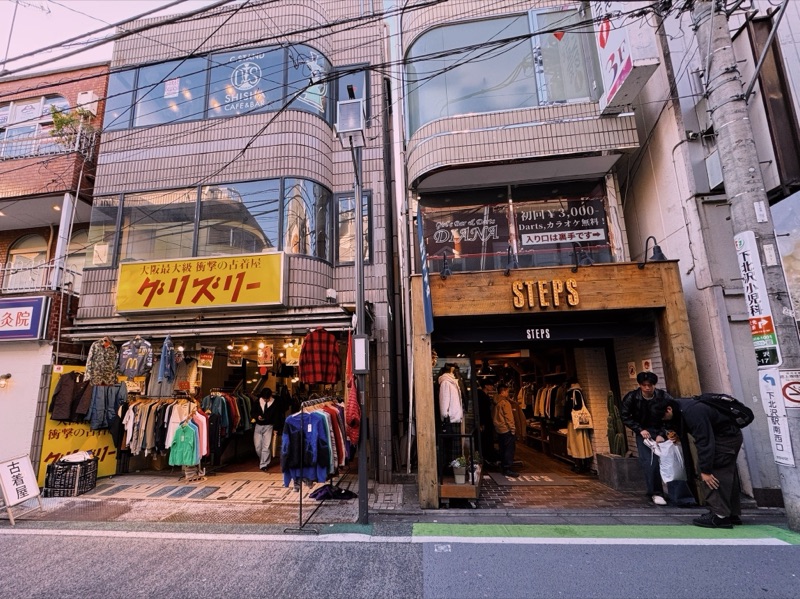
Shimokitazawa — Tokyo's Bohemian Village
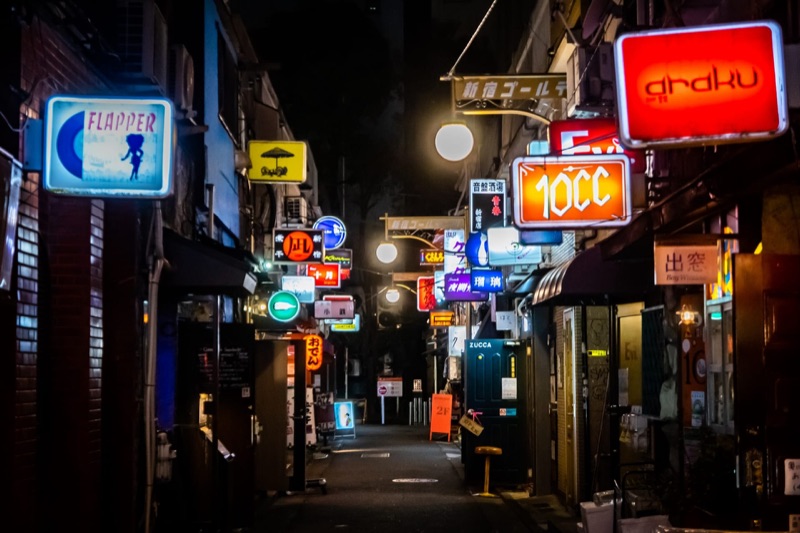
Golden Gai — Shinjuku's Bar Labyrinth
⚡ The TL;DR Verdict
Shimokitazawa wins for daytime culture, vintage shopping, and live music. Golden Gai wins for late-night atmosphere and solo bar-hopping intimacy. They're not really competitors — they're sequential stops on the same Tokyo alternative-culture itinerary.
- Go to Shimokitazawa if you want to explore Tokyo's indie soul — vintage thrift stores, artsy coffee shops, live music venues, and streets that reward aimless wandering. Best from noon to 9pm.
- Go to Golden Gai if you want Tokyo's most atmospheric late-night bar experience — 200+ bars each seating 4–8 people, packed into 6 alleyways in Shinjuku. Best after 9pm on a weeknight.
- Budget: Shimokitazawa ¥2,000–5,000 for an afternoon; Golden Gai ¥3,000–6,000 for an evening including cover charges.
- Both are on Reddit's permanent "must-visit Tokyo neighborhoods" list, but for completely different reasons and different times of day.
Shimokitazawa is the neighborhood for daytime culture seekers — vintage thrift, indie cafes, live music, and bohemian wandering. Go in the afternoon, stay for a live show at SHELTER, and eat well at a local curry spot.
Golden Gai is the neighborhood for late-night bar explorers — 200 tiny themed bars in 6 alleyways, each one its own micro-universe. Go solo on a weeknight, pay the seat charge without complaining, and let the serendipity happen.
Quick Comparison
| Category | 🎭 Shimokitazawa | 🍻 Golden Gai | Winner |
|---|---|---|---|
| Best time to visit | Afternoon to early evening (12pm–9pm) | Late night (9pm–3am) | Depends |
| Vibe | Bohemian, indie, artsy, relaxed | Gritty, intimate, atmospheric, nocturnal | Tie |
| Shopping | Excellent — 20+ vintage/thrift shops | None | Shimokitazawa |
| Bars & Nightlife | Good — indie bars and music venues | Outstanding — 200+ tiny bars | Golden Gai |
| Live Music | Outstanding — Tokyo's live house capital | None (bar ambiance only) | Shimokitazawa |
| Food | Excellent — cafes, ramen, curry, izakayas | Limited — some bars serve snacks | Shimokitazawa |
| Cost (evening) | ¥2,000–5,000 | ¥3,000–6,000 (cover charges add up) | Shimokitazawa |
| Solo traveler appeal | Good | Excellent — intimate format forces connection | Golden Gai |
| Tourist-friendly | Very high — easy and welcoming | Mixed — some bars regulars-only | Shimokitazawa |
| Daytime activity | Excellent | Dead (most bars closed until evening) | Shimokitazawa |
| Authenticity (2026) | High — still feels genuinely local | Declining — increasingly touristy on weekends | Shimokitazawa |
| Crowd on weekends | Busy but manageable | Extremely crowded — locals avoid it | Shimokitazawa |
🎭 Vibe & Character
Shimokitazawa (下北沢, affectionately called "Shimokita" by locals) is Tokyo's bohemian village. Tucked into Setagaya ward about 15 minutes southwest of Shibuya, it's a maze of narrow streets that resisted the city's typical redevelopment pressure for decades. The result is a neighborhood that feels genuinely human-scaled — no skyscrapers, no megamalls, just a dense tangle of vintage clothing shops, indie coffee shops, curry restaurants, theaters, and live music venues. Shimokita has long been the spiritual home of Tokyo's creative class: musicians, actors, artists, and students.
In 2019, the neighborhood got a major upgrade when the underground Odakyu Line station opened and a new surface-level park space called "reload" emerged — a row of small, low-rise wooden shops that fits the neighborhood's anti-corporate ethos perfectly. Shimokita absorbed modernity without losing its soul. It's anime-famous too: Bocchi the Rock! (2022) is set here, which has sent a wave of pilgrims wandering the streets with maps to fictional characters' homes.
Golden Gai (ゴールデン街) is something else entirely: 6 narrow alleyways tucked behind Kabukicho in Shinjuku, crammed with approximately 200 bars, each one seating between 4 and 8 people maximum. The buildings are old and slightly ramshackle, the alleys are barely wide enough for two people to pass, and the whole district hums with a specific kind of after-dark energy that Tokyo's polished modern neighborhoods can't replicate. For decades it was frequented by writers, artists, and journalists — it had a creative, slightly seedy reputation among Tokyo intelligentsia. Today it's on every tourist's must-do list, which has changed the dynamic significantly.
"Shimokita is lattes and graphic design, Golden Gai is whisky and old movie posters. Both are Tokyo at its best, but at completely different times of day." — r/JapanTravel
"Golden Gai looked like a freaking amusement park, that's how full it was. People standing in queues to get into bars, huge groups of 5+ tourists trying to find a place that can seat them all... it took me 15 minutes to walk through Golden Gai, which usually takes 3." — r/Tokyo — Golden Gai local regular
🍻 Nightlife & Bars
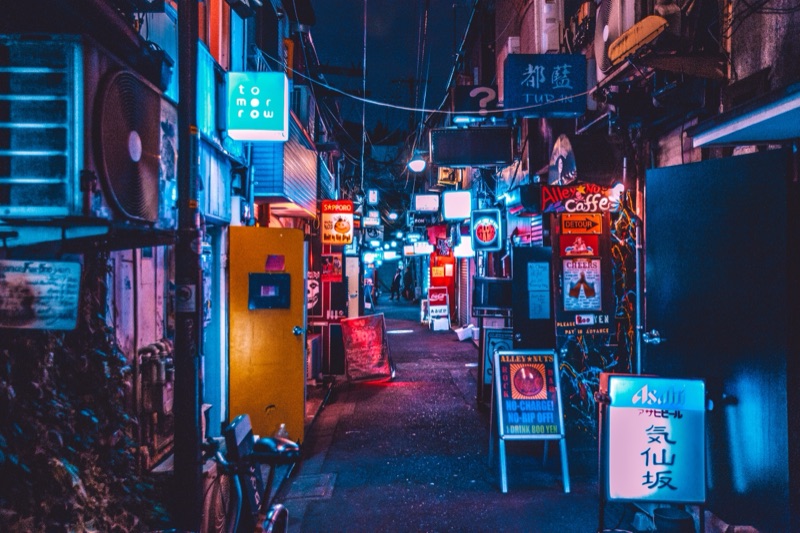
This is Golden Gai's home turf. The bar format is unlike anything else in the world: 200 bars in 6 alleyways, each one themed around something — jazz, film noir, cats, manga, heavy metal, horror movies — with a bartender who is the bar's entire personality. You don't just order a drink; you step into someone's world for an hour. The best Golden Gai bars have been running for 20–30 years with the same owner, the same regulars, and the same walls covered floor-to-ceiling in memorabilia. Drinks typically cost ¥800–1,200, and most bars charge a seat charge (table fee) of ¥500–1,500 per person.
The key Golden Gai tactical tips from Reddit: go as a pair or solo (groups of 3+ are often turned away or unwelcome), go on a weeknight (the weekend crowd is now predominantly tourists), look for a bar with an English menu or welcoming door if you want no language barrier, and expect to pay ¥3,000–5,000 for a satisfying 3-bar evening. Notable bars with foreign-friendly reputations include Deathmatch in Hell (heavy metal, very welcoming), La Jetée (French cinema theme, legendary), and Bar Albatross (romantic, chandelier-lit).
Shimokitazawa has its own strong bar scene — not tiny bars but indie izakayas, underground cocktail bars, and the casual overflow from its live music venues. Mother (small, cozy, staff-recommended on Reddit), Shimokitazawa Cream (three floors, always a party), and dozens of neighborhood bars that cater to the local creative crowd. The difference: Shimokitazawa bars are social rather than intimate — you drink with your group, not with strangers forced into proximity.
"I am a regular and know Golden Gai quite well. There are 3 kinds of joints: the ones that welcome tourists (maybe 1/4), the 'almost tourist only' places, and the authentic local spots. The third kind is worth seeking out — you just have to look for the ones that aren't on every Instagram list." — r/Tokyo — Golden Gai regular
"A Japanese girl told me she goes to Golden Gai to practice her English... I'm heartbroken too." — r/Tokyo
🛍️ Shopping & Vintage
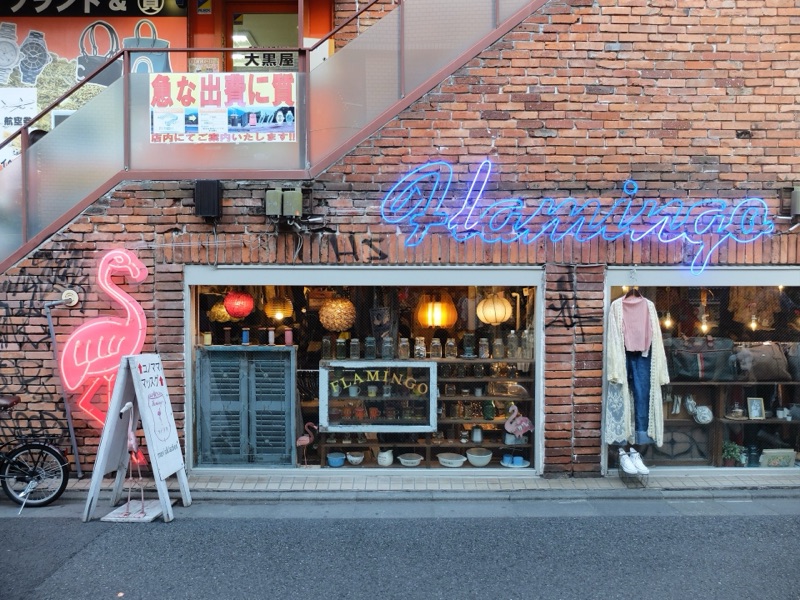
Shimokitazawa is Japan's vintage clothing mecca. The neighborhood has over 20 dedicated vintage and thrift stores within a 15-minute walking radius — New York Joe Exchange (high-end American vintage in a former bathhouse), Flamingo (curated vintage for ¥2,000–10,000), Tanpopo (bargain rack for ¥108 items, genuinely rare), and dozens of smaller independently-run shops. The focus is heavily on American vintage: Levi's denim, Champion sweats, vintage band tees, 1980s-90s sportswear — all in immaculate condition, all priced accordingly.
Be warned: Shimokitazawa thrifting is not cheap in the Western sense. Reddit is full of first-timers shocked by ¥8,000 vintage tees and ¥15,000 Levi's jackets. The reason: Japanese recycling shops research what items sell for online and price accordingly — sometimes slightly below market, never like a charity shop. If you want actual bargain thrifting, Reddit recommends Book Off Super Bazaar outlets, Kinji (chain, more accessible prices), or flea markets. If you want the best-curated selection of quality vintage in Tokyo and you're willing to pay for it, Shimokitazawa is unbeatable.
Golden Gai has essentially no shopping. It's a nighttime bar district — the few retail outlets near the alleyways are convenience stores. If shopping is your goal, don't go to Golden Gai for it.
"Shimokita is known as a hipster place and prices reflect that. It's more about the experience of curated vintage than finding cheap stuff. For cheap second hand, you need to go further out from central Tokyo." — r/JapanTravelTips
"Shimokita is where wealthier central Tokyo hipsters pay out the nose for American brands. Koenji is where you find actual value. Both are fun, different goals." — r/JapanTravelTips
🍜 Food & Dining
Shimokitazawa punches well above its size for food. The neighborhood's creative-class residents demand quality independent dining, which means you'll find exceptional curry restaurants (Japanese curry is a neighborhood staple — try Niku no Mansei or Spice Up), excellent ramen shops, minimalist specialty coffee cafes, and a rotating cast of indie restaurants. Lunch at a Shimokitazawa cafe typically runs ¥900–1,500; dinner at a neighborhood izakaya ¥1,500–3,000 per person. The food scene is unpretentious, locally-oriented, and genuinely excellent — look for handwritten menus and long queues.
Golden Gai's relationship with food is more transactional. The bars are primarily drinking establishments, and while some offer snacks (edamame, small plates, fried things), most don't serve proper food. If you want to eat before Golden Gai, the surrounding Shinjuku area has world-class options: Omoide Yokocho (Memory Lane, just west of Shinjuku station) for yakitori skewers and beer in an atmospheric tiny-stall alley, or the massive dining floors of Shinjuku's department stores. Eat before entering Golden Gai; you'll drink more and spend more if you're hungry.
"Shimokitazawa has excellent food if you know where to look. The curry spots especially — some are genuinely world-class. Don't just grab convenience store food before heading there." — r/JapanTravel
🎸 Live Music & Culture
Shimokitazawa is Tokyo's undisputed live music capital. The neighborhood has more live houses (small live music venues) per square kilometer than anywhere else in Japan. Venues like Shimokitazawa SHELTER (legendary indie rock venue, capacity ~300), Club251, Shimokitazawa THREE, Garden, and ADAGIO host nightly performances spanning indie rock, folk, jazz, experimental, and singer-songwriter. Entry runs ¥1,500–3,500 depending on the act. On any given weeknight, you can walk into 3–4 venues and catch full sets from Tokyo's underground music scene. The neighborhood has launched dozens of Japanese indie acts to mainstream success — it's where careers are made and where music obsessives come to discover new artists before they blow up.
Shimokitazawa also has a thriving theater scene — the Honda Theatre and Suzunari are legitimate small theater venues that host everything from contemporary Japanese plays to stand-up comedy. The cultural density of Shimokitazawa is genuinely remarkable for a neighborhood that looks like a quiet backstreet village.
Golden Gai has no live music venues. Individual bars may have music playing — some are jazz-themed, some play vinyl records — but there are no performance spaces. The bar atmosphere itself is the entertainment.
"Shimokitazawa Cream is always a fun party time with three floors. The live houses there though — if you haven't caught a show at SHELTER, you haven't done Shimokitazawa properly." — r/Tokyo
💰 Cost Comparison
| Expense | 🎭 Shimokitazawa | 🍻 Golden Gai |
|---|---|---|
| Coffee / cafe | ¥500–900 | N/A (no cafes) |
| Lunch | ¥900–1,500 | N/A |
| Dinner / izakaya | ¥1,500–3,000 per person | N/A (eat elsewhere) |
| Beer at bar | ¥500–800 | ¥800–1,200 |
| Bar cover / seat charge | None at most places | ¥500–1,500 per bar |
| Live music entry | ¥1,500–3,500 | N/A |
| Vintage shopping (per item) | ¥1,000–15,000+ | N/A |
| Typical evening total | ¥2,000–5,000 | ¥3,000–6,000 |
Golden Gai is slightly more expensive per evening than a comparable evening in Shimokitazawa, primarily because of the cover charges. The seat charge (席料 / sekiryō) at Golden Gai bars is a standard practice but surprises many tourists — expect to pay ¥500–1,500 per bar, on top of drink prices. Budget for 3–4 bars minimum to get the full experience, which means cover charges alone can add ¥2,000–4,500 to your evening.
"I went there with some friends visiting and a beer was like ¥1,000. I'll only go if friends and family visit and want to go. It adds up fast with the cover charges." — r/Tokyo — Tokyo resident on Golden Gai
🚃 Getting There
Shimokitazawa is served by two train lines from the rebuilt underground station: the Odakyu Odawara Line (one stop from Shimo-Kitazawa to Shimokitazawa, ~15 min from Shinjuku, ~12 min from Shibuya, ¥168–216) and the Keio Inokashira Line (~5 min from Shibuya, ¥140). The neighborhood is entirely walkable once you arrive — the main shopping and bar district is a 5-10 minute walk from the station exits. Note that Shimokitazawa's streets are deliberately confusing and labyrinthine; embrace wandering rather than trying to navigate by map.
Golden Gai is a 5–10 minute walk from Shinjuku Station (east exit) — Tokyo's busiest hub, served by every major train and subway line. It's essentially next to Kabukicho. From Shimokitazawa to Golden Gai: ~20 minutes by Odakyu Line to Shinjuku (¥168), then walk. From central Tokyo (Shibuya, Harajuku, Ginza): 10–20 minutes by Yamanote Line to Shinjuku. Golden Gai is arguably the most accessible alternative nightlife district in Tokyo.
The combination works beautifully for a single day: Shimokitazawa in the afternoon, Shinjuku/Golden Gai at night. Take the Odakyu Line directly from Shimokitazawa to Shinjuku in ~15 minutes.
🌸 Best Time to Visit
The single most important timing insight for Golden Gai: go on a weeknight. The weekend tourist crush has made Friday and Saturday nights genuinely unpleasant — locals now avoid it entirely on those nights. Monday through Thursday evenings in Golden Gai are when you get the experience Reddit has been raving about: quiet alleys, authentic bar owners, actual conversations. For Shimokitazawa, spring and autumn are perfect; the neighborhood's outdoor street culture thrives in mild weather.
"Friday and Saturday nights are the worst times to go to Golden Gai for that exact reason. If I go, it's usually during a random weekday." — r/Tokyo
🔀 The Decision Framework
After synthesizing dozens of Reddit threads and real traveler accounts, here's who each neighborhood is right for — though the honest answer is that most Tokyo visitors should do both:
🎭 Choose Shimokitazawa if...
- You want Tokyo's indie, bohemian side — thrift shops, coffee, creativity
- You're into Japanese indie rock and want to catch a live show
- You prefer daytime or early evening exploration
- Vintage clothing shopping is on your agenda
- You're traveling as a couple and want a neighborhood to wander aimlessly
- You want to feel like a Tokyo local, not a tourist
- You're into the Bocchi the Rock! anime and want the real-life locations
- Budget is tight — no cover charges, cheaper drinks, affordable food
🍻 Choose Golden Gai if...
- Late-night bar culture is your thing
- You're traveling solo and want to meet strangers in intimate settings
- You want Tokyo's most atmospheric, uniquely Japanese bar experience
- You're visiting on a weeknight (non-negotiable for the real experience)
- Tiny themed bars — heavy metal, jazz, film noir, horror — appeal to you
- You've done Tokyo before and want to go deeper
- You have a high tolerance for unpredictability (some bars will turn you away)
- Budget isn't a concern — cover charges add up but it's worth it
❓ Frequently Asked Questions
Is Shimokitazawa or Golden Gai better for tourists?
Both are excellent, but they serve different purposes. Shimokitazawa is a daytime neighborhood — wander the vintage shops, grab coffee, explore live music venues in the early evening. It's foreigner-friendly, low-pressure, and works well any day of the week. Golden Gai is primarily a late-night drinking destination; many bars are tiny (4–8 seats) and some still prefer regulars over tourists, especially on busy weekend nights. If you're visiting Japan for the first time, Shimokitazawa is easier to navigate and more immediately enjoyable. Golden Gai rewards solo drinkers who go on weeknights and embrace the intimate bar-hopping culture.
How much does a night out in Golden Gai cost?
Budget ¥3,000–6,000 ($20–40 USD) for a typical Golden Gai evening covering 3–4 bars. Most bars charge a cover/seat charge (seating fee) of ¥500–1,500 per person on top of drink prices. Drinks typically run ¥800–1,200 each. The cover charge is the biggest surprise for first-timers — it's standard practice and not negotiable. Some tourist-oriented bars waive it, but the more authentic spots will charge it. Cash only at most bars.
How much should I budget for thrift shopping in Shimokitazawa?
Shimokitazawa is not cheap thrifting — it's premium vintage. Budget ¥2,000–15,000+ ($13–100 USD) per item for quality pieces. The neighborhood is known for curated American vintage (Levi's, Champion, vintage tees) and Japanese brands, all in immaculate condition. If you want genuine bargain thrifting, Reddit recommends Book Off Super Bazaar outlets or flea markets in less central neighborhoods. That said, Shimokitazawa's vintage scene is still excellent for quality finds — you're paying a premium, but the selection is genuinely exceptional.
Can you do both Shimokitazawa and Golden Gai in one day?
Yes, and it's actually a great combination. Spend the afternoon in Shimokitazawa (vintage shopping, coffee, exploring), then head back toward Shinjuku in the evening for dinner, and hit Golden Gai after 9pm. The two neighborhoods are about 20–25 minutes apart by train (Odakyu Line to Shimokita, Yamanote Line to Shinjuku). This is essentially a perfect Tokyo alternative-culture day — bohemian daytime into gritty nighttime.
Is Golden Gai tourist-friendly or do bars turn foreigners away?
Golden Gai has become significantly more tourist-friendly in recent years — to the point where locals complain it's been overrun. About a quarter of bars actively court tourists, display English menus, and make most of their revenue from foreign visitors. However, some traditional bars still indicate 'regulars only' at the door. Reddit advice: go solo or as a pair (not a group of 3+), go on a weeknight rather than Friday or Saturday, and look for bars with English signs or an inviting atmosphere before entering. The experience is still worth it despite the increasing tourist crowds.
What's the best time to visit Shimokitazawa?
Weekday afternoons are ideal — shops are less crowded and you can actually browse properly. The neighborhood is lively from around noon until 10pm, with vintage shops typically open 12pm–8pm and cafes/bars open later. Avoid Saturday afternoons in peak seasons (spring/fall) when the narrow streets get genuinely packed. There's also a Sunday flea market near the station that's worth checking out if your timing aligns.
Are there live music venues in both neighborhoods?
Shimokitazawa is Tokyo's undisputed live music capital — it has more live music venues per square kilometer than anywhere else in Japan. Venues like Shimokitazawa SHELTER, Club251, and Garden handle indie, rock, jazz, and experimental acts nightly from around ¥1,500–3,000 entry. Golden Gai is more of a bar-hopping scene — some bars have music playing (often themed around jazz, rock, or film) but there are no live performance venues. If live music is a priority, Shimokitazawa wins decisively.
Which neighborhood is better for solo travelers?
Golden Gai is legendary for solo travel — the tiny bars force you into conversation with whoever is seated next to you, and the bartender is often right in front of you. Some of the best Golden Gai stories involve unexpected conversations with Japanese locals who come to practice their English, or fellow solo travelers from around the world. Shimokitazawa is also great solo — you can browse at your own pace and the cafe culture is very comfortable for solo visits. But if you want social serendipity, Golden Gai's format delivers it more reliably.
Ready to plan your Tokyo adventure?
Get a free custom itinerary for Tokyo — built around your interests, whether that's alternative neighborhoods, food, temples, or all of the above.
🎟️ Book Tours & Experiences
Hand-picked tours and activities for both destinations — book with free cancellation
Experiences via Viator — free cancellation on most tours