How we built this comparison
This page combines traveler discussion patterns from Reddit, published transit prices, entry fees, and seasonal data to make the Shirakawa-go vs Takayama decision clearer.
- Reviewed dozens of Reddit threads in r/JapanTravel, r/JapanTravelTips, and r/solotravel covering Shirakawa-go vs Takayama decisions, combined itineraries, and regional travel tips.
- Checked numeric claims — transit fares from Nohi Bus official schedules, entry fees from attraction websites, hotel price ranges from Booking.com.
- Cross-referenced traveler cost reports with published price lists. All yen figures include approximate USD equivalents at ¥150/$ for 2026 planning.
⚡ The TL;DR Verdict
Takayama wins on substance — more to see, eat, and explore. Shirakawa-go wins on a single unforgettable image. Budget snapshot: Takayama day ¥3,000–6,000 ($20–40) all-in; Shirakawa-go half-day ¥5,000–7,000 ($33–47) including round-trip bus from Takayama.
- Choose Takayama: Travelers who want a full-featured destination with morning markets, sake breweries, Hida beef, a world-class open-air museum, and a proper historic town. Base here for 2 nights.
- Choose Shirakawa-go: Photographers, winter travelers, and anyone who wants the iconic UNESCO village experience. Best as an add-on from Takayama (50 min bus), not a standalone destination.
- The honest take: Most Reddit users agree — Takayama is the base, Shirakawa-go is the side trip. If you only have one day in Gifu, spend it in Takayama.
🏘️ Shirakawa-go
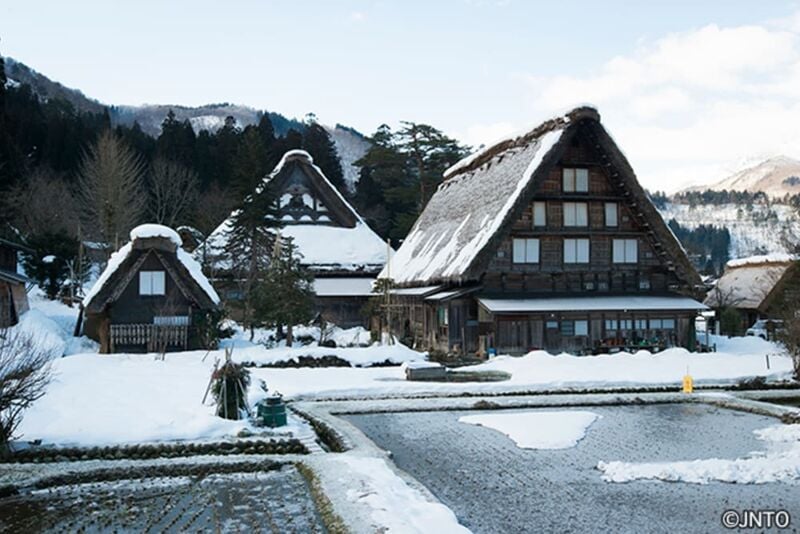
UNESCO village with gassho-zukuri farmhouses. Spectacular in winter. Small (2–4h covers it). Best for photographers and winter travelers. ¥800 entry to Wada House.
🏯 Takayama
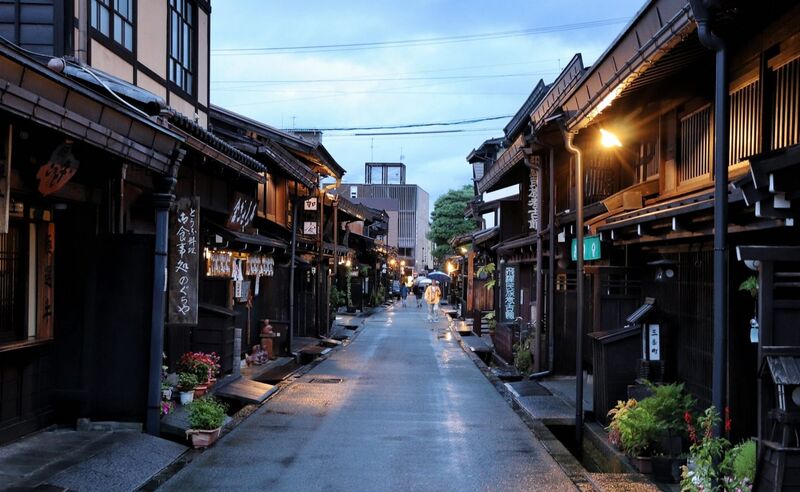
Full historic city — Sanmachi Suji old town, 2 morning markets, 6+ sake breweries, Hida beef, and the outstanding Hida Folk Village open-air museum. 2 days needed. Much more for your time.
Quick Comparison
| Category | 🏘️ Shirakawa-go | 🏯 Takayama | Winner |
|---|---|---|---|
| Type of destination | UNESCO World Heritage village — tiny, 2–4h to cover | Historic city with preserved old town — 2+ days to do properly | Takayama |
| Main highlight | Gassho-zukuri thatched farmhouses, especially in snow | Sanmachi Suji old town, morning markets, sake breweries, Hida beef | Tie |
| Transit from Nagoya | ~3h (Nagoya → Takayama by JR + 50 min bus to Shirakawa) | ~2h20m by JR Wide View Hida limited express (¥5,570) | Takayama |
| Getting between them | Nohi Bus: 50–60 min, ¥2,600 one-way, ¥4,660 round-trip | Complement | |
| Time needed | 2–4 hours for the whole village | 2 full days to see it properly | Takayama |
| Entry fees | Wada House ¥800 (~$5) — other farmhouses ¥300–500 each | Hida Folk Village ¥700 (~$5); markets and Sanmachi Suji are free | Takayama |
| Food scene | Very limited — a few tourist-focused restaurants in the village | Excellent — Hida beef, mitarashi dango, sake tastings, soba | Takayama |
| Best season | Winter (Dec–Feb) for snow; winter illumination nights are magical | Year-round; spring cherry blossoms and autumn foliage are peak | Tie |
| Crowd levels | Often overrun with tour buses — worse in winter illumination and spring | Busy but large enough to absorb crowds; arrive early | Takayama |
| Overnight stay | Farmhouse guesthouses (minka) — unique but expensive (¥15,000–30,000/person with meals) | Wide range: guesthouses ¥4,000–8,000, ryokan ¥12,000–25,000 | Takayama |
| Similar alternative | Ainokura or Suganuma villages (quieter, smaller, similar architecture) | Hida Folk Village (open-air museum with similar farmhouses, fewer crowds) | Depends |
🏘️ Traditional Architecture & Atmosphere
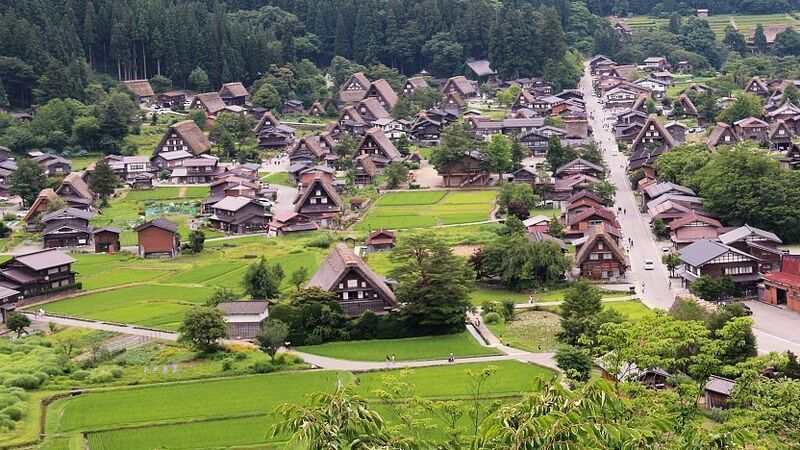
Shirakawa-go's gassho-zukuri farmhouses are among the most recognizable architectural images in Japan. "Gassho-zukuri" means "hands in prayer" — the steep A-frame roofs, up to 60 degrees, were designed to shed the region's heavy snowfall while housing extended families and silkworm cultivation in the upper floors. The main village, Ogimachi, has about 100 surviving farmhouses across a small valley. The effect, especially in winter snow, is like stepping into a woodblock print. UNESCO designated the site a World Heritage Site in 1995 alongside the smaller Gokayama villages. You can enter the largest farmhouse, Wada House (¥800), to see the interior structure. Kanda House (¥400) and Nagase House (¥300) are smaller but less crowded. The Shiroyama Viewpoint — a 10-minute uphill walk from the village — gives you the sweeping panorama that most photos use. Plan 20 minutes round-trip for the viewpoint alone.
Takayama's Sanmachi Suji is a different kind of preserved district — an entire city's merchant quarter frozen in the Edo period. Three parallel lanes (Ichinomachi, Ninomachi, Sannomachi) are lined with sake breweries, miso shops, craft stores, and traditional townhouses, all free to walk. The preserved section is longer and more immersive than you'd expect — you can easily spend 2 hours just browsing, tasting, and photographing. Unlike Shirakawa-go, which is a village, Sanmachi Suji is woven into a living city with restaurants, cafés, and locals going about their day. The Higashiyama Temple Walk links 13 temples and shrines on the eastern edge of Takayama through forested paths — a 2-hour circuit that feels nothing like a tourist site.
Winner takeaway
- Winner: Tie — different experiences entirely
- Why: Shirakawa-go delivers a singular visual experience that Takayama cannot match. But Takayama's Sanmachi Suji is richer, more varied, and more alive. The honest verdict: Shirakawa-go is more spectacular, Takayama is more satisfying.
- Who this matters for: Photographers and winter travelers prioritizing that one iconic shot should make Shirakawa-go the priority. Everyone else gets more out of Takayama's depth and variety.
🍜 Food & Dining
Takayama has one of the best regional food scenes in Japan — a rare combination of premium wagyu, excellent street food, and sake culture all concentrated in a walkable old town. The star is Hida beef (飛騨牛, Hida-gyu) — a local wagyu brand less famous internationally than Kobe or Matsusaka, but arguably more accessible in price and just as exceptional in quality. Try it as a skewer (hoba-yaki style on a magnolia leaf, ¥1,500–2,000), as a rice bowl (¥1,800–2,500), or at a sit-down teppanyaki restaurant for a full course. Mitarashi dango at the Miyagawa morning market — sweet-savory soy-glazed rice dumplings — are the essential ¥200 snack. Takayama also has 6+ working sake breweries along Sanmachi Suji, identifiable by cedar-ball (sugidama) decorations over the door. Most offer free or cheap tastings (¥200–500 for a flight). See our Hida beef guide for Takayama for the best restaurants by budget.
Shirakawa-go's food scene is very limited — there are a handful of restaurants in Ogimachi village serving set lunches (¥1,200–2,000), but nothing worth making a special trip for. The local specialty is doburoku, a cloudy home-brewed sake unique to the village (traditionally exempt from Japan's strict brewing regulations through a special government exemption). You can try it at the Doburoku Festival in October or at some farmhouses, but otherwise the food experience is firmly in "tourist lunch" territory. If you're doing Shirakawa-go as a half-day from Takayama, eat in Takayama before or after.
Winner takeaway
- Winner: Takayama — not even close
- Why: Takayama's Hida beef, morning market dango, and sake brewery row are three distinct world-class food experiences in one walkable area. Shirakawa-go has tourist lunches. This category isn't a competition.
- Who this matters for: Any food-focused traveler should base in Takayama and treat Shirakawa-go as a half-day visual excursion with no food expectations. Plan to be hungry when you get back.
💰 Cost Comparison
Takayama is excellent value for a Japanese city. Sanmachi Suji old town is entirely free to walk. Hida Folk Village (the outstanding open-air farmhouse museum) costs ¥700 (~$5). Miyagawa morning market is free. Sake brewery tastings run ¥200–500. Budget meals at the morning market run ¥500–1,500; Hida beef bowls are ¥1,800–2,500; sit-down restaurants ¥3,000–8,000. Budget guesthouses run ¥4,000–7,000/night for a private room; mid-range ryokan ¥12,000–20,000 with dinner and breakfast. Total for a solid Takayama day: ¥4,000–8,000 ($27–53) all-in, including entry fees and a Hida beef meal.
Shirakawa-go adds significant transit costs to its entry fees. The round-trip Nohi Bus from Takayama costs ¥4,660 — more than a full day's food budget in Takayama. Entry to Wada House is ¥800, smaller houses ¥300–500 each. Food in the village is overpriced tourist fare (¥1,200–2,000 for basic lunch). Staying overnight in a traditional minka farmhouse costs ¥15,000–30,000 per person (including meals) — a premium experience, but a premium price. A Shirakawa-go half-day from Takayama costs ¥6,000–8,000 ($40–53) including bus and a couple of house entries — not cheap for 2–4 hours.
Winner takeaway
- Winner: Takayama
- Why: Takayama delivers a full day of premium experiences for less money than a Shirakawa-go half-day trip. The ¥4,660 round-trip bus alone is a significant premium. If you're budget-conscious, Hida Folk Village at ¥700 gives you gassho-zukuri farmhouses without the bus cost.
- Who this matters for: Budget travelers, those on a tight Japan itinerary, and anyone questioning whether Shirakawa-go is worth its transit premium. The answer is yes — but only if you have the time and budget for the bus. If you don't, Hida Folk Village scratches the same itch for ¥700.
🚃 Getting There & Transit
Takayama is well-connected but remote from major hubs. From Nagoya, the JR Wide View Hida limited express runs direct in 2 hours 20 minutes (¥5,570 one-way, covered by JR Pass). From Osaka, it's about 4 hours total via Nagoya. From Tokyo, plan on a 4–5 hour journey (Shinkansen to Nagoya, then JR Hida). Highway buses from Shinjuku Bus Terminal are cheaper (¥6,000–7,000 one-way) but take 5–5.5 hours. Takayama itself is highly walkable — the old town, morning markets, and Hida Folk Village are all reachable on foot or by cheap local bus (¥200–400 per ride).
Shirakawa-go has no train station — the only public transit is the Nohi Bus from Takayama or Kanazawa. From Takayama Bus Terminal, buses run 4–6 times daily (timetable varies by season), taking 50–60 minutes for ¥2,600 one-way or ¥4,660 round-trip. Book tickets in advance during peak seasons (hanami, foliage, winter illumination) — buses fill up weeks ahead. From Kanazawa, the bus takes about 75 minutes for ¥2,500. Once in Ogimachi village, everything is walkable — it's a small village. There's no reason to rent a car unless you're also visiting the smaller Gokayama villages (Ainokura, Suganuma), which are not served by the Takayama–Kanazawa buses.
Winner takeaway
- Winner: Takayama
- Why: Takayama has direct train connections from Nagoya — straightforward. Shirakawa-go requires a bus from Takayama or Kanazawa, with no train option whatsoever. The bus fills up and must be pre-booked in peak season. Takayama is the gateway; Shirakawa-go is the extension.
- Who this matters for: Anyone planning a Japan Rail Pass itinerary — Takayama is JR Pass eligible, Shirakawa-go bus is not. Budget the extra ¥4,660 for the round-trip bus if you want Shirakawa-go, and book ahead.
🌸 Best Time to Visit
Shirakawa-go has one unmistakably peak season: winter. From December through February, the gassho-zukuri farmhouses accumulate snow on their massive thatched roofs, creating the scene that's become synonymous with rural Japan. The village also runs a series of winter illumination events (typically in January and February, on select Friday and Saturday evenings) where the village is lit up after dark — these are among the most photographed events in Japan and require advance bus reservations. Spring (late April–early May) brings cherry blossoms framing the farmhouses. Autumn (mid-October to mid-November) offers foliage. Summer is green but crowded with tour buses; the farmhouse interiors are pleasant for escaping the heat. Avoid weekends in any peak season if you want a peaceful experience — the parking lot fills with tour buses by 10am.
Takayama is genuinely good year-round, with two standout seasons. Spring (late March to early May) brings cherry blossoms at Higashiyama and the Sanno Festival (April 14–15) — one of Japan's three great festivals, featuring float processions and street performances. Autumn (October–November) is spectacular, with foliage across the mountain town and the Takayama Festival (October 9–10). Summer offers comfortable mountain temperatures (Takayama sits at 560m elevation, noticeably cooler than Nagoya or Tokyo). Winter has less foot traffic and snow-dusted streets, but some restaurants reduce hours. The morning markets run year-round (weather-dependent).
Winner takeaway
- Winner: Shirakawa-go (in winter), Takayama (all other seasons)
- Why: Shirakawa-go's winter snow scenery is the single most compelling reason to visit either destination — nothing in Takayama matches that visual payoff. But outside winter, Takayama offers more consistent, weather-resilient experiences. Takayama's Sanno and Takayama Festivals are among Japan's top annual events.
- Who this matters for: Winter travelers should prioritize Shirakawa-go and plan bus reservations weeks in advance. Spring/autumn travelers should use Takayama as the primary base and add Shirakawa-go as a day trip.
🏨 Where to Stay
Takayama has the best accommodation variety in the region. Budget guesthouses in the old town run ¥3,500–6,000 for a private room (or ¥2,500–4,000 for a dorm). Mid-range ryokan with breakfast (and sometimes dinner) run ¥8,000–15,000/person. High-end ryokan with full kaiseki meals and onsen baths run ¥20,000–40,000/person. Many ryokan in Takayama include a private or shared onsen — a significant upgrade from just a hotel bath. Staying in the old town area means you can walk to Sanmachi Suji before the crowds arrive (before 9am) — a major advantage. We did 2 nights in Kanazawa, day trip to Shirakawa-go on the way to Takayama, then 2 nights in Takayama — all three places are amazing.
Shirakawa-go's overnight experience is genuinely unique but expensive. About 20 traditional farmhouse guesthouses (minshuku or minka ryokan) operate in Ogimachi village, offering meals made with local mountain vegetables and river fish. Prices run ¥15,000–30,000/person including dinner and breakfast. Staying overnight lets you experience the village after the day-trip crowds leave — evenings are tranquil in a way that daytrippers never see. It's a legitimate bucket-list experience, especially in winter. But one night in a minka will cost twice what a good mid-range Takayama ryokan costs. Most Reddit users recommend it as a special occasion splurge, not a default choice.
Winner takeaway
- Winner: Takayama (for base); Shirakawa-go (for a bucket-list splurge)
- Why: Takayama is the stronger base — better transit connections, more accommodation options, more to do in the evenings. Shirakawa-go overnight is a premium add-on for those who want the "village in snow" experience after the buses leave. Both are worthwhile on different budgets.
- Who this matters for: Travelers with a bigger accommodation budget should consider one night in a Shirakawa-go minka in winter — it's unforgettable. Everyone else: base in Takayama and day-trip to Shirakawa-go.
🎭 Cultural Experiences & Museums
Takayama's cultural depth far exceeds what most visitors expect. The Hida Folk Village (飛騨の里, ¥700) is one of the best open-air museums in Japan: 30+ traditional farmhouses relocated from across Hida region, ranging from gassho-zukuri to smaller styles, on a hillside with rice paddies, koi ponds, and craft demonstrations. It's bigger, quieter, and in many ways more educational than Shirakawa-go — and is frequently recommended as an alternative by Reddit users who found Ogimachi too crowded. The Takayama Jinya (¥430) is the only remaining Edo-period government outpost in Japan — a must for history buffs. The Hida Takayama Museum of Art holds a significant Art Nouveau and Secessionist collection, unusual for rural Japan. And Takayama's two morning markets — Jinya-mae (in front of the Jinya) and Miyagawa (along the river) — run daily from 7am to noon, with local produce, pickles, and crafts.
Shirakawa-go's cultural offer is narrower but potent. The farmhouses themselves are the attraction: enter Wada House (¥800) to see the four-story interior with its silkworm equipment, tools, and life-sized reconstructions. The Shirakawa-go Folk Museum (¥300) in a gassho-zukuri house provides historical context. The Doburoku Festival in October celebrates the village's special government exemption to brew cloudy sake — one of Japan's most unusual micro-festivals. Beyond this, the main cultural activity is walking the village and photographing the farmhouses — which is entirely valid, just narrow.
Winner takeaway
- Winner: Takayama
- Why: Hida Folk Village alone matches Shirakawa-go for gassho-zukuri architecture at a fraction of the transit cost and with far fewer crowds. Add Takayama Jinya, the morning markets, and Sanmachi Suji, and Takayama wins this category convincingly.
- Who this matters for: Culture travelers, museum visitors, and anyone interested in daily life history should prioritize Takayama's depth. Shirakawa-go's cultural offer is real but narrow — primarily the farmhouse exteriors and interiors.
🗺️ The Decision Framework
Choose Shirakawa-go if…
- You're visiting in winter (December–February) and want the iconic snow-covered farmhouse scenery
- You're a photographer and the gassho-zukuri shot is on your list
- You've already seen Hida Folk Village in Takayama and want the full-scale village
- You want to splurge on a minka farmhouse overnight — a genuinely memorable experience
- You're transiting between Takayama and Kanazawa and can stop en route (bus covers both routes)
- You booked a winter illumination bus ticket in advance and have a specific Friday/Saturday evening free
Choose Takayama if…
- You want a proper full-day or multi-day destination with food, culture, and exploration built in
- You're on a budget — Takayama delivers far more per yen than Shirakawa-go
- You're visiting outside of winter and won't see snow — Takayama's charms are season-independent
- You want Hida beef, sake breweries, and morning markets — none of these exist meaningfully in Shirakawa-go
- You're interested in the Sanno Festival (April) or Takayama Festival (October) — two of Japan's greatest
- You want to explore Kamikochi, Shinhotaka Ropeway, or Okuhida onsen as day trips from a base
Most experienced Japan travelers recommend doing both — base in Takayama (2 nights), day-trip to Shirakawa-go (50 min bus). Shirakawa-go as a standalone destination is hard to justify for most itineraries.
🔀 Why Not Both?
Unlike Tokyo vs Kamakura or Kyoto vs Nara, the "Shirakawa-go vs Takayama" comparison often has an obvious answer: do both, and base yourself in Takayama. The 50-minute bus ride between them is short enough to make this a natural day trip — and the two destinations complement each other almost perfectly. Takayama gives you the food, the brewery culture, the morning markets, and the accommodation base. Shirakawa-go gives you the UNESCO farmhouse village and the singular winter scenery. Together, they form one of the best 2–3 day regional itineraries in Japan.
A suggested routing for a 2-night Gifu stay: arrive Takayama from Nagoya by noon, afternoon walk of Sanmachi Suji and sake breweries, Hida beef dinner. Day 2: morning market early (before 8am), then 9am bus to Shirakawa-go (¥2,600 one-way), 2–3 hours in the village, afternoon bus on to Kanazawa or back to Takayama. Day 3 (if 3 nights): Hida Folk Village morning, Kamikochi or Shinhotaka Ropeway afternoon. For context on wider Japan itinerary planning, see our Takayama vs Kanazawa comparison and the Tokyo vs Kyoto guide if you're building the full Japan trip.
Winner takeaway
- Winner: Both
- Why: Shirakawa-go is 50 minutes from Takayama by bus. On a 2+ night Gifu stay, skipping Shirakawa-go entirely is harder to justify than skipping it is to visit. Most travelers who've done both agree: Takayama alone is enough, but Shirakawa-go added makes the whole trip more memorable.
- Who this matters for: Travelers with 2+ nights in the region should almost always do both. Travelers with a single day in Gifu should skip Shirakawa-go and spend the full day in Takayama — the bus transit cost and time commitment aren't worth it for a one-day visit.
❓ Frequently Asked Questions
Should I visit Shirakawa-go or Takayama?
If you can only pick one, choose Takayama. It has far more to see, eat, and do — a preserved old town, morning markets, sake breweries, Hida beef, and a world-class open-air museum. Shirakawa-go is stunning but small: most travelers cover the village in 2–4 hours. Best move: base yourself in Takayama (2 nights) and take a day trip to Shirakawa-go on the Nohi Bus (¥2,600 one-way, 50 min).
How far is Shirakawa-go from Takayama?
About 50 km north, or 50–60 minutes by Nohi Bus express. The bus runs from Takayama Bus Terminal several times daily for ¥2,600 one-way or ¥4,660 round-trip. Book in advance during peak seasons — buses fill weeks ahead during winter illumination events, cherry blossom season, and autumn foliage.
Is Shirakawa-go worth visiting?
Yes — but manage expectations. The gassho-zukuri farmhouse village is genuinely beautiful, especially in winter snow. But it's small (most travelers are done in 2–4 hours) and can feel crowded with tour buses in peak season. If you're short on time or budget, Hida Folk Village in Takayama (¥700) gives you similar architecture without the bus cost.
What is the best time to visit Shirakawa-go?
Winter (December–February) is the most iconic season — snow-covered thatched roofs create Japan's most photographed rural scenes. The winter illumination nights (January–February, select Fridays and Saturdays) are especially magical but require advance bus reservations. Spring brings cherry blossoms; autumn offers fall foliage. Avoid major Japanese holiday weekends in any season.
How many days do you need in Takayama?
Two full days is the sweet spot: Day 1 for Sanmachi Suji old town, Miyagawa morning market, sake brewery row, and Hida beef dinner. Day 2 for Hida Folk Village open-air museum plus a half-day bus trip to Shirakawa-go. One day is workable for Takayama only. Add a third day if you want Kamikochi or Shinhotaka Ropeway.
How do I get to Takayama from Tokyo?
The standard route: Shinkansen from Tokyo to Nagoya (1h40m, ~¥11,000), then the JR Wide View Hida limited express to Takayama (2h20m, ¥5,570 — covered by JR Pass). Total journey about 4 hours. Highway buses from Shinjuku are cheaper (¥6,000–7,000) but take 5–5.5 hours. The JR Pass route is the most popular for rail-pass holders.
Can I visit Takayama and Shirakawa-go in one day?
Possible but very rushed — especially from Tokyo (4h travel each way). Nagoya-based tourists make it work: arrive Takayama by 10am, do the morning market and old town, afternoon bus to Shirakawa-go, then on to Kanazawa by evening. DIY travelers prefer 2+ nights in Takayama. Bus tours from Nagoya cover both destinations in a day for around ¥8,000–12,000.
What should I eat in Takayama?
Hida beef (wagyu) is the must-try — as a skewer on magnolia leaf (¥1,500–2,000), rice bowl (¥1,800–2,500), or sit-down teppanyaki (¥4,000+). At the morning market, mitarashi dango (sweet-soy rice dumplings, ¥200–300) are essential. Sake tastings along Sanmachi Suji run ¥200–500 per flight at breweries like Hirase, Funasaka, and Ota. Hida soba is also excellent.
Ready to plan your Gifu adventure?
Get a free custom itinerary for Takayama, Shirakawa-go, or a full Japan mountain route — built from real traveler insights, not generic templates.
🎟️ Book Tours & Experiences
Hand-picked tours and activities for both destinations — book with free cancellation
Experiences via Viator — free cancellation on most tours