How we built this comparison
This page combines traveler discussion patterns, published price ranges, flight schedules, and seasonal data to help you decide between Siem Reap and Phnom Penh.
- Reviewed 100+ Reddit threads from r/travel, r/solotravel, r/cambodia, and r/southeastasia for firsthand experiences and advice.
- Verified costs and logistics against current booking platforms (e.g., Agoda, Grab, Giant Ibis) and recent traveler blogs.
- Cross-referenced seasonal patterns and weather data with local insights to provide accurate 'best time to visit' recommendations.
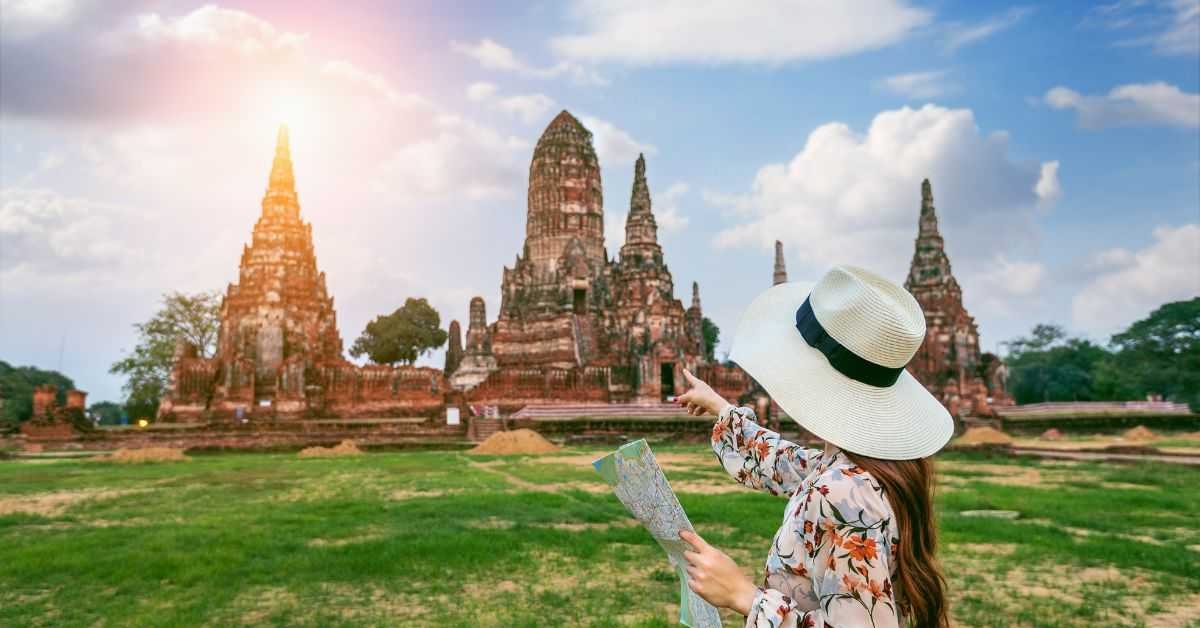
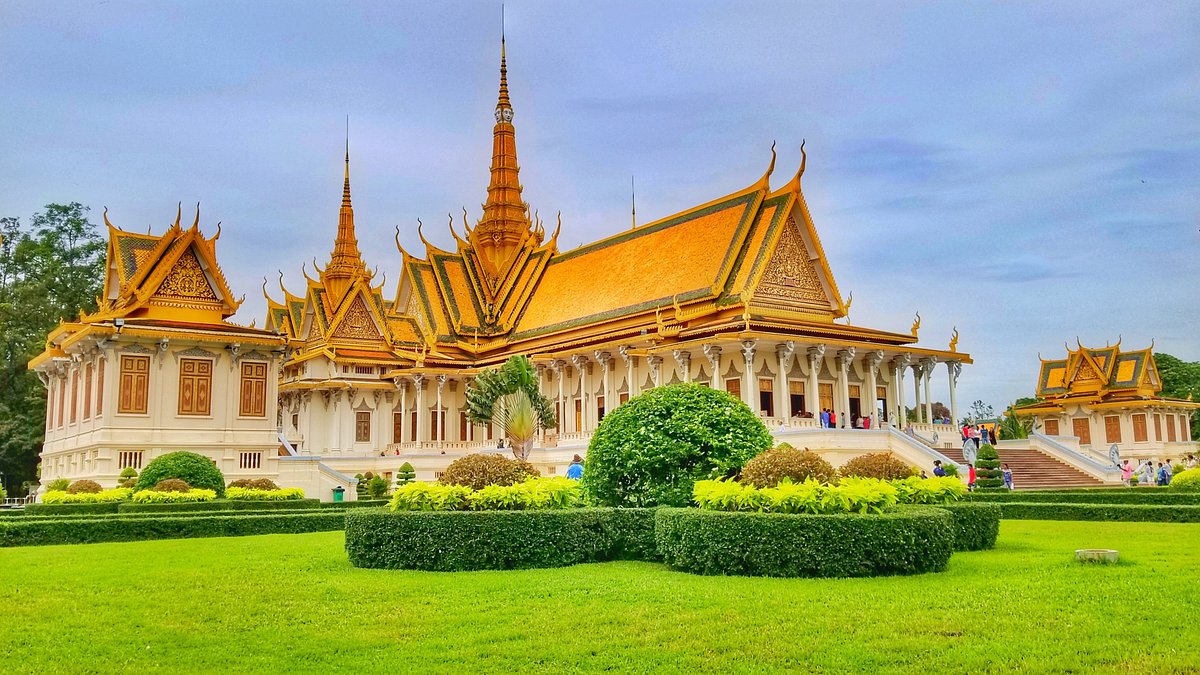
⚡ The TL;DR Verdict
For those seeking spiritual wonder and relaxed vibes with ancient temples at their doorstep, Siem Reap is your clear winner, especially for a 3-5 day stay on a budget of $30-60/day. If you're drawn to raw history, bustling city life, and a deeper dive into Cambodian culture, Phnom Penh offers a more intense, authentic experience, ideal for 2-4 days with a similar $35-70/day budget.
- Choose Siem Reap: You're a history buff, a spiritual seeker, or just looking for a relaxed base to explore the magnificent Angkor Wat complex. Perfect for first-timers to Cambodia who want iconic sights and a well-developed tourist infrastructure.
- Choose Phnom Penh: You crave an authentic, gritty Southeast Asian city experience, want to confront Cambodia's tragic past at the S21 Prison and Killing Fields, and enjoy a vibrant, less tourist-centric food and nightlife scene. Great for those who've done the temples or prefer urban exploration.
- Choose Both: To truly understand Cambodia, both cities are essential. Allocate 3-4 days for Siem Reap and 2-3 days for Phnom Penh. Travel between them is easy by bus (6-7 hours, ~$10-15 USD) or a short flight (45 mins, ~$40-80 USD). It offers a complete picture of the country's ancient grandeur and modern resilience.
Quick Comparison
| Category | Siem Reap | Phnom Penh | Winner |
|---|---|---|---|
| Culture & History | Home to the awe-inspiring Angkor Wat, Bayon, and Ta Prohm. Focuses on ancient Khmer civilization and spiritual heritage. | The Royal Palace, Silver Pagoda, S21 Prison, and Killing Fields. Confronts recent history, political power, and urban culture. | Siem Reap |
| Food Scene | Tourist-friendly restaurants, local Khmer cuisine, and international options centered around Pub Street. | Diverse culinary landscape from street food to fine dining, reflecting a more local and expat-driven scene. | Phnom Penh |
| Nightlife | Dominated by Pub Street's lively atmosphere, cheap beer, and numerous bars, attracting a backpacker crowd. | A more varied scene with local bars, rooftop lounges, nightclubs, and live music venues catering to a mixed crowd. | Siem Reap |
| Costs & Budget | Generally slightly higher for tourist services and accommodation due to high demand, but food and local transport can be cheap. | Comparable, with slightly better value for local food and transport, but can be pricier for upscale options. | Tie |
| Getting Around | Primarily tuk-tuks for temples and local rides, easy to negotiate fares or use ride-hailing apps. | More chaotic traffic, extensive use of tuk-tuks, 'moto' (motorbike taxi), and ride-hailing apps (Grab, PassApp). | Siem Reap |
| Accommodation | Abundant guesthouses, boutique hotels, and resorts with pools, often at great value for money. | A mix of budget hostels, business hotels, and luxury options, reflecting a larger, more diverse city. | Siem Reap |
| Day Trips & Excursions | Centered around the Angkor temples, but also includes floating villages (Tonlé Sap) and Kulen Mountain. | Beyond the city, options include Silk Island, Oudong Mountain, and Phnom Tamao Wildlife Rescue Center. | Siem Reap |
| Vibe & Atmosphere | Relaxed, tourist-centric, and focused on ancient history and wellness. Easier to navigate. | Bustling, gritty, authentic capital city feel with a blend of modern development and historical depth. | Siem Reap |
| Safety & Scams | Generally very safe, with common tourist scams (tuk-tuk overcharging, aggressive sellers) being the main concern. | Generally safe, but requires more awareness of petty crime (bag snatching) and traffic. Tourist scams also present. | Siem Reap |
| Shopping | Focus on artisanal crafts, souvenirs, and local markets like the Old Market and Angkor Night Market. | Wider variety of goods from local markets (Central, Russian) to modern malls, including clothing, electronics, and antiques. | Phnom Penh |
🗿 Culture & History
Siem Reap undeniably shines with its unparalleled Angkor complex. Spanning hundreds of square kilometers, this UNESCO World Heritage site demands at least 2-3 full days of exploration. Angkor Wat, Bayon's smiling faces, and Ta Prohm's jungle embrace are just the beginning. A 3-day Angkor Pass costs $62 USD. The town itself offers charming Khmer artisan workshops and traditional Apsara dance shows. Phnom Penh, while lacking ancient temples, offers a profound historical journey through the Royal Palace and Silver Pagoda, but more importantly, a harrowing yet essential dive into the Khmer Rouge regime at Tuol Sleng Genocide Museum (S21, 10,000 KHR / $2.50 USD entry) and the Choeung Ek Killing Fields (15,000 KHR / $3.75 USD entry). It’s a completely different kind of history—raw, confronting, and vital for understanding modern Cambodia. A traveler once mentioned, "S21 just hits different. You can read about it all day, but being there, seeing the cells... it's a gut punch, but absolutely necessary." While emotionally challenging, Phnom Penh's history offers a crucial contemporary context.
Winner takeaway
- Winner: Siem Reap
- Why: Siem Reap's ancient wonders are globally renowned and offer an unmatched historical and spiritual experience.
- Who this matters for: First-time visitors to Cambodia, history buffs, photographers, and those seeking iconic UNESCO sites.
🍜 Food Scene
Phnom Penh edges out Siem Reap in culinary diversity and authenticity. While Siem Reap's Pub Street area offers plenty of tourist-friendly Khmer and international restaurants, like Marum or Cuisine Wat Damnak, and cheap beer, much of it caters to a transient crowd. You can find a good tourist meal for 25,000-40,000 KHR ($6.25-$10 USD). Phnom Penh, as a bustling capital, has a broader range of authentic local street food stalls (try the num banh chok, a Khmer noodle soup, for 6,000 KHR / $1.50 USD) at places like Orussey Market, as well as an impressive array of international restaurants driven by the expat community. From upscale French dining to fantastic Indian and Vietnamese eateries, the options are more varied and often more refined. "Phnom Penh's food scene just feels more authentic, less geared towards tourists. I had the best street food near the river for like $2," a Reddit user commented. You'll find more hidden gems and local eateries offering deeper dives into Cambodian flavors, often at slightly better value for non-tourist trap spots. While Siem Reap has its charms, Phnom Penh truly delivers for the adventurous foodie.
Winner takeaway
- Winner: Phnom Penh
- Why: Phnom Penh offers a wider, more diverse, and authentic range of local and international culinary experiences.
- Who this matters for: Foodies, those seeking authentic local eats, and travelers looking for a more varied dining experience beyond tourist hubs.
🍻 Nightlife
When it comes to sheer volume of accessible, concentrated nightlife, Siem Reap's Pub Street is legendary. It’s a neon-lit, bustling strip where draft beers can be as cheap as 2,000 KHR ($0.50 USD) during happy hour, and bars like Angkor What? Bar and Temple Club are packed nightly with backpackers and tourists. The energy is infectious, making it incredibly easy to meet people and party. Phnom Penh's nightlife is more spread out and diverse, catering to a wider audience from locals to expats. You'll find sophisticated rooftop bars like Sora Skybar, bustling clubs along the riverside, and more low-key local watering holes. While Phnom Penh has more variety, including venues for live music and quieter lounges, it lacks the concentrated, walk-able, and instantly recognizable party zone that Pub Street offers. As one traveler put it, "Pub Street is pure chaos and fun, exactly what you expect. Phnom Penh has cooler, more local spots, but it's not as easy to just stumble into a party." If your idea of nightlife is vibrant, social, and a bit wild, Siem Reap has the edge. If you prefer more upscale, niche, or local experiences, Phnom Penh will serve you better, but it requires more navigation.
Winner takeaway
- Winner: Siem Reap
- Why: Siem Reap's Pub Street offers a concentrated, vibrant, and incredibly social nightlife experience unmatched in Cambodia for budget travelers.
- Who this matters for: Younger travelers, backpackers, those looking to easily socialize, and anyone who enjoys a lively, budget-friendly party atmosphere.
💰 Costs & Budget
Both Siem Reap and Phnom Penh offer excellent value for money compared to Western destinations, but their cost structures differ slightly. In Siem Reap, the major cost will be the Angkor Pass ($37 USD for 1 day, $62 USD for 3 days) and associated tuk-tuk rentals (around $15-25 USD/day). Accommodation can range from $10 USD for a hostel bed to $50-100+ USD for a nice hotel. Meals on Pub Street might be $5-10 USD, while local food is $2-3 USD. Phnom Penh sees slightly higher prices for mid-range to upscale accommodation and international dining, reflecting its status as a capital city. However, local street food and tuk-tuk fares (e.g., a ride across town for 8,000-16,000 KHR / $2-4 USD) can be marginally cheaper than in Siem Reap if you avoid tourist traps. "I found local meals in PP for like $1.50 easily, while Siem Reap's tourist spots pushed me closer to $5-7," a traveler shared. Transportation, especially using apps like Grab, is efficient in both. Overall, a budget traveler can expect to spend $30-50 USD per day in either city, excluding major entry fees. Mid-range travelers can budget $50-80 USD. Neither city is significantly more expensive than the other, making it a tie dependent on your spending habits.
Winner takeaway
- Winner: Tie
- Why: Both cities offer similar overall value, with specific costs varying based on tourist focus versus local living.
- Who this matters for: Budget-conscious travelers can find great value in both; mid-range travelers will also find comfortable options without breaking the bank.
🛵 Getting Around
Getting around in Siem Reap is generally more relaxed and straightforward. The main mode of transport for temple hopping and local rides is the tuk-tuk. You can hire a tuk-tuk driver for a full day to explore the Angkor complex for around $15-25 USD, which is incredibly convenient. For shorter rides around town, fares are typically 8,000-12,000 KHR ($2-3 USD). Ride-hailing apps like Grab and PassApp are readily available and provide fixed, fair prices, making negotiation unnecessary. Phnom Penh, as a bustling capital, has significantly more traffic and a more chaotic urban environment. While tuk-tuks and 'motos' (motorbike taxis) are ubiquitous and cheap (a short ride often 4,000-8,000 KHR / $1-2 USD), navigating the city can be more overwhelming, especially during peak hours. "Siem Reap felt so much easier to get around, especially for the temples. In Phnom Penh, I just felt like I was constantly stuck in traffic," a visitor mentioned. The city's grid is larger, and destinations are more spread out, making longer rides more common. While ride-hailing apps are very efficient in Phnom Penh for fixed prices, the sheer volume of traffic and the general hustle can make it feel more demanding to get from A to B. For ease and a less stressful experience, Siem Reap wins.
Winner takeaway
- Winner: Siem Reap
- Why: Siem Reap offers a more relaxed and easier transportation experience, especially for temple exploration, with less traffic.
- Who this matters for: Travelers who prefer convenience, less chaotic transport, and those who prioritize easy access to main attractions.
🏨 Accommodation
Siem Reap truly excels in its accommodation offerings, especially in the mid-range and luxury segments. The city is brimming with charming boutique hotels, guesthouses, and resorts, many featuring inviting swimming pools and lush gardens – perfect for relaxing after a hot day at the temples. You can find incredibly comfortable and stylish rooms for $30-60 USD, with even luxury options often being more affordable than in comparable destinations. Hostels are plentiful too, with dorm beds starting from $5-10 USD. Phnom Penh, as a larger capital, has a broader range from basic hostels to high-rise business hotels and international luxury brands, but it lacks the consistent charm and 'oasis' feel that many Siem Reap hotels offer. While Phnom Penh has some beautiful heritage properties, much of its accommodation caters to business travelers or those seeking purely functional stays. "My hostel in Siem Reap had a pool and felt like a mini-resort for $8 a night. Phnom Penh was fine, but just a bed," a traveler commented. For overall value, atmosphere, and the ability to find an 'escape' within your hotel, Siem Reap takes the lead, offering a better blend of quality and ambiance for leisure travelers.
Winner takeaway
- Winner: Siem Reap
- Why: Siem Reap offers a superior selection of value-for-money boutique hotels and resorts with excellent amenities, perfect for relaxation.
- Who this matters for: Travelers seeking comfortable, well-appointed accommodation with good facilities (like pools), and those prioritizing ambiance.
🏞️ Day Trips & Excursions
Siem Reap's primary 'day trip' is, of course, the Angkor complex itself, which easily fills 2-3 days. Beyond the temples, popular excursions include trips to the floating villages on Tonlé Sap Lake (like Kompong Phluk or Chong Kneas, though Chong Kneas is often criticized for being overly touristy), offering a glimpse into unique lake-dwelling communities for around $20-30 USD for a boat tour. Another option is Phnom Kulen Mountain, known for its waterfall and reclining Buddha, offering a refreshing break from temple fatigue. Phnom Penh's day trip options are less grand but still enjoyable. Koh Dach (Silk Island) is a popular, easy escape by ferry, where you can cycle through villages and observe silk weaving (transport + ferry ~10,000-20,000 KHR / $2.50-5 USD). Oudong Mountain, an ancient capital, offers historical stupas and panoramic views. The Phnom Tamao Wildlife Rescue Center provides an ethical animal encounter, focusing on rescued Cambodian wildlife. While Phnom Penh's day trips offer a nice break from the city, they don't possess the same iconic draw or scale as Siem Reap's offerings. "After Angkor, the floating village was a nice change of pace. Phnom Penh's day trips felt more like just getting out of the city rather than seeing something truly unique," a traveler observed. Siem Reap simply has more world-class attractions within easy reach.
Winner takeaway
- Winner: Siem Reap
- Why: Siem Reap offers more iconic and diverse day trip options, centered around the magnificent Angkor complex and unique cultural experiences like the floating villages.
- Who this matters for: Travelers seeking 'bucket list' attractions and a variety of distinct cultural and natural excursions beyond the main town.
🧘 Vibe & Atmosphere
Siem Reap exudes a remarkably relaxed and welcoming atmosphere, despite its high tourist volume. The town itself is relatively small and easy to navigate on foot or by tuk-tuk, with a pleasant riverside area and numerous cafes. There's a palpable sense of reverence for the ancient history, and many visitors find a spiritual calm amidst the temples. It feels like a dedicated tourist hub, designed for ease and enjoyment. Phnom Penh, in stark contrast, is a full-throttle Southeast Asian capital. It’s noisy, dusty, sprawling, and perpetually in motion. There's a raw energy that can be exhilarating for some, but overwhelming for others. It’s a city confronting its past while rapidly developing, creating a complex and sometimes chaotic blend. "Siem Reap felt like a vacation, while Phnom Penh felt like an adventure. Both good, but very different energies," a tourist wisely remarked. You'll witness more everyday Cambodian life in Phnom Penh—the markets, the traffic, the street vendors—but it comes with less immediate serenity. For a generally more peaceful, accessible, and less demanding vibe, Siem Reap is the clear winner. Phnom Penh offers a richer, more authentic but also more challenging cultural immersion.
Winner takeaway
- Winner: Siem Reap
- Why: Siem Reap offers a more relaxed, accessible, and less overwhelming atmosphere, ideal for a comfortable and tranquil travel experience.
- Who this matters for: Travelers seeking relaxation, ease of navigation, and a generally calmer environment for their vacation.
🚨 Safety & Scams
Both Siem Reap and Phnom Penh are generally safe for tourists, but Phnom Penh, as a larger capital, demands a higher degree of vigilance. In Siem Reap, the most common issues are minor scams like tuk-tuk drivers trying to overcharge or push specific shops, and aggressive street vendors near popular sites. Petty theft is rare, especially in tourist areas, and the atmosphere feels very secure, even at night around Pub Street. In Phnom Penh, the risk of bag snatching, especially from passing motorbikes, is more prevalent, particularly in crowded areas or when walking near busy roads. "I felt super safe in Siem Reap, even walking alone at night. In PP, I definitely kept my bag close and was more aware of my surroundings, especially on a tuk-tuk," a solo female traveler shared. Traffic in Phnom Penh is also significantly more chaotic, posing a higher risk for pedestrians and motorcyclists. While serious violent crime against tourists is uncommon in both cities, the increased urban challenges and petty crime risk in Phnom Penh make Siem Reap feel marginally safer and less demanding in terms of constant awareness. Using ride-hailing apps in both cities helps mitigate overcharging and provides a trackable journey.
Winner takeaway
- Winner: Siem Reap
- Why: Siem Reap generally feels safer and requires less vigilance regarding petty crime, offering a more relaxed environment for tourists.
- Who this matters for: Solo travelers (especially females), families, and those who prioritize a low-stress, secure travel experience.
🛍️ Shopping
For general shopping, Phnom Penh offers a more extensive and diverse experience. Its Central Market (Phsar Thmey) is an Art Deco landmark packed with everything from jewelry and clothes to household goods, while the Russian Market (Phsar Toul Tom Poung) is famous for its vast array of souvenirs, clothing, and even fake designer goods, offering better bargaining opportunities. You'll find more authentic local goods, textiles, and even modern shopping malls like Aeon Mall for international brands and electronics. Siem Reap's shopping scene is primarily geared towards tourists and souvenirs. The Old Market (Phsar Chas) and Angkor Night Market offer a good selection of traditional Cambodian crafts, silks, carvings, and 'Angkor Wat' themed trinkets. While you can find beautiful handcrafted items, the variety beyond tourist souvenirs is limited compared to the capital. "Phnom Penh's markets felt like real local markets where people actually shop, not just for tourists. Siem Reap was mostly just souvenir stalls," a traveler mentioned. If you're looking for unique gifts and local crafts, Siem Reap is good, but for a broader retail experience, including fashion, home goods, and a more authentic market buzz, Phnom Penh is the winner. Expect to haggle for better prices in both cities' markets.
Winner takeaway
- Winner: Phnom Penh
- Why: Phnom Penh offers a broader and more diverse shopping experience, from authentic local markets to modern malls and a wider range of goods.
- Who this matters for: Serious shoppers, those looking for local clothing, antiques, electronics, or a more diverse market experience beyond tourist souvenirs.
❓ Frequently Asked Questions
Which city is better for a first-time visitor to Cambodia?
For most first-timers, Siem Reap is the ideal introduction due to its iconic Angkor Wat complex, relaxed atmosphere, and well-developed tourist infrastructure. It provides a more gentle and visually stunning entry into Cambodian culture. Phnom Penh offers a deeper, more challenging insight into the country's modern history, which might be better appreciated after experiencing Siem Reap's ancient grandeur.
How many days should I spend in each city?
For Siem Reap, plan 3-4 full days to adequately explore the main Angkor temples, visit a floating village, and enjoy the town. For Phnom Penh, 2-3 full days are sufficient to cover the Royal Palace, S21 Prison, Killing Fields, and explore the markets and riverside area. If doing both, allow for travel time in between.
What's the best way to travel between Siem Reap and Phnom Penh?
The most common and budget-friendly way is by bus, taking 6-7 hours and costing around $10-15 USD. Companies like Giant Ibis or Virak Buntham offer comfortable services. Alternatively, a domestic flight takes only 45 minutes and typically costs $40-80 USD, saving significant time if your budget allows.
Is it safe for solo female travelers in either city?
Both cities are generally safe for solo female travelers, but common sense precautions are essential. Siem Reap tends to feel more secure, especially around tourist areas. In Phnom Penh, be more mindful of bag snatching, especially on tuk-tuks, and avoid walking alone in poorly lit areas at night. Use ride-hailing apps for safety and convenience.
What's the best time of year to visit?
The dry season from November to February offers the most comfortable weather with cooler temperatures and less humidity, making it ideal for temple exploration. March to May is hot and dry, while June to October is the rainy season, bringing lush landscapes but also potential for heavy downpours and higher humidity. Each season has its pros and cons.
Are there ethical ways to visit the floating villages near Siem Reap?
Yes, it's crucial to choose ethical tours. Avoid Chong Kneas, which is often criticized for poverty tourism. Instead, opt for tours to Kompong Phluk or Kampong Khleang, or consider community-based tourism initiatives. Research tour operators beforehand to ensure they support local communities directly and sustainably, avoiding exploitative practices.
Beyond the main sights, what else is there to do?
In Siem Reap, consider a cooking class, visiting an artisan workshop (like Artisans Angkor), or exploring the local markets. In Phnom Penh, take a boat trip along the Mekong, visit Koh Dach (Silk Island) for a rural escape, or explore the vibrant street art scene and various local cafes and NGOs for a deeper city immersion.
Is it easy to find vegetarian/vegan food?
Yes, both cities have seen a significant increase in vegetarian and vegan-friendly options, especially in tourist areas. Siem Reap, with its wellness focus, has many dedicated vegan restaurants. Phnom Penh, being a larger city with diverse cuisine, also offers numerous choices across local and international restaurants. HappyCow is a useful app for finding options in both locations.
Ready to plan your Cambodia trip?
Get a free custom itinerary for Siem Reap, Phnom Penh, or both — built from real traveler insights.
🎟️ Book Tours & Experiences
Hand-picked tours and activities for both destinations — book with free cancellation
Experiences via Viator — free cancellation on most tours