How we built this comparison
This page combines traveler discussion patterns, published price ranges, flight schedules, and seasonal data to help you decide between Slovakia and Czech Republic.
- Reviewed 50+ Reddit threads from r/travel, r/solotravel, r/czechtravel, r/slovakiatravel, r/europe for real traveler experiences and advice.
- Verified costs for accommodation, transport, and attractions against current booking platforms (Booking.com, Trainline, national rail sites) and popular travel blogs.
- Cross-referenced seasonal patterns and weather data from meteorological sources to provide optimal visit times and activity recommendations.
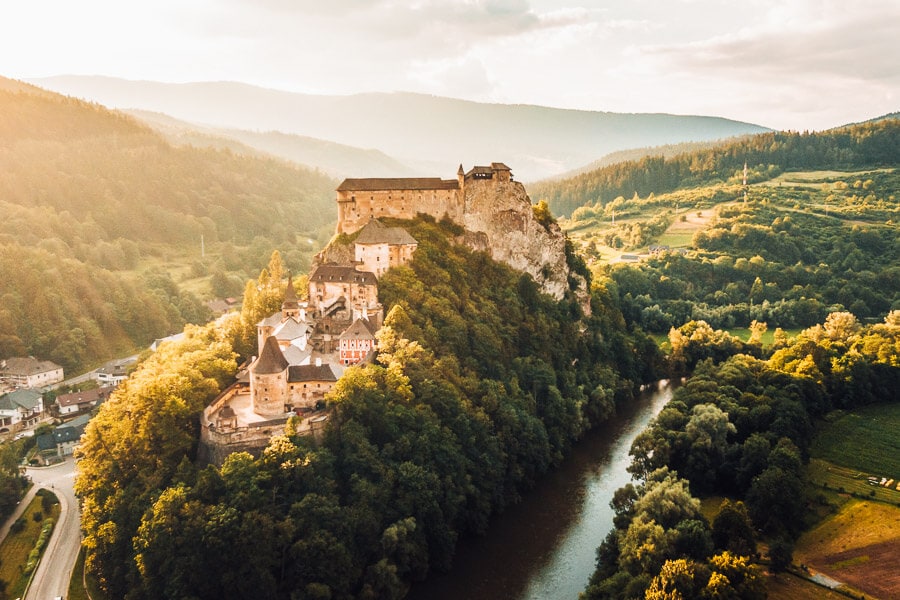
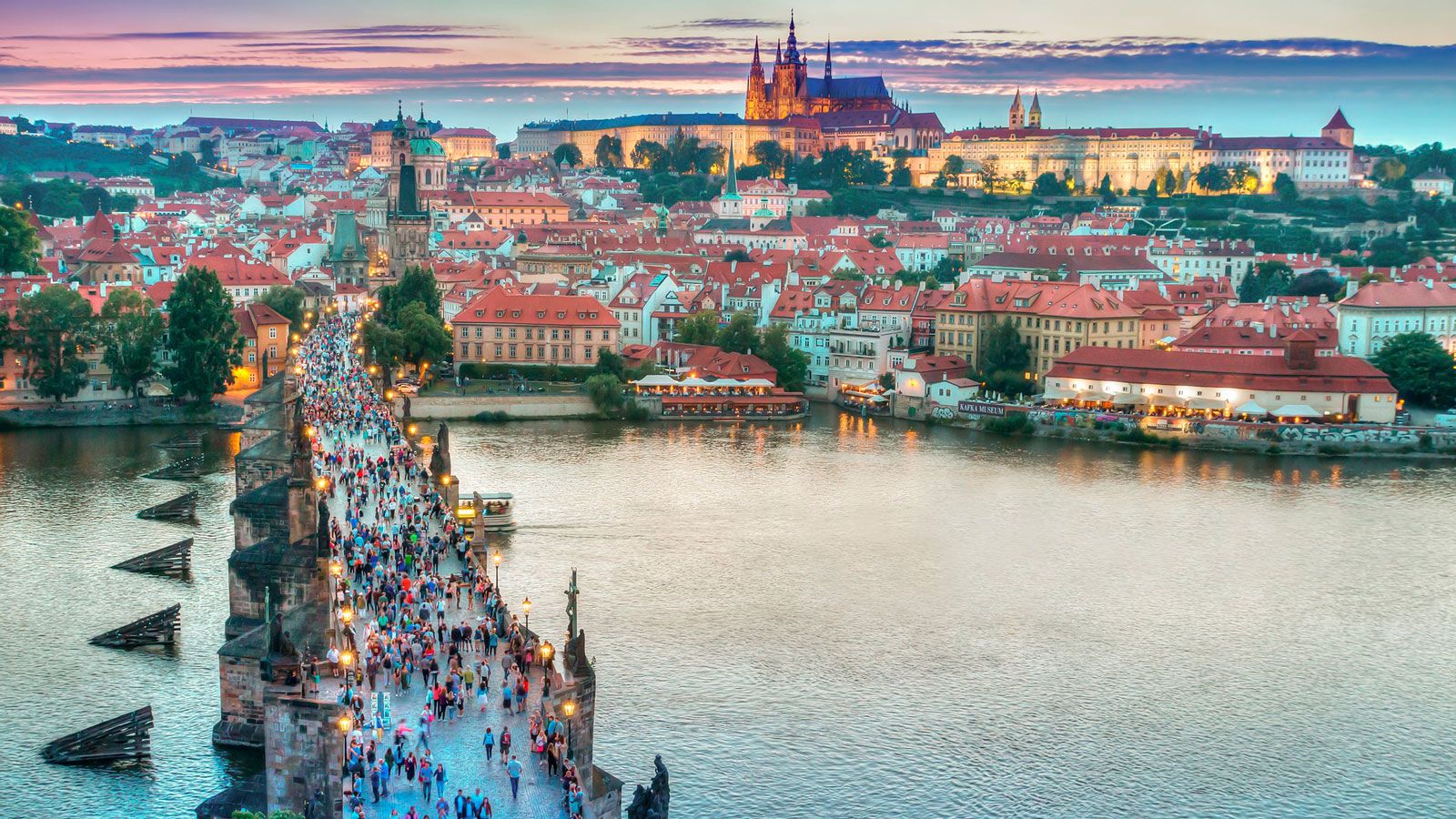
⚡ The TL;DR Verdict
For those seeking vibrant city life, iconic history, and a well-trodden tourist path, the Czech Republic (especially Prague) is your pick, with a daily budget of $70-120. If you crave dramatic nature, authentic cultural immersion without the crowds, and a more budget-friendly experience, Slovakia awaits, typically for $50-90 daily.
- Choose Slovakia: Choose Slovakia for breathtaking mountain landscapes (High Tatras), fewer tourists, a more raw and authentic feel, and significantly lower costs outside Bratislava. Ideal for hikers, nature lovers, and budget-conscious adventurers.
- Choose Czech Republic: Pick the Czech Republic for its world-renowned historical cities like Prague and Český Krumlov, bustling nightlife, a more developed tourist infrastructure, and a wider array of cultural attractions. Perfect for first-time European travelers, history buffs, and those who enjoy a lively urban environment.
- Choose Both: Combine both if you have 10-14 days and want a comprehensive Central European experience. Start in Prague, take a train to Brno, then cross into Slovakia for Bratislava, and perhaps a domestic flight or longer train to the Tatras. They complement each other beautifully.
Quick Comparison
| Category | Slovakia | Czech Republic | Winner |
|---|---|---|---|
| Costs & Value | Generally more affordable, especially outside Bratislava. Excellent value for nature and authentic experiences. | Prague can be surprisingly expensive in tourist zones, but regional cities like Brno or Olomouc offer better value. Still pricier than Slovakia overall. | Slovakia |
| Nature & Outdoors | Home to the majestic High Tatras with dramatic peaks, pristine national parks, and extensive hiking trails. Incredible for skiing and mountaineering. | Offers beautiful rolling hills, charming national parks like Bohemian Switzerland with unique rock formations, and picturesque forests. Great for moderate hiking. | Slovakia |
| Culture & History | Rich history evident in medieval castles (Spiš Castle), charming old towns, and folk traditions. Less overtly 'grand' than Czech Republic, but deeply authentic. | World-class historical cities like Prague, Český Krumlov, and Kutná Hora. Abundance of UNESCO sites, grand architecture, and a long, complex history. | Czech Republic |
| Food & Drink | Hearty comfort food, strong sheep cheese traditions (bryndza), and good local wines. Less emphasis on beer than Czech Republic. | Famous for its beer culture, hearty meat dishes, delicious pastries, and vibrant café scene. More diverse culinary landscape, especially in Prague. | Czech Republic |
| Nightlife | Bratislava has a decent, compact nightlife scene, but it's smaller and less varied. Other cities are very quiet. | Prague is legendary for its vibrant and diverse nightlife, from massive clubs to cozy pubs and jazz bars. Brno also offers a lively student scene. | Czech Republic |
| Getting Around | Reliable public transport (trains, buses) connects major cities. Less frequent in rural areas. Cars are recommended for exploring national parks. | Excellent, extensive, and efficient public transport network (trains, buses, trams). Easy to navigate, even for first-time visitors. | Czech Republic |
| Accommodation | Good range of hostels, guesthouses, and hotels, often offering excellent value for money, particularly outside Bratislava. | Vast array of options from luxury hotels to budget hostels, especially in Prague. More boutique and high-end options available. | Slovakia |
| Safety | Very safe, low crime rates. Rural areas are particularly peaceful. Basic precautions are enough. | Generally very safe, but Prague can have issues with pickpocketing and tourist scams in crowded areas. Awareness is key. | Slovakia |
| Solo Travel | Great for solo nature exploration. Meeting other travelers can be harder outside of Bratislava's hostels. | Excellent for solo travelers due to robust hostel culture, abundant tours, and easy navigation. Easy to meet people. | Czech Republic |
| Day Trips | Great day trips from Bratislava include Devin Castle, Small Carpathian wine region, or even Vienna (Austria). Further afield, the Tatras are amazing but longer. | Exceptional day trip options from Prague: Český Krumlov, Kutná Hora, Pilsen, and Bohemian Switzerland National Park are all easily accessible and iconic. | Czech Republic |
💰 Costs & Value
When it comes to stretching your travel dollar, Slovakia definitely offers more bang for your buck, particularly once you venture beyond Bratislava. A decent meal in a local Slovak 'koliba' (traditional restaurant) might set you back €8-12 ($9-13 USD) for a hearty bryndzové halušky (sheep cheese dumplings) and a beer, whereas a comparable experience in Prague's Old Town Square could easily hit 300-400 CZK (€12-16 / $13-18 USD) and often feels less authentic. Accommodation, too, is generally cheaper in Slovakia; a comfortable guesthouse in the High Tatras might cost €40-60 ($44-66 USD) per night, while a similar standard in Prague's city center will be more like 1200-1800 CZK (€48-72 / $53-79 USD). Transportation, like a train from Bratislava to Košice, might be €15-20 ($17-22 USD), while Prague to Brno is around 250-350 CZK (€10-14 / $11-15 USD). The daily budget difference is noticeable. "Slovakia felt like Europe 20 years ago, in the best way. My euro went so far compared to Prague." This sentiment is common, highlighting Slovakia's excellent value for travelers prioritizing experiences over luxury.
Winner takeaway
- Winner: Slovakia
- Why: Slovakia consistently offers lower prices for accommodation, food, and activities, providing a more budget-friendly overall travel experience.
- Who this matters for: Budget travelers, long-term explorers, and those who prefer less commercialized destinations.
🏞️ Nature & Outdoors
For raw, untamed natural beauty and adrenaline-pumping outdoor activities, Slovakia is the undisputed champion. The High Tatras mountain range is simply breathtaking, offering hundreds of kilometers of marked hiking trails, from easy walks around Štrbské Pleso lake to challenging climbs like Rysy. In winter, resorts like Jasná in the Low Tatras provide world-class skiing for a fraction of Alpine prices. Slovak Paradise National Park, with its unique 'chains and ladders' trails over waterfalls, is another standout. While the Czech Republic boasts stunning landscapes like Bohemian Switzerland National Park (Pravčická brána arch is iconic) and the Krkonoše Mountains, their scale and drama generally don't match the sheer grandeur of the Slovak Tatras. Hiking a 2,000m+ peak in Slovakia is a common experience, whereas in the Czech Republic, the highest point is Sněžka at 1,603m. "The High Tatras blew my mind. I've hiked a lot in Europe, but Slovakia's mountains felt so much more wild and less crowded than anywhere else." If your idea of a perfect trip involves crisp mountain air, challenging trails, and incredible vistas, Slovakia delivers in spades.
Winner takeaway
- Winner: Slovakia
- Why: Slovakia's High Tatras offer more dramatic, high-alpine landscapes and extensive, challenging hiking opportunities compared to the Czech Republic.
- Who this matters for: Hikers, mountaineers, skiers, and nature photographers seeking epic mountain scenery and adventure.
🏰 Culture & History
The Czech Republic, particularly Prague, is a historical and cultural juggernaut that's hard to beat. Prague Castle, Charles Bridge, and Old Town Square are iconic global landmarks, offering centuries of history packed into an incredibly walkable city. Beyond Prague, towns like Český Krumlov with its fairytale castle and medieval charm, or Kutná Hora's eerie Sedlec Ossuary and stunning St. Barbara's Church, provide endless exploration. The sheer volume and grandeur of UNESCO World Heritage sites in the Czech Republic are astounding. Slovakia, while rich in history with impressive castles like Spiš Castle (one of Europe's largest) and charming medieval towns like Levoča or Bardejov, often feels more understated. Its cultural narrative is perhaps less globally recognized, offering a chance for deeper, less tourist-driven discovery. However, for sheer 'wow' factor and historical density, the Czech Republic prevails. "Prague felt like stepping into a living postcard. Every corner was a photo op and a history lesson." While Slovakia offers beautiful history, the Czech Republic has mastered presenting its past on a grand, accessible scale.
Winner takeaway
- Winner: Czech Republic
- Why: The Czech Republic boasts a higher concentration of globally recognized historical sites, grand architecture, and well-preserved medieval towns.
- Who this matters for: History buffs, architecture enthusiasts, and first-time European travelers seeking iconic landmarks.
🍻 Food & Drink
Both countries offer delicious, hearty Central European cuisine, but the Czech Republic edges out Slovakia, largely due to its world-renowned beer culture and a more varied culinary scene, especially in Prague. Czech beer (pivo) like Pilsner Urquell or Budweiser Budvar is a national treasure, often cheaper than water, and an integral part of the experience. You can enjoy a half-liter pint for 50-80 CZK ($2.20-3.50 USD) almost anywhere. Traditional dishes like 'svíčková' (marinated beef with dumplings and cream sauce) or 'guláš' are widely available and consistently excellent. Prague also has a fantastic modern culinary scene and a charming café culture. Slovakia's food is equally comforting, with 'bryndzové halušky' (sheep cheese dumplings with bacon) being the national dish, and 'kapustnica' (cabbage soup) a winter staple. Slovak wines, particularly from the Small Carpathian region, are gaining recognition. However, the sheer breadth of options and the ubiquitous, high-quality beer in the Czech Republic make it a more compelling destination for food and drink lovers. "Honestly, you can't go wrong with the food in either, but Czech beer just hits different. And the pastries!" This encapsulates the slight but significant edge.
Winner takeaway
- Winner: Czech Republic
- Why: The Czech Republic offers a more diverse culinary scene, a legendary beer culture, and a wider range of high-quality dining experiences, especially in Prague.
- Who this matters for: Beer connoisseurs, foodies who enjoy hearty European cuisine, and those who appreciate a vibrant café culture.
🎉 Nightlife
If your travel plans include a lively nightlife, the Czech Republic, specifically Prague, is the clear winner. Prague is famous globally for its party scene, offering everything from huge, multi-floor superclubs like Karlovy Lázně to intimate jazz clubs, traditional beer halls, and trendy cocktail bars in areas like Žižkov or Vinohrady. A beer in a local pub might cost 50-70 CZK ($2.20-3.00 USD), while cocktails average 150-250 CZK ($6.50-11 USD). The variety and energy are unmatched. Bratislava has a respectable nightlife concentrated around its Old Town, with popular spots like The Club or Trafo, and a growing craft beer scene. However, it's on a much smaller scale, and outside of Bratislava, nightlife in Slovakia is generally very subdued, often limited to local pubs. "Prague's nightlife is insane, no doubt. But Bratislava had some cool hidden bars that weren't nearly as touristy, which was a nice change." While Bratislava offers a more local, relaxed vibe, the Czech Republic guarantees a party for every taste.
Winner takeaway
- Winner: Czech Republic
- Why: Prague's world-renowned and diverse nightlife scene, offering options from mega-clubs to historic pubs, far surpasses anything in Slovakia.
- Who this matters for: Party-goers, young travelers, and those who enjoy a lively evening atmosphere.
🚆 Getting Around
Both countries have well-developed public transport systems, but the Czech Republic's network feels slightly more integrated and user-friendly for tourists, making it the winner. Czech trains and buses, operated by companies like České dráhy (ČD) and RegioJet, are efficient, comfortable, and connect major cities like Prague, Brno, and Olomouc seamlessly. A train ticket from Prague to Brno might cost around 250-350 CZK ($11-15 USD). Prague's metro, tram, and bus system is also one of the best in Europe, making urban exploration incredibly easy. Slovakia's public transport, primarily run by ZSSK (trains) and various bus companies, is also reliable, connecting Bratislava, Košice, and other towns. However, venturing into the High Tatras or other national parks often benefits from having a car or relying on less frequent local buses. "Getting around Prague on the tram was a breeze, even without speaking Czech. Slovakia's trains were fine, but once we left Bratislava, a car would've made exploring so much easier." For pure ease of travel between destinations and within cities, the Czech Republic has a slight edge.
Winner takeaway
- Winner: Czech Republic
- Why: The Czech Republic's public transport system is slightly more comprehensive, efficient, and user-friendly, especially for inter-city travel and within Prague.
- Who this matters for: First-time European travelers, those relying solely on public transport, and city explorers.
🏨 Accommodation
While the Czech Republic, especially Prague, offers an incredibly wide range of accommodation options from luxurious five-star hotels like The Emblem Hotel to popular hostels like The MadHouse Prague, Slovakia ultimately wins for overall value. In Slovakia, you can often find charming, well-maintained guesthouses or family-run pensions in scenic areas like the High Tatras for €40-60 ($44-66 USD) per night, offering a more personal and authentic experience. Even in Bratislava, quality hostels like Wild Elephants Hostel are very affordable, around €15-25 ($17-28 USD) for a dorm bed. In Prague, you'll pay closer to 1200-1800 CZK (€48-72 / $53-79 USD) for a mid-range hotel and 400-600 CZK (€16-24 / $18-26 USD) for a hostel dorm, reflecting the higher demand. While Prague offers more choice in the high-end luxury market, for the average traveler seeking comfortable, clean, and well-located accommodation without breaking the bank, Slovakia consistently delivers better value. "I was genuinely surprised by how nice and affordable our guesthouse in Poprad was. Felt like we got a lot more for our money than in Prague."
Winner takeaway
- Winner: Slovakia
- Why: Slovakia generally provides better value for money across all accommodation types, offering quality stays at lower prices.
- Who this matters for: Budget-conscious travelers, those seeking authentic local guesthouses, and anyone looking for great value.
🚨 Safety
Both the Czech Republic and Slovakia are considered very safe countries for travelers, but Slovakia edges out slightly due to feeling generally less prone to tourist-specific petty crime. In Slovakia, violent crime is rare, and pickpocketing is less prevalent than in bustling European capitals. You can feel very secure walking alone in most cities like Bratislava or Košice, and especially in the rural national parks. The Czech Republic is also very safe, but Prague, as a major tourist hub, does experience more opportunistic petty theft, particularly pickpocketing in crowded areas like Charles Bridge, Old Town Square, and on public transport. There are also more reports of taxi scams or overcharging at tourist-trap restaurants. While these issues are manageable with basic awareness, Slovakia generally feels a bit more relaxed and less 'on guard.' "I felt completely safe wandering around Bratislava at night, even alone. Prague was fine too, but I was definitely more aware of my bag." Both are excellent choices for safety-conscious travelers, but Slovakia offers a slightly more serene environment.
Winner takeaway
- Winner: Slovakia
- Why: Slovakia generally experiences lower rates of petty crime and tourist scams, leading to a slightly more relaxed travel experience.
- Who this matters for: Solo travelers, families, and anyone prioritizing a very secure and peaceful environment.
🚶♀️ Solo Travel
For solo travelers, the Czech Republic, particularly Prague, is incredibly well-suited and takes the win. Prague's established backpacker trail means a plethora of high-quality hostels (like The MadHouse Prague or Hostel One Home) that organize social events, making it super easy to meet fellow travelers. The city is very walkable, public transport is excellent, and there are countless organized tours (free walking tours, pub crawls) catering to solo explorers. English is widely spoken in tourist areas, easing communication. Slovakia is also safe for solo travelers and offers fantastic opportunities for solitary nature adventures in the Tatras. However, outside of Bratislava's main hostels, the infrastructure for meeting other solo travelers is less developed. You might find yourself more on your own in smaller towns or rural areas. "As a solo female traveler, Prague felt incredibly easy and welcoming. I met so many great people at my hostel. Slovakia was amazing for hiking alone, but definitely less social." If your priority is ease of connection and social interaction, the Czech Republic is the stronger choice.
Winner takeaway
- Winner: Czech Republic
- Why: The Czech Republic offers a more developed solo travel infrastructure, including a vibrant hostel scene and abundant social opportunities.
- Who this matters for: Solo travelers looking to easily meet others, first-time solo adventurers, and those who enjoy organized tours.
🗺️ Day Trips
The Czech Republic offers an outstanding array of iconic and easily accessible day trips from Prague, giving it the edge. From Prague, you can reach the stunning medieval town of Český Krumlov (a UNESCO site) by bus in about 3 hours for around 200 CZK ($9 USD), or explore the macabre Sedlec Ossuary and beautiful St. Barbara's Church in Kutná Hora, just an hour by train for 150 CZK ($6.50 USD). The Pilsner Urquell Brewery in Pilsen is another popular choice. Slovakia also has excellent day trip options from Bratislava, including the ruins of Devin Castle (a short bus ride), the charming towns and vineyards of the Small Carpathian Wine Route, or even a quick hop across the border to Vienna, Austria (trains take about an hour and cost €15-20 / $17-22 USD). While Bratislava's international day trip appeal is strong, the Czech Republic's *domestic* day trip options like Český Krumlov or Kutná Hora are globally recognized gems that offer a truly unique historical and cultural experience. "Český Krumlov was like stepping into a fairytale. You can't go to Prague without seeing it. Worth every minute of the bus ride." The sheer variety and iconic status of Czech day trips make them hard to beat.
Winner takeaway
- Winner: Czech Republic
- Why: The Czech Republic boasts more globally recognized, easily accessible, and diverse historical and cultural day trip destinations from its main cities.
- Who this matters for: Travelers who enjoy exploring beyond the main city, history enthusiasts, and those with limited time for longer excursions.
❓ Frequently Asked Questions
Which country is better for a family trip?
Both are great, but Slovakia might have a slight edge for active families due to its focus on nature and outdoor activities like hiking and skiing in the Tatras. The Czech Republic offers more child-friendly museums and attractions in Prague, but Slovakia's less crowded national parks can be a huge draw for adventurous families.
Is English widely spoken in Slovakia and the Czech Republic?
In both countries, English is widely spoken in major tourist areas, hotels, and among younger generations, especially in Prague and Bratislava. Outside these hubs, particularly in rural Slovakia, you might encounter more limited English, so having a translation app or basic local phrases is helpful.
Which has better opportunities for digital nomads?
The Czech Republic, particularly Prague and Brno, is a more established hub for digital nomads, offering a larger ex-pat community, abundant co-working spaces, and a more developed tech scene. Bratislava in Slovakia is growing, but the options are still more limited compared to its Czech neighbors.
What's the best time of year to visit both countries?
Spring (April-May) and early autumn (September-October) are ideal for both, offering pleasant weather for sightseeing and hiking, with fewer crowds than summer. Summer (June-August) is popular but can be hot, especially in cities. Winter is magical for Christmas markets in both, and great for skiing in Slovakia.
Are the train connections good between Prague and Bratislava?
Yes, there are frequent and comfortable direct train connections between Prague and Bratislava. The journey typically takes around 4-4.5 hours and offers scenic views. Both national and private operators (like RegioJet) run this route, providing various service levels.
Which country has more unique local souvenirs?
Both offer unique crafts. The Czech Republic is known for Bohemian crystal, Garnet jewelry, and 'Krtek' (mole) merchandise. Slovakia offers beautiful folk art, sheep wool products, and traditional wooden crafts, often found in smaller villages or local markets, giving it a slightly more 'undiscovered' feel in its uniqueness.
Is it easy to find vegetarian/vegan food?
It's becoming increasingly easy in both. Prague has a thriving vegetarian and vegan scene with many dedicated restaurants and options in mainstream eateries. Bratislava is also improving. In smaller towns or traditional restaurants in both countries, options might be more limited to sides or specific hearty dishes, so planning ahead is wise.
How do the costs of activities like museums and castles compare?
Generally, entry fees for major attractions are slightly lower in Slovakia. For example, a castle entry might be €8-12 ($9-13 USD) in Slovakia vs. 250-400 CZK (€10-16 / $11-18 USD) in the Czech Republic. While not a massive difference, it contributes to Slovakia's overall lower daily budget.
Ready to plan your Central European trip?
Get a free custom itinerary for Slovakia, Czech Republic, or both — built from real traveler insights.
🎟️ Book Tours & Experiences
Hand-picked tours and activities for both destinations — book with free cancellation
Experiences via Viator — free cancellation on most tours